

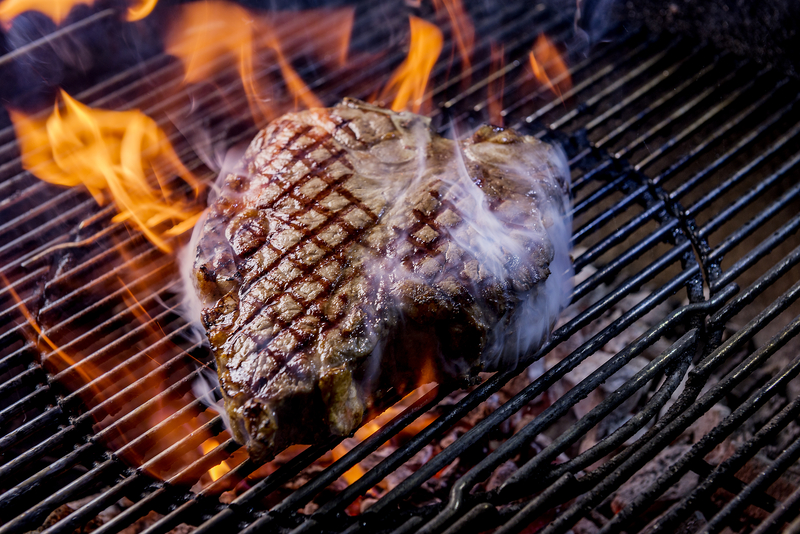
 Charcoal grilling has maintained its popularity among outdoor cooking enthusiasts for good reason, offering distinct advantages that set it apart from gas and electric alternatives.
From backyard barbecues to camping trips, this traditional cooking method continues to deliver results that keep grillers coming back for more.
Charcoal grills provide superior flavor through smoky infusion, better heat control with higher temperature capabilities, and greater cooking versatility at a lower cost than most gas grills.
The direct heat from charcoal creates ideal conditions for achieving perfect sears on meats while allowing for precise temperature management across different cooking zones.
Understanding these benefits can help both novice and experienced grillers make informed decisions about their outdoor cooking setup.
The following exploration covers everything from flavor enhancement and heat control to cost considerations and equipment selection, providing practical insights for anyone looking to maximize their charcoal grilling experience.
Enhanced Flavor Profile
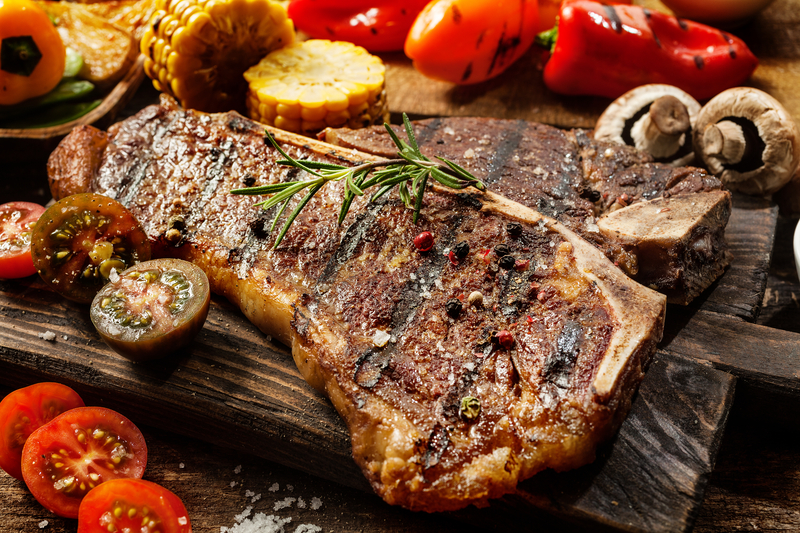
Charcoal grilling creates unique taste experiences through two primary mechanisms: the distinctive smokiness from burning charcoal and the intense heat that produces superior caramelization and searing effects.
Distinct Smoky Flavor
Charcoal produces authentic smoky flavors that cannot be replicated by gas or electric grills. The burning charcoal releases aromatic compounds that penetrate food during cooking.
These compounds create complex flavor layers in meats and vegetables.
Bell peppers develop deeper, more nuanced tastes when grilled over charcoal.
Steaks acquire rich, earthy notes that enhance their natural beef flavors.
The smoke intensity varies based on charcoal type.
Lump charcoal burns hotter and produces lighter smoke flavors.
Briquettes create more consistent, moderate smokiness throughout the cooking process.
Wood chips added to charcoal amplify these effects.
Hickory chips provide bold, bacon-like flavors.
Apple wood creates subtle, sweet smoke that complements poultry and pork.
Rich Caramelization and Searing
Charcoal grills reach temperatures exceeding 700°F, enabling superior searing capabilities.
This intense heat creates the Maillard reaction, which develops complex flavors and appealing textures on food surfaces.
Searing meats over charcoal locks in natural juices while forming caramelized crusts.
The high heat transforms proteins and sugars into hundreds of flavor compounds.
These reactions produce the distinctive taste profiles associated with professional grilling.
The caramelization process extends beyond meats. Vegetables like corn and zucchini develop sweet, charred exteriors that contrast beautifully with their tender interiors.
Charcoal’s radiant heat distribution creates varied temperature zones across the grill surface.
This allows cooks to achieve perfect searing while maintaining precise control over doneness levels.
Superior Heat Control and Versatility
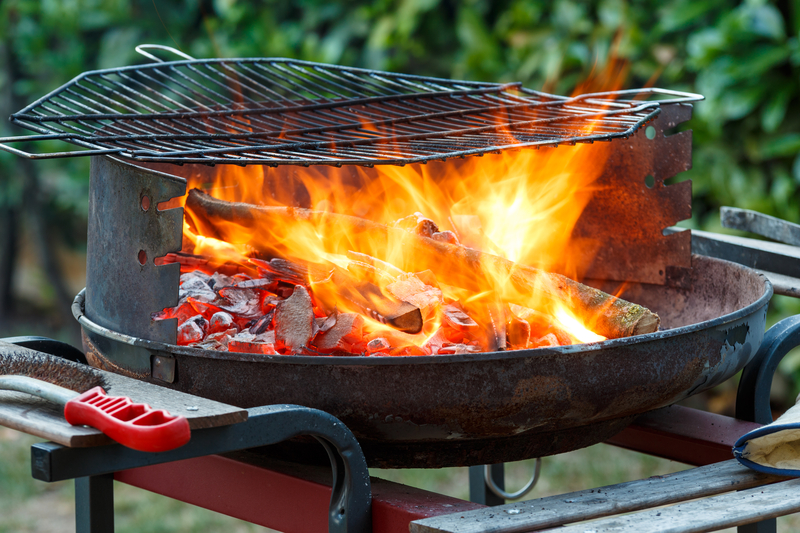
Charcoal grills excel at reaching extreme temperatures while offering precise control over heat zones.
They provide unmatched flexibility for both high-temperature searing and low-temperature cooking methods.
High Heat for Searing Meats
Charcoal grills generate significantly higher temperatures than gas alternatives, often exceeding 700°F without any upper limit.
This intense heat creates the perfect environment for achieving a proper sear on steaks, chops, and other proteins.
Lump charcoal burns hotter than briquettes and responds quickly to airflow adjustments.
The direct infrared heat from glowing coals penetrates food surfaces rapidly.
This high heat capability produces the coveted Maillard reaction.
This chemical process creates the crispy, caramelized exterior that locks in juices and develops complex flavors.
The intense heat also works exceptionally well for vegetables and seafood.
Quick searing preserves textures while adding smoky char marks that enhance both appearance and taste.
Flexible Temperature Control
Heat control on charcoal grills surpasses most other cooking methods through multiple adjustment techniques.
Users can manipulate coal placement, adjust air vents, and modify cooking heights to achieve precise temperatures.
Temperature control ranges from low smoking temperatures around 225°F to extreme searing heat above 700°F.
This versatility eliminates the need for separate cooking equipment.
Creating dual cooking zones is simple with charcoal.
Stacking coals on one side produces a hot zone for searing while leaving the opposite side cooler for indirect cooking.
The damper and vent system provides fine-tuned control.
Opening vents increases oxygen flow and raises temperatures, while closing them reduces heat output and maintains steady cooking temperatures for extended periods.
Traditional Grilling Experience
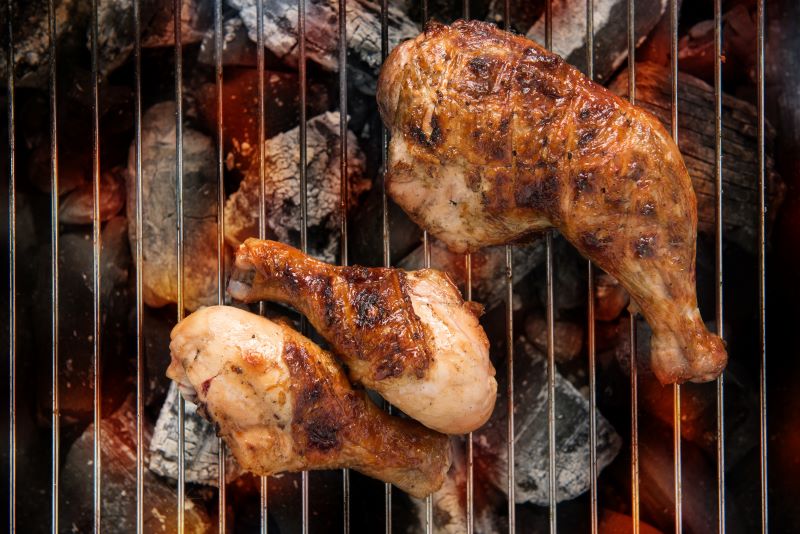
Charcoal grilling connects people to the ancient art of cooking over fire while creating memorable social experiences.
The hands-on approach transforms cooking into an engaging ritual that brings families and friends together around the grill.
Authentic Outdoor Cooking Ambience
Charcoal grilling delivers the most authentic outdoor cooking experience available to modern grillers.
The process begins with lighting coals and managing airflow through vents, creating a direct connection to fire-based cooking methods used for thousands of years.
The sensory elements make charcoal grilling distinctive.
Glowing coals produce radiant heat that cooks food differently than gas flames.
The sound of fat sizzling over hot charcoal creates an unmistakable audio signature.
Visual appeal plays a major role in the traditional experience.
Orange coals provide dramatic lighting during evening cookouts.
The ritual of arranging charcoal and adjusting vents engages grillers in active fire management.
Aromatic smoke from burning charcoal and wood chips fills the air around outdoor cooking areas.
This signature scent signals to neighbors that authentic grilling is taking place.
The smoky atmosphere cannot be replicated by gas or electric alternatives.
Temperature control requires skill and attention on charcoal grills.
Grillers must learn to read coal patterns and adjust ventilation.
This hands-on approach creates a more involved cooking process that many enthusiasts find rewarding.
Social and Recreational Value
Charcoal grilling naturally extends cooking times, creating longer social gatherings around the grill.
The preparation and lighting process gives guests time to arrive and settle into the outdoor environment.
Extended cooking sessions encourage conversation and community building.
The skill-based nature of charcoal grilling makes it a recreational hobby.
Learning temperature control techniques and experimenting with different charcoal types provides ongoing challenges for outdoor cooking enthusiasts.
Many grillers take pride in mastering fire management skills.
Group participation increases with charcoal grills compared to gas alternatives.
Friends and family members often help with coal arrangement, fire starting, or monitoring temperatures.
The collaborative aspect transforms cooking from a solitary task into a shared activity.
Traditional grilling creates teaching opportunities between generations.
Experienced grillers pass down techniques for lighting charcoal, managing heat zones, and timing different foods.
These skills represent practical knowledge that connects people to fundamental cooking methods.
The slower pace of charcoal grilling encourages people to remain outdoors longer.
Guests gather around the warmth of glowing coals even after food preparation ends.
This extended social time strengthens relationships and creates lasting memories.
Cooking Versatility
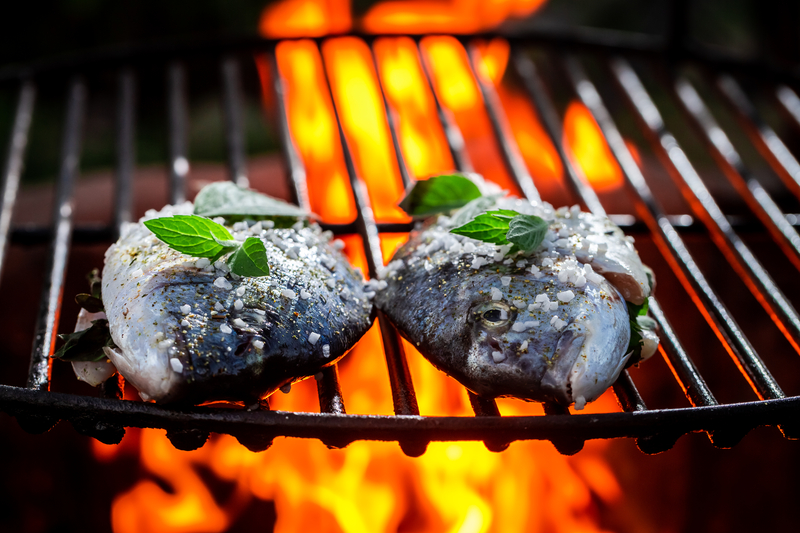
Charcoal grills excel at multiple cooking methods within a single unit, from high-heat searing to low-temperature smoking.
The ability to manipulate coal placement and airflow creates distinct cooking zones for different techniques.
Direct and Indirect Grilling Techniques
Direct grilling places food directly over hot coals for high-heat cooking.
This method works best for steaks, burgers, and vegetables that cook quickly.
The coals create intense heat that sears the exterior while keeping the interior juicy. Temperatures can exceed 600°F for perfect grill marks.
Indirect grilling positions food away from the coals, using the grill like an oven.
Coals stack on one side while food cooks on the cooler side.
This technique handles larger cuts like whole chickens or roasts.
The setup maintains steady temperatures between 250-350°F for even cooking.
Dual-zone cooking combines both methods on one grill.
Users can sear meat over direct heat, then move it to indirect heat to finish cooking without burning.
Smoking and Baking Options
Smoking transforms charcoal grills into dedicated smokers without additional equipment.
Wood chips added to hot coals create flavorful smoke that infuses into food.
Low temperatures between 225-250°F cook food slowly while smoke penetrates deeply.
Ribs, brisket, and pork shoulder develop rich, smoky flavors over several hours.
Different wood types produce distinct flavors – hickory for bold taste, apple for mild sweetness, or cherry for subtle fruitiness.
Baking on charcoal grills requires indirect heat and temperature control.
The grill functions like an outdoor oven for bread, pizza, or desserts.
Steady airflow management maintains consistent temperatures.
Some grillers use pizza stones or cast iron for better heat distribution and crust development.
Cost and Accessibility Advantages

Charcoal grills provide significant financial benefits with lower upfront costs and ongoing expenses.
Charcoal fuel is widely available and simple to store, making it convenient for grill owners.
Affordability Compared to Gas Grills
Charcoal grills cost substantially less than gas grills at the point of purchase.
Basic charcoal models start around $50, while comparable gas grills typically begin at $200 or more.
The price difference stems from simpler construction.
Charcoal grills lack complex components like burners, valves, thermostats, and ignition systems that drive up gas grill costs.
Maintenance expenses favor charcoal grills significantly.
Replacement parts are inexpensive and often interchangeable.
A new cooking grate costs $20-40, while gas grill burners can cost $80-150 each.
Repair work on charcoal grills is straightforward.
Most owners can replace parts themselves without professional service calls.
Fuel costs also lean toward charcoal.
A 20-pound bag of charcoal costs approximately $13 and provides multiple cooking sessions.
Refilling a propane tank averages $18 and offers similar usage time.
Charcoal grills essentially function as smokers too.
This dual capability eliminates the need to purchase a separate smoking unit, adding extra value.
Ease of Charcoal Availability and Storage
Charcoal is available at virtually every grocery store, hardware store, and gas station.
This widespread availability makes it easy to find fuel anywhere.
Propane tank refills require specific locations with proper equipment and trained staff.
Many areas have limited propane refill options, especially in rural locations.
Charcoal storage is simple and safe.
Bags can be kept in garages, sheds, or basements without special ventilation requirements.
The fuel remains stable for years when kept dry.
Portability advantages are clear.
A 20-pound bag of charcoal is easier to transport than a propane tank of similar weight.
Charcoal doesn’t require special handling or safety precautions during transport.
Bulk purchasing saves money.
Charcoal buyers can stock up during sales without worrying about tank rental fees or expiration dates that affect propane users.
Choosing the Right Charcoal and Grill

A Classic Choice: Weber Original Kettle Premium
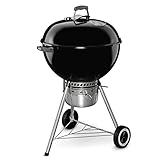 When talking about the benefits of charcoal grilling, the Weber Original Kettle Premium is a classic worth recommending.
Its design makes it easy to get that authentic smoky flavor charcoal fans love, with excellent heat retention thanks to its porcelain-enameled lid and bowl.
The grill includes a One-Touch cleaning system that simplifies ash removal, while the hinged cooking grate lets you add charcoal mid-cook without hassle.
For anyone looking to experience the flavor, control, and tradition of charcoal grilling, the Weber Premium Kettle is a reliable and iconic choice.
Types of Charcoal for Grilling
The type of charcoal and grill design directly impact cooking performance and food flavor.
Understanding the characteristics of different charcoal varieties and grill features helps grillers make informed decisions for their specific cooking needs.
Lump charcoal produces higher heat and burns cleaner than other options.
It reaches temperatures up to 1000°F and lights faster due to its irregular chunks of pure hardwood.
This charcoal type creates authentic smoky flavors without chemical additives.
However, it burns faster and costs more than alternatives.
Charcoal briquettes offer consistent burn times and steady heat output.
 Unlike traditional briquettes that often rely on chemical additives or non-sustainable wood sources, Olivette takes a different approach.
These briquettes are crafted from recycled olive pulp, olive pits, and pruning branches—all byproducts of the olive industry.
This not only reduces waste but also ensures a more sustainable fuel source.
They maintain temperatures around 800°F for extended periods, making them ideal for longer cooking sessions.
Briquettes contain binders and fillers that some grillers prefer to avoid.
They take longer to ignite but provide predictable performance.
Natural hardwood varieties include oak (for example, Camerons All Natural Oak Wood Chips are kiln-dried and offer a mild, balanced smoky flavor that works well with beef, pork, poultry, seafood and game), hickory (Mr. Bar-B-Q Hickory Smoking Chips are bold, rich and ideal for meats needing deeper smoke), and cherry (available in mixed wood chip packs that include cherry, adding a sweet fruit-smoke note)
Oak provides mild smokiness, while hickory delivers stronger taste.
Coconut charcoal burns longer and produces less ash than traditional options.
It offers eco-friendly benefits but may lack the wood smoke flavor many grillers seek.
.