
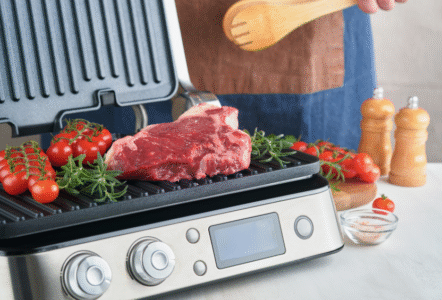
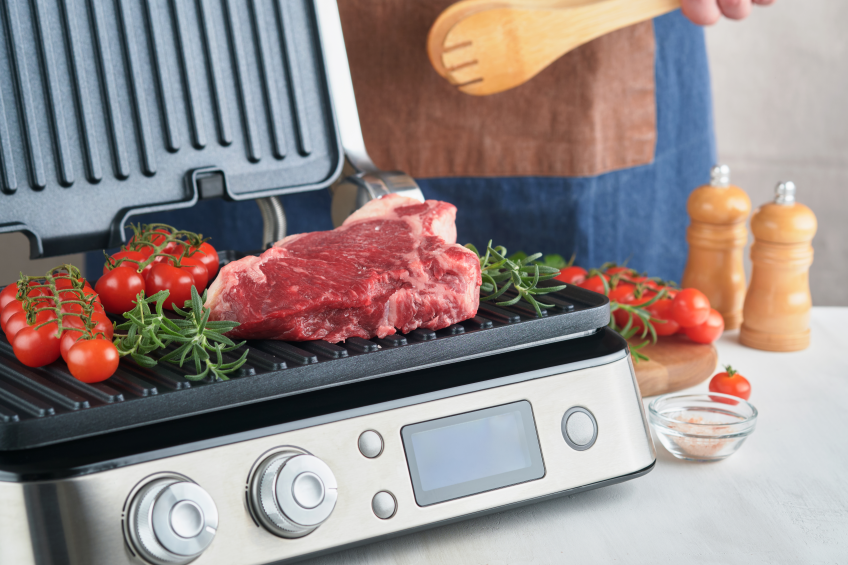
 Grilling food often means dealing with smoke, flare-ups, and burnt edges. Electric grills offer a simpler alternative, but you might wonder if they actually help you eat better.
Electric grilling can be a healthier cooking method because it can let excess fat drip away while requiring little or no added oil. It can also produce fewer harmful compounds than charcoal grilling, since it doesn’t burn charcoal or create the same smoke and soot. However, electric grilling can still produce particulate matter, so it isn’t completely free of risk.
This article explains the health benefits of electric grilling compared with gas and charcoal cooking, what nutrients may be retained or lost, and what safety concerns to consider before you start cooking.
The Bottom Line on Electric Grilling
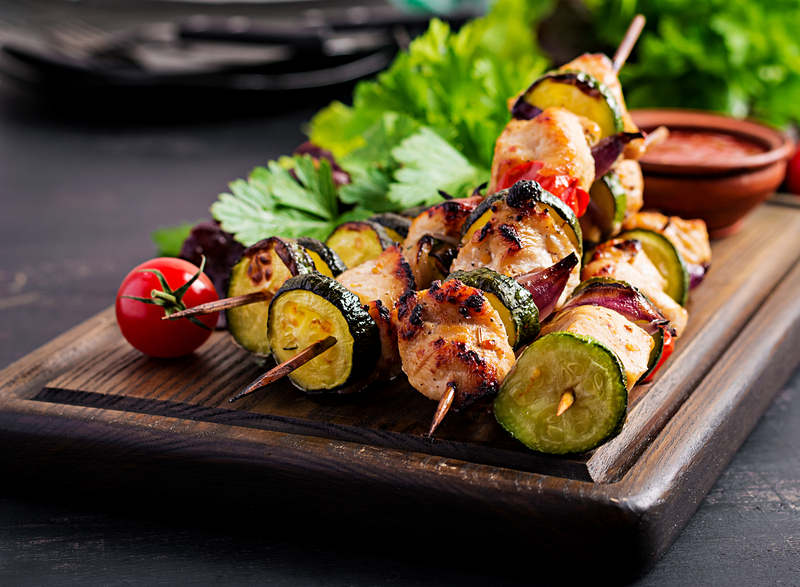 Electric grilling can fit into a healthy diet, but the benefits depend on what you cook and how you cook it, not just the appliance. Your food choices and cooking habits matter as much as the grill you use.
Adopting healthy electric grilling habits allows you to enjoy grilled flavor year-round without open flames.
To maximize the health benefits of electric grilling, focus on wholesome ingredients and moderate cooking temperatures.
When It Supports a Healthy Meal
Electric grilling can support a healthy meal when you pair it with lean proteins and fresh vegetables. A removable drip pan can catch some fat and juices as food cooks, so less grease may end up on your plate.
Electric grilling can also require less added oil than pan-frying, helping reduce the fat in a meal. You can get grilled flavor and texture without adding extra butter or oil to prevent sticking.
Here are some choices that work well on an electric grill:
- Lean cuts of meat, like chicken breast or turkey
- Fresh vegetables, such as peppers, zucchini, and onions
- Minimal added oils or marinades with high sugar content
- Portion-controlled servings to help avoid overeating
These habits can help you prepare meals that align with general recommendations for fat and calorie intake.
Why Food and Cooking Technique Matter More Than the Power Source
The appliance matters less than the ingredients you choose and how you prepare them. A fatty cut of meat cooked on an electric grill can still have more calories and saturated fat than a lean cut, regardless of the heat source.
Cooking temperature and time also affect food safety and nutrient retention. Overcooking meat on any grill can form compounds associated with health concerns, though research suggests electric grilling can produce lower levels of harmful compounds such as benzo(a)pyrene than charcoal grilling.
Your technique matters, too. Trimming visible fat before cooking, avoiding charring, and choosing marinades with herbs and spices instead of sugary sauces can contribute to a healthier meal.
In short, the power source influences cooking conditions, but your choices in the kitchen help determine the outcome.
Potential Nutritional Benefits
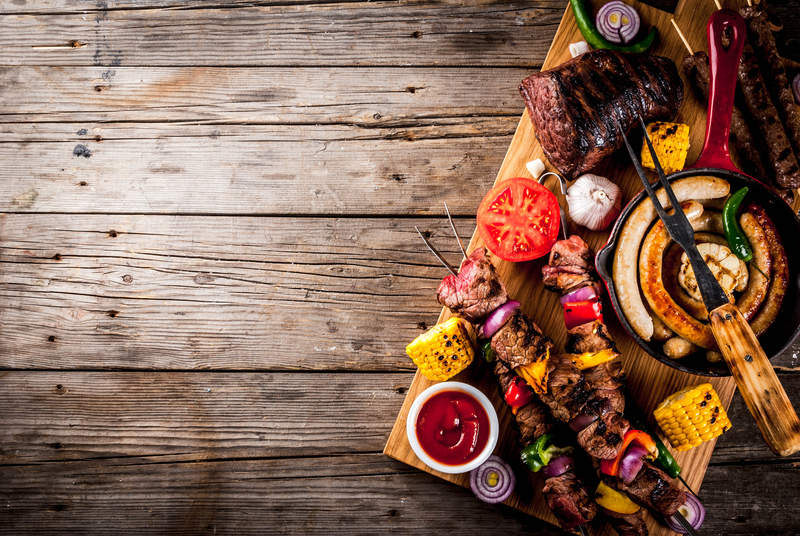 Exploring the health benefits of electric grilling reveals several advantages for everyday cooking. It can help reduce added fat and preserve some nutrients in food, depending on the model and cooking method.
Less Added Oil and Fat Drainage
You may need little oil when cooking on an electric grill. The nonstick surface on many models can help prevent food from sticking, so you may be able to skip extra butter or cooking spray.
Many electric grills also have ridged surfaces. These can let fat drip away from meat as it cooks instead of pooling around the food.
For foods like burgers, sausages, and chicken thighs, draining fat can reduce the amount of fat in a meal. The meat still provides flavor without an added layer of oil.
Here are some features that can help reduce added fat:
- Nonstick coating — can reduce the need for added oil
- Sloped or ridged plates — can direct grease into a drip tray
- Direct-contact heat — cooks food without submerging it in oil
Depending on the food and cooking technique, this can make electric grilling a lower-fat alternative to pan-frying, where food may sit in its own grease.
Nutrient Retention in Vegetables and Proteins
Nutrient retention depends largely on cooking time and temperature. Electric grills can heat up quickly and cook food in a short time, limiting how long some nutrients are exposed to heat.
Water-soluble vitamins such as vitamin C and B vitamins can break down with prolonged cooking. Grilling doesn’t require boiling food in water, so it avoids the nutrient loss that can occur when vitamins leach into cooking liquid.
For vegetables like zucchini, peppers, and asparagus, quick grilling can preserve more nutrients than boiling, depending on the cooking time and temperature. The same principle applies to proteins. Chicken breast or fish cooked quickly on a hot surface may retain more moisture than food cooked for a long time over low heat.
However, cooking at very high temperatures for too long can still break down some nutrients. Cooking time matters, even with electric grills.
Flavor Without Heavy Sauces
High heat from an electric grill can brown the outside of food quickly. This creates browning and a grilled flavor without requiring heavy sauces or marinades.
You can season food with simple herbs, salt, and pepper for a satisfying taste. Grilled vegetables, for example, can develop a natural sweetness as their sugars caramelize on the hot surface.
This can matter for nutrition because sauces and marinades may add sugar, sodium, or calories. Using less sauce can help keep a meal closer to its natural nutrient profile. For extra flavor, try simple additions like a small drizzle of olive oil or a squeeze of lemon instead of a store-bought sauce.
Health Risks and How They Form
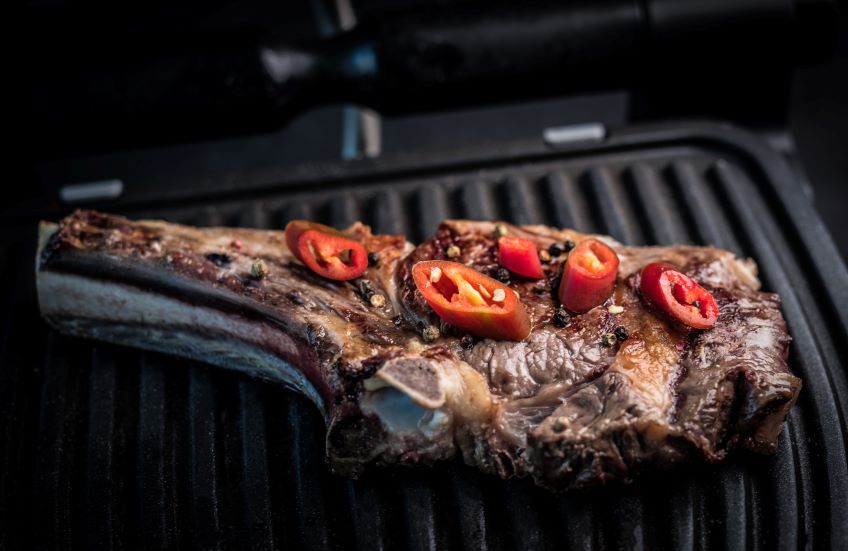 Many health concerns associated with grilling relate to compounds that can form when meat, fat, or starchy foods are cooked at high temperatures. Some of these compounds have been studied for possible links to cancer risk.
HCAs and PAHs From High Heat, Charring, and Smoke
When meat is cooked at high temperatures, two types of compounds can form: heterocyclic amines (HCAs) and polycyclic aromatic hydrocarbons (PAHs). Heterocyclic amines (HCAs) form when amino acids and creatine in muscle meat react to intense heat, especially when the surface becomes charred.
Polycyclic aromatic hydrocarbons (PAHs) form when fat drips onto a hot surface and the resulting smoke coats the food. This can occur with charcoal and gas grills, where fat may land on hot coals or a flame. With electric grills, fat may contact a heating element or hot surface, so smoke and polycyclic aromatic hydrocarbons (PAHs) can still form.
Electric grills generally produce less smoke than charcoal grills, which can reduce exposure to heterocyclic amines (HCAs) and PAHs. Still, research on meat kebabs shows that PAH levels can vary widely by cooking method and temperature, so no grilling method is entirely risk-free.
Acrylamide in Heavily Browned Starchy Foods
Acrylamide is a compound that can form in starchy foods rather than meat. It develops when foods such as potatoes, bread, or corn are cooked at high heat and become dark brown or crispy.
Some electric grills can reach temperatures high enough for acrylamide to form in starchy foods. High-temperature cooking on certain electric grills may produce acrylamide, even without an open flame.
You can reduce acrylamide formation by watching cooking time closely. Avoid cooking starchy foods beyond a light golden color, and remove them from the grill before they turn dark brown or black.
Overheated Nonstick Surfaces and Other Equipment Concerns
Many electric grills have nonstick coatings that make cooking and cleanup easier. These coatings are generally safe when used as directed, but overheating can damage them.
Temperature control matters. Many electric grills have adjustable temperature settings that can help you avoid excessive heat that may damage nonstick coatings or cause them to degrade faster.
Check for worn or scratched coatings, as damaged surfaces may release particles over time. Inspecting your grill regularly and replacing it when the cooking surface shows significant wear can help reduce this risk.
How It Compares With Other Cooking Methods
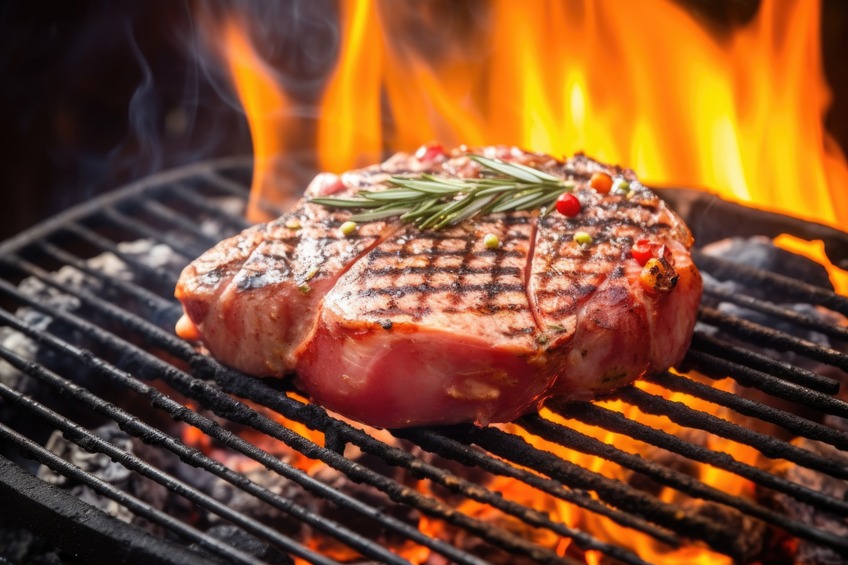
Electric grilling differs from other grilling styles and indoor cooking methods. Each method can affect fat content, smoke exposure, and nutrient retention differently.
Electric Versus Charcoal and Gas Grilling
Charcoal grilling uses hot coals and can produce smoke and char. This process can create compounds associated with health concerns, especially when fat drips onto hot coals. Gas grilling also uses an open flame, but its emissions and cooking conditions differ from charcoal grilling.
Electric grills cook food on a heated surface rather than over burning charcoal or a gas flame. They can reduce smoke and flare-ups, which may lower exposure to some combustion-related compounds compared with charcoal or gas grilling.
These lower emission levels highlight one of the clearest health benefits of electric grilling over traditional open-fire setups.
If you cook often and want one type of grill, an electric grill may be a practical choice because it can reduce smoke and avoid burning charcoal or gas.
Electric units are especially well-suited for indoor grilling, letting you prepare meals regardless of outdoor weather without creating heavy smoke.
Electric Grilling Versus Frying, Baking, and Steaming
Frying adds oil or fat to your food, increasing its calorie content. Electric grilling typically requires little to no added fat, and many models let grease drip away as food cooks.
Baking also uses little added fat, but it can take longer and doesn’t produce the same texture or browning as grilling. Steaming helps preserve nutrients, but it won’t give food color or char.
Electric grilling offers a balance: it can reduce added fat compared with frying while still creating grill marks and texture. Research also shows that cooking meat in microwave ovens, electric grills, and pans affects its final texture and composition, so results depend on the cooking method.
Practical Steps for Healthier, Safer Meals
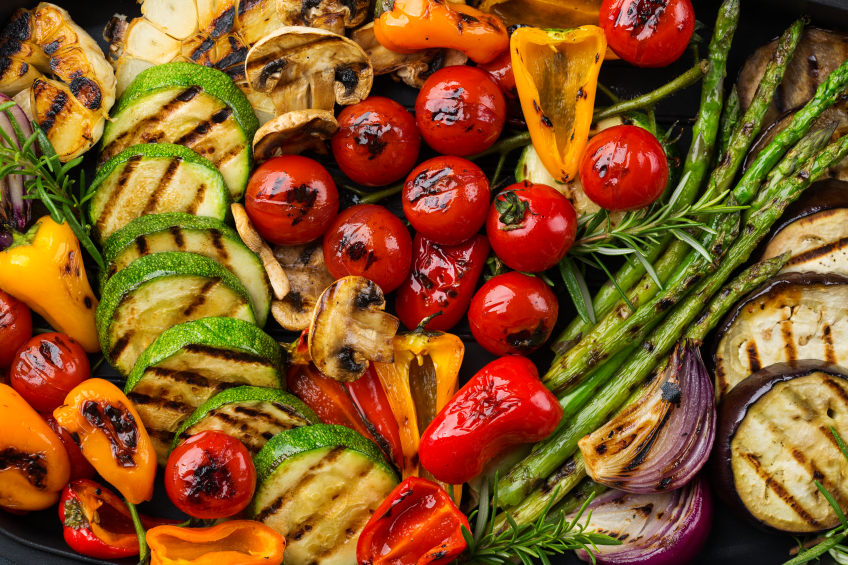 You can reduce potential health risks and still enjoy flavorful food by choosing the right ingredients, managing temperature control, and keeping your equipment clean.
Following simple guidelines for healthy electric grilling helps reduce smoke and harmful compounds while keeping meals safe to eat.
Choose Vegetables and Lean Proteins
Your food choices matter as much as your cooking method. Choose lean proteins such as chicken breast, turkey, or fish instead of fattier cuts of meat. Fat that drips and burns can produce more smoke and potentially harmful compounds.
Add vegetables to your grilling routine. Bell peppers, zucchini, asparagus, and mushrooms grill well and add fiber and vitamins to your meal.
Try plant-based proteins, too. Tofu and tempeh absorb marinades well and cook evenly on an electric grill. Trim visible fat from meat before cooking. This simple step can reduce smoke and flare-ups, even on an electric grill, which can reduce fat compared with some other cooking methods.
Control Heat and Avoid Charring
Temperature control is a key advantage of electric grilling. You can set a specific temperature and keep it steady, although performance varies by model and conditions.
For many meats, a grill temperature between 350°F and 450°F can work well. Use a food thermometer to confirm the center reaches a safe temperature without burning the surface.
Watch your food closely as grill marks form. Charred or blackened areas can contain more compounds associated with health risks than evenly browned areas.
Turn your food regularly to help it cook evenly and avoid burnt patches. If black, crusty edges start to form, lower the temperature.
Check Internal Temperatures and Prevent Cross-Contamination
Food safety starts with checking that meat is fully cooked. Use a food thermometer to measure the center of the food before serving.
Here are safe minimum internal temperatures to aim for:
- Chicken and turkey: 165°F
- Ground beef: 160°F
- Beef, pork, and lamb steaks or roasts: 145°F with a 3-minute rest
- Fish: 145°F
Keep raw and cooked foods separate. Use different plates and utensils for raw meat and cooked food.
Wash your hands with soap before and after handling raw meat. This helps prevent bacteria from spreading to other foods and kitchen surfaces.
Clean Cooking Plates and Grease Trays
Regular cleaning helps your electric grill work safely and last longer. Food residue left on cooking plates can burn during your next use, creating smoke and adding bitter flavors to food.
Clean the grill plates after each use, once they’ve cooled. Most electric grills have removable plates that can be washed with warm, soapy water or placed in a dishwasher.
Empty the grease tray regularly, too. A full tray can overflow or cause old grease to smoke when you turn the grill back on.
Check your grill’s manual for specific cleaning instructions, since parts and materials vary by model. Regular cleaning helps your equipment work properly and keeps food tasting fresh.
Choosing an Electric Grill
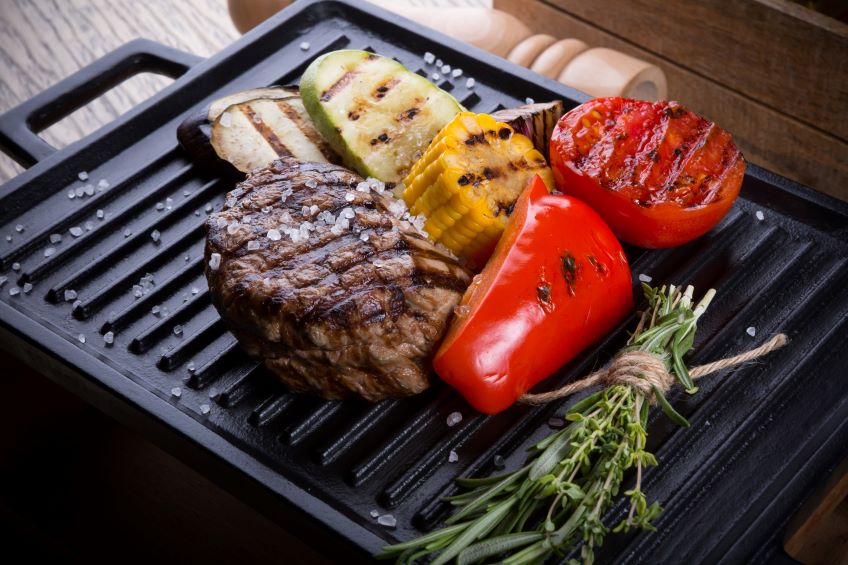 Electric grills vary in their cooking surfaces, temperature controls, grease-management systems, and intended location of use. When choosing one, consider how you plan to cook, how much food you normally prepare, and whether you need a grill for indoor or outdoor use.
Look for Adjustable Heat and Effective Grease Drainage
A useful electric grill should give you reasonable control over cooking temperature. Lower settings are helpful for delicate foods such as fish, while higher temperatures allow you to sear foods such as steak.
Grease management is another feature worth checking. Sloped cooking surfaces or grates can allow excess fat to drain into a separate tray rather than collecting around the food. A removable drip tray also makes cleanup easier.
Check the size and position of the drip tray before buying. A small tray may require frequent emptying, while a poorly designed tray can make cleaning unnecessarily difficult.
Check the Cooking Surface and Intended Use
The cooking-surface material affects both durability and maintenance. Non-stick surfaces can make cleanup easier, but they should not be scratched or overheated. Ceramic and ceramic-coated surfaces are alternatives, although their durability varies between models.
Stainless steel grates are another option because they do not depend on a non-stick coating that can eventually wear away.
If you want a portable outdoor electric grill, the Weber® Lumin Portable Electric Grill is worth considering. Its compact design makes it suitable for balconies, patios, and other outdoor spaces where an electric grill is permitted, while its electric heating system eliminates the need for charcoal or propane.
For indoor use, however, always check that the specific model is rated for indoor cooking. An outdoor electric grill should not automatically be treated as suitable for use inside a kitchen simply because it does not burn charcoal or gas.
Is Electric Grilling Healthy?
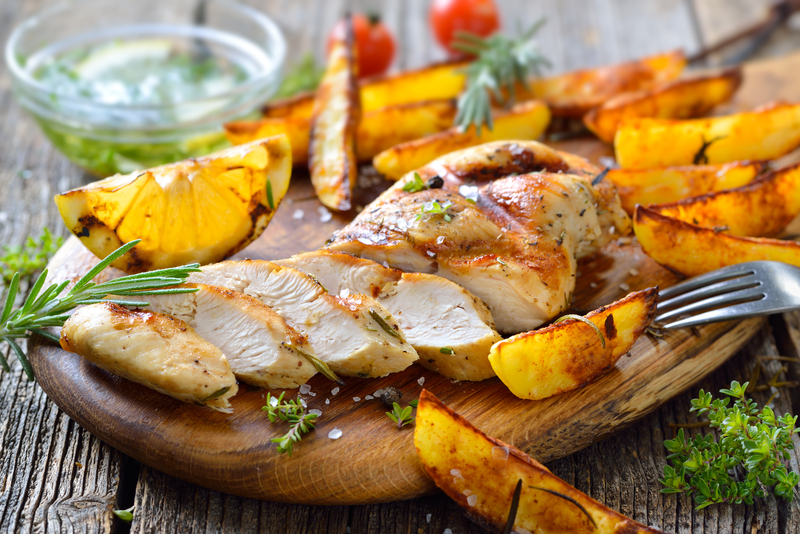 Yes, electric grilling can be a healthy way to cook, but the health effects depend more on the food you prepare and how intensely you cook it than on the fact that the grill uses electricity.
Electric grilling can eliminate the need for charcoal combustion and an open flame, but it does not make high-temperature cooking risk-free. Cooking meat at very high temperatures can produce compounds that are associated with health concerns.
The National Cancer Institute explains that cooking meat at high temperatures, particularly through grilling and other methods that expose meat directly to intense heat, can produce compounds such as heterocyclic amines (HCAs) and polycyclic aromatic hydrocarbons (PAHs).
What About Air Quality?
Electric grills also produce emissions during cooking. One study found that electric barbecues can release particulate matter during food preparation.
For this reason, an electric grill should not be considered completely emission-free simply because it does not burn charcoal or gas. If you are using an electric grill indoors, adequate ventilation is important, and you should follow the manufacturer’s instructions regarding where the appliance can be operated.
Ultimately, choosing leaner foods, avoiding excessive charring, controlling cooking temperatures, and using appropriate ventilation can all contribute to a healthier grilling approach.
FAQ: Is Electric Grilling Healthy?
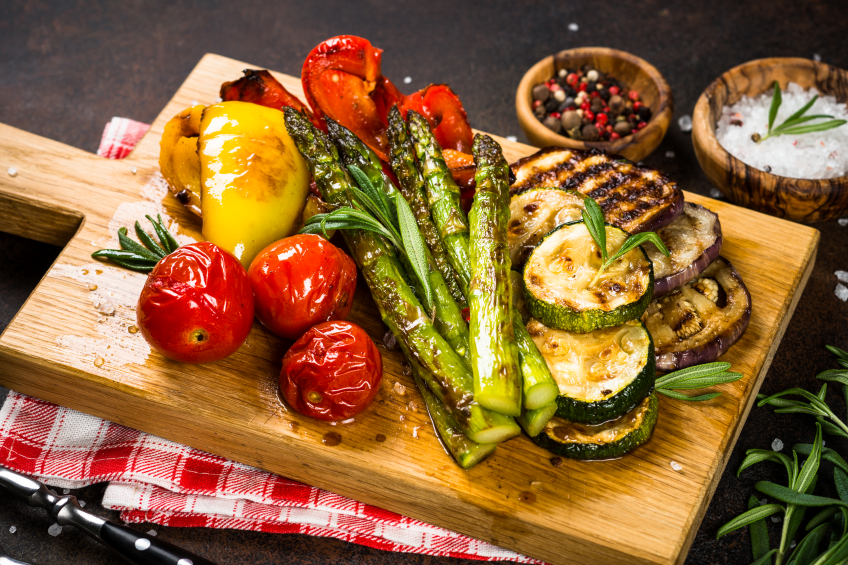 Electric grilling can be a healthy cooking method because it cooks food without charcoal combustion and does not require an open flame. However, cooking meat at very high temperatures can still produce heterocyclic amines (HCAs), so avoiding excessive heat and heavy charring is important.
Is Electric Grilling Healthier Than Charcoal Grilling?
Electric grilling can reduce exposure to smoke from burning charcoal and dripping fat, which is one source of polycyclic aromatic hydrocarbons (PAHs) during grilling. However, HCAs can still form when meat is exposed to high temperatures, so electric grilling is not automatically free of the compounds associated with high-temperature cooking.
Does Electric Grilling Cause Cancer?
Electric grilling itself has not been established as a cause of cancer. The concern relates mainly to high-temperature cooking of meat, which can produce HCAs, while smoke and flames can contribute to PAH formation; the National Cancer Institute notes that population studies have not established a definitive link between HCA and PAH exposure from cooked meat and cancer in humans.
How Can You Make Electric Grilling Healthier?
Avoid heavily charring meat and use moderate cooking temperatures where practical. Marinating meat, turning it frequently, trimming excess fat, and removing heavily charred portions can help reduce exposure to HCAs and PAHs.
Is Grilled Vegetables Healthy on an Electric Grill?
Yes. Grilling vegetables provides a way to add vegetables to a meal without the same HCA formation associated with cooking muscle meat at high temperatures. Using vegetables alongside fish, poultry, or smaller portions of meat can make a grilled meal more balanced.
Is an Electric Grill Better for Indoor Cooking?
Some electric grills are specifically designed for indoor use, but not every electric grill is suitable for use indoors. Always check the manufacturer’s instructions and ventilation requirements before using an electric grill inside a home.