
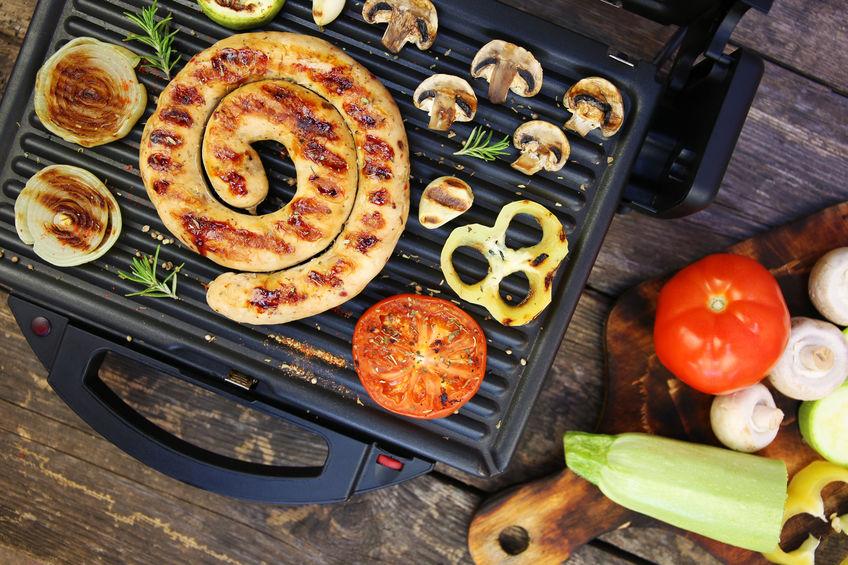
 Grilling used to mean charcoal or propane. Now there’s a third option that runs on electricity and produces no open flame.
The point of an electric grill is to provide a convenient way to grill food without using charcoal, propane, or natural gas. It can be particularly useful for indoor cooking, balconies, apartments, or areas where open-flame grills are restricted. Electric grills also provide consistent heat and are generally simple to start, making them practical for everyday grilling.
You might wonder if skipping the fire changes anything that matters. It does, but maybe not in the way you’d expect. Keep reading to find out what an electric grill does well and where it falls short.
Why Choose an Electric Grill?
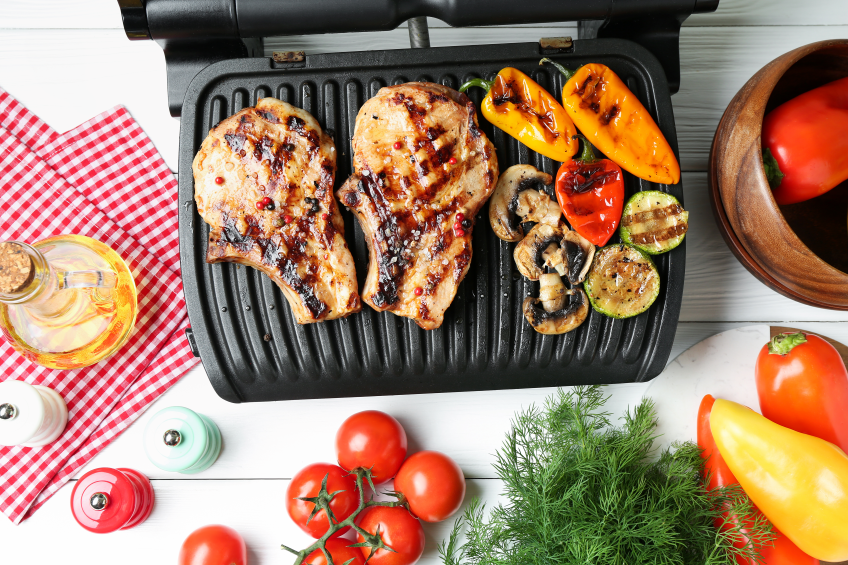 An electric grill lets you cook without charcoal or propane and, depending on the model, without an open flame. One of the primary benefits of electric grills is their ability to fit into small spaces and make grilling more convenient throughout the year.
Grilling Without Charcoal, Propane, or an Open Flame
You don’t need charcoal, propane tanks, or an open flame to use an electric grill. It runs on a heating element and plugs into an electrical outlet. This means you skip trips to buy charcoal or refill propane tanks.
There’s also no charcoal ash to clean up after cooking. You can wipe down the grates once the grill cools, following the manufacturer’s cleaning instructions.
Since most electric grills don’t use an open flame, they can reduce the risk of flare-ups. However, they still get hot and can cause burns or fires, so follow the safety instructions and keep children and pets at a safe distance.
A Practical Option for Small Spaces and Year-Round Cooking
An electric grill works well if you have limited outdoor space or live somewhere with strict rules about open-flame grilling. Some buildings and apartments ban traditional grills but allow electric ones, though rules vary by property and location.
Indoor electric grills let you cook regardless of the weather. Outdoor models, however, are still exposed to rain, snow, and cold temperatures, so check the manufacturer’s guidance before using or storing one outside.
This makes it easier to cook grilled meals regularly, not just during warm months or weekends. If you want convenience and grilled flavor, an electric grill can help, though it may not produce the same smoky taste as charcoal.
Everyday Benefits and Limitations
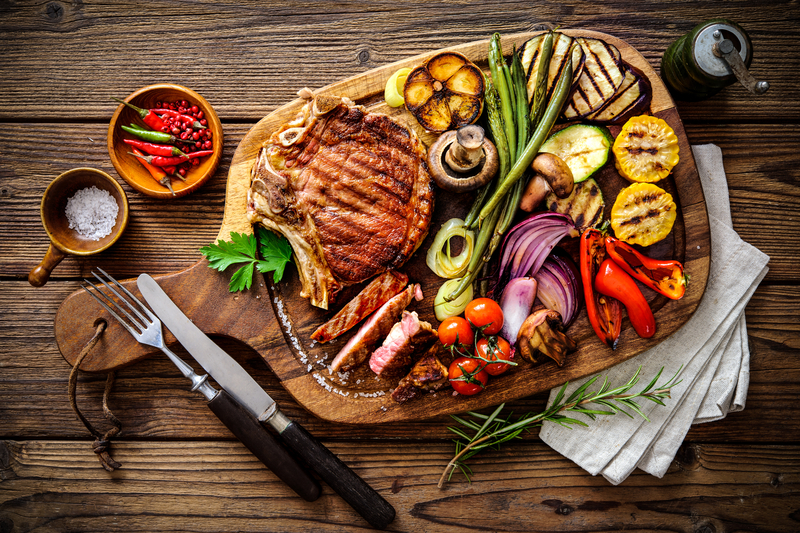 Electric grills make daily cooking easier in some ways. Weighing the practical benefits of electric grills against their limitations can help you decide if one fits your needs.
Simple Setup, Temperature Control, and Cleanup
You can start cooking on an electric grill in just a few minutes. Plug it in, set the controls, and let it preheat. There is no need to light charcoal or check a gas tank.
Temperature control is another plus. You set the heat level with a knob or button, though temperature consistency varies by model. This can make it easier to cook food to your preference.
Cleanup can also be simple. Many models have a removable drip tray that catches grease and food bits. You can remove and wash it after cooking. Some grills have dishwasher-safe parts, so check the manual before putting any components in the dishwasher.
Where Flavor, Searing, and Cooking Space May Fall Short
Electric grills do not always match the flavor of gas or charcoal grilling. They don’t burn wood or charcoal, so they produce less of the smoke that gives food a smoky taste. You can add smoker chips like apple, hickory, or mesquite to add some smoky flavor, though this takes extra steps and is only suitable for compatible models.
Searing can also be a challenge. Some electric grills do not get as hot as gas or charcoal grills, so getting a deep sear on meat may take longer or be more difficult. Performance varies by model.
Cooking space is another factor to consider. Many electric grills are compact, which limits how much food you can cook at one time. If you often cook for a large group, check the cooking surface dimensions before buying.
Indoor and Outdoor Styles
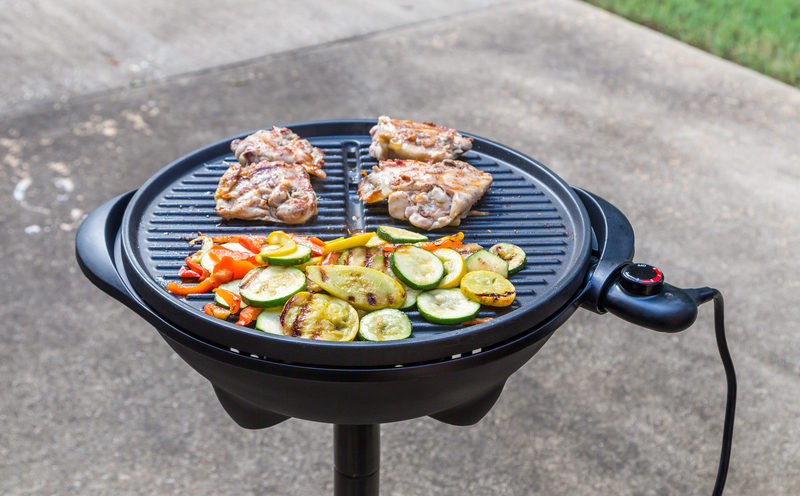 There are several distinct types of electric grills, each designed for a different location. Some sit on your kitchen counter, while others are made for outdoor cooking on a patio or deck.
Open-Plate and Contact Models for the Kitchen
Contact grills have two heated plates that close over food, cooking both sides at once.
This style can cook some foods faster than a flat pan because it heats both sides at the same time. It’s useful for burgers, chicken breasts, and sandwiches.
Open-plate models heat food from below, much like a griddle. They give you more control because you can flip food and check it as it cooks. Both styles plug into an outlet, but they can still produce smoke and grease, so use them according to the manufacturer’s ventilation guidance.
Tabletop and Freestanding Models for Outside
An outdoor electric grill looks more like a traditional grill. Some sit on a table or cart, while others stand on their own legs like a gas grill.
Some outdoor electric grills can reach temperatures of 600 to 700 degrees Fahrenheit, though maximum heat varies by model. Higher temperatures can help you sear steaks and other thick cuts of meat.
You’ll need a nearby outlet, since these grills run on electricity instead of gas or charcoal. They bring outdoor cooking to places where open flames are restricted, but check your building rules and the grill’s instructions before using one on a patio or balcony.
How Electric Compares With Gas and Charcoal
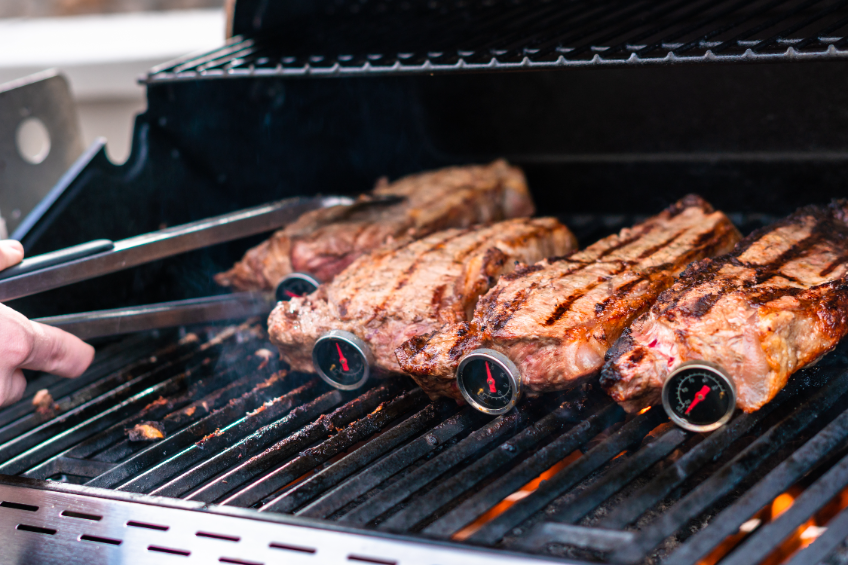 Electric, gas, and charcoal grills approach outdoor cooking in different ways. Your choice affects convenience, temperature control, flavor, and ongoing fuel costs.
Convenience and Temperature Control
Electric grills are often the easiest of the three to start. You plug one in, turn it on, and let it preheat. There’s no propane tank to check and no charcoal to light.
Gas grills are also quick to start. You turn a knob and can begin cooking once the grill heats up.
Charcoal grills take more work. You need to light the coals and wait for them to reach the right temperature. This can take 15 to 20 minutes or more.
If you want steady heat with little effort, electric grills often win on convenience. Temperature control varies by model, while charcoal grilling takes practice but offers a distinctive cooking style.
Smoky Flavor, High-Heat Performance, and Fuel Costs
Charcoal grills can give food a strong smoky flavor. Burning charcoal and wood produces smoke that can flavor food, a taste many people find difficult to replicate with other methods.
Electric grills produce less of this smoky flavor because they don’t burn charcoal or wood.
Gas grills can sear meat well, but their flavor differs from charcoal, especially when cooking steak.
Cost is another factor to weigh. Electric grills may cost less to run, depending on local electricity, propane, and charcoal prices and how often you grill. Charcoal grills can have a lower upfront cost, but you’ll need to keep buying charcoal.
How to Decide If One Fits Your Needs
 Choosing between the different types of electric grills comes down to two things: how much food you cook and where you plan to use your electric grill. Think through both before you buy so you don’t end up with a model that doesn’t fit your kitchen, patio, or lifestyle.
Match Cooking Area and Features to Your Meals
Start by counting how many people you usually cook for. If you grill for one or two people most nights, a small electric grill with a compact cooking surface may be enough.
If you host bigger groups often, look for a medium or XL cooking surface that can hold more food at once. A larger surface can mean less waiting between batches.
Also check the features that make cleanup and cooking easier. A removable drip tray can cut down on scrubbing time, and adjustable temperature controls let you change the heat for different foods. Non-stick surfaces and built-in thermometers can add convenience too.
Check Outlet Access and Building Rules Before Buying
Before you buy an electric grill, check the distance from your cooking spot to the nearest outlet. Confirm that the outlet and circuit can handle the grill’s power requirements, and make sure the cord can reach safely.
If you want to use an outdoor electric grill, make sure you have suitable power access on your patio or balcony. Avoid using an extension cord unless the grill’s manufacturer specifically permits it and specifies an appropriate cord.
Check your building’s rules too. Some apartments and condos restrict open-flame grilling but allow electric models, since they use heating elements instead of fire. Confirm this with your landlord or HOA before you make a purchase.
Using an Electric Grill Safely and Effectively
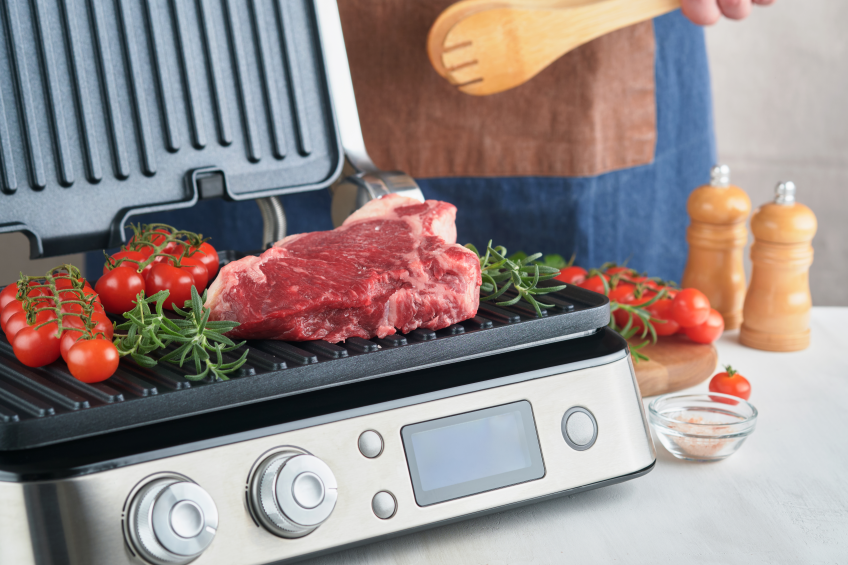 An electric grill can give you good results, but only if you preheat it, monitor food temperatures, and choose the right model for your space. A few simple habits can help you stay safe and cook food properly.
Preheat, Cook, and Check Food Temperatures
Turn on your electric grill and let it preheat before adding food. Most models need about 10 minutes to reach cooking temperature. Skipping this step can leave food undercooked or cause it to stick to the grates.
While cooking, monitor the heat settings. Different foods require different temperatures, so check your grill’s guide for recommended settings for meat, fish, and vegetables.
Use a meat thermometer to check that food has reached a safe internal temperature. This is especially important for chicken, pork, and ground meat, which can carry harmful bacteria if undercooked.
Don’t rely on color or cooking time alone. A thermometer provides a reliable check.
Use Only Outdoor-Rated Models Outside and Clean After Cooking
Not every electric grill is designed for outdoor cooking. If you plan to grill outside, choose a model rated for outdoor conditions. Indoor-only grills are not built to withstand rain or humidity or to connect safely to outdoor electrical setups.
Outdoor electric grills often have weather-resistant components and cords rated for outdoor use. Using an indoor-only model outside can create a shock or fire risk, so check your owner’s manual before setting it up.
After cooking, unplug the grill and let it cool. Wipe the grates and drip tray to remove grease and food debris, since leftover grease can smoke or catch fire the next time you cook.
Clean your grill after every use to help keep it working safely and well.
Ninja FG551 Foodi Smart XL: A Versatile Indoor Electric Grill
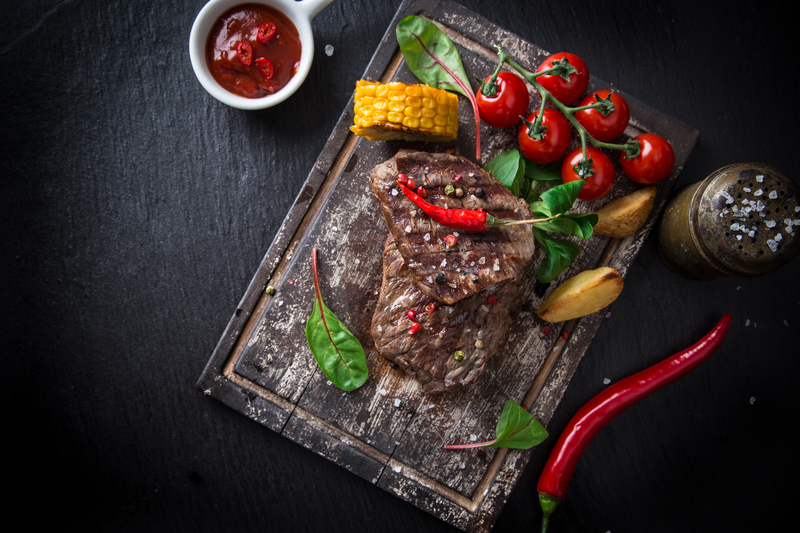 If you’re looking for an electric grill for indoor cooking, the Ninja FG551 Foodi Smart XL 6-in-1 Indoor Grill and Air Fryer is worth considering. It combines a high-temperature grill with several other cooking functions, including Air Crisp, Roast, Bake, Broil, and Dehydrate.
The grill reaches up to 500°F and features an integrated Smart Cook System with a built-in thermometer, allowing you to monitor the internal temperature of foods such as steak and chicken. Its XL grill grate can accommodate up to six steaks, while the 4-quart air-fry basket adds another useful cooking option.
The FG551 also incorporates a smoke-control system designed to reduce smoke during indoor grilling. For someone who wants more than a basic electric grill, its combination of grilling, air frying, and temperature monitoring makes it a versatile countertop option.
FAQ: What Is the Point of an Electric Grill?
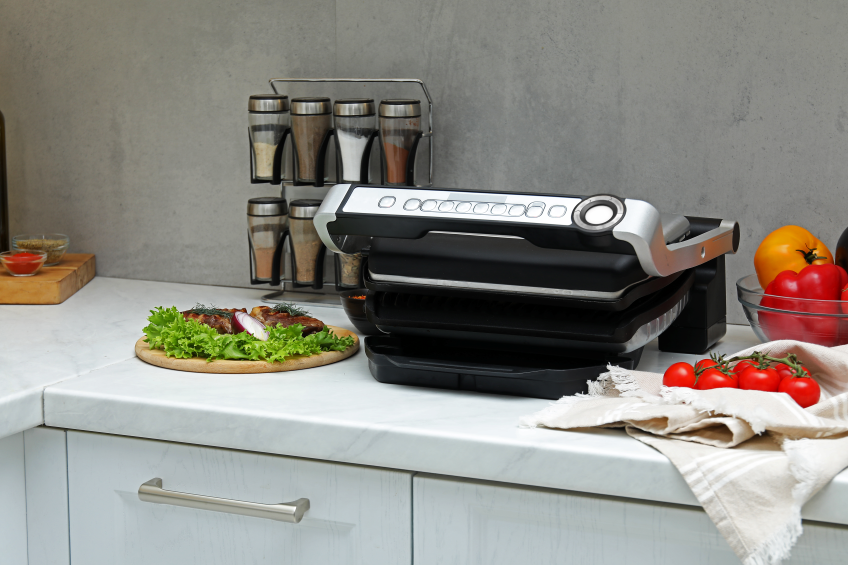 The main purpose of an electric grill is to provide convenient grilling without charcoal or gas. It can be useful where open-flame grills are impractical or not permitted, such as some balconies, patios, and indoor areas when the specific appliance is designed and approved for indoor use.
What Are the Benefits of an Electric Grill?
Electric grills are generally easy to start, simple to operate, and convenient to clean. They also allow precise temperature adjustment on many models and do not require charcoal, propane tanks, or natural-gas connections.
Can an Electric Grill Be Used Indoors?
Some electric grills are specifically designed for indoor use, but not every electric grill is suitable for indoor cooking. Always follow the manufacturer’s instructions regarding indoor use, ventilation, and placement.
Does an Electric Grill Taste Like Charcoal?
Usually not. Electric grills can produce good browning and searing, but they generally do not provide the same smoky flavor created by burning charcoal and cooking over smoke.
Are Electric Grills Good for Balconies?
They can be a practical option for balconies where charcoal or gas grills are prohibited, provided the building or property rules allow grilling and the appliance is suitable for outdoor use. Check the manufacturer’s clearance and safety instructions before using one.
Is an Electric Grill Worth It?
An electric grill can be worthwhile if convenience, temperature control, and avoiding gas or charcoal are more important to you than traditional smoky flavor. It is particularly useful for smaller spaces or situations where conventional grills are impractical.