
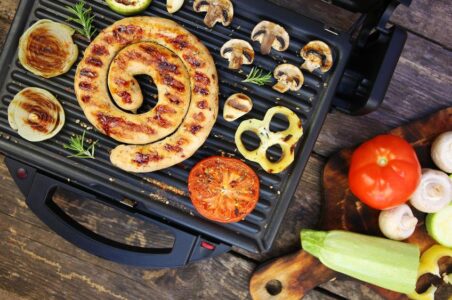
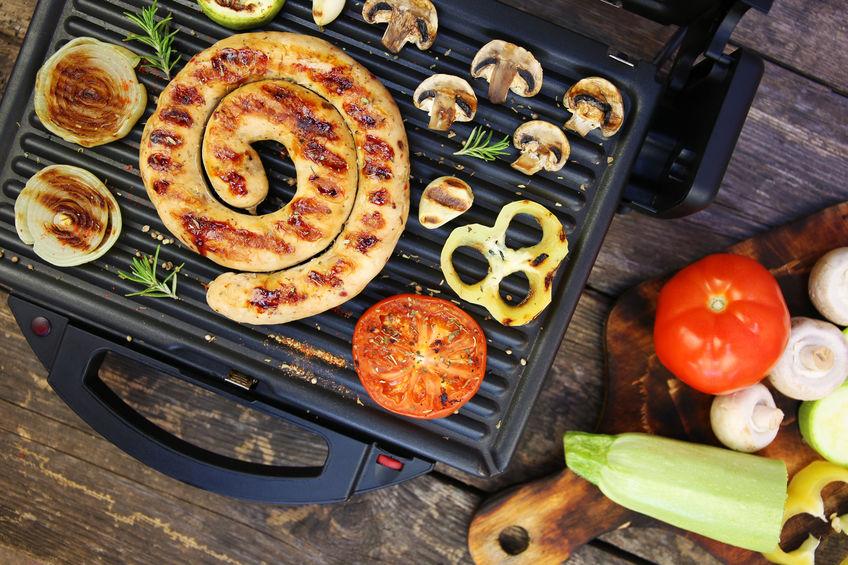
Electric grills plug into a wall outlet and heat up quickly, so you can cook without waiting for charcoal to burn or a propane grill to preheat.
The biggest benefits of electric grills are convenience, temperature control, and easy cleanup, making them a practical choice for anyone who wants grilled food with less hassle. Many models provide steady heat and avoid open flames, while cleanup typically involves no ash.
If you live in an apartment or have limited outdoor space, an electric grill can offer options you might not otherwise have. Many models are compact enough for a countertop, and they generally produce less smoke than charcoal grills. You can cook indoors or outdoors, depending on the model and its safety instructions, and still enjoy grilled food.
This guide covers the advantages of choosing an electric grill, from potential health benefits to everyday ease of use. Learning about the benefits of electric grills can help you decide whether one fits your kitchen and lifestyle.
Convenience for Everyday Cooking
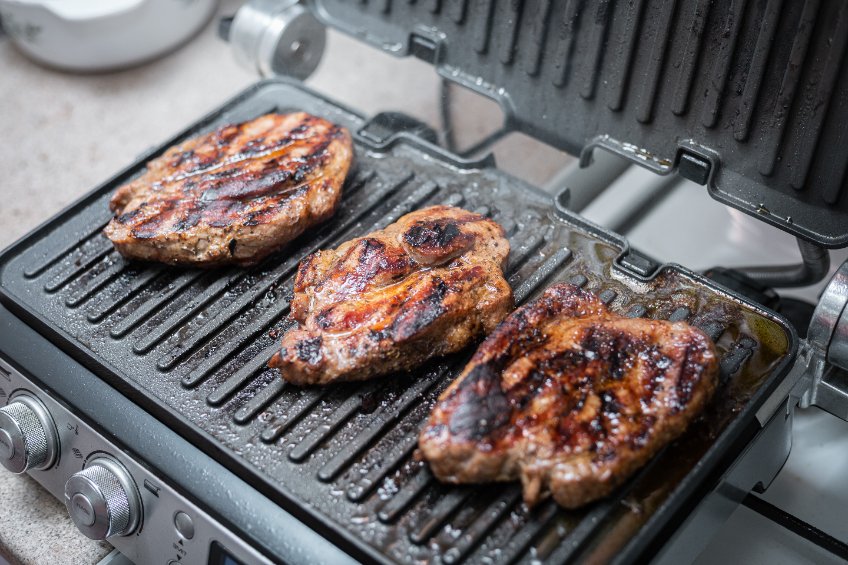 Electric grills make it easier to cook grilled food regularly. You skip some of the setup involved with gas or charcoal, making grilling easier to fit into a weeknight routine.
Simple Setup Without Charcoal or Propane
You don’t need charcoal bags or propane tanks to use an electric grill. All you need is a suitable nearby outlet, which means electric grills can work well in apartments, small kitchens, or spaces where gas and charcoal grills aren’t allowed. Check the appliance instructions and local building rules before using one indoors.
This setup also cuts down on mess. There’s no ash to sweep up and no fuel to store, so your cooking space can stay cleaner. Such unmatched ease of use makes starting dinner simple and stress-free.
You also avoid trips to buy propane refills or charcoal bags. This makes electric grilling a practical choice if you cook often and want a grill that’s ready when you are.
Quick Preheating and Easy-to-Use Controls
Electric grills typically heat up faster than charcoal grills, and the ease of use extends to their controls. Many models let you adjust the temperature with a dial or digital panel, though the accuracy and stability vary by grill.
Adjustable heat makes it easier to cook different foods without constant changes. You can lower the heat for vegetables or raise it for meat with a turn of the dial, while following the grill’s instructions.
Some outdoor models let you adjust settings from your phone. This kind of temperature control is one of the practical advantages of electric grills for people who want consistent results with less guesswork.
Between straightforward dials and digital displays, the overall ease of use appeals to cooks of all skill levels.
More Control Over Cooking Results
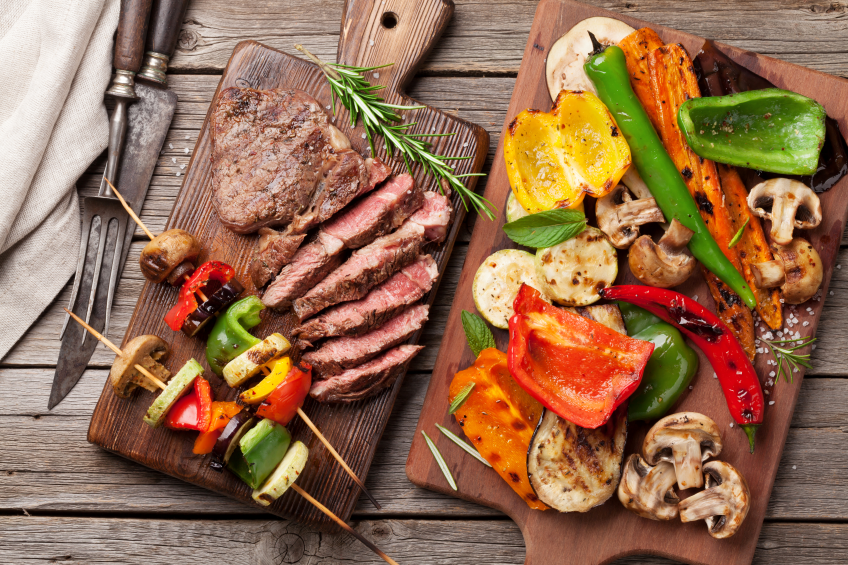 Electric grills can offer precise temperature control, though performance varies by model. Dials or digital controls let you select a heat level, which helps provide consistent cooking performance during every meal.
Adjustable Heat for Different Foods
Different foods need different heat levels, and electric grills let you adjust the setting to suit the task. You can turn the heat down for delicate fish or vegetables, then raise it for a thick steak or burger.
Adjustable temperature control can reduce the guesswork involved in managing propane flames or arranging charcoal. The grill heats according to its settings, though actual cooking temperatures may vary.
Many models offer a range of settings, and some display the temperature in degrees. That can help you follow a recipe more closely than estimating where “medium-high” falls on a grill dial.
Careful temperature control can also help prevent common mistakes, such as burning the outside of food while the inside stays undercooked.
Achieving precise temperature control allows you to handle delicate seafood and vegetables just as effectively as steaks.
Even Heating and Its Practical Limits
Electric grills use heating elements to warm the cooking surface. Their design often promotes even heat distribution, though heat patterns vary by model and cooking surface.
Reliable even heat distribution helps sear items properly without leaving cold pockets across the grates.
Reviews of electric grills can offer insight into how evenly specific models cook. Even heating has limits, though. Larger grills or unusually shaped cooking surfaces can have temperature differences, including near the edges.
Food placed directly over a heating element may cook faster than food near the outer edge of the grates. Rotating food partway through cooking can help it cook more evenly.
Grilling Indoors and in Small Spaces
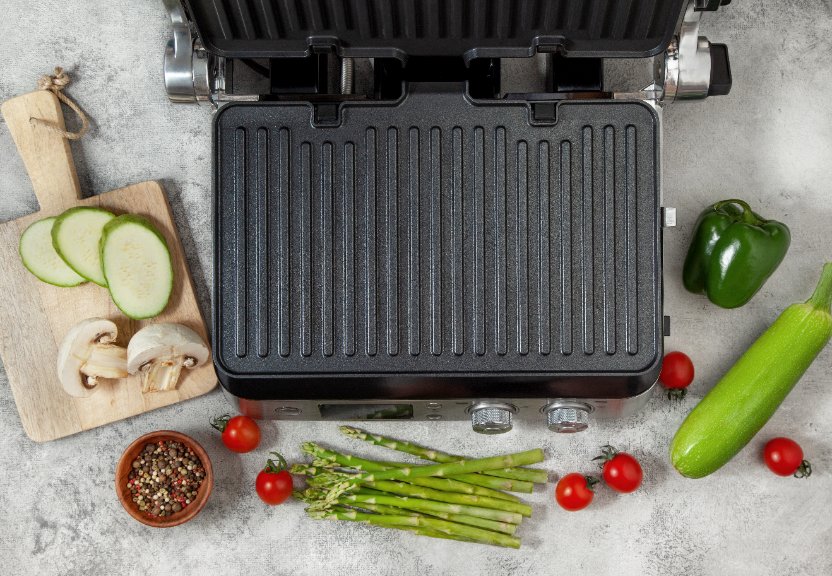 An electric grill can let you cook in your kitchen, on a patio, or in an apartment without a propane tank or charcoal. Indoor models generally produce less smoke than charcoal grills, but they still need proper ventilation and safe placement.
Year-Round Meals Regardless of Weather
You don’t have to wait for warm weather to grill. An indoor electric grill plugs into a suitable outlet and heats up in minutes, so you can cook grilled food throughout the year.
Rain, snow, or extreme heat won’t affect indoor grilling. This makes year-round grilling practical for people without a yard or covered patio. Embracing year-round grilling allows you to prepare barbecue favorites even in the middle of winter.
You can also grill on a weeknight without setting up an outdoor cooking station. Many indoor electric grills fit on a counter and store away when you’re done.
Smoke, Ventilation, and Building Rules
Electric grills generally produce less smoke than charcoal grills, but smoke levels depend on the model, food, and cooking temperature. Grease and food residue can still create smoke, so indoor grilling requires ventilation.
This matters if you live in an apartment or condo. Building rules vary: some restrict open-flame grills on balconies or patios, while electric models may be permitted. Check your lease, building policies, and local fire regulations, as explained in this apartment grilling guide.
When grilling indoors, follow the manufacturer’s instructions and use an exhaust fan or other suitable ventilation. This can help clear steam and smoke and keep your kitchen comfortable.
| Feature | Indoor Electric Grill | Outdoor Gas/Charcoal Grill |
|---|---|---|
| Smoke output | Usually lower, but varies by model and food | Can be higher, especially with charcoal |
| Fuel needed | Electricity (outlet) | Propane or charcoal |
| Apartment-friendly | May be allowed; check building rules | Often restricted |
Safety Features and Hot-Surface Precautions
Some electric grills include safety features such as automatic shut-off, which may turn the grill off after a set time or if it overheats. Features vary by model, so check the manufacturer’s specifications.
An automatic shut-off can reduce risk if you forget the grill is on, but it doesn’t replace careful supervision. Cool-touch handles may help reduce the risk of burns when moving or adjusting the grill.
The cooking surface gets hot enough to sear food, so keep kids and pets away during use. Place the grill on a flat, heat-resistant surface, following the manufacturer’s instructions, and keep it away from curtains, paper towels, and other flammable items.
Easier Cleanup and Practical Food Choices
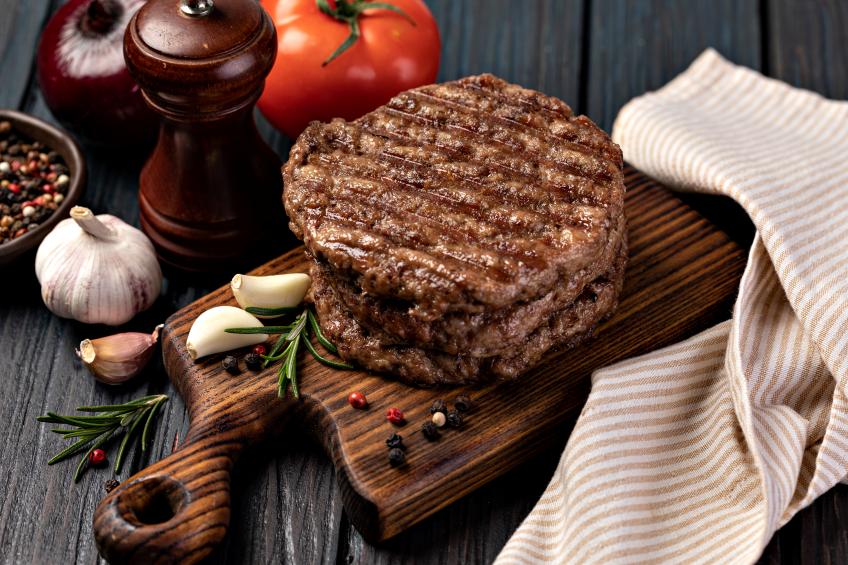 Electric grills can save cleanup time after cooking, and their non-stick surfaces can make it easier to cook foods with less added fat.
Non-Stick Plates and Removable Drip Trays
Many electric grills feature a non-stick surface across their cooking plates. This non-stick surface helps food release easily and reduces the need to scrub away stuck-on bits after a meal.
Some models also have removable drip trays that catch grease as you cook. You can remove and wash the trays separately, following the manufacturer’s cleaning instructions.
Cleanup time varies by grill and how much residue is left behind. One source estimates cleaning an electric grill takes about 5 to 10 minutes, while a gas or charcoal grill may take longer when ash and grease need attention.
Non-stick surfaces generally don’t need the seasoning required for cast iron. You can wipe them down according to the care instructions and prepare them for next use.
Cooking With Less Added Oil
Non-stick coatings can reduce the amount of oil needed to keep food from sticking. This can make it easier to cook lean proteins and vegetables with less added fat.
You can grill chicken breasts, fish fillets, and sliced vegetables with a light coating of oil, if needed. Follow your grill’s instructions, as cooking performance and heat distribution vary by model.
This can help if you’re trying to cut back on added fat in your meals. Smaller and medium-sized food pieces, like sliced zucchini or bell peppers, can work well on electric grills when cut to a consistent size.
You can still get grill marks and a seared texture, depending on the grill, food, and cooking temperature, while using less oil than you might otherwise need.
How Electric Models Compare With Gas and Charcoal
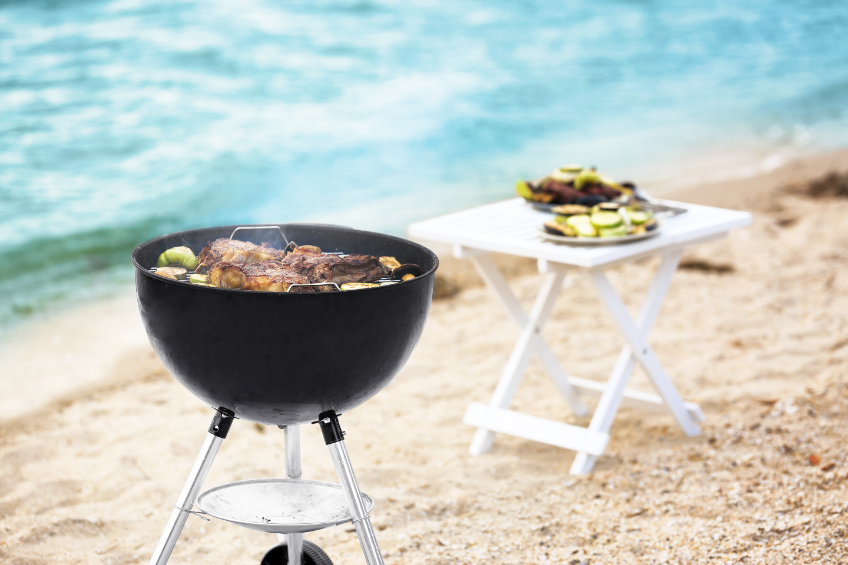 When weighing electric grills vs. traditional grills, electric models trade open flames for simpler setup and cleanup. Differences in flavor, searing performance, smoke, and running costs depend on the grill and fuel choices.
Flavor, Searing, and Cooking Capacity
Gas and charcoal grills produce smoke when dripping fat hits an open flame, creating the smoky flavor associated with traditional grilling. Electric grills use drip trays to catch fat before it can vaporize, so they typically produce less smoke and a milder smoky flavor.
Heat output also differs. Many electric grills reach 500-600F, while gas grills typically reach 500-700F. This difference matters most when searing a thick steak: gas grills can create a stronger crust through open-flame heat and convection.
For everyday cooking, such as burgers, hot dogs, and chicken, you may not notice much difference. The gap is most apparent with thick cuts of meat.
Fuel Costs, Electricity Use, and Emissions
Running an electric grill typically costs about $0.10 to $0.30 per session in electricity, while a gas grill may use $1 to $3 worth of propane per cooking session. Over a year of weekly grilling, that difference can add up to noticeable savings with an electric grill.
Emissions also often favor electric grills at the point of use. They produce no direct emissions, while gas grills release carbon dioxide and other byproducts during combustion. The overall emissions comparison depends on how your local power grid generates electricity, but in many US regions, electric grilling produces 30 to 60 percent less CO2 per session than propane grilling.
Choosing an Electric Grill That Fits Your Needs
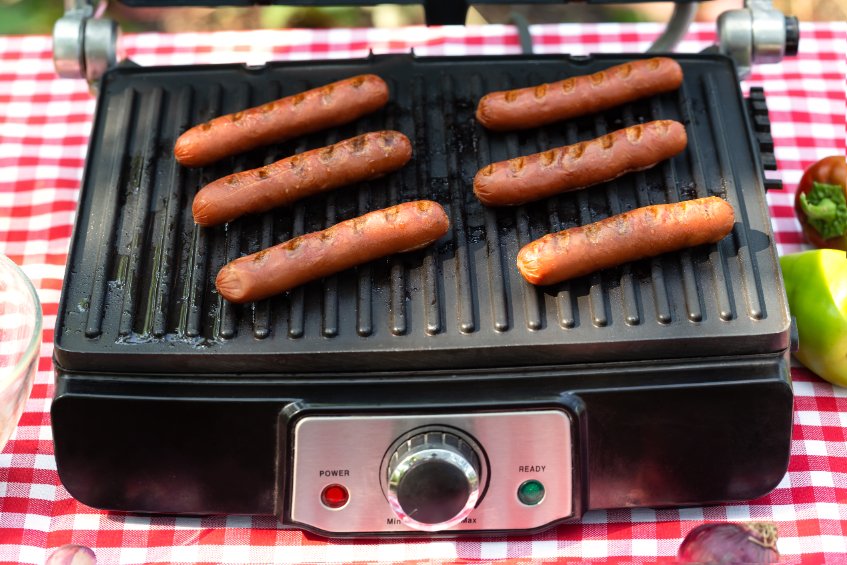 Carefully choosing an electric grill means matching its design, size, and features to how and where you plan to cook. Understanding the specific advantages of electric grills will help you select the ideal model for your home.
Indoor, Outdoor, and Contact Grill Designs
Your first decision is where you’ll use the grill. Indoor electric grills can work well in apartments or homes without outdoor space, especially models designed to limit smoke. Outdoor electric models offer backyard grilling without gas lines or charcoal.
Contact grills, such as classic countertop models, cook food from both the top and bottom at once. This can reduce cooking time for foods like burgers and chicken breasts.
Consider your living situation first. If you live in an apartment with a balcony, check local rules before buying an outdoor model. Some buildings restrict open-flame cooking but allow electric grills.
Cooking Area, Controls, and Cleaning Features
Cooking area matters most if you cook for a family or host gatherings. Check the square inches of cooking space listed in the product specifications, not just the unit’s overall dimensions.
Adjustable temperature control is a useful feature. It lets you sear meat at high heat, then lower the temperature to finish cooking without burning the outside.
Models that provide precise temperature control make it easy to dial in specific heat levels for any recipe.
Cleaning features can save you time after every meal.
Check for:
- Removable, dishwasher-safe grates
- Non-stick coating on cooking surfaces
- A drip tray that catches grease and juices
- Drawers that aren’t sealed shut around wiring
Simple controls with clear temperature dials or digital readouts improve overall ease of use. This makes everyday cooking approachable, especially if multiple people in your household use the grill.
I’d make the comparison more useful by turning each brand into a specific recommendation rather than making broad claims about every model.
Comparing Models From George Foreman and Weber
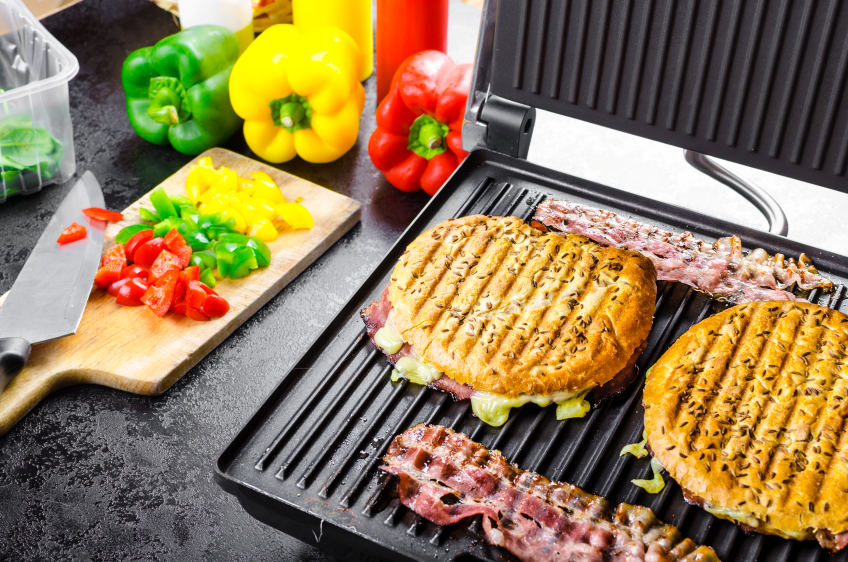 George Foreman grills are best known for compact contact-style designs that are convenient for quick meals and smaller kitchens. Many models use sloped cooking plates that allow some excess fat to drain away from the food, making them easy to clean and practical for everyday cooking.
For a larger, more versatile option, the George Foreman Indoor/Outdoor Electric Grill with Stand, 15-Serving is worth considering. Its generous cooking capacity and included stand make it suitable for preparing food for several people, while its electric design provides an alternative to charcoal or gas grilling.
Weber takes a different approach with its electric grills, using designs that are closer to traditional outdoor grills. The Weber® Lumin Portable Grill, Outdoor Electric Grill, BBQ Grill, Black is a good example. It offers a compact outdoor grilling format while using electricity instead of charcoal or propane, making it a practical choice for patios, balconies, and other locations where electric grilling is permitted.
If you primarily want a compact grill for quick everyday meals, a George Foreman model is a practical choice. If you prefer a more traditional outdoor grilling experience in a portable electric format, the Weber Lumin is the stronger option.
FAQ: What Are the Top Benefits of an Electric Grill?
 The main benefits of an electric grill are convenience, easy temperature control, quick startup, and simpler cleanup. Electric grills also avoid the need for charcoal or a propane cylinder, making some models particularly practical for balconies, patios, and indoor spaces when specifically designed and approved for indoor use.
Are Electric Grills Easy to Use?
Yes. Electric grills are generally straightforward to operate because they typically require you to plug in the grill, set the desired temperature, and allow it to preheat. There is no charcoal to light or propane supply to connect.
Do Electric Grills Heat Up Quickly?
Most electric grills can reach cooking temperature relatively quickly, although preheating time varies by model and wattage. Once heated, the thermostat helps maintain a more consistent cooking temperature during grilling.
Are Electric Grills Easy to Clean?
Many electric grills are relatively easy to clean, particularly models with removable cooking plates, drip trays, or dishwasher-safe components. Always check the manufacturer’s cleaning instructions, especially around electrical connections and heating elements.
Are Electric Grills Good for Small Spaces?
Yes. Electric grills can be useful where charcoal or gas grills are impractical or prohibited. Compact models can work well on suitable balconies, patios, or small outdoor cooking areas, provided their use complies with the manufacturer’s instructions and local rules.
Do Electric Grills Produce Less Smoke?
Electric grills generally produce less smoke than charcoal grills because there is no charcoal combustion. However, food drippings and grease can still create smoke when they reach hot surfaces, particularly when cooking fatty foods at high temperatures.
Are Electric Grills More Environmentally Friendly?
An electric grill avoids the direct combustion of charcoal or propane at the grill, but its overall environmental impact depends on factors such as electricity generation, energy consumption, grill efficiency, and product lifespan. It is therefore better to consider the complete energy source rather than assuming every electric grill is automatically greener.
Can Electric Grills Be Used Indoors?
Only electric grills specifically designed and approved for indoor use should be used indoors. Outdoor electric grills may still produce heat, grease, and smoke and should not be brought inside unless the manufacturer explicitly permits indoor operation.