
Kamado grills have become increasingly popular among outdoor cooking enthusiasts, but choosing the right fuel can make or break the grilling experience.
While various charcoal options exist, one type consistently outperforms others in these ceramic cookers.
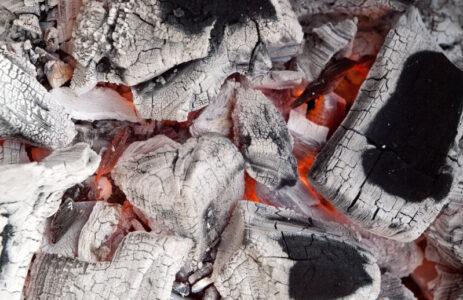
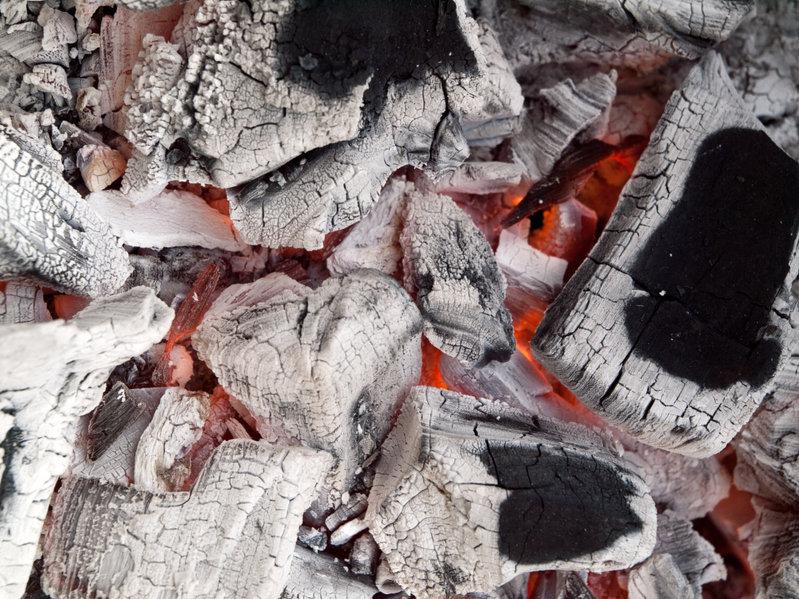
Natural lump charcoal is recommended for kamado grilling because it burns hotter and more efficiently than other charcoal types, produces minimal ash, and contains no chemical additives that could affect food flavor.
Made from pure hardwood without fillers or binders, this charcoal provides the clean-burning fuel that kamado grills need to reach their full potential.
Understanding the differences between charcoal types, performance characteristics, and proper usage techniques helps grillers maximize their kamado’s capabilities.
The choice of fuel directly impacts temperature control, burn time, cleanup requirements, and the overall cooking experience these versatile grills can deliver.
Why Natural Lump Charcoal Is Preferred for Kamado Grilling

Natural lump charcoal delivers superior heat performance, authentic flavor, and clean combustion that maximizes the potential of ceramic grill designs.
These characteristics align perfectly with the precision temperature control and versatile cooking capabilities that define kamado grilling.
Heat Efficiency and Burn Quality
Natural lump charcoal ignites faster and burns significantly hotter than briquettes.
This rapid ignition capability allows kamado grill users to reach searing temperatures quickly.
The hardwood composition produces consistent heat output.
Oak, hickory, and maple create reliable burning patterns that work well with the ceramic grill’s heat retention properties.
Ash production remains minimal compared to other charcoal types.
Less ash means better airflow through the kamado’s ventilation system.
Excessive ash can block air passages and disrupt temperature control.
The irregular shapes of lump charcoal pieces create natural air gaps.
These spaces promote proper oxygen flow throughout the firebox.
Better airflow translates to more efficient combustion and easier temperature management.
Lump charcoal burns longer at stable temperatures.
This extended burn time reduces the need for frequent refueling during long BBQ sessions.
Flavor Profile and Wood-Fired Taste
Hardwood lump charcoal imparts authentic smoky flavors that enhance grilled foods.
Different wood species contribute distinct taste profiles to meats and vegetables.
Hickory lump charcoal provides bold, bacon-like flavors.
Oak delivers moderate smokiness with subtle sweetness. Fruitwoods like apple and cherry add mild, sweet notes.
The charring process concentrates natural wood compounds.
These compounds release aromatic smoke that penetrates food during cooking.
This creates the signature wood-fired taste associated with traditional BBQ.
Natural lump charcoal produces cleaner smoke than processed alternatives.
Clean combustion eliminates harsh or bitter flavors that can occur with inferior fuel sources.
The ceramic design of kamado grills traps and circulates smoke effectively.
This enhanced smoke retention amplifies the natural flavors from hardwood lump charcoal.
Minimal Additives and Clean Burning
Natural lump charcoal contains zero chemical additives or binding agents.
This pure composition eliminates unwanted flavors and potential health concerns from artificial ingredients.
Briquettes often include:
- Limestone fillers
- Starch binders
- Chemical accelerants
- Coal dust
Lump charcoal uses only carbonized hardwood.
The absence of fillers and binders results in cleaner combustion with fewer chemical byproducts.
Clean burning produces less creosote buildup inside the kamado grill.
Reduced residue means less maintenance and cleaning between cooking sessions.
The natural composition makes lump charcoal more environmentally sustainable.
Hardwood sources are renewable, and the production process generates fewer industrial waste products.
Pure wood charcoal burns completely with minimal residue.
This complete combustion maximizes fuel efficiency and reduces waste disposal requirements.
Lump Charcoal vs. Briquettes – Choosing the Best Fuel for Your Grill
How Natural Lump Charcoal Enhances Kamado Grill Performance
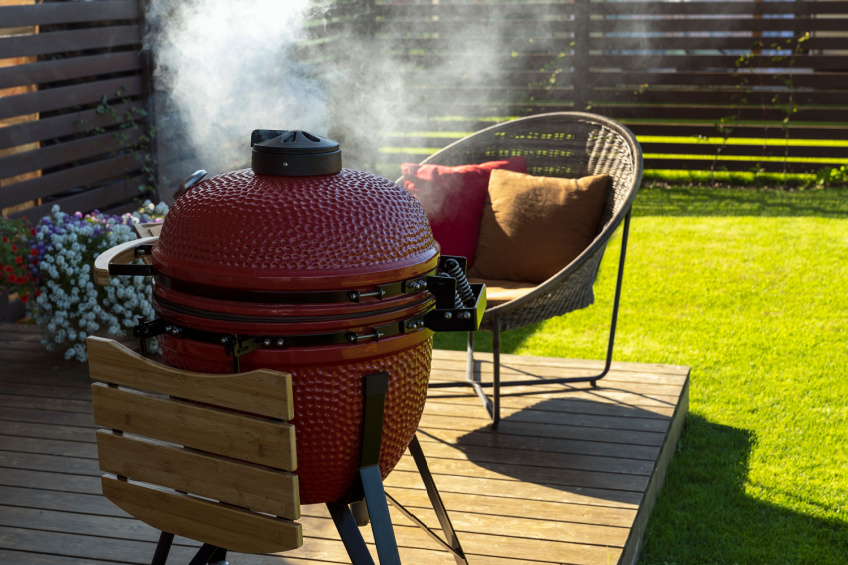
Natural lump charcoal transforms kamado grills into versatile cooking machines through superior temperature management, cleaner airflow systems, and extended cooking sessions.
Hardwood charcoal delivers consistent heat output while minimizing maintenance requirements.
Optimal Temperature Control
Natural lump charcoal ignites quickly and reaches higher temperatures than briquettes.
This rapid heat generation allows kamado grills to achieve searing temperatures above 700°F within minutes.
The irregular shapes of hardwood charcoal pieces create natural air gaps.
These spaces enable precise airflow control through the kamado’s damper system.
Temperature Range Capabilities:
- High heat: 600-800°F for searing steaks
- Medium heat: 350-450°F for roasting chicken
- Low heat: 225-275°F for smoking brisket
Lump charcoal responds faster to airflow adjustments than compressed briquettes.
When users open or close vents, temperature changes occur within 10-15 minutes.
The pure carbon content burns cleanly without chemical additives.
This clean combustion prevents temperature spikes caused by accelerants found in some briquettes.
Low Ash for Improved Airflow
Natural lump charcoal produces significantly less ash than briquettes during combustion.
Most quality hardwood charcoal generates only 2-5% ash by weight.
Reduced ash buildup keeps air vents clear throughout cooking sessions.
Clean airflow passages maintain consistent oxygen supply to the fire.
Ash Production Comparison:
- Natural lump charcoal: 2-5% ash
- Standard briquettes: 8-12% ash
- Instant-light briquettes: 10-15% ash
Less ash means fewer interruptions during long cooking sessions.
Grillers spend less time clearing vents and more time monitoring food.
The ceramic walls of kamado grills benefit from reduced ash accumulation.
Clean surfaces reflect heat more effectively, improving overall thermal efficiency.
Minimal ash production also simplifies cleanup after grilling sessions.
Users can focus on cooking rather than maintenance tasks.
Long Burn Times for Smoking and Roasting
Dense hardwood charcoal burns longer than processed alternatives.
Quality lump charcoal provides 4-6 hours of consistent heat for low-temperature smoking.
Large chunks burn slowly and steadily at controlled temperatures.
This extended burn time suits kamado grills perfectly for smoking meats like pork shoulder or beef brisket.
Typical Burn Times:
- Small pieces: 2-3 hours
- Medium chunks: 4-5 hours
- Large pieces: 6-8 hours
The natural density of hardwood creates sustainable heat output.
Charcoal for kamado grills maintains temperature without frequent fuel additions.
Mixed piece sizes provide cooking flexibility.
Small pieces ignite the fire while larger chunks sustain heat for extended cooking periods.
This extended burn capability makes overnight smoking sessions practical.
Pitmasters can maintain steady temperatures for 12+ hour cooks with proper fuel management.
Comparing Lump Charcoal to Other Charcoal Types
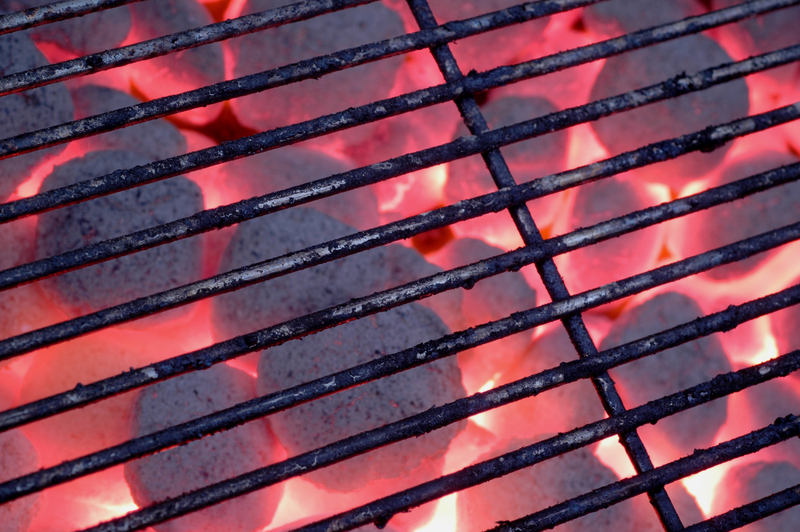
Lump charcoal differs significantly from briquettes in composition, heat output, and chemical content.
Natural hardwood lump charcoal burns hotter and cleaner than manufactured alternatives, making it particularly suitable for kamado grills.
Differences Between Lump Charcoal and Briquettes
Lump charcoal consists entirely of carbonized hardwood pieces with irregular shapes and sizes.
Briquettes are manufactured products made from charcoal dust, coal, cornstarch, and various binding agents pressed into uniform shapes.
Heat Performance:
- Lump charcoal reaches temperatures up to 1200°F
- Briquettes typically max out around 800-900°F
- Lump ignites faster and burns hotter initially
Burn Characteristics: Lump charcoal burns more inconsistently due to varying piece sizes.
Some pieces burn quickly while larger chunks provide longer heat.
Briquettes offer more predictable burn times but produce more ash.
Ash Production: Natural hardwood lump charcoal generates significantly less ash than briquettes.
This reduces cleanup time and prevents ash buildup that can restrict airflow in kamado grills.
Chemical-Free Advantage for Kamado Cooking
Natural hardwood lump charcoal contains no chemical additives, binders, or fillers.
This purity becomes crucial in kamado cooking where the sealed environment can concentrate any off-flavors from chemical additives.
Briquettes often contain:
- Limestone – as a whitening agent
- Starch – as a binding agent
- Borax – to aid ignition
- Coal dust – as filler material
These additives can produce chemical odors and flavors that transfer to food.
Lump charcoal burns cleanly without releasing chemical compounds that interfere with natural food flavors.
The absence of chemicals also means lump charcoal produces less acrid smoke during startup.
This clean burn characteristic allows kamado users to add food sooner without worrying about chemical taste contamination.
Selecting the Best Lump Charcoal for Kamado Grills
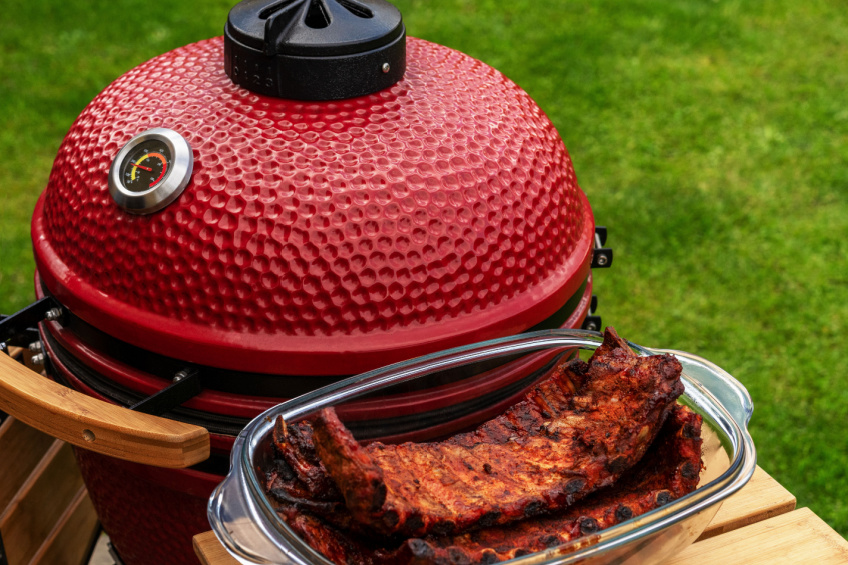
Quality lump charcoal makes a significant difference in kamado grilling performance.
The right charcoal should burn efficiently, produce minimal ash, and come from premium hardwood sources.
Key Qualities to Look For
The best lump charcoal for kamado grills must burn efficiently and reach high temperatures quickly.
Natural hardwood composition without fillers or additives ensures clean burning and minimal ash production.
Size consistency matters for airflow control.
Pieces should range from small chunks to fist-sized pieces, avoiding excessive dust or oversized chunks that restrict airflow.
Low moisture content allows for easier lighting and consistent burning.
Quality brands kiln-dry their charcoal to achieve optimal moisture levels below 8%.
Dense hardwood construction provides longer burn times and better heat retention.
Oak, hickory, and maple create dense charcoal that burns hot and steady.
Minimal additives keep flavors clean and pure.
Premium lump charcoal contains only carbonized wood without chemical binders or accelerants.
Popular Brands and Hardwood Types
 Fogo Super Premium Oak Lump Charcoal stands out for its dense oak construction and consistent sizing.
This Brazilian oak burns extremely hot and produces very little ash.
 Rockwood Natural Lump Charcoal Blend combines multiple hardwoods including oak, hickory, and maple.
The blend provides balanced flavor and reliable burning characteristics.
Oak lump charcoal remains the gold standard for kamado grilling.
Oak burns hot, lasts long, and imparts subtle smoky flavors without overpowering food.
Premium brands typically source from sustainable forests and use traditional charcoal-making methods.
These producers focus on dense hardwoods that create superior burning performance.
Tips for Using Lump Charcoal in Kamado Grills
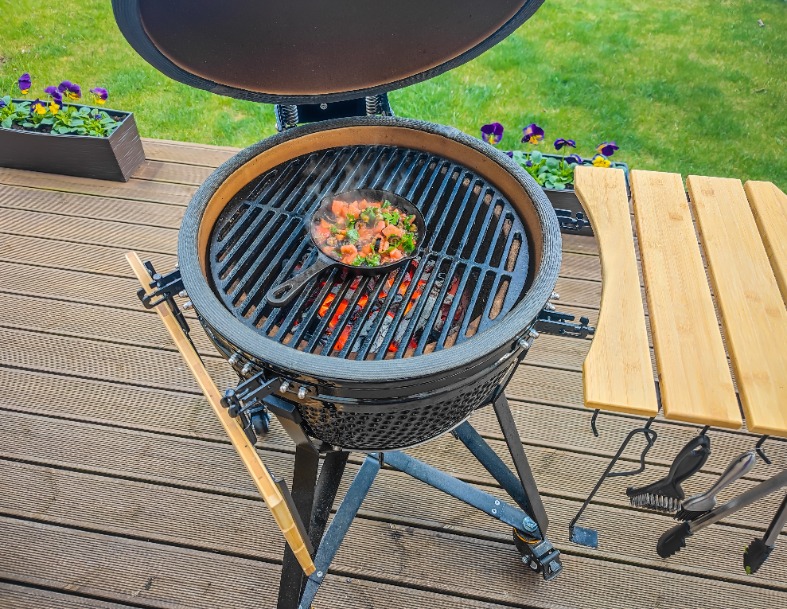
Success with lump charcoal in kamado grills depends on mastering airflow control, strategic wood placement for enhanced flavor, and proper storage techniques to maximize fuel efficiency.
Proper Lighting and Airflow Management
Fill the kamado’s firebox with natural lump charcoal, creating a pyramid shape for optimal airflow.
Light only a small portion using natural fire starters rather than lighter fluid.
Open both top and bottom vents completely during the initial lighting phase.
This maximizes oxygen flow and helps the charcoal ignite evenly across the surface.
Temperature Control Process:
- Monitor the dome thermometer closely
- Begin closing vents when temperature reaches 50°F below target
- Adjust bottom vent to 1-2 inches open
- Fine-tune top vent to small opening
The ceramic walls of kamado grills retain heat exceptionally well.
Small vent adjustments create significant temperature changes, so make gradual modifications.
For high-heat searing, keep vents open wider.
For low-and-slow cooking, reduce both vents to tiny openings once target temperature is reached.
Maximizing Flavor With Wood Chunks
Add wood chunks directly on top of lit lump charcoal for enhanced flavor profiles.
Place 2-3 chunks for subtle smoke or 4-5 chunks for stronger wood flavors.
Popular Wood Combinations:
- Oak: Universal pairing for beef and pork
- Cherry: Sweet flavor for poultry and pork
- Hickory: Bold taste for ribs and brisket
- Apple: Mild sweetness for fish and chicken
Soak wood chunks for 30 minutes before use to extend burn time and reduce flare-ups.
Position chunks away from direct heat zones to prevent rapid burning.
Kamado Joe grills work particularly well with fruit woods due to their excellent heat retention.
The ceramic construction maintains consistent temperatures that allow wood flavors to develop gradually.
Replace wood chunks halfway through longer cooking sessions.
Fresh chunks maintain steady smoke production throughout the entire cook.
Efficient Charcoal Storage and Reuse
Store lump charcoal in airtight containers or sealed bags to prevent moisture absorption.
Damp charcoal lights poorly and produces excessive smoke during cooking.
Extinguish remaining charcoal by closing all vents completely after cooking.
The oxygen-starved environment stops combustion while preserving unburned pieces for future use.
Reuse Guidelines:
- Remove ash before adding fresh charcoal
- Mix leftover pieces with new lump charcoal
- Check for foreign debris or excessive ash buildup
- Discard pieces smaller than golf balls
Quality lump charcoal produces minimal ash compared to briquettes.
Empty ash pans every 3-4 cooking sessions to maintain proper airflow through the firebox.
Purchase lump charcoal from reputable brands that use hardwood sources.
Restaurant-grade charcoal burns longer and produces less waste than lower-quality alternatives.
Applications and Versatility of Kamado Grills With Lump Charcoal
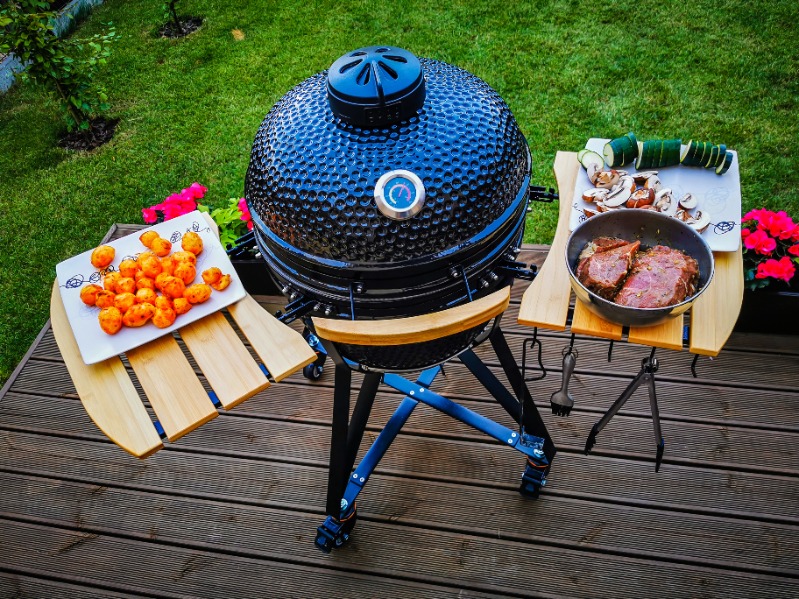
Lump charcoal transforms kamado grills into versatile cooking systems that excel at both direct high-heat grilling and indirect low-temperature cooking.
The ceramic construction paired with natural lump charcoal enables precise temperature control for smoking, baking, and roasting applications.
Direct and Indirect Cooking Methods
Direct cooking places food directly over the burning lump charcoal for high-heat searing and grilling.
This method works best for steaks, burgers, chicken pieces, and vegetables that require temperatures between 400-700°F.
Lump charcoal ignites quickly and burns hotter than briquettes, making it ideal for achieving the intense heat needed for proper searing.
The irregular shapes create air pockets that promote better airflow and higher temperatures.
Indirect cooking uses a heat deflector or plate setter to shield food from direct flames.
The ceramic grill walls distribute heat evenly around the cooking chamber, creating an oven-like environment.
For indirect cooking, cooks arrange lump charcoal to one side or use a deflector plate above the coals.
This setup maintains steady temperatures between 225-350°F for longer cooking sessions.
The natural hardwood composition of lump charcoal provides clean-burning fuel that doesn’t interfere with delicate indirect cooking processes.
Smoking, Baking, and Roasting on Ceramic Grills
Ceramic grill construction excels at maintaining stable low temperatures for smoking when paired with lump charcoal.
The thick ceramic walls retain heat efficiently while the natural charcoal burns cleanly without chemical additives.
Smoking requires temperatures between 225-275°F for extended periods.
Lump charcoal produces minimal ash, reducing airflow blockages during long smoking sessions.
For baking applications, the ceramic grill creates an oven environment that reaches temperatures up to 500°F.
Pizza stones and baking dishes work effectively with the even heat distribution from lump charcoal combustion.
Roasting larger cuts of meat benefits from the consistent heat retention of ceramic walls.
The natural wood flavors from lump charcoal enhance roasted meats without overpowering delicate flavors.
Large pieces of lump charcoal burn longer and more consistently than smaller fragments, making them better suited for extended roasting and baking sessions.