
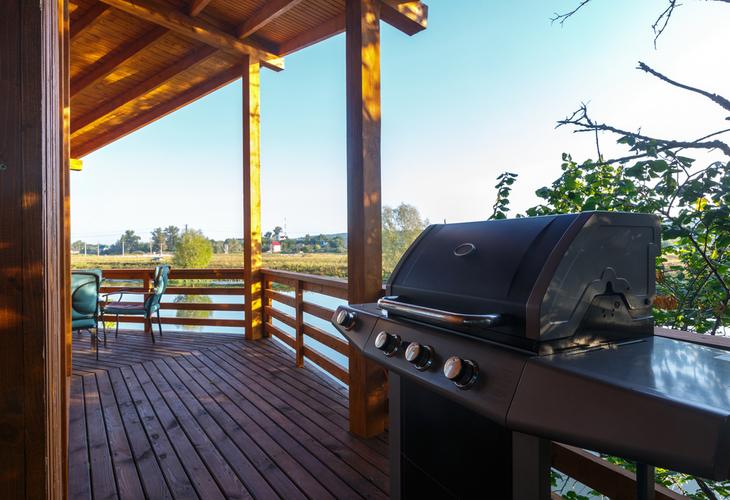
Gas grills have transformed outdoor cooking by combining traditional grilling with modern convenience and control.
Unlike charcoal grills that require lengthy preparation and cleanup, gas grills deliver consistent performance with the simple turn of a knob.
Gas grills offer five key advantages: instant ignition and convenience, precise temperature control, even heat distribution, easy maintenance, and enhanced cooking versatility.
These benefits make gas grilling an efficient choice for both novice cooks and experienced grill masters who want reliable results without the hassle of traditional fuel sources.
From quick weeknight dinners to elaborate weekend gatherings, gas grills provide the flexibility and performance that modern outdoor cooking demands.
Understanding these core benefits helps explain why gas grills continue to gain popularity among those who prioritize both quality results and practical functionality in their grilling experience.
Unmatched Convenience and Fast Ignition

Gas grills deliver instant heat at the push of a button, eliminating the lengthy preparation time required with charcoal grills.
Modern ignition systems provide reliable startup within minutes, making outdoor cooking accessible for spontaneous meals and busy weeknights.
Instant Heat With Push-Button Start
Gas grills feature electronic ignition systems that light burners with a single button press or knob turn.
This technology eliminates the need for matches, lighters, or lengthy startup procedures.
The instant heat capability transforms outdoor cooking from a time-consuming process into an immediate option.
Users can achieve cooking temperatures within 2-3 minutes of ignition.
Key ignition features include:
- Push-button piezo igniters that create sparks automatically
- Electronic starters powered by AA batteries
- Backup manual lighting options for reliability
Modern gas grills maintain consistent flame control through regulated gas flow.
This precision allows cooks to adjust heat levels instantly during cooking.
The reliability of gas ignition systems surpasses traditional methods.
Weather conditions rarely affect the lighting process, unlike charcoal grills that struggle in wind or humidity.
Quick Preheating for Spontaneous Grilling
Gas grills reach optimal cooking temperatures in under 10 minutes.
This rapid preheating enables impromptu grilling sessions without advance planning.
Charcoal grills typically require 20-30 minutes for proper heating.
Gas grills cut this time by two-thirds, making weeknight dinners practical.
Preheating timeline comparison:
| Grill Type | Preheating Time | Ready to Cook |
|---|---|---|
| Gas Grill | 5-10 minutes | Immediately |
| Charcoal | 20-30 minutes | After coal prep |
The quick heating capability particularly benefits busy families and working professionals.
Dinner preparation becomes streamlined when the grill heats while other meal components are prepared.
Multi-burner gas grills can create different temperature zones simultaneously.
This allows users to sear proteins on high heat while cooking vegetables on medium heat.
Simple Ignition Systems for Hassle-Free Operation
Gas grill ignition systems eliminate common startup frustrations.
No charcoal lighting, ash cleanup, or fire management is required for successful outdoor cooking.
Ignition system types:
- Piezo igniters: Generate sparks through mechanical pressure
- Battery-powered systems: Provide consistent electronic ignition
- Hot surface igniters: Use heated elements for reliable lighting
These systems work in various weather conditions where charcoal lighting might fail.
Rain, wind, and cold temperatures have minimal impact on gas ignition reliability.
Maintenance requirements remain minimal for gas ignition systems.
Annual cleaning of burner ports and ignition components ensures consistent performance.
Safety features include automatic gas shutoff if flames extinguish.
This prevents gas accumulation and potential hazards during operation.
The simplicity extends beyond ignition to overall operation.
Temperature adjustments happen instantly through burner controls, providing precise heat management throughout the cooking process.
Precise and Adjustable Temperature Control
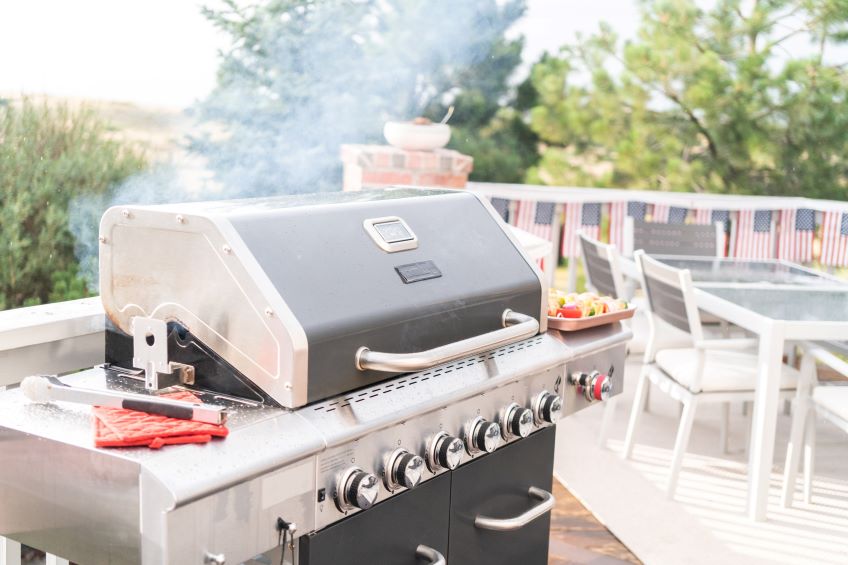
Gas grills deliver unmatched temperature precision through adjustable knob controls, consistent heat distribution, and multi-burner systems that allow for various cooking zones.
This level of control eliminates the guesswork associated with charcoal grills and ensures reliable cooking results.
Effortless Heat Adjustments With Knobs
Gas grills feature intuitive control knobs that allow users to adjust temperatures instantly with a simple turn.
These knobs provide immediate response to temperature changes, unlike charcoal grills that require manual coal adjustments and waiting periods.
The knob system typically offers a range from low simmer to high sear temperatures.
Most gas grills include clearly marked temperature indicators on the control panel.
Users can fine-tune heat levels for specific cooking techniques:
- High heat (450-500°F) for searing steaks
- Medium heat (350-400°F) for general grilling
- Low heat (225-275°F) for slow cooking
This precise temperature control makes gas grills particularly valuable in outdoor kitchen setups where consistent results matter most.
Maintaining Consistent Cooking Temperatures
Gas grills maintain steady temperatures throughout the cooking process without the fluctuations common in charcoal grills.
The consistent fuel flow ensures even heat distribution across the cooking surface.
Built-in thermometers help monitor internal grill temperatures.
Many models include multiple temperature gauges for different cooking zones.
Key consistency advantages:
- No hot spots or cold areas
- Steady fuel burn rate
- Predictable cooking times
- Reduced risk of overcooking
This consistent performance allows cooks to follow recipes accurately and achieve repeatable results.
The reliability becomes especially important when preparing multiple dishes simultaneously.
Zone Cooking and Multi-Burner Flexibility
Multi-burner gas grills enable zone cooking by creating different temperature areas on the same cooking surface.
Each burner operates independently, allowing for diverse cooking techniques simultaneously.
Common zone cooking applications:
- Direct high-heat searing on one side
- Indirect medium-heat roasting in center
- Low-heat warming zone for finished foods
Most gas grills feature 2-6 individual burners with separate controls.
This setup allows cooks to sear proteins over high heat while vegetables cook at lower temperatures nearby.
The multi-burner design proves essential for outdoor kitchen functionality, providing the flexibility to prepare complete meals on a single appliance.
Superior Even Heat Distribution and Cooking Results

Gas grills excel at maintaining consistent temperatures across the entire cooking surface, eliminating problematic hot and cold spots.
This precise heat control enables superior sear marks and high-temperature cooking performance for outdoor cooking enthusiasts.
Avoiding Hot Spots for Uniform Grilling
Gas grills deliver consistent heat distribution through strategically placed burners that maintain uniform flame patterns.
The propane burners create steady temperatures across the cooking surface, preventing the uneven heating common with other grill types.
Heat plates positioned above the burners further enhance even cooking by diffusing flames and creating thermal stability.
These components act as thermal buffers that absorb and radiate heat upward uniformly.
Multiple burner zones allow precise temperature control across different grill sections.
Users can adjust individual burners to create specific heat zones while maintaining overall consistency.
The predictable heat patterns eliminate guesswork in food placement.
Delicate items like fish fillets cook evenly alongside thicker cuts without repositioning requirements.
Key advantages include:
- No cold spots that leave food undercooked
- Consistent results every grilling session
- Reduced food waste from uneven cooking
- Better timing control for multiple items
Sear Marks and High-Heat Performance
Gas grills achieve high heat temperatures quickly, reaching ideal searing ranges of 450-500°F within minutes.
This rapid heating capability creates the intense surface contact needed for professional-quality sear marks.
The consistent flame output maintains steady high temperatures without fluctuation.
Direct heat from properly functioning burners creates the Maillard reaction that produces distinctive grill marks and enhanced flavors.
Infrared heat plates in premium models radiate intense, concentrated heat perfect for searing steaks and chops.
These specialized components deliver restaurant-quality results for outdoor cooking applications.
Precise temperature control prevents overcooking while achieving desired surface caramelization.
The ability to quickly adjust heat levels allows for perfect searing followed by gentle finishing cooking.
Gas grills maintain their high heat performance throughout extended cooking sessions without fuel quality degradation affecting temperature consistency.
Easy Cleanup and Low Maintenance

Gas grills eliminate the messy ash cleanup associated with charcoal grills and feature built-in systems that simplify maintenance.
These grills require significantly less time and effort to clean after each cooking session.
Removable Drip Trays and Grease Management
Most gas grills include removable drip trays positioned beneath the cooking grates to catch grease and food particles.
These trays slide out easily, allowing users to dispose of accumulated grease without disassembling the entire unit.
Modern gas grills feature comprehensive grease management systems that channel fats away from the cooking surface.
The system typically includes angled surfaces that direct grease toward collection points.
Many models offer porcelain-coated cooking grates that resist sticking and clean more easily than cast-iron alternatives found on charcoal grills.
A simple brush and warm soapy water removes most residue.
Key maintenance components:
- Removable drip pans
- Grease collection cups
- Non-stick cooking surfaces
- Easy-access cleaning points
For outdoor kitchen installations, gas grills integrate seamlessly with other appliances while maintaining their low-maintenance characteristics.
The contained grease management prevents mess from spreading to surrounding surfaces.
Minimal Ash and Cleanup Time
Gas grills produce zero ash during operation, eliminating the dusty cleanup required after using charcoal grills.
Users avoid dealing with leftover charcoal debris, ash disposal, and the associated mess.
Cleanup time comparison:
- Gas grills: 5-10 minutes
- Charcoal grills: 15-30 minutes
The clean-burning nature of propane and natural gas means minimal residue accumulates on cooking surfaces.
Most cleaning involves wiping down grates and emptying drip trays rather than extensive scrubbing.
Gas grills don’t require ash removal tools, special disposal containers, or waiting for embers to cool completely.
Users can begin cleanup immediately after cooking ends and the grill cools to safe temperatures.
This efficiency particularly benefits busy households where time spent on maintenance means less time enjoying meals with family and guests.
Versatility and Enhanced Grilling Options

Gas grills provide multiple cooking methods beyond basic grilling, from low-temperature smoking to high-heat searing.
Modern gas grills accommodate various accessories and cooking techniques that expand culinary possibilities for outdoor cooking enthusiasts.
Slow Cook and Low-Temperature Cooking
Gas grills excel at maintaining consistent low temperatures for slow cooking applications.
The precise temperature control allows users to cook large cuts of meat, such as brisket or pork shoulder, at temperatures between 225°F and 275°F for extended periods.
Multiple burner zones enable indirect cooking methods.
Users can light burners on one side while placing food on the cooler section, creating an oven-like environment for roasting whole chickens or cooking delicate fish.
Temperature stability remains constant throughout long cooking sessions.
Unlike charcoal grills that require frequent fuel additions, gas grills maintain steady heat levels without intervention.
Low-temperature cooking benefits:
- Even heat distribution
- Reduced flare-ups
- Consistent results
- Extended cooking times without fuel management
This cooking method produces tender, evenly cooked results that rival traditional smoking methods.
Flavor Enhancement With Smoker Boxes and Wood Chips
Smoker boxes transform gas grills into smoking devices by containing wood chips that produce authentic smoke flavors.
These metal containers sit directly over burners, heating wood chips to create aromatic smoke.
Different wood varieties provide distinct flavor profiles.
Hickory produces strong, bacon-like flavors perfect for pork, while apple wood offers mild, sweet notes ideal for poultry and fish.
The process requires minimal setup.
Users fill the smoker box with soaked wood chips, place it over a lit burner, and wait for smoke production to begin before adding food.
Popular wood chip varieties:
- Hickory: Bold, smoky flavor
- Apple: Mild, fruity notes
- Cherry: Sweet, mild smoke
- Mesquite: Intense, earthy flavor
Gas grills maintain consistent smoking temperatures while wood chips smolder, delivering controlled smoke exposure without the unpredictability of charcoal or wood-fired smokers.
Accessories and Customization Features
Modern gas grills support extensive accessory systems that expand cooking capabilities.
Rotisserie kits enable spit-roasting whole birds and roasts, while griddle plates convert grill surfaces for cooking pancakes, eggs, and vegetables.
Side burners add stovetop functionality for sauces, side dishes, or boiling water.
These auxiliary burners operate independently from main cooking areas, allowing simultaneous food preparation.
Warming racks keep cooked food at serving temperature while other items finish cooking.
These elevated surfaces prevent overcooking while maintaining food quality.
Essential gas grill accessories:
- Cast iron grates for superior heat retention
- Grill baskets for small vegetables and delicate items
- Pizza stones for bread and pizza cooking
- Temperature probes for precise doneness monitoring
Modular designs allow users to customize their outdoor cooking setup based on specific needs and cooking preferences.
Reliable Gas Grills That Show Off the Benefits
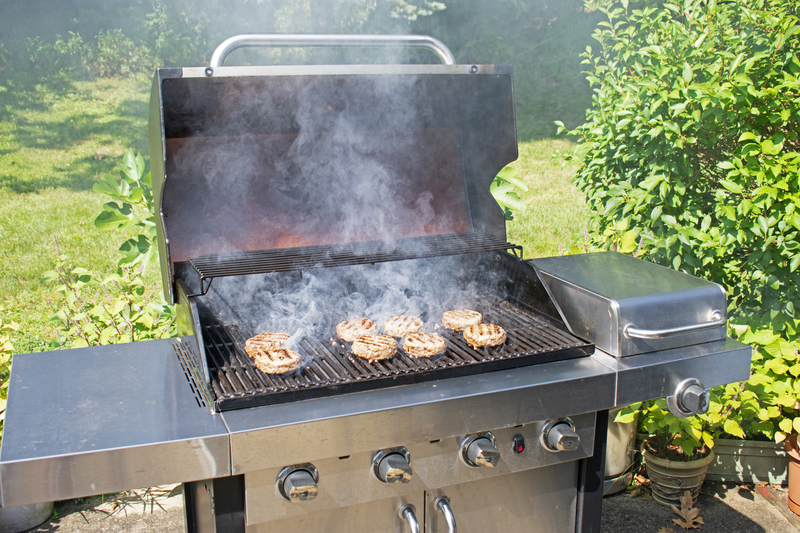
 The Monument Grills 4-Burner Propane Gas Grill is a stainless steel model built for both size and convenience, offering a side burner for added versatility.
With over 500 square inches of primary cooking space, it handles burgers, steaks, and veggies with ease while also providing warming space for side dishes.
Customers highlight its sturdy build, smooth controls, and reliable heat distribution, making it a dependable choice for consistent outdoor cooking.
The rust-resistant stainless steel body and responsive burners showcase one of the biggest advantages of gas grills—quick ignition and precise temperature management.
 The Weber Spirit E-425 4-Burner Gas Grill combines power and performance with thoughtful features that make grilling easier.
It offers a large sear zone for high-heat cooking, porcelain-enameled cast iron grates for durability, and four independently controlled burners for flexible heat zones.
Backed by a 10-year limited warranty, it also includes tool hooks, side tables, and storage for extra convenience.
Designed for home grillers who want plenty of cooking space, reliable heat, and the quality Weber is known for, it delivers the control and longevity that make gas grills such a smart investment.
Additional Considerations: Cost, Efficiency, and the Environment
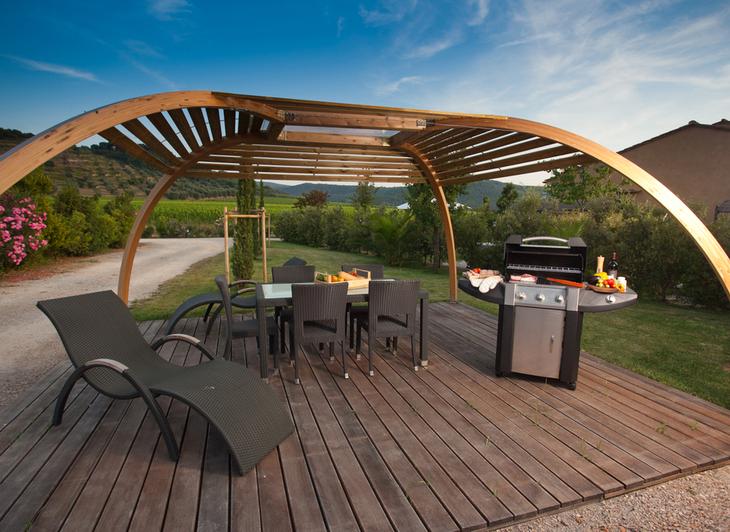
Gas grills involve higher initial costs but deliver superior fuel efficiency compared to charcoal alternatives.
Natural gas grills produce lower carbon emissions while offering predictable operating expenses over time.
Long-Term Value and Fuel Efficiency
Natural gas grills demonstrate exceptional fuel efficiency compared to charcoal alternatives.
Propane burns at approximately 2,500 BTUs per cubic foot, while natural gas provides around 1,000 BTUs per cubic foot.
Gas grills convert roughly 85-90% of fuel energy into usable heat.
Charcoal grills typically achieve only 35-40% efficiency due to heat loss during combustion.
Annual fuel costs breakdown:
- Propane: $60-120 per year (moderate use)
- Natural gas: $30-60 per year (moderate use)
- Charcoal: $80-150 per year (moderate use)
Gas grills heat up in 10-15 minutes versus 30-45 minutes for charcoal.
This reduces overall fuel consumption per cooking session.
The controlled flame adjustment in gas grills eliminates fuel waste from overconsumption.
Users can instantly modify heat output based on cooking requirements.
Comparing Carbon Footprint and Environmental Impact
Gas grills produce significantly lower carbon emissions than charcoal models.
Propane generates approximately 5.7 pounds of CO2 per gallon burned.
Charcoal production creates twice the carbon footprint of propane when accounting for manufacturing processes.
Charcoal requires wood carbonization at high temperatures, consuming additional energy resources.
Emission comparison per cooking session:
- Propane: 5-8 pounds CO2
- Natural gas: 3-5 pounds CO2
- Charcoal: 11-15 pounds CO2
Natural gas burns cleaner than propane, producing minimal particulates and pollutants.
Direct pipeline delivery eliminates transportation-related emissions.
Gas grills reduce air quality impact in residential areas.
They produce no smoke or ash waste requiring disposal.
The efficiency of gas combustion means less fuel consumption per cooking session.
This translates to reduced overall environmental impact throughout the grill’s lifetime.
Initial Investment Versus Ongoing Costs
Gas grills require higher initial investment ranging from $200-2,000 depending on features and size.
Charcoal grills typically cost $50-500 for comparable cooking capacity.
Natural gas grill installation may require professional gas line connection, adding $200-600 to setup costs.
Propane models need tank purchases or rentals at $30-50 initially.
5-year cost analysis:
- Gas grill: $800-1,200 total cost
- Charcoal grill: $600-900 total cost
Gas grills offer lower maintenance expenses due to fewer moving parts and no ash cleanup requirements.
Replacement parts like burners and regulators cost $50-150 every 5-7 years.
The convenience factor reduces time investment per cooking session.
Gas grills eliminate charcoal purchasing trips and storage requirements.
Energy efficiency translates to cost savings over the grill’s 10-15 year lifespan.
The initial premium typically recovers within 3-4 years of regular use.