
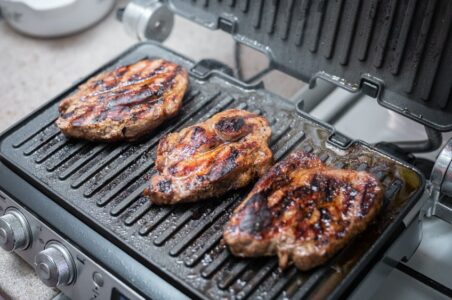
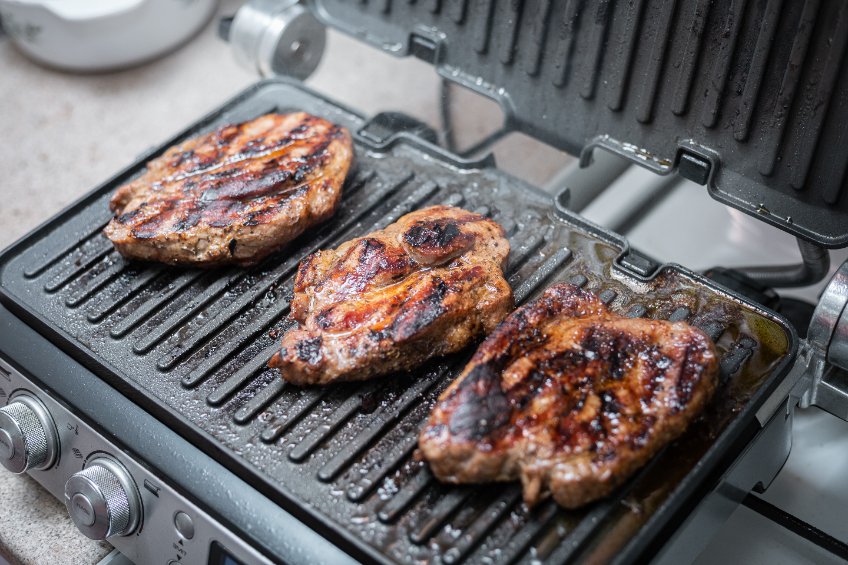
Many steak lovers wonder if electric grills can deliver the same rich, satisfying flavor they expect from their favorite cut of meat.
With more people living in apartments or areas with grilling restrictions, electric grills have become a popular alternative to traditional outdoor cooking methods.
Steaks cooked on electric grills taste different from those prepared on gas or charcoal grills, producing a milder flavor with less of the smoky, charred taste that many people associate with perfect grilling.
The difference comes down to how electric grills generate heat and the temperatures they can reach.
Electric grills use heating elements that provide steady, even heat but typically cannot achieve the high temperatures that gas and charcoal grills produce.
This affects how the steak sears and develops those flavorful brown crusts that lock in juices.
Understanding how electric grills work and learning the right techniques can help anyone cook delicious steaks at home.
While the flavor profile may be different, electric grills offer their own advantages and can still produce tender, juicy steaks when used properly.
The key lies in knowing what to expect and how to work with the unique characteristics of electric grilling.
How Electric Grills Work and Their Impact on Steak Flavor
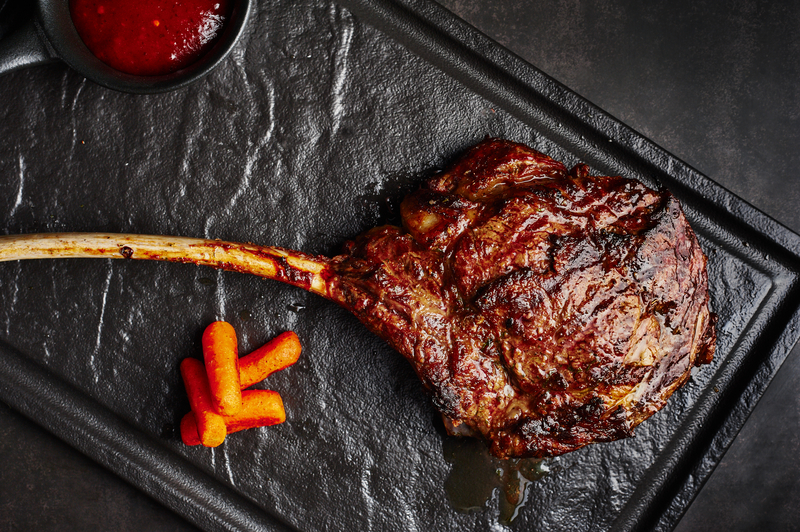
Electric grills use heating elements to reach high temperatures for proper searing, while advanced temperature control systems help maintain consistent heat for even cooking.
The heating technology and design directly affect how well steaks develop flavor and texture.
Electric Heating Technology and Temperature Control
Electric grills use metal heating elements that convert electricity into heat.
These elements can reach temperatures of 400-500°F, which is hot enough to create the Maillard reaction on steak surfaces.
Temperature control is one of the biggest advantages of electric grills.
Most models have adjustable dials or digital controls that let you set exact temperatures.
This prevents the hot and cold spots that often happen with charcoal grills.
The heating elements warm up in 10-15 minutes.
Once they reach the set temperature, built-in thermostats keep the heat steady.
This means your steak cooks evenly without constant temperature changes.
Contact grills use two heated plates that cook both sides at once.
Open-grate electric grills work more like traditional grills, heating from below through metal grates.
Heat Distribution and Grill Marks
Electric grills create heat distribution through their element design and grate system.
The heating elements spread heat across the cooking surface more evenly than gas flames or hot coals.
Grill marks form when the metal grates get hot enough to sear the steak surface.
Electric grills can create these marks, but they may look different than those from gas or charcoal grills.
The key is getting the grates hot enough before adding the steak.
Preheating for 10-15 minutes helps the metal grates reach searing temperature.
This creates the brown crust that adds flavor to steaks.
Some electric grills have ridged cooking plates instead of open grates.
These create defined grill marks but cook more like a contact grill than traditional outdoor grilling.
Convenience and Versatility of Electric Grills
The convenience of electric grills makes them popular for indoor and outdoor use.
They plug into standard outlets and don’t need gas tanks or charcoal.
This makes setup and cleanup much easier.
Electric grilling works in any weather since most models can be used indoors.
There’s no worry about wind affecting flames or rain stopping your cooking plans.
Many electric grills offer cooking options beyond steaks.
Removable plates let you switch between grill grates and flat cooking surfaces.
Some models have temperature zones for cooking different foods at the same time.
Safety features include automatic shut-off and cool-touch handles.
These advantages of electric grills make them good choices for apartments, condos, and places where gas or charcoal grills aren’t allowed.
Do Steaks Taste Different on an Electric Grill?
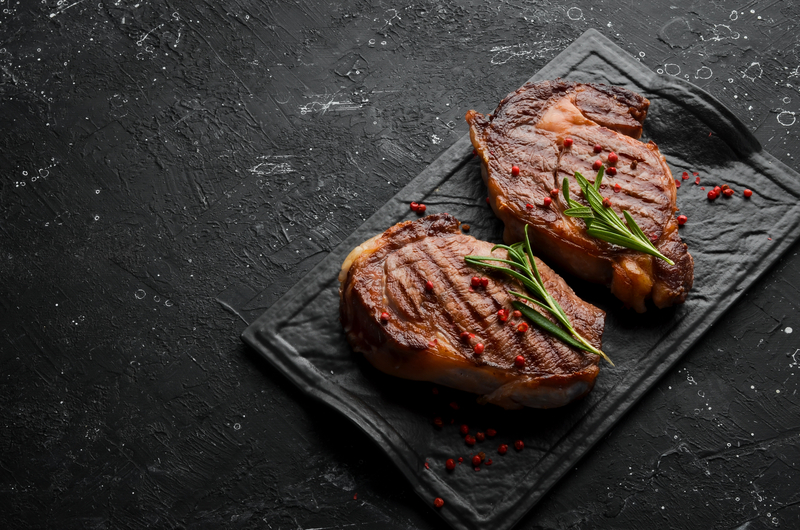
Electric grills produce steaks with a distinct flavor profile that lacks the traditional smoky taste of charcoal grills.
The meat retains excellent texture and juiciness when proper techniques are used.
Flavor Profile of Electric-Grilled Steaks
Electric grills create flavor through direct heat and vaporized meat juices rather than smoke.
When cooking steak on an electric grill, the primary taste comes from the meat’s natural flavors and the Maillard reaction that creates a crispy crust.
The heat source generates temperatures hot enough to sear the steak properly.
Juices that drip from the meat hit the heating element and vaporize back into the steak.
This process creates a rich, beefy flavor that many people find satisfying.
The taste focuses on the meat’s inherent qualities rather than added smoke flavors.
Electric grills with slotted surfaces work better for flavor development.
These designs allow juices to fall onto the heating element and create steam that adds taste back to the steak.
Some electric grill users add wood chips in foil packets to introduce subtle smoky notes.
This technique can bridge the gap between electric and traditional grilling methods.
Absence of Traditional Smoky Flavor
The biggest difference in taste comes from the lack of smoke flavor that charcoal and gas grills provide.
Electric grills cannot produce the same woody, smoky notes that many people associate with the perfect grilling experience.
Charcoal grills create smoke when fat drips onto hot coals.
Gas grills produce some smoke when juices hit the flame or heat shields.
Electric grills generate clean heat without combustion.
This means no smoke compounds are created during the cooking process.
The absence of smoke makes electric-grilled steaks taste cleaner and more focused on the meat itself. Some people prefer this direct flavor approach.
Others miss the complex smoky taste that traditional grills provide.
The grilling experience feels different without the aromatic smoke that fills the air.
Wood chip alternatives can help add smoky flavor to electric grills, but the effect is much milder than traditional methods.
Texture and Juiciness Comparison
Electric grills can produce steaks with excellent texture when used correctly.
The consistent heat source helps create even cooking throughout the meat.
Proper preheating is essential for achieving a good sear.
Electric grills need adequate time to reach the right temperature for cooking steak effectively.
The juiciness depends more on cooking technique than the grill type.
Electric grills can retain moisture just as well as other grilling methods.
Key factors for texture:
- Adequate preheating time
- Proper temperature control
- Correct cooking times
- Quality of the meat cut
Many electric grill models create distinctive grill marks that add visual appeal.
The ridged surfaces press into the meat and create the classic crosshatch pattern.
The main texture difference is the surface crust.
Electric grills may not develop as thick or as flavorful a crust as high-heat charcoal grills.
However, well-designed electric grills with good heat distribution can still produce tender, juicy steaks with appealing texture.
Comparing Electric Grills to Gas and Charcoal Grills
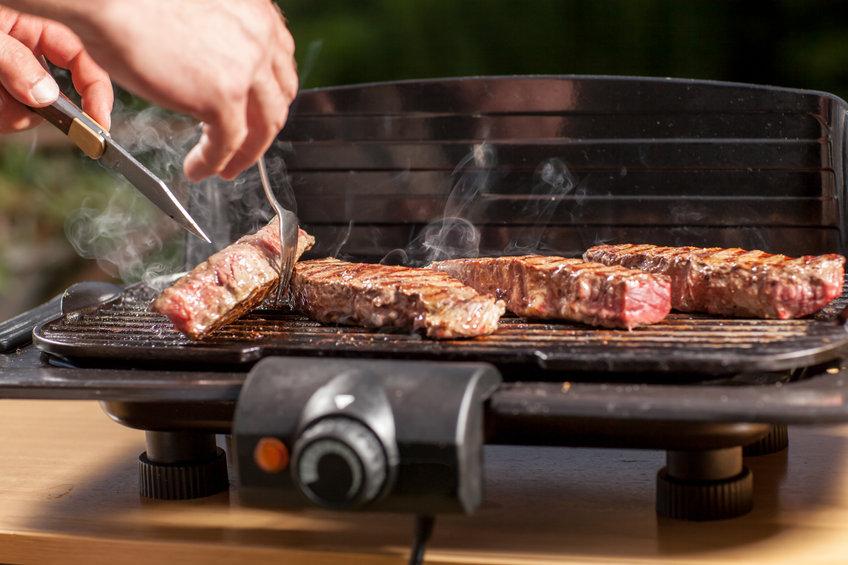
Electric grills produce a cleaner, more neutral flavor compared to their fuel-burning counterparts.
Traditional grills create smokiness through combustion, while electric models rely on consistent radiant heat.
Charcoal Grills vs. Electric Grills
Charcoal grills create the most intense smoky flavor of all grill types.
When fat drips onto hot coals, it creates smoke that adds rich taste to steaks.
Electric grills cannot replicate this natural smoking process.
They use heating elements instead of burning fuel, which eliminates smoke production entirely.
Temperature differences also affect steak quality:
- Charcoal grills reach 700-900°F for excellent searing
- Electric grills typically max out at 400-500°F
- Higher heat creates better crust formation on steaks
Charcoal grills have hot and cold spots that create varied cooking zones.
This uneven heat can add complexity to steak flavors.
Electric grills provide uniform heat distribution, which cooks steaks more evenly but produces less flavor variation.
Setup and maintenance favor electric models.
Charcoal requires lighting time and ash cleanup.
Electric grills plug in and heat up within minutes.
Gas Grills vs. Electric Grills
Gas grills offer a middle ground between charcoal and electric options.
They burn propane or natural gas to create open flames that add some smokiness to steaks.
Electric grills taste more sterile compared to gas models.
Gas flames allow fat drippings to vaporize and create flavor-enhancing smoke.
Electric heating elements cannot produce this effect.
Heat control differs significantly:
- Gas grills allow instant temperature adjustments
- Electric grills heat up and cool down more slowly
- Gas models can achieve searing temperatures above 600°F
Gas grills create more authentic grill marks on steaks.
The open flame and higher temperatures produce better browning and caramelization.
Electric grills can brown steaks but often lack the same intensity.
Convenience factors vary by situation. Electric grills work indoors and require no fuel purchases.
Gas grills need propane tanks but heat up faster than charcoal options.
Choosing and Preparing Steaks for Electric Grilling
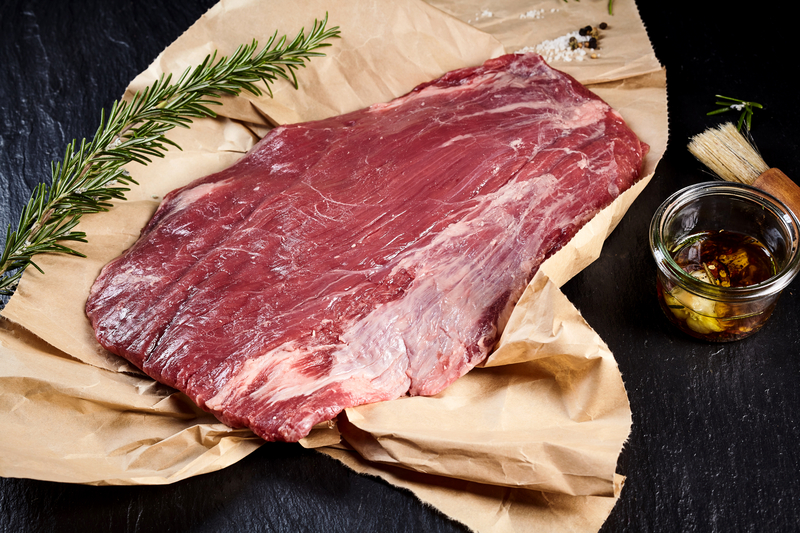 The right cut, proper thickness, and good seasoning make the biggest difference when grilling steaks on electric grills.
These factors help overcome the lower heat output that electric grills typically produce compared to gas or charcoal options.
Best Steak Cuts for Electric Grills
Ribeye stands out as the top choice for electric grills.
The high fat content keeps the meat moist during cooking.
The marbling also adds flavor that works well with the gentler heat of electric grills.
New York strip offers excellent results too.
This cut has good marbling and stays tender when cooked properly. It holds up well to the steady heat that electric grills provide.
Sirloin works great for budget-conscious grillers.
While leaner than ribeye, it still delivers good flavor.
The uniform shape cooks evenly on electric grill surfaces.
Filet mignon can work but needs careful attention.
The lean meat can dry out quickly.
Cooks should watch the temperature closely with this expensive cut.
T-bone steaks present challenges on electric grills.
The bone conducts heat differently than meat.
This can lead to uneven cooking on lower-heat electric surfaces.
Importance of Steak Thickness
Steak thickness directly affects cooking success on electric grills.
Steaks between 1 to 1.5 inches thick work best.
This thickness allows proper searing while cooking the interior evenly.
Thin steaks under 3/4 inch cook too quickly.
They often become overcooked before developing a good crust.
The lower heat of electric grills makes this problem worse.
Thick steaks over 2 inches can cause problems too.
The outside may burn before the inside reaches the right temperature.
Electric grills lack the high heat needed for proper thick steak cooking.
Medium thickness steaks give cooks better control.
They have enough time to develop flavor while staying juicy inside.
This thickness also matches well with electric grill capabilities.
Seasonings, Marinades, and Dry Rubs
Salt and pepper form the foundation of good steak seasoning.
Apply salt 30-45 minutes before cooking.
This helps draw out moisture and creates better browning.
Dry rubs work exceptionally well on electric grills.
Garlic powder, onion powder, and paprika add depth.
The longer cooking time allows these flavors to penetrate the meat.
Marinades can help tenderize tougher cuts like sirloin.
Acidic ingredients like vinegar or citrus break down tough fibers.
Marinate for 2-8 hours for best results.
Simple seasonings often work better than complex mixes.
Montreal steak seasoning provides a balanced flavor profile.
Herbs like rosemary and thyme complement beef well without overpowering it.
Techniques for Cooking the Perfect Steak on an Electric Grill
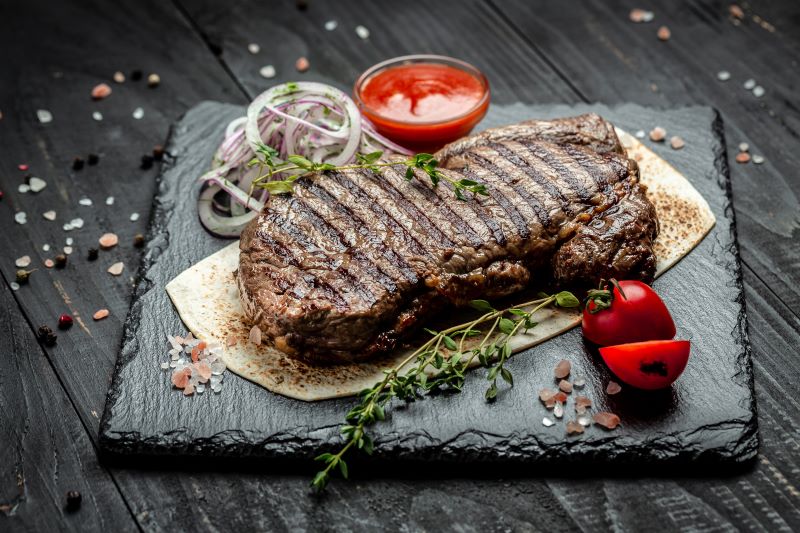
Getting the right temperature and tracking the cooking time helps create a great steak on an electric grill.
Using a meat thermometer takes the guesswork out of checking when the steak is done.
Preheating and Timing
Preheat the electric grill to 400-450°F before adding the steak.
This temperature range creates a good sear on the outside while cooking the inside properly.
Let the grill heat up for 10-15 minutes to reach the right temperature.
Most electric grills need this much time to get hot enough.
Cooking times vary based on steak thickness:
- 1-inch thick: 4-5 minutes per side for medium-rare
- 1.5-inch thick: 6-7 minutes per side for medium-rare
- 2-inch thick: 8-10 minutes per side for medium-rare
Flip the steak only once during cooking.
Too much flipping can dry out the meat and prevent proper browning.
The steak should rest at room temperature for 15-20 minutes before grilling.
Cold steaks cook unevenly and take longer to reach the right temperature inside.
Monitoring Doneness with a Meat Thermometer
A meat thermometer gives the most accurate way to check if a steak is done.
Insert it into the thickest part of the steak for the best reading.
Internal temperatures for different doneness levels:
| Doneness | Temperature |
|---|---|
| Rare | 120-125°F |
| Medium-rare | 130-135°F |
| Medium | 140-145°F |
| Medium-well | 150-155°F |
| Well-done | 160°F+ |
Check the temperature during the last few minutes of cooking time.
This prevents overcooking the steak while making sure it reaches the right doneness.
Remove the steak when it’s about 5°F below the target temperature.
The meat will continue cooking for a few minutes after leaving the grill.
Digital instant-read thermometers work best for steaks.
They give quick and accurate readings without leaving the steak on the grill too long.
 The Professional Digital Meat Thermometer takes the guesswork out of cooking with lightning-fast 0.5-second readings and NIST-certified accuracy of ±0.5°F.
Its waterproof design and auto-rotating backlit display make it reliable for any grilling or kitchen environment.
From BBQ to candy-making, it adapts seamlessly to every cooking need.
With its lift-to-wake feature, you’re always just one motion away from perfect results.
Advantages and Limitations of Electric Grills for Steak
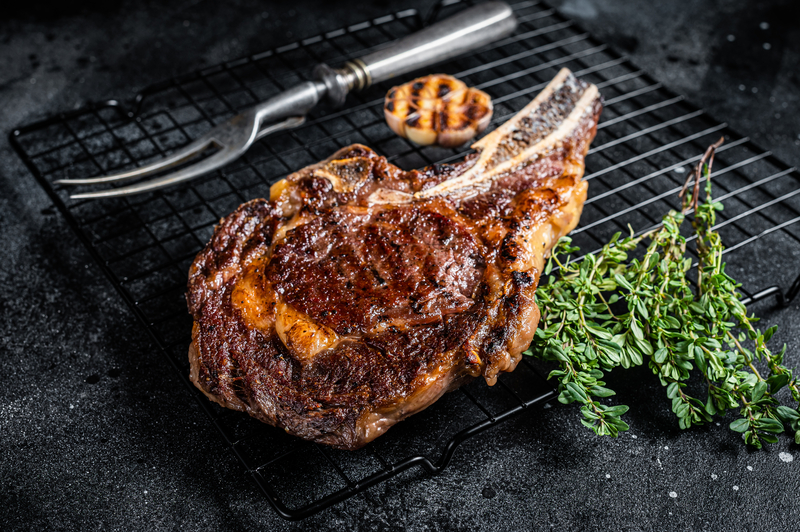 Electric grills offer unique benefits for steak cooking, including precise temperature control and consistent heat distribution.
However, they also present certain challenges that steak enthusiasts should understand before making the switch.
Key Benefits for Steak Lovers
Electric grills provide precise temperature control that makes cooking steaks more predictable.
The heating elements maintain steady temperatures without the hot spots common in charcoal grills.
Even heat distribution ensures steaks cook uniformly across the entire surface.
This eliminates the guesswork of rotating steaks to avoid burning or undercooking.
The convenience of electric grills stands out for apartment dwellers and indoor cooking.
They require no propane tanks or charcoal preparation.
Simply plug in and start cooking within minutes.
Electric grills produce no smoke or ash, making cleanup effortless.
A damp cloth removes grease and residue quickly.
Weather independence allows year-round steak grilling.
Rain, snow, or wind won’t affect the cooking process.
Many electric models include built-in thermometers and timers.
These features help beginners achieve consistent results without experience.
Potential Drawbacks and How to Overcome Them
Electric grills typically reach lower maximum temperatures than gas or charcoal grills.
Most electric units max out around 400-450°F instead of 500°F+.
Solution: Preheat the grill for 15 minutes and choose thicker steaks that benefit from slower cooking.
Electric grills lack the smoky flavor that charcoal provides.
The absence of combustion means no natural smoke production.
Solution: Add wood chips in a foil packet or use liquid smoke in marinades to enhance flavor.
Limited searing capability can result in less dramatic crust formation.
The lower heat affects the Maillard reaction.
Solution: Pat steaks completely dry and avoid moving them during initial cooking to maximize browning.