

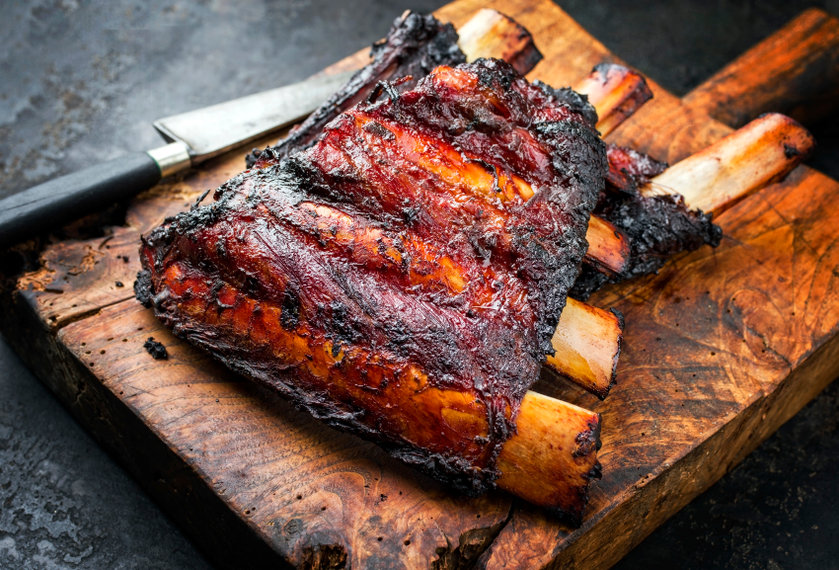
You don’t need a backyard grill to enjoy the flame-grilled taste of a good burger or steak. That smoky flavor and char come from high heat and a little smoke, and you can create both in your own kitchen.
To get the flame-grilled taste at home, cook food over very high heat to form a dark sear, then add smoke with tools like your oven’s broiler or ingredients like liquid smoke and smoked paprika. Searing meat quickly and flipping it often can create a charred flavor similar to flame broiling. Some cooks also use liquid smoke on ground beef to add smoky flavor without a grill.
This guide covers simple methods you can try with tools you already own. Learn how to use a broiler, cast iron pan, smoky seasonings, and a few other tricks to bring grilled flavor indoors.
Build a Deeply Browned Crust
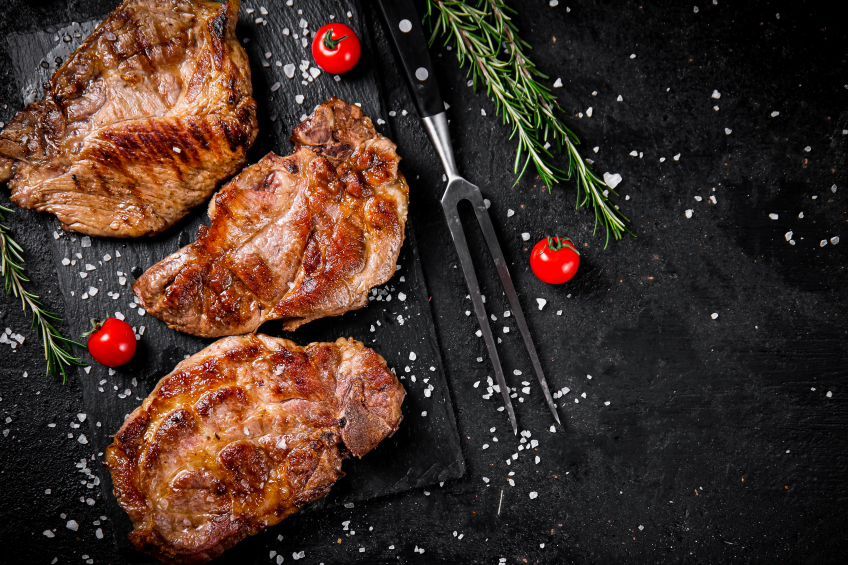
A dark, even crust starts with dry meat and a very hot cooking surface, then develops through a steady sear and a small amount of char. Good heat control helps you achieve rich browning without burning the outside or overcooking the center.
Dry the Surface and Preheat the Cooking Surface
Wet meat does not brown well. While the surface is wet, it cannot get much hotter than boiling water. Browning speeds up once the surface moisture evaporates.
Follow these steps before you cook:
- Pat the meat dry with paper towels on all sides.
- Salt ahead of time if you can. Set the meat on a wire rack in the fridge, uncovered, for at least 45 minutes and up to 24 hours. The surface dries as it rests.
- Preheat your cast iron skillet, grill pan, or broiler thoroughly before cooking.
- Lightly oil the cooking surface to help prevent sticking.
If you are short on time, salt right before cooking. Salting 15 to 45 minutes ahead can draw moisture to the surface before it has time to reabsorb.
Sear for Flavor, Not Just Grill Marks
Grill marks look attractive, but the areas between them can remain pale and less browned. When cooking indoors, a cast iron skillet or ridged grill pan provides more direct contact with the meat, helping develop a deeper crust.
The Maillard reaction creates many of the deep, savory flavors associated with well-seared meat. It becomes increasingly important as the surface gets hot and dry.
To get more browning:
- Place the meat on the hottest part of the pan or cooking surface.
- Leave it undisturbed long enough for a crust to develop.
- Flip when the first side is deeply browned.
- Do not press down on burgers or steaks, as this can release juices.
- For extra smoky flavor, finish with a small amount of liquid smoke or smoked paprika if appropriate for the recipe.
Balance Browning With Light Charring
Browning and charring add complex, roasted, smoky, and slightly bitter flavors that many people associate with flame grilling. A little char can help recreate that grilled character indoors, but too much can make food taste bitter or burnt.
| Stage | What You See | Taste |
|---|---|---|
| Browned | Deep brown surface | Savory, roasted |
| Light char | Small blackened areas | Smoky, charred |
| Burned | Black, dry surface | Bitter, harsh |
For stronger browning, use a cast iron grill pan or skillet, or place the food under a hot oven broiler for a short period. Watch it closely because the difference between desirable charring and burning can happen quickly.
Choose the Best Indoor Cooking Method
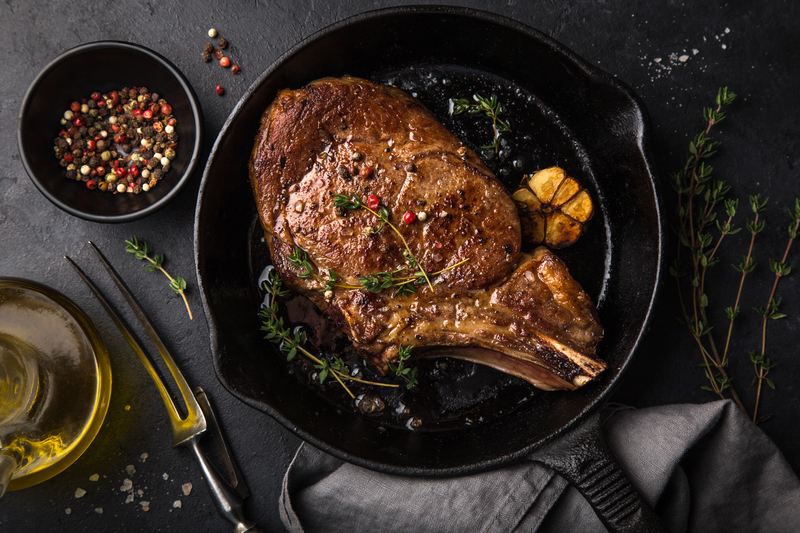 A hot cast-iron skillet, an oven broiler, and an electric indoor grill can each brown food with high heat. Each tool works differently, so the best choice depends on what you are cooking.
Sear in a Cast-Iron Skillet or Grill Pan
A cast-iron skillet or grill pan is a simple, low-cost tool for indoor grilling with cast iron. Cast iron holds heat well, helping you get a dark, flavorful crust on meat and vegetables.
A heavy cast iron skillet provides steady heat retention that keeps temperatures high even when cold meat is added. A grill pan has raised ridges that leave grill marks. A flat cast-iron pan gives you more browned surface instead.
Preheating a cast iron pan thoroughly ensures consistent searing across the entire cut of meat. A traditional cast iron skillet also allows you to baste meats with herbs or butter while building char.
Follow these steps for better results:
- Preheat on medium, not high, so food cooks evenly.
- Pat food dry before it goes in the pan to help prevent burning.
- Oil the food lightly instead of pouring oil into the pan.
- Keep your pan seasoned so food does not stick.
Choose a grill pan with high, sharp ridges for clear marks. Turn on your stove fan to manage smoke.
The Lodge Pre-Seasoned Cast Iron Skillet is a versatile 10.25-inch pan suitable for frying, searing, baking, and everyday cooking. Its cast iron construction provides excellent heat retention and even cooking across the surface.
The skillet comes pre-seasoned, helping create a naturally nonstick cooking surface that improves with regular use. It is also PFAS-free and built for long-term durability.
Use the Oven Broiler for Direct Heat
The broiler is the heating element at the top of your oven. In some older stoves, it sits in a drawer below the oven. It sends strong heat straight down onto food, much like a grill sends heat up.
Some broilers can reach over 700°F. This high heat can char and brown food quickly.
| Tip | Why It Helps |
|---|---|
| Place the rack 3–6 inches from the heat | Food browns without burning |
| Use a broiler pan or sheet pan with foil | Fat drips away and cleanup is easier |
| Watch the food closely | Broiling can burn food in under a minute |
| Flip halfway through | Both sides get browned |
Broiling works well for steaks, chicken thighs, fish, and sliced vegetables.
The 16.75-inch x 13-inch Nonstick Broiler Pan is designed for oven broiling, roasting, and high-heat cooking. Its porcelain nonstick coating helps prevent food from sticking and makes cleanup easier.
The included rack elevates food, allowing heat to circulate while excess fat and juices drain below.
Built for temperatures up to 550°F, it is suitable for cooking steaks, chicken, fish, vegetables, and other foods. Its heavy-duty construction provides a large cooking surface for preparing larger portions.
Know What an Electric Indoor Grill Can—and Cannot—Do
An indoor grill plugs into the wall and sits on your counter.
There are two main types:
- Contact grills have a hinged lid that cooks both sides at once.
- Open grills have no lid or a loose lid and act more like a grill grate.
These tools are handy, but they have limits. Contact grills can trap steam, which may make food taste steamed instead of grilled. Pressing the lid down hard can also squeeze out juices.
Low-wattage models may not get hot enough to sear well. Choose the highest-wattage model that suits your needs.
Electric indoor grills do not use charcoal or wood, so they cannot fully replicate the smoky flavor of barbecue. They work best for thin foods like burgers, chicken breasts, and sliced vegetables that cook quickly.
The Elite Gourmet Indoor Electric BBQ Grill is a straightforward option for indoor cooking when you want grilled food without charcoal or gas. Its 12-inch cooking surface provides enough room for everyday portions of burgers, chicken, vegetables, and similar foods.
The non-stick surface makes cooking and cleanup easier, while the electric heating system provides convenient, consistent heat without producing smoke from burning charcoal or wood. It is therefore better suited to recreating the seared and browned qualities of grilled food than reproducing the deep smoky flavor of a traditional charcoal barbecue.
Add Smoke and Barbecue Flavor
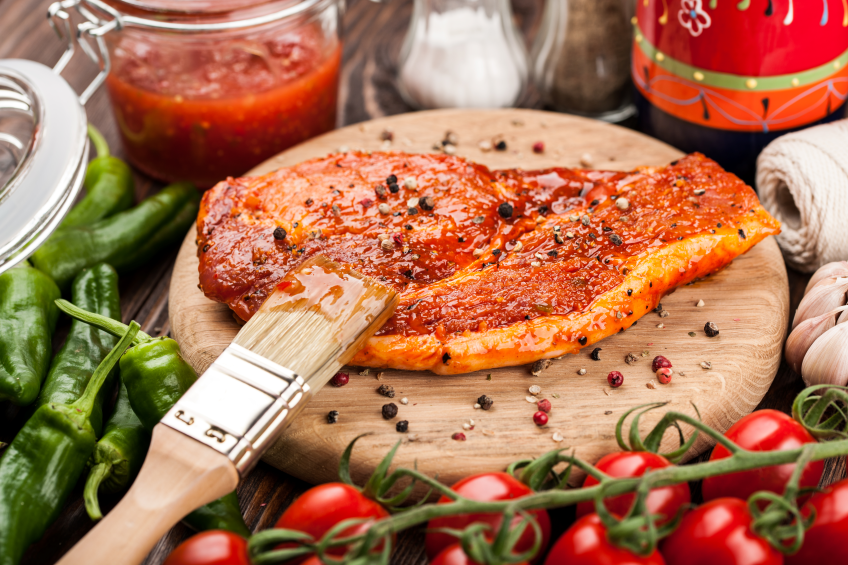 A few drops of liquid smoke, a pinch of smoked paprika, or a short session in a stovetop smoker can give food the smoky taste associated with grilling. Each method works best with certain foods and amounts.
Use Liquid Smoke Sparingly
Liquid smoke is made by capturing smoke from burning wood and cooling it into a liquid. It is very strong, so a small amount goes a long way.
Start with about ¼ teaspoon per pound of meat. Mix it into a marinade, sauce, or burger mix instead of pouring it straight onto food. This spreads the flavor evenly.
Too much liquid smoke can make food taste bitter or chemical-like. You can always add more, but you can’t take it out.
Good uses for liquid smoke include:
- Marinades for chicken, pork, or beef
- Homemade barbecue sauce
- Baked beans and chili
- Ground meat for burgers or meatloaf
Hickory and mesquite are the most common types. Mesquite has a sharper, stronger taste, so use even less of it.
Try Smoked Spices, Salt, and Sauces
Pantry ingredients are an easy way to add smoky flavor without a grill. Smoked seasoning and salt are typically dried or cured over wood smoke, while ingredients like chipotle peppers and bacon add their own smoky flavors.
| Ingredient | Flavor | Best Uses |
|---|---|---|
| Smoked paprika | Sweet or hot, deep smoke | Rubs, potatoes, chicken |
| Smoked salt | Salty with light smoke | Steak, eggs, finishing dishes |
| Chipotle peppers | Smoky and spicy | Sauces, tacos, marinades |
| Molasses | Dark and sweet | Barbecue sauce, glazes |
| Bacon | Salty, fatty, smoky | Beans, greens, burgers |
Mix a smoky seasoning rub with smoked paprika, brown sugar, garlic powder, and black pepper. Rub it on meat before cooking under a broiler or in a cast-iron pan. Combining high heat with smoky seasonings and a hot cast-iron pan can help approximate grilled flavor indoors.
Finishing cooked steaks or vegetables with coarse smoked salt delivers an authentic wood-smoke punch right at the table.
Brush on barbecue sauce during the last few minutes of cooking. Its sugar can burn quickly if you add it too early. Homemade barbecue glazes often rely on molasses to add deep sweetness that balances sharp smoke and tangy vinegar.
Use a Purpose-Built Stovetop Smoker When Appropriate
A stovetop smoker is a metal box with a tray for wood chips, a drip pan, a rack, and a tight lid. Set it on a burner; the heat causes the chips to smoke, adding smoke compounds to food indoors.
Follow these steps:
- Put 1–2 tablespoons of fine wood chips in the center of the base.
- Add the drip pan and rack, then place your food on the rack.
- Close the lid and heat over medium.
- Lower the heat once you see the first wisps of smoke.
Fish, chicken breasts, shrimp, and vegetables work well because they cook quickly. Always turn on your range hood or open a window.
If you don’t own a smoker, chefs suggest letting wood chips smolder in the oven while food finishes cooking, or using a handheld smoking gun.
Apply the Technique to Burgers and Other Foods
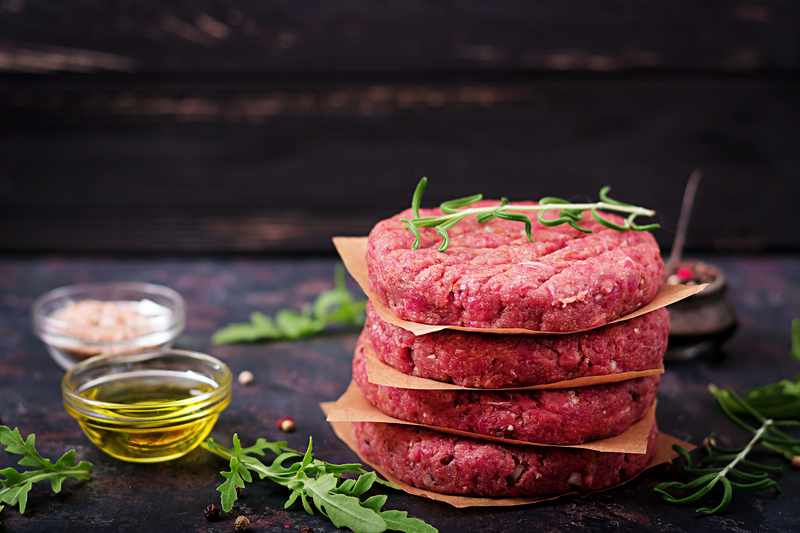 High heat, enough fat, and a closed lid help create smoky flavor. For burgers, use a hot surface and handle the patties gently. Steaks, chicken, and vegetables need adjustments to heat and cooking time.
Give Ground Beef Patties a Strong Sear
Start with 80/20 ground beef. Its fat helps keep the meat juicy and adds rich flavor when you sear it. Leaner beef can dry out over high heat.
Maximizing the Maillard reaction on burger patties builds an irresistible, deeply browned exterior packed with savory notes. Searing patties in a screaming-hot cast iron skillet traps rendering juices and creates an authentic crust indoors.
Shape the patties gently to keep the meat tender. Press a small dent in the center to help prevent the patty from puffing up. Add salt and pepper after shaping the patties.
For a flame-grilled taste, follow these steps:
- Preheat the grill to 450°F to 500°F.
- Clean and oil the grates.
- Cook the patties for about 3 minutes per side, checking for doneness with a thermometer.
- Keep the lid closed.
Food & Wine found that grilling with the lid closed gave thick burgers the most smoky flavor. The closed lid traps smoke around the meat, and charcoal can add a stronger smoky taste.
Adapt the Method for Steaks, Chicken, and Vegetables
The same approach works for other foods: use high heat for a fast sear. Indoors, you can sear quickly in a very hot pan to create a browned, charred crust.
Using a preheated cast iron skillet for thick steaks mimics the intense direct contact of outdoor grates.
| Food | Heat Level | Tip |
|---|---|---|
| Steak | High | Pat dry first so it browns better. |
| Chicken | Medium-high | Cook to 165°F inside for safety. |
| Vegetables | High | Toss in oil and cut into large pieces. |
Chicken burns more easily than beef, so move it to a cooler part of the grill if the outside darkens too quickly. Thick steaks do well with a hot sear first, followed by a few minutes over lower heat. Peppers, onions, corn, and zucchini char well because their natural sugars brown quickly over direct heat.
Get More Flavor From an Outdoor Grill
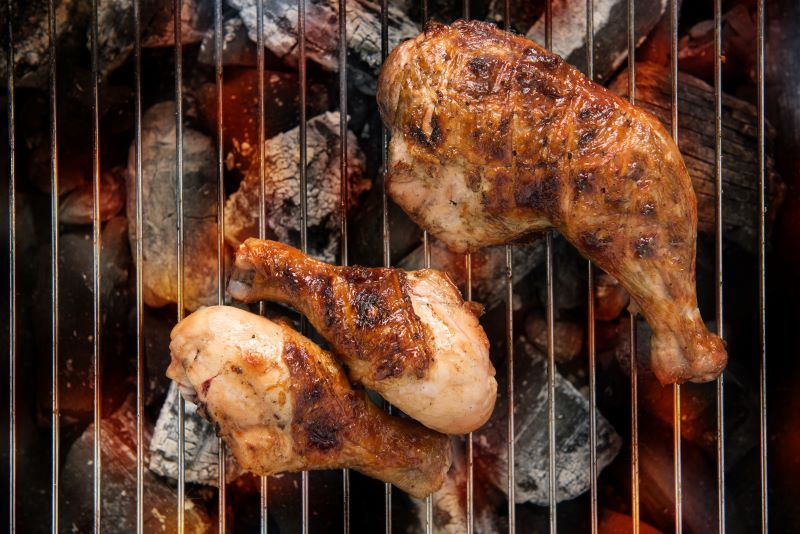 Your fuel, the wood you add, and how you manage the fire all shape the flavor of grilled food. Small adjustments can help you get a stronger, cleaner smoky flavor.
Compare Charcoal and Gas Grill Flavor
A charcoal grill can produce a stronger smoky aroma than most gas grills. Lump charcoal lights quickly and burns hot, while briquettes burn longer and more evenly.
A gas grill is easier to start and adjust. It produces little smoke from the fuel itself, so much of its grilled flavor comes from drippings that hit hot surfaces below the cooking grate and turn into smoke.
| Feature | Charcoal Grills | Gas Grills |
|---|---|---|
| Smoke flavor | Stronger | Milder |
| Heat control | Vents and coal placement | Knobs |
| Startup time | 15–20 minutes | About 10 minutes |
If you want to improve your vent and coal setup, these charcoal grilling tips for heat control can help.
Add Hardwood Smoke Without Overdoing It
Hardwood chips or chunks add flavor that fuel alone cannot.
Each wood has a distinct flavor:
- Hickory and mesquite: strong, good for beef and pork
- Apple and cherry: mild and fruity, good for chicken and fish
- Alder: light and mild, good for salmon
Never use pine or other soft, resinous woods. Williams Sonoma suggests you soak wood chips for charcoal grills for 30 minutes, but skip soaking chips for gas grills because wet chips may not light.
On a gas grill, put chips in a smoker box over a lit burner. A stainless steel smoker box adds smoke flavor to gas and electric grills.
Use one or two handfuls at a time. Thin, pale blue smoke adds the best flavor. Thick white smoke can make food bitter.
Control Flare-Ups and Finish Over Gentler Heat
Good heat control is essential for flame grilling. Set up two heat zones: one hot side and one cooler side.
Sear food over direct heat to build a brown crust. When dripping fat causes flare-ups, move the food to the cooler side until the flames die down. Brief flare-ups can add flavor, but prolonged flames leave soot and a burnt taste.
A few habits help:
- Trim extra fat before grilling.
- Close the lid to limit airflow to the flames.
- Add sugary sauces only in the last few minutes, since sugar burns quickly.
Finishing over gentler heat lets thick cuts cook through without charring. For more gas-specific ideas, see these gas grill hacks for better flavor.
Avoid Common Flavor and Safety Mistakes
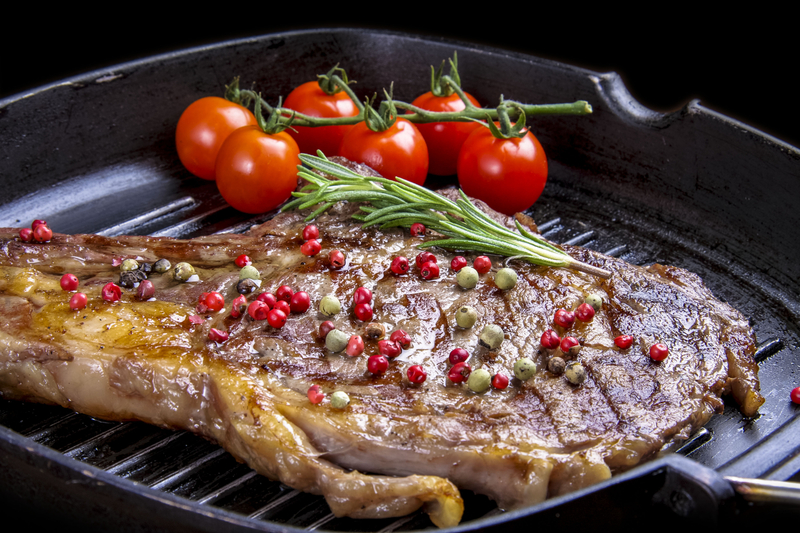 A crowded pan, sugary sauce added too soon, or poor airflow can spoil the charred flavor you want and create safety risks. Dry food, careful sauce timing, good ventilation, and checking the temperature with a thermometer help prevent these problems.
Prevent Steaming, Scorching, and Over-Saucing
Wet meat steams instead of browning. Pat each piece dry with paper towels before cooking. Then use high heat to sear the meat quickly so the outside becomes dark and crisp.
Give each piece space. When food is packed too tightly, trapped moisture can turn the surface gray. Cook in small batches instead.
Sauce causes a different problem. Most barbecue sauce contains sugar, which burns quickly over high heat.
Follow these steps:
- Brush on sauce during the last 5 minutes of cooking.
- Use a thin coat, not a thick layer.
- Serve extra sauce on the side.
- Do not press burgers with a spatula, since this pushes out juices.
A little dark char adds flavor. A black, bitter crust means the heat was too high for too long.
Ventilate Indoor Cooking and Keep Outdoor Fuels Outside
Indoor grilling and broiling produce smoke, especially when cooking fatty meat. Turn on your range hood before you start, and open a window if you can. Keep a lid or baking sheet nearby to cover a small pan fire.
Never bring a charcoal or propane grill inside your home or garage. These grills produce carbon monoxide, a gas you cannot see or smell that can be deadly. On bad-weather days, use an indoor grill pan, electric grill, or oven broiler instead.
Keep these fire safety tips in mind:
| Situation | What to Do |
|---|---|
| Grease fire | Cover it or use baking soda |
| Any grease fire | Never use water |
| Too much grease buildup | Clean pans and drip trays after each use |
Check Doneness With a Food Thermometer
A dark crust does not mean the inside is cooked. Meat can look done on the outside and still be undercooked in the middle. A smart food thermometer checks the internal temperature so you can confirm doneness safely.
Insert the tip into the thickest part of the meat, away from bone and fat, which can affect the reading.
Use these USDA safe minimum internal temperatures:
| Food | Safe Temperature |
|---|---|
| Beef, pork, lamb steaks and chops | 145°F, then rest 3 minutes |
| Ground beef or pork | 160°F |
| Chicken and turkey | 165°F |
| Fish | 145°F |
Transfer cooked food to a clean plate. Do not put it back on the plate that held raw meat.
FAQ:How to Get the Flame-Grilled Taste
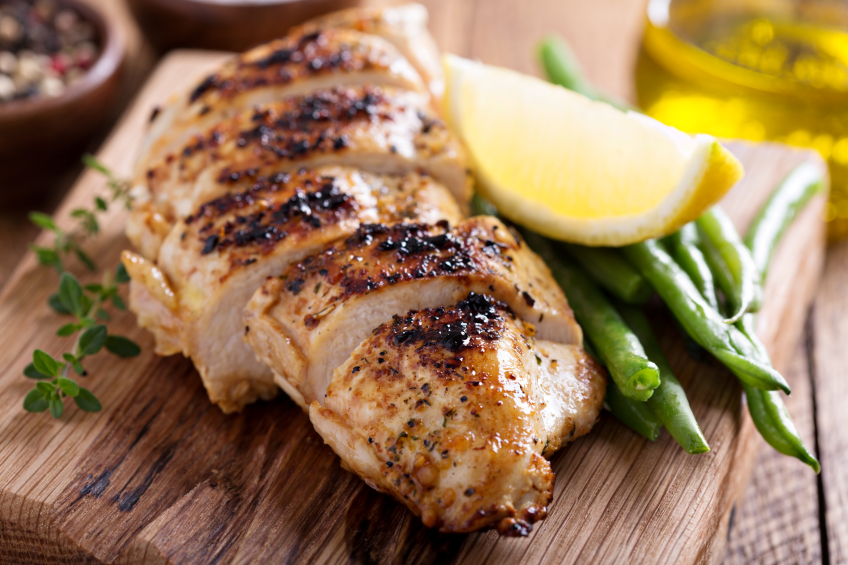 The best way to get a flame-grilled taste is to cook food over a hot grill with controlled direct heat while allowing some smoke and browning to develop. Charcoal can provide a stronger smoky character, while gas grills can produce flame-grilled flavors through high-heat cooking and controlled flare-ups.
Does Charcoal Give Food a Flame-Grilled Taste?
Yes. Charcoal grilling can produce a distinctive smoky, grilled flavor because food is exposed to heat from burning charcoal as well as smoke generated during cooking. Lump charcoal or briquettes can both be used, depending on the flavor and heat characteristics you want.
How Do You Get a Flame-Grilled Taste on a Gas Grill?
Preheat the grill thoroughly and cook over direct high heat to encourage browning and grill marks. Some smoke can develop when small amounts of meat fat or juices reach the hot cooking surfaces, but excessive flare-ups should be avoided.
Does Searing Create a Flame-Grilled Flavor?
Searing creates browning and a deeper roasted flavor through the Maillard reaction. It can contribute to the characteristic taste associated with grilled food, although searing itself is not the same as exposing food to smoke or an open flame.
Can You Add Smoke Flavor to a Gas Grill?
Yes. Wood chips or wood pellets designed for grilling can add smoke to food on some gas grills. Use them according to the grill and smoker accessory manufacturer’s instructions rather than allowing excessive smoke or uncontrolled flames.
Should Food Touch the Flames?
Not necessarily. Direct contact with flames can cause excessive charring and bitter flavors. For the best grilled flavor, aim for high heat, good browning, and controlled smoke rather than prolonged exposure to flames.