

 Proper storage of propane tanks is essential to prevent leaks, fires, and explosions.
The safest way to store propane tanks is outdoors, in a well-ventilated area, away from buildings and heat sources.
Storing tanks upright on a stable surface and keeping them away from enclosed or poorly ventilated spaces reduces the risk of dangerous gas buildup.
Propane’s highly flammable nature means it requires careful handling and monitoring.
Regular inspections for damage and leaks, along with avoiding extreme temperatures, help maintain tank integrity and safety.
With the right precautions, propane tanks can be kept secure, protecting both property and people.
Understanding where and how to store propane tanks properly ensures safe use and extends their lifespan.
This guide covers practical steps anyone can follow to minimize risk and handle propane with confidence.
Choosing the Right Storage Location

Selecting the proper place to store propane tanks includes evaluating the environment, safety factors, and ventilation.
Tanks must be positioned to minimize risk and ensure easy inspection without sacrificing safety.
Outdoor vs. Indoor Storage
Propane tanks should ideally be stored outdoors.
Outdoor storage reduces the risk of gas accumulation and potential explosions in the event of leaks.
Indoor storage is only acceptable if the tank is kept in a detached, well-ventilated structure such as a garage or shed that is not attached to a living area or home.
Storing tanks inside living spaces or attached garages is unsafe due to the risk of gas build-up.
Tanks must always be kept upright on a stable surface regardless of indoor or outdoor placement.
Distance from Buildings and Ignition Sources
Propane tanks must be placed away from buildings, entrances, or any ignition source like pilot lights or electrical equipment.
A minimum clearance of 10 feet from buildings is recommended.
This distance helps reduce the risk of fire spreading if a leak occurs.
Tanks should also be kept clear of grassy areas or combustible materials.
Positioning them on gravel or concrete surfaces is preferable.
Keeping a safe distance from heat sources such as engines, heaters, or power tools is essential to avoid accidental ignition.
Ventilation Requirements
Proper ventilation prevents gas accumulation, which is critical for safety.
Outdoor storage naturally provides ventilation.
For indoor storage, structures must have enough airflow to dissipate any escaping gas.
Avoid storing tanks in enclosed or partially enclosed spaces without ventilation, such as basements, closets, or small sheds.
Ventilation openings should be unobstructed and positioned low, as propane is heavier than air and will settle near the ground.
Regular inspection of the storage area ensures ventilation remains effective and clear of debris.
Proper Propane Tank Handling
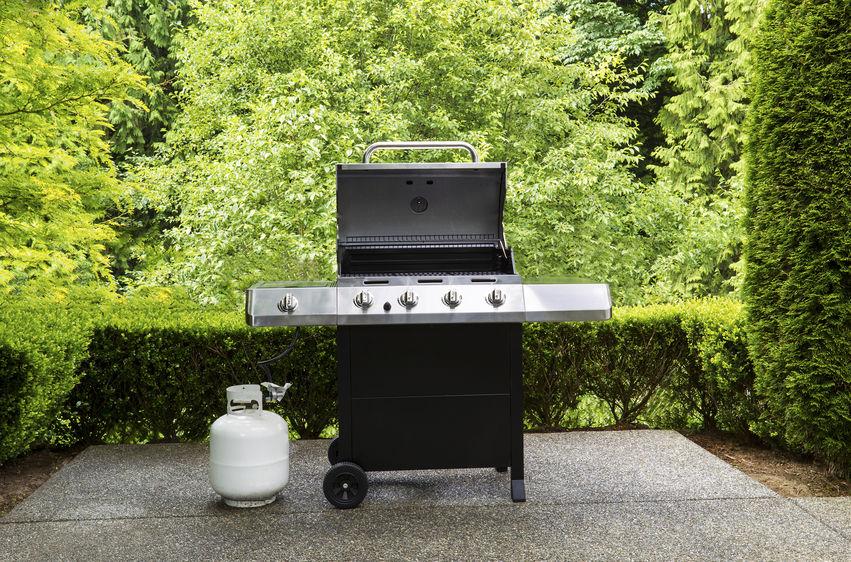
Proper handling of propane tanks requires attention to inspection, transportation, and storage positioning.
These steps reduce risks such as leaks, damage, or accidents.
Inspecting Tanks Before Storage
Before storing a propane tank, it is essential to check for visible damage like dents, rust, or corrosion.
Any compromised tank should be repaired or replaced to avoid leaks.
Valves must be tightly closed and free of debris.
It’s important to confirm the tank’s certification date is current, as expired tanks may not meet safety standards.
Perform a leak test by applying soapy water around the valve and connections.
Bubbles indicate a leak, and the tank should not be stored until repaired.
Transporting Tanks Safely
Propane tanks should be transported in a secure and upright position to prevent gas release and maintain valve integrity.
They must be secured to prevent tipping or rolling in the vehicle.
The vehicle should have adequate ventilation, and tanks should never be left inside for extended periods, especially in hot weather.
Avoid transporting tanks near ignition sources.
If transporting multiple tanks, keep them spaced to avoid impact and friction.
Upright Positioning Guidelines
Keeping propane tanks upright during storage prevents liquid propane from escaping and reduces pressure buildup inside the tank.
Store tanks on a flat surface, away from heat sources and direct sunlight.
Elevated areas or specialized holders can enhance stability and ventilation.
Never store propane tanks indoors, in basements, or unventilated spaces.
Outdoor, shaded, and well-ventilated locations are safest for preventing gas accumulation.
Environmental Conditions for Safe Storage
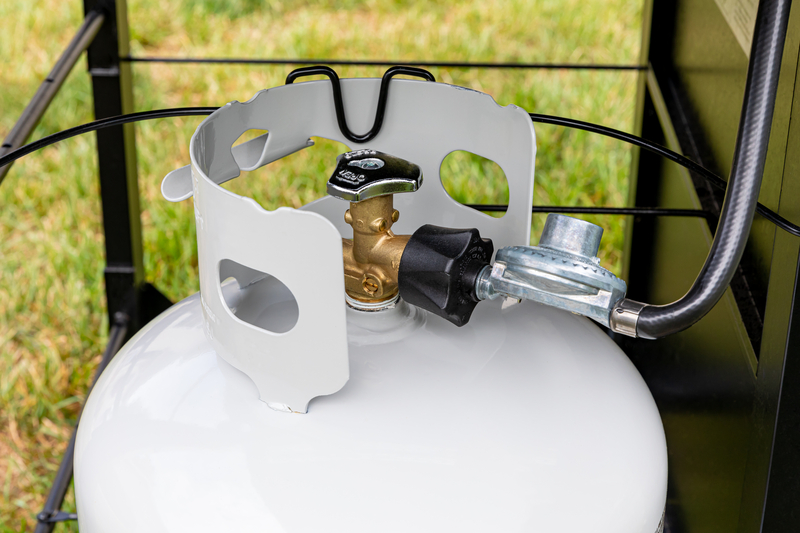
Proper environmental control is vital to maintaining propane tank integrity and safety.
Tanks must be shielded from intense heat and direct sunlight to avoid pressure build-up.
Additionally, protecting tanks from moisture prevents rust and potential leaks.
Avoiding Direct Sunlight and Heat
Propane tanks exposed to direct sunlight can experience dangerous pressure increases, especially in hot weather.
To prevent this, tanks should be stored in shaded or covered outdoor areas, never indoors.
Surface temperatures on tanks can rise sharply under sunlight, sometimes exceeding safe limits.
This can trigger the tank relief valve, releasing propane and creating hazards.
Ideally, tanks should be positioned away from heat sources like grills, engines, or open flames.
Temperature extremes can shorten tank lifespan.
Keeping tanks upright on stable, heat-resistant surfaces helps maintain structural integrity and prevents accidental tipping or damage.
Protection from Moisture and Rain
Excess moisture leads to tank corrosion, which compromises metal strength and increases leak risk.
Tanks should be located where water does not accumulate around their base.
A well-ventilated area with good drainage is essential.
Placing tanks on gravel, wood pallets, or concrete pads can help keep them off wet ground.
Covering tanks with breathable, weather-resistant shelters protects them from rain while allowing ventilation.
Avoid plastic coverings that trap condensation.
Regular inspections for rust, dents, or signs of leakage are critical where moisture exposure is frequent.
Immediate repair or replacement helps maintain safety.
Regulatory Compliance and Safety Codes
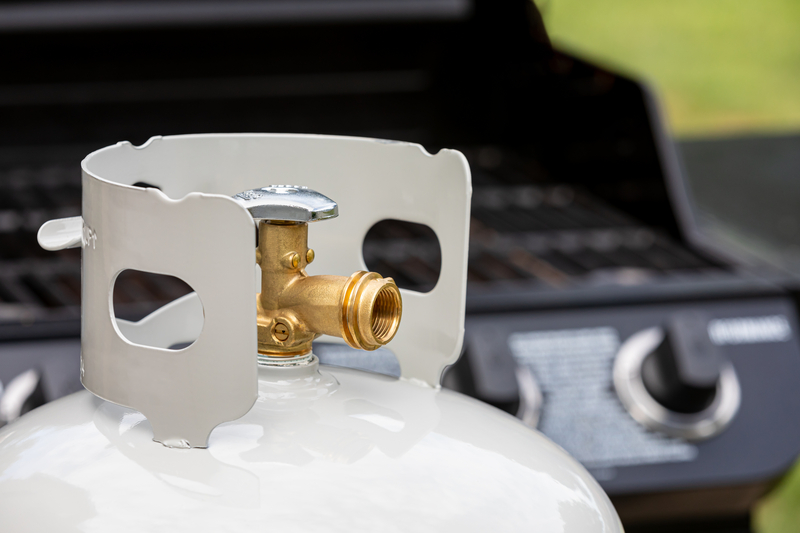
Proper propane tank storage must meet specific legal and safety requirements.
Following these rules helps prevent accidents and ensures operations stay within regulatory limits.
Local Laws and Fire Codes
Local jurisdictions often enforce fire codes and safety regulations that govern propane tank storage.
These rules determine acceptable tank placement, distance from buildings or ignition sources, and maximum allowable quantities.
Common requirements include:
- Minimum clearance of 10 feet from buildings or property lines for small tanks.
- Tanks must be stored outdoors in well-ventilated areas to avoid gas accumulation.
- Restrictions against stacking tanks or placing them near combustible materials like wood or fabric awnings.
Fire departments typically require signage denoting propane storage areas and accessible emergency shutoff valves.
Facilities may need permits verifying compliance with local, state, and federal regulations.
Manufacturer’s Safety Instructions
Propane tank manufacturers provide precise guidelines to ensure safe handling and storage.
These instructions detail approved containers, orientation (usually upright), and temperature limits.
Key points include:
- Use only containers certified for propane storage.
- Keep tanks upright to prevent liquid propane leaks and ensure pressure relief valves work correctly.
- Store tanks in temperature-controlled environments when possible; avoid exposure to extreme heat beyond manufacturer-recommended limits.
Following manufacturer recommendations also improves tank longevity and reduces risk of damage.
Ignoring these instructions can void warranties and increase safety hazards.
Users must review manuals and labels carefully to comply fully.
Monitoring Stored Propane Tanks
Proper monitoring of propane tanks ensures ongoing safety and functionality.
This includes regular inspections for leaks and scheduled maintenance to prevent issues before they arise.
Checking for Leaks
Propane tanks should be checked frequently for leaks, especially at connections and valves.
A simple method involves applying a soapy water solution to these areas; bubbles indicate a leak.
If a leak is detected, immediate action is necessary.
The tank should be moved outdoors in a well-ventilated area, and professional service must be contacted to repair or replace faulty components.
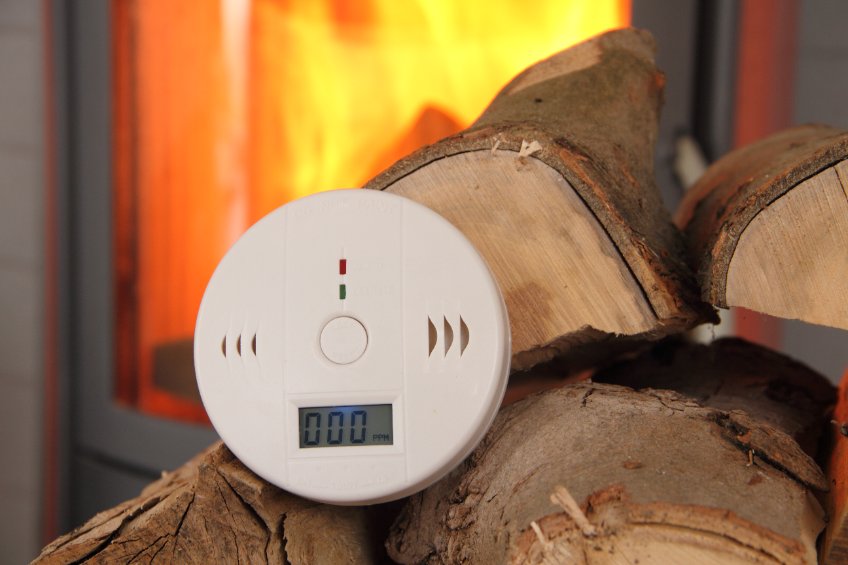
 You can also use a propane gas detector, like this Digital Gas Detector to check for leaks.
Place the detector near the propane tank and check the readings.
If the detector reads above 5 parts per million, it indicates a leak.
A detector can add an extra layer of safety, particularly in enclosed or poorly ventilated storage spaces.
Routine Maintenance
Routine maintenance involves inspecting the tank’s exterior for rust, dents, or damage, which can weaken the tank’s structure over time.
Any signs of physical damage require professional evaluation.
Valve caps and protective covers should always be in place to prevent dirt and moisture intrusion.
Regularly checking the tank’s pressure gauge and ensuring it functions correctly is also important.
Tanks stored outdoors should be kept elevated on stable, non-combustible surfaces to avoid corrosion caused by ground moisture.
They should never be painted or altered unless recommended by the manufacturer.
Long-Term Storage Considerations
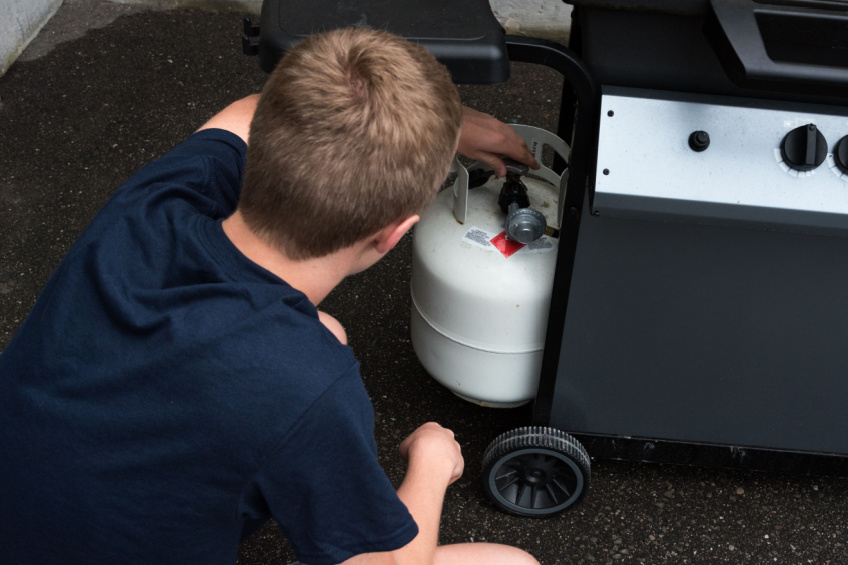
Proper long-term storage of propane tanks involves controlling environmental conditions and preparing tanks to prevent leaks, corrosion, or damage.
Careful attention to temperature, ventilation, and tank condition ensures safety and extends tank lifespan.
Seasonal Storage Tips
Propane tanks should be stored outdoors in a well-ventilated, shaded area to avoid direct sunlight and heat exposure.
Temperatures above 120°F can increase pressure inside the tank, raising safety risks.
In winter or cold weather, avoid placing tanks in unheated garages or enclosed spaces where vapors can accumulate.
Keep the tank upright on a flat, stable surface to maintain valve integrity.
Regularly inspect tanks for rust, dents, or damage before and after each season.
Covering tanks with breathable tarps can protect from rain and debris but avoid airtight covers that restrict ventilation.
Preparing Tanks for Extended Inactivity
Before long periods without use, ensure the tank valve is fully closed to prevent leaks.
Disconnect the tank from appliances and remove any hoses or fittings.
Check for visible signs of wear, corrosion, or damage.
Tanks with corrosion or dents should be inspected by a professional before storage.
Store tanks upright in a secure location away from sources of ignition, heat, or chemicals.
Label the tanks clearly if several are stored to keep track of inspection and refill dates.
Periodic inspections during storage help catch early signs of problems and maintain safety.
What Not to Do When Storing Propane Tanks
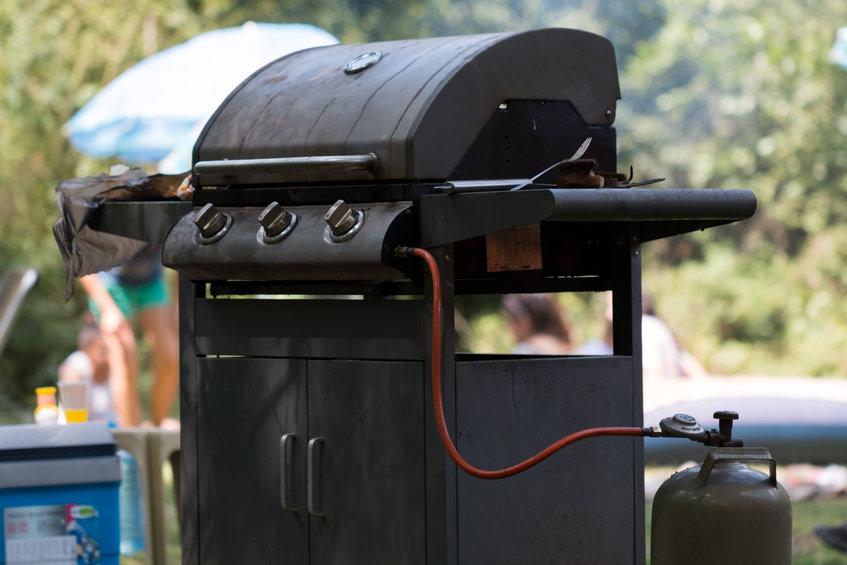
Proper storage involves avoiding actions and locations that increase the risk of leaks, fires, or damage.
Understanding specific missteps is crucial to safe propane tank handling.
Common Mistakes to Avoid
Storing propane tanks indoors or in unventilated spaces is a severe error.
Tanks must be kept outdoors where any leaking gas can dissipate safely.
Stacking tanks horizontally or placing them on uneven surfaces can compromise valve integrity and lead to leaks.
Tanks should always stand upright on stable, flat ground.
Ignoring regular inspections for dents, rust, or leaks increases danger.
Routine checks help identify problems early before they cause accidents.
Placing tanks near ignition sources, such as grills or engines, risks explosions.
Keep a safe distance of at least 10 feet from any flames or sparks.
Improper Storage Locations
Storing tanks near the home, inside garages, or sheds is unsafe.
These areas can trap gas and create hazardous conditions.
Avoid basement or enclosed storage areas since propane is heavier than air and will collect in low spots, increasing suffocation and fire risks.
Do not store tanks in direct sunlight or where temperatures exceed 120°F.
Excessive heat can build pressure and trigger safety valves, releasing gas uncontrolled.
Tanks should not be placed near drains, stairwells, or narrow passageways where escaping gas can concentrate and pose a risk to people.
Using designated, ventilated, outdoor spaces away from heavy foot traffic and ignition points maximizes safety and regulatory compliance.
Disposal and Replacement of Expired Tanks
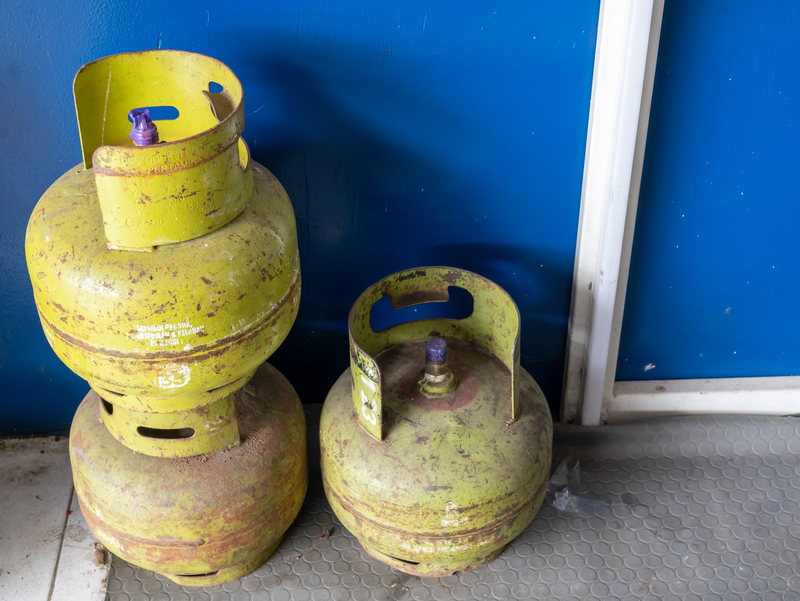
Proper identification and safe disposal of propane tanks are essential to prevent leaks, accidents, and environmental harm.
Knowing when a tank has expired and following correct disposal steps protect both users and the surrounding community.
Identifying Expired Tanks
Propane tanks have a stamped date indicating their manufacture or last certification, typically found on the collar near the valve.
Most tanks must be re-certified or replaced after 10 to 12 years from this date.
Signs of expiration include visible rust, dents, corrosion, or any damage to the tank body or valve.
If the date is missing or unclear, the tank should be treated as expired.
Regular inspection is critical.
Using an expired or damaged tank can increase the risk of leaks or explosions, making replacement necessary even before the typical expiration timeframe.
Safe Disposal Procedures
Expired or damaged propane tanks should never be thrown away with regular trash due to residual gas and safety hazards.
Instead, they must be taken to designated hazardous waste facilities or propane suppliers that offer safe disposal services.
Before transport, ensure the tank valve is fully closed and the tank is secured upright.
Avoid storing or transporting the tank in direct sunlight or extreme heat.
Some suppliers or local waste facilities provide recycling options where tanks are depressurized and dismantled safely, reducing environmental impact.
Always follow local regulations and guidelines to ensure compliant disposal.