
This content has been archived. It may no longer be relevant
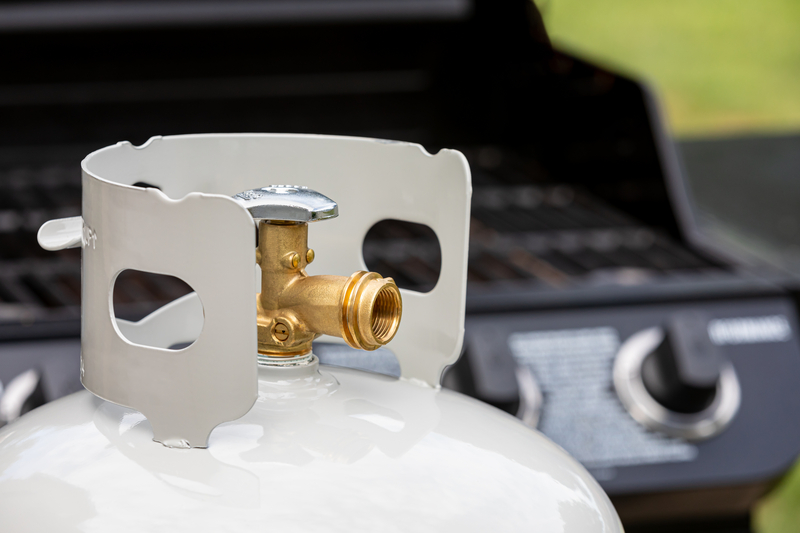
Many homeowners and outdoor enthusiasts wonder whether propane sitting in storage tanks deteriorates over time, especially when tanks remain unused for months or even years.
This concern often arises when preparing for grilling season or checking emergency backup fuel supplies.
Propane itself does not go bad, expire, or lose its effectiveness over time.
The fuel maintains its chemical stability and combustibility indefinitely when properly contained.
Unlike gasoline or diesel fuel, propane has an unlimited shelf life and will perform just as well after years of storage as it did when first purchased.
While the propane fuel remains stable, the tanks that contain it face different challenges.
Understanding the distinction between fuel quality and tank condition helps users make informed decisions about safety, storage practices, and when to seek professional inspection or replacement of their propane equipment.
Does Propane Go Bad?
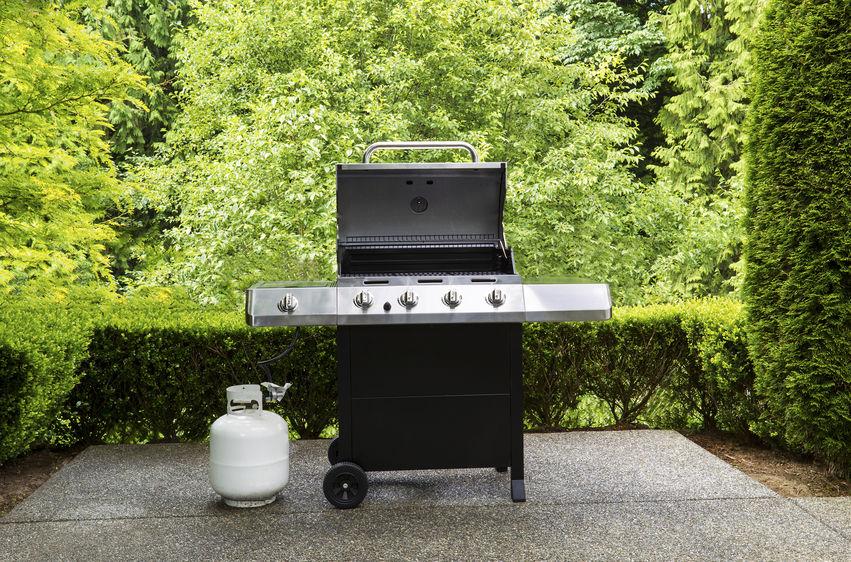
Propane does not deteriorate or lose its effectiveness over time due to its stable chemical composition.
Unlike gasoline and other fuels that degrade, propane maintains its combustibility indefinitely when properly stored.
Chemical Stability and Indefinite Shelf Life
Propane is a hydrocarbon consisting of three carbon atoms and eight hydrogen atoms (C₃H₈).
This molecular structure makes it exceptionally stable under normal storage conditions.
The gas remains chemically unchanged regardless of how long it sits in a tank.
Its liquefied petroleum gas (LPG) composition does not break down or spoil like biological products.
Key stability factors:
- Non-toxic and non-reactive compound
- Maintains combustibility indefinitely
- No degradation in chemical properties
- Stable under pressure and temperature variations
Propane tanks can store the fuel for decades without any loss in performance.
The gas retains its original energy content and burning characteristics throughout extended storage periods.
Storage duration has no impact on propane’s effectiveness.
A tank stored for five years performs identically to a newly filled one.
Comparison with Other Fuels
Propane differs significantly from other common fuels in terms of longevity and stability.
Most liquid fuels undergo chemical changes that reduce their effectiveness over time.
Fuel degradation comparison:
| Fuel Type | Shelf Life | Degradation Issues |
|---|---|---|
| Propane | Indefinite | None |
| Gasoline | 3-6 months | Oxidation, gum formation |
| Diesel | 6-12 months | Microbial growth, sediment |
| Natural gas | Indefinite | Pipeline issues only |
Gasoline develops gum and varnish deposits that clog fuel systems.
Diesel fuel can develop microbial growth and water contamination issues.
Propane’s gas state prevents the oxidation and contamination problems that affect liquid fuels.
It cannot absorb moisture or develop bacterial growth like diesel.
This stability makes propane ideal for emergency generators and seasonal equipment.
Users can store it without fuel stabilizers or regular replacement schedules required by other fuels.
Propane Tank Longevity and Expiration
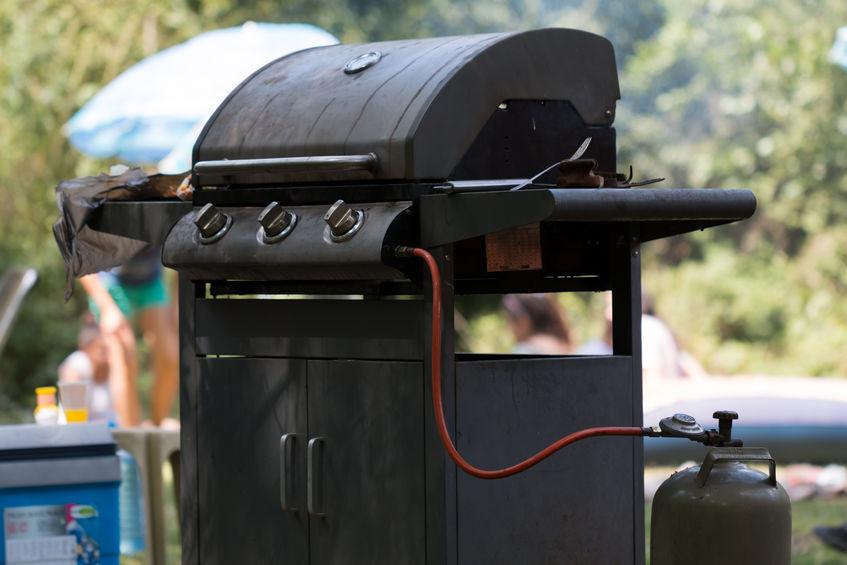
Propane tanks require periodic certification and have specific lifespans that differ from the propane fuel itself.
Tank degradation occurs over time through normal wear, corrosion, and exposure to environmental conditions.
How Long Propane Tanks Last
Propane tanks typically last 12 to 15 years from their manufacturing date.
The tank’s lifespan depends on usage frequency, storage conditions, and maintenance practices.
Small portable tanks often need replacement sooner due to frequent handling and transport.
Larger stationary tanks generally last longer when properly maintained and protected from weather exposure.
Tank Type Lifespans:
- 20 lb portable tanks: 12-15 years
- 100 lb tanks: 12-15 years
- 500+ gallon tanks: 30+ years with proper maintenance
The tank’s construction material affects longevity. Steel tanks resist damage better than aluminum but are more susceptible to rust.
Composite tanks offer enhanced corrosion resistance.
Tank Certification and Recertification
Propane tanks must undergo recertification every 5 to 12 years depending on tank type and size.
This process ensures structural integrity and safety compliance.
The certification date appears stamped on the tank collar.
Tanks without current certification cannot be legally refilled by propane suppliers.
Recertification Schedule:
- DOT cylinders (under 120 gallons): Every 12 years
- ASME tanks (120+ gallons): Every 10 years for visual inspection
- Some portable tanks: Every 5 years
Certified technicians perform pressure testing and visual inspections during recertification.
They check for corrosion, dents, valve functionality, and pressure relief systems.
Failed tanks must be permanently removed from service.
Recertification costs typically range from $35 to $60 per tank.
Signs of Tank Degradation
Visible rust, dents, or corrosion indicate potential tank compromise.
These signs warrant immediate professional inspection before continued use.
Critical Warning Signs:
- Rust spots or patches
- Dents larger than a quarter
- Damaged or corroded valves
- Loose fittings
- Strong propane odor when not in use
Valve problems often develop first. Difficulty turning valves or gas leaks around connections signal deterioration.
Tank handles that feel loose or show cracks also indicate structural issues.
Propane tanks exposed to extreme temperatures or stored improperly degrade faster.
Ground contact promotes corrosion, while UV exposure can weaken composite materials.
Users should inspect tanks monthly for these issues.
Professional evaluation becomes necessary when any degradation signs appear.
Understanding Propane’s Odor and Odor Fade
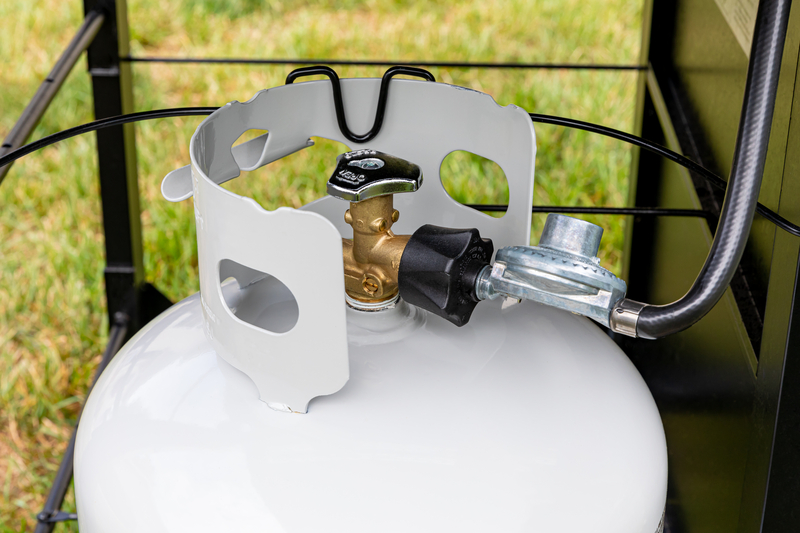
Propane manufacturers add ethyl mercaptan to create the distinctive “rotten egg” smell for safety purposes.
This odorant can fade under specific conditions, making leak detection more difficult and potentially compromising safety.
Role of Ethyl Mercaptan in Leak Detection
Propane exists naturally as a colorless and odorless gas.
Manufacturers deliberately add ethyl mercaptan, a sulfur-based compound, to create the characteristic “rotten egg” odor that makes leak detection possible.
The human nose can detect ethyl mercaptan at extremely low concentrations.
This sensitivity allows people to smell propane leaks long before the gas reaches dangerous levels that could cause fires or explosions.
Standard odorant concentrations follow National Fire Protection Association guidelines of 1.0 pound per 10,000 gallons of propane.
This ratio ensures reliable detection under normal conditions.
The odorant serves as the primary safety mechanism for propane users.
Without this added smell, leaking propane would go unnoticed until it reaches much higher and more dangerous concentrations.
Causes and Risks of Odor Fade
Odor fade occurs when ethyl mercaptan diminishes or disappears from propane over time.
New tanks commonly experience this issue because the odorant absorbs into tank walls during initial storage periods.
Primary causes of odor fade include:
- Absorption into metal tank surfaces
- Oxidation from exposure to rust or moisture
- Adsorption into new piping systems
- Soil filtration in underground leaks
Tanks filled to only 80% capacity help minimize air exposure that contributes to odorant degradation.
Extended storage periods increase the likelihood of odor fade, especially in containers that remain partially filled.
Safety risks become significant when odor fade occurs.
Propane leaks may go completely undetected, creating potential fire or explosion hazards.
Gas detection equipment provides essential backup safety measures in areas where tanks undergo long-term storage.
Regular professional inspections verify that odorant levels remain within safety standards throughout the propane’s service life.
Safe and Effective Propane Storage
 Storing propane safely requires following specific practices to maintain tank integrity and prevent leaks.
Environmental factors like temperature fluctuations can impact tank pressure and storage effectiveness.
Proper Storage Practices
Tank Position and Location Store propane tanks upright in well-ventilated outdoor areas.
Indoor storage poses significant safety risks due to potential gas accumulation.
Keep tanks away from heat sources, electrical equipment, and ignition sources.
Regular Inspection Requirements Check propane tanks for visible signs of damage before each use:
- Rust formation on tank surfaces
- Dents or physical damage
- Valve condition and operation
- Connection points for wear
Leak Detection Methods Apply soapy water solution to valve connections and fittings.
Bubbling indicates gas leaks that require immediate attention. Never use flames or electrical devices to check for leaks.
Maintenance Schedule Standard propane tanks require requalification every 12 years from manufacture date.
Certified inspectors evaluate tank condition and extend certification for five additional years if tanks pass inspection.
Keep propane levels above 30% capacity during storage.
This maintains adequate pressure and prevents moisture accumulation inside the tank.
Impacts of Environment and Temperature
Cold Weather Effects Propane contracts in cold temperatures, reducing tank pressure significantly.
Low pressure prevents adequate gas flow to appliances and equipment.
Remove snow accumulation from tank surfaces to prevent additional cooling.
Temperature Management Position tanks where they receive natural sunlight when possible.
Avoid storing tanks in areas subject to extreme temperature swings.
Temperature changes affect internal pressure and gas delivery performance.
Storage Duration Considerations Propane remains chemically stable for decades when stored properly.
Tank condition determines actual storage life rather than propane quality.
High-quality galvanized tanks can maintain propane effectively for 30 to 40 years with proper maintenance.
Seasonal Preparation Adjust storage practices based on seasonal conditions.
Winter storage requires attention to pressure maintenance.
Summer storage focuses on preventing overheating and ensuring adequate ventilation around storage areas.
How to Tell If Your Propane or Tank Is Unsafe
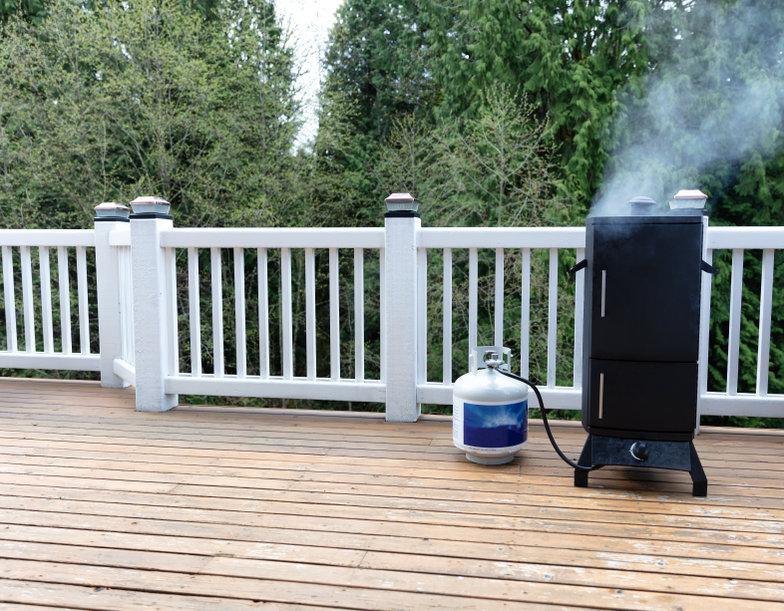
Identifying unsafe propane tanks requires checking for physical damage like rust, dents, and worn components, as well as recognizing signs of malfunctioning valves that could lead to dangerous leaks.
Visual Inspection for Damage
Rust and corrosion represent the most serious threats to propane tank integrity.
Users should examine the entire tank surface for orange-brown rust spots, especially around the bottom where moisture accumulates.
Significant dents or bulges indicate structural damage that compromises tank safety.
Small surface scratches pose minimal risk, but deep gouges or impact marks require professional evaluation.
Check the tank’s certification date stamped on the collar.
Tanks older than 12 years need recertification to remain legal for refilling.
Examine all connection points where hoses attach to the tank.
Cracks in these areas allow propane to escape and create hazardous conditions.
Look for discoloration or burn marks around valves and fittings.
These signs suggest previous leaks or overheating that may have weakened the tank structure.
Recognizing Malfunctioning Valves or Regulators
A properly functioning valve should turn smoothly without excessive force.
Valves that stick, require extreme pressure to operate, or won’t close completely need immediate replacement.
Listen for hissing sounds near valves when the tank is connected.
Any audible gas escape indicates a failing seal or damaged valve mechanism that creates safety risks.
The distinctive rotten egg smell around valves signals propane leaks.
This odor becomes stronger when valves malfunction and allow continuous gas seepage.
Regulators should maintain consistent pressure without visible damage to their housing.
Cracked regulator bodies or loose connections between the regulator and tank valve compromise system safety.
Frost formation on valves during normal use suggests internal problems with pressure regulation.
This condition requires professional inspection before continued use.
Disposal and Replacement of Old Propane Tanks
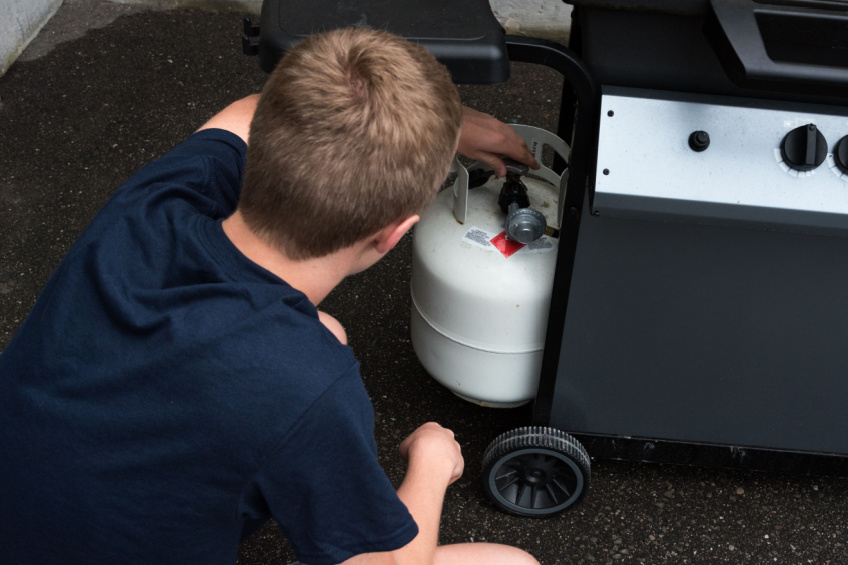
Proper disposal of expired or damaged propane tanks requires specialized handling due to residual gas and safety concerns.
Environmental protection standards also dictate specific recycling and disposal methods for these pressurized containers.
Guidelines for Safe Disposal
Propane tanks cannot be disposed of through regular household trash collection.
Most municipal recycling centers refuse these containers due to potential gas residue and safety hazards.
Contact a licensed propane supplier for tank removal and disposal services.
These companies possess the specialized equipment needed to safely purge remaining propane and handle the containers properly.
Local household hazardous waste collection sites accept damaged or unserviceable propane tanks.
They follow proper safety protocols for handling pressurized containers.
Large bulk propane tanks require professional removal by licensed propane companies.
These tanks contain substantial amounts of gas and need specialized purging equipment.
Some municipalities permit empty propane tank disposal with regular trash after specific preparation.
This typically involves emptying the tank completely, removing the regulator, and puncturing the tank to prevent re-pressurization.
Never attempt to puncture tanks personally.
This process requires professional handling due to explosion risks and potential injury.
Environmental Considerations
Serviceable propane tanks should be recycled rather than disposed of when possible.
Recycling extends the useful life of steel containers and reduces manufacturing waste.
Specialized propane recyclers accept tanks that meet safety requirements.
Local propane suppliers can provide referrals to certified recycling facilities in the area.
Propane tanks can be reused for up to 20 years with proper maintenance and certification.
This significantly reduces environmental impact compared to single-use disposal.
Steel recycling programs may accept properly purged tanks.
Contact local recycling centers to verify their acceptance policies and preparation requirements.
Exchange programs at retail locations provide environmentally friendly replacement options.
Customers trade old tanks for refurbished units, keeping containers in circulation longer.