


Propane is a widely used fuel thanks to its efficiency and versatility, but it comes with notable drawbacks that affect its practicality for some users.
The main disadvantages of propane include its cost, limited accessibility due to delivery requirements, and potential safety risks.
These factors can influence whether propane is the right energy choice for a home or business.
Unlike natural gas, propane must be delivered and stored in tanks, which can create extra expenses and logistical challenges.
Additionally, while propane burns cleaner than some fuels, there are risks associated with leaks and storage that require careful handling and maintenance.
Environmental Impact
Propane is often considered a cleaner-burning fossil fuel, but its environmental effects still merit careful evaluation.
Its influence ranges across emissions, air quality, and potential water contamination risks, each with specific concerns and implications.
Greenhouse Gas Emissions
Propane combustion emits carbon dioxide, a greenhouse gas that contributes to climate change.
However, propane releases fewer greenhouse gases compared to gasoline and diesel due to its higher hydrogen-to-carbon ratio.
Leakage during propane extraction, storage, and transportation can release propane—a volatile organic compound—into the atmosphere.
While propane has a relatively low global warming potential compared to methane, any leaks still add to greenhouse gas emissions.
Use of propane derived from fossil fuels means its environmental footprint is tied to oil and natural gas extraction.
Innovative carbon-neutral propane sources exist but remain uncommon.
Air Quality Concerns
When burned, propane produces fewer pollutants such as nitrogen oxides (NOx) and particulate matter than coal or gasoline.
This cleaner combustion makes propane favorable for reducing indoor and outdoor air pollution.
Despite this, incomplete combustion can lead to carbon monoxide (CO) production, posing health risks.
Proper ventilation and maintenance are critical to minimizing these dangers.
Propane is non-toxic and evaporates quickly if spilled, so it does not linger long in the air.
The added odorant helps in leak detection, reducing risks related to undetected seepage.
Groundwater Contamination
Propane itself does not dissolve well in water, reducing direct contamination risks to groundwater.
However, propane tanks and storage leaks can allow the release of petroleum-based substances into the soil.
If these leaks occur near water sources, contaminants may migrate and affect groundwater quality.
Soil remediation and leak prevention are essential to protect local water supplies.
Environmental hazards increase with poor handling, aging equipment, or accidents during propane transportation and storage.
Strict safety protocols help limit these risks effectively.
Safety Hazards

Propane, while useful as an energy source, involves specific safety issues that require careful attention.
These hazards primarily relate to its flammability, challenges in detecting leaks, and risks during storage and handling.
Fire and Explosion Risks
Propane is highly flammable and can cause fires or explosions if mishandled.
Because the gas is denser than air, it can accumulate in low or enclosed spaces, increasing the risk of ignition.
Any spark or open flame near a propane leak can ignite the gas, leading to potentially catastrophic consequences.
Equipment failure, damaged lines, or improper appliance use can trigger these incidents.
Proper ventilation, regular maintenance, and using certified equipment reduce fire and explosion risks.
Users must never ignore the smell of propane or suspected leaks.
Leak Detection Difficulties
Detecting propane leaks is challenging because propane is odorless in its natural state.
To address this, an odorant (usually ethyl mercaptan) is added to provide a distinctive smell for leak detection.
Despite this, small leaks can go unnoticed, especially in outdoor areas or poorly ventilated spaces.
Failure to detect leaks promptly increases the risk of fire and carbon monoxide exposure.
Monitoring propane systems regularly and installing gas detectors in indoor or confined spaces are critical steps in early leak detection.
Relying solely on smell can be insufficient for safety.
Storage and Handling Dangers
Storing and handling propane require strict protocols due to its high pressure and flammability.
Propane tanks must be kept upright, away from heat sources, and in well-ventilated locations.
Improper storage can cause tank corrosion or damage, leading to leaks.
Transporting or refilling tanks incorrectly increases dangers, such as accidental release or explosion.
Qualified professionals should perform inspections and maintenance of all propane equipment regularly.
Consumers must follow manufacturer guidelines and safety standards to minimize these hazards.
| Key Safety Practices | Description |
|---|---|
| Proper Ventilation | Prevents gas buildup in confined areas |
| Regular Equipment Checks | Detects and fixes leaks or faulty components |
| Correct Tank Positioning | Ensures safe pressure management |
| Use of Gas Detectors | Provides early warning of leaks |
Cost Considerations
Propane expenses vary due to market factors and the costs involved in equipment setup.
Understanding these two aspects is crucial for budget planning.
Price Volatility
Propane prices can fluctuate significantly.
Market demand, crude oil prices, and seasonal weather changes greatly influence cost.
For example, colder months often drive up demand, increasing prices.
Transport and supply chain disruptions can also add to price spikes.
Consumers should expect variability and consider purchasing contracts or bulk delivery to manage costs.
This volatility means budgeting for propane can be less predictable compared to other fuels with more stable pricing.
Installation Expenses
Setting up propane systems involves upfront costs that impact affordability.
Users must buy or lease pressurized tanks and install compatible appliances.
Installation requires professional services to ensure safety and compliance with regulations.
These expenses vary depending on tank size, property layout, and local codes.
While propane appliances can be efficient, initial installation costs may be higher than those for natural gas or electric systems.
This can extend the payback period before seeing savings on energy bills.
Availability and Infrastructure

Propane’s availability varies widely depending on location and infrastructure.
Storage, delivery systems, and regional access can significantly impact its cost and reliability.
Limited Access in Remote Areas
Propane supply is often constrained in rural or remote regions.
These areas typically lack the extensive distribution networks found in urban centers, resulting in fewer propane suppliers and facilities.
This limited infrastructure increases propane prices in such locations and may delay delivery times.
Customers often face challenges securing regular propane refills, especially during peak seasons.
Additionally, propane storage facilities are less common outside populated areas.
This can cause supply shortages and limit the fuel’s practical use for heating, cooking, or agriculture in isolated communities.
Dependence on Delivery
Propane requires specialized delivery due to its storage as a liquefied gas under pressure.
Consumers rely heavily on scheduled tanker deliveries to maintain fuel levels.
This dependency means propane users must plan ahead, often arranging pre-buy or summer fill programs to avoid shortages during high-demand periods.
Emergency or last-minute deliveries may be unavailable or costly.
Transportation challenges affect supply stability, as delivery routes can be disrupted by weather, road conditions, or logistic delays.
Maintaining consistent propane availability depends on effective coordination between suppliers and distributors.
Energy Efficiency Limitations
Propane’s energy efficiency is influenced by its chemical properties and the upkeep of related equipment.
These factors can affect how much usable energy is produced compared to other fuels, as well as the long-term performance of propane systems.
Lower Efficiency Compared to Alternatives
Propane has a lower energy density than fuels like gasoline, diesel, and natural gas.
This means more propane is needed to generate the same amount of energy, which can lead to increased fuel consumption.
Although propane burns cleanly, it generally provides fewer BTUs per unit volume than some alternatives.
This characteristic affects cost-efficiency when used for heating or transportation.
Users may find propane less economical if their application requires high energy output over extended periods.
Equipment Maintenance Requirements
Propane systems require regular inspection and maintenance to maintain efficiency and safety.
Components like tanks, valves, burners, and regulators need frequent checks to prevent leaks and ensure proper combustion.
Neglected maintenance can reduce a system’s efficiency by causing incomplete combustion or fuel losses.
Additionally, dust and dirt buildup on propane appliances can decrease performance over time, leading to higher fuel use and potential safety hazards.
Long-Term Sustainability Issues
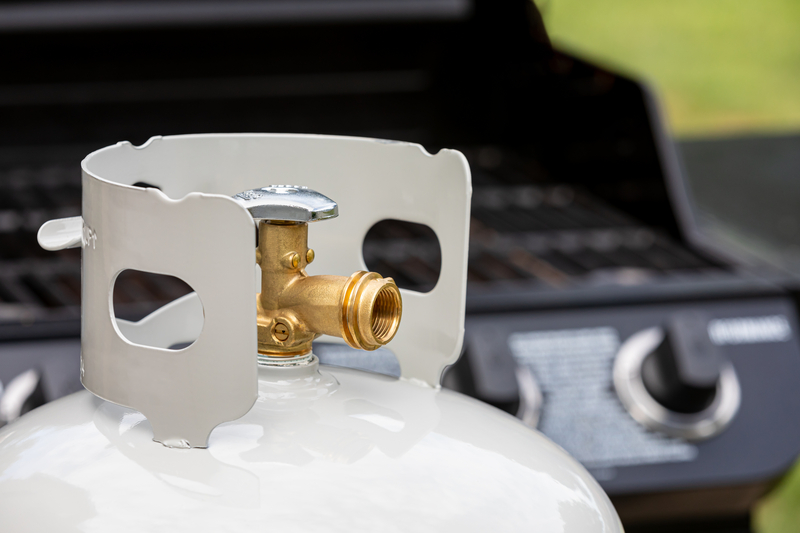
Propane faces challenges related to its long-term use due to its origin and availability.
These challenges affect its viability as a sustainable energy source in the future.
Non-Renewable Resource Status
Propane is a fossil fuel derived primarily from natural gas processing and crude oil refining.
Since it does not regenerate naturally within a short period, it is classified as a non-renewable resource.
This status limits propane’s ability to be a sustainable energy solution
. Continued reliance on propane contributes to ongoing extraction of finite fossil fuels, which supports carbon emissions.
While propane burns cleaner than some fossil fuels, its production and consumption still have environmental impacts.
The inability to replenish propane reserves means it cannot sustain future energy demands indefinitely.
Finite Supply Concerns
The global supply of propane is inherently limited by the finite nature of fossil fuel deposits.
Extraction rates depend on available reserves, which decrease with continuous use.
As reserves decline, propane could become more expensive and difficult to obtain.
This volatility impacts economic stability for industries and consumers relying on it.
Additionally, reliance on finite propane reserves hinders long-term planning for energy infrastructure.
Transitioning to alternative, renewable energy sources becomes essential to address supply constraints.
Regulatory and Compliance Challenges
Propane usage involves strict regulatory oversight to ensure safety and environmental protection.
Distributors and users must navigate complex laws that affect storage, transportation, and handling.
Compliance requires continuous monitoring of changing standards at both national and local levels.
Failure to stay updated can lead to legal penalties and operational disruptions.
Key regulatory challenges include:
- Safety training: Employees must understand emergency protocols regulated by OSHA and the Department of Transportation.
- Environmental regulations: Businesses face evolving rules designed to minimize propane’s environmental impact.
- Energy efficiency standards: Equipment powered by propane, such as heaters and furnaces, must meet guidelines set by the Department of Energy.
Meeting these requirements often involves significant costs.
Companies may need to invest in new technologies, infrastructure upgrades, and ongoing staff training.
Maintaining compliance is not just a legal necessity; it is essential for operational continuity and risk management.
Propane businesses must adopt proactive strategies to keep pace with the evolving regulatory landscape.
Operational Inconveniences
Propane requires regular delivery and tank refilling, as it is stored in tanks that do not produce fuel on-site.
This dependency can be problematic in remote areas or during supply disruptions.
The transportation and handling of propane tanks involve safety risks.
Special precautions must be taken to avoid leaks, fires, or explosions, which adds complexity to its use.
Propane’s lower energy density compared to gasoline or diesel means vehicles running on it often have reduced range or operating time.
This limitation affects applications where travel distance is critical.
Additionally, propane-powered vehicles and equipment are less common, limiting options for makes and models.
Purchasing new propane-specific vehicles can be more expensive and less convenient.
Maintenance of propane systems can be more involved.
Tanks and delivery infrastructure require regular inspections and adherence to regulations, adding operational overhead.
| Inconvenience | Details |
|---|---|
| Delivery Dependence | Requires scheduled propane tank refills |
| Safety Considerations | Handling risks due to flammability |
| Limited Range | Lower energy density limits operating time |
| Vehicle Availability | Fewer vehicle models and higher upfront cost |
| Maintenance Requirements | Regular inspection and regulatory compliance |
These factors contribute to the operational challenges of using propane, especially when compared to more readily available fuels.