
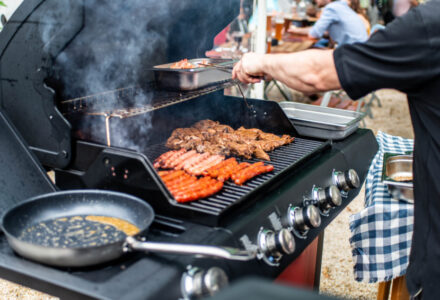
 People often wonder if propane grills can pose a risk due to carbon monoxide emissions.
Propane grills do produce carbon monoxide, but when used outdoors as intended, the risk is minimal.
This is crucial information for anyone who enjoys grilling and aims to ensure safety while cooking.
Understanding how propane grills operate and their safety features can alleviate concerns.
Utilizing grills in well-ventilated areas is key to preventing any potential hazards.
By maintaining proper ventilation, users can enjoy grilling with confidence.
The importance of regular maintenance and checking for blockages cannot be overstated.
These steps not only enhance safety but also improve grill performance.
This article delves into potential risks and best practices, ensuring a safe and enjoyable grilling experience.
Understanding Carbon Monoxide
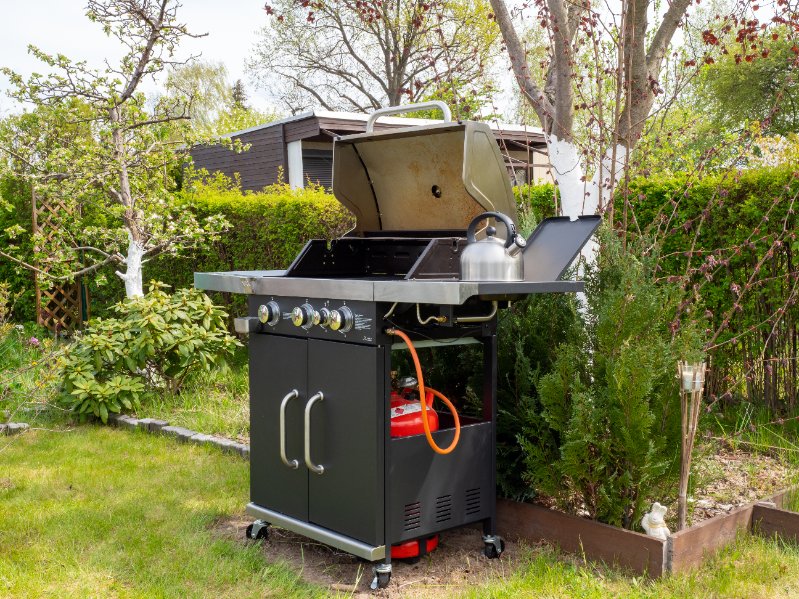
Carbon monoxide is a colorless, odorless gas produced by the incomplete combustion of fossil fuels such as propane, gasoline, and natural gas.
Health Risks
Exposure to CO can be dangerous.
It interferes with the blood’s ability to carry oxygen by binding to hemoglobin, leading to symptoms such as:
-
Headaches
-
Dizziness
-
Nausea
-
Confusion
-
Loss of consciousness
Common Sources of CO
-
Vehicles: Running engines, especially in enclosed areas
-
Grills & Stoves: Using propane or natural gas indoors or without ventilation
-
Fireplaces & Furnaces: Poorly maintained or inefficient heating systems
Improper use of propane grills in enclosed or poorly ventilated spaces can lead to carbon monoxide buildup.
Prevention Tips
-
Use appliances in well-ventilated areas
-
Install carbon monoxide detectors near sleeping areas
-
Inspect and maintain heating systems and fuel-burning appliances regularly
Being informed about CO risks and ensuring proper ventilation and early detection are essential for preventing carbon monoxide poisoning.
How Propane Grills Function
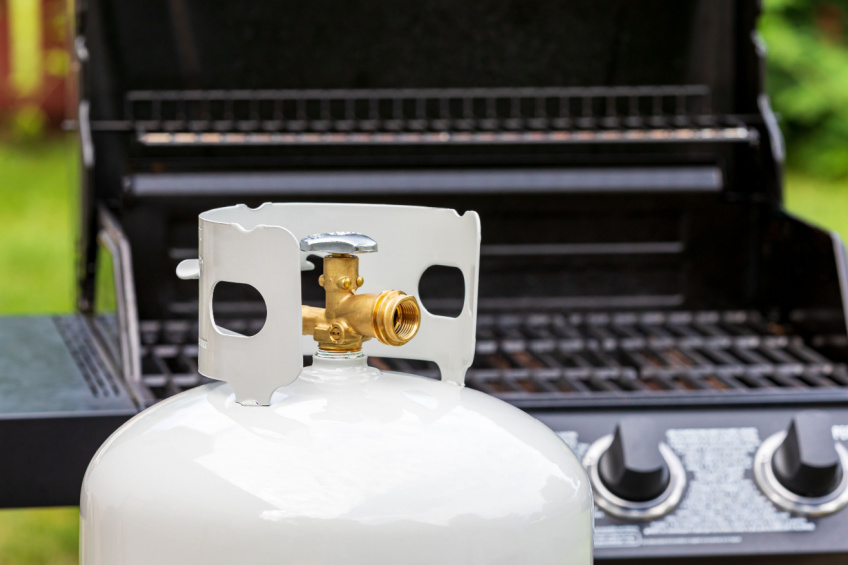
Propane grills are popular for outdoor cooking due to their convenience, efficiency, and versatility.
Fuel System
These grills use liquid propane, stored in a pressurized tank.
When activated, propane flows through a regulator and hose to the burners, which are designed with small openings that release the gas.
Ignition occurs via a spark or flame, creating a controlled flame.
The intensity of the flame is adjusted using control knobs, allowing for precise cooking temperatures and techniques.
Key Components
Propane grills typically include:
-
Cooking Grates: Made from stainless steel or cast iron, providing a sturdy cooking surface
-
Flame Tamers: Distribute heat evenly and protect burners
-
Grease Trays: Catch drippings and help reduce flare-ups
Most models also feature a temperature gauge for accurate heat monitoring.
Advanced Features
Higher-end grills may offer:
-
Side burners
-
Rotisserie attachments
-
Infrared cooking technology
These features make propane grills suitable for everything from quick searing to slow roasting, supporting a wide range of outdoor cooking styles.
Carbon Monoxide Emissions from Propane Grills
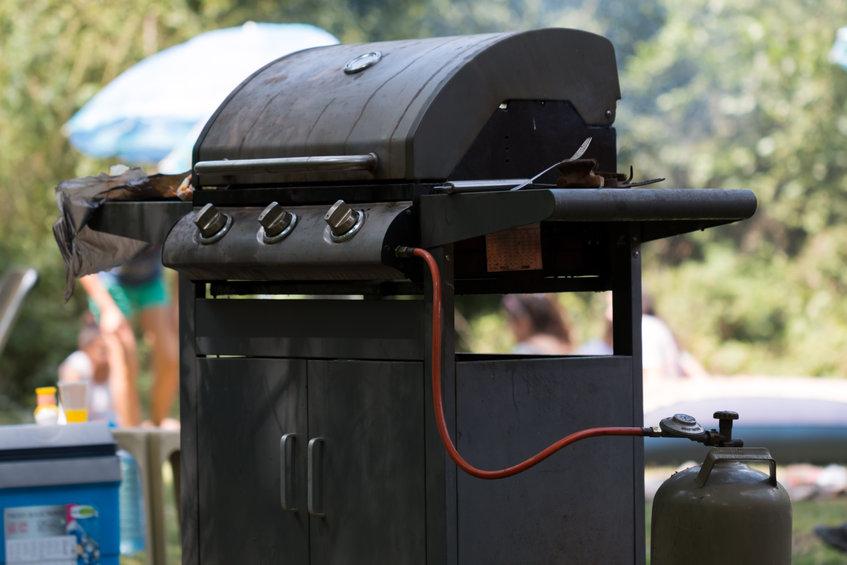
Propane grills can produce carbon monoxide (CO) when combustion is incomplete.
The amount of CO emitted depends on factors like burner condition, airflow, and ventilation.
Combustion and CO Formation
Propane combustion is a chemical reaction between propane and oxygen:
-
Complete combustion yields carbon dioxide (CO₂) and water
-
Incomplete combustion produces carbon monoxide (CO) — a colorless, odorless, and potentially dangerous gas
Causes of Incomplete Combustion
-
Insufficient oxygen supply
-
Improper fuel-air mixture
-
Clogged or damaged burners
-
Incorrect propane pressure
These issues can lead to higher CO emissions and increase the risk of exposure.
Safety Tips
-
Clean and maintain your grill regularly
-
Check burners and propane connections for blockages or wear
-
Always cook in well-ventilated outdoor areas
Proper grill maintenance and ensuring adequate ventilation are essential to minimize carbon monoxide risks when using propane grills.
Operating grills indoors or in poorly ventilated areas may lead to dangerous CO accumulation.
Factors Affecting CO Emissions
Several factors can impact the amount of carbon monoxide produced by propane grills:
- Burner Efficiency: Older or damaged burners may not burn propane as efficiently, increasing CO emissions.
- Ventilation: Limited airflow can result in higher CO production due to decreased oxygen availability.
- Weather Conditions: Windy conditions can improve ventilation, whereas still air might trap emissions in the grilling area.
Regular inspection and cleaning, combined with monitoring burner condition and ensuring adequate ventilation, can help reduce carbon monoxide emissions from propane grills.
These practices are essential for safe and efficient grill operation.
Health Risks Associated with Carbon Monoxide
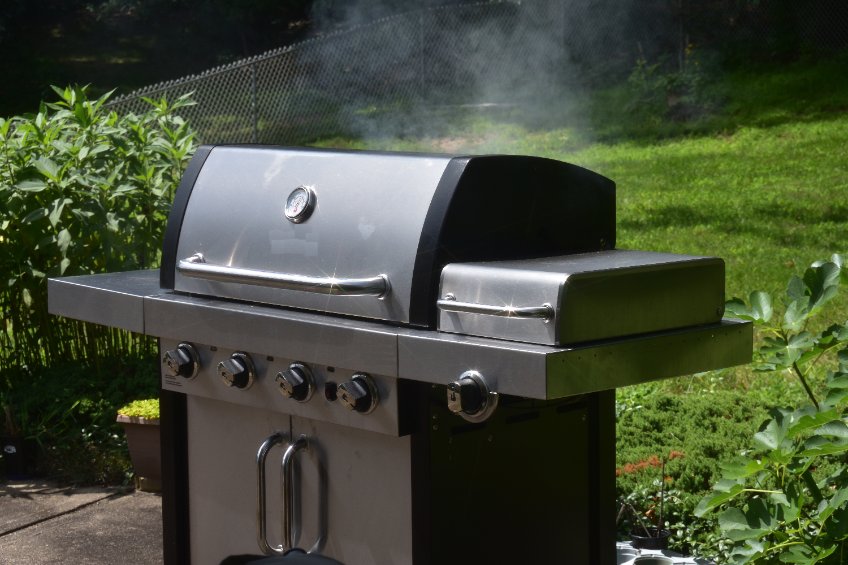
Carbon monoxide (CO) is a colorless, odorless gas that can pose serious health risks if inhaled.
It interferes with the body’s ability to transport oxygen, leading to various symptoms and potential long-term health impacts.
Symptoms of CO Poisoning
Early detection is crucial as symptoms can often be mistaken for those of other illnesses.
Mild exposure includes headaches, dizziness, nausea, and shortness of breath.
These may occur in less severe situations, such as when a gas appliance malfunctions without immediate ventilation.
Moderate exposure intensifies these symptoms and can result in confusion and loss of muscle coordination.
Fatigue and chest pain might also occur, indicating a greater level of poisoning.
Severe exposure is life-threatening, causing vomiting, increased heart rate, and the potential for unconsciousness or death.
Immediate medical attention is necessary if CO poisoning is suspected.
Prolonged exposure or high concentrations can quickly become dangerous.
Reacting fast and ensuring proper ventilation are key steps to prevent worsening of symptoms.
Long-Term Health Impacts
Long-term exposure to CO can have lasting health effects, particularly when poisoning incidents are missed or untreated.
Neurological damage is a significant concern, with victims potentially experiencing memory loss, confusion, and difficulty concentrating.
Heart problems are another consequence, especially for those with pre-existing conditions.
Repeated exposure can aggravate cardiovascular issues and increase risks for complications.
Chronic exposure may also lead to damage in the lungs and other organs due to reduced oxygen supply.
Individuals with chronic health conditions, pregnant women, and young children are most vulnerable.
Prevention measures, such as CO detectors in the home, are essential for mitigating these risks.
Safety Measures for Using Propane Grills
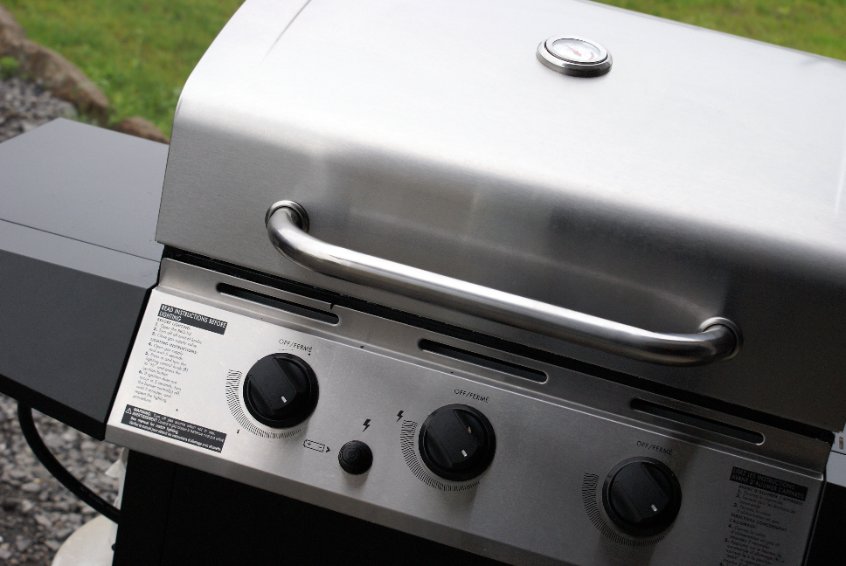
When using propane grills, prioritizing safety is crucial.
Proper ventilation and regular maintenance are essential to ensure a safe grilling experience.
Proper Ventilation Practices
Propane grills must be used outdoors in well-ventilated areas.
Proper airflow is vital to disperse any carbon monoxide produced during grilling.
Barbecue enthusiasts should avoid using propane grills in enclosed spaces, such as garages or close to windows and doors, as this can allow carbon monoxide to accumulate indoors.
Setting up grills in open spaces allows smoke and gases to dissipate efficiently.
Keep a distance of at least 10 feet from structures and flammable materials, such as wooden decks or patios, to prevent fire hazards.
Using a propane grill in a non-ventilated area poses a significant risk and should be avoided.
Regular Maintenance and Inspection
Frequent checks of the propane grill are necessary to maintain safety.
This includes inspecting the gas hose for any signs of wear or damage, such as cracks or leaks.
One should use a soapy water solution to detect leaks along the hose and connections.
If bubbles appear, it indicates a leak that requires immediate attention or professional repair.
Replacing disposable propane cylinders and ensuring connections are secure before grilling is essential to prevent gas leaks.
It is advisable to clean the grill after each use, removing any grease buildup to reduce the risk of flare-ups.
Regular maintenance prolongs the lifespan of the grill and ensures a safe grilling environment.
Detecting and Responding to CO Exposure
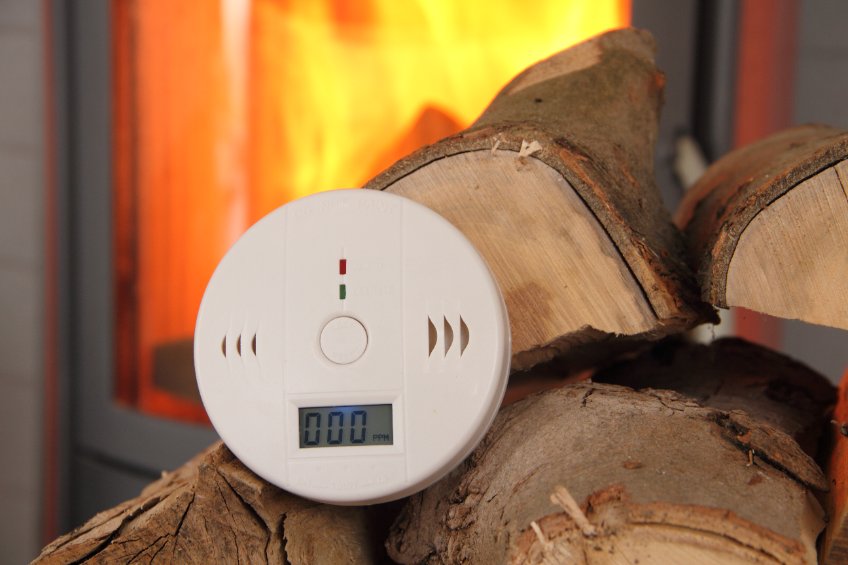
Carbon monoxide (CO) exposure can be dangerous, especially when using propane grills in enclosed spaces.
This section provides guidance on using detectors to identify CO presence and outlines immediate actions to ensure safety if exposure occurs.
Using Carbon Monoxide Detectors
Detecting CO early is crucial for preventing harm.
CO detectors are effective tools that alert users to the presence of CO indoors.
These devices should be installed on each level of the home and near sleeping areas.
Regular testing and maintenance of CO detectors are essential.
Batteries should be replaced annually, and the device itself typically requires replacement every 5-7 years.
Installation height matters: they should be placed in areas free from obstructions, ideally about 5 feet from the ground or as per the manufacturer’s instructions, to detect CO effectively.
Immediate Actions to Take
If a CO detector alarm sounds, prompt action is necessary.
First, evacuate the premises immediately to avoid prolonged exposure.
Once outside, call emergency services to report the potential CO leak.
Do not re-enter the building until it has been inspected and cleared by professionals.
Symptoms of CO poisoning include headaches, dizziness, confusion, and nausea.
If anyone exhibits these symptoms, seek medical attention right away.
Do not ignore these symptoms, even if they seem mild.
Swift and proper handling of CO exposure can prevent serious health issues and save lives.
Regulations and Standards for Grill Emissions
Propane grills, like all cooking appliances, are subject to regulations designed to ensure user safety and protect the environment.
These standards aim to reduce harmful emissions, including carbon monoxide (CO).
Regulatory Oversight
-
U.S. Environmental Protection Agency (EPA):
Sets emissions guidelines for outdoor appliances to limit pollution and protect air quality. -
Consumer Product Safety Commission (CPSC):
Establishes safety standards to prevent hazards like carbon monoxide poisoning. This includes requirements for warning labels and ventilation instructions. -
European Committee for Standardization (CEN):
Defines uniform safety and performance standards across European countries. Regulations address grill construction, safety features, and energy efficiency.
Safety and Compliance Features
Modern propane grills often include:
-
Automatic shut-off mechanisms
-
Emissions data and labeling to help consumers make informed choices
-
Clear certification marks indicating compliance, such as:
-
CE mark (Europe)
-
CSA mark (North America)
-
Continuous Improvement
Regulatory standards are regularly updated to reflect:
-
Technological advancements
-
Improved safety practices
-
Increased environmental awareness
Manufacturers are driven to comply not only by law, but also by consumer demand for safer and cleaner appliances.
Alternative Grilling Methods and CO Emissions
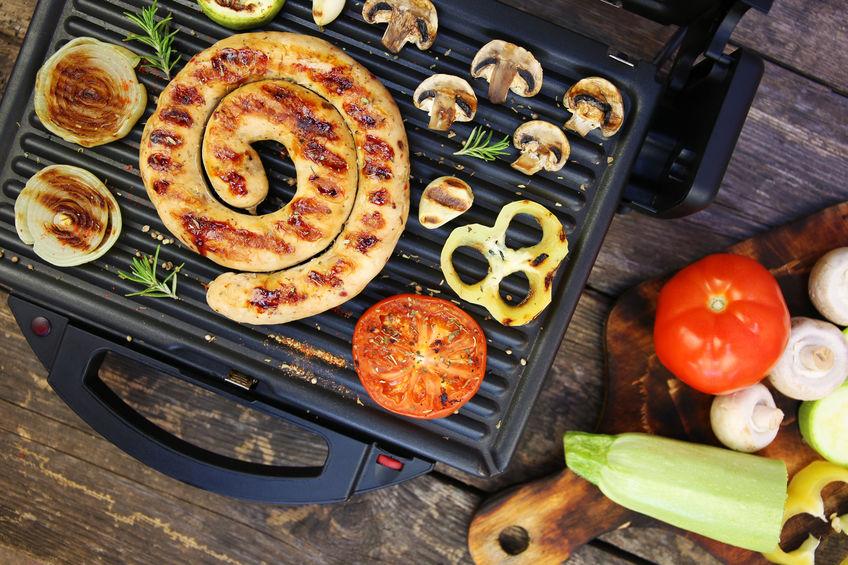
Charcoal Grills
Charcoal grills are popular for their smoky flavor but they produce carbon monoxide (CO) when the charcoal burns.
CO levels can be higher, especially when grilling in enclosed areas.
Ensuring proper ventilation can mitigate these emissions significantly.
Electric Grills
Electric grills are another alternative that emits no carbon monoxide.
Powered by electricity, these grills are ideal for indoor use and areas with strict air quality regulations.
They offer a cleaner grilling experience without compromising safety.
Pellet Grills
Pellet grills use compressed wood pellets for fuel and, like charcoal grills, do emit carbon monoxide.
Ventilation remains crucial when using these grills to minimize potential risks.
Their CO emissions are typically lower than those generated by charcoal.
| Grill Type | Fuel | CO Emission (yes/no) |
|---|---|---|
| Charcoal Grills | Charcoal | Yes |
| Electric Grills | Electricity | No |
| Pellet Grills | Wood Pellets | Yes |
Natural gas or propane grills have similar CO emission profiles due to the combustion of fossil fuels.
Their emissions are lower than those of charcoal grills when properly maintained and ventilated.
Choosing the right grill involves balancing flavor, convenience, and emission levels.
Safe grilling practices, including adequate ventilation and regular maintenance, are essential regardless of the grill type.
Improving Propane Grill Safety
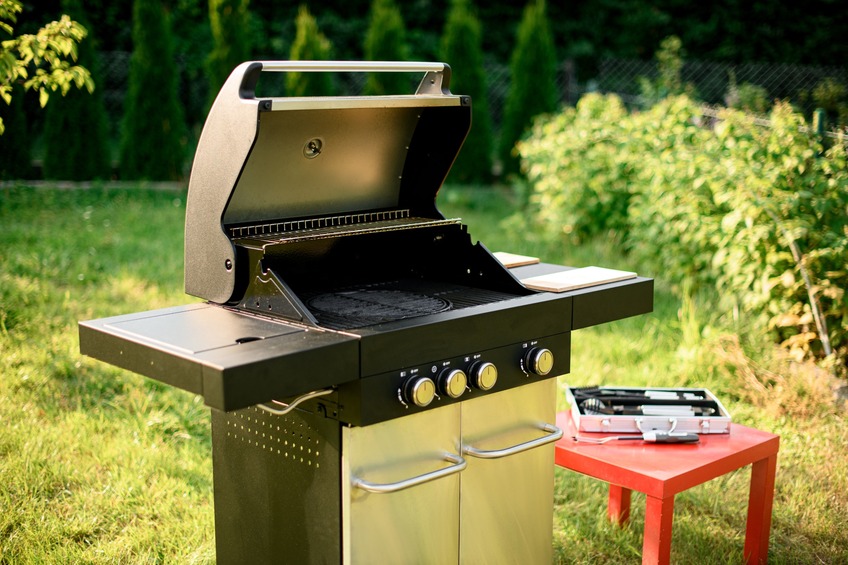
To enhance the safe use of propane grills, it’s crucial to follow specific precautions and maintenance routines.
Regular inspections of the grill and its components can prevent potential hazards.
Before each use, check for leaks by applying a soap and water solution to gas connections.
If bubbles form, there’s a leak, and the connections need tightening or professional inspection.
When lighting the grill, ensure the lid is open to prevent gas buildup.
Using the grill in well-ventilated outdoor areas significantly reduces the risk of carbon monoxide exposure.
Storing propane tanks correctly is essential. Tanks should be kept upright, away from heat sources and direct sunlight.
Never store them indoors to avoid safety hazards.
For added safety, consider installing a carbon monoxide detector in close proximity to grilling areas.
This device will alert users to harmful gas levels, ensuring a safer environment.
Regularly clear the grill of grease and food debris to prevent flare-ups and fires.
Keeping the grill clean enhances both safety and performance.
Finally, having a fire extinguishernearby is a smart precaution.
Knowing how to use it can make a crucial difference in emergency situations.
Conclusion
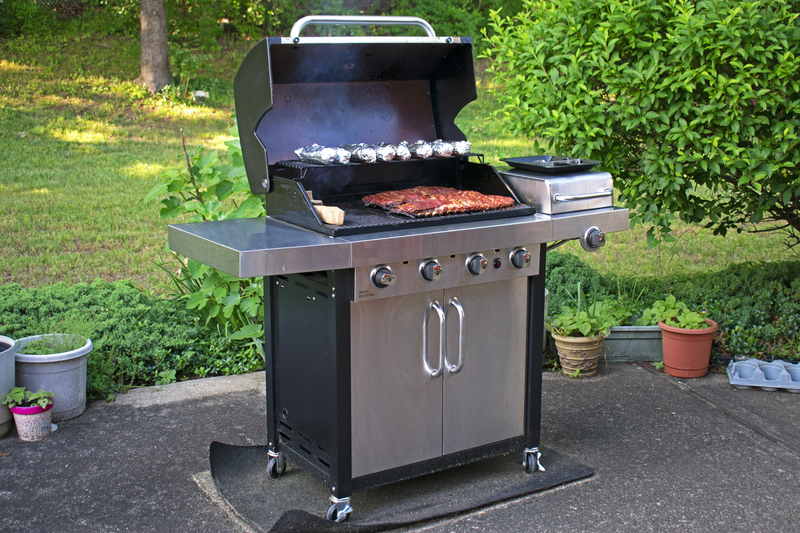
Propane grills can produce carbon monoxide (CO) if not used correctly. CO is a colorless, odorless gas that poses serious health risks when inhaled.
Why CO is Produced
Carbon monoxide forms when propane burns incompletely, often due to:
-
Poor ventilation
-
Malfunctioning or unmaintained equipment
Key Considerations
-
Ventilation: Always use grills outdoors or in well-ventilated spaces
-
Maintenance: Regularly inspect and service your grill to ensure it operates safely
Safety Tips
-
Operate grills only in open, outdoor areas
-
Check ventilation openings for blockages before use
-
Never use a propane grill indoors or in enclosed spaces
With proper awareness and precautions, you can greatly reduce the risk of carbon monoxide exposure and enjoy safe outdoor cooking.