
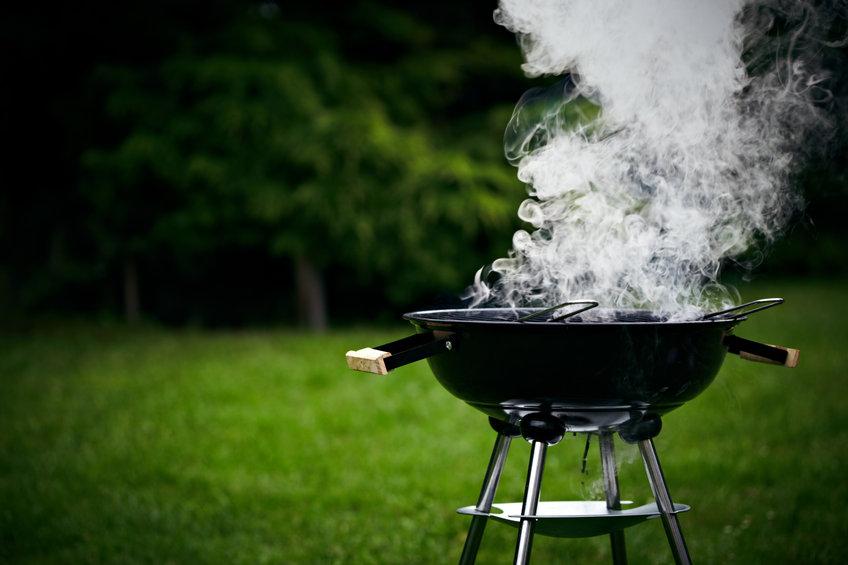
When firing up the grill for a backyard barbecue, understanding how long charcoal takes to burn out is essential for both cooking success and safety.
Most charcoal takes 30 to 45 minutes to fully extinguish for smaller fires, while larger fires can take up to two hours to burn out completely.
The exact time depends on several factors including the type of charcoal used, environmental conditions, and how the fire was managed.
Different types of charcoal behave very differently when it comes to burn time and extinguishing.
Briquettes typically burn longer and more consistently than lump charcoal, which affects how long they take to cool down.
Weather conditions like wind and temperature also play a significant role in how quickly charcoal burns through its fuel and reaches the point of burning out.
Knowing these timing patterns helps grillers plan their cooking sessions better and ensures safe disposal of spent charcoal.
Understanding the science behind charcoal combustion, along with proper techniques for managing and extinguishing fires, makes outdoor cooking both more enjoyable and safer for everyone involved.
Charcoal Burn Time: What to Expect
Charcoal burn time varies greatly depending on the type used and grilling conditions.
Most charcoal will burn for 45 minutes to 4 hours, with distinct stages from ignition to complete burnout.
Typical Duration for Charcoal to Burn Out
Lump charcoal typically burns for about 45 minutes in a standard grill setup.
When used for smoking, it can last 3 to 4 hours due to lower heat requirements.
Briquettes generally burn longer than lump charcoal.
They can last 2 to 3 hours in regular grilling conditions.
The amount of charcoal affects burn time significantly.
More charcoal means longer burning, but too much can create uneven heat.
Weather conditions impact burn duration.
Wind increases airflow and makes charcoal burn faster.
High humidity can slow down the burning process.
Grill size and ventilation play key roles.
Larger grills with open vents consume charcoal more quickly than smaller, enclosed models.
Stages of the Charcoal Burning Process
The charcoal burning process has three main stages.
Each stage has different heat levels and visual signs.
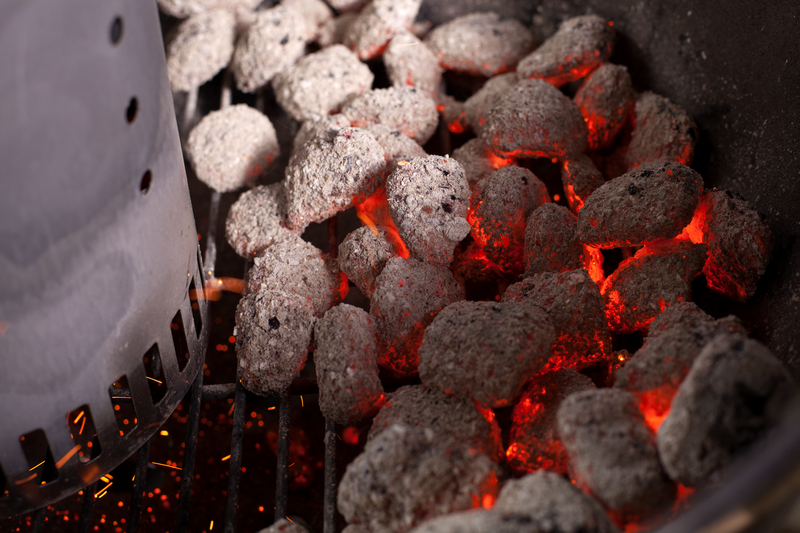
Ignition stage lasts 15 to 20 minutes.
Flames are visible and charcoal pieces glow bright orange.
The charcoal reaches its hottest temperature during this phase.
Active burning stage follows ignition.
Flames die down and charcoal develops a light gray ash coating.
This stage provides steady, consistent heat for cooking.
Smoldering stage is the final phase.
Charcoal glows red with minimal flames.
Heat output decreases but can still maintain cooking temperatures for extended periods.
Differences Between Active Burning and Smoldering
Active burning produces high heat with visible flames or bright glowing coals.
Temperatures can reach 700 to 900 degrees Fahrenheit during this phase.
Smoldering occurs when oxygen supply decreases.
The charcoal glows red without flames and produces lower, steadier heat around 400 to 500 degrees.
Active burning consumes charcoal quickly but provides intense heat for searing.
This stage works best for grilling steaks or burgers.
Smoldering extends burn time significantly.
It works well for slow cooking and smoking meats.
The lower temperatures prevent food from burning while maintaining cooking heat.
Controlling airflow switches between these stages.
Opening vents increases active burning.
Closing vents promotes smoldering and extends charcoal life.
Factors That Affect How Long Charcoal Burns

Several key factors determine how long charcoal will burn in your grill.
Airflow and ventilation control the amount of oxygen available for combustion, while weather conditions and environment can significantly impact burning efficiency.
Airflow and Ventilation
Airflow is the most important factor controlling charcoal burn time.
Too much air makes charcoal burn faster and hotter.
Too little air causes charcoal to burn slowly or go out completely.
Grill vents control airflow.
Opening bottom vents increases oxygen flow to the charcoal.
This makes it burn faster but reduces total burn time.
Closing vents reduces oxygen supply.
The charcoal burns slower and cooler but lasts much longer.
Wind affects outdoor grilling.
Strong winds can force extra air through the charcoal grill. This causes faster burning and shorter charcoal burn time.
Most grills have adjustable vents on top and bottom.
The bottom vents control oxygen going to the fire.
Top vents help pull air through the charcoal.
Proper vent management extends burn time.
Start with vents open to light the charcoal.
Then adjust them based on desired temperature and burn duration.
Weather Conditions and Environment
Cold weather reduces charcoal burn time significantly.
Low temperatures make it harder for charcoal to stay lit.
The grill loses more heat to the cold air around it.
Wind creates uneven burning.
It can make one side of the grill burn faster than the other.
Wind also removes heat from the charcoal surface quickly.
Rain and high humidity affect charcoal performance.
Wet charcoal takes more energy to burn.
Moisture in the air can make lighting more difficult.
Temperature differences matter.
Hot summer days help charcoal burn more efficiently.
Cold winter days require more charcoal to maintain the same cooking temperature.
Altitude also plays a role.
Higher elevations have less oxygen in the air.
This can reduce burn time and make temperature control harder.
Sheltered grilling areas work better.
Using windscreens or grilling in protected spots helps maintain consistent burn times.
Types of Charcoal and Their Burn-Out Times
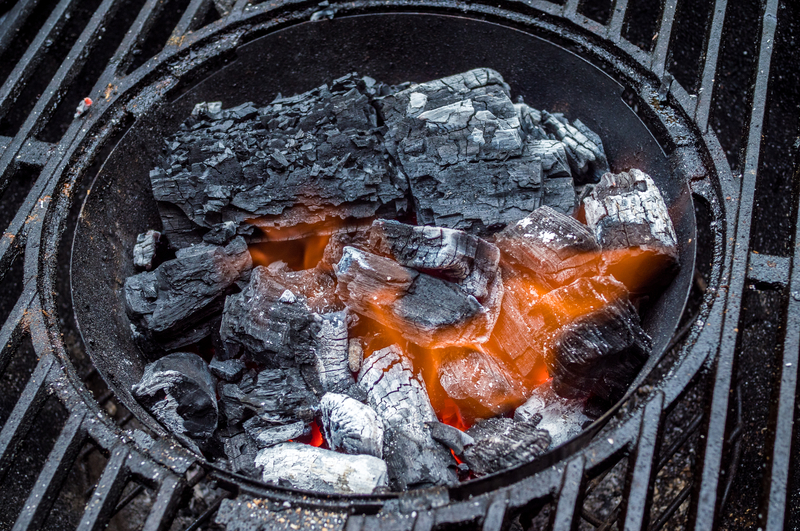
Different types of charcoal have very different burn-out times, with lump charcoal typically burning for 1 to 1.5 hours while briquettes can last 3 to 3.5 hours.
Hardwood charcoal burns hotter and faster than other materials but offers less consistent timing.
Lump Charcoal vs. Charcoal Briquettes
Lump charcoal burns out much faster than briquettes.
This type of charcoal typically lasts 1 to 1.5 hours before burning out completely.
Lump charcoal burns hotter but quicker because it contains no additives or fillers.
The irregular shapes create air pockets that increase oxygen flow and speed up burning.
Charcoal briquettes last much longer, burning for 3 to 3.5 hours.
They burn more slowly because of their compressed, uniform shape and added binders.
Briquettes provide more consistent heat over time.
Their dense structure reduces airflow and creates a steadier burn rate.
The trade-off is clear: lump charcoal gives higher heat but shorter burn time, while briquettes offer longer-lasting but lower heat output.
Hardwood Charcoal Characteristics
Hardwood charcoal burns faster than charcoal made from other materials.
Dense hardwoods like oak and maple create charcoal that burns hotter and burns out quicker.
Hardwood charcoal typically burns 20-30% faster than softwood varieties.
The dense wood structure creates more carbon, which burns at higher temperatures.
Different hardwood types affect burn-out times:
- Oak charcoal: Burns hot and fast, lasting about 1-2 hours
- Maple charcoal: Similar to oak with quick burn-out
- Hickory charcoal: Slightly longer burn time than oak
The manufacturing process also matters.
Charcoal made at higher temperatures burns out faster because it has less volatile material left to burn.
How to Properly Extinguish Charcoal
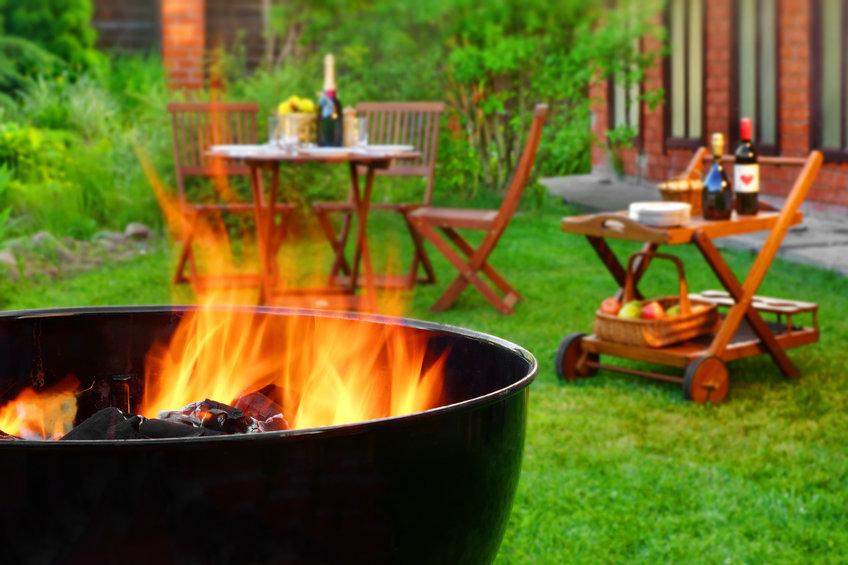
The safest method involves closing vents and allowing burning charcoal to die out naturally, which takes several hours.
Water or sand can speed up cooling but requires careful handling to avoid steam burns.
Letting Charcoal Burn Out Naturally
This method provides the safest way to extinguish burning charcoal.
Close all air vents on the grill to cut off oxygen supply.
Put the lid on the grill and keep it closed.
This stops airflow and smothers the flames.
The process takes 2 to 4 hours depending on charcoal amount.
Larger quantities store more heat and take longer to cool.
Never leave burning charcoal unattended during this process.
Check that all vents stay closed.
Once the charcoal appears gray and cold, wait another hour before handling.
Coals can stay hot inside even when they look dead.
Use the back of your hand near the surface to feel for heat.
If you sense warmth, wait longer before disposal.
Using Water or Sand to Speed Up Cooling
Water extinguishes burning charcoal faster but creates safety risks.
Never pour water directly onto a hot grill as this causes dangerous steam.
Remove coals with metal tongs into a fireproof metal container first.
Pour water slowly over individual pieces.
Stand back while pouring to avoid steam burns.
The water will create hot steam that can cause serious injuries.
Sand works as a safer alternative to water.
Pour sand over the burning charcoal to smother flames without creating steam.
Baking soda also extinguishes flames effectively.
Sprinkle it directly on hot coals to cut off oxygen supply.
After using water or sand, let coals sit for at least one hour before final disposal.
Check for any remaining heat before throwing away.
Safe Disposal and Storage After Burn Out

Proper disposal requires waiting at least 24-48 hours for complete cooling and using fireproof metal containers to prevent accidents.
Leftover charcoal should be stored in dry locations away from heat sources to maintain quality for future use.
Ensuring Charcoal is Fully Extinguished
Charcoal can retain heat for up to 48 hours after cooking.
Users should never rush the cooling process or assume charcoal is safe to handle based on appearance alone.
The safest method involves closing all vents on the charcoal grill to cut off oxygen supply.
This stops active burning but does not eliminate stored heat in the coals.
Visual inspection steps:
- Look for any red or orange embers
- Check for gray ash covering all pieces
- Watch for any smoke or steam rising
Temperature testing requires extreme caution.
Hold the back of the hand several inches above the charcoal.
Any warmth indicates the need for more cooling time.
Water can speed up cooling but creates dangerous steam.
Pour water slowly from a safe distance while wearing protective gloves and eyewear.
Wait a full 24 hours before handling cooled charcoal.
This timeframe ensures complete heat dissipation and eliminates fire risk during disposal.
Using Metal Containers for Ashes
Metal containers provide the only safe storage option for charcoal ashes.
Plastic containers can melt from residual heat, while cardboard poses serious fire hazards.
Choose containers made from steel or aluminum with tight-fitting lids.
The lid prevents wind from spreading ashes and blocks oxygen from reaching any remaining embers.
Container requirements:
- Non-flammable metal construction
- Secure, tight-fitting lid
- Adequate size for ash volume
- Heat-resistant handles
Place the metal container on concrete or dirt surfaces away from buildings.
Keep it at least 10 feet from wooden decks, structures, or combustible materials.
Label containers clearly as “Charcoal Ashes” to prevent confusion.
Store containers in areas where children and pets cannot access them.
Empty containers regularly once ashes reach room temperature.
Cold ashes can go in regular trash or be used as garden fertilizer for non-edible plants.
Storing Leftover Charcoal Safely
Unused charcoal requires proper storage to maintain burning quality and prevent safety issues.
Moisture exposure reduces effectiveness and creates handling problems.
Keep charcoal in original bags or transfer to airtight containers.
Seal containers tightly to block humidity and maintain consistent burning performance.
Storage location criteria:
- Dry, well-ventilated areas
- Away from heat sources
- Protected from rain and snow
- Easily accessible for future use
Garages and sheds work well for charcoal storage.
Avoid basements where moisture levels stay high throughout the year.
Check stored charcoal every few months for signs of moisture damage.
Wet charcoal produces excessive smoke and burns poorly during cooking.
Properly stored charcoal lasts indefinitely without losing quality.
Replace only if pieces show visible mold growth or crumble when handled.
Separate different charcoal types during storage.
Lump charcoal and briquettes have different burning characteristics and work better when kept apart.
Tools and Tips to Manage Charcoal Burn Time
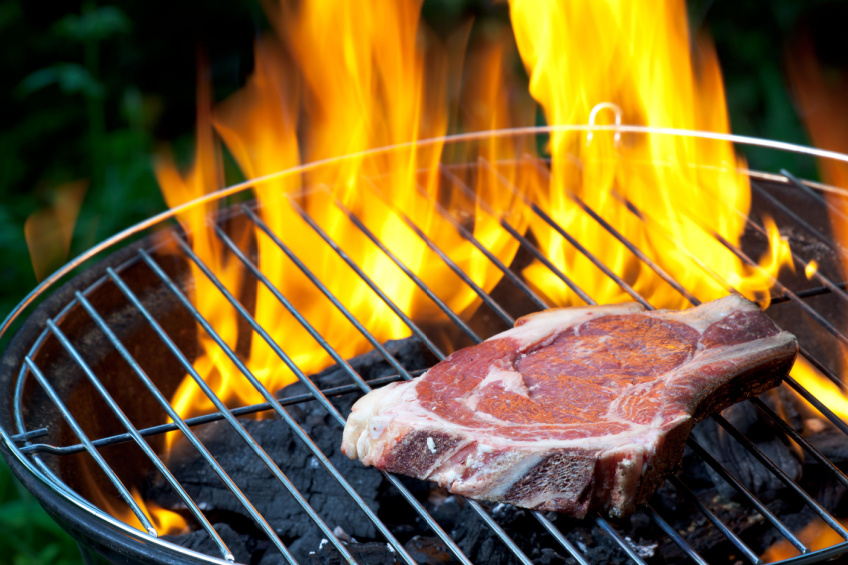
The right tools and techniques can dramatically extend charcoal burning time from 2-4 hours to 6-8 hours.
Proper airflow control and quality equipment make the biggest difference in burn duration.
Charcoal Chimney Starters for Efficient Lighting
A charcoal chimney starter creates the most efficient burn from the start.
This metal cylinder uses airflow to light charcoal evenly without lighter fluid.
The chimney starter reduces ignition time by 50% compared to other methods.
It also ensures all coals reach the same temperature at once.
Key benefits include:
- Even heat distribution across all coals
- No chemical taste from lighter fluid
- Faster ignition with better airflow
- Longer overall burn time
Fill the chimney with charcoal and place crumpled newspaper underneath.
Light the paper and wait 15-20 minutes until coals glow red with gray ash.
The concentrated oxygen flow through the chimney creates hotter, more efficient burning.
This leads to coals that burn longer and more consistently.
Best Practices for Maximizing Burn Duration
Airflow control extends burn time more than any other factor.
Close vents partially to reduce oxygen and slow burning.
Choose high-quality lump charcoal over briquettes.
Lump charcoal burns 2-3 hours longer due to its density and lower moisture content.
Essential techniques include:
- Keep the grill lid closed to retain heat
- Add fresh coals gradually instead of all at once
- Arrange coals in a pyramid for better airflow
- Use larger charcoal pieces when possible
Store charcoal in a dry place to prevent moisture absorption.
Wet charcoal burns poorly and creates excessive smoke.
Wind shields protect coals from heat loss in breezy conditions.
They can extend burn time by 30-40% on windy days.
Monitor coal placement throughout cooking.
Push coals together as they burn down to maintain concentrated heat.