Using all burners on a gas grill is not always necessary.
Whether to use all burners depends on the amount of heat required and the type of food being cooked.
Some grilling tasks call for full heat spread evenly across the grill, while others benefit from using just one or two burners for indirect cooking.
Grillers often start by preheating with all burners on to quickly reach the desired temperature, then adjust according to their cooking plan.
This approach allows for versatility, from searing steaks with direct heat to slow-cooking larger cuts on cooler zones.
Understanding when and how to use your grill’s burners makes the cooking process more efficient and effective.
Understanding Gas Grill Burner Functions

Gas grill burners are central to controlling heat and cooking efficiency.
Their operation varies depending on design and fuel type.
Knowing how burners distribute heat and the types available helps users optimize grilling outcomes.
How Burners Operate on a Gas Grill
Gas grill burners ignite propane or natural gas to create flames beneath the cooking surface.
When turned on, gas flows through tubes and mixes with air before ignition.
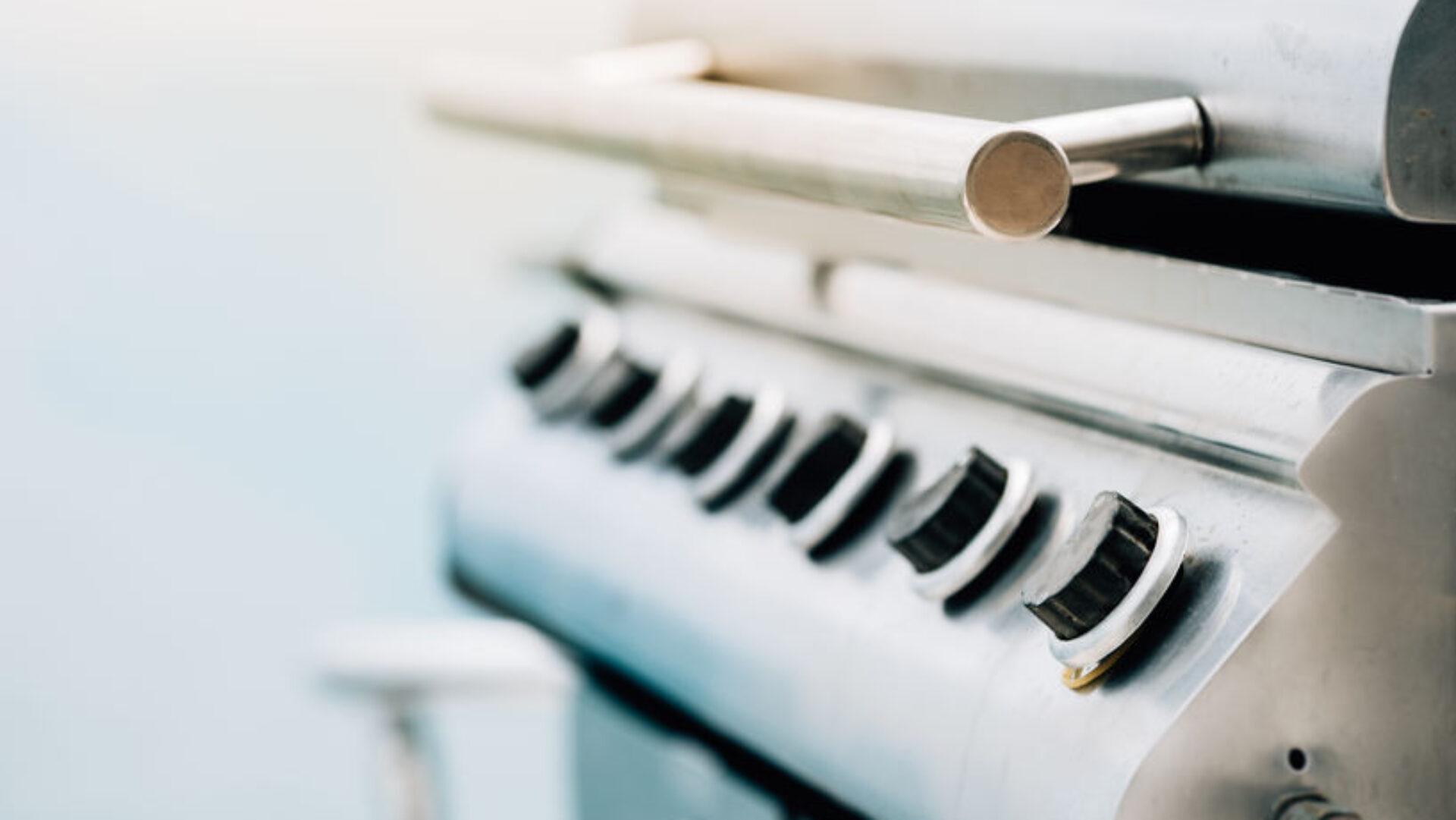
The user controls the flame intensity via knobs that regulate gas volume.
Burners create a direct heat source for cooking.
Proper ignition and flame management ensure consistent temperatures.
Some grills feature individual burner control, allowing for temperature zones or partial burner use.
During operation, burners generate heat that radiates through cooking grates.
Even burner function prevents cold spots, which can affect food quality.
Different Types of Gas Grill Burners
There are several burner types, each suited to different grilling styles:
- Stainless steel burners: Durable, resistant to rust, and provide even heat.
- Casting iron burners: Retain heat well but can corrode without maintenance.
- Tube burners: Common in entry-level grills, offering basic performance.
- Infrared burners: Use radiant heat for fast, intense cooking and searing.
Burner choice impacts heat consistency, grill lifespan, and maintenance needs.
Some grills combine burner types to balance performance and fuel efficiency.
Heat Distribution and Zones
Burners influence heat distribution across the grilling surface.
When all burners are on, heat spreads evenly, minimizing cold spots.
This is ideal for cooking large quantities or multiple foods simultaneously.
Turning on fewer burners creates heat zones.
For example, high heat on one side and lower heat on the other enables indirect cooking and temperature control.
Users can adjust zone configurations based on food type and quantity.
Heat zones help avoid burning delicate items while still achieving proper cooking on other parts.
Do You Have to Use All Burners on a Gas Grill?

Using all burners on a gas grill is not mandatory.
The choice depends on the cooking method, food quantity, and heat distribution needs.
Some situations require full burner use, while others benefit from partial use for better control.
Determining When to Use All Burners
All burners should be used when preheating the grill or cooking large quantities of food.
Igniting all burners heats the grill evenly and quickly, allowing for consistent cooking temperatures across the entire grate.
Full burner use suits grilling multiple items at once or searing large cuts of meat.
It also helps maintain a stable temperature when the grill lid is closed.
Preheating with all burners on high for 10-15 minutes is a common recommendation.
When Partial Burner Use Is Recommended
Partial burner use is useful for two-zone grilling, where one side is hot for searing and the other is cooler for slower cooking.
This method offers more control over cooking times and prevents flare-ups.
Turning off some burners after preheating conserves fuel and reduces the risk of food burning.
For smaller portions or delicate foods, using fewer burners helps avoid excessive heat and uneven cooking.
Using side burners for sauces or sides can free up main burners, optimizing overall grilling efficiency.
Direct vs. Indirect Grilling Methods

There are two main grilling techniques on a gas grill: cooking food directly over the heat source or using a heat zone where the food cooks without being over direct flames.
Each method suits different types of food and cooking goals.
Using Direct Heat with All Burners
Direct grilling involves turning on all the burners and placing the food right over the flames.
This provides high, consistent heat, which is ideal for cooking smaller, thinner cuts like burgers, steaks, or vegetables quickly.
Because the heat is intense and even, the food develops a seared exterior and cooks fast.
Food typically cooks in under 20 minutes using this method.
It requires careful attention to avoid burning or overcooking.
This method uses all burners, consuming more fuel but providing uniform heat across the grill surface.
It is best when fast cooking and char marks are desired.
Indirect Cooking with Selected Burners
Indirect grilling involves turning on only some burners, creating a two-zone fire.
Food is placed on the side without direct flame exposure while the heat circulates around it.
This is best for larger or thicker items like whole chickens, roasts, or ribs.
The temperature is lower and more controlled, reducing the risk of burning the outside while the inside cooks through.
Cooking times are longer, often an hour or more, depending on the food.
By only using certain burners, this method conserves fuel and provides a safer, gentler heat.
Using a drip pan below the food helps prevent flare-ups and manage grease.
 Kingsford Extra Tough Aluminum Grill Liners are durable, disposable liners designed to keep grilling clean and hassle-free.
They prevent food from slipping through the grates and make post-grill cleanup simple.
Each pack includes 4 liners.
Impact on Food Quality and Cooking Results

Using all burners or only some affects how food cooks and tastes.
Heat distribution and control over cooking temperature play key roles in delivering desired results.
Different burner usage suits varying food types and portion sizes.
Flavor and Texture Differences
When all burners are on, the grill reaches a higher and more consistent temperature, which can enhance searing.
This creates a well-developed crust on meats, locking in juices and improving texture.
Using fewer burners allows for lower, gentler heat, better suited to delicate foods like vegetables or thin cuts of fish.
It minimizes the risk of burning or drying out these items.
Indirect heat zones created by turning off some burners encourage slower cooking.
This method can deepen flavors and tenderize tougher meats without charring.
Evenness of Cooking
Activating all burners provides uniform heat across the grill surface, eliminating cold spots.
This supports even cooking, especially when grilling multiple items simultaneously.
Partial burner use can cause uneven heating, requiring more attention to food placement and frequent turning.
It may result in hot and cool zones that affect cooking times and consistency.
Balancing burners based on food quantity and type helps maintain the desired cooking environment.
Proper burner control improves food quality and reduces guesswork during grilling.
Safety Considerations When Using Burners

Proper handling of gas grill burners is essential to prevent accidents and ensure safe cooking.
Key safety measures include controlling flare-ups and recognizing hot spots, plus following correct procedures for lighting and turning off burners.
Managing Flare-Ups and Hot Spots
Flare-ups happen when grease or fat drips onto the burner flames, causing sudden bursts of fire.
To reduce flare-ups, it is important to trim excess fat from meats and keep the grill clean of grease buildup.
Using indirect heat by turning off some burners or adjusting burner levels can help control hot spots where heat is unevenly concentrated.
Hot spots can burn food and increase fire risk.
Regularly check the grill surface for unusually hot areas by holding your hand above it at cooking height—move food or adjust burners accordingly.
Having a spray bottle with water nearby can help quickly extinguish small flare-ups without lowering grill temperature significantly.
Safe Ignition and Shutdown Practices
When lighting burners, always open the grill lid first to prevent gas buildup and possible explosion.
Use the ignition button or a long-handled lighter designed for grills, avoiding matches or short lighters near the gas.
Before lighting, ensure the gas supply is properly connected and no leaks exist by applying a soap and water solution to joints and watching for bubbles.
After cooking, turn burners off before shutting off the propane supply to prevent gas leaks.
Allow the grill to cool completely and clean burner tubes and surfaces regularly to avoid blockages that could cause uneven flames or flare-ups.
Energy Efficiency and Fuel Consumption

Using all burners on a gas grill raises fuel use because more gas is needed for full heat coverage.
Adjusting the number of burners directly impacts both energy use and environmental effects.
Understanding how to manage burner use can optimize fuel savings and reduce emissions.
Fuel Savings with Fewer Burners
Operating fewer burners on a gas grill reduces fuel consumption significantly.
When cooking small meals or fewer items, using only one or two burners provides enough heat without wasting gas on unused areas.
This approach increases efficiency by concentrating heat where it’s needed and avoids unnecessary fuel burn.
Additionally, lower burner usage decreases the frequency of refilling gas tanks.
Users can save fuel by adjusting heat zones, turning off idle burners, and using grill covers to retain heat.
This practice reduces overall cooking costs without sacrificing cooking quality or time when heat is managed properly.
Environmental Considerations
Burning less fuel by using fewer burners lowers greenhouse gas emissions.
Gas grills consume propane or natural gas, both of which produce carbon dioxide when burned.
By minimizing fuel use, grills emit less CO₂ into the atmosphere, reducing their environmental impact.
This contributes to better air quality and supports sustainability efforts.
Efficient burner use also decreases wear on gas tanks and infrastructure, promoting longer-lasting equipment and less waste.
Responsible grilling practices align with energy conservation goals and environmentally aware cooking habits.
Cleaning and Maintenance Tips for Burners

Keeping gas grill burners clean and well-maintained ensures consistent heat distribution and extends the grill’s lifespan.
Attention to proper cleaning methods and regular performance checks can prevent clogs and uneven flames.
Proper Burner Cleaning Techniques
Before cleaning, the grill must be completely cool and disconnected from the gas source.
Burners should be removed carefully if the manufacturer’s instructions allow it.
Use a soft brush or cloth to remove debris from the burner ports.
Avoid using metal brushes that can damage the burner’s surface and lead to rust.
A small wire or a paperclip helps clear clogged holes without enlarging them.
Soaking burners in warm, soapy water can loosen grease and grime.
After soaking, rinse thoroughly and dry completely to prevent rust formation.
Wipe the burner exterior with a damp cloth to remove any remaining residue.
Maintaining Burner Performance
Regular inspection is key to maintaining burner function.
Look for signs of corrosion, rust, or blockages in the burner tubes before each grilling season.
Ensure burner alignment and secure attachment to the grill to avoid gas leaks or uneven heating.
Check that the flame is steady and blue; yellow or irregular flames indicate a need for cleaning or adjustment.
Using the grill with all burners on low or medium heat during maintenance helps avoid overheating any single burner.
Periodic cleaning and troubleshooting extend burner life and provide efficient, safe grilling every time.
Troubleshooting Common Burner Issues

Burner problems often result in uneven heating or failure to light, affecting the grilling experience.
Addressing these issues effectively requires identifying specific symptoms and understanding their causes.
Diagnosing Uneven Heating
Uneven heat across the grill surface usually signals clogged or dirty burners.
Grease, food debris, and rust can block gas flow, causing some burners to produce weaker flames.
To diagnose uneven heating:
- Inspect Burner ports for clogging or discoloration.
- Clean burners with a brush or compressed air to remove debris.
- Check gas flow by confirming the propane tank is full and the regulator is functioning properly.
- Rotate burner use; if some burners consistently underperform, they may need replacement.
Uneven heating can also result from misaligned burners or warped heat shields.
Ensuring proper assembly and replacing damaged parts improves heat distribution.
Understanding Burner Malfunctions
Burner malfunctions like failure to ignite or low flame strength often stem from ignition system problems or fuel supply issues.
Common causes include:
- Faulty igniter: Worn or dirty ignition electrodes can prevent sparking.
- Gas supply interruption: A kinked hose, empty propane tank, or defective regulator limits gas flow.
- Sticky regulator: This can reduce pressure, leading to weak flames.
- Corroded burners: Rust can block gas jets or cause leaks.
Testing involves checking connections, cleaning components, and replacing damaged parts.
Safety precautions such as turning off gas before inspection are essential.
Choosing the Right Burner Setup for Your Recipe
 The choice of burner configuration depends on the type of food being grilled and the size of the grill itself.
Using only the necessary burners can optimize heat control, energy use, and cooking outcomes.
Matching Burner Use to Different Foods
For quick-cooking items like vegetables or thin cuts of meat, using one or two burners on a moderate heat setting is often sufficient.
This prevents excessive heat, reducing the risk of burning or drying out the food.
When grilling larger or thicker cuts, turning on all burners creates even heat distribution.
This helps cook food thoroughly without cold spots or flare-ups.
Using indirect heat with some burners off can also be effective for slow-cooking or smoking.
Adjusting burners to match the specific heat requirement of the food improves control and consistency during grilling.
Adapting Burner Use to Grill Size
On smaller grills, fewer burners may be available, so it’s practical to use them all for balanced heat.
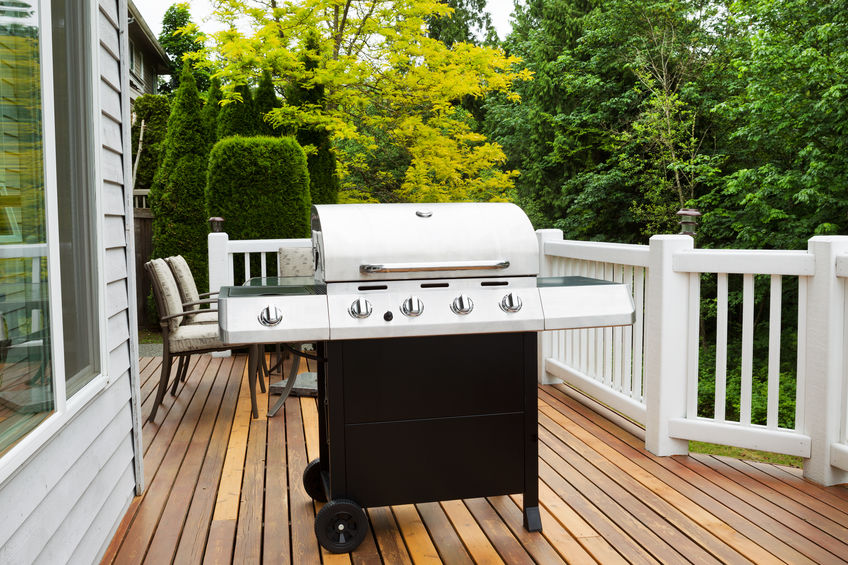
Larger grills often feature multiple burners that allow zones for both direct and indirect cooking.
Using only part of a large grill can save fuel and prevent unnecessary heat.
Turning off unused burners and closing the lid maintains temperature and avoids uneven cooking.
Choosing burner use based on grill dimensions helps manage cooking space and heat distribution efficiently.