


When shopping for a new grill, many people wonder if spending thousands of dollars on premium brands actually makes a difference.
Cheap grills can cost under $200, while luxury models reach $10,000 or more.
This huge price gap raises an important question about value.
High-end grills are worth the investment for serious cooks who prioritize performance, durability, and advanced features, but they’re not necessary for casual grilling.
The key lies in understanding what drives these price differences and whether those benefits match your cooking needs.
This analysis examines what makes expensive grills cost so much, reviews top premium brands, and compares performance factors to help readers decide if luxury grilling equipment fits their budget and lifestyle.
The goal is to cut through marketing claims and focus on real-world value.
What Makes a Grill Expensive?

Expensive grills command higher prices due to premium construction materials like 304 stainless steel.
They also feature sophisticated engineering and advanced cooking technology that budget models simply cannot match.
Premium Materials and Build Quality
The grade of stainless steel separates expensive grills from budget options.
Premium grills use 304 stainless steel, which resists rust and corrosion far better than lower grades found in cheap models.
This high-grade steel costs more but lasts decades without deteriorating.
Budget grills often use thin metal that warps under heat and rusts within years.
Key material differences include:
- Thicker gauge steel construction (14-16 gauge vs 20+ gauge)
- Cast iron or heavy-duty stainless steel grates
- Ceramic briquettes instead of cheap heat shields
- Rust-resistant hardware and fasteners
The frame construction also differs significantly.
Luxury grill manufacturers weld joints properly and use reinforced supports.
Cheaper grills rely on thin metal and plastic components that break easily.
These materials directly impact durability.
A premium grill built with quality steel and proper welding techniques operates reliably for 15-20 years.
Budget models typically need replacement every 3-5 years.
Distinctive Design and Craftsmanship
Premium grills feature sophisticated engineering that goes beyond basic cooking functions.
The design process involves careful planning for heat distribution, airflow, and user experience.
Luxury grill manufacturers invest in attractive control panels with precision knobs and lighting systems.
These replace the basic plastic controls found on cheaper models.
Design elements that increase costs:
- Sleek stainless steel exteriors with polished finishes
- Ergonomic handles and well-designed storage areas
- Professional-grade hinges and wheels
- Integrated lighting systems
The manufacturing process requires skilled workers and quality control measures.
Each grill undergoes testing to ensure proper assembly and function.
Premium brands also focus on aesthetics.
These grills complement outdoor kitchens and patios with stylish appearances that justify their higher prices.
Advanced Grill Features and Technology
High-end grills include sophisticated grill features that transform the cooking experience.
Multiple burners allow different temperature zones for various cooking methods.
Advanced features include:
- Built-in rotisserie systems with motors
- Side burners for additional cooking space
- Infrared searing stations for high-heat cooking
- Precise temperature controls and gauges
These features require additional engineering and components.
A rotisserie system needs a motor, mounting hardware, and specially designed burners for indirect cooking.
Premium grills often include smoking capabilities built into the design.
This eliminates the need for separate smoker equipment.
Temperature control systems in expensive grills provide exact heat management.
Users can maintain specific temperatures for different cooking techniques like slow roasting or high-heat searing.
The technology integration costs significantly more than basic burner systems found in budget grills.
Key Performance Factors: Is the Price Justified?

Premium grills justify their higher costs through superior heat distribution systems that eliminate hot spots.
They also offer precise temperature control with digital monitoring and specialized features like infrared burners that reach 900°F for restaurant-quality searing.
Heat Distribution and Retention
Even heat distribution separates expensive grills from budget models.
Premium grills use thick stainless steel heat plates and ceramic distributors to spread heat evenly across the cooking surface.
Budget grills often create temperature variations of 100°F or more.
High-end models maintain differences within 25°F across the entire cooking area.
Cast iron grill grates in expensive grills retain heat better than thin chrome-plated alternatives.
These heavy grates store thermal energy and release it consistently during cooking.
Heat retention improves with double-wall construction found in premium models. Insulated fireboxes maintain internal temperatures even when lids open frequently.
This design reduces fuel consumption by 15-25% compared to single-wall budget grills.
Better insulation also keeps exterior surfaces cooler for safety.
Thick gauge materials resist warping under high temperatures.
Premium grills use 12-16 gauge stainless steel versus 18-20 gauge in budget models.
Temperature Control and BTU Output
Digital temperature controls in expensive grills provide precise heat management within 5-10 degrees.
Multiple temperature probes monitor different cooking zones simultaneously.
Basic grills rely on simple dial controls with less accurate temperature readings.
Premium models often include smartphone connectivity for remote monitoring.
BTU output alone doesn’t determine grill quality.
The BTU-to-cooking-area ratio matters more than total power.
| Grill Type | BTU per Square Inch | Temperature Range |
|---|---|---|
| Budget | 60-80 | Limited zones |
| Premium | 80-120 | Multiple zones |
Multi-zone cooking allows different temperatures across the same grill.
Expensive models feature independently controlled burner sections.
Users can sear steaks at high heat while keeping vegetables warm on lower settings.
This versatility eliminates the need for timing all foods identically.
Precision gas valves in premium grills eliminate pressure fluctuations common in budget models.
These components maintain consistent fuel flow for steady temperatures.
Infrared Burners and Smoker Boxes
Infrared burners reach temperatures exceeding 900°F for professional searing results.
These specialized burners use ceramic plates to convert gas flames into intense radiant heat.
Standard burners typically max out around 600-700°F.
Infrared technology creates restaurant-quality grill marks and locks in meat juices more effectively.
Installation costs add $200-500 to the grill price.
However, the cooking performance improvement justifies this expense for serious grillers.
Smoker boxes in expensive grills include dedicated wood chip compartments with controlled airflow systems.
These maintain consistent smoke production at 225-250°F for hours.
Budget grills require separate smoker attachments or makeshift foil packets.
Built-in systems provide better temperature control and smoke distribution.
Rotisserie compatibility often comes standard with premium smoker features.
Heavy-duty motors handle 15+ pound roasts with counterbalanced spits.
The combination of infrared searing and smoking capabilities transforms a single grill into a complete outdoor cooking system.
Top Expensive Grill Brands Reviewed
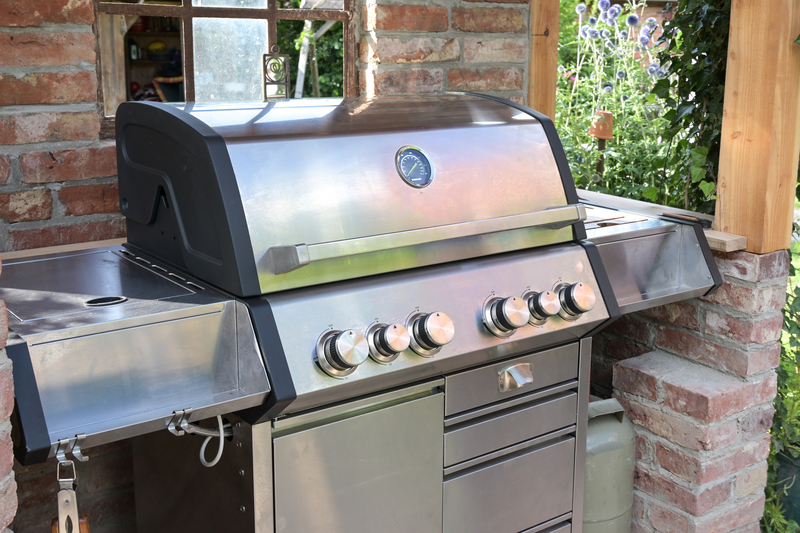
Premium grill brands like Weber and Napoleon dominate the gas market with superior construction and extensive warranties.
Traeger, meanwhile, revolutionized pellet grilling with WiFi-enabled technology.
Bull and Blaze Grills bring commercial-grade performance and professional craftsmanship to outdoor kitchens at competitive prices.
WEBER GRILLS: THE ICONIC CHOICE
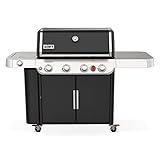 Weber remains the most trusted and recognized name in outdoor cooking, and the Weber Genesis E-435 represents the brand’s latest evolution in performance and design.
Engineered for serious grillers, the Genesis E-435 combines powerful heat output, advanced searing capability, and Weber’s legendary build quality.
This model features four high-performance stainless steel burners that produce up to 48,000 BTUs, along with a dedicated sear zone and side burner for unmatched versatility.
Its expansive cooking surface and upgraded grease management system make it ideal for both everyday meals and large gatherings.
Weber’s long-standing reputation is built on quality, reliability, and innovation.
With proper maintenance, their grills routinely deliver 15–20 years of consistent performance.
Key Weber advantages:
- Industry-leading warranty and support
- Wide dealer and parts network
- Proven long-term durability
- Extensive accessory and upgrade options
The Genesis E-435 starts around $1,400, offering professional-grade cooking performance and premium features at a competitive price.
Thanks to Weber’s enduring craftsmanship and brand prestige, these grills also maintain excellent resale value over time.
Napoleon Grills: A Step Up in Features
Napoleon grills offer premium features that rival brands costing twice as much.
Their Prestige PRO series includes advanced infrared burners and LED-lit control knobs for night grilling.
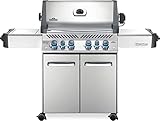 The Prestige PRO 500 delivers 48,000 BTUs through four main burners plus an 18,000 BTU infrared rotisserie system.
Napoleon’s wave cooking grids create distinctive sear marks while preventing food from falling through.
Napoleon provides a lifetime warranty on major components.
This coverage exceeds most competitors and demonstrates confidence in their construction quality.
Napoleon’s standout features:
- Infrared side and rear burners
- Stainless steel wave cooking grids
- Integrated smoker trays
- LED Spectrum night lighting
Napoleon grills typically cost 20-30% less than comparable Weber models.
The brand originated in Canada and focuses on innovative cooking technology rather than just brand recognition.
Traeger and Pellet Grills: Flavor and Technology
Traeger created the pellet grill category and continues leading with WiFIRE technology that allows smartphone control of temperature and cooking times.
Their Ironwood and Timberline series represent the premium end of pellet grilling.
Pellet grills burn compressed wood pellets to create both heat and smoke flavor.
Traeger grills maintain temperature within 15 degrees automatically through digital controllers.
Traeger advantages:
- Set-and-forget temperature control
- Natural wood smoke flavor
- Versatility for grilling, smoking, baking, and roasting
- Large cooking capacity
Traeger grills start around $800 for basic models but premium versions reach $3,000.
The convenience factor appeals to busy cooks who want smoky flavor without constant monitoring.
 A prime example of Traeger grills is the Traeger Pro 780 Wood Pellet Smoker Grill.
It’s a 6-in-1 powerhouse, that lets you smoke, grill, bake, roast, braise, and BBQ with ease.
With 780 sq. in. of cooking space, a dedicated sear zone, and WiFIRE® smartphone control, it delivers precision and convenience for any backyard chef.
Built with durable steel and porcelain-coated grates, plus an 18-lb pellet hopper with easy cleanout, the Pro 780 combines professional performance with hassle-free operation.
Perfect for family meals or entertaining, it’s ideal for anyone who wants smart, flavorful, and versatile outdoor cooking.
Highlights:
-
6-in-1 cooking versatility
-
780 sq. in. grilling area with sear zone
-
WiFi and app-enabled control
-
Durable construction and easy pellet management
For backyard chefs seeking a reliable, connected, and all-in-one grilling solution, the Traeger Pro 780 delivers professional-grade performance.
It combines modern technology with convenience, making every cookout effortless and delicious.
BULL GRILLS: THE OUTDOOR COOKING POWERHOUSE
Bull Grills designs professional-grade outdoor cooking equipment built for performance, precision, and longevity.
Their flagship Angus model offers four cast stainless steel burners, a rotisserie system, and up to 75,000 BTUs of cooking power—delivering restaurant-quality results in your backyard.
Constructed from heavy 304 stainless steel, Bull Grills are engineered to withstand the elements without rusting or warping.
Each grill features solid stainless cooking grates, double-walled hoods, and proprietary ReliaBull flame technology for even heat distribution across the entire surface.
Bull’s innovative ignition and temperature control systems make operation smooth and reliable.
The company backs its craftsmanship with lifetime warranties on major components, reflecting their commitment to quality and customer trust.
Bull Grills advantages:
- Full 304 stainless steel construction
- Powerful and even heat distribution
- Lifetime warranty on key components
- Professional-grade performance for home use
Bull Grills compete with premium outdoor cooking brands at a fraction of the price while maintaining commercial durability and precision.
Sold through trusted retailers and direct channels, Bull delivers enduring performance and superior value for serious grillers.
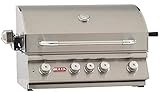 The Bull Angus 75,000 BTU Grill Head is a prime example of Bull’s commitment to commercial-grade outdoor cooking.
Built from 304 stainless steel and featuring four high-performance burners, this grill delivers 810 sq. in. of cooking space—ideal for large gatherings or backyard BBQ enthusiasts.
Equipped with twin lights for nighttime grilling and a rotisserie kit for slow-roasting meats, the Angus model combines versatility with raw grilling power.
Its durable construction ensures long-term reliability, while precision burners provide even heat distribution for consistently excellent results.
Highlights:
-
4 stainless steel burners producing 75,000 BTUs
-
810 sq. in. total cooking area
-
Twin lights for nighttime grilling
-
Rotisserie kit for versatile cooking
-
Heavy-duty 304 stainless steel construction
The Bull Angus Grill Head offers professional-grade performance and durability, making it an ideal choice for serious backyard chefs.
With ample cooking space, powerful burners, and premium features, it brings restaurant-quality grilling to any outdoor kitchen.
BLAZE GRILLS: THE PROFESSIONAL CHOICE FOR OUTDOOR COOKING
Blaze Grills engineers premium gas grills that blend commercial-grade performance with modern backyard convenience.
Their Professional LUX series features cast stainless steel burners, heat zone separators, and illuminated control knobs—delivering both power and precision for serious outdoor chefs.
Built entirely from 304 stainless steel, Blaze Grills are designed for durability and year-round outdoor use.
Every model includes heavy-duty stainless cooking rods, flame-stabilizing grids that minimize flare-ups, and double-lined hoods for superior heat retention.
Blaze’s innovative heat zone system allows users to cook multiple dishes at different temperatures simultaneously.
Combined with a lifetime warranty and direct factory support, Blaze ensures long-term reliability and customer satisfaction.
Blaze Grills benefits:
- Full 304 stainless steel construction
- Distinct heat zones for versatile cooking
- Lifetime warranty on main components
- Premium performance at competitive pricing
Blaze Grills deliver the power, precision, and style of commercial-grade equipment at a lower cost than many top-tier competitors.
Built for enthusiasts and professionals alike, Blaze turns any outdoor space into a gourmet kitchen.
 The Blaze Professional LUX 34-Inch 3-Burner Gas Grill is a prime example of Blaze’s commitment to durable, high-performance outdoor cooking equipment.
It’s a high-performance grill built for serious backyard chefs.
Its three stainless steel burners deliver even heat across the 648 sq. in. cooking surface, while the rear infrared burner provides intense searing for steaks, chops, and other cuts.
Constructed from 304 stainless steel, this grill is designed for durability and year-round outdoor use.
Features like heavy-duty cooking grates, flame-stabilizing grids, and a double-lined hood ensure consistent heat and professional-grade results.
Highlights:
-
3 main stainless steel burners + rear infrared sear burner
-
648 sq. in. cooking area
-
Durable 304 stainless steel construction
-
Even heat distribution and professional-grade performance
The Blaze Professional LUX 34-Inch gas grill combines power, precision, and durability, making it a top choice for backyard chefs who want restaurant-quality results at home.
Whether searing steaks or slow-cooking a full meal, this grill delivers consistent, high-performance results every time.
Comparing Expensive and Cheap Grills
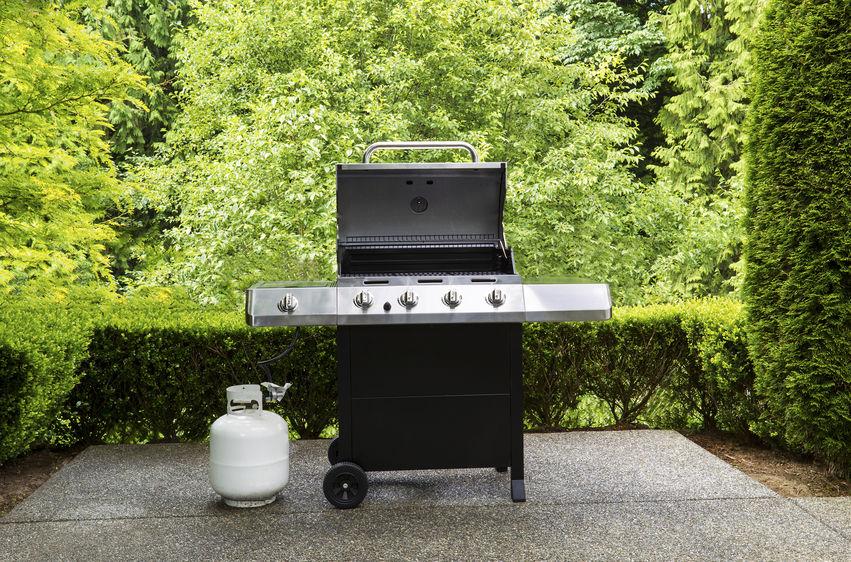
Expensive grills use thicker stainless steel and cast iron parts that resist rust and warping, while budget models rely on thin metal that breaks down quickly.
High-end grills also provide better temperature control and more cooking options than cheap alternatives.
Material Longevity and Durability
Expensive grills use heavy-gauge stainless steel construction that resists rust and corrosion.
The grates are made from cast iron or thick stainless steel that holds heat well and lasts for years.
Budget grills often use thin sheet metal that warps under high heat.
The cooking grates are typically lightweight and prone to rust after a few seasons of use.
High-end models feature ceramic briquettes for heat distribution instead of cheap heat shields.
These ceramic pieces store heat better and don’t rust like metal shields do.
The hinges, wheels, and legs on expensive grills use solid construction materials.
Cheap grills rely heavily on plastic parts that crack and break over time.
Gas grills in the premium category include brass or stainless steel burners.
Budget gas grills use painted steel burners that rust when exposed to moisture and grease.
Performance and Cooking Experience
Expensive grills provide precise temperature control through quality valves and multiple burner zones.
Users can maintain exact cooking temperatures for different types of food.
Cheap grills struggle with hot spots and uneven heating.
The thin construction allows heat to escape, making it hard to maintain steady temperatures.
High-end models offer multiple cooking methods in one unit. Features include rotisserie systems, side burners, and smoking capabilities that expand cooking options.
Budget grills typically provide basic grilling only.
They lack advanced features like infrared searing burners or built-in temperature gauges.
The heat retention in expensive grills means faster cooking times and better fuel efficiency.
Gas grills in the premium range use less propane to achieve the same results as budget models.
Availability of Parts and Aftercare
Expensive grills from established brands offer replacement parts for many years after purchase.
Manufacturers stock burners, grates, and other components to keep grills running.
Cheap grills have limited parts availability.
Most budget manufacturers only provide basic replacement parts like burners and heat shields.
High-end grill companies provide detailed manuals and customer support.
They help users troubleshoot problems and find the right replacement parts.
Finding valves, manifolds, or control knobs for budget models can be difficult or impossible.
Users often need to replace the entire grill when key components fail.
Premium gas grills include warranties that cover parts and labor for several years.
Budget models typically offer minimal warranty coverage with limited support options.
An Affordable Yet High-Performing Grill: The Electactic 3-Burner Propane Gas Grill
 For those seeking a reliable grill without breaking the bank, the Electactic 3-Burner Propane Gas Grill with Side Burner stands out as an excellent choice.
Priced competitively, it offers impressive features that rival more expensive models.
Key Features:
-
Powerful Cooking Performance: Equipped with three 8,000 BTU main burners and a 10,000 BTU side burner, this grill delivers a total of 34,000 BTUs, ensuring quick heating and even heat distribution for efficient cooking.
-
Durable Construction: The grill boasts a combination of stainless steel and cast iron grates, providing durability and excellent heat retention for perfect sear marks.
-
Portability and Convenience: Designed with portability in mind, it features wheels for easy mobility, making it suitable for both backyard gatherings and camping trips.
-
Versatile Cooking Options: The side burner allows for additional cooking tasks, such as preparing side dishes or sauces, enhancing the grilling experience.
Why It’s Ideal for Budget-Conscious Grilling Enthusiasts:
 The Electactic 3-Burner Propane Gas Grill combines affordability with functionality, making it a smart investment for those who want quality grilling without a hefty price tag.
Its robust construction, ample cooking power, and added features like the side burner and portability make it a standout option in the budget-friendly category.
Types of Grills: Does Style Affect Value?
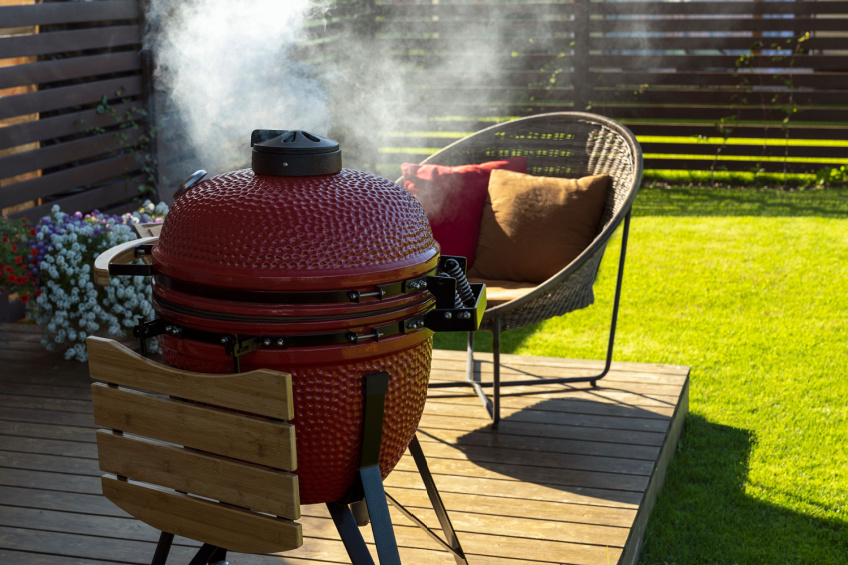
Different grill types offer varying levels of performance and features that directly impact their value.
Gas grills dominate the premium market with advanced temperature control, while pellet grills bring modern convenience and electric options provide urban-friendly solutions.
Gas Grills: Power and Versatility
Gas grills lead the high-end market because they offer precise temperature control and consistent heat distribution.
Premium gas models from Weber, Napoleon, and Char-Broil provide multiple burner zones that create different cooking temperatures across the same surface.
Professional-grade gas grills feature BTU outputs ranging from 30,000 to 80,000 across multiple burners.
This power allows for quick searing at high temperatures while maintaining lower heat zones for slower cooking methods.
High-end gas models include infrared burners that reach temperatures above 900°F.
These specialized burners create restaurant-quality sear marks and lock in juices more effectively than standard burners.
Advanced features in premium gas grills include:
- Digital temperature displays
- Built-in meat thermometers
- Rotisserie systems with heavy-duty motors
- Side burners for sauce preparation
The convenience factor makes gas grills worth the premium price for frequent users.
Push-button ignition and instant heat adjustment eliminate the time and effort required for charcoal preparation.
Pellet and Electric Grills: New Innovations
Electric grills represent the newest innovation in outdoor cooking technology.
These units use electricity to power heating elements and automated systems that maintain precise temperatures without manual adjustment.
Pellet grills combine the convenience of electric controls with wood-fired flavor.
They automatically feed wood pellets into a burn chamber based on temperature settings.
Premium models cost $800 to $3,000 and offer smartphone connectivity.
Electric grills work well for apartment balconies and areas with fire restrictions.
High-end electric models provide even heat distribution and eliminate flare-ups that can char food.
Smart technology features include:
- WiFi connectivity for remote monitoring
- Pre-programmed cooking settings
- Automatic pellet feeding systems
- Temperature alerts sent to smartphones
The main limitation is power requirements.
Electric grills need 110V or 220V outlets, which limits placement options compared to portable gas or charcoal units.
Charcoal and Other Options
Charcoal grills remain popular among cooking enthusiasts who prioritize flavor over convenience.
Premium charcoal models use ceramic construction that retains heat and moisture better than steel alternatives.
Ceramic kamado grills cost $800 to $2,500 but provide exceptional temperature control.
The thick ceramic walls maintain steady temperatures for both high-heat searing and low-temperature smoking sessions lasting several hours.
Traditional kettle-style charcoal grills from Weber offer proven performance at lower prices.
The basic design has changed little because it works effectively for most grilling needs.
 This Ceramic Kamado Charcoal BBQ Grill and Smoker is perfect for backyard chefs who crave versatility and flavor.
Its ceramic construction locks in heat for even cooking, while the stainless steel grates make grilling and smoking effortless.
With the ability to slow-smoke or sear at high temperatures, this grill delivers restaurant-quality results every time.
Hybrid models combine multiple fuel types in one unit.
These grills allow users to switch between gas, charcoal, or wood depending on cooking requirements and desired flavors.
Charcoal requires more time and skill than gas or electric options.
Users must light coals, manage airflow, and add fuel during longer cooking sessions.
What to Consider Before Investing in a Premium Grill

Smart buyers evaluate their cooking habits and usage patterns before purchasing expensive grills.
Understanding the true cost of ownership helps determine whether premium models deliver sufficient value over their 10-15 year lifespan.
Assessing Your Grilling Needs
The frequency of grill use directly impacts whether premium grills justify their higher cost.
Buyers who grill once or twice per month may not benefit from advanced features that expensive grills offer.
Heavy users who grill 3-4 times weekly or entertain regularly see the greatest return on investment.
These cooks utilize precise temperature control, multiple cooking zones, and enhanced heat distribution that premium models provide.
Consider the types of cooking most commonly performed.
Basic burgers and hot dogs require minimal features that standard grills handle adequately.
Complex cooking techniques benefit from premium features:
- Rotisserie cooking requires heavy-duty motors
- Smoking needs dedicated chambers and temperature control
- Searing demands infrared burners reaching 900°F
- Multi-zone cooking requires independent burner controls
Cooking space requirements vary based on typical group sizes.
Premium grills offer 600-1,200 square inches of cooking area compared to 300-500 square inches on standard models.
Large families or frequent entertainers benefit from expanded capacity.
Small households may find oversized premium grills wasteful and inefficient for typical cooking needs.
Budget vs. Value: Calculating Long-Term Cost
Premium grills cost $2,000-$8,000 compared to $100-$1,000 for standard models.
The higher initial investment requires analyzing total ownership costs over the grill’s expected lifespan.
Annual cost calculations reveal the true financial impact:
| Grill Type | Initial Cost | Lifespan | Annual Cost |
|---|---|---|---|
| Standard | $500 | 5 years | $100 |
| Premium | $3,000 | 15 years | $200 |
Premium grills require lower maintenance costs due to durable materials and superior construction.
Standard grills need frequent part replacements and repairs that increase ownership expenses.
Replacement frequency significantly affects long-term value.
Buyers purchasing three $500 standard grills over 15 years spend $1,500 plus replacement costs and disposal fees.
Fuel efficiency in expensive grills provides 15-25% better performance than standard models.
Heavy users save $50-$100 annually on propane or natural gas costs.
Warranty coverage reduces unexpected repair expenses.
Premium models include 10-20 year warranties compared to 1-3 years on budget options.
This extended coverage protects against component failures and manufacturing defects that commonly occur outside basic warranty periods.