
This content has been archived. It may no longer be relevant
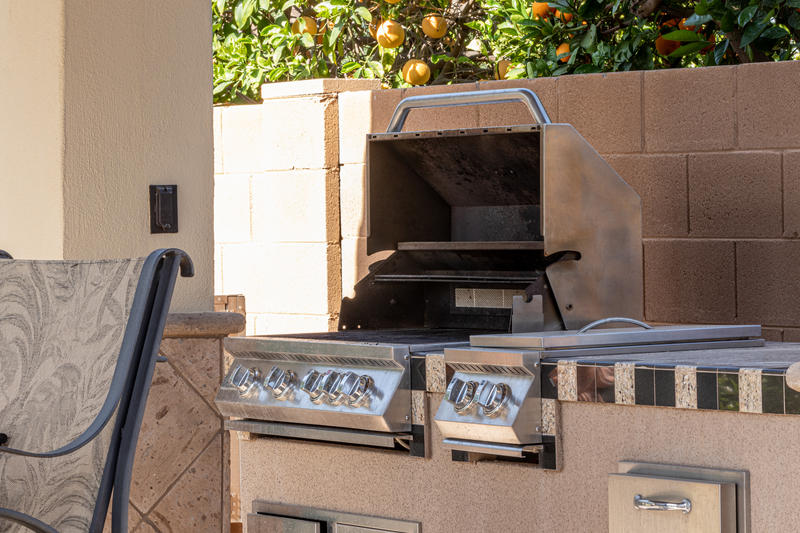
Built-in gas grills represent a significant investment for outdoor cooking enthusiasts, often costing thousands of dollars and becoming a permanent fixture in backyard kitchens.
Understanding their expected lifespan helps homeowners make informed decisions about purchasing, maintaining, and eventually replacing these premium appliances.
Built-in gas grills typically last between 5 to 15 years, with high-end models made from quality stainless steel often reaching the upper end of this range when properly maintained.
The wide variation in lifespan depends on several critical factors including construction materials, frequency of use, maintenance practices, and exposure to weather elements.
This comprehensive guide examines the key components that determine how long a built-in gas grill will serve its owners, explores maintenance strategies that can significantly extend its lifespan, and identifies warning signs that indicate when replacement becomes necessary.
Whether dealing with a current grill showing signs of wear or planning a new outdoor kitchen investment, understanding these factors ensures maximum value from this important cooking appliance.
Average Lifespan of Built-in Gas Grills
Built-in gas grills typically last 10-15 years with proper care, though some high-quality models can reach 20 years or more.
These grills generally outlast their freestanding counterparts due to better construction and protection from outdoor elements.
Typical Years of Service
Most built-in gas grills provide 10 to 15 years of reliable service when properly maintained.
High-quality models with premium materials can last up to 20 years.
The lifespan depends on several key factors.
Material quality plays the biggest role in longevity.
Stainless steel construction resists rust and corrosion better than other materials.
Usage frequency directly affects how long a gas grill lasts.
Heavy daily use shortens the lifespan compared to occasional weekend cooking.
Different components have varying lifespans:
- Burners and ignition systems: 5-10 years
- Grates and cooking surfaces: 5-15 years
- Outer casing and structure: 15+ years
Regular maintenance extends these timeframes significantly.
Cleaning after each use and annual deep cleaning prevent premature wear.
Environmental protection matters too.
Grills under covered patios last longer than those fully exposed to weather.
Comparison to Freestanding Gas Grills
Built-in gas grills typically last 3-5 years longer than freestanding models.
Standard portable gas grills average 5-15 years of service life.
The extended lifespan comes from better construction quality.
Built-in models use thicker materials and more durable components.
They cost more upfront but offer better long-term value.
Protection advantages help built-in grills last longer:
- Integration into outdoor kitchens provides shelter
- Less exposure to wind and rain
- Stable mounting prevents damage from movement
Freestanding gas grills face more harsh conditions.
They experience temperature swings and weather exposure that accelerate wear.
Built-in models also receive better maintenance.
Homeowners invest more care in permanent installations compared to portable units.
The initial investment in a built-in gas grill pays off through extended service life and consistent performance over many years.
Key Factors Affecting Longevity
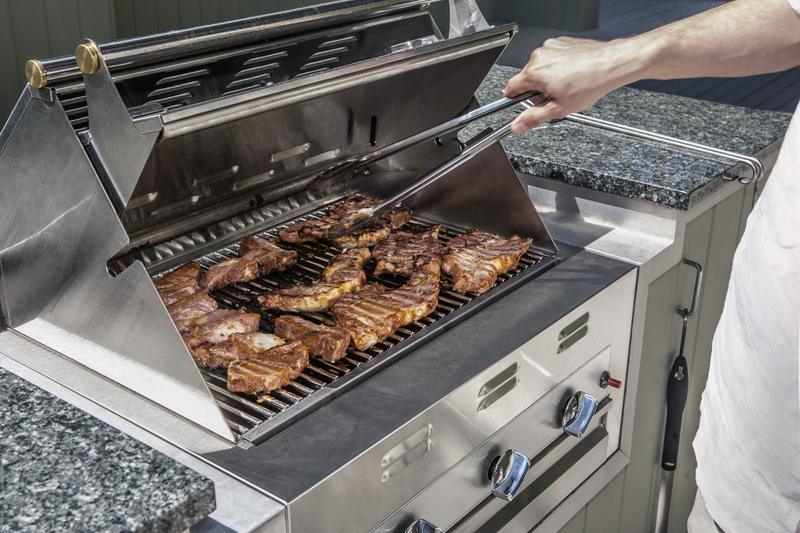
The lifespan of built-in gas grills depends on several critical elements that work together to determine how long the unit will function properly.
Material quality, usage patterns, weather exposure, and installation choices all play significant roles in determining whether a gas grill lasts closer to 5 years or extends beyond 15 years.
Build Quality and Materials
The construction materials used in a built-in gas grill directly impact its durability and longevity.
304-grade stainless steel offers the best resistance to rust and corrosion, while lower-grade materials may deteriorate quickly in outdoor conditions.
Cast iron components provide excellent heat retention and distribution.
They resist warping under high temperatures better than thinner materials.
Brass valves and fittings last longer than plastic or aluminum alternatives.
These components handle gas flow and temperature control, making their durability essential for safe operation.
The thickness of metal components matters significantly.
Thicker gauge steel resists dents, scratches, and heat damage more effectively than thin materials.
Welded joints should be smooth and continuous without gaps or rough spots.
Poor welding creates weak points where rust and structural failure can begin.
Quality burners made from stainless steel or cast iron maintain even heat output longer than cheaper alternatives.
They resist corrosion from grease and moisture that accumulates during cooking.
Frequency and Intensity of Use
Heavy daily use shortens a gas grill’s lifespan compared to occasional weekend cooking.
Constant heating and cooling cycles stress metal components and accelerate wear on moving parts.
High-temperature cooking places additional strain on burners, cooking grates, and internal components.
Frequent searing or extended cooking sessions at maximum heat can cause premature failure.
The type of food cooked affects longevity.
Greasy foods create more residue that can clog burners and cause corrosion if not cleaned regularly.
Multiple users may not follow consistent operating procedures.
This inconsistency can lead to improper temperature settings or neglected maintenance tasks.
Commercial-style cooking loads exceed typical residential design limits.
Using a gas grill for large gatherings regularly may reduce its expected lifespan.
Seasonal usage patterns affect component stress differently than year-round operation.
Equipment used seasonally may face different challenges from storage and startup cycles.
Environmental Exposure
Coastal environments with salt air accelerate corrosion on all metal surfaces, even stainless steel components.
Salt deposits require frequent cleaning to prevent permanent damage.
Rain and moisture penetrate control knobs, electrical connections, and gas fittings.
Standing water causes rust formation and can damage ignition systems.
UV radiation from direct sunlight degrades plastic components, fades finishes, and can weaken seals over time.
Extended sun exposure also heats metal surfaces beyond normal operating temperatures.
Wind carries debris, dust, and moisture into mechanical components.
Strong winds can also damage control knobs and lightweight parts.
Extreme temperature fluctuations cause metal expansion and contraction.
These cycles stress joints, seals, and connections throughout the gas grill structure.
Snow and ice accumulation add weight stress and introduce moisture when melting occurs.
Freezing temperatures can crack water lines and damage valves.
Installation Location Considerations
Proper ventilation prevents heat buildup around the gas grill that can damage surrounding structures and the unit itself.
Enclosed spaces trap heat and accelerate component degradation.
Distance from exterior walls affects heat reflection and airflow patterns.
Too close positioning can create hot spots that stress specific components.
Level installation ensures proper gas flow, even cooking, and prevents stress on mounting hardware.
Unlevel installations cause doors to sag and create operational problems.
Accessibility for maintenance and cleaning directly impacts longevity.
Difficult-to-reach installations often receive less frequent care and develop problems sooner.
Protection from prevailing winds and weather patterns extends component life.
Strategic positioning can reduce direct exposure to harsh environmental conditions.
Electrical connections for lighting and rotisserie motors need weatherproof protection.
Poor electrical installation leads to component failure and safety hazards.
Critical Components and Their Lifespans
Built-in gas grills contain several key components that wear at different rates.
Burners typically last 10-15 years, while cooking grates need replacement every 5-10 years, and ignition systems function reliably for 3-5 years.
Burners: Durability and Wear
The burners form the heart of any built-in gas grill system.
These components distribute heat evenly across the cooking surface.
Stainless steel burners last 10-15 years under normal conditions.
They resist corrosion better than standard steel options.
Cast iron burners provide excellent heat retention.
They require more maintenance to prevent rust formation.
Signs of burner wear include uneven flame patterns and reduced heat output.
Grease buildup can clog burner ports and affect performance.
Regular cleaning extends burner life significantly.
Users should inspect burners monthly for blockages or damage.
- Yellow or orange flames instead of blue
- Cold spots during cooking
- Visible rust or corrosion
- Cracked or warped metal
High-quality burners cost more initially but provide better long-term value.
They maintain consistent temperatures and reduce fuel consumption.
Cooking Grates: Material Matters
Cooking grates endure direct contact with food and extreme temperatures.
Material choice directly affects their lifespan.
| Material | Lifespan | Pros | Cons |
|---|---|---|---|
| Stainless Steel | 7-10 years | Rust resistant, easy cleaning | Moderate heat retention |
| Cast Iron | 5-8 years | Excellent heat retention | Requires seasoning, rusts easily |
| Porcelain-Coated | 5-7 years | Non-stick surface | Coating can chip |
Stainless steel grates offer the best durability for built-in installations.
They withstand weather exposure without special maintenance.
Cast iron grates create superior sear marks but need regular oiling.
They work well in covered outdoor kitchens.
Proper cleaning after each use prevents food buildup and corrosion.
A grill brush removes debris while grates remain warm.
Replacement becomes necessary when grates develop large rust spots or lose structural integrity.
Cracked grates pose safety risks and affect cooking quality.
Ignition System: Reliability Over Time
Modern built-in grills use electronic ignition systems for convenience and safety.
These systems typically function for 3-5 years before requiring attention.
Piezo ignition generates sparks mechanically without batteries.
These systems last longer but require more force to operate.
Battery-powered ignition provides easier operation but needs regular battery replacement.
Corroded battery compartments cause common failures.
Environmental exposure affects ignition reliability.
Moisture and grease buildup interfere with spark generation.
Common problems include:
- Weak or absent sparks
- Clicking without ignition
- Corroded connections
- Damaged electrode tips
Regular cleaning keeps ignition systems functioning properly.
Users should wipe electrodes clean and check connections monthly.
Replacement parts are readily available for most built-in grill models.
Professional installation ensures proper gas line connections and safety compliance.
Drip Pans and Grease Management
Drip pans collect grease and food particles during cooking.
They require regular replacement to maintain hygiene and prevent flare-ups.
Disposable aluminum pans need replacement after 5-10 uses.
They offer convenience but create ongoing costs.
Permanent steel pans last several years with proper cleaning.
They require more maintenance but reduce waste.
Grease buildup creates fire hazards and attracts insects.
Built-in grills often feature grease management systems that channel drippings away from burners.
Maintenance schedule:
- Empty after every 2-3 cooking sessions
- Deep clean monthly with degreasing solution
- Replace when warped or heavily corroded
Proper grease management extends the life of other grill components.
It prevents damage to burners and reduces cleaning requirements for the firebox.
Some built-in models include grease drawers that slide out for easy access.
These systems simplify maintenance and improve safety during cleaning.
Here are 4 Top Built-In Gas Grills
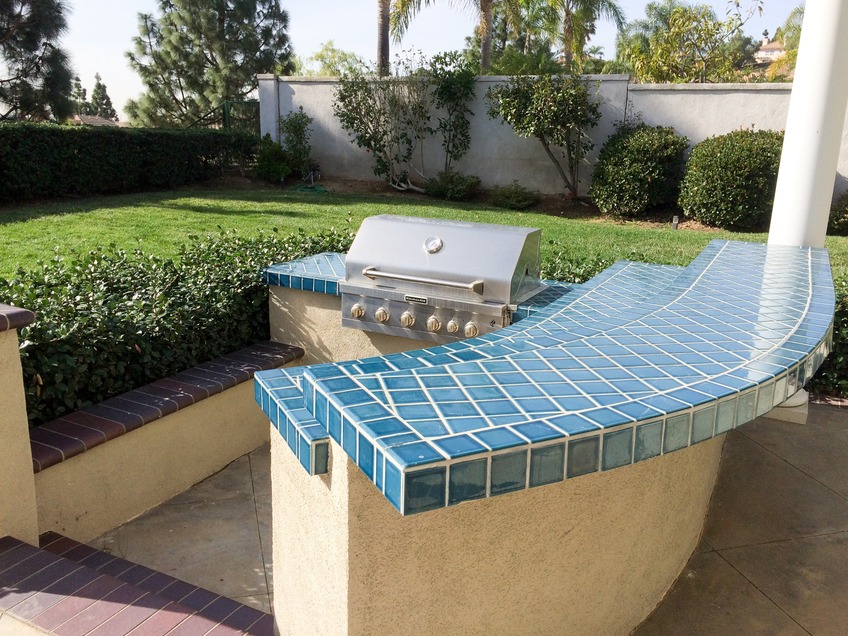
If you’re looking to elevate your outdoor cooking game, a built-in gas grill is an investment worth considering.
They offer power, durability, and a sleek design that integrates seamlessly into any outdoor kitchen.
To help you choose, we’ve rounded up four of the best built-in gas grills highlighting their strengths and things to consider.
Napoleon Prestige PRO 500 Built-In Propane Grill
Why it’s great: The Napoleon Prestige PRO 500 is a premium choice for serious grill enthusiasts.
Its 304 stainless steel construction ensures long-lasting durability, while the four main burners plus an infrared rear burner give you ultimate cooking flexibility.
With a 500 sq. in. main cooking area, it’s perfect for family gatherings or backyard parties.
Features like the flame-throwing ignition and high-quality grates make it reliable and easy to use.
Considerations:
-
Requires ample space and proper gas supply.
-
Premium price point reflects its high-end build.
-
Stainless steel needs occasional cleaning to prevent discoloration.
Blaze Prelude LBM 32-Inch 4-Burner Built-In Propane Grill
Why it’s great: Blaze grills are known for commercial-grade quality, and the Prelude LBM 32-inch model is no exception.
With 56,000 BTUs of total power, four burners, and heat zone separators, you can grill multiple dishes at different temperatures simultaneously.
Its heavy-duty stainless steel construction ensures it withstands the elements, while flame stabilizing grids minimize flare-ups.
Considerations:
-
Large and heavy; requires solid installation.
-
Higher power means increased gas consumption.
-
Premium cost reflects its commercial-grade features.
Bull Outlaw 30-Inch Built-In Natural Gas Grill
Why it’s great: The Bull Outlaw 30-inch grill is designed for big cooks.
Boasting 60,000 BTUs across four burners and a 575 sq. in. cooking surface, it’s ideal for large gatherings.
Its 304 stainless steel construction and welded burners promise durability and strong performance.
Considerations:
-
Requires a natural gas supply (propane may need conversion).
-
Warming rack is smaller, so it’s mostly suited for direct cooking.
-
Regular maintenance needed to keep stainless steel in top condition.
Blaze Prelude LBM 25-Inch 3-Burner Built-In Natural Gas Grill
Why it’s great: For smaller outdoor spaces, the Blaze Prelude 25-inch 3-burner grill is a compact powerhouse.
Offering 42,000 BTUs and top-notch stainless steel build, it delivers strong heat and excellent cooking control.
Flame-stabilizing grids help prevent flare-ups, making it an easy grill for everyday use.
Considerations:
-
Smaller cooking area and fewer burners limit large-scale grilling.
-
Requires a natural gas connection.
-
Cost per square inch can be higher than larger models.
Choosing the right built-in gas grill depends on your space, cooking needs, and gas type.
For large gatherings, the Napoleon Prestige PRO 500 or Bull Outlaw offer plenty of cooking surface and high BTU output.
For compact spaces, the Blaze Prelude 25-inch model is perfect without compromising on performance.
Investing in a quality grill means more than just cooking—it’s about creating memorable moments outdoors. Pick a grill that fits your lifestyle and enjoy the sizzle!
Maintenance Practices to Extend Grill Life

Regular maintenance can double the life of a built-in gas grill from 5-7 years to 10-15 years.
Daily cleaning prevents grease buildup and dangerous flare-ups, while seasonal deep cleaning and proper storage protect against rust and component damage.
Cleaning Routines and Best Practices
Daily cleaning after each use prevents food particles from hardening on grates and burners.
Users should brush grates while still warm to remove stuck food easily.
Post-Cooking Checklist:
- Brush grates with a wire brush or grill scraper
- Wipe down interior surfaces with warm soapy water
- Clean drip pans and grease trays
- Check burner ports for blockages
The exterior requires weekly cleaning with stainless steel cleaner to prevent water spots and corrosion.
Users should avoid harsh chemicals that can damage protective coatings on metal surfaces.
Interior surfaces need attention every 2-3 uses.
Scraping away grease and food debris prevents bacterial growth and maintains proper airflow around burners.
Weekly Tasks:
- Deep clean cooking grates in soapy water
- Empty and wash grease management system
- Inspect gas connections for wear
- Clean control knobs and handles
Protecting Against Grease Buildup and Flare-Ups
Grease buildup creates fire hazards and reduces grill performance.
Fat and oil collect in drip pans, on heat shields, and around burners during normal cooking.
Users should empty grease trays after every 2-3 cooking sessions.
Full trays allow grease to overflow onto burners, causing dangerous flare-ups that can damage grill components.
Grease Management:
- Install disposable drip pan liners for easy cleanup
- Keep water in drip pans to prevent grease fires
- Clean heat deflectors monthly
- Replace damaged grease cups immediately
Trimming excess fat from meat before cooking reduces grease production.
Users can also cook at lower temperatures to minimize fat rendering and splatter.
Regular inspection of grease pathways ensures proper drainage.
Blocked drain holes cause grease to pool in unwanted areas, creating cleaning challenges and fire risks.
Seasonal and Deep Cleaning
Deep cleaning twice per year removes built-up residue that daily maintenance cannot reach.
Spring and fall cleanings prepare the grill for heavy use periods and winter storage.
Users should disassemble removable parts for thorough washing.
Grates, heat shields, and burner covers can soak in warm soapy water while other components are cleaned.
Deep Cleaning Steps:
- Remove all grates and internal components
- Scrub interior walls with degreasing cleaner
- Clean burner tubes with pipe cleaners
- Inspect and clean ignition systems
- Check gas lines for damage or leaks
Annual professional servicing catches problems early.
Technicians can replace worn seals, calibrate temperature controls, and test safety systems that users cannot easily access.
Burner ports require special attention during deep cleaning.
Clogged holes cause uneven heating and poor performance.
Users can clear blockages with thin wire or compressed air.
Covering and Off-Season Storage
A quality grill cover protects against rain, snow, and UV damage during non-use periods.
Covers should fit snugly without touching hot surfaces after cooking.
Cover Selection Criteria:
- Heavy-duty vinyl or polyester construction
- Breathable fabric to prevent moisture buildup
- Secure tie-downs for windy conditions
- UV-resistant materials for sun protection
Users in cold climates should disconnect propane tanks and store them upright in ventilated areas.
Gas lines require inspection for cracks or damage before reconnecting in spring.
Winter preparation includes removing grease, cleaning all surfaces, and ensuring complete dryness before covering.
Moisture trapped under covers causes rust and component failure.
Monthly cover removal during off-season allows air circulation and prevents mold growth.
Users should inspect for pest damage or material deterioration during these checks.
Signs Your Built-in Gas Grill Needs Replacement
Built-in gas grills show clear warning signs when they reach the end of their useful life.
Three major indicators include performance problems with flames, visible damage to the grill structure, and repeated failures of the ignition system.
Decreased Performance and Uneven Flames
Uneven heating across the cooking surface signals serious problems with the burners or gas flow system. Hot spots and cold areas make it impossible to cook food properly.
Flames should burn blue and steady across all burners.
Yellow or orange flames indicate incomplete combustion.
This creates dangerous carbon monoxide and shows the gas grill needs immediate attention.
Common flame problems include:
- Weak flames that won’t stay lit
- Flames that sputter or go out frequently
- Uneven flame patterns across burners
- Flames that won’t reach full height
Blocked burner ports cause these issues.
Food grease and debris clog the small holes over time.
Cleaning may help temporarily, but old burners often need full replacement.
Gas flow problems also reduce performance.
Worn regulators or damaged gas lines restrict fuel delivery.
This makes flames weak and cooking temperatures too low.
Visible Rust or Structural Damage
Rust on the grill body, burners, or cooking grates creates safety hazards.
Surface rust can be cleaned, but deep corrosion weakens the metal structure.
Critical areas to check for rust:
- Burner tubes and ports
- Firebox walls and bottom
- Gas connections and fittings
- Support brackets and frames
Rusted burners are especially dangerous.
They can develop gas leaks or collapse during use.
Holes in burner tubes create uneven flames and potential fire hazards.
Cracks in the firebox or frame mean the grill has lost structural integrity.
These cannot be repaired safely. The heat and gas pressure require a solid, intact structure.
Warped cooking grates or heat deflectors also signal replacement time.
Metal warping shows the grill has been exposed to excessive heat damage.
Frequent Ignition Failures
A reliable ignition system should light the gas grill quickly every time.
Multiple attempts to start the burners indicate worn components.
Ignition problems include:
- Clicking sounds with no flame
- Sparks that don’t ignite the gas
- Some burners lighting while others don’t
- Complete ignition system failure
Electronic igniters typically last 3-5 years with regular use.
They wear out from repeated clicking and exposure to grease and moisture.
Piezo ignition systems are more durable but can fail from corrosion.
The wiring connections often corrode in outdoor conditions.
Manual lighting with matches should work even when automatic ignition fails.
If manual lighting also fails, the problem involves gas flow or burner condition rather than just the ignition system.
Replacing ignition components costs money and time.
Multiple ignition repairs often mean the entire gas grill needs replacement.
Upgrading and Replacing Parts for Longevity
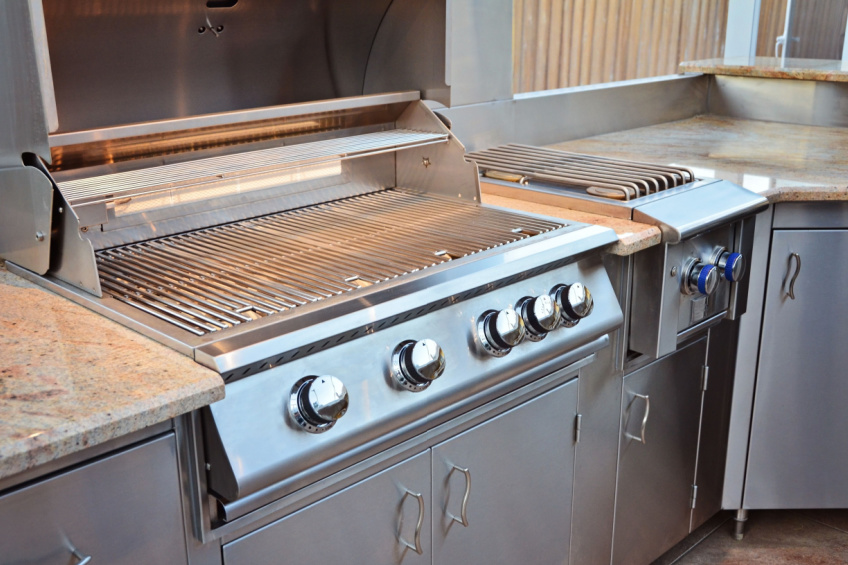
Replacing key components can extend a built-in gas grill’s life beyond its typical 10-15 year span.
Strategic upgrades to burners, grates, ignition systems, and drip pans help maintain performance and safety.
Burner and Grate Replacement
Burners are the heart of any gas grill and typically last 3-5 years with regular use.
Signs of worn burners include uneven flames, yellow flames instead of blue, or rust holes.
Stainless steel burners offer the best durability compared to cast iron or aluminum options.
They resist corrosion better and maintain consistent heat output.
Cooking grates require replacement every 2-4 years depending on material and maintenance.
Cast iron grates provide excellent heat retention but need more care to prevent rust.
Stainless steel grates are easier to clean and last longer.
Porcelain-coated grates offer good performance but can chip over time.
When replacing grates, measure the cooking area carefully.
Most built-in grills use standard sizes, but custom grills may need specific measurements.
Ignitor and Drip Pan Upgrades
The ignition system often fails before other components.
Piezo ignitors are more reliable than battery-powered systems and eliminate the need for battery replacement.
Signs of ignitor failure include clicking without sparking or no clicking at all.
Most ignitors can be replaced without professional help using basic tools.
Drip pans collect grease and should be replaced when they become warped or heavily corroded.
Stainless steel drip pans last longer than aluminum versions.
Some grills allow upgrades to better drainage systems.
These improvements reduce flare-ups and make cleaning easier.
Sourcing Quality Replacement Parts
OEM parts from the original manufacturer ensure proper fit and performance.
These parts often come with warranties and meet safety standards.
Third-party manufacturers offer compatible parts at lower costs.
Check reviews and specifications carefully before purchasing.
Key measurements to verify include burner length, BTU output, and mounting hole spacing.
Taking photos of old parts helps ensure correct replacements.
Online retailers, appliance stores, and grill specialty shops carry replacement parts.
Some manufacturers offer direct ordering through their websites.