

This content has been archived. It may no longer be relevant
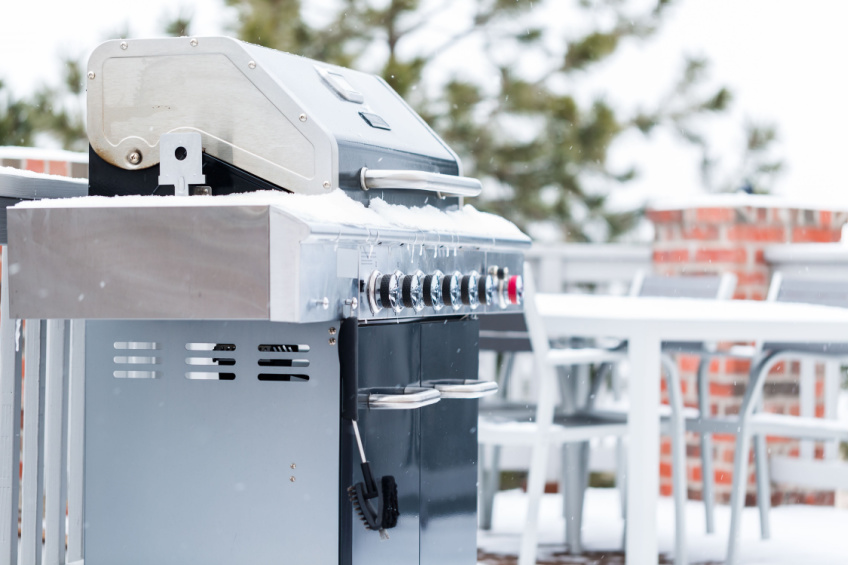
Stainless steel gas grills have become the gold standard for outdoor cooking, prized for their sleek appearance and reputation for durability.
However, many grill owners discover rust spots on their supposedly rust-resistant equipment, leading to confusion about whether their investment was worth it.
Yes, stainless steel gas grills can rust, despite their corrosion-resistant properties.
The misconception that stainless steel is completely rust-proof has left many grill enthusiasts surprised when they find orange spots on their grilling surfaces and hardware.
Understanding why this happens involves examining the science behind rust formation, the specific factors that make outdoor grills vulnerable to corrosion, and the practical steps owners can take to protect their equipment.
The reality is that while stainless steel offers superior rust resistance compared to other materials, proper maintenance and preventive measures remain essential for long-term performance.
Understanding Stainless Steel Gas Grills

Different stainless steel grades offer varying levels of rust resistance and durability in gas grills.
Manufacturing processes and construction methods directly impact a grill’s longevity and performance characteristics.
What Stainless Steel Grades Means
Stainless steel grills use four primary grades: 201, 430, 304, and 316.
Each grade contains different amounts of chromium, nickel, and other alloys that determine rust resistance.
Grade 201 represents the most basic stainless steel. It contains minimal chromium and nickel content.
This grade appears in entry-level grills priced around $2,000.
Grade 430 offers moderate corrosion resistance at a lower cost.
Many manufacturers use 430 stainless for grill bodies to keep prices under $600.
It performs well in most climates but shows less resistance than premium grades.
Grade 304 provides superior rust prevention capabilities.
This grade contains higher chromium and nickel content.
It resists heat, moisture, and salt exposure effectively, making it ideal for coastal areas.
Grade 316 delivers the highest corrosion resistance.
It includes molybdenum for enhanced protection against harsh environments.
Marine applications frequently use this grade.
| Grade | Chromium Content | Nickel Content | Typical Use | Price Point |
|---|---|---|---|---|
| 201 | 16-18% | 3.5-5.5% | Entry grills | Budget |
| 430 | 16-18% | 0% | Grill bodies | Mid-range |
| 304 | 18-20% | 8-10.5% | Premium components | High |
| 316 | 16-18% | 10-14% | Marine grade | Premium |
How Stainless Steel Gas Grills Are Manufactured
Stainless steel grill manufacturing involves multiple construction techniques and material combinations.
Most manufacturers blend different grades throughout a single grill to balance cost and performance.
The grill body typically uses 430-grade stainless steel for cost efficiency.
Critical components like cooking grates and heat shields often feature 304-grade steel for enhanced durability.
Panel thickness affects long-term durability significantly.
Entry-level grills use 20-gauge panels that may show warping over time.
Premium models employ 16-gauge or 14-gauge steel for better structural integrity.
Welding quality determines joint strength and rust prevention. Poor welds create gaps where moisture penetrates.
High-quality manufacturers use continuous welding techniques to seal all connections.
Surface finishing impacts both appearance and corrosion resistance.
Manufacturers apply various finishes including brushed, polished, or powder-coated surfaces.
Each finish offers different maintenance requirements and aesthetic appeal.
Assembly processes vary between manufacturers.
Some use mechanical fasteners while others rely on welded construction throughout.
Welded designs generally provide better weather sealing.
Key Features of Stainless Steel Gas Grills
Stainless steel gas grills incorporate specific design elements that enhance performance and durability.
These features distinguish quality models from basic alternatives.
Cooking grates made from 304 stainless steel resist rust and retain heat effectively.
Cast stainless grates provide superior heat retention compared to stamped alternatives.
Rod diameter affects durability, with thicker rods lasting longer.
Heat distribution systems use stainless steel flavorizer bars or heat plates.
These components protect burners from drippings while creating even cooking temperatures.
Quality systems use 430-grade or better stainless steel.
Burner construction varies between cast iron, stainless steel, and brass materials.
Stainless steel burners resist corrosion but may cost more than alternatives.
Tube thickness and BTU output determine heating performance.
Grease management systems feature stainless steel drip pans and collection trays.
Easy-removal designs simplify cleaning and maintenance.
Some models include disposable pan liners for convenience.
Weather protection includes features like double-wall construction and sealed joints. Premium models offer better insulation and wind resistance.
Proper drainage systems prevent water accumulation inside the grill.
The Science of Rust Formation

Rust develops through an electrochemical reaction between iron, oxygen, and moisture.
Stainless steel contains chromium that forms a protective barrier, preventing this oxidation process from occurring under normal conditions.
What Causes Rust on Metals
Rust formation requires three essential elements working together.
Iron acts as the base metal that undergoes oxidation.
Oxygen from the air serves as the oxidizing agent.
Water or moisture acts as the catalyst that enables the chemical reaction.
When these three components combine, they create iron oxide, commonly known as rust.
The process begins when iron atoms lose electrons to oxygen atoms.
This electron transfer creates iron ions that bond with oxygen and water molecules.
The resulting compound appears as the reddish-brown substance people recognize as rust.
Key factors that accelerate rust formation:
- Salt exposure – increases conductivity and speeds oxidation
- High humidity – provides moisture for the reaction
- Scratches or damage – expose raw metal to elements
- Acidic conditions – lower pH levels promote corrosion
Temperature also plays a role in rust development.
Higher temperatures increase the rate of chemical reactions, making rust form faster in warm, humid environments.
Why Stainless Steel Resists Rust
Stainless steel contains chromium as its primary rust-prevention mechanism.
When chromium makes up at least 10.5% of the steel’s composition, it creates a thin, invisible oxide layer on the surface.
This chromium oxide layer acts as a protective barrier. It prevents oxygen and moisture from reaching the iron beneath.
The layer forms automatically when chromium contacts oxygen in the air.
The protective layer has self-healing properties.
If scratched or damaged, the chromium immediately reacts with oxygen to rebuild the barrier.
This process happens continuously as long as sufficient chromium remains in the steel.
Common stainless steel grades in grills:
- 304 stainless steel – contains 18% chromium, 8% nickel
- 430 stainless steel – contains 16-18% chromium, no nickel
- 316 stainless steel – contains 16-18% chromium, 10-14% nickel
Higher-grade stainless steels offer better corrosion resistance.
The addition of nickel and other alloys enhances the protective properties beyond what chromium alone provides.
Do Stainless Steel Gas Grills Rust?
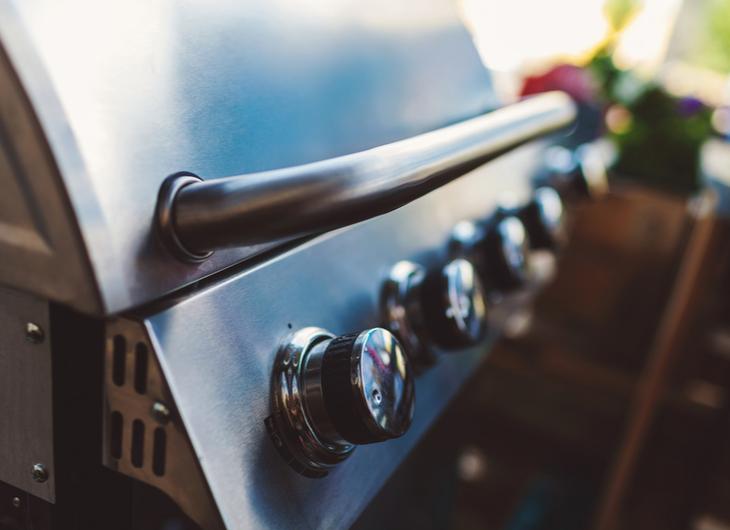
Stainless steel gas grills can develop rust despite their reputation for corrosion resistance.
The material’s chromium content provides protection, but exposure to specific environmental conditions and the quality of the steel grade determine actual rust formation.
Conditions That Promote Rusting
Moisture exposure creates the primary conditions for rust formation on stainless steel grills.
Persistent humidity, rain, and coastal salt air accelerate corrosion by breaking down the protective chromium oxide layer.
High chloride environments pose the greatest threat.
Ocean proximity exposes grills to salt spray, while pool areas introduce chlorine chemicals.
Both substances attack stainless steel’s protective barrier.
Extreme temperature fluctuations weaken the metal’s structure.
Grills experience repeated heating and cooling cycles that stress the material and create microscopic cracks where moisture penetrates.
Chemical exposure from cleaning products damages the surface.
Bleach-based cleaners and abrasive compounds remove the protective oxide layer.
Steel wool and harsh scrubbing also create scratches that trap moisture.
Poor ventilation traps condensation around grill components.
Covered grills without adequate airflow retain moisture longer.
Standing water in drip pans accelerates localized corrosion.
Food acids from marinades and sauces can contribute to surface degradation.
Prolonged contact with acidic substances weakens the protective coating, especially when combined with heat.
Common Areas Where Rust Appears
Grill grates show rust first due to direct food contact and repeated heating cycles.
The constant expansion and contraction creates stress points where corrosion begins.
Burner tubes experience rust from interior moisture accumulation.
Gas combustion produces water vapor that condenses inside the tubes.
Poor drainage allows this moisture to remain, promoting internal corrosion.
Fasteners and screws rust quickly because they typically use lower-grade steel.
These connection points often show orange discoloration before other grill components.
The firebox interior faces extreme conditions.
Grease accumulation combined with high heat and moisture creates ideal rusting conditions, particularly in corners and crevices.
Control knobs and handles develop surface rust from frequent hand contact.
Natural oils and moisture from handling create localized corrosion spots.
Drip pans and grease management systems rust rapidly.
Standing liquids combined with food particles create acidic conditions that attack the metal surface.
External surfaces near the ground show rust from splash-back and poor drainage.
Areas where the grill legs meet the firebox are particularly vulnerable.
How Different Grades React to Corrosion
Grade 430 stainless steel contains 16-18% chromium but no nickel.
This grade offers basic corrosion resistance but rusts more readily than higher grades.
Many budget grills use this material for cost savings.
Grade 304 stainless steel includes 8-10% nickel along with 18-20% chromium.
The nickel addition significantly improves corrosion resistance and durability.
Most mid-range grills feature this grade.
Grade 316 stainless steel contains molybdenum, providing superior resistance to chlorides and acids.
This marine-grade material performs best in coastal environments but increases manufacturing costs substantially.
Lower chromium content directly correlates with faster rust formation.
Grades below 400 series lack sufficient chromium for outdoor applications and will rust quickly.
Magnetic properties indicate grade quality. Higher-grade stainless steels are less magnetic due to their nickel content.
Budget grills often use magnetic grades that rust more easily.
Surface finish affects corrosion resistance regardless of grade.
Smoother finishes resist rust better than rough or brushed surfaces because they provide fewer places for contaminants to accumulate.
Factors Affecting Rust in Stainless Steel Gas Grills
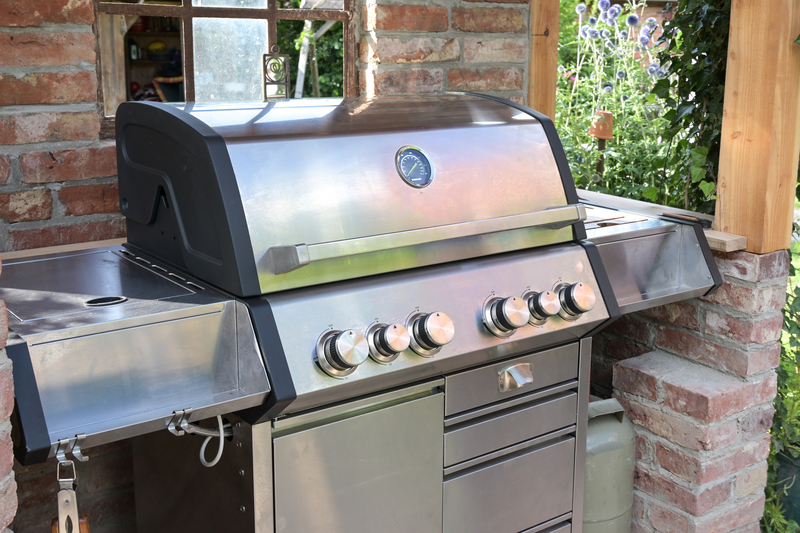
Several key factors determine whether a stainless steel gas grill will develop rust over time.
The surrounding environment, how well the grill is maintained, and the quality of materials used during manufacturing all play critical roles in corrosion resistance.
Environmental Influences
Salt exposure poses the greatest threat to stainless steel grills.
Coastal areas with salt-laden air accelerate corrosion by breaking down the protective chromium oxide layer that prevents rust formation.
High humidity levels create ideal conditions for oxidation.
Moisture trapped on grill surfaces provides the water necessary for rust formation, especially when combined with other corrosive elements.
Temperature fluctuations cause metal expansion and contraction.
This process can create microscopic cracks in the protective coating, allowing moisture and oxygen to reach the underlying steel.
Chlorine exposure from nearby pools or hot tubs attacks stainless steel’s protective barrier.
Pool chemicals can drift onto grill surfaces and cause pitting corrosion over time.
Maintenance and Cleaning Habits
Infrequent cleaning allows grease, food particles, and moisture to accumulate.
These substances trap corrosive elements against the steel surface and create acidic conditions that promote rust.
Using harsh cleaners damages the protective oxide layer.
Bleach-based products and abrasive cleaners scratch the surface and remove the natural corrosion resistance.
Improper storage exposes grills to unnecessary moisture.
Leaving grills uncovered in rain or storing them in damp locations accelerates corrosion processes.
Neglecting seasonal maintenance allows small rust spots to spread.
Regular inspection and prompt treatment of any corrosion prevents minor issues from becoming major problems.
Quality of Construction
Grade of stainless steel directly impacts rust resistance.
Lower grades like 430 stainless contain less chromium and nickel, making them more susceptible to corrosion than higher grades like 304 or 316.
Welding quality affects long-term durability.
Poor welding techniques can create weak points where the protective coating is compromised, leading to localized rust formation.
Surface finish influences corrosion resistance.
Rougher finishes trap contaminants more easily than smooth, polished surfaces that allow water and debris to drain away naturally.
Thickness of materials determines structural integrity.
Thinner steel sections corrode faster than thicker ones, as there is less material to sacrifice before structural damage occurs.
Preventing Rust on Stainless Steel Gas Grills
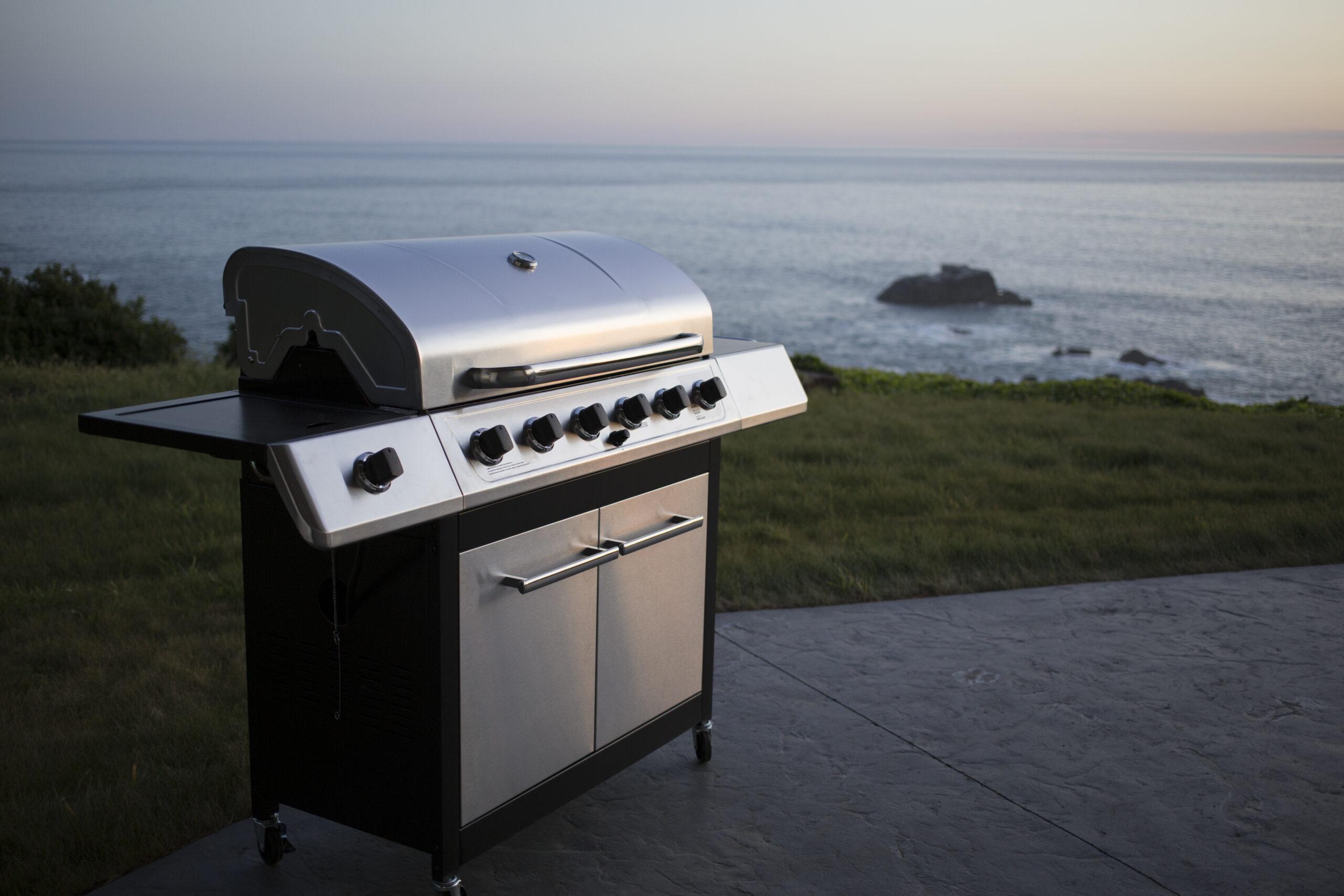
Regular cleaning with appropriate products and protective storage significantly reduce rust formation on stainless steel gas grills.
Consistent maintenance schedules help identify potential issues before they become costly problems.
Proper Cleaning and Care Techniques
Cleaning stainless steel grills requires specific products and methods to prevent corrosion.
Standard household cleaners can damage the protective chromium oxide layer that prevents rust formation.
Weekly cleaning routine:
- Remove food debris with a plastic scraper
- Clean with warm soapy water using a microfiber cloth
- Apply stainless steel cleaner like Noxon 7 for stubborn stains
- Follow with stainless steel polish to restore shine
Avoid wire brushes and harsh degreasers as they scratch the surface.
These scratches create entry points for moisture and contaminants that accelerate rust development.
Clean the grill when it’s completely cool.
Hot surfaces can cause cleaning products to evaporate too quickly or leave streaks that trap moisture.
Seasoning the grates creates an additional protective barrier.
Apply a thin layer of high-heat cooking oil to clean grates and heat the grill on high for 15-20 minutes until the oil polymerizes.
Using Grill Covers and Protective Measures
Quality grill covers protect against moisture, salt air, and environmental contaminants that cause rust.
Choose covers made from waterproof materials with ventilation panels to prevent condensation buildup underneath.
Cover selection criteria:
- Waterproof exterior fabric
- Breathable panels or vents
- Secure tie-downs or elastic hems
- UV-resistant materials
- Proper fit without excessive looseness
Remove covers periodically to allow air circulation and prevent trapped moisture.
Wet covers should be dried completely before replacement to avoid creating a humid environment around the grill.
Position grills away from coastal areas when possible, as salt air accelerates corrosion.
If coastal placement is unavoidable, increase cleaning frequency and consider applying marine-grade protective coatings.
Store grills in covered areas like garages or sheds during extended non-use periods.
Indoor storage eliminates exposure to rain, snow, and temperature fluctuations that promote rust formation.
Routine Inspections and Maintenance Schedules
Monthly inspections identify early signs of rust before extensive damage occurs.
Look for discoloration, pitting, or rough spots on all stainless steel surfaces including grates, lid, and control panels.
Monthly inspection checklist:
- Check for surface stains or discoloration
- Examine welds and joints for corrosion
- Inspect gas lines and connections
- Test burner performance and flame patterns
- Verify proper drainage of grease trays
Address rust immediately when discovered.
Light surface rust removes easily with stainless steel cleaners, while deeper corrosion requires more aggressive treatment or professional repair.
Seasonal maintenance tasks include deep cleaning all components, checking gasket seals, and lubricating hinges with food-safe lubricants.
Replace worn gaskets that allow moisture infiltration.
Document maintenance activities and replacement schedules for burners, igniters, and other components.
Regular component replacement prevents failures that can expose internal parts to moisture and accelerate rust formation throughout the grill system.
Addressing and Treating Rust on Stainless Steel Grills
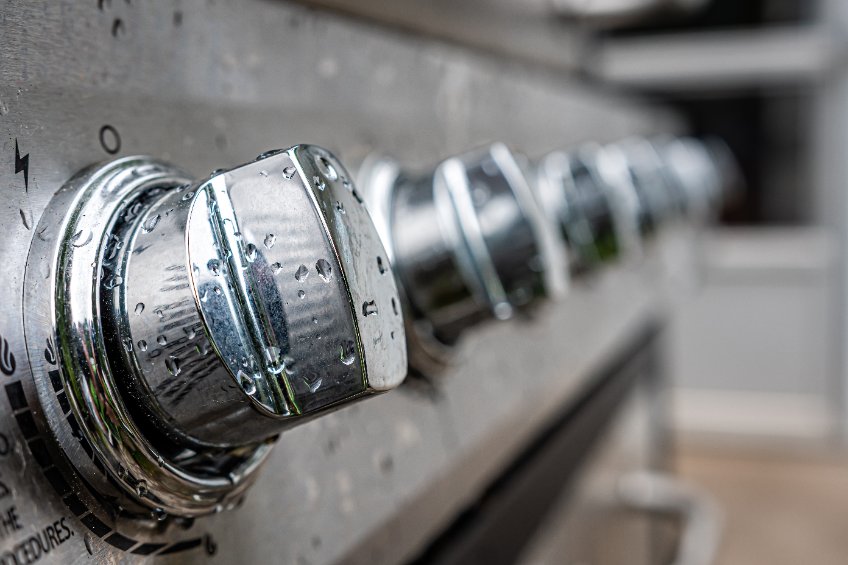
Early detection and prompt treatment prevent minor rust spots from becoming major damage.
Proper cleaning techniques and component replacement can restore your grill’s function and appearance.
Identifying Early Signs of Rust
Orange or brown discoloration appears as the first visible sign of rust on stainless steel surfaces.
These spots typically develop along weld seams, bolt holes, and areas where the protective chromium layer has been compromised.
Pitting corrosion creates small holes or depressions in the metal surface.
This type of damage often occurs in coastal areas due to salt exposure or when acidic substances remain on the grill surface.
Surface staining from iron particles can mimic rust but differs from actual corrosion.
These stains appear when carbon steel tools or cleaning pads leave iron deposits on the stainless steel surface.
Check these high-risk areas during regular inspections:
- Grill grate contact points
- Interior corners and joints
- Drip pan edges
- Burner tube connections
- Control knob mounting areas
Temperature fluctuations can cause expansion and contraction that creates stress points.
These areas become more susceptible to corrosion and should receive extra attention during maintenance checks.
Safe Rust Removal Methods
Mild soap and warm water effectively remove surface rust and iron staining from stainless steel.
Use a soft cloth or plastic scrubbing pad to avoid scratching the protective surface layer.
Baking soda paste provides gentle abrasive action for stubborn rust spots.
Mix three parts baking soda with one part water and apply to affected areas for 10-15 minutes before scrubbing.
| Method | Best For | Application Time |
|---|---|---|
| Soap solution | Light surface rust | Immediate |
| Baking soda paste | Moderate rust spots | 10-15 minutes |
| White vinegar | Iron staining | 5-10 minutes |
| Commercial cleaner | Heavy corrosion | Follow label instructions |
White vinegar dissolves iron deposits and light rust through its acidic properties.
Apply undiluted vinegar to affected areas and wipe clean after five minutes to prevent acid damage.
Commercial stainless steel cleaners contain specialized compounds for removing rust and restoring shine.
Choose products specifically formulated for food-contact surfaces and follow manufacturer instructions carefully.
Avoid abrasive materials including steel wool, wire brushes, and chlorine bleach.
These substances damage the chromium oxide layer that provides corrosion resistance.
Repair Options for Damaged Components
Grill grate replacement becomes necessary when rust penetrates deeply into the metal structure.
Heavily pitted or flaking grates cannot be safely restored and pose food safety risks.
Component assessment determines whether repair or replacement provides the most cost-effective solution.
Minor surface rust on non-critical parts can often be treated successfully.
Professional restoration services offer specialized treatments for valuable or complex grill components.
These services use industrial-grade equipment and protective coatings not available to consumers.
Replacement part sources include:
- Original equipment manufacturers
- Aftermarket suppliers
- Stainless steel fabrication shops
- Restaurant supply companies
Protective treatments help prevent future corrosion on repaired or replacement components.
Food-safe oils and specialized coatings provide additional protection in harsh environments.
Cost considerations factor into repair versus replacement decisions.
Calculate the expense of cleaning supplies, replacement parts, and labor time against purchasing new components or an entire grill.
Choosing the Best Stainless Steel Gas Grill for Rust Resistance
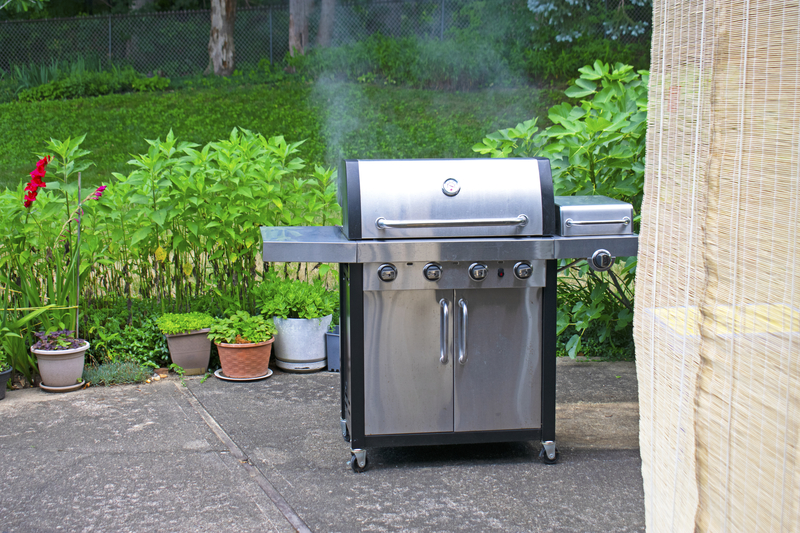
The grade of stainless steel, specific design features, and manufacturer support determine how well a gas grill resists rust over time.
Higher-grade steel and welded construction provide superior protection against corrosion.
Comparing Stainless Steel Grades
Grade 304 stainless steel contains 18% chromium and 10% nickel, offering good rust resistance for most environments.
This grade works well for typical backyard use and moderate weather exposure.
Grade 316 stainless steel includes molybdenum, providing superior corrosion resistance.
This grade performs better in coastal areas with salt air or regions with high humidity levels.
Grade 430 stainless steel contains only chromium without nickel.
While more affordable, this grade offers less rust protection and may show corrosion sooner than higher grades.
| Steel Grade | Chromium | Nickel | Molybdenum | Best Use |
|---|---|---|---|---|
| 430 | 16-18% | None | None | Budget-friendly, dry climates |
| 304 | 18% | 10% | None | General outdoor use |
| 316 | 16-18% | 10-14% | 2-3% | Coastal, high-humidity areas |
The thickness of the steel also matters.
Look for grills with 16-gauge or thicker stainless steel construction rather than thin 20-gauge materials.
Essential Features to Look For
Welded seams prevent moisture from entering joints where rust typically starts.
Avoid grills with riveted or bolted connections in critical areas.
Sloped surfaces allow water to drain away rather than pooling on flat areas.
Grease management systems should also direct liquids away from the grill body.
Double-wall construction creates an air barrier that reduces temperature fluctuations and condensation buildup.
This design feature extends the grill’s lifespan significantly.
Sealed burner boxes protect internal components from moisture exposure.
Quality grills feature gaskets and seals around doors and control panels.
Look for grills with stainless steel burners rather than cast iron or aluminum alternatives. These components face direct heat and moisture exposure regularly.
Manufacturer Warranties and Support
Lifetime warranties on stainless steel components indicate manufacturer confidence in rust resistance.
Some brands offer 25-year or lifetime coverage on specific parts.
Rust-through warranties specifically protect against corrosion damage.
These warranties typically last 10-15 years for quality stainless steel grills.
Parts availability ensures long-term maintenance options.
Established manufacturers maintain replacement part inventories for discontinued models.
Customer service quality varies significantly between brands.
Research manufacturer response times and repair network coverage in your area before purchasing.
Commercial-grade certifications like NSF or UL listings indicate higher construction standards.
Professional-grade grills often use better materials and manufacturing processes.
Long-Term Durability of Stainless Steel Gas Grills

Stainless steel gas grills typically last 5 to 15 years with proper maintenance, with Grade 304 stainless steel models offering superior longevity.
Several warning signs indicate when replacement becomes necessary to maintain safe and effective cooking performance.
Expected Lifespan With Proper Care
Grade 304 stainless steel grills represent the highest quality option and deliver the longest service life.
These grills contain 18% chromium and 8% nickel, providing exceptional resistance to rust and corrosion.
Quality factors that extend lifespan:
- Grade 304 stainless steel construction – Premium option for maximum durability
- Thick gauge materials – Resist warping and damage
- Quality burner systems – Maintain consistent heat output
- Protective coatings – Shield internal components
Coastal and humid environments present greater challenges for grill longevity.
Stainless steel performs exceptionally well in these conditions compared to other materials.
Regular cleaning prevents buildup that accelerates deterioration.
Covering the grill when not in use protects it from weather exposure.
High-quality stainless steel grills often reach the 10-15 year range with consistent maintenance.
Budget models typically last 5-8 years before requiring replacement.
Signs It’s Time to Replace Your Grill
Several clear indicators signal when a stainless steel grill has reached the end of its useful life.
Safety concerns should always take priority over repair attempts.
Critical replacement indicators:
- Rust penetration through stainless steel surfaces
- Burner failure or uneven heating patterns
- Gas line deterioration or connection issues
- Structural damage to the grill body or legs
Cooking grate condition affects food quality and safety.
Porcelain-coated steel grates show rust quickly once the coating chips.
Stainless steel grates last longer but eventually require replacement.
Internal component failure becomes more frequent as grills age.
Heat distribution problems indicate burner or internal damage that may not be cost-effective to repair.
Frame instability or significant corrosion poses safety risks.
These issues typically occur after 10-12 years in well-maintained grills.
The Best 304 Stainless Steel Gas Grills
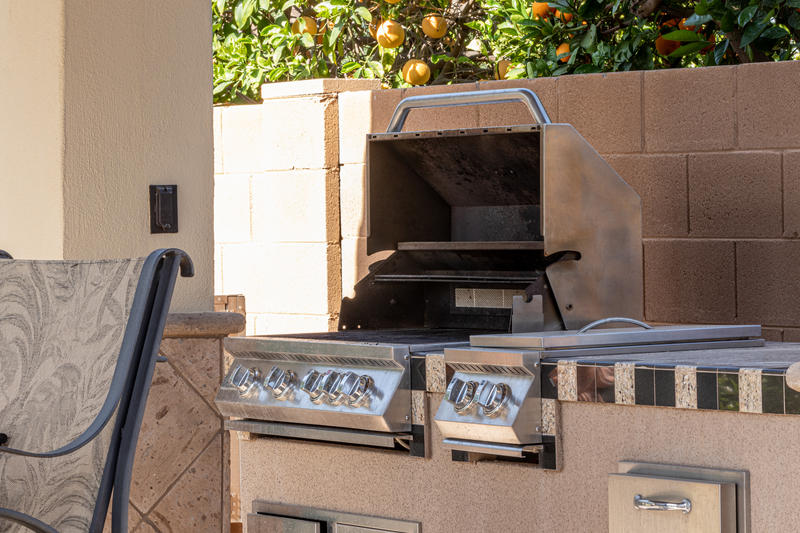
To help you narrow down your choices, I’ve rounded up some of the best 304 stainless steel grills you can find on right now.
Each one combines strength, performance, and thoughtful design, making them excellent options for backyard chefs and barbecue enthusiasts alike.
Napoleon Built-In 700 Series 32-Inch Gas Grill
 The Napoleon Built-In 700 Series 32-Inch Gas Grill is a standout for those building an outdoor kitchen.
Crafted from marine-grade 304 stainless steel, this grill is designed to endure the elements while delivering professional-level results.
With a 32-inch cooking surface, an infrared rear burner for rotisserie cooking, and a powerful 48,000 BTU output, it’s both durable and versatile.
Weber Genesis E-325S Stainless Steel 3-Burner Gas Grill
 The Weber Genesis E-325S Stainless Steel 3-Burner Gas Grill is a fantastic choice.
Built with high-quality stainless steel, it provides 39,000 BTUs of cooking power, a dedicated sear zone, and an expandable top grate for extra capacity.
It’s perfect for anyone who wants professional results in a practical, stylish package.
Weber Summit S-470 Stainless Steel 4-Burner Gas Grill
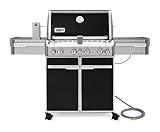 The Weber Summit S-470 is another premium option made with 304 stainless steel.
This four-burner grill boasts 48,800 BTUs of total output, a smoker box, and a sear station, giving you incredible flexibility in your cooking.
Whether you’re smoking, searing, or grilling, the Summit series offers a true all-in-one outdoor kitchen experience.
Brand-Man 30-Inch 4-Burner Built-In Grill Head
 The Brand-Man 30-Inch 4-Burner Built-In Grill Head is an affordable way to bring 304 stainless steel into your outdoor kitchen.
With 40,000 BTUs spread across four burners, it provides plenty of power for family meals or parties.
This grill head is convertible between propane and natural gas, making it adaptable to your needs while still offering the heavy-duty durability of 304 stainless construction.
Why Choose 304 Stainless Steel Grills?
304 stainless steel isn’t just a buzzword—it’s what separates long-lasting grills from those that need replacing every couple of seasons.
This type of steel is resistant to rust and corrosion, making it perfect for year-round outdoor use.
It also holds up under high heat without warping, which is essential when you’re searing steaks or slow-cooking roasts.
Best of all, it’s easy to maintain and clean, so your grill will look as good as it performs.
Bottom Line – Do Stainless Steel Gas Grills Rust?
Stainless steel gas grills can rust under certain conditions, despite their reputation for corrosion resistance.
The protective chromium oxide layer that prevents rust can be compromised through various factors.
Key factors that contribute to rust formation:
- Exposure to salt air and high humidity
- Poor maintenance and cleaning practices
- Scratching the surface with abrasive materials
- Manufacturing defects or inadequate passivation
Most rust issues occur when the protective layer becomes damaged or weakened.
Harsh cleaning methods and steel wool can scratch the surface, removing the chromium oxide barrier.
Prevention remains the most effective approach:
- Regular cleaning with appropriate materials
- Applying protective coatings when needed
- Proper storage and covering when not in use
- Avoiding exposure to corrosive substances
The grade of stainless steel used in construction significantly impacts rust resistance.
Higher-grade stainless steel provides better protection against corrosion.
Rust that does develop can often be removed and treated successfully.
Early intervention prevents spreading and maintains the grill’s longevity.
Proper care and maintenance allow stainless steel gas grills to resist rust for many years.
Understanding the causes of corrosion helps grill owners take appropriate preventive measures.