
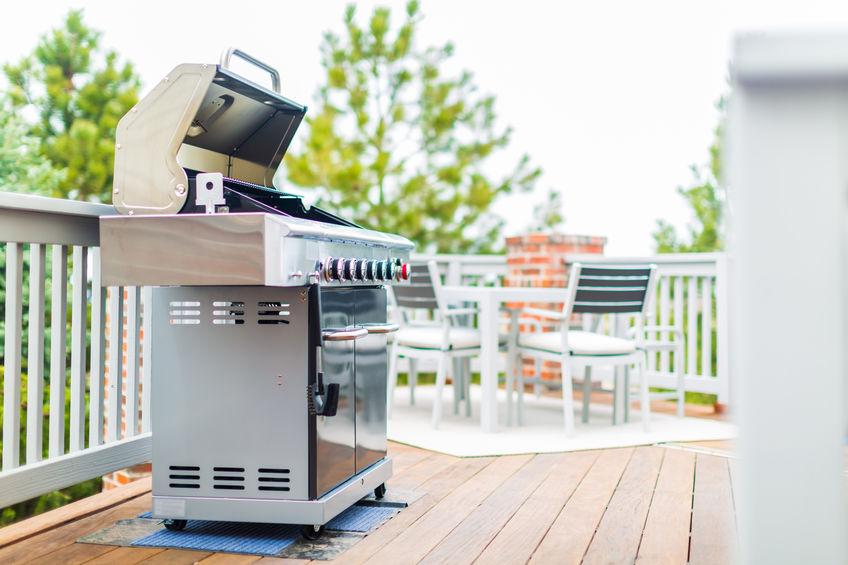
Shopping for a gas grill can feel overwhelming with hundreds of models and features to consider.
Many buyers focus on the wrong details and end up with a grill that doesn’t meet their needs or breaks down after a few seasons.
The most important factors when choosing a gas grill are cooking space size, burner quality and heat output, fuel type, construction materials, and temperature control features.
These core elements determine how well the grill performs and how long it will last.
A grill with poor heat distribution or cheap materials will frustrate cooks and require replacement much sooner.
Understanding what makes a quality gas grill helps buyers avoid common mistakes and find the right match for their cooking style and budget.
From evaluating BTU ratings and burner configurations to selecting durable materials and useful features, each decision impacts the grilling experience.
The following guide breaks down each factor to help shoppers make an informed choice.
Key Factors to Consider Before Buying a Gas Grill

Making smart decisions about cooking needs, budget limits, and available space helps buyers find the right gas grill.
These three areas shape which features matter most for each person’s outdoor cooking setup.
Identifying Your Cooking Needs
The number of people someone cooks for affects grill size requirements.
A family of four needs at least 400 square inches of cooking space.
Larger groups need 500 to 700 square inches for comfortable meal prep.
Cooking style matters when selecting burner types.
Searing steaks requires high heat burners that reach 500°F or more.
Slow cooking needs good temperature control between 225°F and 350°F.
Think about what foods get grilled most often:
- Burgers and hot dogs: Basic two-burner setup works
- Whole chickens: Rotisserie kit becomes useful
- Multiple dishes: Side burners help with sauces and sides
- Delicate fish: Heat control features prevent overcooking
Frequency of use guides feature priorities.
Weekly grillers benefit from durable stainless steel burners.
Occasional users can choose lighter materials that cost less.
Setting a Budget
Gas grills range from $200 for basic portable units to $3,000 for premium models.
Most buyers find good options between $400 and $1,200 that balance features with value.
Budget breakdown by price range:
- $200-$400: Basic portable grills, 2 burners, limited features
- $400-$800: Mid-range freestanding models, 3-4 burners, some extras
- $800-$1,500: Premium features, stainless steel, larger cooking areas
- $1,500+: Professional-grade materials, extensive warranties
Factor in ongoing costs when purchasing a gas grill.
Propane tanks cost $15-$25 to refill every 15-20 cooking sessions.
Natural gas connections need professional installation but offer cheaper long-term fuel costs.
Warranty length reflects build quality.
Look for 5-year burner warranties and 3-year body coverage minimum.
Cheap grills often need replacement within 2-3 years, making them more expensive over time.
Assessing Outdoor Cooking Space
Measure the exact area where the grill will sit.
Standard freestanding grills need 4-6 feet of width and 2-3 feet of depth.
Add extra space for opening doors and moving around safely.
Space considerations:
- Clearance: 3 feet from house walls and 10 feet from property lines
- Ventilation: Open air above prevents heat buildup
- Storage: Room for propane tanks or natural gas connections
- Weather protection: Covered areas extend grill life
Portable grills work best for small patios, balconies, or camping trips.
They weigh 20-50 pounds and use small propane canisters.
Built-in models require permanent installation and professional gas line work.
Check local building codes before installing natural gas lines.
Some areas have restrictions on outdoor cooking equipment placement and ventilation requirements.
Choosing the Right Fuel Type
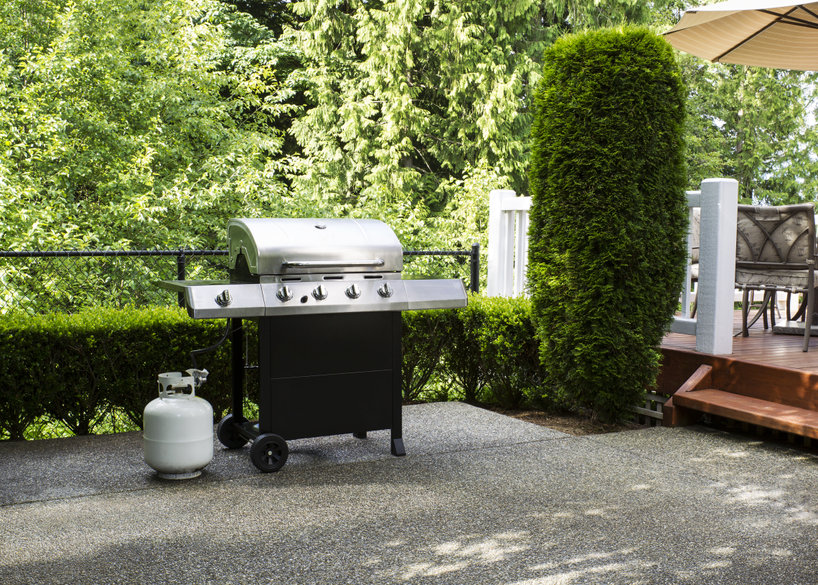
Gas grills run on either propane or natural gas, each offering distinct advantages for different grilling needs.
Propane provides flexibility and portability, while natural gas offers continuous fuel supply and lower operating costs.
Propane Versus Natural Gas
Propane tanks give grill owners complete freedom to move their grill anywhere.
They work well for people who rent homes or want to take their grill to different locations.
Propane Benefits:
- No permanent installation required
- Works in any location
- Easy to transport for camping or tailgating
- Available at most hardware stores and gas stations
Natural gas connects directly to your home’s gas line.
This fuel type costs less per BTU than propane and never runs out during cooking.
Natural Gas Benefits:
- Lower fuel costs over time
- No tank refills needed
- Consistent fuel supply
- Higher heat output than propane
Natural gas grills typically cost more upfront.
They also require professional installation to connect to your gas line safely.
Understanding Natural Gas Line Requirements
Installing a natural gas grill requires a dedicated gas line from your home’s main supply.
This job needs a licensed professional to ensure proper pressure and safety.
Most homes need a new gas line run to the grilling area.
The installation cost ranges from $200 to $1,000 depending on distance and complexity.
Your existing gas line must have enough capacity to handle the grill’s BTU requirements.
A professional can test your system’s pressure and flow rate.
Local building codes often require permits for new gas line installations.
Some areas have restrictions on gas appliance placement near windows or property lines.
Portability and Convenience Considerations
Portable gas grills almost always use propane because they need to work without permanent connections.
These grills use small propane canisters or standard 20-pound tanks.
Propane tanks weigh about 17 pounds when empty and 37 pounds when full.
This weight affects how easily you can move your grill around your yard or transport it.
Natural gas grills stay in one permanent location.
They work best for people who grill frequently in the same spot and want the convenience of unlimited fuel.
Consider your grilling habits when choosing fuel type.
Frequent grillers often prefer natural gas for its convenience and cost savings.
Occasional grillers may find propane tanks more practical.
Evaluating Burners and Heat Output
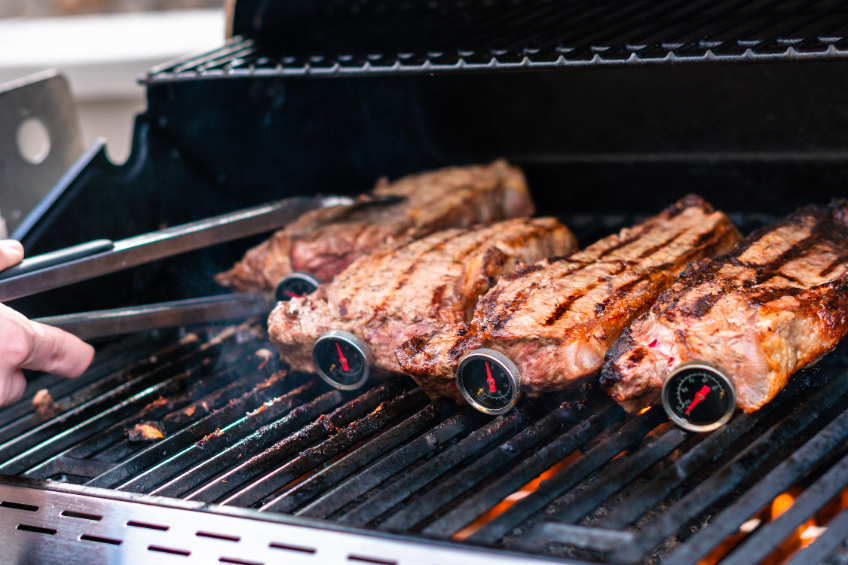
The burner system determines how well a gas grill cooks food and controls temperature.
Understanding BTU ratings, burner types, and heat distribution helps buyers choose grills that match their cooking needs.
Number and Type of Burners
Most gas grills come with two to six burners.
Three burners provide good heat control for most cooking needs.
They allow cooks to create different temperature zones.
More burners give better heat distribution across the cooking surface.
They also let cooks prepare different foods at the same time.
A four-burner grill works well for families or regular entertaining.
Burner materials matter for performance:
- Stainless steel burners resist rust and last longer
- Cast iron burners hold heat well but need more care
- Brass burners offer good heat output but cost more
Side burners add cooking space outside the main grill area.
They work like stovetop burners for sauces or side dishes.
Not all cooks need this feature, but it adds flexibility.
Look for burners that light easily and stay lit in wind.
Consistent heat across all burners prevents hot spots and uneven cooking.
BTU Ratings Explained
BTU stands for British Thermal Unit.
It measures how much heat a burner produces per hour.
Higher BTU numbers mean more heat output.
The total BTU rating includes all main burners combined.
Most gas grills range from 30,000 to 80,000 total BTUs.
Side burners and other features have separate BTU ratings.
BTUs per square inch matter more than total BTUs.
Good grills provide 80 to 100 BTUs per square inch of cooking space.
This ensures even heating across the entire surface.
A 500-square-inch grill needs about 40,000 to 50,000 BTUs for good performance.
More BTUs help in cold weather or windy conditions.
Very high BTU ratings can waste fuel without improving cooking.
They may create too much heat for gentle cooking methods.
Balance matters more than maximum output.
Infrared and Ceramic Burners
Infrared burners heat food differently than regular gas burners.
They create intense, direct heat that reaches very high temperatures quickly.
This makes them perfect for searing steaks.
These burners use less fuel than regular burners while producing more heat.
They reduce flare-ups because they burn off drippings before they ignite.
The heat feels more even across the cooking surface.
Ceramic burners distribute heat more evenly than metal burners.
They hold heat longer after turning off the gas.
This helps maintain steady temperatures for longer cooking times.
Some grills combine regular burners with infrared or ceramic options.
This gives cooks more control over different cooking methods.
The infrared section handles high-heat searing while regular burners work for normal grilling.
These specialty burners cost more than standard burners.
They also need different cleaning and maintenance methods.
Consider cooking habits before choosing these features.
Assessing Cooking Space and Grate Material
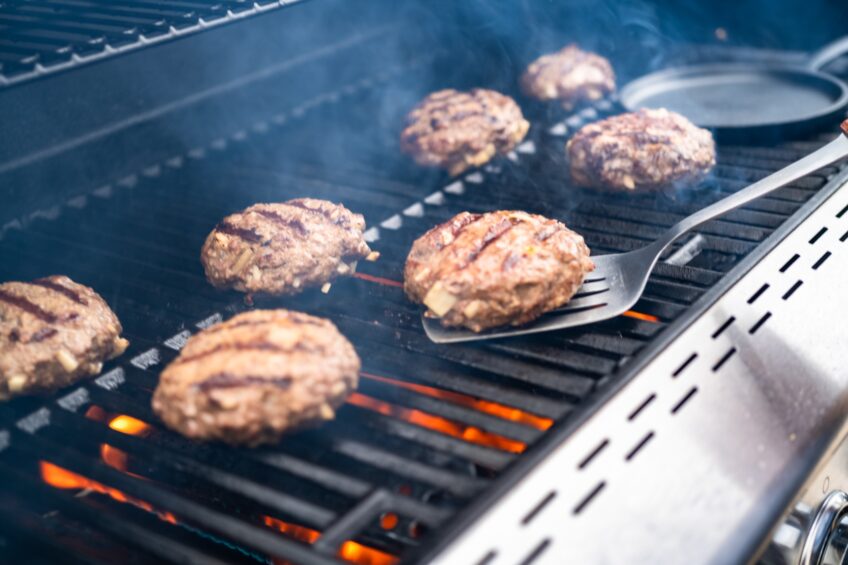
The cooking space and grate material directly impact your grilling success and maintenance needs.
These factors determine how much food you can cook at once and how well your grill performs over time.
Cooking Area Size
The cooking area determines how much food you can grill at the same time.
Most manufacturers measure this space in square inches of cooking surface.
A small grill offers 300-400 square inches.
This works well for couples or small families cooking 2-4 portions.
Medium grills provide 400-600 square inches.
These handle family meals for 4-6 people easily.
Large grills feature 600+ square inches.
They work best for big families or people who entertain often.
Consider your typical cooking needs.
If you host parties, choose a larger cooking area.
For everyday meals, a medium-sized area usually works well.
Multi-level grates add flexibility.
They let you cook different foods at different heat levels on the same grill.
Grate Material Options
Three main materials dominate the grill grate market: stainless steel, cast iron, and porcelain-coated options.
Stainless steel grates resist rust and clean easily.
They heat up quickly and provide consistent temperatures.
However, they don’t retain heat as well as other materials.
Cast iron grates excel at heat retention and create excellent sear marks.
They need regular seasoning to prevent rust.
These grates work best for high-heat cooking.
Porcelain-coated grates combine easy cleaning with good heat retention.
The coating can chip if dropped or cleaned with metal tools.
Once chipped, the exposed metal rusts quickly.
Rod-shaped grates are most common.
Hexagonal shapes provide flatter cooking surfaces and reduce food sticking.
Cooking Grates and Warming Racks
Primary cooking grates handle the main cooking duties.
Look for grates that fit your cooking style and maintenance preferences.
Heavy-duty grates last longer and distribute heat more evenly.
Thin grates may warp over time with frequent use.
Warming racks provide extra space for keeping food warm or cooking delicate items.
They sit above the main cooking area.
Some grills include swing-away warming racks.
These move out of the way when you need full access to the main grates.
Consider grates with different cooking zones.
Some feature solid sections for delicate foods and open sections for direct grilling.
Replace grates when they show signs of damage, rust, or excessive wear.
Quality grates improve cooking results and food safety.
Ignition Systems and Temperature Control
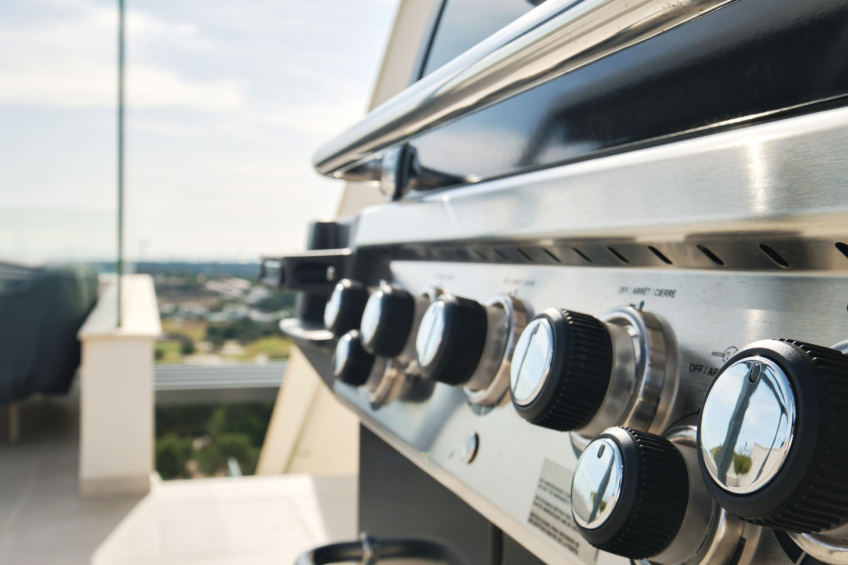
A good ignition system makes grilling easy and reliable, while proper temperature control ensures food cooks evenly.
Built-in thermometers help grillers monitor heat levels without guessing.
Electronic Ignition Versus Manual Start
Electronic ignition systems use battery-powered spark generators or piezo electric igniters to light the grill with the push of a button.
These systems create a reliable spark that jumps from an electrode to ignite the gas flowing from the burners.
Battery-operated igniters produce hotter, more consistent sparks than piezo systems.
They work by using transformers to increase battery voltage.
Most use AA, AAA, or 9-volt batteries that need replacement every few months.
Piezo electric igniters work without batteries.
When someone pushes the button or turns the knob, a spring compresses and releases a hammer that strikes a quartz crystal.
This creates an electrical charge that travels to the electrode.
Manual start systems require matches or a lighter to ignite the burners.
While less convenient, they never fail due to dead batteries or broken spark generators.
They also cost less to repair and maintain.
Controlling Temperature Precisely
Temperature control depends on the grill’s ability to regulate gas flow to each burner independently.
Quality grills have control knobs that adjust from low simmer to high heat smoothly.
Multiple burners allow for zone cooking.
Grillers can set different temperatures across the cooking surface.
This lets them sear meat on high heat while cooking vegetables on medium heat at the same time.
The manifold distributes gas from the tank to individual burner tubes.
A well-designed manifold ensures even gas distribution.
This prevents hot spots and cold areas on the cooking surface.
Precise temperature control requires responsive valves that maintain steady gas flow.
Cheap valves often fluctuate, making it hard to hold consistent temperatures.
Better valves give grillers exact control over heat levels.
Built-in Thermometer Benefits
Built-in thermometers mount in the grill hood and show internal cooking temperatures.
They eliminate guesswork when grilling different foods that need specific heat levels.
Quality thermometers have large, easy-to-read dials marked with temperature zones.
Many show ranges like “warm,” “medium,” and “hot” alongside actual degree readings.
Hood-mounted thermometers measure air temperature inside the cooking chamber.
This differs from grate-level temperatures where food actually cooks.
Some grills include multiple thermometers to show temperature variations across the cooking surface.
Digital thermometers often provide more accurate readings than analog models.
They respond faster to temperature changes and are easier to read from a distance.
Construction, Durability, and Additional Features

Quality materials like stainless steel grades 304 and 316L provide the best rust resistance and longevity.
Storage solutions and side shelves add convenience, while rotisserie attachments and smoker boxes expand cooking possibilities.
Stainless Steel and Build Quality
Stainless steel construction makes the biggest difference in grill longevity.
Grades 304 and 316L offer superior rust resistance compared to lower grades.
Look for stainless steel in the firebox, burner tubes, and cooking grates.
These components face the most heat and moisture exposure.
Powder-coated steel provides a budget-friendly alternative.
It resists rust well when the coating remains intact.
Cast iron grates retain heat better than stainless steel.
They need regular seasoning to prevent rust.
Check the thickness of metal components.
Thicker materials handle temperature changes better and last longer.
Welded joints hold up better than screwed connections.
Look for smooth, clean welds without gaps or rough edges.
The hood should feel solid when opening and closing.
Flimsy construction leads to warping from heat cycles.
Side Shelves and Storage Spaces
Side shelves provide essential workspace for food prep and plating.
Fixed shelves offer more stability than folding options.
Look for shelves that can support at least 25 pounds.
This handles most grilling accessories and food items safely.
Built-in storage cabinets keep grilling tools and propane tanks organized.
Pull-out drawers make access easier than fixed shelves.
Weather-resistant storage protects equipment from rain and humidity.
Stainless steel or powder-coated interiors work best.
Tool hooks on the grill’s side keep spatulas and tongs within reach.
Multiple hooks handle different utensils during cooking.
Propane tank storage with easy access saves bending and lifting.
Some models include tank scales to monitor fuel levels.
Consider your available space when choosing storage options.
Larger cabinets need more clearance around the grill.
Versatility with Rotisserie and Smoker Boxes
Rotisserie attachments expand cooking methods beyond basic grilling.
Look for heavy-duty motors that handle large roasts and whole chickens.
Built-in rotisserie burners provide even heat distribution.
Rear-mounted infrared burners work better than standard tube burners for rotisserie cooking.
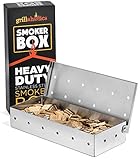 Smoker boxes add wood smoke flavor to gas grills.
Stainless steel boxes withstand high temperatures without warping.
Dedicated smoker box burners maintain consistent smoking temperatures.
This prevents wood chips from burning too quickly.
Side burners increase versatility for sauce preparation and side dishes.
Infrared side burners reach higher temperatures than standard burners.
Removable warming racks create more cooking space.
They keep finished food warm while other items finish cooking.
Interchangeable grate systems allow switching between standard grates, griddle plates, and grill grates for different cooking styles.
Premium Picks for Great Grilling: Napoleon PRO 665 & Weber S-435

When it comes to high-performance gas grills, few names are as iconic as Napoleon and Weber.
Backyard BBQ enthusiasts and culinary grillmasters often find themselves caught in the battle of premium propane grills: the Napoleon Prestige PRO 665 RSIB and the Weber Genesis S-435.
Both are stainless steel powerhouses, but they offer very different experiences under the hood—literally and figuratively.
Let’s break down what each has to offer and help you decide which grill deserves to be the centerpiece of your outdoor kitchen.
Napoleon Prestige PRO 665 RSIB: Luxury, Power, and Showmanship
 The Napoleon PRO665RSIBPSS-3 Prestige PRO 665 RSIB is a beast, and it knows it.
Designed for serious grillers who want both performance and presentation, this grill boasts:
-
1140 square inches of total cooking space
-
8 burners, including infrared side and rear burners
-
Rotisserie kit included
-
Interior grill lights and blue LED-lit control knobs for nighttime grilling
-
Stainless steel wave cooking grids for consistent searing
-
Dual-level sear plates to reduce flare-ups
The Prestige PRO 665 is basically the Cadillac of backyard grilling—loaded with luxury features like a built-in smoker tray, integrated ice bucket, and a power-driven rotisserie system.
The infrared side burner is a highlight, giving you steakhouse-style searing in seconds.
Best for: Grillmasters who host big parties, love gadgetry, and want to make a visual statement.
Weber Genesis S-435: Practicality Meets Precision
 The Weber Genesis S-435 is a more refined and balanced grilling machine, offering a perfect mix of performance and simplicity.
Features include:
-
994 square inches of total cooking area
-
4 high-performance burners with stainless steel flavorizer bars
-
Sear zone burner for extra heat
-
Side burner for sauces or sides
-
Extra-large prep and workspace
-
Grease management system for easy cleanup
Weber focused on functional design and efficiency, with excellent heat distribution and top-tier stainless steel components.
While it lacks the flash of the Prestige PRO, the Weber S-435 excels in consistency, build quality, and user-friendliness.
Best for: Families or grillers who want dependable performance, efficient cooking, and easier maintenance—without breaking the bank.
The Verdict: Napoleon for the Show, Weber for the Flow
-
Go with the Napoleon Prestige PRO 665 if you want a grill that’s as much about showmanship as it is about performance. It’s ideal for those who entertain often and love tech-forward cooking.
-
Opt for the Weber Genesis S-435 if you prefer practicality, clean lines, and solid, consistent grilling without all the bells and whistles.
Both are fantastic choices, but your lifestyle, budget, and cooking preferences will determine the ultimate winner in this sizzling grill showdown.
Frequently Asked Questions

Gas grill buyers often have specific questions about sizing, features, brands, fuel types, maintenance needs, and build quality.
These common concerns help determine which grill best fits individual cooking needs and budgets.
How do I determine the appropriate size of a gas grill for my needs?
Small families need 300 to 400 square inches of cooking space.
This size handles daily meals for two to four people.
Large gatherings require 500 to 700 square inches or more.
Multiple burners help cook different foods at the same time.
Consider warming racks as bonus space.
They keep food hot while other items finish cooking.
Measure the outdoor space before buying.
The grill must fit comfortably on patios, decks, or yards.
What are the most important features to consider when purchasing a gas grill?
BTU output matters for heat control.
Aim for at least 80 BTUs per square inch of cooking area.
Burner material affects durability.
Stainless steel burners resist rust and last longer than cheaper options.
Temperature gauges help monitor cooking heat.
Built-in gauges work better than guessing temperatures.
Side burners add cooking flexibility.
They let cooks prepare sauces or side dishes while grilling main items.
Individual burner controls create cooking zones.
Different foods need different heat levels.
Which gas grill brands are known for their reliability and performance?
Weber leads in build quality and customer service.
Their grills often last many years with proper care.
Char-Broil offers good value for budget-conscious buyers.
Their mid-range models balance features with price.
Napoleon provides premium features and solid construction.
They focus on even heat distribution and durability.
Broil King makes reliable grills with heavy-duty components.
Their products often include generous warranties.
Research customer reviews before buying.
Real user experiences reveal long-term performance issues.
What are the pros and cons of propane versus natural gas grills?
Propane tanks offer complete portability.
Users can move these grills anywhere and replace empty tanks easily.
Propane costs more over time.
Tank refills add ongoing expenses that natural gas users avoid.
Natural gas connects to home gas lines.
This provides unlimited fuel without tank changes.
Natural gas grills stay in one location.
Moving them requires disconnecting and reconnecting gas lines.
Propane burns slightly hotter than natural gas.
Some cooks prefer this higher heat for searing meat.
What maintenance should I expect with a high-quality gas grill?
Clean cooking grates after each use.
Scrub them while still warm for easier grease removal.
Empty grease traps regularly.
Full traps cause flare-ups and attract pests.
Check gas connections monthly.
Soapy water reveals leaks around fittings and hoses.
Cover the grill when not in use.
Weather protection extends the life of metal components.
Replace worn parts as needed.
Quality grills have available replacement burners and grates.
How does the build quality of a gas grill affect its longevity and cooking results?
Stainless steel construction resists rust and corrosion.
Cheap materials fail quickly in outdoor conditions.
Thick cooking grates hold heat better.
Thin grates lose temperature when food gets added.
Heavy lids retain heat during cooking.
Light lids let heat escape and waste fuel.
Quality burners distribute heat evenly.
Poor burners create hot spots that burn food.
Strong warranties indicate manufacturer confidence.
Five-year burner warranties show expected durability.