
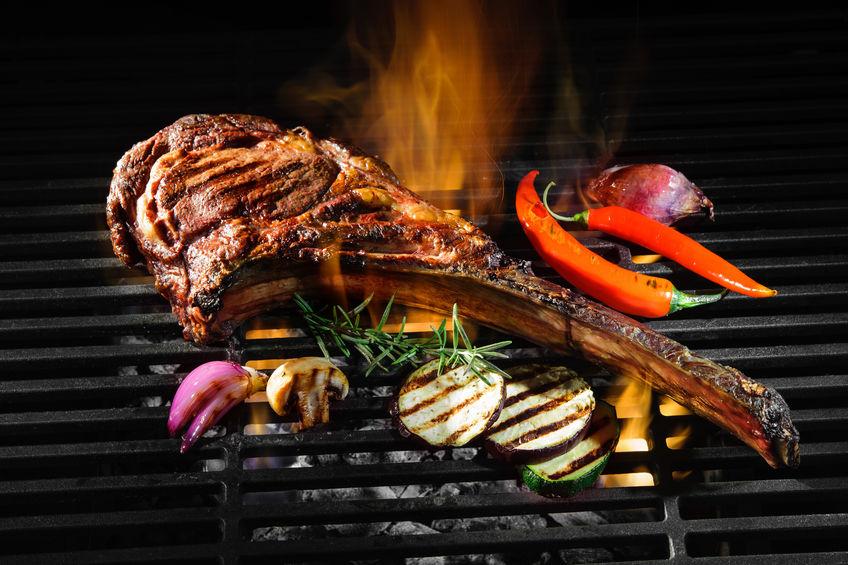
Cast iron grills deliver superior heat retention, even temperature distribution, and exceptional searing capabilities that make them a preferred choice for both professional chefs and home cooks.
These cooking surfaces excel at creating perfect grill marks while preventing food from sticking when properly seasoned.
Cast iron grills provide consistent cooking temperatures, better heat distribution, and enhanced flavor development compared to standard metal grates.
The material’s ability to retain heat allows for more controlled cooking, while its thermal mass helps maintain steady temperatures even when external conditions fluctuate.
This comprehensive guide explores the specific advantages of cast iron grilling, from its versatile cooking applications to proper maintenance techniques.
Readers will discover how different types of cast iron cookware perform on grills, essential design features to consider, and practical recipe ideas that showcase these benefits in real-world cooking scenarios.
Core Benefits of Cast Iron Grills

Cast iron grills deliver superior heat retention and even cooking temperatures that produce consistent results.
The material’s natural properties create a non-stick surface through proper seasoning while providing decades of reliable use.
Exceptional Heat Retention
Cast iron stores thermal energy more effectively than other grill materials.
Once heated, the material maintains consistent temperatures even when cold food contacts the surface.
This heat retention prevents temperature drops that commonly occur with thinner materials.
Steaks and other proteins receive steady heat throughout the cooking process.
The result is better searing and more predictable cooking times.
Key heat retention advantages:
- Maintains temperature when food is added
- Reduces cooking time fluctuations
- Provides consistent energy for proper searing
- Works effectively on various heat sources
Consistent and Even Heat Distribution
Cast iron distributes heat uniformly across the entire cooking surface.
The material’s density eliminates hot spots that create uneven cooking results.
Food cooks at the same rate regardless of position on the grill surface.
This eliminates the need to constantly rotate items during cooking.
Vegetables, meats, and other foods receive identical heat exposure.
The even distribution works on stovetops, outdoor grills, and campfires.
Multiple items can cook simultaneously with predictable results across the entire surface area.
Natural Non-Stick Surface
Properly seasoned cast iron develops a natural non-stick coating through polymerized oil layers.
This surface improves with regular use and proper maintenance.
The seasoning process creates a smooth, slick surface that releases food easily.
Unlike synthetic coatings, this natural layer withstands high temperatures without degrading.
Seasoning cast iron requires applying thin oil layers and heating to create the protective finish.
Benefits of the natural coating:
- No synthetic chemicals
- Improves with use
- Heat resistant up to 500°F+
- Repairable if damaged
Long-Term Durability
Cast iron grills last for generations with basic care.
The material resists warping, cracking, and other common cookware failures.
These grills handle extreme temperature changes without damage.
They work equally well over campfires, gas burners, and electric elements.
The thick construction prevents damage from drops or impacts.
Durability factors:
- Resistant to thermal shock
- Handles high heat without warping
- Repairable surface damage
- Minimal maintenance requirements
Proper storage and occasional re-seasoning maintain performance for decades.
Many cast iron pieces pass between family generations while maintaining cooking effectiveness.
Cooking Versatility and Applications

Cast iron grills excel at multiple cooking techniques, from high-heat searing to gentle braising.
They accommodate diverse ingredients and cooking environments, making them valuable tools for both indoor and outdoor culinary applications.
Searing and Browning Meats
Cast iron grills create exceptional sears on steaks through superior heat retention and even distribution.
The material absorbs heat thoroughly and maintains consistent temperatures across its surface, eliminating hot and cold spots that cause uneven cooking.
The dense iron construction stores thermal energy effectively.
This allows proteins to develop proper Maillard reactions, creating the coveted golden-brown crust that locks in juices and enhances flavor.
Optimal searing results occur with these proteins:
- Ribeye and strip steaks
- Pork chops and tenderloin
- Chicken thighs and breasts
- Lamb chops
The grill marks produced by cast iron ridges provide both visual appeal and enhanced texture.
The raised surfaces create direct contact points for intense browning while allowing fats to drain into the valleys below.
Grilling a Wide Range of Foods
Cast iron grills accommodate ingredients beyond traditional meats.
Vegetables develop excellent char and retain their structural integrity when cooked on the ridged surface.
Eggs cook effectively on cast iron grills when proper seasoning maintains the non-stick properties.
The even heat distribution prevents overcooking while creating attractive grill marks on items like halloumi or thick vegetable slices.
Delicate proteins like fish benefit from the consistent temperature control.
Cast iron prevents the temperature fluctuations that often cause fish to stick or break apart during cooking.
Versatile cooking applications include:
- Sautéing vegetables in the valleys between ridges
- Braising tougher cuts after initial searing
- Simmering sauces using residual pan heat
- Grilling fruits for desserts
The thermal mass of cast iron supports multiple cooking techniques within a single session.
Using Cast Iron Grills Indoors and Outdoors
Cast iron grill pans function effectively on stovetops, providing grill flavors year-round.
They work on gas, electric, and induction surfaces, adapting to various kitchen setups without performance loss.
Outdoor applications extend beyond traditional grilling.
Cast iron grill pans work directly over campfires, wood stoves, and standard barbecue grills.
This versatility makes them valuable for camping and outdoor cooking scenarios.
The material transitions seamlessly from stovetop to oven.
This allows cooks to start proteins on the grill ridges and finish them in controlled oven heat for precise doneness.
Indoor benefits:
- No weather dependency
- Controlled ventilation
- Consistent heat source
Outdoor advantages:
- Enhanced smoky flavors
- Higher heat capabilities
- Social cooking environment
The durability of cast iron withstands temperature extremes and rough handling that outdoor cooking often requires.
Cast Iron Grill Design Features

Cast iron grills feature specific structural elements that directly impact cooking performance.
The surface design and weight distribution create functional advantages for grilling and griddle cooking.
Flat and Ribbed Grill Surfaces
Cast iron grills come in two primary surface configurations.
Flat surfaces function as cast iron griddles, providing complete contact with food for even heat distribution.
These flat designs work well for delicate items like fish and vegetables.
They prevent small pieces from falling through gaps that exist on traditional grates.
Ribbed surfaces feature raised ridges that create distinctive grill marks.
The ridges allow fat to drain away from food while maintaining direct contact points for searing.
The spacing between ribs is typically narrower than standard metal grates.
This design reduces the likelihood of food dropping into the fire below.
Both surface types retain heat more effectively than thin metal alternatives.
The thick cast iron construction maintains consistent temperatures across the entire cooking area.
Weight and Stability Advantages
Cast iron grills weigh significantly more than standard steel grates.
This additional weight creates a stable cooking platform that resists movement during food preparation.
The heavy construction prevents grates from shifting when users flip or rotate food items.
This stability allows for more precise cooking control and safer operation.
Dense cast iron material stores substantial amounts of thermal energy.
Once heated, the grill maintains steady temperatures despite fluctuations in the heat source below.
The weight also contributes to structural durability.
Cast iron grill surfaces resist warping and damage from high temperatures that can affect lighter materials.
This mass requires longer preheating times but delivers more consistent cooking results.
The thermal stability reduces hot spots and temperature variations across the cooking surface.
Types of Cast Iron Cookware Used for Grilling
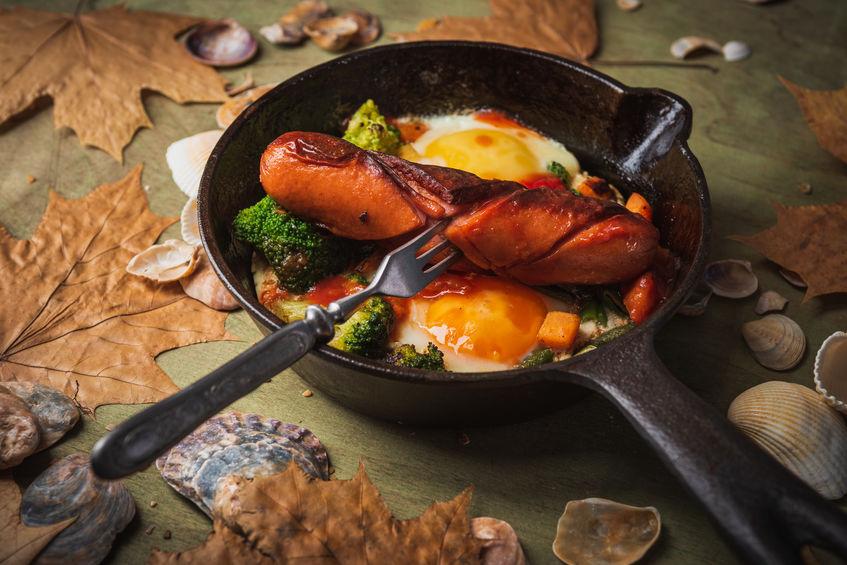
Cast iron skillets provide versatile cooking surfaces for searing and frying on the grill, while griddles offer expansive flat surfaces for cooking multiple items simultaneously.
Dutch ovens excel at slow-cooking methods and can handle everything from braising to baking over open flames.
Cast Iron Skillets
Cast iron skillets serve as one of the most versatile pieces of cookware for outdoor grilling.
They absorb and distribute heat more effectively than cooking directly on grill grates.
The superior heat retention allows skillets to maintain consistent cooking temperatures even when cold food gets added.
This prevents the common problem of temperature drops that occur with standard grill surfaces.
Key advantages of cast iron skillets on grills:
- Even heat distribution across the cooking surface
- Excellent searing capabilities for meats
- Prevention of small foods falling through grill grates
- Natural non-stick properties when properly seasoned
Skillets work particularly well for cooking delicate items like fish, vegetables, and eggs that might otherwise stick or fall apart on regular grill grates.
They also excel at creating restaurant-quality sear marks on steaks and chops.
The versatility extends to cooking methods, allowing grillers to sauté, fry, and even bake while maintaining outdoor cooking authenticity.
 The Lodge 10.25-inch Cast Iron Skillet is one of the most versatile pieces of cookware you can own.
Pre-seasoned and ready to use, it delivers unmatched heat retention and even cooking results.
Perfect for searing steaks, frying eggs, baking cornbread, or even cooking over a campfire, this skillet only gets better with time and proper seasoning.
Cast Iron Griddles
Cast iron griddles provide expansive flat cooking surfaces that transform any grill into a versatile cooking station.
They offer significantly more cooking space than traditional skillets.
The large surface area makes griddles ideal for cooking breakfast items like pancakes, bacon, and eggs simultaneously.
They also work exceptionally well for preparing multiple burgers or sandwiches at once.
Primary uses for cast iron griddles:
- Breakfast cooking (pancakes, eggs, bacon)
- Multiple burger preparation
- Grilled sandwiches and paninis
- Vegetable cooking and stir-frying
The flat surface eliminates hot spots and provides consistent heat distribution across the entire cooking area.
This ensures uniform cooking results regardless of where food sits on the griddle.
Griddles also prevent flare-ups by creating a barrier between food and direct flames.
This makes them safer for cooking fatty foods that typically cause grease fires on open grill grates.
 The Lodge Reversible Cast Iron Griddle offers a wide, flat cooking surface that’s great for pancakes, bacon, sandwiches, or quesadillas.
Thanks to its durable cast iron, it heats evenly and gives your food that perfect golden sear.
Lightweight compared to larger cast iron pieces, it’s easy to maneuver while still providing excellent performance on stovetops, grills, or ovens.
Cast Iron Dutch Ovens
Cast iron Dutch ovens excel at slow-cooking methods and enclosed cooking techniques on grills.
They function as portable ovens that can braise, roast, and bake using indirect heat from charcoal or gas flames.
The heavy lid and thick walls create excellent heat retention and moisture circulation.
This makes them perfect for dishes requiring long, slow cooking times like stews, roasts, and bread.
Optimal cooking methods for Dutch ovens:
- Braising tough cuts of meat
- Slow-cooking stews and soups
- Baking bread and desserts
- Roasting whole chickens or vegetables
Dutch ovens work particularly well with charcoal grilling setups where coals can be placed both underneath and on top of the lid.
This creates an oven-like environment with heat coming from all directions.
The enclosed cooking environment prevents moisture loss while concentrating flavors.
This results in tender, flavorful dishes that would be difficult to achieve with open grilling methods alone.
 The Lodge 6-Quart Enameled Cast Iron Dutch Oven is designed for slow cooking, stews, soups, and baking bread.
Its porcelain enamel coating makes it easier to maintain than bare cast iron while still delivering superior heat distribution.
With a heavy, tight-fitting lid and sturdy handles, this Dutch oven is perfect for everyday kitchen use and adds a stylish touch to your table.
Maintenance and Care for Cast Iron Grills

Cast iron grills require proper seasoning to create a non-stick surface and regular cleaning to prevent rust formation.
These maintenance practices ensure the grill grates perform optimally and last for decades.
Proper Seasoning Techniques
New cast iron grill grates need initial seasoning before first use.
Clean the grates with warm soapy water to remove manufacturing residue and dust. Rinse thoroughly and dry completely.
Apply a thin layer of cooking oil with a high smoke point across all surfaces.
Vegetable oil, flaxseed oil, or canola oil work well for this process.
The oil layer should be even but not pooling.
Heat the grill to 350-400°F for 30-45 minutes.
This process polymerizes the oil, creating a protective coating.
Turn off the heat and allow the grates to cool naturally.
Re-seasoning frequency depends on usage:
- Heavy use: Every 2-3 months
- Moderate use: Every 4-6 months
- Light use: Once or twice yearly
Re-seasoning follows the same oil application and heating process.
Well-seasoned grates develop a natural non-stick surface that improves with each use.
Cleaning and Preventing Rust
Clean cast iron grates after each grilling session to prevent rust formation.
Remove food debris while the grates are still warm using a grill brush or scraper.
For routine cleaning, scrub with hot water and a stiff brush.
Avoid soap when possible, as it can strip the seasoning layer.
Stubborn residue requires gentle scrubbing with coarse salt.
Rust prevention steps:
- Dry grates completely after cleaning
- Apply a light oil coating before storage
- Store in a dry location
- Check regularly for early rust signs
Minor rust spots can be removed with steel wool or sandpaper.
Clean the affected area thoroughly, then re-season that section immediately.
Heavy rust may require complete grate restoration through deep cleaning and full re-seasoning.
Notable Dishes and Recipe Ideas

Cast iron grills excel at creating restaurant-quality results for breakfast items, perfectly seared meats, and traditional baked goods.
The even heat distribution and superior heat retention make these versatile cooking surfaces ideal for achieving consistent textures and flavors.
Preparing Eggs and Breakfast Foods
Cast iron grills create ideal conditions for cooking breakfast items that require consistent, controlled heat.
The seasoned surface prevents sticking while maintaining steady temperatures.
Scrambled eggs cook evenly without hot spots that can cause overcooking.
The retained heat allows for gentle cooking at lower temperatures.
Fried eggs develop crispy edges while keeping yolks intact.
The even heat distribution prevents burning while ensuring whites cook thoroughly.
Pancakes and French toast benefit from the consistent surface temperature.
Each piece cooks uniformly without adjusting heat settings between batches.
Breakfast meats like bacon and sausage render fat properly on cast iron surfaces.
The retained grease enhances flavor for subsequent items cooked in the same pan.
Hash browns achieve golden-brown crusts while staying tender inside.
The heavy surface prevents shifting during flipping and maintains contact for even browning.
Cooking Steaks, Burgers, and Meats
Cast iron grills produce superior results for meat dishes through excellent heat retention and even temperature distribution.
The heavy surface creates perfect searing conditions.
Steaks develop restaurant-quality crusts while maintaining desired internal temperatures.
The consistent heat prevents overcooking edges while centers reach target doneness.
Burgers cook evenly without flare-ups common on traditional grills.
The stable surface temperature ensures consistent results across multiple patties.
Lamb chops benefit from the high-heat searing capabilities.
The retained heat creates proper caramelization while keeping meat juicy.
Grilled vegetables cook alongside meats without burning.
The even heat distribution allows different foods to cook simultaneously at their optimal rates.
Ribeyes with vegetables showcase cast iron’s versatility.
Both components receive consistent heat for uniform cooking results.
Shrimp and seafood cook quickly without sticking when properly seasoned surfaces are used.
The controlled heat prevents overcooking delicate proteins.
Baking Cornbread and Other Sides
Cast iron grills double as baking vessels for traditional side dishes and breads.
The heat retention properties create ideal conditions for baked goods.
Cornbread develops crispy crusts and moist interiors when baked in preheated cast iron.
The consistent temperature produces even browning and texture.
Skillet potatoes roast perfectly with crispy exteriors and fluffy centers.
The retained heat continues cooking even after removing from direct heat source.
Vegetable gratins benefit from consistent bottom heat that prevents burning while ensuring thorough cooking.
The heavy surface distributes heat evenly through layered dishes.
Roasted root vegetables caramelize properly without scorching.
The stable temperature allows natural sugars to develop without burning.
Biscuits and quick breads rise evenly in preheated cast iron surfaces.
The consistent heat creates proper lift while developing golden crusts.