
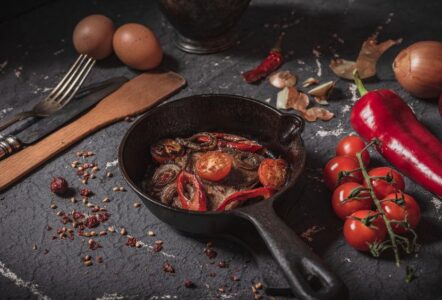

Cast iron pans have been used in kitchens for generations, and many cooks still rely on them today. If you are thinking about buying a cast iron skillet, you may wonder whether it is worth the weight and extra care.
The main advantages of cooking with cast iron are its long lifespan, excellent heat retention, renewable seasoning that can create a naturally nonstick surface, and compatibility with stovetops, ovens, and campfires. Cast iron cookware is also affordable and easy to find, including at thrift stores.
In this article, you will learn the benefits of cooking with cast iron, which foods cook well in it, and how to care for your pan.
Heat Retention for Better Browning
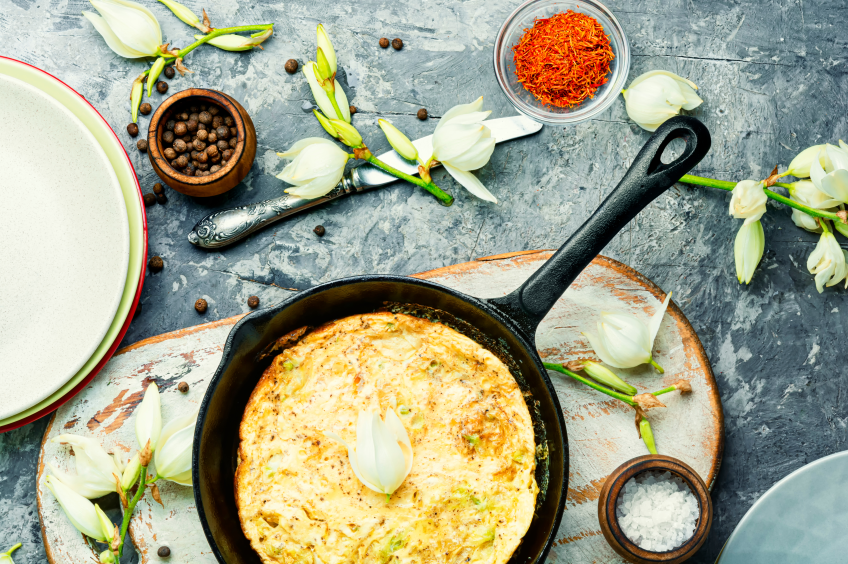 A cast iron skillet stores a large amount of heat, so it stays hot when you add food. This can help you get a deeper sear, more even browning, and richer flavor when you preheat the pan properly.
Why a Hot Pan Produces a Better Sear
Cast iron is known for its heat retention, which helps with searing meats such as steaks and chops. Once hot, the pan retains more heat when food touches it.
Cold food draws heat from a pan. In a thin pan, the temperature can drop quickly, causing meat to steam or turn gray instead of browning.
Cast iron’s stored heat helps keep the cooking surface hot enough for searing. You should hear a steady sizzle as the outside browns while the inside cooks.
Keep in mind that the pan has limits:
- Do not crowd the pan. Too much cold food at once can make it steam instead of sear.
- Leave space between each piece.
- Cook in batches if you have a lot of food.
How Preheating Helps with Consistent Cooking
Cast iron heats slowly, so preheating gives heat time to spread through the pan. Starting on high heat can create a hot spot over the burner while the edges remain cooler. A gradual warm-up works better.
Here are simple steps to preheat cast iron:
- Put the dry pan on the burner.
- Set the heat to low or medium-low for 3 to 5 minutes.
- Raise it to your cooking heat over another 2 to 5 minutes.
To check the pan, flick a few drops of water onto it. If they bead up and skitter around, the pan is hot, though this test does not guarantee perfectly even heating.
Taking time to preheat your cast iron skillet encourages even cooking by letting heat slowly saturate the dense base.
Where Steady Heat Improves Flavor
Browning does more than change how food looks. When meat, bread, or vegetables get hot enough at the surface, they develop new flavors and a crisp crust. This contributes to flavor development.
Steady heat helps with many kinds of cooking:
- Steaks and chops: A dark crust forms on the outside.
- Cornbread: The edges and bottom turn crisp and golden.
- Potatoes: They brown instead of turning soft and pale.
- Fried chicken: The pan helps maintain the oil temperature so the coating can crisp.
Cast iron is also useful for searing, baking, and frying. It can move from the stovetop to the oven, making it useful for finishing dishes.
The Difference Between Retaining Heat and Heating Evenly
Cast iron stores heat well, but it does not spread heat quickly across the pan. It is good at retaining heat, but slow at conducting it.
| Feature | What It Means | How Cast Iron Performs |
|---|---|---|
| Heat retention | How much heat the pan holds | Very good |
| Heat conduction | How quickly heat moves through the metal | Slow compared with copper or aluminum |
This is why the center of the pan can heat up first. A burner smaller than the pan can also leave the edges cooler.
To help, match the pan to a burner of similar size. You can also rotate the pan a quarter turn every few minutes while it heats. Once the pan is hot, its stored heat supports even cooking and maintains a steady temperature for browning.
A Renewable, Naturally Nonstick Surface
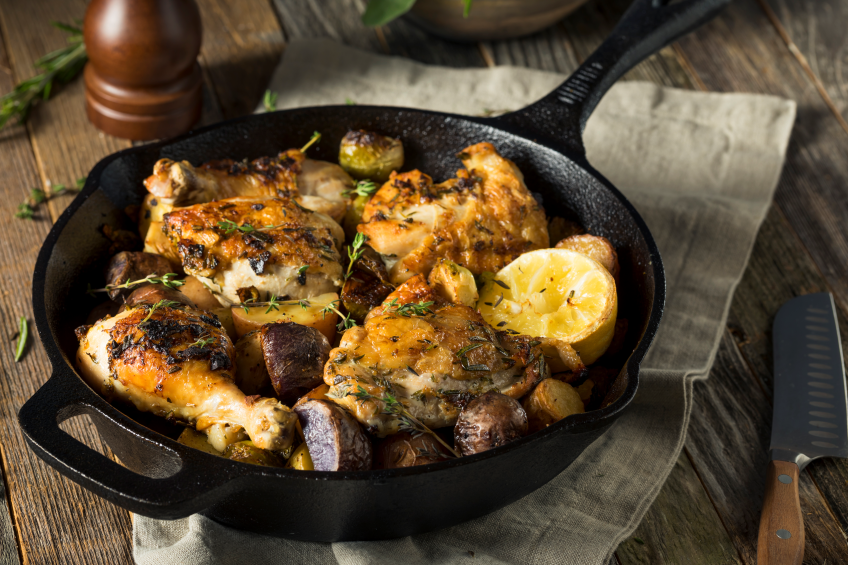 A cast iron pan’s slick surface comes from layers of baked-on oil that build up through seasoning and cooking. This creates a natural nonstick surface without synthetic coatings, and you can restore it at home if it wears thin.
How Seasoning Creates a Cooking Surface
When you season cast iron, you coat it with a thin layer of oil and heat it in an oven. The oil polymerizes into a hard film that bonds to the metal. This process is called polymerization.
Seasoning forms a layer of polymerized oil that also helps protect the pan from rust. Cooking with fat can help maintain that layer over time. With repeated use, this creates a smooth natural non-stick surface that improves the more you cook.
To season your pan in the oven:
- Start with a clean, dry pan.
- Rub a very thin coat of oil on every surface, including the handle and bottom.
- Wipe off the extra oil. Too much oil leaves a sticky finish.
- Bake it upside down at 450°F–500°F for about one hour.
Neutral oils such as vegetable or canola oil are common choices because they are inexpensive and have little flavor.
What to Expect When Cooking Delicate Foods
A new or lightly seasoned pan may still let eggs or fish stick. The surface can improve over time. A well-seasoned pan can develop a naturally nonstick surface that reduces sticking, though it will not release food as easily as a coated nonstick pan.
These habits help delicate foods release:
- Preheat fully. Cast iron heats slowly, so give it several minutes.
- Use enough fat. A little butter or oil goes a long way.
- Wait before flipping. Food often releases more easily once a crust forms.
- Limit acidic foods at first. Long cooking with tomatoes, wine, or vinegar can affect seasoning, especially on a new pan.
If your eggs stick, the pan may need more use, better temperature control, or another round of seasoning.
How It Differs from Synthetic Nonstick Coatings
Many nonstick pans use a factory-applied coating, such as PTFE or ceramic. These coatings can scratch or wear out. If the coating is badly damaged, you may need to replace the pan.
In contrast, cooks seeking chemical-free cooking often turn to cast iron because it contains no synthetic chemicals.
Cast iron works differently. Its seasoned surface can improve with use when properly maintained. If the seasoning wears down, you can reapply it at home.
| Feature | Cast Iron | Synthetic Nonstick |
|---|---|---|
| Surface made from | Baked-on cooking oil | Factory coating |
| Over time | Can become slicker with use and care | Can wear down |
| If damaged | Re-season at home | May need replacement |
| Metal utensils | Generally fine | Can scratch coating |
For home cooks seeking chemical-free cooking, cast iron is an ideal alternative to commercial nonstick pans. A well-maintained natural non-stick surface delivers dependable food release purely through seasoned cooking oils.
Versatility Across Dishes and Heat Sources
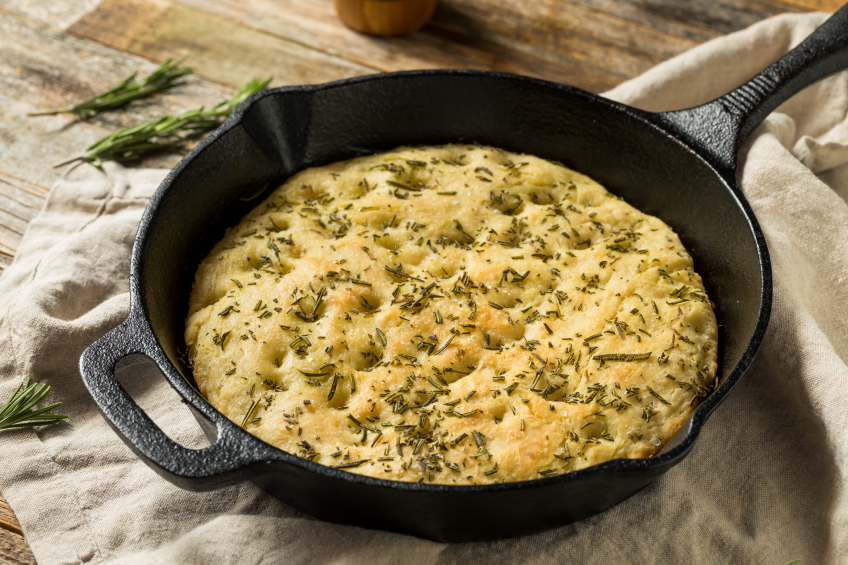 One cast iron pan can sear, fry, bake, and roast, and it can cook over a campfire. Understanding the full benefits of cooking with cast iron helps you choose the right piece, whether a skillet or a Dutch oven.
From Stovetop Searing to Oven Baking
A key benefit of cooking with cast iron is that the same pan can move from the stovetop to the oven. Most bare cast iron pans have no plastic or wooden parts, so they can withstand high oven temperatures.
You can start a steak on the stovetop and finish it in the oven. Cast iron retains heat well, which helps sear a brown crust on meat.
Cast iron pans also work well for baking. You can use one for baking bread or simmering a stew.
Other common oven uses include:
- Cornbread
- Pizza
- Fruit cobblers
- Skillet cookies
Frying, Sautéing, Roasting, and Outdoor Cooking
Cast iron works for many cooking methods. Beyond everyday frying, it excels at high-heat roasting of meats and vegetables. Because one pan handles so much, you may need fewer specialized pans in your kitchen.
| Method | What It Is Good For |
|---|---|
| Frying | Cooking chicken, fish, and potatoes in oil |
| Sautéing | Browning onions, peppers, and garlic |
| Roasting | Cooking a whole chicken or root vegetables in the oven |
| Grilling | Using a cast iron pan on a grill grate or a ridged grill pan |
| Open-fire cooking | Placing the pan on coals or a camp grate |
Cast iron withstands direct heat, but sudden temperature changes can cause it to crack. Its durability makes it useful for camping and open-fire cooking.
Keep in mind that cast iron heats slowly. Preheat it over medium heat for a few minutes before adding food.
When to Choose a Skillet or Dutch Oven
A cast iron skillet and a cast iron Dutch oven suit different cooking tasks. Choosing the right one can save time.
Pick a skillet when you want:
- Fast, high-heat cooking, such as searing steaks or frying eggs
- Low sides that let moisture escape, helping food crisp
- To cook flat foods like pancakes, burgers, or cornbread
Pick a Dutch oven when you want:
- To slow-cook dishes with liquid, such as soups, chili, or pot roast
- A tight-fitting lid to hold in steam
- Deep sides for deep-frying with less splatter
- To bake crusty no-knead bread with the lid on
A Dutch oven is heavier and holds more food. A skillet is lighter and easier to move on the stovetop.
The Lodge Cast Iron Double Dutch Oven is a versatile option for slow-cooking, baking, and everyday cooking. Its lid doubles as a skillet, giving you two pieces of cookware in one.
Made from pre-seasoned cast iron, it retains heat well and is suitable for browning meat, baking bread, and preparing stews. However, like other bare cast iron cookware, it requires seasoning and is less suitable for prolonged cooking with acidic ingredients such as tomatoes, wine, or vinegar.
The Lodge Pre-Seasoned Cast Iron Skillet is a durable, versatile pan for searing steaks, frying eggs, browning vegetables, and cooking over high heat. Its pre-seasoned surface provides a natural nonstick finish that improves with proper care and regular use.
The 12-inch size offers plenty of cooking space, while the included silicone handle holder helps protect your hand when handling the hot skillet. However, avoid prolonged cooking with acidic ingredients to help preserve its seasoning.
Durability and Long-Term Value
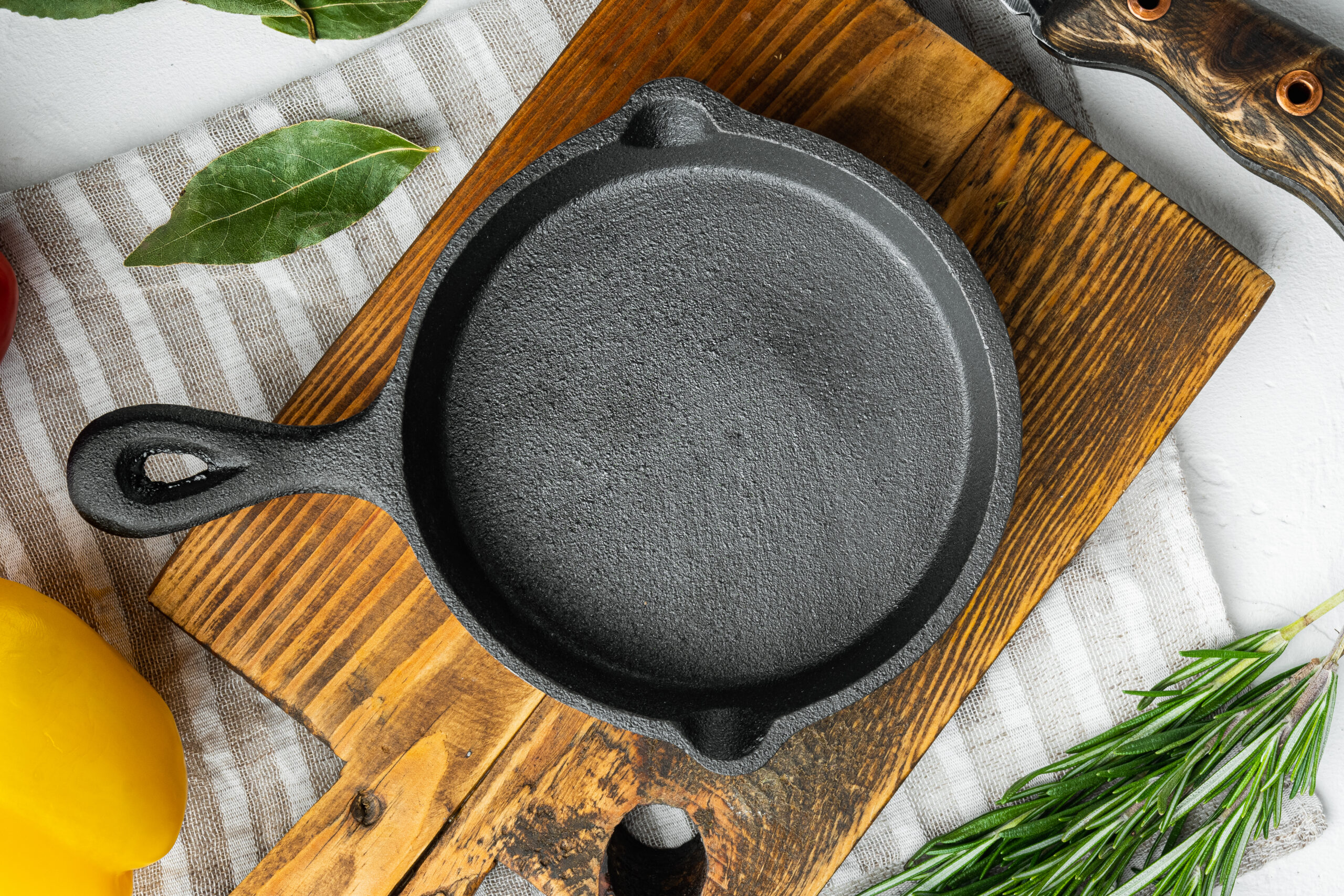 A cast iron pan is made from a single piece of metal, so it has no coating to wear off and no separate parts to break. Rust can usually be removed at home, allowing a pan to serve you for decades with proper care.
Why Cast Iron Can Last for Generations
Cast iron cookware is primarily made from iron and carbon. The molten metal is poured into a mold to form the pan as one piece, without rivets, screws, or glued-on handles that can come loose.
Cast iron pan walls are also thick. For example, a Lodge skillet has walls about 5 mm thick, while a Calphalon skillet has walls about 3 mm thick. This thickness helps make the pan resistant to bending and denting.
There is no nonstick coating to scratch or peel. Instead, seasoning, a layer of baked-on oil, protects the surface. With regular use and care, a cast iron pan can last for generations.
To help your pan last, avoid these habits:
- Putting a hot pan under cold water, which can cause thermal shock and crack it
- Running it through the dishwasher
- Leaving it to soak in water
Restoring a Rusty Pan Instead of Replacing It
Rust can look concerning, but it rarely means a pan is ruined. In many cases, you can restore rusty cast iron with a few simple tools.
Here is how to address rust based on its severity:
| Rust Level | What to Do |
|---|---|
| Light rust | Scrub the spots with steel wool or a handheld scrubber. |
| Heavy rust | Soak the pan in white vinegar, then scrub away the loose rust with a buffing pad or scrubber. |
After removing the rust, wash and dry the pan thoroughly. It takes only a few steps to season cast iron and restore its protective layer:
- Rub a very thin layer of high-smoke-point oil, such as vegetable or avocado oil, over the whole pan.
- Place it upside down in an oven preheated to 450–500°F.
- Bake for one hour, then let it cool in the oven.
Tip: Too much oil can leave the surface sticky, so wipe off any excess.
How Its Lifespan Can Offset the Upfront Cost
Cast iron is often an affordable type of cookware to buy. Its simple manufacturing process helps keep prices low. A basic skillet often costs less than many nonstick or stainless steel pans of the same size.
Nonstick pans may need replacing every few years as their coating wears out. Cast iron has no coating to replace. If the seasoning wears thin, you can restore it at home with a small amount of oil.
This means one skillet may last for decades with proper care. Many cooks say cast iron is worth the cost because of its long lifespan, and the care it needs is often simpler than people expect.
This longevity is one of the greatest benefits of cooking with cast iron, saving money over a lifetime of meals.
Potential Dietary Iron Benefits
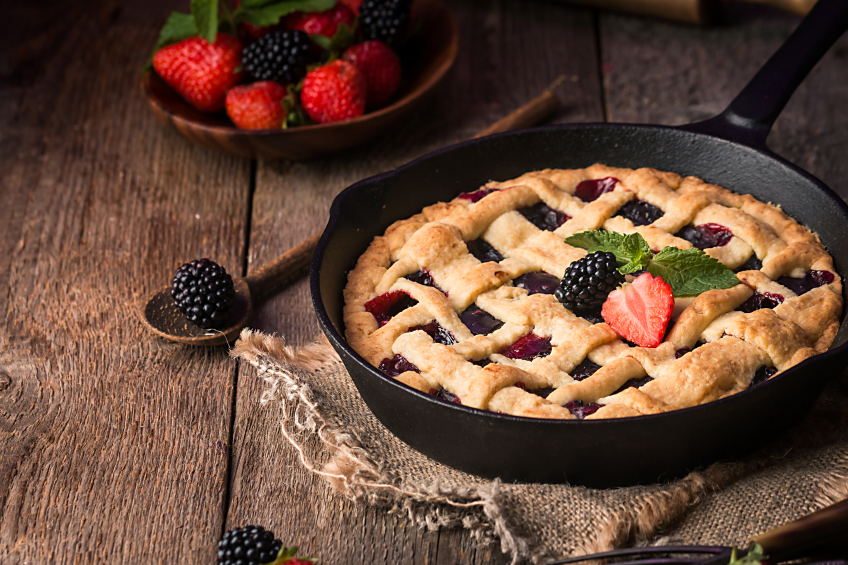 A cast iron pan can add small amounts of dietary iron to food, especially when you cook acidic, moist dishes for a long time. The amount varies from meal to meal. While it can contribute to your daily iron intake, cast iron cannot replace medical care for iron deficiency.
When Cooking May Add Iron to Food
Some iron can transfer from the pan into food during cooking. This is more likely with acidic foods in cast iron, such as tomato sauce, chili, or dishes made with lemon juice or vinegar. Research suggests that cooking these foods in cast iron can increase their iron content.
Iron transfer tends to be higher when:
- The food is acidic, like tomatoes or citrus
- The food is wet or saucy, rather than dry
- You cook it for a long time, such as a stew that simmers for an hour
- You stir it often, increasing contact between the food and the pan
Quick, dry foods like fried eggs or seared steak generally pick up much less iron.
Simmering tomato sauce or chili in a bare pan can slightly increase your dietary iron intake throughout the week.
Why Iron Transfer Varies by Recipe and Seasoning
The amount of iron that transfers to food varies. It depends on what you cook, how long you cook it, and the condition of your pan.
| Factor | More Iron Transfer | Less Iron Transfer |
|---|---|---|
| Food type | Acidic foods, such as tomato sauce | Low-acid foods, such as pancakes |
| Moisture | Soups and sauces | Dry searing |
| Cook time | Long simmering | Short cooking |
| Pan condition | Newer or lightly seasoned | Thick, well-built seasoning |
Seasoning is a layer of baked-on oil that coats the pan. A thick layer acts as a barrier, so less iron transfers to your food. This coating is also food-safe and non-toxic when you care for it properly.
If you want to limit iron transfer, cook acidic dishes for less time or use a different pot.
Why Cast Iron Is Not a Treatment for Anemia
Iron deficiency means your body does not have enough iron. If it worsens, it can lead to iron deficiency anemia, which may make you tired, weak, or short of breath. A doctor can test your blood to check for iron deficiency and anemia.
A review of research on whether cooking in iron pots raises blood hemoglobin examined studies from 1991 to 2020. Some studies found small increases, but cookware is not a reliable way to treat anemia.
There are a few reasons why:
- You can’t measure how much iron transfers to each meal
- Iron from the pan is non-heme iron, which your body generally absorbs less easily than heme iron from meat
- Anemia may require iron supplements or other treatment from a doctor
Some people should also be careful. If you have hemochromatosis, a condition in which your body stores too much iron, talk to your doctor before cooking often with cast iron.
Trade-Offs and Care That Keep It Useful
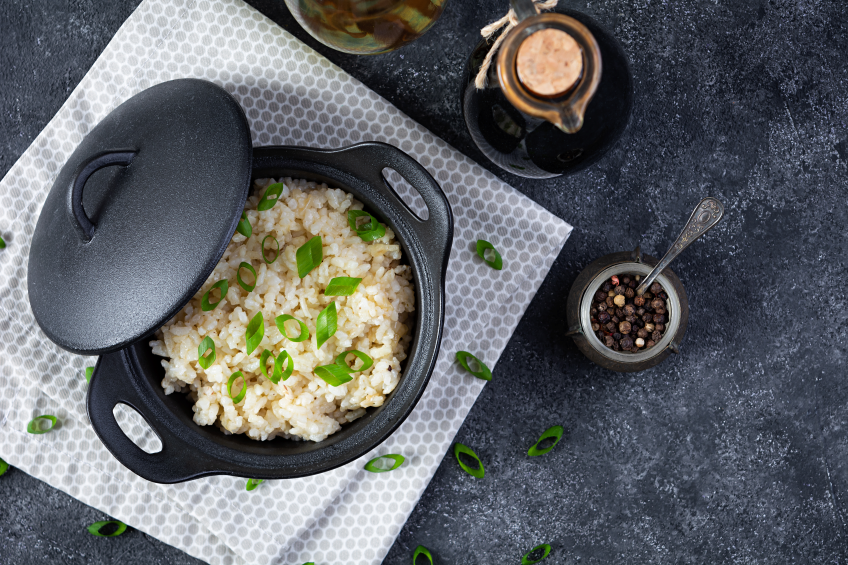 Cast iron is heavy, heats slowly, and gets hot all over, but simple habits help you manage these drawbacks. Regular cleaning, thorough drying, and a light coat of oil protect the seasoning, while enameled cast iron is useful for tasks that bare cast iron does poorly.
Managing Weight, Slow Preheating, and Hot Handles
A 12-inch skillet often weighs 7 to 8 pounds, and a large cast iron Dutch oven can weigh over 13 pounds. Use two hands to lift a full pan. Choose a skillet with a helper handle so you can grip both ends. Cast iron holds heat well, but it also takes longer to heat up and cool down.
Plan accordingly:
- Preheat slowly. Warm the pan over medium-low heat for 5 to 10 minutes before adding food.
- Avoid sudden temperature changes. Do not pour cold water into a hot pan, as the sudden change can crack the iron.
- Protect your hands. The handle gets as hot as the pan. Keep an oven mitt or silicone handle cover nearby.
Cleaning, Drying, and Maintaining Seasoning
Clean your cast iron cookware soon after each use, while it is still warm. Rinse it with hot water and scrub off food with a brush. Some people avoid soap because they believe it strips away the seasoning, but a small amount of mild soap will not harm a well-seasoned pan. For stuck food, scrub with coarse salt or a chain mail scrubber.
Keep it out of the dishwasher, and do not let it soak in water.
After washing, follow these steps:
- Dry the pan with a towel.
- Set it on a burner over low heat for a few minutes to remove any remaining moisture.
- Rub in a very thin layer of vegetable or canola oil.
If you see rust or dull, gray spots, it is time to season the cast iron again. Coat the whole pan lightly with oil, then bake it upside down at 450°F to 500°F for about one hour.
Using Enameled Cast Iron for Acidic or Long-Simmered Dishes
Acidic foods such as tomatoes, wine, vinegar, and lemon juice can wear away the seasoning on bare cast iron and give food a metallic taste. Long simmering can cause the same problems, even with nonacidic foods.
Enameled cast iron has a glass coating that keeps food from contacting the bare metal. It retains heat like bare cast iron but does not need seasoning.
| Feature | Bare Cast Iron | Enameled Cast Iron |
|---|---|---|
| Needs seasoning | Yes | No |
| Suitable for tomato sauce and chili | Only for short cook times | Yes |
| Good for searing | Excellent | Good |
| Main risk | Rust | Chipped enamel |
An enameled cast iron Dutch oven is a good choice for soups, stews, and braises that simmer for hours. To protect the enamel, use wooden or silicone utensils and avoid heating the pot while it is empty.
The Lodge Essential Enamel Cast Iron Dutch Oven is a good option for these dishes. Its glass-like enamel coating prevents food from coming into direct contact with the bare iron, while the cast iron construction retains heat for slow, even cooking. Unlike traditional cast iron, it does not require seasoning, making it convenient for recipes that contain acidic ingredients or simmer for hours.
For frying, searing, and other high-heat cooking tasks, the Lodge Pre-Seasoned Cast Iron Skillet is a useful companion. Its seasoned cooking surface works well for browning meat and vegetables, but prolonged cooking with acidic ingredients is best avoided to help preserve the seasoning.
To protect enameled cast iron, use wooden or silicone utensils and avoid heating the pot while empty. With the right cookware for each task, you can enjoy the heat-retention benefits of cast iron while choosing the appropriate surface for your recipe.
FAQ: What Are the Advantages of Cooking with Cast Iron?

Cast iron cookware offers several advantages, including excellent heat retention, durability, versatility, and the ability to develop a naturally nonstick surface when properly seasoned. It works well for searing steaks, frying, roasting, baking, and cooking over a grill or open fire.
Although cast iron is heavier than many other cookware materials and requires some maintenance, its long lifespan and broad range of uses make it a popular choice for home cooks.
Excellent Heat Retention
One of the main advantages of cast iron is its ability to retain heat. Once thoroughly heated, it maintains its temperature well when cold food is added to the cooking surface.
This makes cast iron particularly useful for searing steaks, browning meat, and frying foods that benefit from consistent heat. However, cast iron generally takes longer to heat up than thinner cookware, so preheating is important.
Durable and Long-Lasting
Cast iron cookware is known for its durability. A well-made pan can last for decades, and many pieces remain usable for generations when properly maintained.
Unlike cookware with delicate nonstick coatings, traditional cast iron does not rely on a synthetic coating that can peel away. It can also be re-seasoned if its protective surface becomes damaged.
Naturally Nonstick When Seasoned
Traditional cast iron develops a seasoned surface through repeated applications of cooking oil and heating. This process creates a protective layer that helps prevent rust and reduces food sticking.
With regular use and proper care, the surface can become increasingly effective for cooking eggs, vegetables, and other foods. However, cast iron is not automatically nonstick, particularly when new, and it still benefits from adequate preheating and cooking fat.
Versatile Cooking Performance
Cast iron can handle a wide range of cooking methods, including frying, searing, roasting, baking, and shallow braising.
Many cast iron pans can move directly from the stovetop into the oven, provided their handles and other components are oven-safe. Cast iron skillets and Dutch ovens are also useful for outdoor cooking over charcoal or a campfire, subject to the manufacturer’s guidance.
Suitable for High-Temperature Cooking
Cast iron is well suited to high-heat cooking because it tolerates temperatures that may damage some nonstick coatings. This makes it a useful choice for searing meat, browning vegetables, and developing a crust on cornbread or other baked goods.
Always check the temperature limits of the complete cookware item, particularly if it has an enamel coating or non-cast-iron components.
Compatible with Many Heat Sources
Traditional cast iron cookware can generally be used on gas, electric, and induction stovetops. Many pieces are also suitable for ovens and outdoor grills.
Its compatibility with induction is especially useful because cast iron is magnetic. Nevertheless, avoid sliding heavy cookware across glass stovetops, as it can scratch or damage the surface.
Can Add Small Amounts of Iron to Food
Cooking with cast iron can increase the iron content of some foods. The amount transferred depends on factors such as the food’s acidity, moisture, cooking duration, and the condition of the cookware’s seasoning.
This may contribute some dietary iron, but the amount varies considerably, and cast iron cookware should not be relied upon as a treatment for iron deficiency.
Cost-Effective Over Time
Although some cast iron cookware can be expensive, traditional skillets are available at relatively modest prices. Their durability and ability to be re-seasoned can make them economical over the long term.
Unlike pans that require replacement when their nonstick coating deteriorates, a traditional cast iron pan can often be restored through cleaning and seasoning.
Are There Any Disadvantages to Cast Iron?
Cast iron is heavy, takes time to heat, and requires care to prevent rust. Traditional uncoated cast iron can also react with acidic ingredients, particularly during prolonged cooking, potentially affecting the food’s flavour and iron content.
To maintain it, dry the cookware thoroughly after washing and apply a thin layer of cooking oil when appropriate. Enameled cast iron avoids many seasoning and rust-maintenance concerns, although its enamel can chip if mishandled.