
Cast iron cookware has earned its place in kitchens worldwide through centuries of reliable performance and practical advantages.
From professional chefs to home cooking enthusiasts, many turn to cast iron for its unique combination of functionality and versatility that modern cookware often struggles to match.
Cast iron offers superior heat retention, develops natural non-stick properties when properly seasoned, provides health benefits through iron fortification, and delivers exceptional durability that can last for generations.
These fundamental advantages make it an attractive option for cooks seeking reliable, long-term kitchen equipment.
Understanding the specific benefits of cast iron cookware helps cooks make informed decisions about their kitchen tools.
The material’s unique properties affect everything from cooking performance to maintenance requirements, while its versatility extends from stovetop cooking to oven baking and even outdoor grilling.
Naturally Non-Stick Surface
 When properly seasoned, cast iron develops a durable non-stick coating that rivals synthetic alternatives.
This natural surface forms through polymerized oils that bond to the iron, creating a smooth cooking layer that improves with use.
How Seasoning Works
Seasoning creates the non-stick properties of cast iron through a process called polymerization.
When oil is heated on the iron surface at high temperatures, it undergoes chemical changes that transform it into a hard, plastic-like coating.
This coating bonds directly to the iron at a molecular level.
The process requires heating oil beyond its smoke point, typically around 400-500°F.
Multiple thin layers of oil applied over time build up the seasoning.
The black, shiny patina that develops is actually cross-linked polymers.
These create a smooth barrier between food and the raw iron surface.
Each cooking session with fats or oils adds to this protective layer.
A well-seasoned cast iron skillet becomes increasingly non-stick with regular use.
The surface develops microscopic smoothness that prevents food adhesion without synthetic chemicals.
Benefits for Low-Fat Cooking
Seasoned cast iron pans require minimal added fats for cooking.
The natural non-stick surface allows foods to release easily without sticking to the pan bottom.
Eggs, pancakes, and delicate proteins cook successfully with little or no oil.
This reduces overall calorie content compared to cooking methods that require substantial amounts of fat for food release.
The iron skillet’s heat retention means lower cooking temperatures often work effectively.
This gentler heat reduces the need for excess oils that might be required in other cookware to prevent burning.
Fat reduction benefits:
- Eggs cook with minimal oil
- Pancakes release without butter
- Fish fillets need less cooking fat
- Vegetables sauté with reduced oil
The natural coating becomes more effective over time, further reducing fat requirements as the seasoning improves.
Comparison with Traditional Non-Stick Cookware
Cast iron’s natural non-stick surface differs significantly from synthetic coatings like Teflon.
While traditional non-stick provides immediate slickness, cast iron develops its properties gradually through proper care and use.
Synthetic coatings offer superior initial non-stick performance but degrade over time.
Cast iron seasoning actually improves with use and can be restored if damaged.
Traditional non-stick pans must be discarded when coatings wear off.
Key differences:
| Cast Iron | Traditional Non-Stick |
|---|---|
| Improves with use | Degrades over time |
| Heat resistant to 500°F+ | Limited to 350-400°F |
| Chemical-free surface | Synthetic coating |
| Repairable seasoning | Non-repairable coating |
Cast iron pans handle high-heat cooking that would damage synthetic surfaces.
The natural coating produces no toxic fumes at cooking temperatures, unlike some traditional non-stick coatings that can release harmful chemicals when overheated.
The learning curve for cast iron is steeper, but the long-term performance surpasses traditional options.
Health Benefits of Cast Iron Cooking

Cast iron cookware provides measurable health advantages through iron fortification of food and the absence of synthetic chemical coatings.
Research shows cooking in cast iron skillets can significantly increase the iron content of meals while eliminating exposure to potentially harmful substances found in modern non-stick surfaces.
Iron Fortification of Food
Cooking with cast iron naturally increases the iron content of food through a process called iron leaching.
When food comes into contact with the cast iron surface, small amounts of iron transfer into the meal.
Research demonstrates that food cooked in iron pots can contain up to 147.32 μg/g more iron compared to food prepared in glass cookware.
The amount of iron transferred depends on several factors including cooking time, acidity of food, and temperature.
Acidic foods like tomatoes and citrus-based dishes absorb more iron from cast-iron skillets.
Longer cooking times also increase iron transfer rates.
Studies show that continuous cooking in cast iron can boost iron content by 2.9 to 20.1 μg per gram of food.
This natural fortification occurs without additives or supplements.
The iron released from cast iron cookware is bioavailable, meaning the body can absorb and use it effectively.
This makes cast iron cooking a practical method for increasing dietary iron intake through regular meal preparation.
Avoidance of Harmful Chemicals
Cast iron skillets contain no synthetic coatings or chemicals that can leach into food during cooking.
Unlike non-stick cookware, cast iron surfaces are made entirely of iron and carbon.
Modern non-stick pans often contain perfluorinated compounds (PFCs) and other synthetic materials.
These chemicals can release into food when pans are heated to high temperatures or when coatings begin to deteriorate.
Cast iron provides a chemical-free cooking surface that becomes naturally non-stick through proper seasoning.
The seasoning layer consists of polymerized oils rather than artificial coatings.
When properly maintained, a cast iron skillet develops a smooth, naturally non-stick surface without any synthetic materials.
This eliminates concerns about chemical exposure from cookware coatings.
The absence of chemical coatings also means cast iron cookware can be heated to very high temperatures without releasing harmful substances into food or the surrounding air.
Potential Impact on Iron Deficiency
Cooking with cast iron shows promise as a strategy for addressing iron deficiency, particularly in developing regions.
Multiple studies have examined the effectiveness of iron cookware in improving hemoglobin levels and reducing iron deficiency anemia.
Research involving 407 children aged 2-5 years found that those consuming food prepared in iron pots experienced a 1.7 g/dL increase in hemoglobin levels.
The proportion of iron deficiency anemia cases dropped from 57% to 13% in this group.
A study of preschoolers showed hemoglobin improvements from 10.1 g/dL to 10.9 g/dL after consuming snacks cooked in iron pots for four months.
Iron deficiency anemia rates decreased by 19% among participants.
However, results vary across different populations and study conditions.
Some research shows minimal hemoglobin changes, particularly in individuals who are not iron deficient.
The World Health Organization recognizes cooking with iron utensils as a potential intervention for iron deficiency.
This approach may be especially valuable in areas where iron supplements are difficult to access or maintain consistently.
Heat Distribution and Temperature Retention

Cast iron cookware excels at distributing heat uniformly across its surface and maintaining consistent temperatures for extended periods.
The dense material and thermal mass properties create reliable cooking conditions that eliminate common temperature fluctuations.
Even Cooking Performance
Cast iron skillets distribute heat uniformly across their entire surface, eliminating the hot spots that plague thinner cookware materials.
The dense iron construction absorbs heat slowly and spreads it evenly throughout the pan.
This consistent heat distribution prevents areas of overcooking or undercooking that occur with aluminum or thin stainless steel pans.
Food receives the same temperature treatment whether placed in the center or edges of the cast iron skillet.
The uniform heating makes cast iron particularly effective for cooking multiple items simultaneously.
Vegetables, proteins, and starches all receive consistent heat exposure when cooked together in the same cast iron pan.
Key benefits of even heat distribution:
- No hot spots or cold zones
- Consistent browning across food surfaces
- Reliable results for large batch cooking
- Uniform texture development
Retaining and Holding Heat
Cast iron’s high thermal mass allows it to store significantly more heat per unit volume than other cookware materials.
Once heated, a cast iron pan maintains its temperature even when food is added or heat sources fluctuate.
This heat retention property keeps food warm long after removal from the heat source.
The stored thermal energy continues cooking processes and prevents rapid temperature drops that can affect food quality.
The sustained heat makes cast iron ideal for searing meats, where maintaining high temperatures creates proper caramelization.
The pan temperature remains stable throughout the cooking process rather than dropping when cold ingredients contact the surface.
Cast iron also transfers this consistent heat to oven cooking, maintaining steady temperatures for baking breads, roasting vegetables, and preparing casseroles.
Preheating Techniques
Proper preheating maximizes cast iron’s heat distribution capabilities and prevents food from sticking to the surface.
The pan should heat gradually on medium settings for 3-5 minutes before adding ingredients.
Cast iron requires longer preheating times than other materials due to its density and thermal mass.
Rushing this process creates uneven heating patterns that reduce cooking performance.
Effective preheating steps:
- Place cast iron skillet on medium heat
- Allow 3-5 minutes for even warming
- Test temperature with water droplets
- Adjust heat level before adding food
The preheated surface creates better searing conditions and develops natural non-stick properties.
Starting with adequately heated cast iron ensures optimal heat retention throughout the entire cooking process.
Durability and Longevity

Cast iron cookware delivers exceptional strength that withstands decades of regular use, while maintaining its cooking performance far longer than most alternative materials.
A properly maintained cast iron pan can function effectively for multiple generations.
Resistance to Wear and Tear
Cast iron skillets demonstrate remarkable resistance to physical damage that destroys other cookware types.
The material’s dense structure prevents cracking, warping, and breaking under normal cooking conditions.
High-temperature cooking poses no threat to cast iron construction.
These pans handle extreme heat without degrading their structural integrity.
Metal utensils cannot scratch or gouge the surface like they do with non-stick coatings.
The seasoning layer on a cast iron skillet actually improves with use.
Each cooking session builds up this protective coating, making the pan more durable over time. This natural process contrasts sharply with synthetic coatings that deteriorate.
Even severely neglected cast iron pans can be restored to full functionality.
Rust removal and re-seasoning techniques can revive cookware that appears completely ruined.
This restoration capability makes cast iron nearly indestructible.
Lifespan Compared to Other Cookware
A quality cast iron pan typically lasts 50-100+ years with proper care.
Many families pass down iron skillets through multiple generations without replacement needs.
Non-stick cookware requires replacement every 2-5 years as coatings wear away.
Aluminum pans develop pitting and warping within 5-10 years of regular use.
Stainless steel lasts longer but still shows wear after 15-20 years.
Cost per year calculations favor cast iron significantly.
A $30 cast iron skillet used for 50 years costs $0.60 annually.
Premium non-stick pans costing $100 every 3 years equal $33 per year.
The iron content actually increases durability through use rather than decreasing it.
This unique characteristic makes cast iron the only cookware that becomes more valuable with age.
Versatility and Cooking Applications

Cast iron cookware adapts to virtually any cooking environment and method, from stovetop searing to campfire cooking.
This adaptability makes it suitable for preparing everything from delicate eggs to hearty roasts across multiple heat sources.
Use on Multiple Heat Sources
Cast iron works seamlessly across all stovetop types including gas, electric, and induction ranges.
The cookware transfers heat efficiently regardless of the source.
A cast-iron skillet performs equally well in conventional ovens, where it can function as both a cooking vessel and serving dish.
Many cooks appreciate this oven-safe quality for recipes that start on the stovetop and finish in the oven.
Compatible Heat Sources:
- Gas stovetops
- Electric coil and glass-top ranges
- Induction cooktops
- Conventional ovens up to 500°F
- Open flames and campfires
- Grills and outdoor cooking surfaces
The thick construction allows cast iron to maintain consistent temperatures across its surface.
This even heat distribution prevents hot spots that can burn food.
Ideal Recipes and Foods
Cast iron excels at high-heat cooking methods that require excellent heat retention.
Searing meats creates perfect crusts while maintaining juicy interiors.
Best Cooking Methods:
- Browning and searing – steaks, chops, chicken thighs
- Sautéing – vegetables, mushrooms, onions
- Baking – cornbread, pizza, cookies
- Frying – bacon, eggs, potatoes
- Braising – pot roasts, stews
A cast iron pan handles delicate foods like eggs and pancakes once properly seasoned.
The natural nonstick surface develops over time with regular use.
Baked goods benefit from cast iron’s heat retention properties.
Cornbread and pizza crusts develop crispy bottoms while staying tender inside.
Avoid extended cooking of acidic foods like tomatoes or wine-based sauces.
These ingredients can strip seasoning and impart metallic flavors.
Indoor and Outdoor Uses
Cast iron transitions effortlessly from kitchen to campsite without requiring special equipment or adapters.
The durability withstands outdoor conditions that might damage other cookware.
Camping enthusiasts rely on cast-iron skillets for cooking over open flames.
The cookware sits directly on grill grates or campfire coals.
Indoor applications include stovetop-to-oven dishes like frittatas and skillet cookies.
Restaurant kitchens often use cast iron for presentation, serving sizzling fajitas in small skillets.
Outdoor Applications:
- Campfire cooking
- Grill surface cooking
- Dutch oven baking with coals
- Tailgating and outdoor events
The cookware requires no electricity or special heat sources, making it ideal for remote locations.
Cast iron maintains its cooking performance whether used indoors or outdoors.
The Best Cast Iron Cookware

The advantages of cooking with cast iron are simply too great to ignore.
From exceptional heat retention to unbeatable durability, cast iron elevates everyday cooking into something special.
To enjoy these benefits to the fullest, it’s important to invest in high-quality cast iron cookware.
Few brands match the reputation of Lodge, a name trusted for generations for its reliability and craftsmanship.
-
Lodge Cast Iron Dutch Oven – Perfect for slow-cooked stews, hearty casseroles, artisan bread, or your favorite chili. This versatile piece transitions seamlessly from stovetop to oven, making it a must-have for comfort foods and family meals.
-
Lodge Cast Iron Skillet – The ultimate classic, known for its versatility and timeless design. Ideal for searing steaks, frying eggs, baking cornbread, or even cooking over an open fire, it’s the cast iron piece every kitchen should have.
-
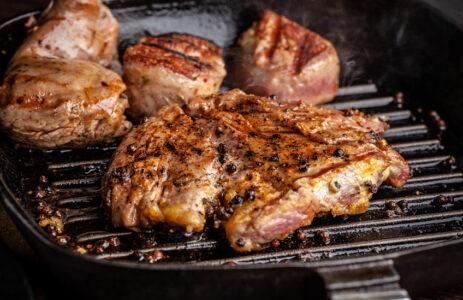
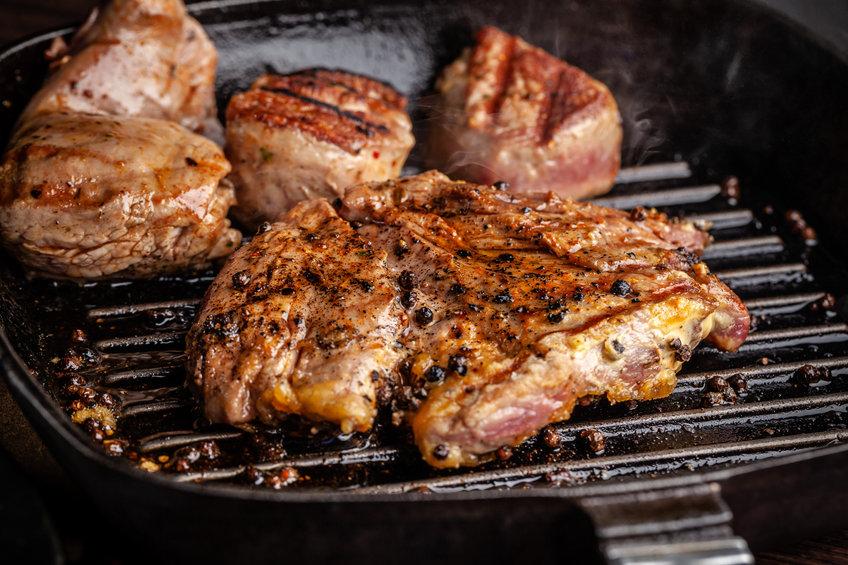
Lodge Cast Iron Grill Pan – Designed to bring that authentic grilled flavor indoors, this pan creates restaurant-style grill marks on meats, vegetables, and more. It’s the closest you can get to outdoor grilling without leaving your kitchen.
While cast iron may not be suited for every single recipe, it shines in countless modern cooking styles.
With just a few Lodge pieces, you’ll discover why cast iron often becomes a cook’s favorite—and most trusted—tool in the kitchen.
Care and Maintenance of Cast Iron

Cast iron pans require specific cleaning methods that avoid soap and excessive water exposure.
Proper seasoning creates a protective layer that prevents rust while building natural non-stick properties.
Cleaning Techniques
Cast iron skillets need gentle cleaning to preserve their seasoning layer.
Hot water and a stiff brush or scraper remove most food residue effectively.
Salt scrubbing works well for stubborn bits.
Coarse salt acts as an abrasive when combined with a small amount of oil.
Users should scrub in circular motions then rinse with hot water.
Avoid these cleaning mistakes:
- Soaking in water for extended periods
- Using harsh detergents or soap
- Putting cast iron pans in the dishwasher
- Air-drying without immediate heating
After cleaning, the pan must be dried completely on the stove over medium heat.
Any remaining moisture leads to rust formation within hours.
Seasoning and Re-Seasoning
Seasoning creates the protective coating that makes cast iron naturally non-stick.
This process involves applying thin layers of oil and heating the pan to polymerize the fats.
Initial seasoning steps:
- Clean the pan thoroughly
- Apply a thin layer of high-smoke-point oil
- Heat in a 450°F oven for one hour
- Let cool completely in the oven
Maintenance seasoning happens naturally during regular cooking with fats and oils.
Cast iron skillets improve with use when properly maintained.
Re-seasoning becomes necessary when food starts sticking or rust spots appear.
The same oven method restores the protective layer effectively.
Prevention of Rust and Damage
Moisture is the primary enemy of cast iron cookware.
Proper storage and handling prevent most damage issues.
Essential protection methods:
- Store in dry locations with good air circulation
- Apply a light oil coating after each use
- Never leave food or water in the pan overnight
- Use moderate heat levels to prevent warping
Temperature shock damages cast iron pans.
Users should avoid placing hot skillets in cold water or moving them directly from stovetops to refrigerators.
Small rust spots can be removed with fine steel wool and immediate re-seasoning.
Extensive rust damage requires complete stripping and full seasoning restoration.
Cost Efficiency and Sustainability

Cast iron cookware provides exceptional financial value through its longevity and minimal replacement needs.
These pans also offer significant environmental advantages compared to modern cookware alternatives.
One-Time Purchase Value
A quality cast iron pan typically costs between $15-40, making it accessible to most budgets.
This initial investment proves remarkably cost-effective over time.
Longevity reduces replacement costs.
Cast iron cookware can last generations when properly maintained.
Unlike non-stick pans that require replacement every 2-3 years, a well-cared-for cast iron pan functions effectively for decades.
Restoration extends lifespan.
Even rusty or damaged cast iron can often be restored through re-seasoning processes.
This ability to rehabilitate old cookware eliminates the need for new purchases.
Versatile functionality maximizes value.
A single cast iron pan serves multiple cooking methods – stovetop frying, oven baking, grilling, and campfire cooking.
This versatility reduces the need for specialized cookware pieces.
Maintenance costs remain minimal.
Cast iron requires only basic cleaning with water and occasional oil seasoning.
No special cleaners or replacement parts are necessary.
Environmental Benefits
Cast iron cookware supports sustainable cooking practices through reduced waste and resource consumption.
The manufacturing process uses recycled iron, creating an environmentally conscious product.
Reduced waste generation.
The multi-generational lifespan of cast iron significantly decreases kitchen waste compared to disposable cookware.
Families can pass down the same pans through multiple generations.
Eliminates chemical coatings.
Cast iron develops natural non-stick properties without synthetic chemicals.
This eliminates the environmental impact of Teflon and similar coating production processes.
Recyclable materials.
When cast iron finally reaches end-of-life, it can be completely recycled into new iron products.
No toxic materials enter landfills or require special disposal methods.
Energy-efficient cooking.
Cast iron retains heat effectively, reducing cooking times and energy consumption.
The even heat distribution minimizes food waste from uneven cooking.