Grilling with charcoal involves several small choices, and one of the most important is whether you leave the grill lid open or closed. The lid position affects airflow, heat distribution, cooking time, and smoke exposure.
The short answer is to close the lid for thicker foods that need steady, indirect heat, and leave it open for quick searing over direct heat. When closed, the grill retains heat and cooks more like an oven.
This helps thick cuts of meat cook through without burning on the outside. Leaving the lid open gives you more direct control during fast cooking. It works well for thinner foods such as burgers or vegetables that need only a few minutes per side.
Knowing when to switch between an open and closed lid can make your charcoal grilling more consistent, and this guide explains when to use each method.
Match the Lid to the Cooking Method
 Different grilling techniques call for distinct lid settings. Once you decide whether the food needs direct or indirect heat, the choice between an open or closed grill becomes straightforward.
Use an Open Lid for Fast Direct Cooking
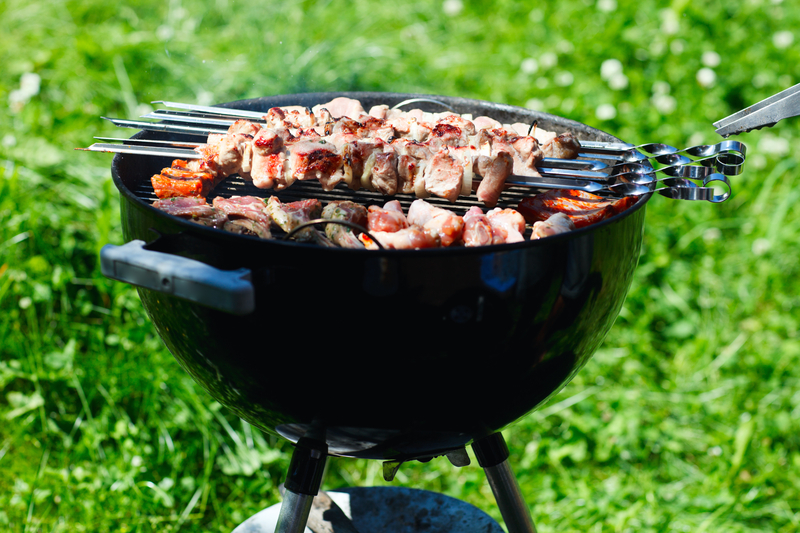
Keep the lid open when using direct grilling for quick-cooking foods. This direct cooking method works well for thin steaks, thin burgers, hot dogs, boneless chicken breasts, and vegetables that cook in under 15 minutes.
An open lid lets you monitor the food closely. You can flip items when needed and check for flare-ups caused by dripping fat.
Direct heat with an open lid helps you build a seared crust and distinct grill marks. Heat remains concentrated at the cooking grate instead of building around the food. This works best for foods you plan to cook quickly and turn frequently. An open lid is commonly recommended for quick-searing thin cuts.
Use a Closed Lid for Indirect and Longer Cooks
Closed-lid grilling works better for indirect cooking and thicker cuts of meat. In indirect grilling, foods such as whole chickens, pork shoulders, and thick steaks need more time and steady heat to cook through. The enclosed space provides consistent heat that cooks large cuts thoroughly.
When you close the grill lid, the grill behaves more like an oven. Steady convection heat circulates around the food, promoting more even cooking than heat applied only from below.
A closed lid also keeps smoke in the cooking chamber longer, increasing the food’s exposure to smoke. Because closed-lid grilling can help control temperature and add smoke flavor, this method suits longer cooks when you are not standing over the grill continuously.
Combine Both Methods for Sear-Then-Finish Cooking
You do not have to use one lid position for the entire cook. Many grillers start with an open lid to sear the outside of a steak or chop over direct heat.
Once you develop a good crust, close the grill lid and move the food to indirect heat. This allows the interior to finish cooking without excessively darkening the exterior.
This two-step method works well for thick steaks, pork chops, and bone-in chicken pieces. Combining these grilling techniques gives you the flavor of searing along with the even cooking of a closed lid.
How the Lid Changes Heat, Airflow, and Smoke
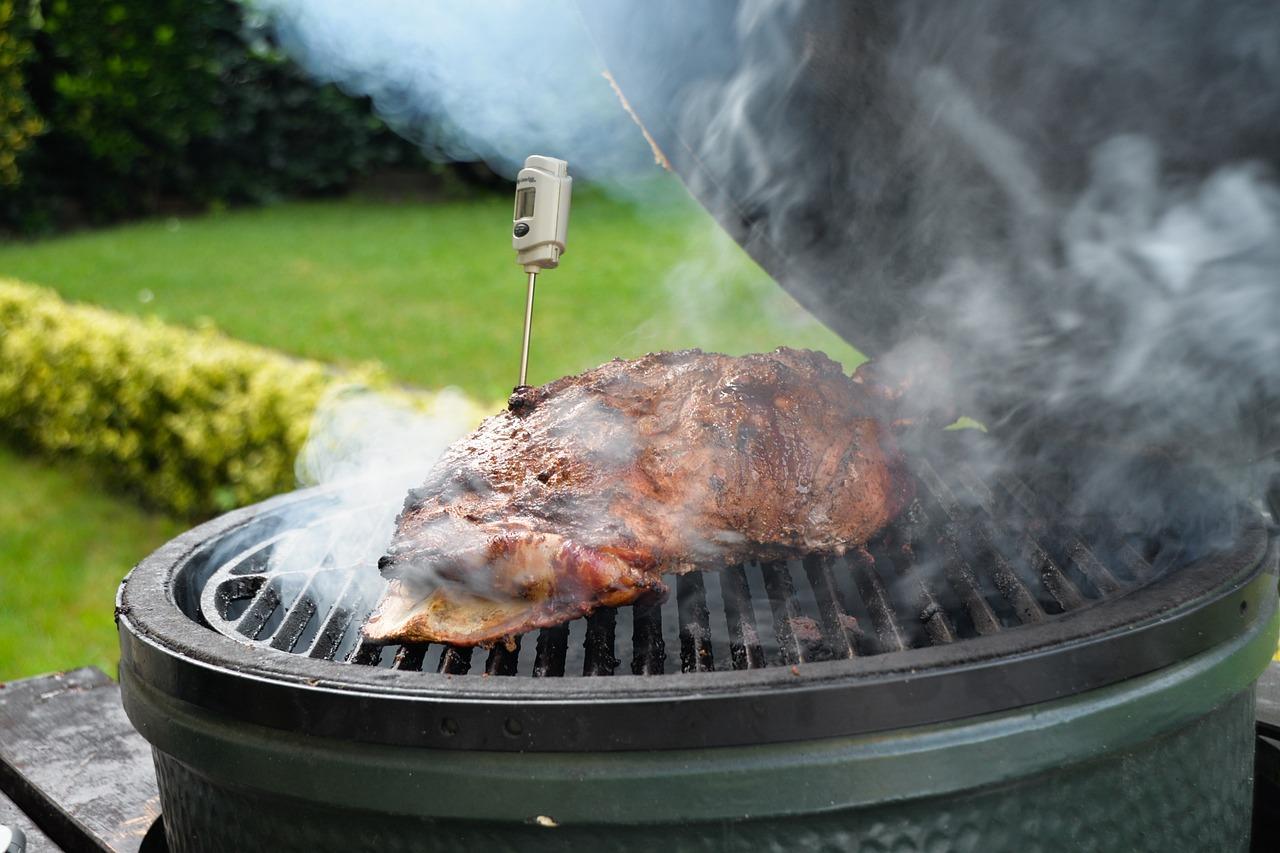 The lid position on a charcoal grill changes three related factors: airflow to the coals, heat retention in the cooking chamber, and smoke movement around the food. Together, these factors affect your grill temperature and the food’s flavor and texture.
Oxygen and Airflow Control
Oxygen feeds the fire. Regulating the oxygen supply provides superior heat control, as more air reaching the coals allows them to burn hotter and faster.
When you lift the grill lid, you change the airflow around the coals and may briefly make them burn more intensely. However, this increase in oxygen does not always provide better control over the cooking temperature.
Your grill’s vents work with the lid to manage airflow. The bottom vent supplies air to the fire, while the top vent allows heated air and smoke to escape. With the lid closed, the vents establish a more predictable airflow path. With the lid open, that path is disrupted, making temperature control less consistent.
Heat Retention and the Convection Effect
A closed lid makes a charcoal grill function more like an oven by retaining heat in the cooking chamber. Circulating convection heat surrounds the food rather than rising directly away from the grate.
This heat retention delivers consistent heat across the cooking area and maintains steady heat at grate level. Food can cook more evenly on multiple sides instead of receiving most of its heat from the coals below.
An open lid interrupts this cycle. Heat escapes upward, so the air above the grate can cool quickly even while the coals remain hot. This can make temperature control less consistent, particularly when cooking thick cuts that require sustained heat to reach a safe internal temperature.
Use a food thermometer to verify doneness; the USDA recommends a minimum internal temperature of 145°F for beef, pork, lamb, and veal steaks, chops, and roasts, with a three-minute rest, and 165°F for poultry. See USDA FSIS Guide.
Smoke Circulation, Moisture, and Flavor
Smoke behaves differently depending on the lid position. With the lid closed, smoke remains in the cooking chamber and moves across the food before exiting through the top vent. This increases the food’s exposure to smoke and can contribute to a smokier flavor, particularly during longer cooks. See AmazingRibs: When to Put Lid On.
With the lid open, smoke generally rises away from the grill. Food receives less smoke exposure because much of the smoke escapes before moving through the cooking chamber.
Lid position also affects moisture retention during the cooking process. A closed lid retains heat and moisture, which can help limit surface drying. An open lid allows heat and moisture to escape more quickly, particularly during longer cooks such as ribs, pork shoulder, or brisket.
When to Cook With the Lid Open
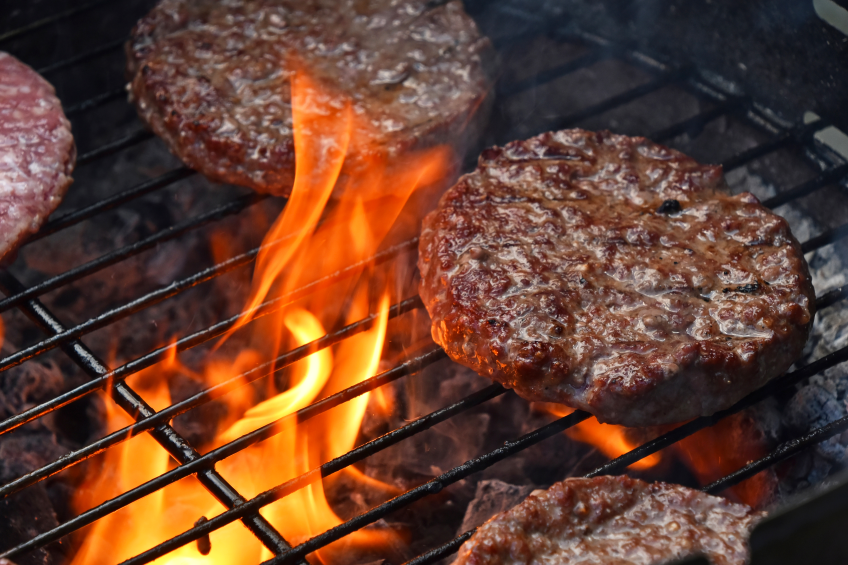 An open grill works best for foods that cook quickly over hot coals. Steaks, burgers, sausages, hot dogs, fish, and vegetables can all work well over direct heat, but they require close attention to prevent burning or flare-ups.
Searing Steaks and Thin Cuts
Thin steaks cook quickly, making them ideal for direct cooking over high heat from the start. Direct grilling with an open lid lets you monitor the exterior while direct heat from the coals develops a crust on the meat.
You may need to flip thin steaks frequently because both sides cook quickly. Keeping the lid open makes it easier to monitor color and doneness, while briefly closing it can help when additional heat is needed. For more guidance on controlling heat and monitoring food while grilling, see BBQGuys’ guide to using a grill with the lid open or closed.
Thicker steaks are different. Unlike thin steaks, thicker cuts often need a closed lid or an indirect-heat finish to cook through without overbrowning the exterior.
Grilling Burgers, Sausages, and Hot Dogs
Burgers, sausages, and hot dogs cook relatively quickly, so an open lid gives you more control. You can move them around the grill to avoid hot spots and reduce the risk of burning.
These foods can release fat as they cook. Drippings that reach the coals may cause flare-ups whether the lid is open or closed. An open lid makes it easier to see the flames and move the food to a cooler zone; it does not make flare-ups inherently safer.
You can also monitor grill marks more easily with an open lid because the food remains over direct heat. Turning and rotating the food creates clean grill marks while promoting even cooking. Napoleon notes that charcoal grills lose heat quickly when the lid is open, so cooking times may vary.
Cooking Fish and Vegetables Over Hot Coals
Fish and vegetables can cook quickly and may fall apart or burn if left over high heat too long. An open lid lets you monitor them and turn them at the right time.
Thin fish fillets need direct heat for a short period. Cooking with the lid open makes it easier to monitor the delicate flesh and remove it before it overcooks. Vegetables such as peppers, zucchini, and onions also work well with direct heat, which can add light charring and a firm-tender texture.
Because these foods are delicate, stay near the grill while they cook. Move them to a cooler zone or remove them from the grill as soon as they reach the desired texture and doneness.
Watching for Charring and Flare-Ups
Opening the lid changes airflow and makes flare-ups easier to observe. Fatty foods such as burgers and sausages can ignite when drippings reach the coals.
Keep a spray bottle of water for minor flare-ups if your grill manufacturer permits it, but do not rely on water for a grease fire. Moving food to a cooler zone and, if it is safe to do so, closing the lid and vents can help reduce the fire by limiting oxygen. Never use water on a grease fire, as it can cause burning oil to splatter and spread the flames. See USDA FSIS.
Charring occurs when food remains over intense heat for too long. Staying near the grill and checking food frequently helps you respond to flare-ups and remove food at the right time.
When to Cook With the Lid Closed
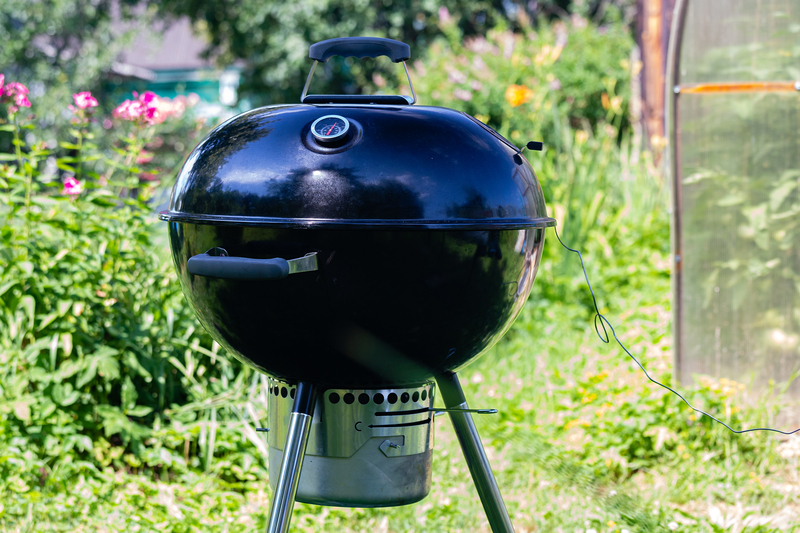 A closed grill retains heat around the food and functions more like an oven, making it useful for thick cuts, whole birds, and foods that need longer, gentler cooking. Closing the lid also helps circulate smoke and allows you to use a two-zone setup or heat deflector to protect food from direct flames.
Finishing Thick Steaks and Pork Chops
Thick steaks and pork chops often need more than direct heat to cook through. Sear a ribeye or thick chop over an open flame first, then close the lid to let it finish cooking without burning the outside.
This method traps heat around the meat and cooks it more evenly. The inside reaches the desired temperature while the outside is less likely to become too dark or dry.
A meat thermometer helps you know when to remove the meat from the grill. For a thick steak, aim for your target internal temperature rather than relying on time alone. Use a thermometer to verify that meat reaches a safe internal temperature; the USDA recommends 145°F for beef, pork, lamb, and veal steaks, chops, and roasts, followed by a three-minute rest.
Roasting Chicken and Larger Cuts
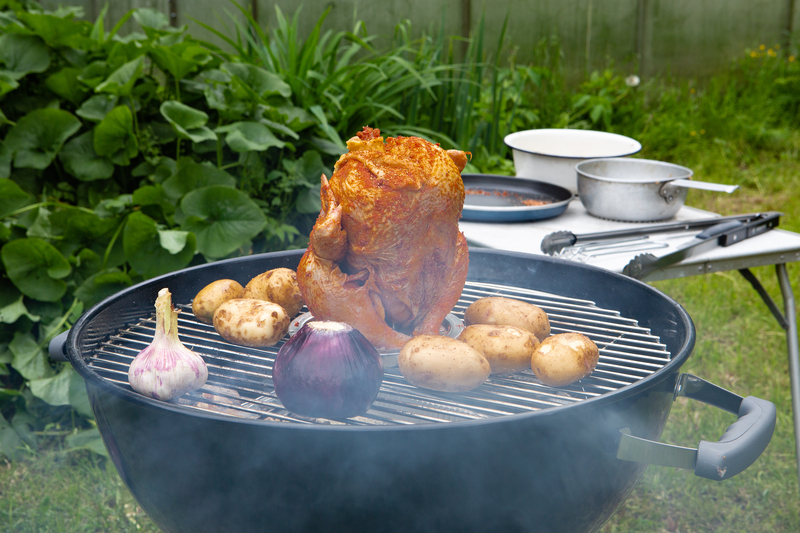
Chicken breasts, whole chicken, and other larger cuts cook best with the lid closed because it circulates heat around the meat instead of concentrating it below. Roasting with the grill lid down prevents heat from escaping, which is critical since a whole chicken can take over an hour to cook.
Closing the grill lid also helps chicken skin turn golden and crisp without burning. This style of slow roasting supports moisture retention in the meat while hot air circulates around the exterior.
Bone-in cuts benefit especially from this method. Bones can slow heat transfer to nearby meat, so slower, more even cooking helps the area near the bone reach a safe temperature.
Smoking Ribs, Brisket, and Pork Shoulder
Traditional BBQ favorites like ribs, brisket, and pork shoulder need long cook times at low temperatures, known as low and slow cooking. A closed lid helps retain heat and smoke inside the grill, supporting the slow cooking process that makes these cuts tender.
Adding wood chips over glowing coals generates smoke, while keeping the lid closed helps retain heat and smoke within the cooking chamber. This is particularly important for longer, lower-temperature cooks, where maintaining a stable cooking environment allows tough cuts to gradually become more tender. See AmazingRibs, When To Put Lid On It.
Opening the grill lid too often lets heat escape and can extend the cooking time. Most pitmasters check food only a few times during a long smoke instead of lifting the lid constantly.
Using Indirect Heat for Pizza and Roasts
Indirect grilling setups work best when the lid stays closed. Coals or burners are placed to one side, food sits on the other, and circulating convection heat cooks food evenly from all sides.
This method of indirect grilling works well for roasts that need slow, even cooking on all sides. Roasting in an enclosed chamber provides consistent heat to cook meat gently. A heat deflector can also be added to block direct heat and protect food from scorching.
Pizza also benefits from this setup because a closed grill retains enough heat to cook the crust and melt the cheese at the same time. Without a closed lid, the top of the pizza can remain undercooked while the bottom burns.
Set Up and Control a Charcoal Fire
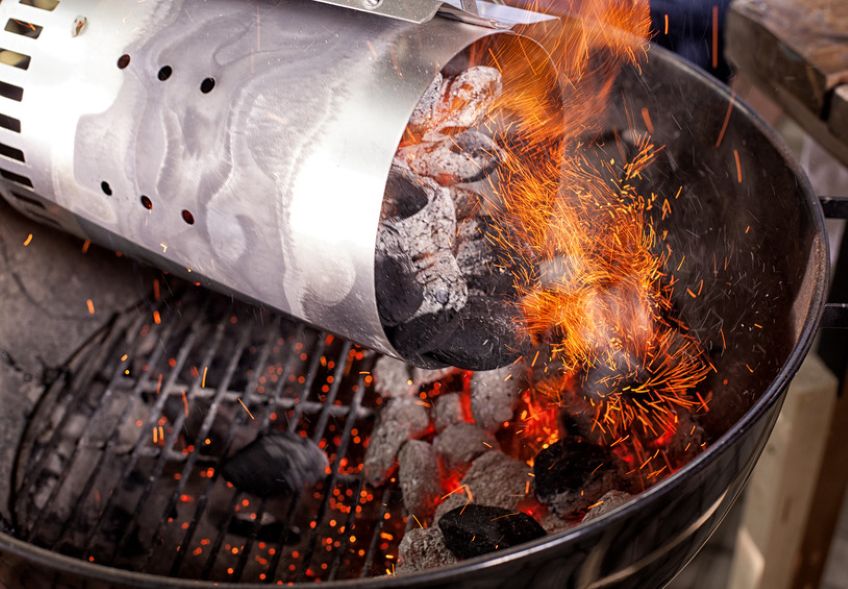 A good cook depends on how well you light the coals, arrange them, and manage airflow. Once you understand these basics, temperature control becomes simpler and less stressful.
Lighting Charcoal Safely With a Chimney Starter
A chimney starter is a reliable way to start lighting charcoal. Fill the metal cylinder with charcoal, place crumpled newspaper underneath, and light it.
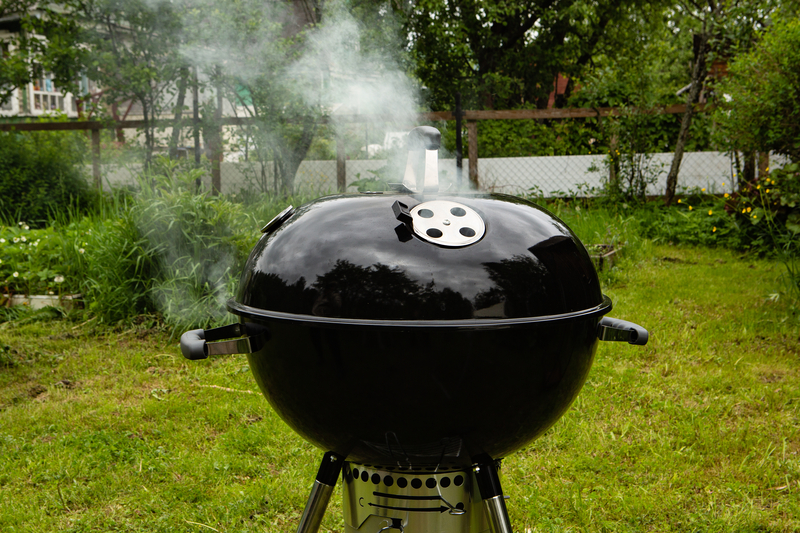
Within 10 to 15 minutes, the coals often turn ashy gray and glow orange at the bottom. This method avoids lighter fluid, so it can reduce the risk of unwanted fuel odors or flavors.
Once the coals are ready, pour them carefully into your grill. Wear heat-resistant gloves during this step because the chimney and coals become very hot.
Arranging Coals for Two-Zone Cooking
Two-zone cooking means placing charcoal on one side of the grill and leaving the other side empty. This setup offers better heat control while providing direct heat and indirect heat during the same session.
Use the hot side for direct grilling to sear burgers, steaks, or chicken breasts quickly. Direct cooking over hot coals creates quick browning before food is shifted away from the flames. Move food to the empty side when it needs indirect grilling to cook more slowly without burning.
This method works well for thicker cuts of meat that need a browned exterior and a fully cooked center. It also provides a safe area to move food if flare-ups occur.
Adjusting Grill Vents Without Smothering the Fire
Your grill vents are the main tools for charcoal temperature control. Opening the vents supplies more oxygen to the fire and generally raises the heat. Closing them partway slows combustion and lowers the temperature. Closing them completely can extinguish the fire, so avoid full closure while you are actively cooking.
Small adjustments can make a noticeable difference. Proper vent adjustments give you dependable heat control, as tiny movements shift airflow and cooking temperature quickly. Proper airflow also affects fuel consumption. A fire with excessive airflow burns coals faster, while a fire that is restricted too much may require frequent relighting.
Monitoring Temperatures With Reliable Thermometers
A grill thermometer tells you the temperature inside the cooking chamber. Many built-in lid thermometers do not measure the temperature at the cooking grate accurately, so a separate digital probe can provide more useful readings.
A meat thermometer is just as important. It measures the internal temperature of your food, providing a reliable way to verify doneness and, where applicable, whether the food has reached a safe minimum internal temperature. USDA FSIS: Safe Minimum Internal Temperatures. Checking both tools together gives you greater control over the cook. You can adjust the vents or move food between heat zones based on measured temperatures instead of guesswork.
Safety and Grill-Type Considerations
 Knowing whether to leave the lid open or closed on your charcoal grill affects more than flavor. It also plays a role in fire safety and how much smoke and combustion gas builds up around your food.
Preventing and Handling Flare-Ups
Flare-ups happen when fat or juices drip onto hot coals and ignite. They can burn your food and create a safety hazard if the flames become too high. Keeping the lid closed can help limit flare-ups by reducing the oxygen available to the flames, although opening the lid may be necessary if flames become dangerous or the fire needs attention.
Flare-ups and splatters are more likely when the lid stays open, especially with fatty foods such as burgers and steaks. Trim excess fat before grilling to reduce the risk. Keep a spray bottle of water nearby for small flare-ups, but do not use water on a grease fire. Keep an appropriate fire extinguisher close to the grill in case a flare-up gets out of control.
Avoiding Carbon Monoxide Risks
Charcoal grills produce carbon monoxide as they burn. This gas has no smell or color, so you cannot detect it without a carbon monoxide alarm.
Never use a charcoal grill indoors, in a garage, or in any enclosed space. Burning charcoal produces carbon monoxide (CO), an odorless, colorless gas that can build up in enclosed or partially enclosed areas and cause poisoning or death. The CDC specifically advises never using a charcoal grill inside a home, tent, camper, basement, or garage. See: CDC: Carbon Monoxide Poisoning Basics.
Always grill outside in an open area, away from windows, doors, and other openings. This allows carbon monoxide to disperse instead of collecting near you or your home.
If you feel dizzy, nauseous, or short of breath while grilling, move to fresh air immediately and seek medical help if symptoms continue.
How Gas, Pellet, and Electric Grills Differ
Gas grills, pellet grills, and electric grills use different heating systems, so their lid and safety guidance varies. In general, keep a gas grill’s lid open during ignition, operate a pellet grill with the lid closed, and follow the manufacturer’s instructions for an electric grill.
| Grill Type | Lid Position Guidance | Key Safety Note |
|---|---|---|
| Gas grill | Keep the lid open when lighting for safety | Helps prevent gas buildup before ignition |
| Pellet grill | Usually operate with the lid closed | Uses enclosed heat for consistent cooking |
| Electric grill | Follow the manufacturer’s instructions | Has no open flame, but still requires fire-safe placement |
Gas grills need an open lid during startup so unburned gas does not collect and ignite suddenly. Pellet grills work similarly to convection ovens and depend on a closed lid to maintain steady cooking temperatures.
Electric grills have no open flame, but you should still operate them safely. Some grillers add a smoker box with wood chips to gas grills for extra smoky flavor, adapting techniques from charcoal grilling. Follow the manufacturer’s instructions for grill placement, ventilation, electrical connections, and operation, particularly when using an electric grill outdoors. See University of Arkansas — Grilling Safely.
FAQ: Do You Leave the Lid Open or Closed on a Charcoal Grill?
 Keep the lid closed for most grilling once the charcoal is hot. Closing the lid helps retain heat, control airflow, and cook food more evenly, while opening it is useful when lighting charcoal, adding fuel, or when you need to monitor the food closely.
Should the Lid Be Open When Lighting Charcoal?
Yes. Keep the lid open while lighting charcoal so the fire receives adequate airflow. Once the charcoal is fully lit and has developed a layer of gray ash, arrange it for cooking and close the lid to bring the grill to temperature.
Should You Grill Steaks With the Lid Open or Closed?
For most steaks, either approach can work depending on thickness and cooking temperature. Thin steaks can be seared with the lid open, while closing the lid is useful for thicker steaks because the hot air surrounding the meat helps cook the centre.
Does Closing the Lid Make a Charcoal Grill Hotter?
Closing the lid can help the grill retain heat, but the vents control how much oxygen reaches the charcoal. Keeping the vents appropriately adjusted allows you to control the fire and maintain the desired cooking temperature.
When Should You Open the Lid on a Charcoal Grill?
Open the lid when checking, turning, or moving food, adding charcoal or wood, or controlling flare-ups. Keep the lid closed between these tasks to maintain a more stable cooking temperature.
Should the Vents Be Open or Closed on a Charcoal Grill?
The vents should generally remain open enough to provide the charcoal with oxygen, with adjustments made to control the temperature. Opening the vents increases airflow and can raise the fire’s temperature, while closing them reduces airflow and lowers the temperature.