

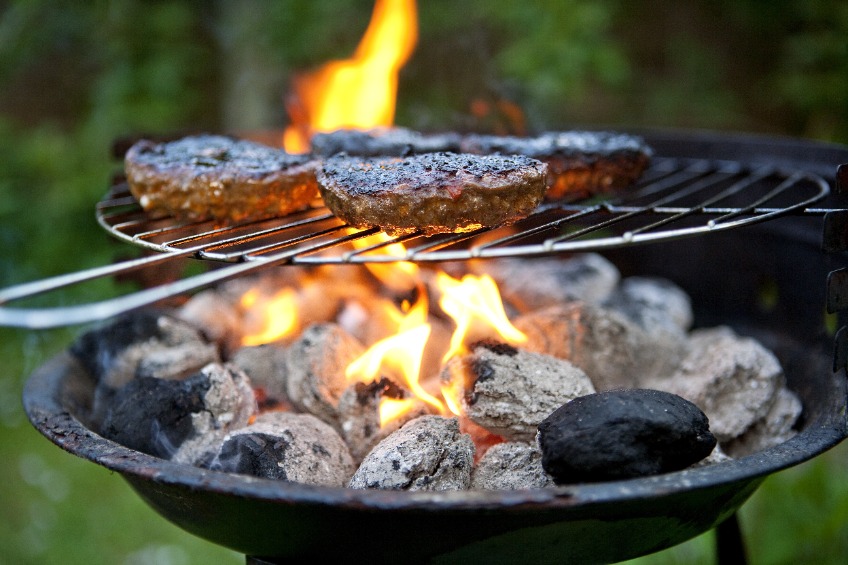
Charcoal grilling remains a popular cooking method for its ability to impart rich, smoky flavors to food.
Many people enjoy the taste and tradition associated with cooking over charcoal, but questions about its safety often arise.
Understanding the potential health risks and benefits is essential for those who want to make informed choices.
Eating food cooked over charcoal is generally safe when done occasionally and with proper precautions, but frequent exposure may increase the risk of harmful compounds forming.
High heat and smoke from charcoal can create carcinogenic substances, especially when meat is charred or overcooked.
However, adopting careful cooking techniques can reduce these risks and help maintain food safety.
This article explores the balance between flavor and health, providing clear information on the effects of charcoal grilling, safety tips, and alternatives to consider.
Readers will learn how to enjoy their favorite grilled foods while minimizing potential dangers.
Understanding Charcoal Cooking
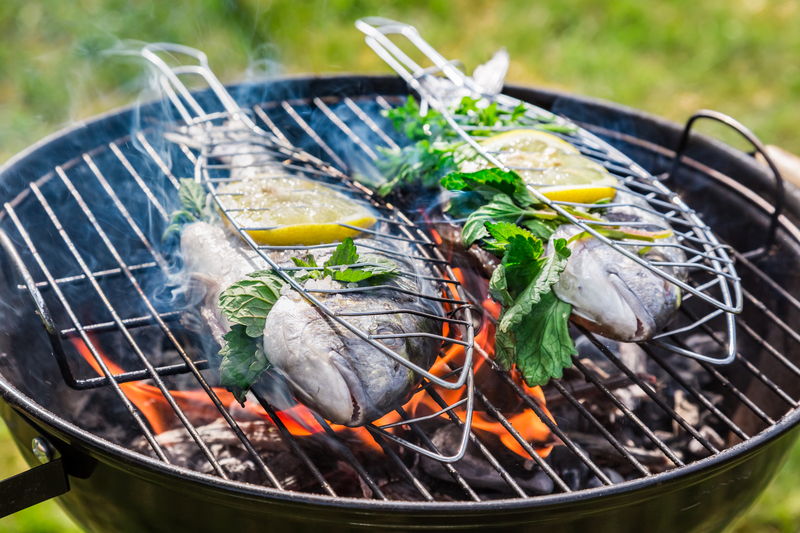
Charcoal cooking uses a fuel source that produces intense heat and smoke, which changes the flavor and texture of food.
This method requires awareness of how charcoal functions and the types available to ensure safe and effective cooking.
What Is Charcoal Cooking?
Charcoal cooking involves burning charcoal briquettes or lump charcoal to generate heat for grilling or barbecuing.
The heat comes from the incomplete combustion of carbon-rich material, creating an environment of high temperatures and smoke.
This smoke contains compounds that penetrate the food, affecting taste and aroma.
The cooking process can reach much higher temperatures compared to gas grills, which is why it is preferred for searing meats or creating a crispy outer layer.
How Charcoal Affects Food
The combustion of charcoal produces smoke that carries flavor-enhancing compounds.
These include small amounts of hydrocarbons and other organic materials that create the characteristic smoky taste.
High heat also promotes caramelization and Maillard reactions in food, intensifying flavor and texture.
However, incomplete combustion can release harmful substances like polycyclic aromatic hydrocarbons (PAHs), which may pose health risks if consumed in large amounts over time.
Proper charcoal lighting and cooking techniques can minimize these risks by reducing smoke exposure and avoiding direct contact between flames and food.
Types of Charcoal Used
There are two main types of charcoal: lump charcoal and charcoal briquettes.
- Lump charcoal is made from natural wood that is burned in low oxygen. It burns hotter and faster, producing less ash but more intense smoke.
- Charcoal briquettes are manufactured from compressed sawdust and additives. They burn more evenly and longer but may contain chemicals that affect flavor and safety.
Choosing the right type depends on cooking style, heat control preferences, and concern over additives or impurities.
Health and Safety Considerations
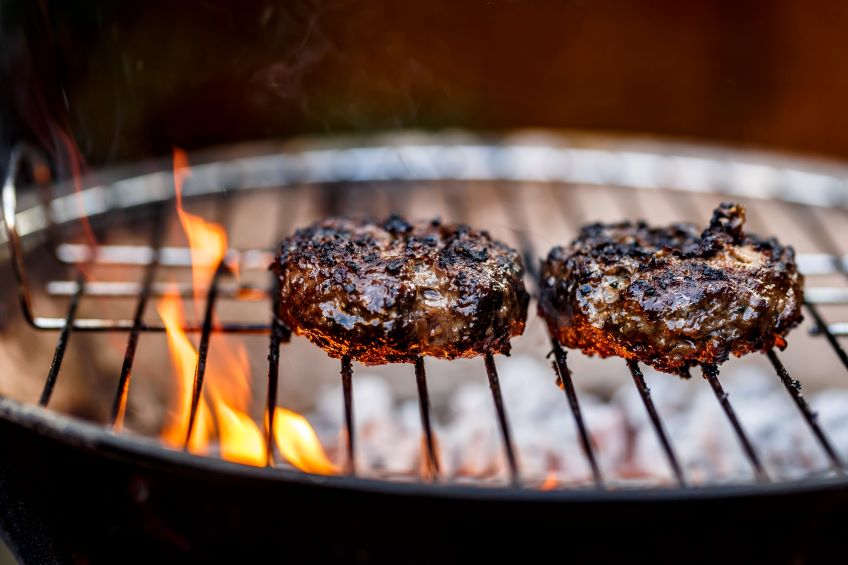
Charcoal cooking introduces specific health concerns due to the way food is exposed to high heat and smoke.
The formation of potentially harmful compounds and the risk levels vary depending on cooking habits and food types.
Adopting careful cooking methods can reduce these risks significantly.
Potential Health Risks of Charcoal Cooking
Cooking over charcoal can increase exposure to carcinogens linked to certain cancers.
These risks arise primarily from the inhalation of smoke and the consumption of charred or burnt food parts.
People who grill frequently or consume heavily charred meat may face a higher likelihood of developing health issues.
However, occasional charcoal grilling typically presents a low risk when safe practices are followed.
Other concerns include respiratory irritation from charcoal smoke and the possibility of consuming residues from lighter fluids if not fully burned.
Choosing natural lump charcoal and allowing it to burn completely helps reduce these hazards.
Formation of Harmful Compounds
High temperatures cause the formation of heterocyclic amines (HCAs) and polycyclic aromatic hydrocarbons (PAHs).
HCAs develop in cooked muscle meats, while PAHs result from smoke and food fat dripping onto hot coals.
Both HCAs and PAHs have been linked to DNA changes that may increase cancer risk.
The levels of these compounds rise with longer cooking times and excessive charring.
Non-meat foods generally produce fewer harmful compounds.
Vegetables and starchy items form fewer HCAs but can still accumulate PAHs if heavily smoked.
Safe Cooking Practices
To minimize health risks, avoid overcooking or charring food.
Using lean cuts reduces fat drippings and smoke.
Marinating meat can lower HCA formation.
Pre-cooking in the oven before grilling also shortens exposure time on charcoal.
Keeping food elevated from direct flames and flipping frequently reduces burnt surfaces.
Cleaning grills and using natural, additive-free charcoal limits exposure to toxic residues.
By implementing these techniques, charcoal grilling can remain a flavorful and comparatively safer cooking method.
Nutritional Impact of Cooking Over Charcoal
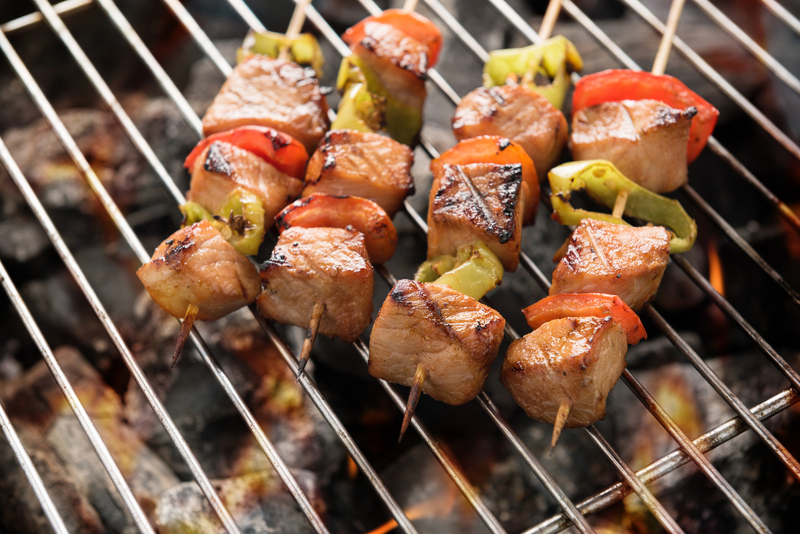
Cooking over charcoal affects the food’s chemical composition and nutrient contents differently than other methods.
Some changes enhance flavors, while others may reduce certain vitamins or alter fats.
Understanding these effects helps assess the nutritional value of charcoal-cooked meals.
Changes in Food Composition
Charcoal cooking exposes food to high temperatures and smoke, which can cause chemical changes.
The heat can lead to the formation of compounds like polycyclic aromatic hydrocarbons (PAHs) and heterocyclic amines (HCAs), substances linked to potential health risks.
These compounds form primarily when fat drips onto the charcoal, creating smoke that coats the food.
The cooking process can also alter the texture and moisture of food, sometimes concentrating proteins and fats as water evaporates.
Additionally, the smoke imparts unique flavor compounds that do not naturally exist in the raw ingredients.
Retention of Nutrients
Charcoal grilling typically preserves minerals such as iron and zinc, which remain stable under high heat.
However, vitamin content—especially heat-sensitive vitamins like vitamin C and some B vitamins—can decrease significantly during cooking.
Fat content may slightly increase if marinades or added oils are used, but grilling itself does not add fat.
The quicker cooking times due to charcoal’s high heat can help retain more nutrients compared to slow-cooking methods.
In summary, nutrient loss is mostly tied to heat exposure and not charcoal specifically, making the nutritional impact comparable to other high-heat cooking techniques.
Comparing Charcoal With Other Cooking Methods
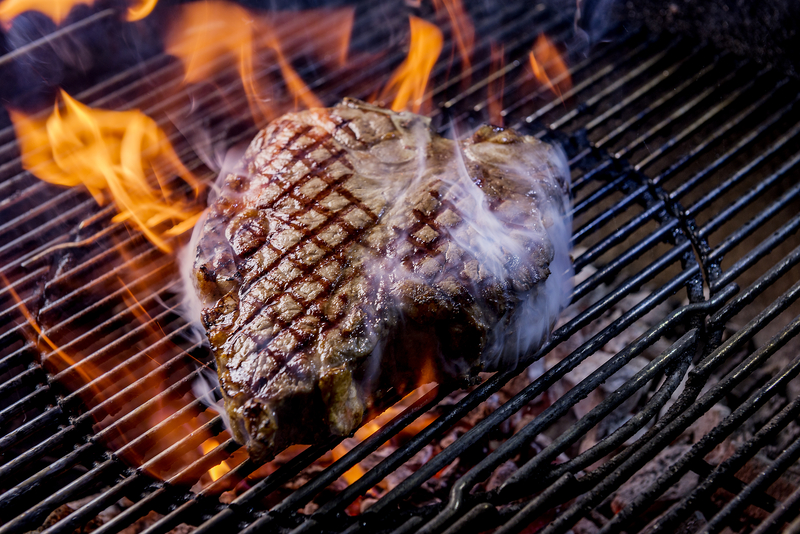
Cooking methods differ in heat source, flavor impact, and potential health risks.
Charcoal grilling creates a distinctive smoky flavor but also produces combustion byproducts.
Gas and electric cooking methods offer alternatives with varied effects on taste and safety.
Charcoal vs Gas Grilling
Charcoal grilling reaches higher temperatures than gas grills, which helps achieve a distinct sear and smoky flavor.
This flavor results from smoke and combustion residues unique to charcoal, which gas grills do not generate.
However, the intense heat from charcoal can cause charring, increasing the formation of potentially harmful compounds like polycyclic aromatic hydrocarbons (PAHs) and heterocyclic amines (HCAs).
Gas grilling produces fewer carcinogens because it burns cleaner and produces less smoke.
It also offers better temperature control, reducing the risk of over-charring.
Gas grills heat up quickly and require less preparation, making them more convenient.
Charcoal vs Electric Cooking
Electric cooking methods, including electric grills and stovetops, generate consistent heat without smoke.
This absence of smoke reduces exposure to compounds formed during charcoal combustion.
Electric cooking lacks the smoky flavor characteristic of charcoal grilling, which some consumers find less appealing.
Electric grills typically maintain steady temperatures, minimizing the risk of burning and harmful chemical formation.
They also eliminate the need for fuel storage and combustion-related air pollution.
However, electric cooking may not replicate the intense sear and aroma achieved with charcoal, which can affect flavor preferences.
Tips for Safer Charcoal Cooking
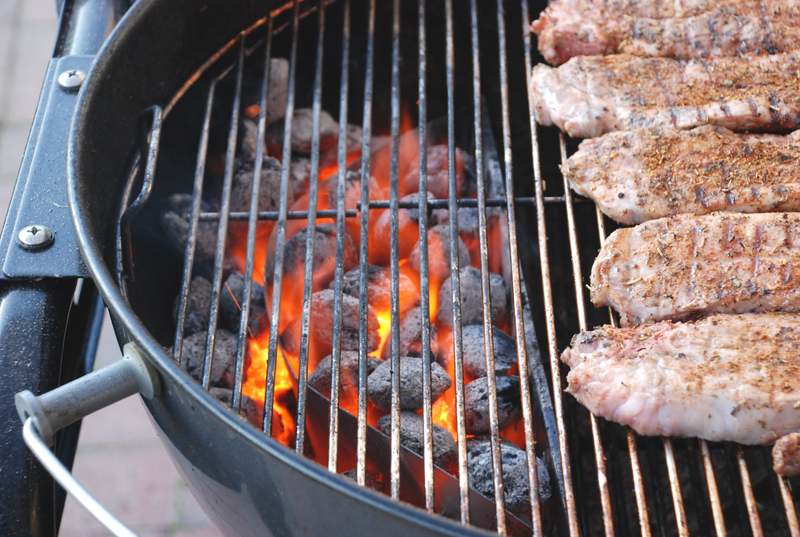
Cooking with charcoal requires attention to detail to reduce health risks and improve food safety.
Selecting quality fuel, controlling cooking temperature, and preventing cross-contamination are essential steps.
Choosing the Right Charcoal
Using natural lump charcoal is generally safer than briquettes that contain additives.
Lump charcoal is made from hardwood and burns cleaner, producing fewer potentially harmful chemicals.
Avoid charcoal with lighter fluid or chemical starters, as these can leave residues on food.
Instead, opt for charcoal chimney starters or electric starters for ignition.
Pay attention to the source of the charcoal.
Sustainable and well-processed charcoal reduces exposure to impurities and contributes less to environmental pollution.
 If you’re serious about grilling, the 35-lb bag of Jealous Devil All Natural Hardwood Lump is a game-changer.
Sourced from ultra-dense South American hardwood, this charcoal burns hotter and longer than most—over 1,100°F at peak, with minimal ash, spark, or flare-ups.
Because there are no fillers or chemicals, the aroma enhances what you cook rather than masking it.
With this bag, you get enough premium fuel to last through multiple long cooks; ideal for low-and-slow sessions or big weekend BBQs.
And with a waterproof, resealable bag and mostly large chunks, lighting’s easier and performance is consistent.
Managing Heat and Flare-Ups
Maintaining consistent heat lowers the formation of carcinogens such as polycyclic aromatic hydrocarbons (PAHs) and heterocyclic amines (HCAs).
Avoid cooking directly over open flames.
Use two-zone cooking: one side with high heat for searing, the other with lower heat for gentle cooking.
This method reduces charring and burning of food.
Control flare-ups by trimming excess fat from meat, as fat dripping onto coals creates smoke that increases toxin formation.
Keeping a spray bottle of water nearby helps extinguish unexpected flames quickly.
Avoiding Contamination
Clean the grill regularly to remove old residues and prevent buildup of harmful substances.
Use grill brushes designed specifically for charcoal grills.
 The Grillart Bristle-Free Grill Brush and Scraper offers a safe and effective way to clean your grill without the risk of stray metal bristles.
Its 18″ stainless steel build and triple-helix design make it perfect for all grill types, including porcelain, gas, and charcoal grills.
Place raw food on separate plates from cooked food to avoid transferring bacteria.
Use different utensils for handling raw and cooked items.
Marinate food before grilling, as this can reduce the formation of harmful substances.
Simple marinades with acid like lemon juice or vinegar are effective.
Properly cook meat to safe internal temperatures to kill pathogens.
Using a meat thermometer ensures accuracy and safer results.
 If you want a thermometer that reliably tells you when your steak is perfect, check out the Kizen Instant Read Meat Thermometer.
In tests, it delivers readings in as little as 3 seconds, making it ideal for quick checks without cooling down your meat.
It features a large backlit LED display, great for grilling in low light, and it’s waterproof
Environmental Impact
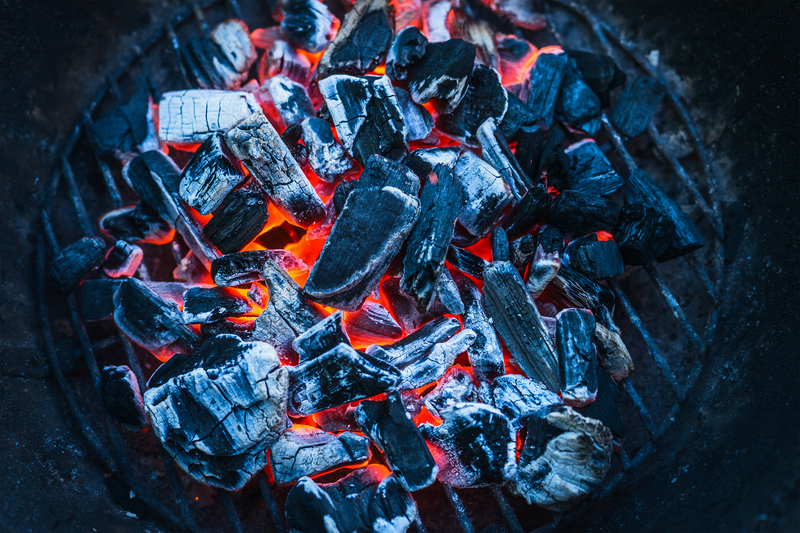
Cooking with charcoal affects both the air quality and resource use.
Its combustion releases pollutants that can harm the environment and human health.
At the same time, the way charcoal is produced and sourced determines how sustainable the practice is.
Air Quality Concerns
Burning charcoal releases carbon monoxide, particulate matter, and volatile organic compounds into the air.
These emissions contribute to air pollution and can trigger respiratory issues in people nearby.
Charcoal smoke contains polycyclic aromatic hydrocarbons (PAHs), which are harmful compounds linked to cancer risks.
High-temperature grilling over charcoal can increase these compounds on the food’s surface.
Using proper ventilation and avoiding direct exposure to smoke are ways to reduce health risks.
Switching to cleaner fuels or alternative cooking methods can also mitigate air quality problems associated with charcoal.
Sustainable Charcoal Options
Traditional charcoal production often involves cutting down trees and inefficient burning methods, leading to deforestation and carbon emissions.
This practice significantly impacts forest ecosystems.
Sustainable charcoal alternatives include sourcing from fast-growing wood plantations or using agricultural waste as raw material.
These options reduce environmental strain and lower the carbon footprint.
Consumers can support sustainable charcoal by looking for certifications or brands promoting responsible forestry.
Adopting such products helps decrease deforestation and promotes environmentally conscious grilling habits.
Bottom Line – Is It Safe to Eat Food Cooked Over Charcoal?
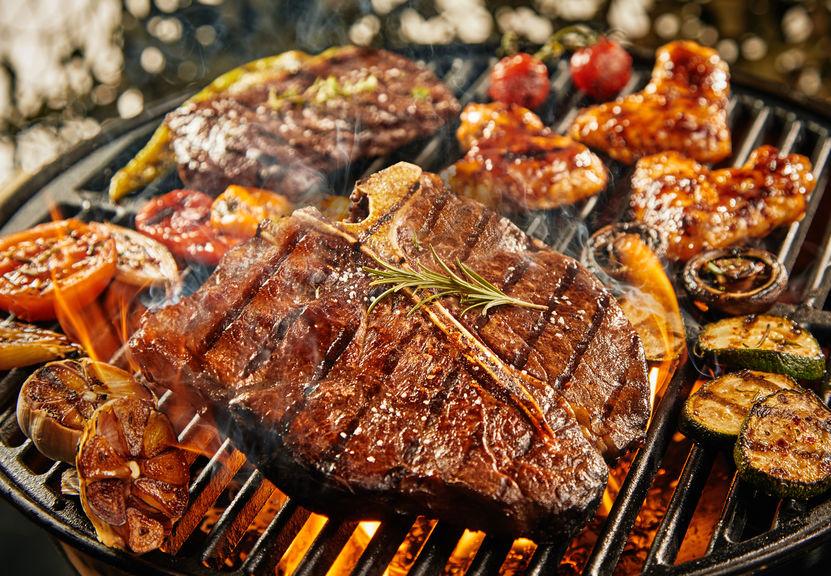
Cooking with charcoal is generally safe when done properly and with care.
Using high-quality charcoal and grilling outdoors helps reduce exposure to harmful substances.
Moderation plays a key role.
Occasional charcoal grilling poses low health risk, but frequent and long-term exposure may increase potential dangers.
Practicing safety measures such as avoiding over-charring, controlling flare-ups, and maintaining clean grills can minimize health risks.
| Safety Tips for Charcoal Cooking | Benefits |
|---|---|
| Use natural, additive-free charcoal | Adds smoky flavor to food |
| Grill in well-ventilated areas | Reduces harmful smoke inhalation |
| Avoid direct contact with flames | Limits formation of harmful compounds |
By balancing enjoyment and caution, people can continue to savor food cooked over charcoal without significant health concerns.