

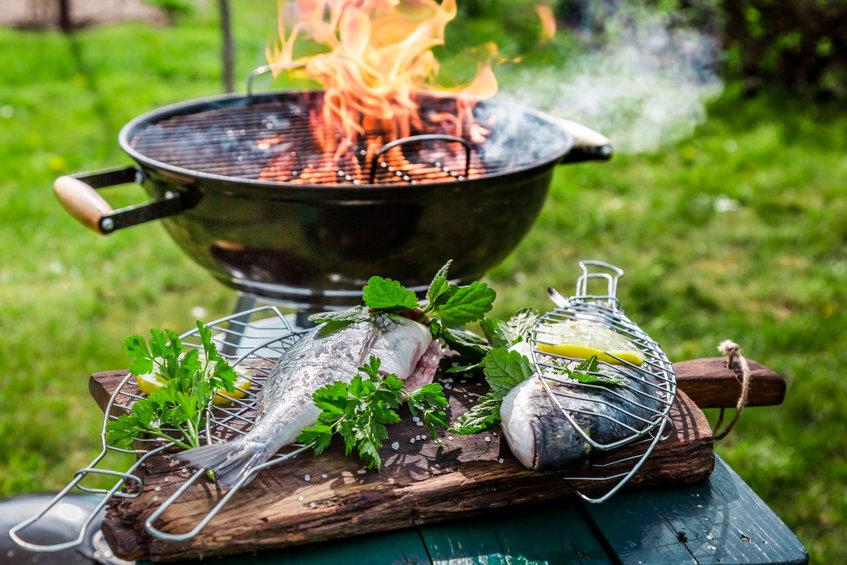
 Many people choose charcoal grills for their ability to deliver a distinct smoky flavor that gas grills often cannot replicate.
Charcoal grills provide high heat for searing and offer an affordable, portable option for outdoor cooking, but they require more effort to manage temperature and maintain cleanliness.
This balance between flavor and effort is crucial for anyone considering which grill to buy.
Charcoal grills heat up quickly and can reach temperatures ideal for searing meat, making them popular among grilling purists and chefs.
However, they can be messy, hard to control, and require a learning curve to master consistent cooking.
Understanding both the benefits and drawbacks of charcoal grilling can help users make an informed decision tailored to their cooking style and needs.
What Is a Charcoal Grill?
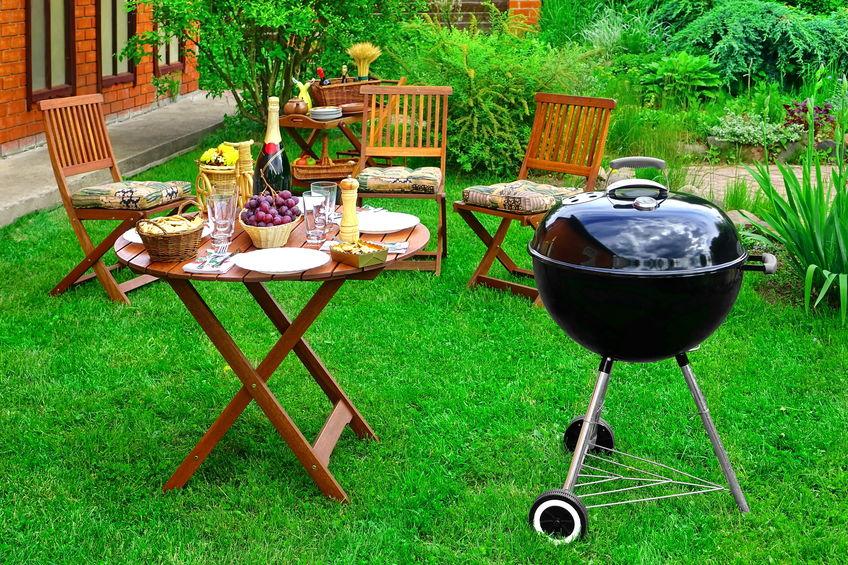
A charcoal grill cooks food by burning charcoal to produce heat and smoke.
It requires manual control of air vents to regulate temperature.
Compared to gas and pellet grills, charcoal grills emphasize flavor and traditional grilling techniques but demand more time and attention.
Overview of Charcoal Grills
Charcoal grills use compressed charcoal briquettes or natural lump charcoal as fuel.
They have a cooking grate where food is placed above burning charcoal.
Heat is controlled by adjusting airflow via vents on the grill’s bottom and lid, which affects the charcoal’s burn rate.
Common types include kettle grills, barrel grills, and ceramic kamado grills.
Kettle grills are popular for their round shape and lid, which allows for both direct and indirect cooking.
Kamado grills retain heat well and excel at high-temperature searing.
Charcoal grills produce a distinctive smoky flavor due to the combustion of charcoal and often some residual wood.
They also generate ash that must be cleaned after use, requiring more maintenance than gas grills.
Charcoal vs Gas Grills
Charcoal grills provide a flavor profile unmatched by gas grills, thanks to the smoke from burning coals.
Gas grills, fueled by propane or natural gas, offer easier ignition, precise temperature control with knobs, and quicker cooking times.
However, gas grills usually lack the deep smoky taste of charcoal.
They also tend to produce less smoke and ash, making cleanup simpler.
Charcoal grills require more attention during cooking to maintain steady temperatures and avoid flare-ups.
Cost differences vary: charcoal grills are generally less expensive upfront.
Gas grills may cost more but offer convenience and faster cooking, appealing to users who prioritize ease over flavor.
Charcoal vs Pellet Grills
Pellet grills run on compressed wood pellets and combine elements of gas and charcoal grilling.
They use electronic controls and augers to feed pellets into a fire pot, maintaining a consistent temperature automatically.
Pellet grills provide a smoky flavor, but it’s usually lighter and less intense than that from charcoal.
They allow for precise temperature control and overnight cooking, which charcoal grills cannot match as easily.
Charcoal grills require more manual operation and monitoring and create more smoke and ash.
Pellet grills offer convenience, especially for longer cooking sessions, but usually cost more and need electricity to operate, unlike charcoal grills.
Advantages of Charcoal Grills

Charcoal grills provide a distinctive cooking experience that emphasizes rich flavors and adaptable heat control.
They excel in developing a smoky taste, achieving high searing temperatures, and supporting varied cooking techniques from direct grilling to slow smoking.
Superior Smoky Flavor
Charcoal grills impart a distinct smoky flavor that is difficult to replicate with other grilling methods.
As the charcoal heats, it vaporizes drippings from food like steaks, ribs, and burgers, creating smoke that infuses the meat with rich, aromatic notes.
Adding wood chips enhances this effect, allowing for customizable wood-fired flavors without needing a dedicated smoker.
This process creates a depth and complexity that many barbecue enthusiasts seek, particularly when barbecuing low and slow.
The charcoal itself contributes to this flavor profile by producing consistent smoke and heat, providing a traditional grilling taste valued in many culinary styles.
High Heat Searing
Charcoal grills can reach much higher temperatures than gas grills, often exceeding 700°F.
This intense heat is ideal for searing steaks and burgers, producing a caramelized crust known as “bark” on the surface of the meat.
The radiant infrared heat from glowing coals directly contacts food, cooking it quickly while retaining internal juiciness.
This method minimizes moisture loss compared to other heat sources.
For grilling enthusiasts who prioritize texture and flavor development, charcoal’s ability to produce strong, direct heat is a key benefit.
Versatility in Cooking Methods
Charcoal grills support a wide range of cooking styles thanks to their flexible heat management.
By arranging coals on one side of the grill, users can create dual zones for both direct searing and indirect cooking.
Indirect heat is useful for recipes like ribs or whole chickens that require longer, slower cooking without excessive flare-ups.
The smoker quality of charcoal also allows for roasting and slow barbecuing.
This flexibility means one charcoal grill can perform many roles—grilling, smoking, roasting—making it an adaptable tool for various recipes and skill levels.
Unique Cooking Experiences with Charcoal
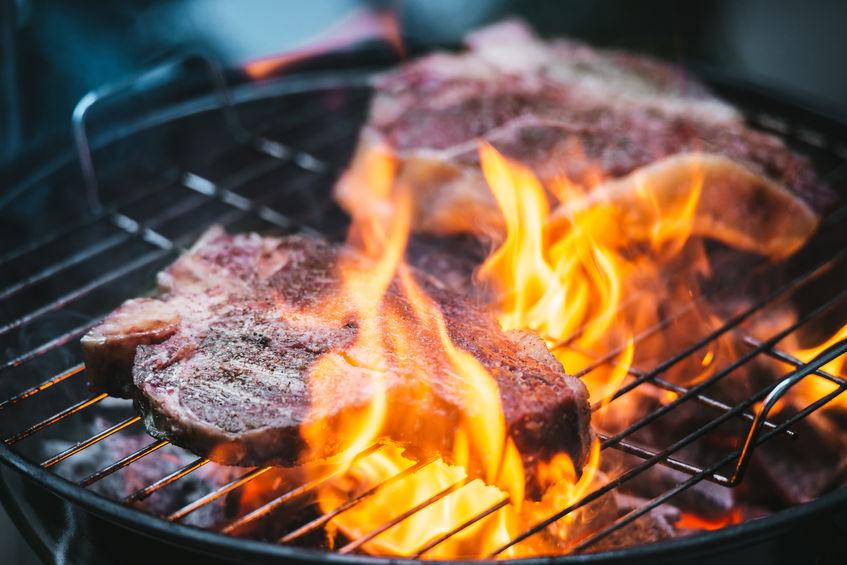
Charcoal grills provide a versatile environment that suits various cooking styles beyond typical grilling.
It allows control over heat zones and smoke, making techniques like barbecuing, smoking, and slow cooking achievable with practice.
The ability to manipulate wood and coal arrangements opens a range of culinary possibilities.
Barbecuing and Smoking
Charcoal grills excel in barbecuing and smoking because they produce consistent heat and smoke flavor.
By using indirect heat—placing coals on one side and food on the other—meats cook slowly without burning.
Adding wood chunks or chips enhances the smoke profile, infusing foods like ribs, brisket, or pork shoulder with rich, smoky aromas.
This method requires managing the grill vents to maintain a low, steady temperature, typically between 225°F and 275°F.
Proper air control allows for longer cooking sessions, essential for tenderizing tough cuts.
Smoke from the charcoal and wood combines to deepen flavor, which gas grills rarely replicate.
Slow Cooking Techniques
Slow cooking on a charcoal grill uses indirect heat to break down collagen in tougher meats over hours.
This approach is ideal for larger cuts, such as whole chickens or pork shoulders, which benefit from gradual, uniform heat.
Setting up a two-zone fire with a cooler zone prevents direct flame contact.
This avoids charring while ensuring the interior cooks evenly.
Using a water pan inside the grill helps regulate temperature and retains moisture, preventing the meat from drying out.
Temperature monitoring with a reliable thermometer is vital for maintaining the target range between 225°F and 300°F.
The slow cook method demands patience and attention, but it produces tender, flavorful results that charcoal grills uniquely facilitate.
Creative Grilling Uses
Charcoal grills allow varied fuel configurations to support innovative cooking techniques.
For instance, direct heat searing followed by indirect heat “resting” lets cooks apply a reverse sear, ideal for thick steaks or large roasts.
They can also be used for baking or roasting vegetables by controlling heat zones and using foil pans.
Flavored wood adds subtle smoke to delicate items like fish and poultry.
The ability to layer charcoal or create “charcoal snakes” extends burn time for long cooks.
This flexibility means charcoal grills can adapt to many recipes and skill levels, from quick meals to complex dishes involving multiple cooking phases.
Drawbacks of Charcoal Grills

Charcoal grills require specific attention to manage heat and timing, which can affect cooking consistency and convenience.
They also involve more effort in preparation and cleaning compared to gas grills.
External factors like weather and environmental impact further complicate their use.
Challenging Temperature Control
Maintaining a steady temperature on a charcoal grill demands skill and experience.
Charcoal burns unevenly, which can create hot and cool zones on the grill surface.
Grillers often have to adjust air vents and rearrange coals to achieve the desired heat level.
This requires constant monitoring throughout cooking.
Because the temperature fluctuates more than on gas grills, it can be difficult to cook delicate or slow-cooked items evenly.
Novice users may struggle to maintain consistent heat, leading to uneven results.
Longer Preparation and Cleanup
Charcoal grills take significantly longer to prepare than gas grills.
It can take 20 to 45 minutes for charcoal to reach the right cooking temperature.
Lighting charcoal involves more steps, including igniting briquettes or lump charcoal and waiting for them to ash over.
This slower startup delays meal preparation.
Cleanup is also more labor-intensive.
Ashes accumulate after each use and must be removed and disposed of safely to prevent fire hazards.
The grill grates and inside surfaces often require scrubbing to remove char and soot, adding to post-cooking maintenance.
Weather and Environmental Factors
Wind, humidity, and ambient temperature affect charcoal grilling more than gas grilling.
Wind can cause uneven airflow, raising or lowering temperature unpredictably.
Cold or damp weather slows charcoal ignition and reduces heat output.
This requires grillers to compensate by adjusting charcoal quantity or cooking time.
Charcoal grilling releases more carbon monoxide and particulate matter, which may be restricted in some apartment complexes or urban areas.
The production of charcoal itself can contribute to deforestation and greenhouse gas emissions unless sourced sustainably.
This environmental impact is an important consideration for responsible grillers.
Comparing Charcoal Grills to Other Grill Types

Charcoal grills stand out in flavor and temperature control but require more effort to use and maintain.
Gas grills offer convenience and quick cooking, while pellet grills add ease with slow-smoking capabilities.
Understanding these differences helps buyers choose based on their priorities for taste, time, and upkeep.
Flavor Differences With Gas Grills
Charcoal grills deliver a distinctive smoky flavor that many grilling enthusiasts prefer.
The flavor comes from burning wood or charcoal, which generates smoke that penetrates the food.
This ability to infuse smoke is difficult for gas grills to replicate because their combustion is cleaner and less smoky.
Gas grills cook food quickly and evenly, producing less smoke-flavored taste.
However, fat dripping on hot gas grill grates creates some smoke, adding a mild smoky note.
Pellet grills use wood pellets to create smoke, offering a middle ground.
They provide more consistent smoke flavor than gas but typically don’t reach the higher temperatures charcoal grills can achieve.
Convenience and Ease of Use
Gas grills are widely praised for their simplicity.
Users just attach a propane tank, turn a knob, and wait 5–10 minutes for heat.
Temperature is easy to adjust via control knobs. Shut off involves simply closing the gas supply.
This makes gas grills ideal for fast, weekday cooking.
Charcoal grills take more time and attention.
Lighting coals and waiting about 30 minutes to reach cooking temperature require patience.
Temperature control is manual, adjusted by airflow dampers and coal placement.
Extinguishing coals also takes longer.
Pellet grills offer user-friendly controls because of electronic ignition and automated pellet feeding, making temperature management easier than charcoal but slightly more complex than gas.
Cost and Maintenance Considerations
Charcoal grills generally have the lowest initial cost.
Basic models, such as kettle grills, often start around $200.
However, charcoal itself adds recurring expense, and users must regularly discard ash, which creates a messier cleanup.
Gas grills cost more upfront, often $450 or higher for a quality three-burner model.
Maintenance involves cleaning grease trays and grill grates, typically less labor-intensive than charcoal ash removal.
Pellet grills are usually pricier due to electronics and require maintenance of pellet feeders and motors.
Cleanup involves ash removal but is less frequent than charcoal grills.
| Feature | Charcoal Grill | Gas Grill | Pellet Grill |
|---|---|---|---|
| Initial Cost | Lower ($200+) | Higher ($450+) | Highest |
| Fuel Expense | Medium (charcoal) | Medium (propane/gas) | Medium (pellets) |
| Cleanup | Ash disposal needed | Grease tray & grates | Ash removal, motor care |
| Startup Time | ~30 minutes | 5–10 minutes | 10–15 minutes |
Ready to Make Your Investment?
Now you understand the pros and cons of a charcoal grill, you’ll be able to choose an outdoor cooking appliance that is perfect for your needs.
Take a look at some of the best charcoal grills today to get an idea of what you could buy today.
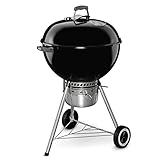 A timeless classic, the Weber Original Kettle Premium offers a 22-inch cooking grate, providing ample space for grilling.
Its One-Touch cleaning system with a high-capacity ash catcher simplifies post-cook cleanup.
The hinged cooking grate allows for easy addition of charcoal during grilling, and the built-in thermometer ensures precise temperature control.
The durable porcelain-enameled lid and bowl retain heat, while the wheels facilitate mobility.
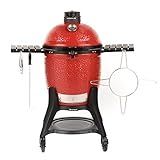 The Kamado Joe Classic is a premium 18-inch ceramic grill renowned for its heat retention and versatility.
It features the “Divide & Conquer” flexible cooking system, allowing for multiple cooking zones.
The Air Lift hinge reduces dome weight, making it easier to lift, and the Kontrol Tower top vent provides precise airflow control.
Its thick ceramic walls lock in heat and moisture, ideal for grilling, smoking, and baking.
 The Char-Broil Kettleman features TRU-Infrared cooking technology, which uses an angled flame to distribute heat evenly, preventing flare-ups and reducing charcoal usage.
The 22.5-inch cooking grate offers a 360 sq. in. cooking surface. Its porcelain-coated grates are durable and easy to clean.
The oversized damper allows for precise temperature control, and the removable ash pan simplifies cleanup.
 The PK Grills Original is made from rust-proof cast aluminum, ensuring excellent heat retention and durability.
Its four-way venting system allows for precise temperature control, and the hinged cooking grate provides easy access to the coals.
The grill’s design offers both direct and indirect cooking options, making it versatile for various grilling techniques.
Essential Accessories and Tips for Charcoal Grilling
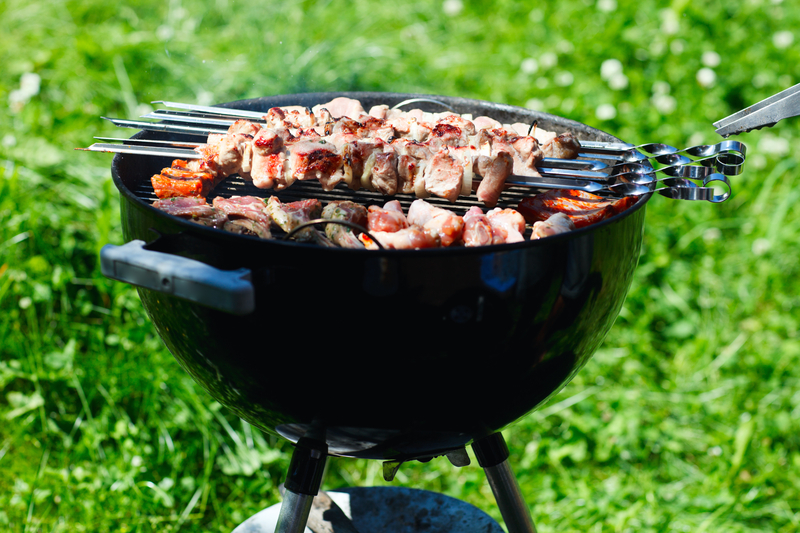
Successful charcoal grilling depends on accurate temperature control, knowing how to cook with indirect heat, and effectively lighting and maintaining the charcoal.
Each of these elements ensures even cooking, proper flavor development, and a consistent grilling experience.
Using a Grill Thermometer
A grill thermometer is critical for monitoring the cooking temperature inside the charcoal grill.
It allows for precise heat management, preventing food from burning or undercooking.
Many models clip onto the grill or rest on the grate for direct temperature readings.
Instant-read thermometers provide quick internal food temperature checks, while probe thermometers can remain in the meat during cooking.
Using these tools helps maintain the desired temperature range, especially since charcoal grills can have temperature fluctuations due to uneven burning.
 The ThermoPro Digital Thermometer makes grilling, smoking, or frying easier by giving you fast, accurate temperature readings every time.
Its backlit, ambidextrous display with motion sensing means you can check temperatures quickly without squinting or fumbling in low light.
Whether you’re cooking BBQ, candy, or frying oil, this instant-read thermometer helps ensure your meals come out perfectly cooked and safe to eat.
Proper use of a grill thermometer improves cooking accuracy, leading to better texture and safety in meat preparation.
Mastering Indirect Cooking
Indirect cooking involves placing charcoal to one side of the grill, allowing food to cook slowly over indirect heat.
This method prevents flare-ups and burning when cooking larger or thicker items like whole chickens or roasts.
This technique requires adjusting air vents to control airflow and maintain a steady temperature.
The food is positioned away from the coals, using the grill lid to create an oven-like environment, which evenly cooks food through convection.
Indirect cooking extends cooking times but results in juicier, tender meats without charring the exterior.
Best Practices for Lighting and Maintaining Charcoal
Starting charcoal evenly is crucial for consistent heat.
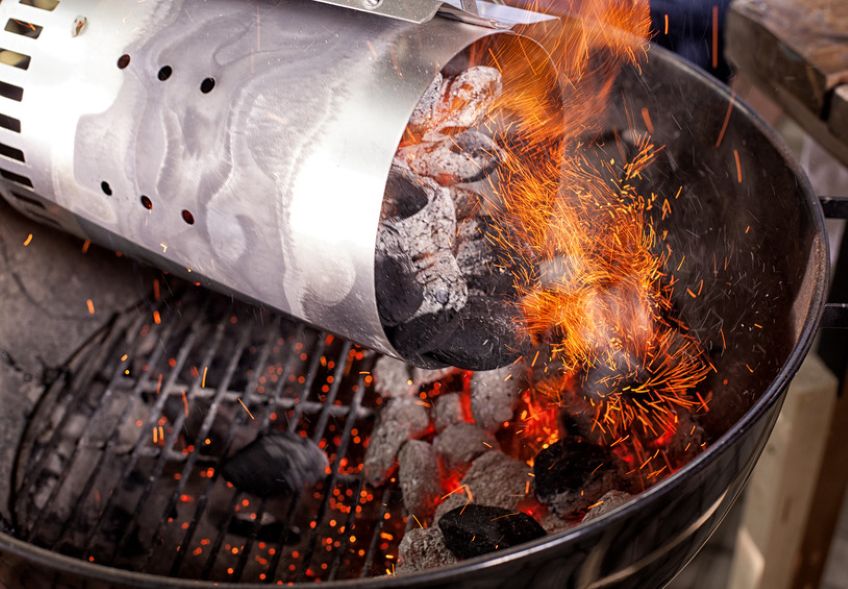
Using a charcoal chimney starter eliminates lighter fluid and helps coals ignite quickly and uniformly.
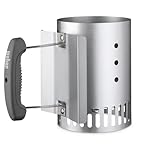 The Weber Rapidfire Compact Chimney Starter makes lighting charcoal quick and easy, without the need for lighter fluid.
Its compact design fits perfectly with small to medium grills, providing an even and consistent heat source.
Durable and efficient, this accessory gets your coals ready for grilling in minutes, so you can focus on cooking instead of waiting.
Avoiding lighter fluid results in cleaner flavor.
Once lit, arrange the hot coals according to the cooking method—spread evenly for direct heat or banked to one side for indirect. Keeping the grill vents partially open controls airflow and temperature.
Adding more charcoal during long cooks may be necessary to sustain heat.
Regular ash removal prevents airflow blockage, ensuring the charcoal burns efficiently throughout the cooking session.