
 Cooling down a charcoal grill safely and efficiently is essential to protect the grill from damage and ensure safe handling after use.
The most effective way to cool down a charcoal grill is by closing the vents to cut off oxygen, allowing the coals to extinguish gradually without risking warping or damage.
This method also helps avoid sudden temperature drops that could harm the grill’s structure.
In some cases, adjusting grates to manage airflow or creating a two-zone heat system can speed up temperature reduction.
While water can cool the coals quickly, it carries risks like rust and damage, so it should be used cautiously.
Understanding these techniques helps maintain the grill’s lifespan and keeps the barbecuing experience safe and enjoyable.
Why Cooling Down Your Charcoal Grill Matters
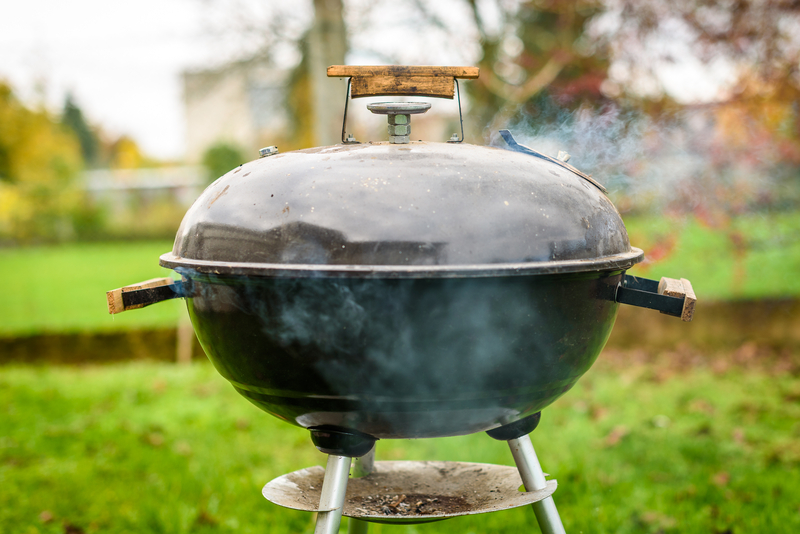
Properly cooling a charcoal grill impacts safety, durability, and the quality of future cooking sessions.
Managing the grill’s temperature after use also protects the grill’s parts and preserves the flavors of the food cooked on it.
Safety Considerations
Cooling down a charcoal grill minimizes the risk of accidental fires.
Hot coals can ignite nearby flammable materials if left unattended or improperly managed.
Reducing airflow by closing vents or the lid limits oxygen, which helps extinguish the embers safely.
Handling hot ashes without adequate cooling increases the chance of burns or fires.
It is important to wait until the coals are fully extinguished before disposing of the ashes in a metal container away from combustible items.
This step prevents flare-ups and household fires.
Grill Longevity
Consistently cooling the grill properly prevents damage caused by extreme heat.
High temperatures for prolonged periods can warp the grill body, especially the bottom and grate. Sudden cooling techniques, like dousing with water, may cause metal to crack or rust prematurely.
Closing vents after cooking reduces oxygen feed, which slows combustion and heat buildup.
Keeping the grill covered and cooled preserves its finish and extends the life of components such as grates, ash catchers, and charcoal trays.
Flavor and Maintenance
Cooling down slows residual heat, preventing leftover grease and food residue from burning and affecting future food flavor.
Hot grills left unattended may develop unwanted tastes or odors that linger and alter subsequent meals.
Regular cooling allows ash to settle, making it easier to clean.
Removing cooled ash prevents buildup that can block airflow and reduce grilling efficiency.
Maintaining a clean grill surface contributes to consistent cooking temperatures and better-tasting food.
Essential Preparations Before Cooling
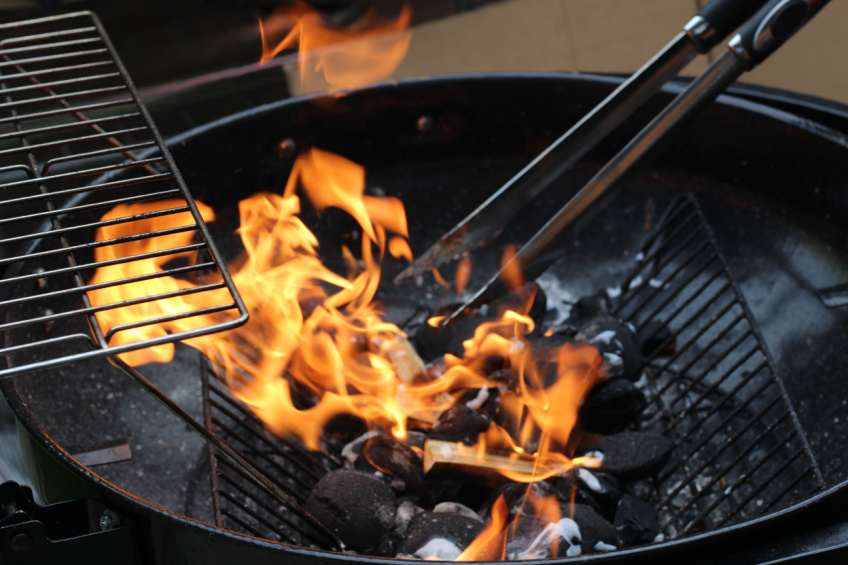
Preparing the grill and surrounding area before cooling is critical for safety and efficiency.
Proper attire, a clear workspace, and having the right tools ready prevent accidents and make the process smoother.
Wearing Protective Gear
Wearing heat-resistant gloves is essential when handling a hot charcoal grill.
 The Pro-Series BBQ Gloves are built for serious heat, rated up to 1472°F thanks to aramid fiber and silicone construction.
Their extra-long cuffs protect wrists and forearms, while the 5-finger design gives you the dexterity you need for tongs, pans, or smoker racks.
The silicone grip makes handling greasy tools or trays safer, and when you’re done, they clean up easily and store neatly in the included case.
A practical upgrade for anyone who takes grilling or smoking seriously.
Gloves protect the hands from burns when adjusting grates or moving components.
Long sleeves and closed-toe shoes further protect skin from sparks or accidental contact with hot surfaces. Avoid loose clothing that could catch fire.
Eye protection may also be advisable to guard against ash or debris.
 Protect you eyes in style with Troops BBQ Grilling Goggles.
Designed with anti-fog lenses and vents, they keep smoke and haze out of your eyes while you tend to the grill.
The wraparound fit and soft nose grip block sparks and heat without constant adjustment.
Scratch-resistant and easy to clean, these goggles come with a protective case, making them a must-have for every serious BBQ enthusiast.
This gear ensures safety when managing hot coals or extinguishing embers.
Clearing the Area
Removing all flammable materials from near the grill reduces fire risks during cooling.
Items such as paper, lighter fluid containers, and dry leaves should be moved at least several feet away.
Ensure the grill is on a stable, non-combustible surface like concrete or gravel.
This prevents accidental tipping and limits fire hazards.
Keep children and pets away from the grill area to avoid accidental burns or interference with the cooling process.
Having Proper Tools Ready
Heat-resistant gloves and long-handled tools, like tongs and spatulas, aid in safely adjusting grill parts.
A metal ash scoop or small shovel helps in removing cooled ash once the grill is safe to handle.
Having a spray bottle with water or a bucket handy is useful for carefully dousing stubborn embers but should be used sparingly to avoid damaging the grill.
These tools streamline the cooling process while keeping it controlled and safe.
Immediate Steps to Cool a Charcoal Grill
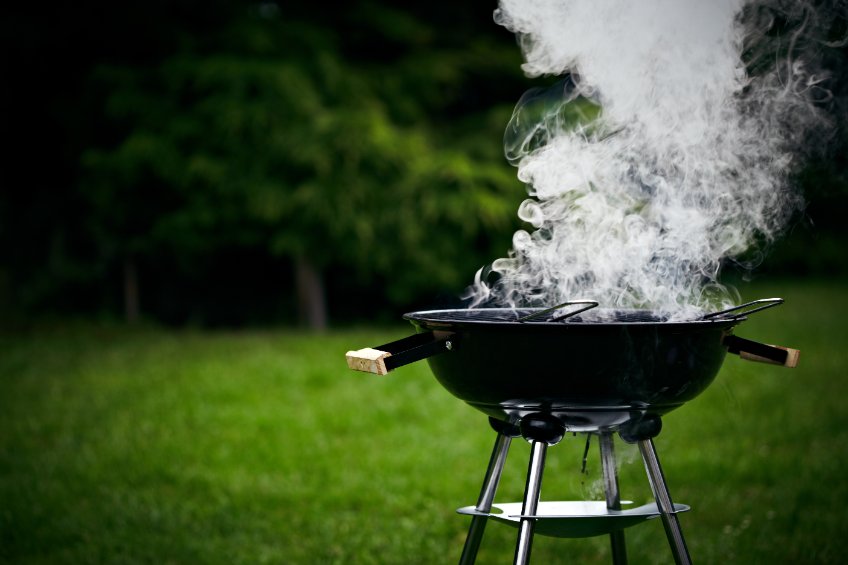
To lower the temperature quickly and safely, controlling airflow and managing the charcoal are crucial.
Handling the grill components properly can reduce heat and prevent flare-ups.
Closing the Vents
Closing the grill’s vents cuts off oxygen supply to the charcoal.
This slows down combustion and helps the fire die out faster.
Both the bottom and top vents should be fully closed to limit air circulation.
This also prevents the charcoal from reigniting unexpectedly.
It is important to close the vents only after the cooking has finished.
Doing this too early may reduce cooking temperature and affect food quality.
Removing the Grate
Removing the cooking grate allows better access to the charcoal.
This step helps air circulate around the coals and speeds cooling.
A clean or non-flammable surface should be prepared to set the grate aside safely.
Handling the grate requires heat-resistant gloves to avoid burns.
Removing the grate also enables easier charcoal management, such as spreading or extinguishing coals as needed.
Spreading Out the Charcoal
Spreading the charcoal thinly inside the grill reduces heat concentration.
This increases exposure to air and accelerates cooling.
Using a long-handled tool, the coals should be evenly spread across the grill base.
Avoid piling them up, as concentrated heat takes longer to dissipate.
This step is especially effective when combined with closed vents, as the spread out coals cool more uniformly with limited oxygen.
Safe Methods to Extinguish Charcoal Quickly
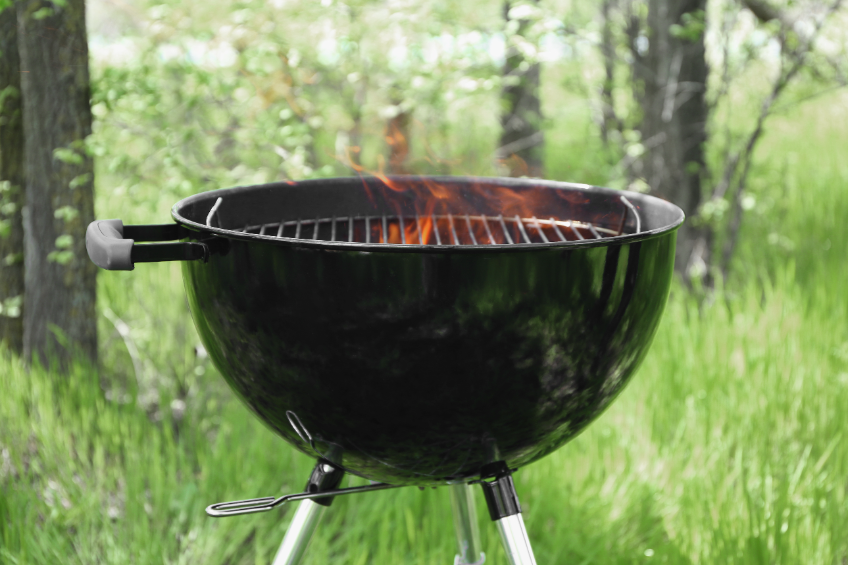
Extinguishing charcoal promptly requires methods that reduce heat fast while preventing flare-ups and fire hazards.
Techniques include safely applying water, smothering the coals with ash or sand, and using tools designed for handling hot charcoal.
Using Water Carefully
Pouring water directly on hot charcoal can rapidly cool the coals but must be done cautiously.
Adding water too quickly can cause steam bursts and scattered ash, which may cause burns or damage nearby surfaces.
To minimize risks, pour water slowly and evenly across the charcoal surface.
Use a spray bottle or a gentle stream from a hose to control the flow.
Allow time for the charcoal to absorb the moisture and reduce heat before adding more water.
After water application, stir the charcoal gently with a metal tool to break up remaining hot spots.
Wait until the charcoal is cool to the touch before handling or disposing of it.
Covering With Ash or Sand
Smothering charcoal with a layer of ash or sand blocks oxygen and reduces heat more gradually.
This method is effective when water use is inconvenient or when avoiding rapid steam is preferred.
Start by spreading a 1-2 inch layer of cool ash or fine sand over the glowing charcoal.
The material should fully cover the embers to cut off airflow.
This slows combustion and cools coals over time.
Check periodically to ensure the charcoal is fully covered and extinguished.
This method can take longer but offers increased safety and reduces risk of flare-ups.
Utilizing a Charcoal Chimney
A charcoal chimney isn’t just for lighting your coals—it’s a safe way to handle them if you need to extinguish quickly.
The design allows coals to burn down completely without the risk of spreading embers, keeping your grilling area safe.
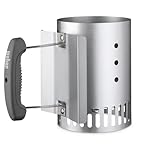 Getting your charcoal grill ready has never been easier than with the Weber Rapidfire Compact Chimney Starter.
This clever accessory lights your charcoal quickly and evenly, eliminating the need for lighter fluid and avoiding uneven burns.
Its compact design makes it easy to handle, while the durable steel construction ensures it will last season after season.
Whether you’re searing steaks or slow-cooking ribs, this chimney starter gets your fire roaring in minutes, so you can focus on the fun part—grilling.
Once your coals are hot, simply remove the chimney and place it on a non-flammable surface.
The chimney’s thick metal walls trap heat, allowing the coals to continue burning safely inside.
Leave the coals in the chimney until they turn to ash and are completely cool to the touch.
This method keeps you from directly handling hot charcoal and reduces cleanup hazards, making your grilling experience safer and more enjoyable.
What Not To Do When Cooling Down a Grill
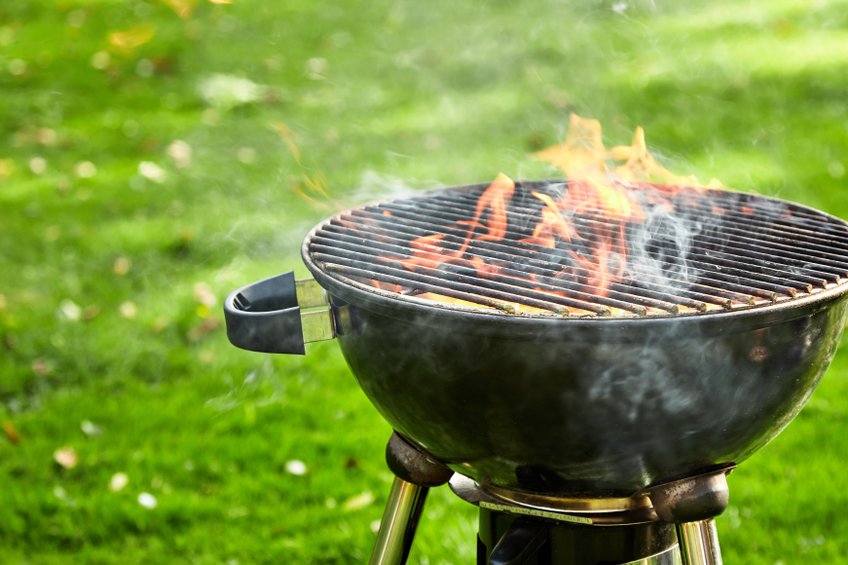
Certain actions can damage the grill or create safety hazards during the cooling process.
Knowing what to avoid helps protect the equipment and prevents potential accidents.
Avoiding Direct Water Pouring
Pouring water directly onto hot charcoal can cause rapid steam production, which might lead to burns or damage the grill’s structure.
The sudden temperature change can warp the metal or crack porcelain coatings.
Instead of dumping water, it is safer to use a spray bottle to lightly mist the grill grates and interior.
This provides controlled cooling without shocking the materials.
Using water sparingly also prevents ash and debris from splattering, which can be messy and dangerous.
Handling Hot Ashes Safely
Hot ashes remain a fire risk for hours after cooking.
Moving or disposing of ashes before they have fully cooled can cause accidental fires or injuries.
It is best to let ashes cool completely inside the grill with vents closed.
When ready to remove, use a metal scoop or ash tool, never plastic or flammable containers.
Ashes should be stored in a metal container with a lid, away from flammable materials until cold.
Proper ash handling reduces the risk of flare-ups and protects surfaces from heat damage.
Post-Cooling Maintenance Tips
Proper care after cooling is essential to extend the grill’s lifespan and ensure safe use.
This involves thorough cleaning, safe disposal of ashes, and careful inspection of the grill’s parts.
Cleaning the Grill Grate
The grill grate should be cleaned soon after cooling to prevent buildup of grease and food residue.
Using a stiff wire brush or grill scraper will remove stuck-on debris effectively.
Soaking the grate in warm, soapy water can help loosen stubborn residues.
After soaking, scrubbing with a sponge or brush will finish the job.
Drying the grate completely is crucial to avoid rust.
Some prefer to lightly oil the grate with cooking oil to protect it and maintain a non-stick surface.
Disposing of Ash Properly
Ash should be fully cooled before removal, usually waiting at least 24 hours.
Handling hot or warm ashes can cause fires if disposed of carelessly.
Use a metal ash container with a tight-fitting lid to store ashes safely.
Avoid plastic or paper bins as these can ignite.
Ashes can be disposed of in designated outdoor trash bins or scattered in a garden area as fertilizer if free of chemicals.
Always double-check local regulations for proper disposal methods.
Checking Grill Components
After cleaning, the grill needs an inspection of critical components like vents, handles, and support structures.
This ensures safe and efficient operation for the next use.
Check vents for blockages or rust that could affect airflow regulation.
Clean vents with a small wire or brush if necessary.
Handles and hinges should be tightened and checked for signs of wear or corrosion.
Replace any weak or damaged parts to maintain stability.
Inspect the grill’s body for rust spots or cracks that might worsen over time.
Treat minor rust with grill-safe paint or rust remover.
When to Store or Cover the Grill

The charcoal grill should only be stored or covered once the coals and grill have fully cooled.
Moving or covering the grill while it is still hot can cause damage to the structure and create safety hazards.
Typically, cooling down the coals can take several hours, sometimes up to two days depending on airflow and weather conditions.
Closing vents and stirring the coals can help speed up the cooling process safely.
Before covering, ensure that there are no active embers.
Covering a grill with hot coals can trap heat and moisture, leading to rust and warping of metal parts.
If storing the grill outdoors, use a weather-resistant grill cover for protection against rain, dirt, and debris.
Covers help extend the grill’s lifespan by preventing corrosion and damage from environmental exposure.
For extra safety, empty the ash catcher or remove cooled ashes to avoid buildup that can retain heat or moisture.
Proper cleaning before storage helps maintain the grill’s condition for future use.
Checklist for storing or covering the grill:
- Confirm coals and grill are completely cool
- Remove ashes from the ash catcher
- Close the lid and vents
- Use a durable, weather-resistant cover
- Store in a sheltered area if possible
Following these steps ensures a safer grilling experience and preserves the grill’s durability.
Environmental and Safety Considerations
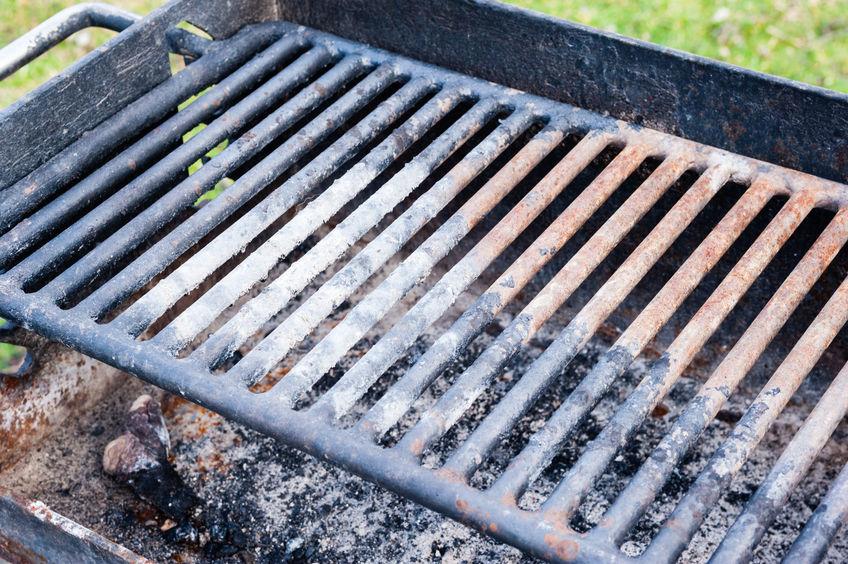
Cooling down a charcoal grill poses both environmental and safety risks that must be carefully managed.
Users should always wear heat-resistant gloves and remove any flammable materials nearby to prevent accidental fires.
Water cools coals quickly but introduces safety concerns.
It can cause hot steam and sudden flare-ups, potentially warping the grill or causing injury.
Therefore, water should be used cautiously or avoided if safer alternatives are available.
Proper disposal of ash is essential.
Ash should be fully cooled before handling to avoid embers starting unintended fires.
It is best to place cooled ash in a metal container away from combustible materials until disposal.
Airflow control through vents helps reduce temperature gradually.
Closing vents limits oxygen supply, slowing combustion safely without rapid temperature changes or sparking.
Environmental impact includes the potential release of smoke and particulate matter.
Keeping the grill covered and allowing coals to extinguish naturally minimizes air pollution.
| Safety Tips | Environmental Tips |
|---|---|
| Wear protective gloves | Avoid using excessive water |
| Remove flammable objects | Dispose of ash responsibly |
| Use metal ash containers | Control airflow via vents |
Following these guidelines enhances safety, protects the environment, and extends grill longevity.