

 Many homeowners wonder about the safety of natural gas grills when considering their outdoor cooking options.
Natural gas grills are generally safe when properly installed, maintained, and operated according to manufacturer guidelines and safety protocols.
While any appliance that uses flammable gas carries inherent risks, natural gas grills have built-in safety features and offer several advantages over other fuel types.
The key to safe natural gas grilling lies in understanding the potential hazards and taking appropriate precautions.
Gas leaks, improper installation, and user error represent the primary safety concerns, but these risks can be effectively managed through proper setup and responsible operation.
Natural gas actually disperses more quickly than propane if a leak occurs, since it is lighter than air.
Proper installation by qualified professionals, regular maintenance checks, and following established safety practices make natural gas grills a reliable choice for outdoor cooking.
Understanding the correct procedures for setup, operation, cleaning, and storage helps ensure years of safe grilling experiences while minimizing potential dangers.
Are Natural Gas Grills Safe?
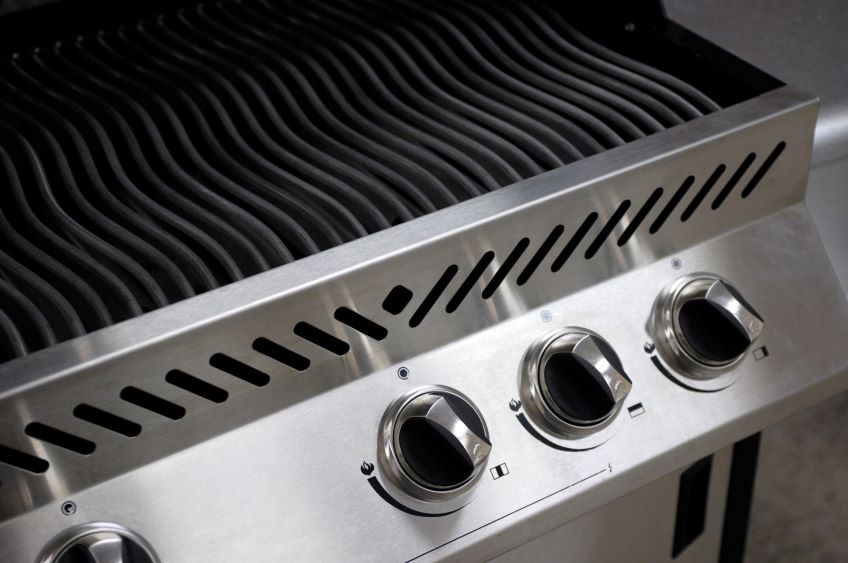
Natural gas grills are generally safe when properly installed and maintained, with built-in safety features that make them comparable to or safer than other grilling options.
These grills use natural gas as fuel and include pressure regulators and automatic shut-off valves to prevent dangerous situations.
Overview of Natural Gas Grills
Natural gas grills connect directly to a home’s natural gas supply line through professional installation.
They provide consistent heat output and precise temperature control for outdoor cooking.
These grills require a permanent connection to the gas line.
This means they stay in one location but offer unlimited fuel supply without tank changes.
Key components include:
- Multiple burners for even heat distribution
- Pressure regulators to control gas flow
- Automatic shut-off valves for safety
- Built-in ignition systems
Natural gas is primarily methane with added mercaptan for leak detection.
The mercaptan creates a rotten egg smell that alerts users to potential gas leaks.
Professional installation ensures proper connections and reduces safety risks.
Regular maintenance keeps all components working correctly.
Comparison With Other Grill Types
Natural gas grills offer safety advantages over other grill types.
They produce fewer emissions and carcinogens compared to charcoal grills.
Safety comparison:
| Grill Type | Safety Level | Key Risks |
|---|---|---|
| Natural Gas | High | Gas leaks, improper installation |
| Propane | Medium-High | Tank handling, propane pooling |
| Charcoal | Medium | Fire hazards, carbon monoxide |
Natural gas disperses quickly because it’s lighter than air.
This reduces fire and explosion risks compared to propane, which is heavier and can collect in low areas.
The permanent gas line connection eliminates risks from handling portable propane tanks.
Users never run out of fuel during cooking, preventing unsafe practices like using flammable substances to reignite the grill.
Fundamental Safety Features
Natural gas grills include several built-in safety mechanisms.
Pressure regulators control gas flow and prevent excessive pressure buildup.
Automatic shut-off valves activate when flames go out unexpectedly.
This prevents dangerous gas accumulation that could lead to explosions.
Essential safety features:
- Pressure regulators – Control gas flow rates
- Shut-off valves – Stop gas flow when flames extinguish
- Leak detection systems – Alert users to gas leaks
- Temperature gauges – Monitor cooking temperatures
Most safety issues result from user error rather than equipment failure.
Proper ventilation, regular inspections, and following manufacturer instructions prevent most accidents.
Gas leak detection requires checking connections with soapy water before each use.
Bubbles indicate leaks that need immediate attention.
Potential Dangers of Natural Gas Grills
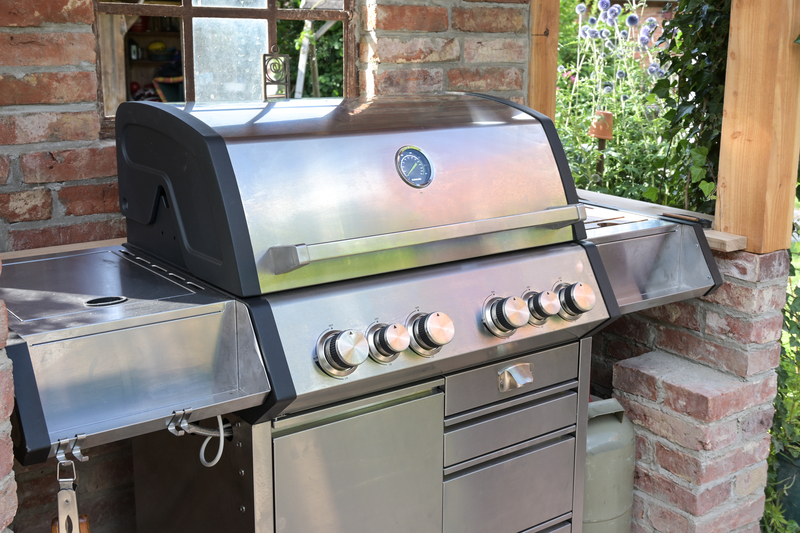
Natural gas grills pose three main safety risks that users must understand.
Gas leaks can lead to explosions, flare-ups can cause burns, and improper use creates fire hazards.
Gas Leaks and Detection
Gas leaks represent the most serious danger with natural gas grills.
Natural gas is highly flammable and even small leaks can create dangerous situations.
Leaks commonly occur at connection points between the gas line and grill.
Damaged hoses, loose fittings, and worn valves also cause gas to escape.
Detection methods include:
- Soap and water test on all connections
- Listening for hissing sounds
- Smelling for gas odors
- Checking for dead vegetation near gas lines
Users should test for leaks before each grilling session.
If bubbles appear during the soap test, a leak exists and requires immediate attention.
Never ignore signs of gas leaks.
Turn off the gas supply right away and fix the problem before using the grill again.
Flare-Ups and Burn Risks
Flare-ups happen when grease or food drippings hit the flames.
These sudden bursts of fire can cause severe burns to skin and clothing.
High-fat foods like burgers and sausages create the most flare-ups.
Marinades with oil and sugar also increase the risk.
Prevention strategies include:
- Keeping grill grates clean
- Trimming excess fat from meat
- Using medium heat instead of high heat
- Having a spray bottle with water nearby
When flare-ups occur, move food to a cooler part of the grill.
Never use water on grease fires as this spreads the flames.
Keep long-handled tools and heat-resistant gloves available.
These items help users stay safe while managing flare-ups.
Fire Hazards and Prevention
Natural gas grills can start serious fires if placed too close to flammable materials.
Houses, decks, and outdoor furniture can all catch fire from grills.
Position grills at least 10 feet away from buildings and structures.
Remove dry leaves, paper, and other flammable materials from the grilling area.
Fire prevention requires:
- Proper grill placement away from structures
- Clear space around the cooking area
- Working fire extinguisher nearby
- Never leaving the grill unattended
Grease buildup in drip pans creates additional fire risks.
Clean these pans regularly to prevent grease fires from starting.
Turn off gas valves completely after each use.
Double-check that all controls are in the off position before walking away from the grill.
Installation and Setup Safety
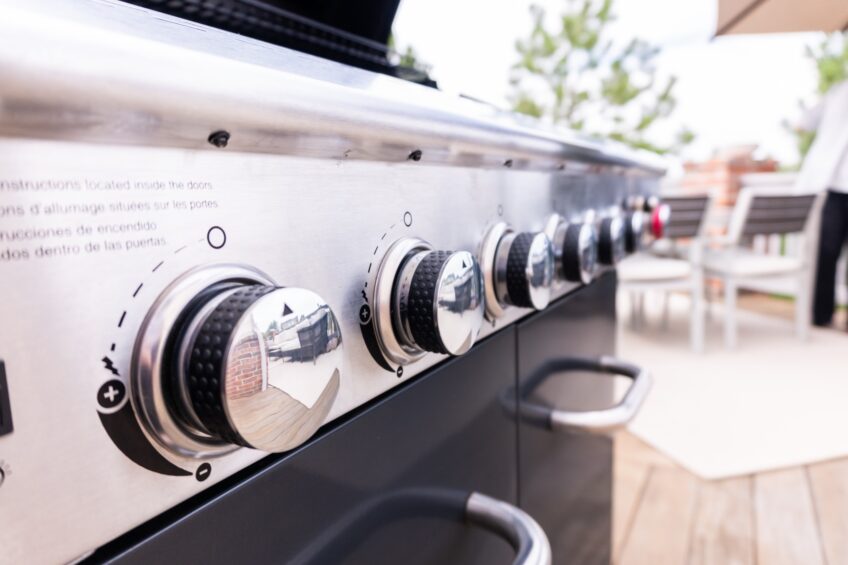
Proper installation and setup form the foundation of natural gas grill safety.
Professional installation ensures secure gas connections, while correct placement reduces fire hazards and maintains adequate ventilation around the grill.
Proper Grill Placement
Location matters for natural gas grill safety.
The grill should be placed at least 10 feet away from any structures, buildings, or overhanging branches.
Choose a stable, non-flammable surface for the grill base.
Concrete patios or stone surfaces work well.
Avoid wooden decks or surfaces near flammable materials.
Ventilation requirements:
- Ensure adequate airflow around all sides
- Never place grills in enclosed spaces
- Avoid areas with poor air circulation
- Keep away from windows and doors
The grill needs clearance above for heat dissipation.
Check manufacturer guidelines for specific spacing requirements.
Most grills need 3-5 feet of overhead clearance.
Consider wind patterns in the placement area.
Strong winds can affect flame performance and spread heat toward unwanted areas.
Professional Installation Guidelines
Professional installation is essential for natural gas grills.
Licensed technicians have the skills to handle gas line connections safely.
Gas line installation requires permits in most areas.
Professionals know local codes and safety requirements.
They ensure proper pressure testing and leak detection.
Key installation elements:
- Gas line sizing and pressure requirements
- Proper fitting connections and seals
- Shut-off valve placement and accessibility
- Compliance with local building codes
DIY installation risks include gas leaks, improper pressure regulation, and code violations.
These mistakes can lead to dangerous situations or property damage.
Professional installers test all connections before final approval.
They use specialized equipment to detect even small gas leaks.
Connecting to Natural Gas Lines
Natural gas connections require specific fittings and procedures.
The connection must match the grill’s inlet requirements and local gas pressure.
A shut-off valve should be installed within easy reach of the grill.
This allows quick gas supply cutoff during emergencies or maintenance.
Connection components:
- Flexible gas connector – rated for outdoor use
- Shut-off valve – accessible and clearly marked
- Pressure regulator – if required by manufacturer
- Leak detection fittings – for ongoing safety checks
Test all connections with soapy water solution.
Bubbles indicate gas leaks that need immediate attention.
Never use matches or flames to check for leaks.
The natural gas line must be properly sized for the grill’s BTU requirements.
Undersized lines can cause poor performance and safety issues.
Safe Operation and Best Practices
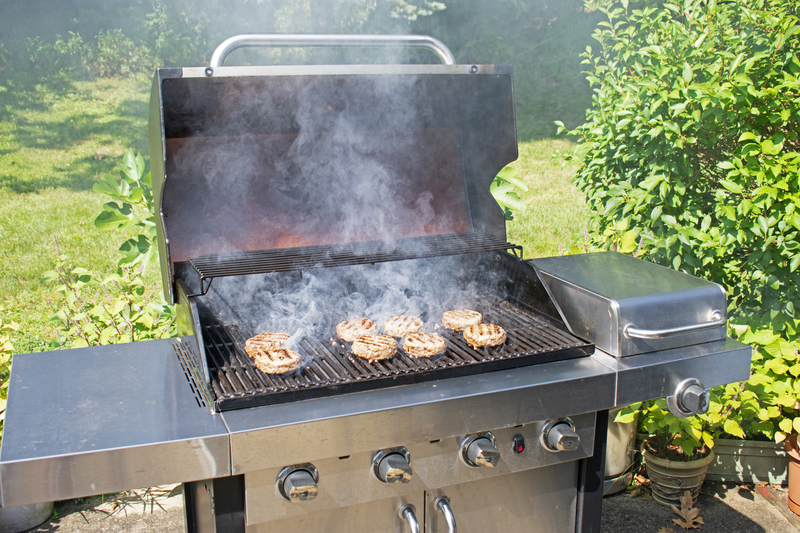
Proper use of natural gas grills requires regular leak checks, correct lighting methods, constant supervision during cooking, and knowing how to handle emergencies.
These practices help prevent accidents and ensure safe outdoor cooking.
Inspecting for Leaks Before Use
Gas leaks pose serious safety risks and must be checked before every grilling session.
The most effective method uses soapy water applied to all gas connections.
Mix dish soap with water in a spray bottle.
Apply this solution to every connection point including the regulator, hose, and control valves.
Turn on the gas supply without lighting the grill.
Watch for bubbles forming at connection points.
Bubbles indicate a gas leak that must be fixed immediately.
Turn off the gas and tighten connections.
If bubbles continue to appear, stop using the grill and call a professional.
Check connections monthly even when not in use.
Replace damaged hoses or fittings right away.
Never use matches or lighters to check for leaks.
This can cause fires or explosions.
Safe Lighting Procedures
Proper lighting prevents dangerous flare-ups and gas buildup.
Always open the grill lid before starting the lighting process.
Never light a gas grill with the lid closed.
Gas can build up inside and cause an explosion when ignited.
Turn on the gas supply valve first.
Then turn the control knob to the lighting position.
Press the igniter button or use a long lighter to start the flame.
Keep your face and body away from the grill opening.
If the grill does not light within 5 seconds, turn off all controls.
Wait 5 minutes before trying again.
This prevents gas buildup.
Light one burner at a time.
Once the first burner is lit, use it to light additional burners.
Supervision and Monitoring While Grilling
A gas grill requires constant attention during operation.
Never leave the grill unattended while cooking.
Keep children and pets at least 3 feet away from the grilling area.
The grill surfaces and surrounding air get very hot.
Monitor the flames regularly. Blue flames indicate proper combustion.
Yellow or orange flames suggest problems with gas flow or burner alignment.
Keep a fire extinguisher nearby in case of emergencies.
 The Kidde Multi-Purpose Fire Extinguisher is a must-have for safety in the home, office, dorm, or any residential space.
Compact yet powerful, it’s also ideal for keeping near your BBQ grill for extra peace of mind while cooking outdoors.
Make sure everyone knows where it is located.
Watch for grease buildup during cooking.
Excess grease can cause dangerous flare-ups.
Clean grease trays regularly to prevent fires.
Check gas levels before long cooking sessions.
Running out of gas mid-cook can be inconvenient and potentially unsafe.
Emergency Response Actions
Quick response during emergencies prevents small problems from becoming dangerous situations.
Know these steps before you need them.
For gas leaks: Turn off all burner controls immediately.
Close the gas supply valve.
Move away from the grill and call for help if the leak is large.
For grease fires: Turn off the gas supply but leave burner controls on.
Close the lid to cut off oxygen.
Never use water on grease fires.
If flames spread beyond the grill, use a fire extinguisher rated for grease fires.
Aim at the base of the flames, not the top.
Call emergency services for any fire that gets out of control.
Move everyone to a safe distance from the grill area.
Keep emergency phone numbers easily accessible near the grilling area.
This includes fire department and gas company contact information.
Maintenance and Cleaning for Safety
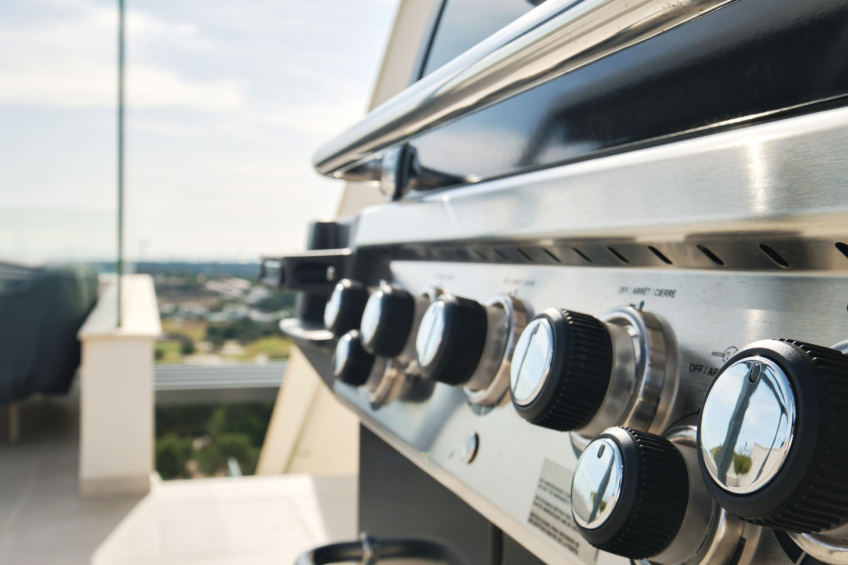
Proper maintenance and cleaning prevent dangerous grease fires, ensure safe gas flow, and extend your grill’s life.
Regular care of grill grates, burners, and grease management systems keeps your natural gas grill operating safely.
Regular Cleaning of Grill Grates
Clean grill grates prevent food particles from causing dangerous flare-ups during cooking.
Leftover grease and food debris can ignite quickly when exposed to high heat.
Users should clean grates after each grilling session while they are still warm.
A grill brush or scraper removes stuck-on food effectively.
Pre-cooking preparation:
- Heat the grill for 10-15 minutes
- Scrub grates with a brass or steel brush
- Wipe down with a damp cloth
For deep cleaning, remove grates completely and wash with warm soapy water.
This removes built-up grease that soap and water cannot reach through regular brushing.
Monthly deep cleaning steps:
- Remove grates from the gas grill
- Soak in warm water with dish soap
- Scrub with non-abrasive sponge
- Rinse thoroughly and dry completely
Clean grates also prevent harmful bacteria growth that can cause food poisoning.
They ensure even heat distribution and better-tasting food.
Checking Burners and Valves
Burner tubes and gas valves need regular inspection to prevent gas leaks and ensure proper flame control.
Clogged burner ports create uneven heating and potential safety hazards.
Spider webs, grease, and debris commonly block burner holes.
This causes yellow flames instead of blue flames, indicating incomplete combustion.
Monthly inspection checklist:
- Burner ports: Check for blockages in each hole
- Gas valves: Turn knobs to ensure smooth operation
- Flame pattern: Look for consistent blue flames
- Gas connections: Test for leaks with soapy water
Users should remove burner tubes annually for thorough cleaning.
Use a small wire or pipe cleaner to clear blocked ports.
Replace damaged burners immediately.
Cracked or rusted burners can cause gas leaks or uneven heating that leads to flare-ups.
Control knobs should turn easily without sticking.
Sticky valves indicate internal damage that requires professional repair.
Preventing Grease Buildup
Grease accumulation creates serious fire hazards in natural gas grills.
Built-up grease ignites easily and can cause dangerous flare-ups that spread beyond the cooking area.
Empty grease traps after every few uses.
Full grease pans can overflow and drip onto burners, causing sudden fires.
Grease management routine:
- Clean drip pans weekly during heavy use
- Replace disposable grease traps regularly
- Scrape interior surfaces monthly
- Check grease drainage pathways
Remove grease from firebox walls and heat tents using warm soapy water.
These surfaces collect splattered fats that become fire fuel.
Interior cleaning frequency:
| Component | Cleaning Schedule |
|---|---|
| Drip pans | Weekly |
| Heat tents | Monthly |
| Firebox walls | Monthly |
| Grease tubes | Seasonally |
Line drip pans with aluminum foil for easier cleanup.
This prevents grease from hardening on metal surfaces.
Never allow grease to accumulate on burner covers or heat shields.
These components sit directly above flame sources where grease ignites most easily.
Trusted Natural Gas Grills from a Reputable Brand
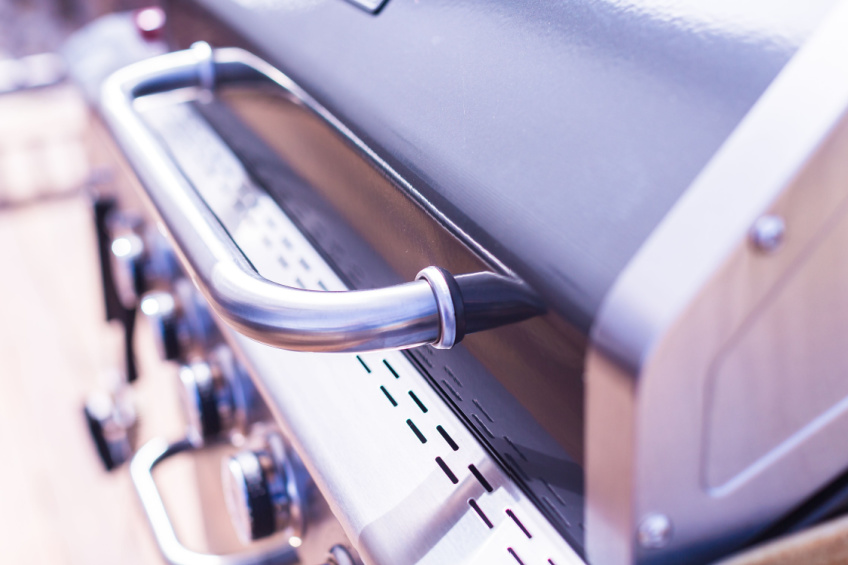
Grill Example 1: Weber Genesis S-315 Natural Gas Grill
 The Weber Genesis S-315 is a three-burner stainless steel grill designed exclusively for natural gas.
Its PureBlu burners deliver consistent flames and even heat, while Flavorizer Bars enhance flavor and direct grease away from the burners to minimize flare-ups.
A pull-out grease tray makes cleaning simple and safer, and the warming rack plus side tables add convenience for smoother outdoor cooking
-
This is a 3-burner stainless steel grill built only for natural gas.
-
Key safety/quality features: PureBlu burners with tapered design for even flame and pressure; raised flame openings help avoid clogging and flare-ups.
-
Includes a grease-management system (pull-out tray) so you can clean drippings, which reduces flare risk.
-
Why this matters: when a grill is factory-made for natural gas (not converted), with good burners, clean lines/drip paths, and proper design, the risk of leaks, flare-ups or unsafe hot spots is much lower.
Grill Example 2: Weber Genesis S-415 Natural Gas Grill
 With four burners and a spacious cooking area, the Weber Genesis S-415 is a great option for larger families or frequent entertainers.
The stainless steel grates and PureBlu burners ensure even cooking, while the Flavorizer Bars help control drippings and reduce flare-ups.
Its built-in grease management system and sturdy design make it both practical and safe, with side tables to keep tools and food within easy reach.
-
A larger option: 4 burners, stainless steel, again built for natural gas from factory.
-
Same burner design (PureBlu) and flame port design to keep debris out of the burner channels. These reduce risk of incomplete combustion or dangerous flare-ups.
-
Also features things like side tables, large cooking area, possibly warming racks. More metal, more parts, but also more safety in flexibility (you can manage indirect/searing zones easier, reducing need for dangerous high heat all the time).
Grill Example 3: Weber Genesis E-325 Natural Gas Grill
 The Weber Genesis E-325 offers three burners with an extra-large sear zone, giving you intense heat where you need it without overheating the entire grill.
Porcelain-enameled cast-iron grates retain heat well, helping avoid hot spots and uneven cooking.
A grease tray system keeps flare-ups in check, while its durable construction and thoughtful design make it a safe, reliable choice for everyday grilling.
-
This is a slightly more compact 3-burner NG model with many of the same core safety/quality features.
-
It has an extra large sear zone, porcelain-enameled cast-iron grates which retain heat well. Good grates help avoid hot spots and burned food (which helps reduce flare risk).
-
It also has a good grease tray / grease management built in. Keeping grease from building up is one of the top safety points.
What These Examples Teach Us About Safety
From these grills, you can draw out safety features that matter:
-
Factory-built natural gas grills tend to be safer than conversions, because their components (valves, burners, regulators) are matched and certified for NG.
-
Good burner design (shape, flame port placement, materials) helps with even flame, fewer blind spots where gas could build up or flames flare.
-
Grease management is critical: trays, drip paths, catch pans that are easy to clean reduce fire risk.
-
Durable materials (stainless steel, good grate material) resist warping, rusting, which lowers risk over time (leaks, failure).
Storage and Environmental Considerations
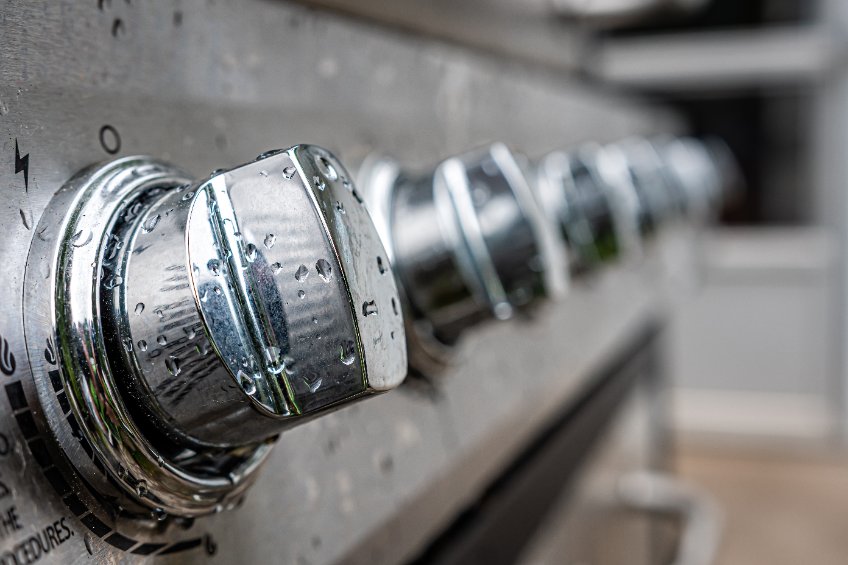
Natural gas grills require careful placement away from combustible items and proper storage practices to prevent accidents.
Safe handling of grill components and understanding environmental factors help ensure long-term safety and performance.
Keeping Away From Flammable Materials
Natural gas grills must be positioned at least 10 feet from structures, overhanging branches, and deck railings.
This distance prevents heat damage and reduces fire risk.
Critical clearance zones include:
- Buildings and homes
- Trees and vegetation
- Outdoor furniture
- Propane tanks
- Storage sheds
Grease buildup creates a major fire hazard.
Users should clean grease trays regularly and remove fat deposits from cooking surfaces.
The area around the grill should stay clear of paper products, cleaning supplies, and gasoline containers.
These items can ignite from heat or sparks.
Wind direction affects safety.
Position the grill so prevailing winds blow smoke and heat away from the house and seating areas.
Proper Outdoor Storage
Natural gas grills connected to permanent gas lines offer storage advantages over portable units.
The fixed connection eliminates concerns about tank storage and transport.
During winter months, users should disconnect the gas supply at the main valve.
Cover the grill with a weather-resistant cover to protect components from moisture and debris.
Storage checklist:
- Turn off gas at main valve
- Clean all surfaces thoroughly
- Remove grease and food particles
- Apply protective cover
- Secure loose components
Store grill accessories in a dry location separate from the unit.
Keep cleaning brushes, utensils, and covers in weatherproof storage containers.
Regular inspection of gas lines and connections prevents deterioration during storage periods.
Check for cracks, corrosion, or loose fittings before each season.
Handling Grill Components Safely
Gas valves require gentle operation to prevent damage.
Users should turn valves slowly and avoid forcing stuck components that may indicate internal problems.
Burner components need careful handling during cleaning.
Remove burner covers and heat plates only when the grill is completely cool.
Safe handling practices:
- Wear protective gloves
- Use proper lifting techniques
- Support heavy components
- Avoid dropping parts
Ignition systems contain delicate parts that break easily.
Handle piezo igniters and electrode wires gently during maintenance.
Gas line connections should only be adjusted by qualified technicians.
Homeowners can perform basic cleaning but should avoid disassembling gas fittings or regulators.
Store removed components in organized containers to prevent loss and damage.
Label parts clearly for easy reassembly.