

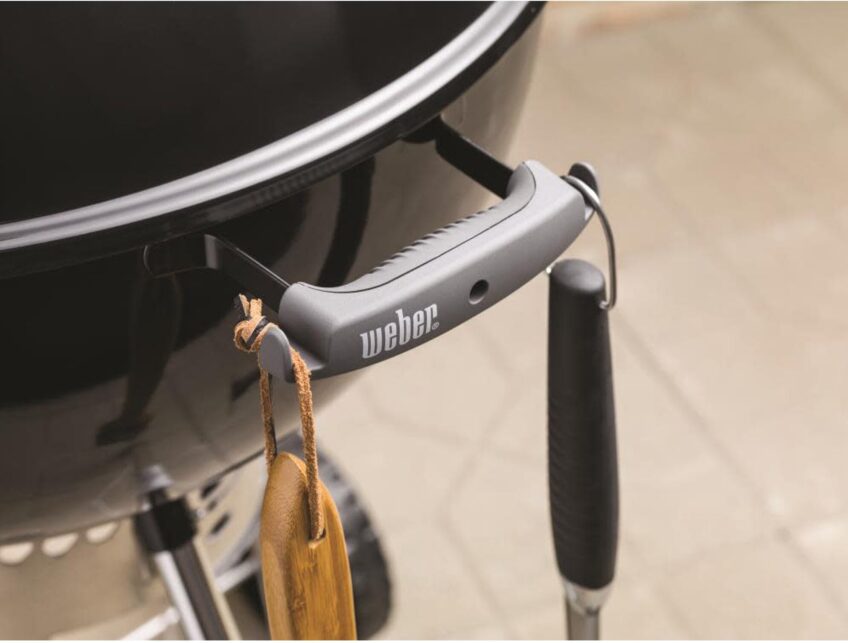
 Weber kettle grills have earned widespread recognition among both beginners and experienced grillers for good reason.
These simple yet effective charcoal grills consistently deliver excellent cooking results while maintaining affordability and durability that many competitors struggle to match.
The Weber kettle’s enduring popularity stems from its proven design that has remained largely unchanged since 1952.
This classic grill offers versatility for everything from quick weeknight burgers to low-and-slow smoking projects, making it a practical choice for various cooking styles and skill levels.
Understanding what makes Weber kettles effective requires examining their performance capabilities, build quality, and how they compare to other grilling options in today’s market.
The following analysis explores whether these grills live up to their reputation and identifies key factors that influence their value for different users.
What Makes Weber Kettle Grills Stand Out?
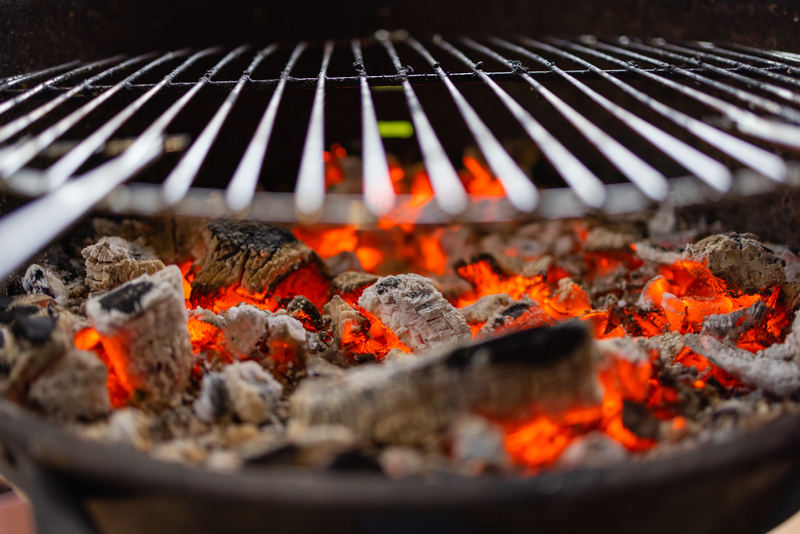
Weber kettles excel through their porcelain-enamel coating that prevents rust and flaking, domed lid design for optimal convection cooking, and dual-purpose functionality as both grills and smokers.
The hinged cooking grates and One-Touch cleaning system enhance user convenience.
Iconic Design and Construction
The Weber kettle features a porcelain-enamel coating fired onto the bowl and lid at 1,500°F.
This coating fuses directly to the steel, creating a rust-resistant surface that maintains its appearance year after year.
The circular domed lid enables perfect convection cooking.
Heat circulates evenly around food, creating consistent temperatures throughout the cooking chamber.
Heavy-duty construction includes:
- Plated steel hinged cooking grates
- Rust-resistant dampers for airflow control
- Durable charcoal grate designed for chimney starters
- Aluminum ash catch pan
The hinged grate sections allow users to add charcoal or adjust fuel without removing food.
This design feature sets Weber apart from competitors with fixed grating systems.
Versatility for Grilling and Smoking
Weber kettles function as both charcoal grills and smokers.
Users can arrange charcoal directly on the grate for high-heat direct cooking or use indirect setups for low-and-slow smoking.
The damper system provides precise temperature control.
Opening dampers increases airflow and heat, while closing them reduces temperature.
This control makes smoking turkeys, briskets, and other large cuts achievable.
Charcoal placement options include:
- Direct cooking: spread coals across the grate
- Indirect cooking: coals on one side only
- Two-zone setup: hot and cool areas simultaneously
The 22-inch diameter provides 363 square inches of cooking space.
This accommodates multiple food items or larger cuts like whole chickens and pork shoulders.
Ease of Use and Maintenance
The One-Touch cleaning system simplifies ash removal.
Users sweep ashes into the removable aluminum pan with a simple lever motion.
Setup takes approximately 20 minutes using a chimney starter placed directly on the charcoal grate.
Crumpled newspaper or lighter cubes ignite the charcoal without chemical starters.
Maintenance requirements remain minimal:
- Porcelain coating resists chipping and fading
- Steel components resist corrosion
- Grates clean easily with standard grill brushes
Temperature management becomes intuitive through the damper controls and built-in thermometer.
Users quickly learn fuel amounts and airflow adjustments for consistent results.
Performance and Cooking Results

Weber kettle grills deliver consistent heat distribution and responsive temperature control through their dual vent system.
The charcoal-fired cooking produces exceptional searing capabilities and rich smoky flavors that gas grills cannot replicate.
Temperature Control and Heat Retention
The Weber kettle’s dual vent system provides precise temperature management.
The bottom vent controls oxygen flow to the charcoal, while the top vent regulates heat retention and smoke circulation.
Users can achieve temperatures ranging from 225°F for low-and-slow cooking to over 500°F for high-heat searing.
The thick porcelain-enameled steel construction maintains steady temperatures once established.
Temperature zones can be created by positioning charcoal on one side of the grill.
This allows for both direct and indirect cooking simultaneously on the 363-square-inch cooking surface.
The kettle shape promotes even heat circulation around food.
Hot air rises from the charcoal, circulates around the dome, and creates consistent cooking conditions across the entire grate.
Temperature adjustments happen gradually compared to gas grills.
Opening vents increases heat within 5-10 minutes, while closing them reduces temperature more slowly as coals burn down.
Achieving Perfect Steaks and Other Foods
Weber kettles excel at searing steaks due to their ability to reach high temperatures quickly.
The direct heat from glowing charcoal creates superior crust formation compared to most gas grills.
Steak cooking process:
- Preheat grill to 450-500°F
- Sear steaks 2-3 minutes per side over direct heat
- Move to cooler zone to finish cooking
The charcoal imparts distinctive smoky flavors that enhance beef, pork, and poultry.
Wood chips can be added directly to coals for additional smoke without special equipment.
Indirect cooking works well for whole chickens and thicker cuts.
Users position coals on one side and place food on the opposite side for gentle, even cooking.
The 22-inch grill accommodates 10-13 burger patties or two whole chickens simultaneously.
Heat retention allows for consistent results across multiple pieces of food during single cooking sessions.
Durability and Longevity
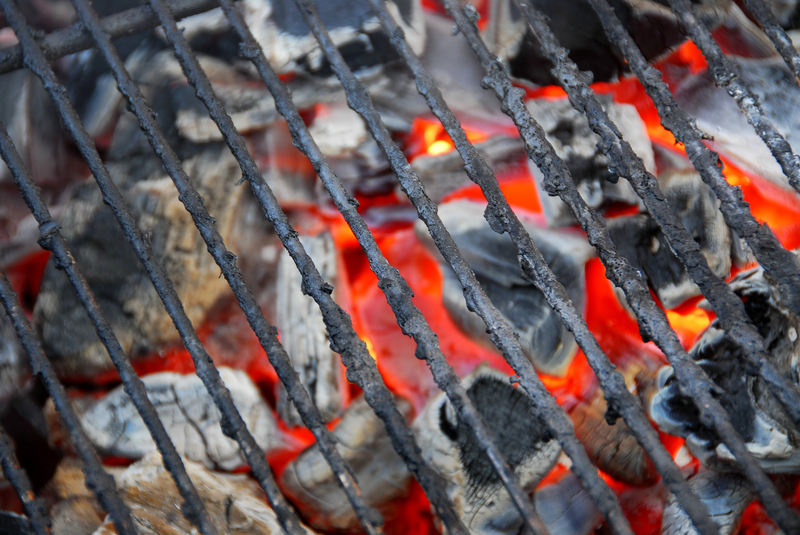
Weber kettle grills typically last 10-15 years with proper maintenance, with many units functioning well beyond this timeframe.
The combination of quality construction materials and available replacement parts contributes to their extended lifespan.
Build Quality and Materials
Weber kettle grills feature enamel-coated steel construction that provides excellent rust resistance and heat retention.
The porcelain enamel coating protects the steel body from corrosion and weather damage.
The cooking grates are made from plated steel that can last 5-6 years with regular use.
Stainless steel grates, available on premium models, extend this lifespan to approximately 10 years.
Weber covers kettle grills with a 10-year limited warranty against rust and burn-through of the body.
Other components receive a 2-year warranty coverage.
The simple design of kettle grills means fewer parts that can malfunction compared to gas grills.
This mechanical simplicity contributes directly to their longevity.
Older Weber kettle models often demonstrate superior build quality compared to newer versions.
Many users report decades of reliable service from vintage units.
Replacement Parts and Upkeep
Weber maintains an extensive parts inventory for kettle grills, making repairs economical rather than requiring full replacement.
Common replacement items include cooking grates, charcoal grates, and ash catchers.
Regular cleaning after each use prevents grease buildup and extends component life.
Users should store kettles in covered areas or use protective covers during harsh weather.
The ash removal system requires periodic cleaning to maintain proper airflow.
Replacing worn gaskets and handles maintains optimal performance.
Most kettle grill parts cost significantly less than purchasing a new unit.
This repairability factor makes Weber kettles a cost-effective long-term investment for outdoor cooking.
Comparing Weber Kettle to Other Grills
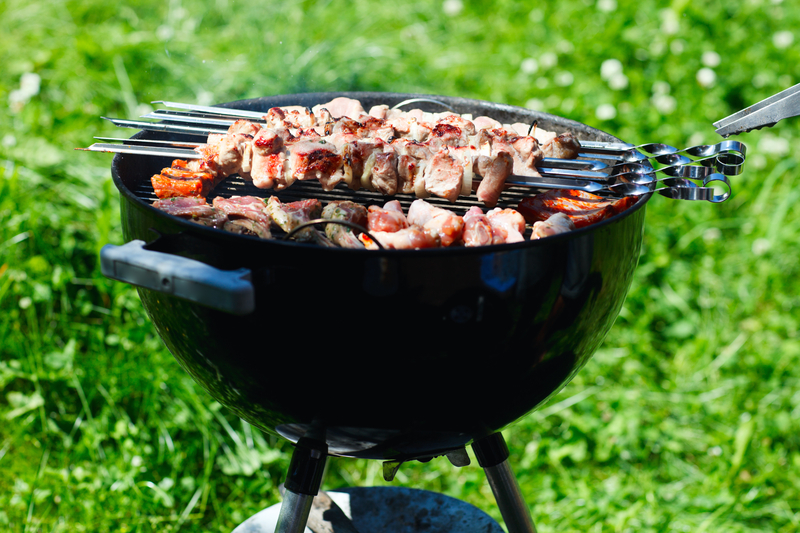
Weber kettles offer distinct advantages and trade-offs when compared to gas grills and other charcoal options.
Understanding these differences helps determine which grill type best suits specific cooking preferences and lifestyle needs.
Weber Kettle vs. Gas Grills
Heat Source and Flavor Weber kettles use charcoal for fuel, producing higher temperatures than most gas grills.
Charcoal burns at 800-1000°F, while gas typically maxes out around 600-700°F.
The charcoal creates authentic smoke flavor that gas grills cannot replicate.
This smoky taste comes from fat drippings vaporizing on hot coals.
Convenience and Setup Gas grills offer instant ignition with push-button starts.
Weber kettles require 15-20 minutes for charcoal to reach cooking temperature.
Gas provides precise temperature control through adjustable burners.
Charcoal temperature adjustments happen through vent manipulation and coal arrangement.
Operating Costs Propane costs roughly $15-20 per tank, lasting 18-20 hours of cooking.
Charcoal costs $0.75-1.50 per cooking session for an average meal.
Gas grills require propane tank refills or natural gas line connections.
Weber kettles need charcoal purchases but no utility connections.
Weber Kettle vs. Other Charcoal Grills
Build Quality and Design Weber kettles feature porcelain-enameled steel construction that resists rust and weather damage.
Many competitors use thinner steel with basic paint finishes.
The spherical kettle design promotes even heat circulation.
Flat charcoal grills create hot spots and uneven cooking zones.
Temperature Control Features Weber’s One-Touch cleaning system doubles as an air intake damper.
The lid damper works together to control airflow and temperature precisely.
Basic charcoal grills often lack adjustable vents.
This makes temperature management difficult during longer cooks.
Price and Value Weber kettles cost $129-309 for standard models.
Generic charcoal grills start around $50-80 but lack Weber’s features and durability.
The higher initial investment typically pays off through longer lifespan and better performance.
Weber offers 10-year warranties compared to 1-2 years for budget alternatives.
Potential Issues and Considerations
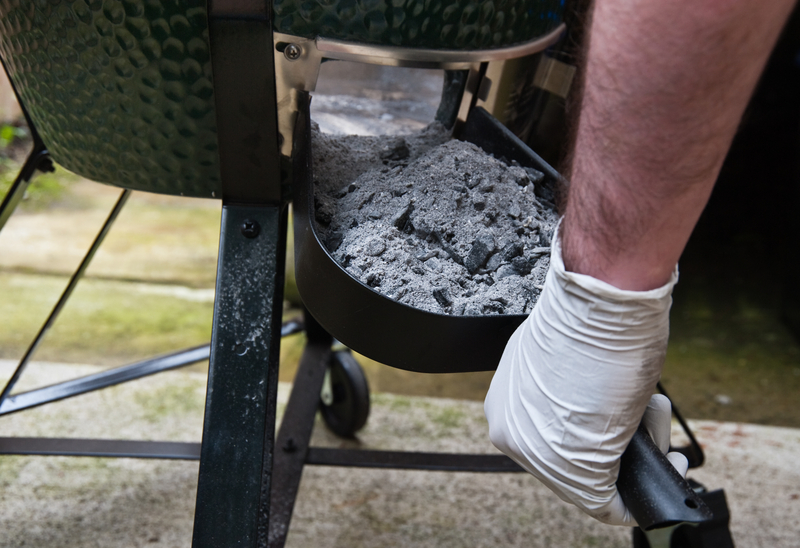
Weber kettle grills present several maintenance and usability challenges that owners frequently encounter.
Ash cleaning represents one of the most common complaints among users.
The three-blade ash sweeping system in Weber kettles doesn’t clean all ash completely.
Sections build up over time because the blades don’t cross paths, requiring manual removal of residual ash.
Missing parts upon delivery create frustration for new owners.
Some customers report incomplete hardware packages or damaged components during shipping.
Cleaning and maintenance prove more demanding than expected.
The low height of cleaning mechanisms requires users to kneel down to properly align ash buckets and operate the sweeping system.
Grate maintenance adds another layer of complexity.
The hinged sections and pull-out components make thorough cleaning more difficult compared to simpler grate designs.
Weather protection becomes essential since exposed metal components rust without proper coverage.
Users must invest in quality covers to maintain grill condition over time.
Are Weber Kettle Grills Good? Absolutely!

The Weber Kettle design has dominated the charcoal grilling market for almost 60 years.
This hasn’t been an accident.
Weber combines great construction, durable materials, and a classic yet effective design to provide the best outdoor cooking experience.
- If you’re looking for your next grill and want something simple and reliable, consider the 22-Inch Original Kettle.
- Premium models come with an advanced cleaning and ventilation system in the classic Kettle design. Consider the Original Kettle Premium 22-Inch Grill if you love the original design but want something with quality-of-life improvements.
- If you want a Kettle integrated into a modern cart frame, the 22-Inch Performer Charcoal Grill is the ideal option. It has the same cleaning and ventilation system as the Premium model, with the addition of cart space for storage and prep.
Overall, Weber Kettle Grills are a great choice for anyone looking for a reliable and versatile charcoal grill.
They are known for their durability, performance, and ease of use, making them a great investment for anyone who loves to grill.