
This content has been archived. It may no longer be relevant
 Gas grills have become the most popular choice for outdoor cooking, with nearly half of all grill owners choosing gas over charcoal or electric options.
The key to getting the best performance from any gas grill lies in understanding the different types of fuel, selecting the right grill features, and knowing how to maintain the system properly.
Whether someone is a beginner looking to buy their first gas grill or an experienced griller wanting to upgrade, the variety of options available can feel overwhelming.
From understanding the difference between propane and natural gas to choosing between traditional burner systems and specialized configurations like planchas, each decision impacts cooking results and convenience.
Modern gas grills offer features ranging from basic two-burner setups perfect for small families to elaborate six-burner outdoor kitchen systems with rotisseries, side burners, and built-in thermometers.
This comprehensive guide covers everything needed to make informed decisions about gas grills, from fuel types and grill configurations to essential features and maintenance practices.
Readers will learn how to select the right size grill for their needs, compare top brands and models, and master the techniques that turn ordinary backyard cooking into restaurant-quality meals.
Choosing the Right Gas for Your Grill
 Gas grills run on either natural gas or propane, each with distinct advantages in cost, convenience, and performance.
Understanding these differences and safety requirements helps grill owners make the best choice for their cooking needs.
Natural Gas vs. Propane
Natural gas grills connect directly to a home’s gas line.
This setup eliminates the need to refill tanks or worry about running out of fuel mid-cook.
Natural gas costs less per BTU than propane.
Most homeowners pay 30-50% less for natural gas compared to propane tanks.
The main drawback is mobility.
Natural gas grills must stay near the gas line connection.
This limits placement options around the yard or patio.
Propane grills use portable tanks that attach to the grill.
Standard 20-pound tanks provide about 18-20 hours of cooking time.
Propane burns hotter than natural gas.
It produces about 2,500 BTUs per cubic foot compared to natural gas at 1,000 BTUs per cubic foot.
Propane grills offer complete mobility.
Users can move them anywhere and take them camping or tailgating.
Tank refills cost more per use.
A typical refill costs $15-25 and lasts for several grilling sessions.
| Factor | Natural Gas | Propane |
|---|---|---|
| Cost per BTU | Lower | Higher |
| Mobility | Fixed location | Fully portable |
| Heat Output | 1,000 BTUs/cubic foot | 2,500 BTUs/cubic foot |
| Convenience | No refills needed | Requires tank exchanges |
How to Switch Between Gas Types
Most gas grills can convert between natural gas and propane with the right conversion kit.
The manufacturer typically sells these kits for $50-100.
Converting from propane to natural gas requires changing the orifices and gas valve.
Natural gas needs larger orifices because it has lower pressure than propane.
Professional installation is recommended for natural gas connections.
A licensed technician must run the gas line and test all connections for leaks.
Converting from natural gas to propane involves installing smaller orifices.
This conversion is usually simpler and can be done by the owner.
Some grills come as dual-fuel models.
These include both sets of orifices and allow easy switching between gas types.
Check the warranty before converting.
Some manufacturers void warranties if unauthorized modifications are made.
Safety Considerations
Propane safety starts with proper tank storage.
Store tanks upright in well-ventilated outdoor areas away from heat sources.
Check connections before each use with soapy water.
Bubbles indicate gas leaks that need immediate attention.
Transport propane tanks upright and secure them to prevent rolling.
Never leave tanks in hot cars or enclosed spaces.
Natural gas safety requires professional installation and annual inspections.
Licensed technicians should check all fittings and connections.
Install a gas shut-off valve within 10 feet of the grill.
This allows quick gas supply disconnection in emergencies.
Both gas types require proper ventilation.
Never use gas grills indoors or in enclosed spaces like garages or covered patios.
Keep a fire extinguisher nearby when grilling.
Class B or multipurpose extinguishers work best for gas fires.
Regular maintenance prevents safety issues.
Clean grease buildup and inspect gas lines for cracks or damage.
Gas Grill Types and Configurations

Gas grills come in four main configurations that serve different cooking needs and outdoor spaces.
Each type offers unique benefits for fuel source, installation, and portability.
Freestanding Gas Grills
Freestanding gas grills are the most popular choice for home cooks.
These units sit on wheeled carts that make them easy to move around the patio or deck.
Most freestanding models run on propane tanks stored in the cart base.
The wheels let users relocate the grill for better weather protection or seasonal storage.
These grills offer the best value for most families.
They come in sizes from small two-burner units to large six-burner models.
Key features include:
- Wheeled cart for mobility
- Built-in propane tank storage
- Side tables for prep space
- Tool hooks and storage shelves
Freestanding grills cost less than built-in options.
They also work well for renters who may need to take the grill when they move.
Built-In Grill Options
Built-in grills create a permanent cooking station in outdoor kitchens.
These units mount into custom countertops or grill islands made from stone, brick, or concrete.
Most built-in models connect to natural gas lines rather than propane tanks.
This setup provides unlimited fuel without tank changes or refills.
Built-in installations require professional setup and gas line connections.
The total cost includes both the grill unit and construction work.
Installation requirements:
- Gas line hookup by licensed professional
- Fire-resistant countertop materials
- Proper ventilation clearances
- Electrical connections for lighting
These grills add significant value to homes with outdoor entertaining spaces.
They create a sleek, integrated look that freestanding units cannot match.
The main drawback is the permanent installation.
Homeowners cannot move or store these grills during bad weather or off-seasons.
Portable Gas Grills
Portable gas grills serve campers, tailgaters, and small-space dwellers.
These compact units weigh between 10 to 30 pounds for easy transport.
Most portable models use small propane canisters instead of full-size tanks.
The one-pound canisters attach directly to the grill body.
These grills sacrifice cooking space for convenience.
Most models cook for 2-4 people at once.
Popular uses include:
- Camping trips and RV travel
- Tailgating at sports events
- Apartment balconies with space limits
- Beach and park outings
Battery-powered ignition systems work better than piezo starters for portable units.
Wind guards help maintain flame control in outdoor conditions.
Storage space becomes important with portable grills.
Folding legs and removable parts help reduce the packed size.
Infrared Grills Explained
Infrared grills use radiant heat technology instead of traditional gas burners.
These units heat ceramic or metal plates that glow red-hot during cooking.
The infrared system creates more even heat distribution across the cooking surface.
Food cooks faster at lower gas consumption rates than standard burners.
Infrared advantages:
- Higher cooking temperatures (up to 700°F)
- Reduced flare-ups from dripping grease
- Better heat retention in windy conditions
- Faster preheating times
These grills work well for searing steaks and other high-heat cooking methods.
The radiant heat locks in juices while creating good grill marks.
The main challenge is learning different cooking techniques.
Traditional gas grill timing and methods may not work the same way with infrared heat.
Infrared grills cost more than standard gas models.
They also require special cleaning methods to maintain the heating elements properly.
Key Features to Consider in Gas Grills

The most important features that determine a gas grill’s performance include the number and quality of burners, construction materials, and heat output capabilities.
These core elements directly impact cooking results, durability, and overall value.
Number of Burners and Cooking Zones
The number of burners determines cooking flexibility and heat control options.
Gas grills typically feature two to six burners, each serving different cooking needs.
Two-burner grills work well for small families and basic cooking tasks.
They provide adequate space for simple meals but limit cooking variety.
Four-burner grills offer the best balance of versatility and value.
They allow users to create multiple heat zones for different cooking techniques simultaneously.
Six-burner grills suit large families and frequent entertainers.
These models provide maximum cooking flexibility and can handle multiple dishes at once.
| Burner Count | Best For | Cooking Area |
|---|---|---|
| 2 burners | Small families | 300-400 sq inches |
| 4 burners | Medium families | 400-600 sq inches |
| 6+ burners | Large groups | 600+ sq inches |
Independent burner controls enable precise temperature management across different cooking zones.
This feature allows grilling meat at high heat while cooking vegetables at lower temperatures.
Grill Materials and Durability
Construction materials directly affect durability, heat retention, and maintenance requirements.
Stainless steel grills represent the gold standard for gas grill construction.
Stainless steel offers excellent corrosion resistance and heat retention.
It maintains its appearance over time and resists rust in outdoor conditions.
Cast aluminum provides good durability at a lower cost.
It resists rust effectively but may not retain heat as well as stainless steel.
Porcelain-coated steel offers budget-friendly durability.
The coating protects against rust, but chips can expose the underlying metal to corrosion.
Burner materials matter significantly.
Stainless steel burners last longer than aluminum or cast iron alternatives.
They resist corrosion and maintain consistent heat output.
Look for thick construction in key components.
Heavy-gauge materials indicate better build quality and longer lifespan.
Thin materials may warp or fail under high heat.
BTU Ratings and Heat Output
BTUs (British Thermal Units) measure a grill’s heat output potential.
Higher BTU ratings don’t automatically mean better performance.
The ideal ratio is approximately 80-100 BTUs per square inch of cooking area.
This ratio ensures adequate heat distribution across the entire cooking surface.
A 500-square-inch grill should produce 40,000-50,000 BTUs total.
More BTUs than this ratio may waste fuel without improving cooking performance.
Heat distribution matters more than raw BTU numbers.
Even heat across the cooking surface prevents hot spots and ensures consistent results.
Infrared burners provide intense, direct heat for searing.
They reach higher temperatures faster than traditional burners but cost more initially.
Consider fuel efficiency alongside heat output.
Well-designed burners and heat distribution systems use less gas while maintaining optimal cooking temperatures.
Temperature gauges help monitor heat levels without opening the lid.
Built-in thermometers provide better accuracy than lifting the lid to check food.
Gas Grill Buying Guide

Choosing the right gas grill requires careful consideration of budget, brand reputation, and size requirements.
Smart buyers evaluate these three factors to find a grill that matches their cooking needs and outdoor space.
Setting Your Budget
Gas grill prices range from $100 to over $6,000.
Entry-level grills between $100-$300 work for basic grilling needs.
They typically have fewer features and shorter lifespans.
Mid-range grills cost $300-$800.
These models offer better construction and more cooking features.
They balance price with performance for most families.
Premium grills start at $800 and go up to $6,000.
They feature high-quality materials like stainless steel.
These grills last longer and have advanced cooking systems.
Budget Planning Tips:
- Consider long-term value over initial price
- Factor in replacement parts and maintenance costs
- Think about how often the grill will be used
Higher-priced grills often cost less per year when their durability is considered.
They typically require fewer repairs and replacements over time.
Comparing Popular Brands
Weber leads the gas grill market with reliable models.
 The Weber Spirit II E-310 offers three burners and 529 square inches of cooking space.
It costs around $500 and provides excellent value.
The Weber Spirit series includes several models.
Each offers different sizes and features.
These grills are known for consistent heat and long-lasting construction.
Top Brand Features to Compare:
- Warranty length – Look for 5+ year coverage
- Customer service – Check online reviews
- Parts availability – Ensure easy replacement access
- Build quality – Examine materials and construction
Other respected brands include Napoleon, Broil King, and Char-Broil.
Each offers different price points and features.
Research customer reviews before making final decisions.
Selecting the Right Size
Grill size affects cooking capacity and storage needs.
Small grills under 400 square inches cook for 2-3 people.
They work well for apartments and small patios.
Medium grills offer 400-600 square inches.
These models handle meals for 4-6 people.
They fit most backyard spaces without being too large.
Large grills provide over 600 square inches of cooking area.
They can cook for 8+ people at once.
These models need more storage space and higher gas consumption.
Size Considerations:
- Available outdoor space
- Typical number of guests
- Storage requirements
- Frequency of large gatherings
Buyers should measure their intended grill location before shopping.
They should also consider how the grill will be stored during bad weather.
Top Gas Grills and Brand Comparisons
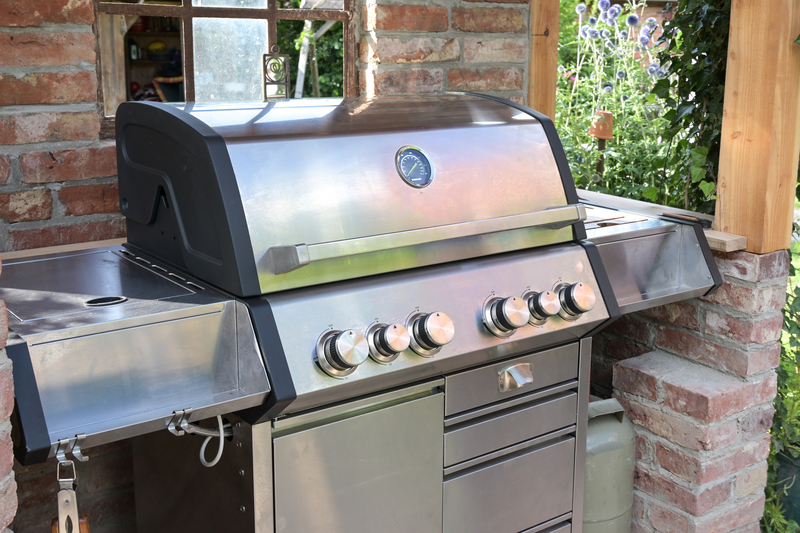
The Weber Spirit series dominates gas grill rankings across multiple testing organizations, with propane models offering portability while natural gas versions provide continuous fuel supply.
Professional testing reveals consistent performance differences between brands, with Weber, Monument, and Ninja leading in reliability and cooking performance.
Weber Spirit II E-310 Review
The Weber Spirit E-310 earned top ratings from multiple testing organizations in 2025.
This three-burner grill delivers 450 square inches of total cooking space.
The grill features Weber’s reliable snap ignition system.
This system lights all three burners consistently without failure during extended testing periods.
Key Performance Features:
- Even heat distribution across cooking surface
- Quick searing capabilities for steaks and burgers
- Accommodates approximately 9 average-sized burger patties
- Porcelain-coated cast-iron cooking grates
The Spirit E-310 excelled in controlled cooking tests.
Ribs and chicken cooked evenly without hot spots.
Burgers developed proper sear marks while maintaining juicy interiors.
Weber grills typically last longer than competitors in the same price range.
The Spirit series uses stainless steel components and durable construction materials.
This model lacks premium features like side burners or smart connectivity.
The cooking space works well for families but requires batch cooking for larger groups.
Best Natural Gas Grills
Natural gas grills connect directly to home gas lines, eliminating propane tank replacements.
 The Weber Genesis EPX-335 leads this category with professional-grade performance.
This model provides 787 square inches of cooking space across multiple levels.
Three main burners produce 39,000 BTU total output, plus a dedicated 13,000 BTU sear station.
Natural Gas Advantages:
- Continuous fuel supply without tank changes
- Lower operating costs over time
- Consistent gas pressure for even heating
- No storage requirements for propane tanks
The Genesis EPX-335 includes Weber Connect smart technology.
Users monitor grill temperature and food probes through a smartphone app.
Built-in LED lighting automatically illuminates the cooking area when opening the hood.
A 12,000 BTU side burner handles sauces and side dishes.
Temperature control showed some variation during low-and-slow cooking tests.
The display read 225°F while actual grate temperature measured 45 degrees cooler.
Best Propane Grill Picks
Propane grills offer complete portability and quick setup anywhere.
 The Ninja FlexFlame represents the newest innovation in propane grill technology.
This grill combines traditional grilling with smoking, griddle cooking, and convection heating.
The built-in smoker box operates with the push of a button.
Top Propane Models:
- Weber Q1200: Best portable option with 189 square inches
- Monument Denali 605: Largest capacity with 6 burners
- Ninja FlexFlame: Most versatile with multiple cooking modes
 The Monument Denali delivers 84,000 total BTU across six burners.
This model handles large gatherings with extensive cooking space and a side burner.
 Weber Q1200 weighs 30 pounds but offers restaurant-quality performance.
Single 8,500 BTU burner heats evenly across cast-aluminum construction.
Propane models require tank monitoring and refills.
Standard 20-pound tanks provide 18-20 hours of cooking time on medium heat settings.
The Ninja FlexFlame requires electrical connection for convection fan operation.
This limits placement options compared to traditional propane models.
Maintaining and Using Gas for Grills Effectively

Proper gas management involves safe storage practices, quick problem-solving skills, and smart fuel conservation techniques.
These practices help grill owners save money while ensuring safe operation.
Proper Storage of Gas Tanks
Propane tanks require outdoor storage in well-ventilated areas away from heat sources.
Users should never store tanks indoors, in garages, or near electrical equipment.
Temperature matters for tank storage.
Extreme heat can increase pressure inside tanks.
Cold weather reduces gas pressure and affects performance.
Storage checklist:
- Keep tanks upright at all times
- Store in shaded areas when possible
- Check valve connections monthly
- Inspect tanks for rust or damage
- Keep spare tanks at least 10 feet from grills
Users should transport tanks in upright positions in well-ventilated vehicles.
Never leave tanks in hot cars or truck beds for extended periods.
While the market offers various propane tanks, it’s important to consider factors such as quality, safety features, and customer reviews when determining the best propane tanks.
Here are a few highly regarded options:
- Worthington 20 lb. Propane Tank. Worthington is a well-known brand in the propane industry, and their 20 lb. propane tank is a popular choice. It features a durable construction, easy-to-read gauge, and a protective collar for added safety.
- Flame King 20 lb. Propane Cylinder. The Flame King propane cylinder is another top-rated option. It comes with a built-in gauge, an OPD (Overfill Protection Device) valve for safety, and a powder-coated finish to resist rust and corrosion.
- Manchester Tank & Equipment 20 lb. Propane Tank. Manchester Tank is a trusted name in the industry, known for its high-quality propane tanks. Their 20 lb. propane tank offers a sturdy design, a built-in gauge, and meets all safety standards for peace of mind.
- Bernzomatic Standard Propane Fuel Cylinder. Bernzomatic is a reputable brand specializing in gas-related products. Their propane tanks are DOT (Department of Transportation) certified and features a durable steel construction, a safety valve, and a comfort grip collar for easy handling.
- Coleman Propane Cylinder. Coleman is a well-known outdoor equipment brand, and their propane cylinders are commonly used for camping and grilling. Their propane cylinders are compact and convenient for portable grills and camping stoves.
Remember to follow local regulations and guidelines when purchasing and handling propane tanks.
Always check for certification marks and safety features to ensure you are selecting a high-quality and reliable propane tank for your grilling needs.
Natural gas grills connect directly to home gas lines.
These systems need annual professional inspections of connections and regulators.
When it comes to connecting a natural gas BBQ to your gas line, it’s crucial to use appropriate grill connectors and hoses to ensure safety and proper functionality.
Here are some recommended options:
- GasSaf 10 Feet Hose. This hose is designed for natural gas and propane grills and comes with a quick-connect feature for easy and secure connection. It has a 10-foot length, which provides flexibility in positioning your grill. The hose is made of high-quality rubber and is compatible with most natural gas grills.
- DOZYANT 12 Feet Hose. This 12-foot hose is suitable for natural gas and propane grills and offers a quick-connect feature for convenience. It is constructed with durable rubber material and has solid brass fittings for reliable performance. The longer length allows for more flexibility in grill placement.
- Stanbroil 12 Feet Hose. The heavy-duty brass connectors ensure corrosion resistance and provide a secure, leak-free operation, guaranteeing your safety during use. The hose is compatible with most natural gas grills and offers a secure connection.
When selecting grill connectors and hoses, ensure they are compatible with your specific grill model and the natural gas supply in your area.
It’s also important to follow the manufacturer’s instructions and local safety regulations when installing and using these components to ensure a safe and reliable connection between your natural gas BBQ and gas line.
Troubleshooting Common Issues
Low flame problems often stem from empty tanks or blocked burner ports.
Users should check fuel levels first, then inspect burners for spider webs or grease buildup.
Gas leak detection requires soapy water applied to all connections.
Bubbles indicate leaks that need immediate attention.
Users must turn off gas and tighten connections or call professionals.
Common problems and solutions:
| Problem | Cause | Solution |
|---|---|---|
| No ignition | Dead battery, clogged igniter | Replace battery, clean igniter |
| Yellow flames | Blocked air vents | Clear vents, adjust air shutters |
| Uneven heating | Dirty burners | Remove and clean burner tubes |
Burner tubes need annual cleaning to remove grease and debris.
Users should disconnect gas before removing any parts.
Propane grills may experience regulator issues that cause low pressure.
Resetting the regulator involves turning off all controls, disconnecting the tank, waiting five minutes, then reconnecting.
Tips for Efficient Gas Usage
Preheating saves gas compared to extended cooking times.
Most gas grills reach cooking temperature in 10-15 minutes with the lid closed.
Fuel-saving techniques:
- Use appropriate burner zones for food size
- Keep grill lid closed during cooking
- Clean grates regularly for better heat transfer
- Plan cooking order from low to high heat foods
Wind screens help maintain consistent temperatures and reduce gas consumption.
Users cooking in windy conditions should position grills in protected areas.
Multiple-zone cooking maximizes efficiency.
Users can cook different foods simultaneously using various heat levels across the grill surface.
Regular maintenance improves gas efficiency.
Clean burners distribute heat evenly and reduce cooking times.
Clogged ports force users to run grills longer and hotter.
Natural gas grills typically cost less per BTU than propane.
Users with permanent outdoor cooking areas should consider natural gas connections for long-term savings.
Proper flame adjustment ensures complete combustion.
Blue flames indicate efficient burning while yellow flames waste gas and produce less heat.