 When shopping for a new grill, Weber’s name appears everywhere, but their higher price tags often make buyers pause.
Weber grills are generally worth the money due to their superior build quality, consistent cooking performance, and excellent long-term value compared to cheaper alternatives.
While you can find grills for less money, Weber delivers features and durability that typically justify the investment for most home cooks.
The real question isn’t whether Weber makes good grills, but whether their specific models match your grilling needs and budget.
Weber offers three main product lines at different price points, each with distinct advantages and potential drawbacks.
Understanding what sets Weber apart from other brands helps clarify whether their grills deliver genuine value or simply carry a premium brand name.
This analysis examines Weber’s performance across different price ranges, compares their offerings to competitors, and explores what actual owners think about their purchases.
From entry-level Spirit models to high-end Summit grills, each Weber line faces different value propositions in today’s competitive grill market.
What Makes Weber Grills Stand Out?
Weber grills have built their reputation on superior materials, innovative design, and decades of grilling expertise.
The company uses high-grade stainless steel construction and porcelain-enameled components that resist rust and corrosion better than most competitors.
Brand Reputation and History
Weber-Stephen Products LLC started in 1952 when George Stephen invented the kettle grill.
He transformed a metal buoy into the first dome-shaped charcoal grill in his backyard.
This invention changed outdoor cooking forever.
The kettle design created better heat circulation and weather protection than flat grills.
Weber has spent over 70 years perfecting their grilling technology.
They focus on consistent heat distribution and durability in all weather conditions.
The company built trust through reliable products.
Many Weber owners use the same grill for 10-20 years without major issues.
Weber charcoal grills remain popular because they deliver authentic smoky flavors.
Their gas models like the Weber Genesis and Weber Spirit lines offer convenience without sacrificing performance.
Professional chefs and backyard cooks both recommend Weber products.
This dual endorsement shows the brand works for all skill levels.
Design and Engineering Excellence
Weber engineers focus on even heat distribution across the cooking surface.
Their burner systems create consistent temperatures that prevent hot spots and cold areas.
 The Weber Summit series features advanced temperature control systems.
These allow precise cooking for different foods at the same time.
Weber’s Flavorizer bars redirect grease away from burners.
This design reduces flare-ups and adds smoky flavor to food.
Their lid designs trap heat and moisture effectively.
The dome shape circulates hot air around food like an outdoor oven.
Weber grills include built-in thermometers and easy-to-read control knobs.
These features help users monitor and adjust cooking temperatures accurately.
Many models offer modular accessories like side burners and warming racks.
Users can customize their setup based on cooking needs.
Material Quality and Craftsmanship
Weber uses porcelain-enameled cast iron cooking grates that retain heat better than standard steel. These grates create excellent sear marks and resist rust.
The firebox construction uses heavy-gauge steel with porcelain coating.
This combination handles high temperatures without warping or cracking.
Stainless steel burners resist corrosion from grease and weather exposure.
Weber tests these components for thousands of cooking cycles.
Control knobs and handles use durable materials that stay cool during cooking.
The hardware resists fading and cracking from UV exposure.
Weber’s welding and assembly processes meet strict quality standards.
Each grill undergoes multiple inspections before shipping.
The company backs their construction quality with comprehensive warranties.
Most components receive 5-10 year coverage depending on the model.
Performance and Grilling Experience
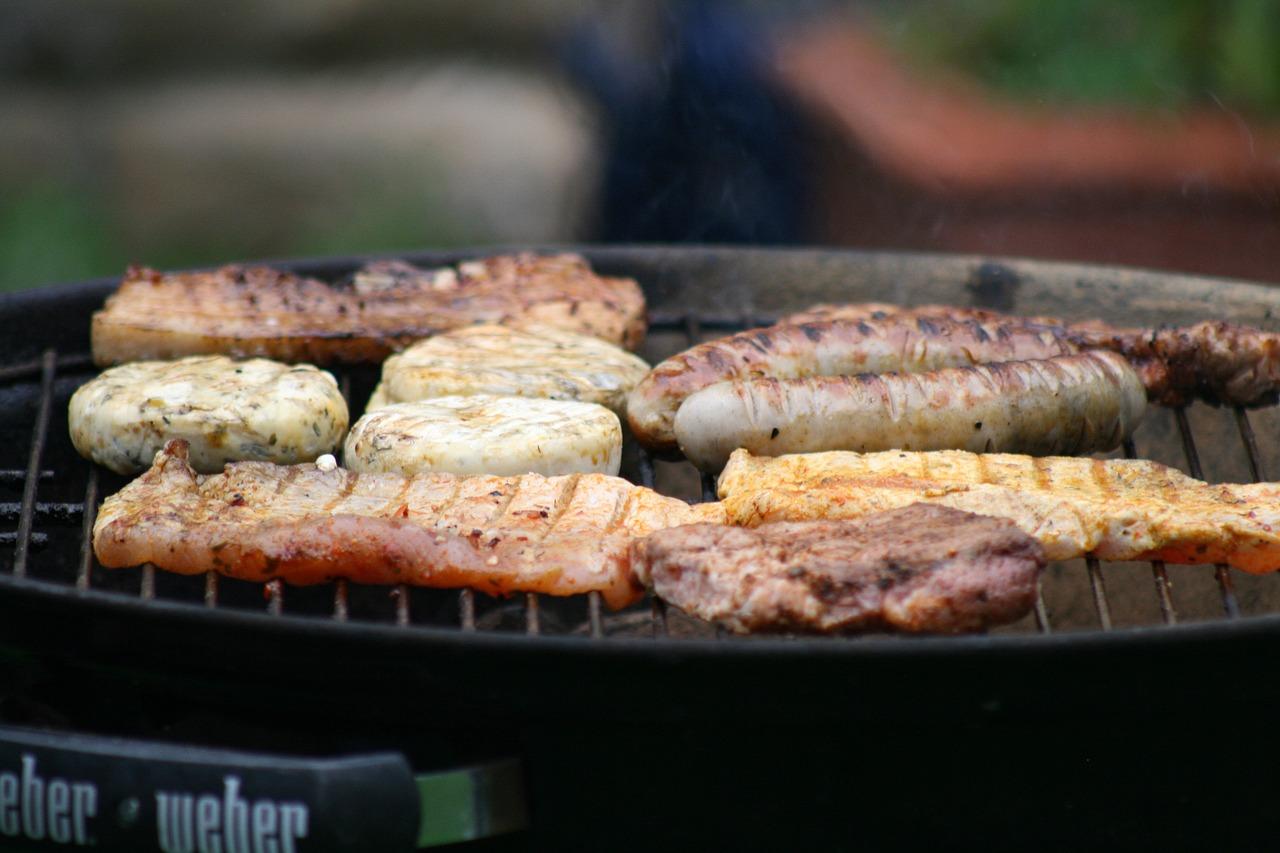
Weber grills deliver consistent heat distribution across their cooking surfaces and maintain steady temperatures throughout grilling sessions.
Their design enables versatile cooking methods from direct searing to indirect smoking for backyard barbecue enthusiasts.
Grilling Performance and Heat Distribution
Weber’s burner system creates even heat zones across the cooking grates.
The company uses multiple burners positioned to eliminate hot spots that plague many competitor models.
Cast iron cooking grates retain heat effectively.
This material holds temperature better than standard steel grates found on budget grills.
The Flavorizer bars beneath the grates serve two purposes.
They vaporize drippings for added flavor while protecting burners from grease buildup.
Heat distribution tests show Weber grills maintain temperature variations within 25 degrees across the cooking surface.
Many competing brands show 50+ degree variations in the same tests.
The firebox design promotes airflow circulation.
This keeps temperatures stable and prevents flare-ups that can char food.
Temperature Control and Reliability
Weber’s ignition systems start consistently in various weather conditions.
The piezo ignition rarely fails compared to basic spark systems on cheaper grills.
Temperature gauges provide accurate readings for monitoring heat levels.
Users can maintain precise cooking temperatures without constant guesswork.
Burner controls offer fine-tuned adjustments from low simmer to high sear.
The knobs turn smoothly and maintain their settings during cooking sessions.
Gas flow remains steady throughout cooking.
Weber’s regulators and valves don’t experience the pressure drops that affect temperature consistency on lower-quality grills.
The grills reach target temperatures quickly.
Most Weber models heat from cold to 500 degrees in under 15 minutes.
Cooking Versatility for Outdoor Cooking
Weber grills handle multiple cooking methods effectively.
Direct grilling works for steaks and burgers while indirect heat smokes larger cuts.
Two-zone cooking becomes simple with multiple burner controls.
Cooks can sear on one side while keeping food warm on the other.
The cooking space accommodates various food sizes.
Standard models fit 6-8 burgers while larger versions handle whole chickens or roasts.
Accessories expand cooking options significantly.
Rotisserie attachments, smoker boxes, and griddle inserts transform basic grilling into specialized outdoor cooking.
Heat retention allows for longer cooking sessions.
The insulated fireboxes maintain temperatures without constant fuel consumption increases.
Durability and Longevity
Weber grills typically last 10-15 years with proper care, thanks to high-quality materials like stainless steel and cast aluminum.
The initial investment pays off through lower replacement costs and readily available parts when repairs are needed.
Build Quality and Materials
Weber constructs their grills with premium materials designed for long-term use.
The fireboxes feature durable cast aluminum construction that resists warping and cracking under high heat.
Stainless steel cooking grates can last up to 10 years with regular maintenance.
Porcelain-coated grates typically last around 6 years before needing replacement.
The Weber Summit series uses the highest grade materials.
These premium models include stainless steel burners and heavy-duty construction that can withstand decades of regular use.
Weber charcoal grills offer simpler but robust designs.
The steel construction handles high heat well, though the harsh environment from charcoal flames may cause faster wear on some components.
Cook boxes and plastic parts generally last 7+ years.
Burner tubes and igniters are the weakest links, typically requiring replacement after 4 years due to clogging and electrical wear.
Long-Term Cost of Ownership
Weber grills cost more upfront but deliver better value over time.
A quality Weber that lasts 10-15 years costs less per year than cheaper grills replaced every 2-3 years.
Gas grills last longest, followed by charcoal and portable models.
Heavy users who grill frequently may see shorter lifespans but still get 8-10 years from most Weber models.
The 10-year warranty on many Weber components protects against manufacturing defects.
Burner covers last 2-5 years, while cooking grates and major components often exceed their warranty periods.
Regular maintenance extends lifespan significantly.
Neglected grills may only last 5 years, while well-maintained units can function for decades.
Maintenance and Replacement Parts
Weber’s extensive parts network makes repairs affordable and straightforward.
Most components remain available for years after discontinuation, unlike many competitors who abandon older models.
Replacement parts cost a fraction of buying new grills.
Grill grates, burner tubes, and igniters are easily swapped out by home users following basic instructions.
Weber support typically honors warranty claims promptly.
Rust damage on stainless steel components often qualifies for free replacement when proper care guidelines were followed.
Simple cleaning after each use prevents most durability issues.
Wire brushing grates, checking for propane leaks, and storing grills properly during off-seasons maximizes lifespan and performance.
Warranty and Customer Support
Weber backs their grills with comprehensive warranties that range from 5 to 15 years depending on the model and components.
The company provides responsive customer service with knowledgeable staff who help with troubleshooting and warranty claims.
Warranty Coverage for Various Models
Weber offers different warranty terms based on grill series and components.
The Spirit II and Genesis II series come with 10-year coverage on all parts, excluding normal wear and tear.
The 2022 Genesis gas grills provide extended protection:
- 12 years – Cookbox and lid assembly
- 10 years – Burner tubes, cooking grates, and Flavorizer bars
- 5 years – All remaining parts
Charcoal grills receive 10-year coverage on the bowl and lid for rust-through protection.
Plastic components get 5 years of coverage, while other parts are covered for 2 years.
Premium Summit models from 2024 offer the longest coverage:
- 15 years – Cookbox and lid
- 10 years – Burners and cooking surfaces
- 5 years – Remaining components
Electric models like the Pulse and Lumin series receive 5-year coverage on major components.
Pellet grills get 5 years on the cookbox and 3 years on electrical parts.
Customer Support Experience
Weber’s customer service operates seven days a week from 7am to 8pm Central Time.
Representatives help customers with assembly questions, maintenance guidance, and warranty claims processing.
The support team provides technical assistance for troubleshooting grill issues.
They can identify replacement parts and guide customers through repair procedures over the phone.
Registering the grill with Weber makes warranty claims easier to process.
The company maintains detailed records of registered products and their coverage periods.
Customer reviews consistently highlight positive experiences with Weber’s support staff.
Representatives demonstrate product knowledge and work to resolve issues quickly.
The company offers downloadable owner’s guides for customers who need warranty information or operating instructions.
This self-service option provides immediate access to product documentation.
Overview of Weber Grill Lines
Weber offers four main product categories that serve different cooking styles and budgets.
The charcoal line includes classic kettle designs, while gas grills range from basic to premium models with advanced features.
Weber Charcoal Grills: Kettle, Master-Touch, and Performer
Weber’s charcoal grill lineup centers around the iconic kettle design that started the company.
The Original Kettle serves as the entry-level option with sizes ranging from 18 to 26 inches.
The Master-Touch adds practical upgrades like a hinged cooking grate and built-in thermometer.
This model makes adding charcoal easier during long cooking sessions.
 The Performer represents the top tier of Weber charcoal grills.
It includes a gas ignition system that lights charcoal quickly without matches or lighter fluid.
Key features across the charcoal line:
- Porcelain-enameled bowl and lid
- One-Touch cleaning system
- Rust-resistant materials
- 10-year limited warranty
Charcoal grills excel at high-heat searing and provide authentic smoky flavor.
They work well for people who enjoy the hands-on grilling experience.
Weber Gas Grills: Spirit, Genesis, and Summit Series
Weber’s gas grill lineup spans three main series with different price points and features.
Each series targets specific user needs and cooking requirements.
 The Weber Spirit series starts around $389-499 and offers solid performance for smaller families.
These grills typically feature 2-3 burners and 400-500 square inches of cooking space.
 The Weber Genesis series provides more cooking area and enhanced features like side burners and sear stations. Genesis grills offer higher heat output and stainless steel construction.
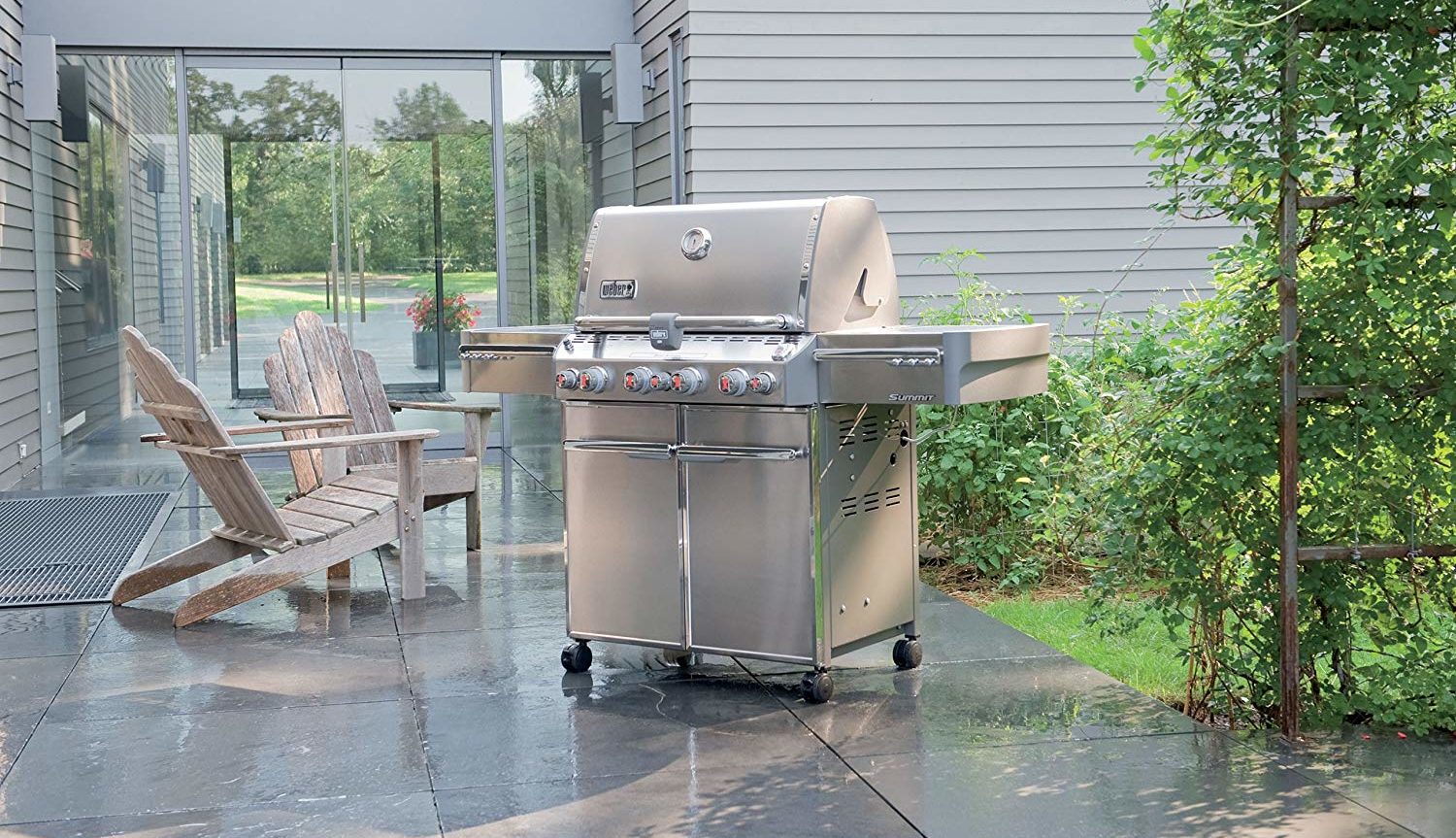
The Summit series represents Weber’s premium gas grills with the largest cooking areas.
These models include advanced features for serious outdoor cooking enthusiasts.
| Series | Price Range | Burners | Best For |
|---|---|---|---|
| Spirit | $389-499 | 2-3 | Small families |
| Genesis | $699-1,299 | 3-6 | Regular entertainers |
| Summit | $1,499+ | 4-6 | Serious grillers |
Weber Smokers and Pellet Grills
 Weber produces the Smokey Mountain series for traditional smoking methods.
These bullet-style smokers use charcoal and wood chips to create low, slow heat perfect for ribs and brisket.
The Smokey Mountain comes in 14, 18, and 22-inch sizes.
It features two cooking grates that allow smoking multiple items at once.
Weber also offers pellet grills that combine smoking and grilling capabilities.
These units use wood pellets and electronic controls to maintain steady temperatures.
Pellet grills provide convenience while still delivering wood-fired flavor.
They work well for people who want smoking results without constant temperature monitoring.
Weber Electric Grills
 Weber’s electric grill line serves people with restrictions on gas or charcoal use.
These grills work well for apartments, condos, and areas with fire restrictions.
Electric models heat up quickly and maintain consistent temperatures.
They produce less smoke than charcoal or gas options.
The electric lineup includes portable and stationary models.
Most feature porcelain-enameled cooking surfaces and Weber’s signature build quality.
Electric grills lack the high heat and smoky flavor of other fuel types.
However, they offer convenience and work in spaces where other grills cannot operate.
Comparing Weber to Other Grill Brands

Weber faces competition from budget-friendly brands like Nexgrill and specialty manufacturers like PK Grills, while high-end alternatives offer premium features at higher prices.
Understanding these differences helps buyers determine if Weber’s reputation justifies the cost.
Weber vs Nexgrill
 Nexgrill offers significantly lower prices than Weber, with basic models starting around $150-200.
These budget gas grills attract cost-conscious buyers looking for basic grilling functions.
Build Quality Differences:
- Weber uses cast-aluminum fireboxes that resist rust
- Nexgrill typically uses thinner steel construction
- Weber grills last 10-15 years on average
- Nexgrill models often need replacement after 2-3 years
Weber’s grease management system performs better than Nexgrill’s design.
Weber grills redirect grease away from burners more effectively, reducing flare-ups during cooking.
Assembly and Warranty: Weber provides clearer instructions and better customer service.
Weber offers 10-year warranties on fireboxes compared to Nexgrill’s shorter coverage periods.
Nexgrill works for occasional grillers on tight budgets.
However, Weber’s durability makes it more cost-effective long-term despite higher upfront costs.
Weber vs PK Grills
 PK Grills specializes in aluminum charcoal grills with unique designs.
Their cast-aluminum construction matches Weber’s material quality in gas grills.
Design Philosophy:
- PK focuses solely on charcoal grilling
- Weber offers both gas and charcoal options
- PK grills feature distinctive capsule shapes
- Weber maintains traditional round kettle designs
PK grills excel at heat retention due to thick aluminum walls.
They distribute heat more evenly than Weber’s steel charcoal grills. PK’s hinged cooking grates make adding charcoal easier during long cooks.
Price and Value: PK grills cost $400-800, similar to mid-range Weber models.
Both brands offer excellent durability, but PK provides better performance for serious charcoal enthusiasts.
Weber wins for versatility with more fuel options.
PK suits dedicated charcoal grillers who prioritize cooking performance over convenience.
High-End Grill Alternatives
Premium grill brands like Big Green Egg, Traeger, and Lynx offer features beyond Weber’s standard models.
These alternatives target serious outdoor cooking enthusiasts willing to pay more.
Ceramic Grills: Big Green Egg costs $800-3000 but provides superior heat retention and fuel efficiency.
These kamado-style grills excel at both high-heat searing and low-temperature smoking.
Pellet Grills: Traeger grills ($500-2000) offer automated temperature control and wood-fired flavor.
They provide convenience Weber gas grills lack for smoking and slow cooking.
Luxury Gas Grills: Brands like Lynx and Weber’s own Summit series cost $2000-8000.
They feature premium materials, precise temperature control, and restaurant-quality construction.
Weber Genesis and Spirit models offer 80% of high-end performance at 30-50% of the cost.
Most home grillers find Weber’s capabilities sufficient for their needs.
Community Perception and Value for Grilling Enthusiasts
Weber grills have built a devoted following among grilling enthusiasts, with over 20 Facebook groups and multiple forums dedicated to the brand.
The grilling community consistently ranks Weber products highly for their reliability and performance, leading to strong resale values and lasting brand loyalty.
Feedback from Grilling Enthusiasts
Grilling enthusiasts consistently praise Weber grills for their quality control and updated enamel formulation.
Many users report their Weber grills lasting over 10 years with minimal issues.
The grilling community highlights several key benefits:
- Temperature control: Weber charcoal grills offer superior heat management compared to cheaper alternatives
- Durability: Users frequently mention grills lasting a decade or more
- Performance: Many enthusiasts credit Weber with improving their grilling skills
One experienced griller noted the dramatic difference after switching to Weber.
The improved temperature control and reduced flare-ups transformed their cooking abilities.
Common praise points include the thick fireboxes, quality grates, and consistent heat distribution.
Users appreciate that Weber grills help them achieve better results with less effort.
The brand’s reputation extends beyond individual users.
Professional reviewers and grilling experts consistently rank Weber products among the top performers in various price ranges.
Influence on the Grilling Community
Weber has significantly shaped modern grilling culture since creating the first kettle grill in 1952.
The brand essentially invented backyard grilling as people know it today.
The company’s influence appears in multiple ways:
Educational impact: Weber provides extensive grilling guides and techniques that help newcomers learn proper methods.
Community building: Dedicated Weber forums and social media groups create spaces for sharing recipes and tips.
Innovation leadership: Weber’s continued patent filings and new technologies often set industry standards.
Many grilling enthusiasts view Weber as the gold standard for comparison.
When evaluating other brands, users frequently measure them against Weber’s performance and features.
The brand’s educational resources have helped countless people improve their grilling skills.
This teaching approach has created a loyal community that actively promotes Weber products through word-of-mouth recommendations.
Resale Value and Brand Loyalty
Weber grills maintain strong resale values due to their reputation for longevity.
Many 10-year-old Weber grills can sell for $100 or more on secondary markets.
Brand loyalty factors include:
- Easy part replacement and repair options
- 10-year warranties on most models
- Consistent quality across product lines
- Strong customer support
Enthusiasts often upgrade within the Weber family rather than switching brands.
This loyalty stems from positive experiences with durability and performance.
The availability of replacement parts makes older Weber grills attractive to budget-conscious buyers.
Many people purchase used Weber grills knowing they can easily restore them to working condition.
Weber’s strong brand recognition helps maintain resale values even for older models.
Buyers trust the Weber name and are willing to pay premium prices for used units compared to other brands.
Frequently Asked Questions
Weber grills generate many questions about pricing, quality, and manufacturing practices.
These common concerns focus on value comparison, build quality changes over time, and performance differences between fuel types.
What justifies the price point of Weber grills?
Weber grills cost more because of their long-term value and comprehensive warranties.
The Spirit II series offers a 10-year warranty for around $500, while cheap alternatives may need replacement every 2 years.
Quality control standards remain high across all Weber products.
The company uses updated enamel formulations that resist rust and thermal damage better than budget alternatives.
Replacement parts stay available for years after purchase.
This aftermarket support means repairs cost less than buying new grills when components wear out.
Customer service quality exceeds most competitors.
Weber maintains dedicated support teams and extensive documentation for troubleshooting and maintenance.
How does the durability of Weber grills compare to other brands?
Weber grills last 10-15 years with proper maintenance.
Summit models typically reach the higher end of this range due to premium materials and construction.
Older Weber models earn praise for tank-like construction and simplicity.
These designs use fewer complex parts that could break or malfunction over time.
The brand maintains consistent performance at both high and low temperatures.
Testing shows Weber models heat evenly and maintain stable cooking zones better than many competitors.
Steel components resist corrosion through improved coating processes.
The updated enamel formulation provides better protection than previous generations.
Is there a noticeable difference in quality with newer Weber grill models?
Quality control remains top-notch despite manufacturing changes.
Weber maintains the same testing standards and warranty coverage across current product lines.
Some production has moved overseas for cost savings.
However, assembly still occurs at the Illinois headquarters with quality oversight.
The Spirit E-425 demonstrates consistent heating performance in recent testing.
It heats quickly and maintains even temperatures across cooking surfaces.
Newer models include updated ignition systems and improved materials.
These changes enhance reliability rather than reduce build quality.
What is the origin of manufacturing for Weber grills?
Weber manufactures grills using both U.S. and globally sourced parts.
Final assembly takes place at their Illinois headquarters for quality control.
Metal components like hoods are made in Illinois facilities.
Smaller parts such as valves, knobs, and ignition systems come from third-party suppliers overseas.
A lawsuit forced Weber to clarify their manufacturing claims.
They now specify that products combine American manufacturing with global component sourcing.
The Spirit series was previously manufactured completely overseas.
Now most Weber lines use the hybrid manufacturing approach with Illinois assembly.
Which model is considered the best among the Weber grill lineup?
The Genesis series represents the most popular choice among Weber customers.
These grills balance features, performance, and price for most home cooks.
Summit models offer the highest-end features including rotisserie systems and infrared burners.
The S-670 Summit includes six burners, smoker box, and advanced lighting systems.
Spirit grills provide entry-level Weber quality at lower prices.
The Spirit E-425 earned recognition for consistent heating performance in professional testing.
Charcoal options like the kettle grill remain popular for traditional cooking methods.
These models start around $120 and offer excellent parts availability.
How does the performance of Weber gas grills stack up against their charcoal counterparts?
Gas models offer convenience and precise temperature control.
They heat quickly and maintain consistent temperatures across multiple cooking zones.
Charcoal grills provide higher maximum temperatures for searing.
They also deliver traditional smoky flavors that gas models cannot replicate naturally.
Gas grills cost more initially but offer easier cleanup and operation.
Charcoal models require more hands-on management but cost less upfront.
Both fuel types use the same quality construction methods.
Parts availability and warranty coverage remain consistent across gas and charcoal lines.