
 Grilling the perfect steak often comes down to mastering one fundamental technique that sparks heated debates among backyard chefs and professional cooks alike.
The traditional approach suggests flipping a steak just once to achieve proper searing, but modern culinary science reveals a different story.
Flipping a steak every 30 seconds to 2 minutes throughout the cooking process produces superior results compared to the single-flip method.
This frequent flipping technique reduces cooking time by approximately 30% while creating more even heat distribution from edge to center.
The approach challenges conventional grilling wisdom but delivers consistently better outcomes.
Understanding the mechanics behind heat transfer, timing factors, and proper technique transforms this controversial method into a reliable path to steak perfection.
The science of temperature control, combined with the right tools and awareness of common pitfalls, empowers grillers to achieve restaurant-quality results consistently.
The Ideal Number of Times to Flip a Steak on the Grill

The optimal flipping frequency depends on steak thickness, desired doneness, and heat level.
Most steaks benefit from flipping every 60-90 seconds rather than the traditional single flip approach.
Traditional One-Flip Method Explained
The traditional one-flip method involves searing the steak on one side for 3-4 minutes, then flipping once to cook the other side.
This approach aims to develop a single, uninterrupted crust on each side.
Many grillers prefer this method because it creates distinctive grill marks in a crosshatch pattern.
The extended contact time allows the Maillard reaction to develop fully on each surface.
However, the one-flip method can lead to uneven cooking.
The side facing the heat source may become overcooked while the opposite side remains underdone.
Thickness Guidelines for One-Flip Method:
- Steaks under 1 inch: 2-3 minutes per side
- Steaks 1-1.5 inches: 4-5 minutes per side
- Steaks over 1.5 inches: 6+ minutes per side
This traditional approach works best for thinner cuts where heat penetration occurs quickly.
Benefits of Frequent Flipping
Frequent flipping involves turning the steak every 60-90 seconds throughout the cooking process.
This technique promotes more even heat distribution and prevents hot spots from developing.
Key advantages include:
- More uniform internal temperature
- Reduced risk of overcooking one side
- Better moisture retention
- Faster overall cooking time
Research shows that frequent flipping can reduce cooking time by up to 30%.
The constant movement prevents any single area from becoming too hot or developing char.
For thick steaks over 1.5 inches, frequent flipping proves particularly effective.
These cuts require 4-5 total flips to achieve proper doneness throughout.
The technique works especially well with high-heat grilling.
When temperatures exceed 450°F, frequent flipping prevents the exterior from burning before the interior cooks properly.
Impact on Juiciness and Flavor
Flipping frequency directly affects juice retention and flavor development in grilled steaks.
Frequent flipping helps preserve natural juices by preventing extended exposure to intense heat on one side.
The constant movement allows juices to redistribute throughout the meat. This creates a more evenly moist texture from edge to center.
Flavor development varies between methods.
Single flipping creates more intense crust flavors through prolonged Maillard reactions.
Frequent flipping produces milder but more consistent browning.
Juice Retention Comparison:
- Single flip: Higher juice loss from prolonged heat exposure
- Frequent flipping: Better juice retention, more even moisture
The trade-off involves crust intensity versus moisture preservation.
Frequent flipping sacrifices some crust development for improved juiciness and even cooking.
For perfect steak results, most chefs recommend frequent flipping for cuts thicker than 1 inch.
Thinner steaks can benefit from either method depending on desired crust intensity.
The Science Behind Flipping: Heat Transfer and Cooking Evenness
 Understanding the physics of heat transfer reveals why flipping frequency directly impacts steak quality.
Frequent flipping creates more uniform temperature distribution throughout the meat while maintaining proper surface browning.
How Flipping Affects Heat Distribution
Heat moves through steak in predictable patterns that change based on flipping frequency.
When a steak sits on one side for extended periods, heat creates a steep temperature gradient from the surface to the center.
Single flip cooking allows one side to reach extreme temperatures while the opposite side remains cooler.
This creates uneven heat penetration that results in overcooked outer layers.
Frequent flipping every 30-60 seconds prevents extreme temperature gradients from developing.
Each surface alternates between heating and cooling phases, allowing heat to distribute more evenly throughout the meat.
The cooling phase when a surface faces upward lets heat energy dissipate into the steak’s interior.
This process reduces the intensity of surface heating while maintaining consistent internal temperature progression.
Flipping Experiments & Results
Multiple tests have compared single vs frequent flipping:
Example Case Study: 1.5” ribeye, medium-rare
| Method | Total Cooking Time | Internal Temp Variance | Juice Retention | Crust Development |
|---|---|---|---|---|
| Single Flip | 12 min | ±12°F | Moderate | High |
| Frequent Flip | 8.5 min | ±5°F | High | Moderate |
Takeaway: Frequent flipping produces more even cooking, faster results, and better moisture, especially for thick cuts.
Preventing Overcooked Edges
Temperature gradients cause the gray band of overcooked meat that appears around a steak’s edges.
This occurs when surface temperatures become excessive while the center reaches the desired doneness.
Frequent flipping reduces this gray band by limiting surface exposure time to direct heat.
The alternating heating and cooling cycles prevent any single area from becoming severely overcooked.
Medium-high heat works best with frequent flipping techniques.
Lower temperatures may not provide sufficient browning before the center overcooks, while excessive heat can char surfaces too quickly.
Even cooking becomes more achievable because heat has time to move inward during cooling phases.
The result is a steak with consistent doneness from edge to center, minimizing waste from overcooked portions.
The Maillard Reaction and Crust Formation
The Maillard reaction requires high temperatures and dry surfaces to produce the complex flavors and browning associated with properly seared steak.
This chemical process involves proteins and sugars creating hundreds of flavor compounds.
Frequent flipping does not inhibit the Maillard reaction when proper conditions exist.
Each flip exposes a hot, dry surface to direct heat, allowing continuous browning to occur throughout the cooking process.
Surface moisture prevents effective browning regardless of flipping frequency.
Steaks must be thoroughly dried before cooking to ensure proper crust formation with any technique.
The key factors for successful Maillard reactions include:
- High heat (medium-high to high)
- Dry steak surfaces
- Adequate contact time per flip
- Proper steak thickness (minimum 1 inch)
Frequent flipping actually accelerates overall cooking time by approximately 30%, reducing the total time needed for complete crust development.
Factors Influencing Flipping Frequency
The optimal flipping frequency depends on three primary variables that directly affect heat distribution and cooking outcomes.
Thicker cuts require different handling than thin steaks, while grill types and target doneness levels create unique timing requirements.
Steak Thickness and Cut
Thick steaks benefit from frequent flipping to achieve even cooking throughout the center.
Cuts over 1.5 inches thick should be flipped every 2-3 minutes to prevent the exterior from overcooking before the interior reaches the desired temperature.
Thin steaks under 1 inch thick cook quickly and typically need only one or two flips total.
These cuts reach their target temperature rapidly, making frequent flipping unnecessary and potentially counterproductive.
Different cuts have varying fat distributions that affect heat transfer.
Ribeye steaks with high marbling distribute heat differently than lean cuts like filet mignon.
Fatty cuts can handle slightly longer intervals between flips due to their natural moisture retention.
The muscle fiber direction in cuts like flank steak or skirt steak also influences cooking patterns.
These cuts benefit from consistent flipping every 90 seconds to 2 minutes to maintain uniform texture.
Flipping by Steak Type
| Cut | Thickness | Flips Recommendation | Notes |
|---|---|---|---|
| Ribeye | 1–2 in | 3–5 | High marbling distributes heat |
| Filet | 0.75–1.5 in | 1–2 | Lean cut; quick cooking |
| Strip | 1–1.5 in | 3–4 | Balanced flavor & texture |
| Flank | 0.75–1 in | 2–3 | Fiber direction affects evenness |
| Skirt | 0.5–1 in | 2–3 | Needs shorter, quicker flips |
| Porterhouse | 1.5–2 in | 4–5 | Thick; benefits from frequent flipping |
Grill Type and Heat Source
Gas grills provide consistent heat output, allowing for predictable flipping intervals of 2-3 minutes for most steaks.
The steady temperature makes it easier to develop a proper sear without burning.
Charcoal grills create varying heat zones that require more attention to flipping frequency.
Medium-high heat zones work best for steak on the grill, but hot spots may necessitate flipping every 60-90 seconds to prevent charring.
Electric grills typically require longer cooking times and less frequent flipping due to their lower maximum temperatures.
These units may need 3-4 minute intervals between flips to develop adequate browning.
Pellet grills operate at lower temperatures than traditional grilling methods.
They often require extended cooking times with flips every 4-5 minutes to achieve proper crust formation while maintaining even cooking throughout the meat.
Desired Doneness Levels
Rare steaks need minimal flipping since they spend less total time on the grill.
Two flips maximum prevents overcooking while still developing surface browning on both sides.
Medium-rare and medium steaks benefit from 3-4 flips during the cooking process.
This frequency allows adequate time for internal temperature development without compromising the exterior sear.
Well-done steaks require the most frequent flipping to prevent burning during their extended cooking time.
Flipping every 2 minutes ensures the exterior doesn’t become overly charred while the interior slowly reaches the higher target temperature.
The internal temperature rise rate varies significantly between doneness levels, directly impacting optimal flipping timing and frequency requirements.
Grilling Techniques for the Perfect Steak

Mastering the perfect steak requires proper preparation, controlled heat management, and the right flipping technique using tongs.
Temperature control and timing are critical factors that separate amateur grilling from professional results.
Preparing the Steak and Grill
The steak must reach room temperature before grilling begins.
This process takes 30-45 minutes and ensures even cooking throughout the meat.
Cold steaks cause uneven heat distribution and poor searing.
Pat the steak completely dry with paper towels.
Excess moisture prevents proper browning and interferes with the Maillard reaction that creates the desired crust.
Season the steak generously with salt and pepper at least 15 minutes before cooking.
The salt draws out moisture initially, then reabsorbs to enhance flavor penetration.
Preheat the grill to medium-high heat between 400-450°F.
Clean the grates thoroughly and oil them lightly to prevent sticking.
A meat thermometer should be nearby for accurate temperature monitoring.
Test the grill temperature by holding your hand 5 inches above the grates.
You should only be able to keep it there for 2-3 seconds at proper heat.
Step-by-Step Flipping Process
Place the steak on the hottest part of the grill and leave it undisturbed for 3-4 minutes.
The meat will naturally release from the grates when properly seared.
Check for grill marks and a golden-brown crust before attempting the first flip.
The steak should lift easily without resistance when ready.
Flip the steak only once during the cooking process.
Multiple flips disrupt crust formation and can lead to uneven cooking.
Cook the second side for 3-4 minutes for medium-rare doneness.
Thicker steaks may require additional time or finishing in a cooler zone of the grill.
Use the meat thermometer to check internal temperature.
Target 130°F for medium-rare, 140°F for medium. Insert the thermometer horizontally into the thickest part.
For steaks with fat caps like New York Strip, hold the steak with tongs to sear the edges for 30 seconds each.
Using Tongs for Flipping
Long-handled tongs provide the best control and safety when flipping steaks.
They prevent puncturing the meat and losing valuable juices.
Grip the steak firmly but gently with the tongs.
Avoid squeezing too hard, which can compress the meat and force out moisture.
Flip with a confident, quick motion to maintain momentum.
Hesitant movements can cause the steak to fall or land awkwardly on the grill.
This 25-Inch Very Long Stainless Steel BBQ Tongs are a game changer.
The extended acacia wood handle not only looks luxurious but keeps your hands safely away from the heat.
Crafted from durable, easy-to-clean stainless steel, these tongs handle heavy cuts with ease.
Whether you’re cooking in the kitchen or mastering an outdoor barbecue, they bring comfort, control, and style to every cookout.
Never use a fork or knife to flip steaks.
These tools pierce the meat and create holes where juices escape, resulting in a drier perfect steak.
Keep tongs clean by wiping them with a damp cloth between uses.
This prevents cross-contamination and maintains proper hygiene standards.
The Role of Tools and Temperature in Successful Flipping
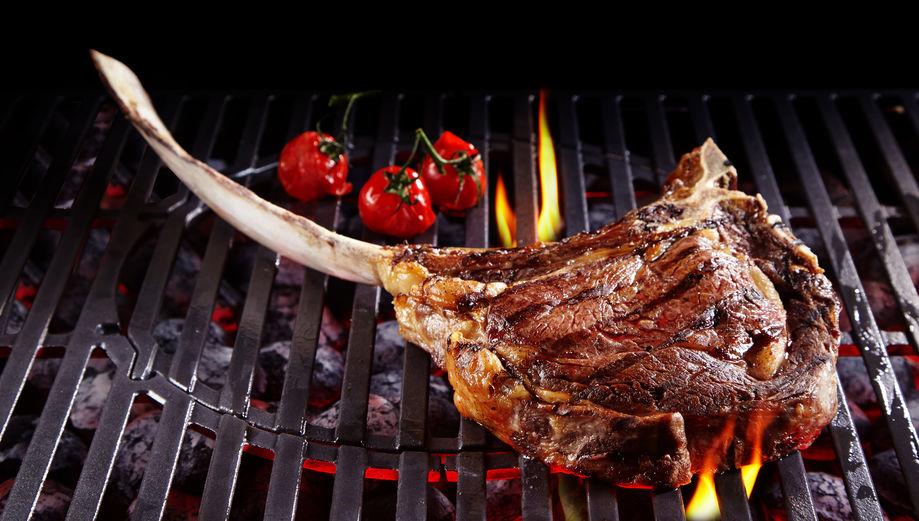
Proper equipment and consistent heat control directly impact when and how often a steak should be flipped.
A reliable meat thermometer eliminates guesswork while stable grill temperatures ensure even cooking throughout the process.
Choosing the Right Meat Thermometer
An instant-read thermometer provides the most accurate way to determine doneness without cutting into the steak.
Digital models typically respond within 2-3 seconds and offer readings precise to within 1-2 degrees.
Take the guesswork out of cooking with the Alpha Grillers Digital Meat Thermometer.
Its instant-read probe delivers accurate temperatures in seconds, ensuring perfectly cooked steaks, roasts, and more every time.
Compact and easy to use, it’s ideal for grilling, air frying, or kitchen prep.
A must-have gadget for any cook — and a perfect gift for dads, grill lovers, or foodies who value precision and flavor.
Key temperature targets:
- Rare: 120-125°F
- Medium-rare: 130-135°F
- Medium: 135-145°F
- Medium-well: 145-155°F
Probe thermometers work best for thicker cuts over 1.5 inches.
Insert the probe into the thickest part of the steak, avoiding fat or bone.
Leave-in wireless thermometers allow continuous monitoring without opening the grill lid.
This prevents heat loss and maintains consistent cooking conditions.
Calibrate thermometers regularly in ice water (32°F) to ensure accuracy.
Replace batteries in digital models before each grilling season.
Maintaining Consistent Grill Heat
Medium-high heat between 400-450°F creates the ideal environment for proper searing and controlled cooking.
This temperature range allows adequate time for flipping decisions without rushing the process.
Gas grills offer more precise temperature control than charcoal.
Preheat for 10-15 minutes with the lid closed to establish stable heat zones.
Create a two-zone setup with direct high heat for searing and indirect medium heat for finishing thicker steaks.
This arrangement provides flexibility when timing flips.
Check grill temperature with an oven thermometer placed at grate level.
Built-in lid thermometers often read 50-75 degrees higher than actual cooking surface temperature.
Wind and ambient temperature affect grill performance.
Adjust burner settings or add charcoal as needed to maintain consistent heat throughout cooking.
Common Mistakes and Tips for Flipping Steak
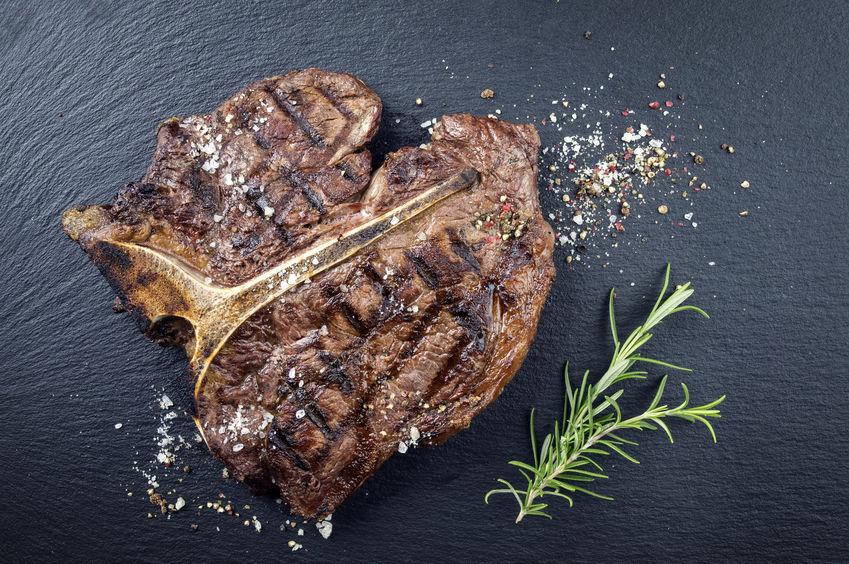
Proper flipping technique requires attention to timing, tool selection, and post-cooking care.
Most grilling errors stem from excessive handling, poor timing, and inadequate resting periods.
Avoiding Juice Loss
Using the wrong tools ranks among the most damaging mistakes when flipping steak.
Forks pierce the meat and create holes that allow precious juices to escape during cooking.
Essential Tools for Flipping:
- Long-handled tongs (preferred method)
- Wide spatula for thicker cuts
- Heat-resistant gloves for better control
Tongs provide the cleanest flip without puncturing the meat’s surface.
They allow cooks to grip the steak securely and turn it smoothly in one motion.
The grip technique matters significantly.
Cooks should grasp the steak firmly but gently, avoiding excessive pressure that could squeeze out juices.
Multiple unnecessary flips also contribute to juice loss.
Each flip disturbs the cooking process and creates opportunities for moisture to escape.
Timing between flips:
- Thin steaks (under 1 inch): 2-3 minutes per side
- Medium steaks (1-1.5 inches): 3-4 minutes per side
- Thick steaks (over 1.5 inches): 4-5 minutes per side
Temperature consistency helps retain juices.
Avoid moving steaks to cooler or hotter zones unnecessarily during the flipping process.
Timing Your Flips for Grill Marks
Perfect grill marks require precise timing and proper positioning.
Most home cooks flip too early, preventing the formation of the distinctive crosshatch pattern.
The steak must remain stationary for at least 2-3 minutes to develop initial sear marks.
Moving it prematurely results in weak, incomplete lines.
Creating Diamond Patterns:
- Place steak at 45-degree angle to grill grates
- Cook for 2-3 minutes without moving
- Rotate 90 degrees (maintain same side)
- Cook additional 2-3 minutes
- Flip once and repeat pattern
High heat zones work best for achieving deep, pronounced marks.
The grill should reach 450-500°F for optimal searing results.
Avoid pressing down on the steak during cooking.
This practice eliminates the air gap needed for proper heat circulation and mark formation.
Oil application affects marking success.
Light coating on the grill grates prevents sticking while allowing proper heat transfer for clear lines.
Clean grates produce superior marks.
Food residue and grease buildup interfere with the direct contact needed for crisp, defined patterns.
Resting the Steak After Grilling
Resting allows juices to redistribute throughout the meat fibers.
Cutting immediately after flipping steak off the grill releases accumulated moisture onto the cutting board.
Optimal Resting Times:
- Thin steaks: 3-5 minutes
- Medium steaks: 5-7 minutes
- Thick steaks: 7-10 minutes
Temperature continues rising during the resting period.
Remove steaks 5°F below target temperature to account for carryover cooking.
Loose foil tenting maintains warmth without steaming the exterior crust.
Tight wrapping softens the seared surface and reduces textural contrast.
Room temperature resting produces better results than warming ovens.
Excessive heat during rest periods can overcook the outer layers.
The perfect steak requires patience during this final phase.
Proper resting transforms a good steak into an exceptional dining experience through improved texture and moisture retention.