
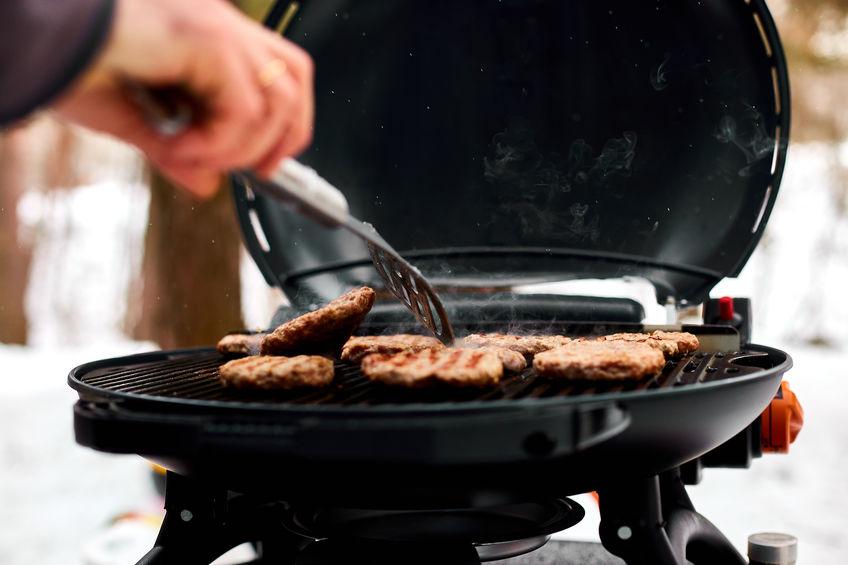
Many outdoor cooking enthusiasts wonder whether downsizing to a portable propane grill means sacrificing performance and food quality.
The compact design and lower price point make these grills appealing, but questions remain about their ability to deliver the same results as full-sized models.
Portable propane grills can match regular grills in many areas including temperature control and convenience, but they typically fall short in cooking space, heat retention, and overall durability.
The performance gap varies significantly depending on the specific models being compared and the cooking tasks at hand.
This comparison examines the key differences between portable and regular propane grills across multiple factors including cooking performance, flavor quality, build construction, and practical considerations.
Understanding these distinctions helps determine which grill type best fits specific cooking needs and usage scenarios.
Comparing Portable Propane Grills and Regular Grills

Portable propane grills and regular grills share similar fuel sources and cooking methods, but differ significantly in size, power output, and installation requirements.
Understanding these distinctions helps consumers choose the right option for their specific cooking needs and lifestyle.
Key Similarities and Differences
Both portable and regular propane grills use the same fuel source and operate with similar ignition systems.
They produce comparable flavors since both rely on propane combustion for heat generation.
The primary difference lies in cooking surface area.
Regular grills typically offer 400-800 square inches of cooking space, while portable models usually provide 150-400 square inches.
Heat output varies substantially between the two types.
Regular propane grills generate 30,000-60,000 BTUs across multiple burners, compared to portable units that typically produce 8,000-20,000 BTUs.
Portability represents the most obvious distinction.
Portable grills weigh 20-50 pounds and feature folding legs or wheeled designs.
Regular grills are either permanently installed or require significant effort to relocate.
Construction materials differ as well.
Regular grills use heavier gauge steel and cast iron components, while portable models rely on lighter aluminum and thinner steel to reduce weight.
Types of Regular Grills
Regular propane grills fall into three main categories: freestanding models, built-in units, and cart-style grills.
Freestanding grills are the most common type.
They feature enclosed cabinets with storage space and typically include side shelves for food preparation.
Built-in grills integrate into outdoor kitchen designs or custom installations.
These units require permanent gas line connections and professional installation in most cases.
Cart-style grills combine portability with full-size cooking capabilities.
They include wheels for movement but maintain the cooking surface and heat output of regular grills.
Gas grills can also feature different cooking surfaces beyond traditional grates.
Some models include flat-top surfaces, while others offer combination grate and griddle configurations.
Performance Expectations
Regular propane grills excel at high-heat searing due to their powerful burner systems.
They can reach temperatures of 500-700°F consistently across the entire cooking surface.
Portable grills perform adequately for most cooking tasks but may struggle with thick steaks or large quantities of food.
Their lower BTU output limits maximum temperatures to around 400-500°F.
Heat distribution favors regular grills.
Multiple burners and larger fireboxes create more even cooking zones and better temperature control across different areas.
Cooking capacity differs significantly between the two types.
Regular grills can accommodate 12-20 hamburgers simultaneously, while portable models typically handle 4-8 patties.
Wind resistance affects portable grills more than regular models.
The smaller cooking chambers and lighter construction make portable units more susceptible to outdoor conditions that can impact cooking performance.
Cooking Performance

Portable propane grills deliver solid cooking performance through precise heat control and efficient burner systems.
They excel at temperature regulation but may face challenges with heat distribution and maximum temperature output compared to full-sized models.
Heat Output and Control
Most portable propane grills produce 8,000 to 12,000 BTUs per burner, which provides adequate heat for most cooking tasks.
This output handles standard grilling needs like burgers, chicken, and vegetables effectively.
Temperature control ranks as a major advantage.
Users can adjust flame levels instantly with control knobs.
The response time between adjustment and temperature change typically takes 30-60 seconds.
Dual-burner models offer superior control options:
- Independent temperature zones
- Simultaneous high and low heat cooking
- Better heat distribution across cooking surface
Single-burner units limit cooking flexibility.
They work well for simple meals but struggle with complex cooking that requires multiple temperature zones.
Wind affects performance significantly.
Many portable grills include wind guards or shields to maintain consistent temperatures in outdoor conditions.
Even Cooking and Hot Spots
Heat distribution varies considerably between portable grill models.
 Premium units like the Weber Q series use cast aluminum fireboxes that distribute heat more evenly than basic steel models.
Hot spots commonly occur near burner locations.
These areas can run 50-100°F hotter than surrounding zones.
Users must rotate food frequently to prevent uneven cooking.
Flare-up control presents challenges in portable grills:
- Smaller grease management systems
- Limited space between burners and cooking grates
- Fewer heat deflectors compared to full-sized grills
Cooking grate material impacts heat distribution.
Cast iron grates retain heat better but add weight.
Stainless steel grates heat quickly but may create more pronounced hot spots.
Temperature Range
Portable propane grills typically reach maximum temperatures of 450-500°F on high settings.
This range handles most grilling tasks but falls short for high-heat searing that requires 600°F or higher.
Low-temperature cooking proves more challenging.
Most units struggle to maintain consistent temperatures below 250°F for slow cooking applications.
Temperature capabilities by cooking method:
- High-heat searing: Limited (450-500°F maximum)
- Standard grilling: Excellent (300-450°F range)
- Low and slow: Fair (250-300°F minimum)
Smaller cooking chambers heat up faster than full-sized grills.
Most portable units reach cooking temperature within 10-15 minutes compared to 20-30 minutes for larger grills.
Lid design affects temperature retention.
Models with tight-fitting, well-insulated lids maintain heat more effectively during cooking.
Flavor and Food Quality

Portable propane grills deliver clean, consistent flavors that highlight the natural taste of food without overpowering it.
While they may not match the smoky depth of charcoal, they excel at producing even heat distribution for proper searing and moisture retention.
Propane versus Charcoal Flavors
Propane grills produce a clean flame that allows the natural flavors of meat and vegetables to shine through.
The gas burns without adding additional taste compounds to the food.
Charcoal grills create a distinctive smoky flavor through organic compounds released during combustion.
These compounds infuse food with earthy, fire-kissed notes that many grillers prefer for steaks and ribs.
Portable propane grills maintain the same clean flavor profile as their full-sized counterparts.
The fuel source remains identical, ensuring no compromise in taste quality.
Weather conditions affect charcoal flavor consistency more than propane.
Wind and humidity can alter charcoal burning patterns, while propane maintains steady combustion regardless of conditions.
Achieving Grill Marks and Sear
Portable propane grills can reach temperatures of 450-500°F, sufficient for creating proper grill marks and searing.
The key lies in preheating the grill grates thoroughly before cooking.
Cast iron grates on portable models retain heat better than stainless steel alternatives.
This heat retention creates the high-temperature contact needed for distinctive crosshatch patterns.
Proper searing requires direct contact between food and hot grates for 2-3 minutes per side.
Portable grills achieve this through concentrated heat output in smaller cooking areas.
Even heat distribution in quality portable models prevents hot spots that can cause uneven searing.
This consistency often surpasses larger grills with poorly designed burner systems.
Impact on Juiciness and Texture
Temperature control precision in propane grills helps maintain meat juiciness.
Steady heat prevents the dramatic temperature fluctuations that can dry out proteins.
The even heating pattern of portable propane units reduces the risk of overcooking exterior surfaces while undercooking interiors.
This balance preserves natural moisture content.
Flare-ups occur less frequently with propane than charcoal grilling.
Fewer flare-ups mean less risk of charring that can create tough, dry textures on meat surfaces.
Smaller cooking surfaces on portable grills require attention to avoid overcrowding.
Proper spacing allows hot air circulation that promotes even cooking and optimal texture development.
Portability and Convenience
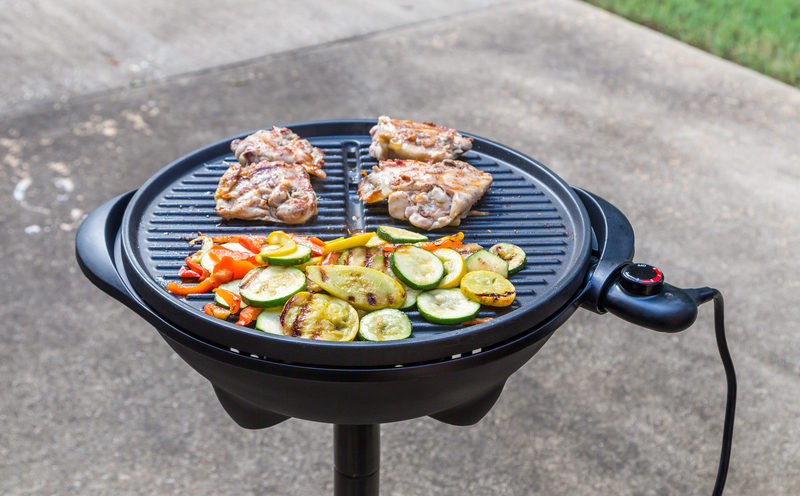
Portable propane grills excel in mobility and user-friendly operation compared to traditional full-sized grills.
The combination of lightweight construction, quick setup processes, and travel-ready features makes them ideal for various outdoor activities where standard grills would be impractical.
Ease of Transport
Most portable propane grills weigh between 15-40 pounds, making them manageable for single-person transport.
Folding legs and integrated carry handles are standard features that enhance mobility.
The compact design allows these grills to fit in car trunks, RV storage compartments, and boat cabins.
Many models feature detachable propane tanks that can be transported separately to reduce weight during carrying.
Protective carrying cases or bags are available for most portable models.
These accessories prevent damage during transport and keep grill components organized.
The lightweight aluminum construction used in many portable grills contributes significantly to their transportability.
This material provides durability while maintaining a weight that most adults can handle comfortably.
Setup and Breakdown Time
Portable propane grills typically require 2-5 minutes for complete setup.
The process involves unfolding legs, connecting the propane tank, and performing a quick safety check.
Push-button ignition eliminates the need for matches or lighters.
The grill reaches cooking temperature within 5-10 minutes after ignition, compared to 15-30 minutes for charcoal alternatives.
Breakdown time is equally efficient, usually taking 3-7 minutes once the grill cools down.
Spill-resistant drip trays and removable grates simplify the cleaning process before storage.
No assembly tools are required for most portable models.
The fold-and-go design means users can transition from storage to cooking-ready status without complicated procedures.
Suitability for Travel and Outdoor Activities
Portable propane grills work effectively for camping, tailgating, beach outings, and RV travel.
Their consistent heat output performs well in various weather conditions.
The 16.4-ounce propane canisters commonly used with these grills provide 1.5-2 hours of cooking time.
Larger 20-pound tanks offer extended cooking sessions for longer trips.
These grills function at different altitudes without the performance issues that affect some cooking methods.
The regulated propane flow maintains consistent temperatures regardless of elevation changes.
Apartment patios and small outdoor spaces benefit from portable grills since they don’t require permanent installation.
Many apartment complexes and condominiums allow propane grills where charcoal versions are prohibited due to fire safety regulations.
Durability and Build Quality
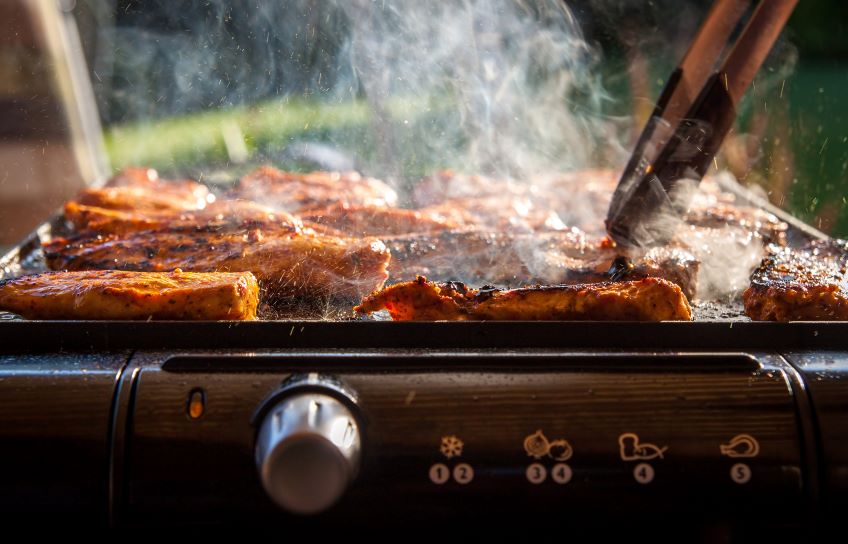
Portable propane grills typically use thinner materials and consumer-grade components compared to their full-sized counterparts, which directly impacts their longevity.
The trade-off between portability and durability becomes evident in material choices and construction methods.
Material Construction
Portable grills commonly feature aluminum, thin stainless steel, or coated steel body construction.
These materials keep weight down but sacrifice some durability compared to regular grills.
The cooking grates in portable units often use chrome-plated steel or thin stainless steel.
Regular grills frequently employ thicker cast iron or heavy-duty stainless steel grates that retain heat better and resist warping.
Burner construction varies significantly between models.
Budget portable grills may use thin metal tubes that can corrode faster.
Higher-end portable units incorporate brass or stainless steel burners similar to regular grills.
Heat shields and flavorizer bars in portable grills are typically thinner gauge metal.
This reduces manufacturing costs but may lead to faster deterioration from repeated heating cycles.
Longevity with Frequent Use
Consumer-grade components in portable grills generally don’t match the lifespan of commercial-grade parts found in regular grills.
Heavy users should expect replacement intervals of 3-5 years for portable units versus 8-12 years for quality stationary grills.
Ignition systems in portable grills face particular challenges.
The piezo igniters endure more vibration during transport, leading to higher failure rates than stationary grill ignition systems.
Grease management systems in portable units often use disposable drip pans or simple collection methods.
Regular grills typically feature more robust grease management that handles frequent use better.
Joint connections and hinges experience stress from repeated setup and breakdown.
These components may loosen or fail sooner than equivalent parts on permanently positioned grills.
Maintenance Requirements
Portable grills demand more frequent cleaning due to their compact design and limited grease capacity.
Drip pans require emptying after every few uses to prevent overflow and flare-ups.
Storage considerations significantly impact maintenance needs.
Portable grills stored outdoors without covers deteriorate faster than protected units.
Indoor storage extends component life considerably.
Propane connections need regular inspection on portable units due to transport vibration.
Checking fittings and hoses before each use prevents gas leaks and ensures safe operation.
Seasoning and rust prevention become critical for portable grills with thinner metal construction.
Regular oil application to cooking surfaces and periodic deep cleaning prevent premature corrosion in coastal or humid environments.
Fuel Efficiency and Operating Costs

Portable propane grills typically consume fuel at similar rates to regular grills when comparing BTU output.
The main cost differences come from fuel pricing, tank refill frequency, and the convenience premium of portability.
Propane Usage
Portable propane grills generally use 20-pound propane tanks that provide approximately 18-20 hours of cooking time on medium heat.
A standard portable grill with 20,000-30,000 BTUs will consume roughly one pound of propane per hour at full output.
Smaller portable models often run more efficiently than larger regular grills because they have fewer burners and lower total BTU ratings.
A compact two-burner portable grill uses about 40-50% less fuel than a four-burner regular grill during typical cooking sessions.
Tank size affects usage patterns:
- 1-pound disposable tanks: 1-2 hours cooking time
- 20-pound refillable tanks: 18-20 hours cooking time
- 30-pound tanks: 27-30 hours cooking time
Heat retention varies between models.
Portable grills with thinner materials may require more fuel to maintain consistent temperatures compared to heavier regular grills with better insulation.
Cost Comparison Over Time
Propane costs range from $3.50-$5.00 per gallon depending on location and supplier.
A 20-pound tank holds approximately 4.7 gallons, making refills cost $15-25 at most locations.
Regular propane grills connected to larger tanks or bulk propane systems often achieve lower per-gallon costs.
Bulk propane delivery can reduce costs by 20-30% compared to individual tank exchanges.
Annual fuel costs for average users:
- Light use (10 hours/year): $25-40
- Moderate use (30 hours/year): $75-120
- Heavy use (60 hours/year): $150-240
Tank exchange programs charge premium prices but offer convenience.
Refilling tanks at propane suppliers costs 30-40% less than exchange programs but requires more time and effort.
Refueling Considerations
Portable grills require frequent tank changes that can interrupt cooking sessions.
A 20-pound tank typically lasts 8-10 cooking sessions for average users, requiring monthly refills during grilling season.
Refueling logistics impact costs:
- Tank exchange: Higher cost, immediate availability
- Refill stations: Lower cost, potential wait times
- Backup tanks: Eliminates interruptions, doubles storage needs
Regular grills with larger tank setups or natural gas connections eliminate mid-cooking refueling issues.
Natural gas connections provide continuous fuel supply at lower per-BTU costs in most regions.
Storage and transportation add hidden costs for portable grill users.
Multiple tanks require secure storage space and vehicle capacity for transport to refilling locations.
Safety Aspects

Portable propane grills require specific safety considerations due to their lightweight design and gas fuel system.
Key safety differences include propane cylinder handling procedures, stability concerns on uneven surfaces, and built-in safety features that may differ from full-size models.
Safety Features and Precautions
Most portable propane grills include essential safety features like pressure regulators and automatic shut-off valves.
These components control gas flow and prevent dangerous pressure buildup.
Users must maintain proper ventilation during operation.
Carbon monoxide can accumulate in enclosed spaces, creating serious health risks.
The grill should always operate in open areas with adequate airflow.
Regular leak detection prevents gas hazards.
A soap and water solution applied to connections reveals leaks through bubble formation.
This inspection should occur before each use.
Temperature controls on portable units may be less precise than full-size grills.
Users need to monitor cooking temperatures more closely to prevent flare-ups.
The compact design means heating elements sit closer to controls and handles.
This proximity increases burn risk during operation.
Handling Propane Cylinders
Portable grills typically use 1-pound disposable cylinders or 20-pound refillable tanks.
Each type requires different handling procedures and safety considerations.
One-pound cylinders thread directly onto the grill.
Users should hand-tighten connections without tools to prevent over-tightening damage.
These cylinders cannot be refilled safely.
Twenty-pound tanks require proper transport and storage.
They must remain upright during transport and storage to prevent liquid propane from entering the regulator.
Cylinder inspection involves checking for dents, rust, or damaged valves.
Damaged cylinders should not be used regardless of remaining fuel content.
Temperature affects cylinder pressure. Extremely hot conditions can cause dangerous pressure increases, while cold weather may reduce gas flow.
Grill Stability
Portable grills face stability challenges that stationary models avoid.
Lightweight construction makes them susceptible to tipping on uneven surfaces or in windy conditions.
Most portable models include folding legs or tabletop designs.
Leg locks must engage fully before use.
Tabletop units require stable, level surfaces rated for the combined weight of grill and food.
Wind resistance varies significantly between models.
Units with large cooking surfaces act like sails in strong winds.
Some manufacturers include wind guards to address this issue.
Ground conditions affect stability. Soft soil, sand, or gravel can cause legs to sink unevenly.
Hard, level surfaces provide the safest operating environment.
Weight distribution changes during cooking.
Adding food and moving components can shift the center of gravity unexpectedly.
Versatility and Cooking Space
Portable propane grills typically offer 200-400 square inches of cooking surface, while regular grills provide 400-800+ square inches.
Regular grills accommodate more accessories and handle diverse cooking methods better than their portable counterparts.
Cooking Surface Area
Regular propane grills deliver significantly more cooking space than portable models.
Standard backyard grills range from 400 to 800 square inches of primary cooking area.
Portable grills typically provide 200 to 400 square inches of surface space.
This limits users to cooking for 2-4 people at once.
Regular Grill Advantages:
- Multiple cooking zones for different temperatures
- Space for indirect cooking methods
- Ability to cook entire meals simultaneously
Portable Grill Limitations:
- Single-zone cooking in most models
- Requires batch cooking for larger groups
- Limited space for food variety in one session
The size difference becomes critical when hosting gatherings or preparing complex meals requiring different cooking temperatures.
Compatibility with Accessories
Regular grills support extensive accessory systems due to their larger frames and dedicated mounting points.
They accommodate rotisserie attachments, side burners, warming racks, and custom grill grates.
Most portable grills work with basic accessories only.
Weber Q series models accept some brand-specific add-ons like griddle plates and warming racks.
Regular Grill Compatible Accessories:
- Rotisserie systems
- Side burner attachments
- Multiple grill grate configurations
- Built-in thermometers and timers
Portable Grill Options:
- Compact griddle plates
- Small warming racks
- Basic grill covers
- Folding side tables (select models)
The accessory ecosystem for regular grills creates more cooking versatility and functionality options.
Types of Foods Suited to Each Grill
Regular grills excel at cooking large cuts of meat, whole chickens, and multiple food types simultaneously.
Their multi-zone capabilities support both direct searing and indirect roasting methods.
Portable grills work best for quick-cooking items like burgers, hot dogs, vegetables, and fish fillets.
They struggle with thick steaks or foods requiring extended cooking times.
Regular Grill Strengths:
- Whole turkey or large roasts
- Pizza cooking with proper accessories
- Smoking smaller items with indirect heat
- Multiple courses prepared together
Portable Grill Best Uses:
- Camping meals and tailgate favorites
- Quick weeknight dinners
- Vegetables and seafood
- Pre-cooked items requiring reheating
The cooking method limitations of portable grills restrict menu options compared to full-sized models.
Ease of Cleaning

Portable propane grills typically require less cleaning effort than traditional charcoal grills since they produce no ash residue.
The smaller cooking surfaces and removable components make maintenance more manageable for most users.
Grate Maintenance
Portable propane grill grates are generally easier to clean due to their smaller size and lightweight construction.
Most models feature removable grates that fit in standard kitchen sinks.
The compact grate dimensions allow users to scrub all surfaces without stretching or maneuvering around large cooking areas.
Stainless steel grates heat up quickly on portable units, making food release easier during cooking.
Pre-cleaning technique: Turn the grill to high heat for 10-15 minutes after cooking.
This burns off food particles and grease residue.
Users can remove grates immediately after this burn-off process.
The smaller mass means they cool down faster than full-size grill grates.
Most portable grill grates require only basic cleaning tools.
A standard grill brush effectively removes debris from the reduced surface area.
Ash and Grease Management
Propane grills eliminate ash production entirely, removing one major cleaning task.
Users never need to dispose of charcoal remnants or clean ash-clogged vents.
Grease management remains simpler on portable units due to smaller cooking capacities.
Less food means less grease accumulation in drip pans and firebox areas.
Grease collection systems:
- Removable drip trays
- Disposable aluminum pans
- Built-in grease cups
Many portable models feature completely removable drip systems.
Users can dispose of or wash these components separately from the main unit.
The reduced cooking surface generates less splatter on interior surfaces.
Firebox cleaning requires wiping down smaller areas compared to full-size grills.
Cleaning Tools and Tips
Standard household cleaning supplies work effectively on portable propane grills.
The compact size eliminates the need for specialized long-handled tools or extensive equipment.
Essential cleaning items:
- Regular dish soap
- Standard grill brush
- Kitchen sponges
- Paper towels
Users can clean most components in kitchen sinks rather than requiring outdoor washing stations.
The lightweight construction allows easy transport to cleaning areas.
Maintenance frequency: Clean grates after each use and deep clean the unit monthly.
The smaller surface area makes thorough cleaning sessions shorter.
Portable units store easily after cleaning due to their compact footprint.
Many models fold or collapse, requiring less storage space than traditional grills.
Ideal Uses for Each Grill Type

Portable propane grills excel in situations where mobility matters most.
They work best for camping trips, tailgating events, and small outdoor spaces like balconies or patios.
These compact units shine when cooking for 2-4 people.
The instant ignition and precise temperature control make them perfect for quick weeknight meals outdoors.
Regular grills dominate when cooking capacity takes priority.
They handle large gatherings, family reunions, and backyard parties with ease.
| Portable Propane | Regular Grills |
|---|---|
| Camping & RV trips | Large family gatherings |
| Tailgating events | Weekly meal prep |
| Small patios/balconies | Restaurant-style cooking |
| Beach outings | Year-round outdoor cooking |
Regular grills offer superior cooking space for meal preparation and entertaining.
Their larger fuel capacity supports extended cooking sessions without interruption.
Weather considerations also influence the choice.
Portable units work well for fair-weather cooking, while regular grills typically withstand harsh conditions better.
Storage space determines practicality. Portable grills suit apartment dwellers or those with limited storage.
Regular grills require dedicated outdoor space and permanent setup areas.
The frequency of use matters significantly.
Daily grillers benefit from regular grills’ durability and capacity.
Occasional users find portable options more practical and cost-effective.
Both types serve distinct purposes based on cooking needs, space constraints, and lifestyle preferences.
Summary: Is a Portable Propane Grill as Good as a Regular Grill?
Portable propane grills offer a practical alternative to regular grills with distinct advantages and limitations.
They excel in convenience and mobility but cannot fully match the performance of full-sized units.
Key Advantages:
- Easy transport for camping, tailgating, and small spaces
- Quick setup and consistent heat control
- No charcoal mess or lengthy startup times
- Suitable for apartments and patios with space constraints
Performance Limitations:
- Smaller cooking surface restricts food quantities
- Lower heat output affects searing capabilities
- Limited temperature range compared to larger grills
- Shorter cooking sessions due to smaller propane tanks
The cooking quality depends largely on the specific model and brand.
Premium portable units like the Weber Q series deliver results comparable to regular grills for most applications.
Best Use Cases:
- Occasional grilling for 2-4 people
- Mobile cooking at events or campsites
- Supplemental grilling alongside a main unit
- Space-limited cooking areas
Regular grills maintain advantages for frequent entertaining and high-volume cooking.
They provide more cooking space, higher heat output, and additional features like side burners.
The choice depends on individual needs rather than absolute superiority.
Portable propane grills serve their intended purpose effectively but cannot replace regular grills in all scenarios.
They represent a specialized tool designed for mobility and convenience rather than maximum performance.