


Grilling has evolved from a simple cooking method into a lifestyle choice that combines culinary excellence with outdoor entertainment.
Many homeowners find themselves debating whether investing in a grill is worth the expense and space it requires.
A quality grill offers numerous benefits including healthier cooking options, enhanced flavors, increased home value, and the ability to create memorable social experiences with family and friends.
These advantages extend beyond basic food preparation to encompass health benefits, cost savings, and lifestyle improvements that make grilling an attractive investment for most households.
The decision to purchase a grill involves considering factors such as cooking efficiency, nutritional advantages, entertainment value, and long-term financial benefits.
Understanding these key areas helps potential buyers make an informed choice about which type of grill best suits their needs and budget while maximizing the overall value of their investment.
Enhancing Outdoor Cooking Experiences
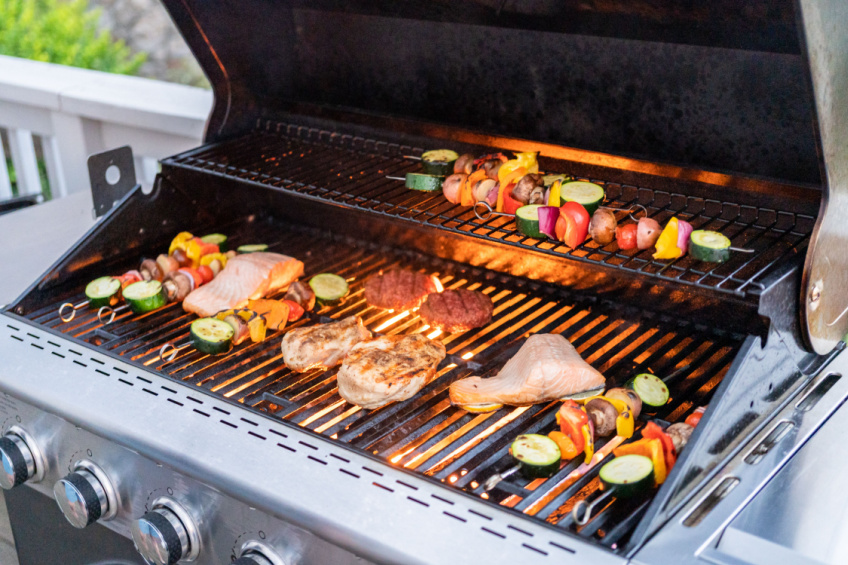
Grilling transforms standard meal preparation into dynamic culinary adventures through diverse cooking methods, enhanced flavors, and social opportunities.
The outdoor environment provides unique advantages that indoor cooking cannot replicate.
Versatility of Grilling Techniques
Modern grills accommodate multiple cooking methods beyond basic grilling.
Direct grilling works best for steaks, burgers, and vegetables that cook quickly at high temperatures.
Indirect grilling functions like an outdoor oven for larger cuts of meat, whole chickens, and roasts.
This technique uses heat circulation rather than direct flame contact.
Smoking adds distinct flavors through wood chips or chunks.
Popular wood varieties include:
- Hickory – bold, bacon-like flavor for pork and beef
- Apple – mild, sweet taste for poultry and fish
- Cherry – fruity flavor that adds reddish color
- Oak – medium intensity for most meats
Rotisserie cooking ensures even heat distribution and self-basting for exceptionally juicy results.
Many gas grills include rotisserie attachments for whole birds and roasts.
Temperature zones allow simultaneous cooking of different foods.
Operators can sear proteins over high heat while warming sides over lower temperatures.
Superior Flavor and Texture
High-heat grilling creates the Maillard reaction, producing complex flavors and appealing grill marks.
This chemical process occurs when proteins and sugars react at temperatures above 280°F.
Charcoal grills reach temperatures exceeding 700°F, creating superior searing compared to most indoor cooking methods.
Gas grills offer precise temperature control while maintaining high heat capabilities.
Smoke infusion penetrates food naturally during outdoor cooking.
Even gas grills produce subtle smoky notes from rendered fats and juices hitting hot surfaces.
The open-air environment prevents steam buildup that occurs with indoor cooking.
This results in better browning and crispier textures on grilled items.
Natural fat drainage through grill grates reduces excess grease while maintaining moisture in the food.
The rendered fats vaporize and contribute to flavor development.
Outdoor Entertaining Benefits
Grilling keeps cooking activities outside, preventing kitchen heat buildup during warm weather.
This maintains comfortable indoor temperatures while meal preparation continues.
The grill becomes a natural gathering point where guests interact with the cook.
This social dynamic differs significantly from isolated indoor kitchen preparation.
Spacious outdoor environments accommodate larger groups more comfortably than indoor dining spaces.
Patios and decks provide expanded entertaining areas.
Cooking aromas and sounds create engaging sensory experiences for guests.
The visual appeal of open flames and sizzling foods adds entertainment value to meal preparation.
Clean-up requirements shift outdoors, reducing indoor kitchen mess.
Grill grates and drip pans contain most cooking residue away from interior surfaces.
Multiple food items can cook simultaneously on larger grill surfaces, enabling efficient meal preparation for groups.
Health and Nutrition Advantages
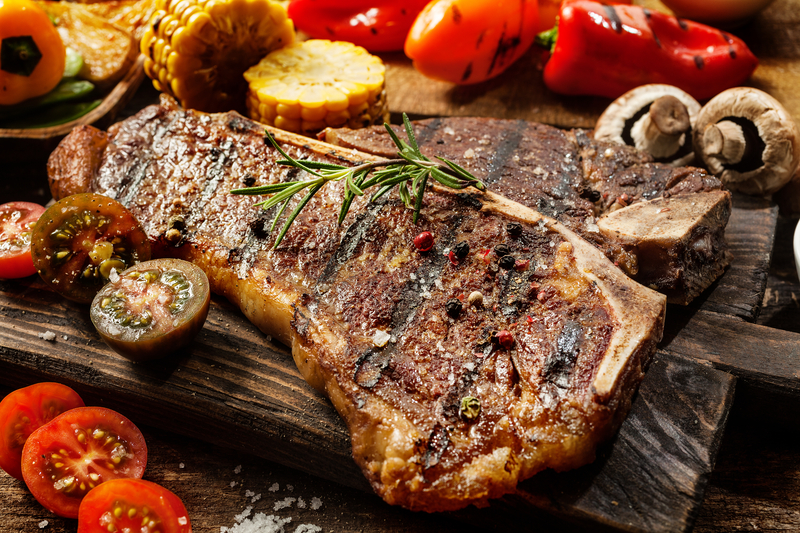 Grilling offers distinct nutritional benefits that make it one of the healthiest cooking methods available.
The process naturally reduces fat content while preserving essential nutrients and eliminating the need for excessive oils or additives.
Healthier Cooking Methods
Grilling stands out as a superior cooking technique compared to frying, baking with oils, or other fat-heavy methods.
The elevated cooking surface allows food to cook evenly while excess grease drips away from the ingredients.
Unlike pan-frying where food sits in accumulated oils, grilling uses direct heat that creates natural flavor without requiring butter or cooking oils.
This method reduces calorie density while maintaining taste quality.
The high-heat cooking process also eliminates the need for heavy sauces or marinades that typically add unnecessary sodium and sugar.
Natural flavors become enhanced through the grilling process itself.
Key advantages over other cooking methods:
- No added cooking oils required
- Direct heat creates natural flavor enhancement
- Eliminates need for heavy seasonings
- Reduces overall cooking time
Reducing Fat Content
Grilling naturally removes excess fat from meats and other proteins during the cooking process.
As food cooks on the grill grates, rendered fat drips through the openings rather than being reabsorbed.
This fat reduction is particularly beneficial for red meats, poultry with skin, and fish with higher oil content.
Studies show grilled meats can contain up to 30% less fat than their pan-fried counterparts.
The vertical fat drainage also helps lower cholesterol levels in the final dish.
Lean cuts of meat become even leaner through this natural defatting process.
Fat reduction benefits:
- Up to 30% fat reduction compared to pan-frying
- Natural cholesterol reduction
- Maintains protein content while removing excess calories
- Works effectively with all meat types
Retaining Nutrients
The quick, high-heat cooking method of grilling helps preserve essential vitamins and minerals that longer cooking processes often destroy.
Water-soluble vitamins like B-complex and vitamin C remain more intact.
Vegetables retain their nutritional value particularly well when grilled, as the short cooking time prevents nutrient leaching.
The direct heat also caramelizes natural sugars, enhancing flavor without nutrient loss.
Protein structures remain more stable during grilling compared to boiling or long braising methods.
This preservation maintains the bioavailability of amino acids essential for muscle health.
The minimal water usage in grilling prevents water-soluble nutrients from being lost to cooking liquids.
This advantage makes grilled foods more nutritionally dense per serving.
Convenience and Efficiency
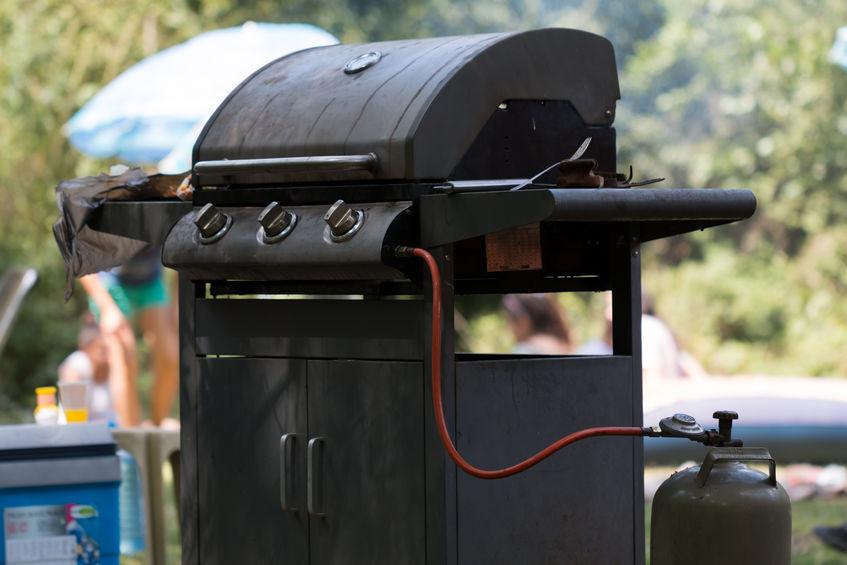
Modern grills deliver time savings through instant ignition and precise temperature control, while simplified cleanup processes reduce post-cooking maintenance.
These efficiency gains make grilling accessible for busy professionals, weekend entertainers, and anyone seeking streamlined outdoor cooking.
Quick Preparation Times
Gas grills ignite instantly with the push of a button, eliminating the 15-20 minute charcoal startup process.
Users can begin cooking within 5-10 minutes of lighting the grill.
Temperature control dials allow precise heat adjustment without fuel additions or airflow modifications.
This direct control enables consistent cooking temperatures throughout the grilling session.
Key time advantages include:
- No charcoal preparation or lighter fluid requirements
- Immediate heat adjustment capabilities
- Reduced preheating time compared to traditional methods
- Consistent fuel supply without mid-cooking interruptions
Electric ignition systems work reliably in various weather conditions.
Users avoid matches, lighter fluid fumes, and manual flame management tasks that slow the cooking process.
Easy Cleanup
Gas grills generate less ash and debris compared to charcoal alternatives.
Users remove cooking grates and drip pans for standard dishwasher or sink cleaning.
Porcelain-coated surfaces resist food adhesion and clean with basic soap solutions.
Stainless steel components maintain appearance with minimal specialized maintenance products.
Cleanup tasks involve:
- Wiping exterior surfaces
- Removing and washing grates
- Emptying drip trays
- Brief interior scraping when needed
Many models feature removable components that simplify deep cleaning sessions.
Grease management systems direct drippings into disposable containers rather than permanent grill structures.
Suitable for Various Lifestyles
Apartment dwellers benefit from compact portable models that store easily and operate on standard propane tanks.
These units provide full grilling capabilities without permanent installation requirements.
Busy professionals appreciate consistent results without constant monitoring.
Gas grills maintain steady temperatures while users prepare side dishes or attend to guests.
Lifestyle compatibility includes:
- Urban living: Balcony-friendly sizes and clean operation
- Family cooking: Quick meal preparation for weeknight dinners
- Entertainment: Reliable performance during social gatherings
- Beginner-friendly: Simple operation without specialized techniques
Weekend entertainers rely on predictable cooking times and temperature control when preparing multiple courses.
The consistent fuel supply handles extended cooking sessions without performance degradation.
Variety of Grill Types to Suit Your Needs

Modern grilling offers distinct fuel sources and designs that cater to different cooking preferences and lifestyle requirements.
Each type delivers unique advantages in flavor development, convenience, and portability.
Charcoal vs. Gas Grills
Charcoal grills burn briquettes or lump charcoal to create authentic smoky flavors that penetrate meats and vegetables.
They require 15-20 minutes for initial heating and produce ash that needs regular cleaning.
These grills excel at high-temperature searing and deliver the traditional barbecue taste many grillers prefer.
However, temperature control requires practice and experience with airflow adjustments.
Gas grills connect to propane tanks or natural gas lines for instant ignition and precise temperature control.
They heat up within 5-10 minutes and maintain consistent cooking temperatures.
Gas models offer convenience through push-button starting and eliminate ash cleanup.
They provide even heat distribution across the cooking surface but lack the distinctive smoky flavor that charcoal produces.
Key differences:
- Flavor: Charcoal creates smoky taste; gas produces cleaner flavors
- Setup time: Charcoal needs 15-20 minutes; gas ready in 5-10 minutes
- Temperature control: Gas offers precision; charcoal requires skill
- Maintenance: Gas needs minimal cleanup; charcoal produces ash
Electric and Portable Options
Electric grills plug into standard outlets and work well for apartments, condos, or areas with fire restrictions.
They heat quickly and maintain steady temperatures without producing smoke or requiring fuel storage.
These units work effectively for basic grilling tasks like burgers, hot dogs, and vegetables.
Indoor electric models allow year-round grilling regardless of weather conditions.
Portable grills include compact charcoal, gas, and electric versions designed for camping, tailgating, or small spaces.
They typically feature foldable legs, lightweight construction, and carrying handles.
Portable charcoal models like tabletop kettles provide authentic flavors in compact designs.
Small gas versions offer convenience with disposable propane canisters.
Electric portable units work anywhere with power access but limit outdoor mobility.
Best applications:
- Electric: Apartment balconies, indoor cooking, consistent results
- Portable: Camping trips, tailgate parties, beach outings, RV travel
Long-Term Value and Cost Savings
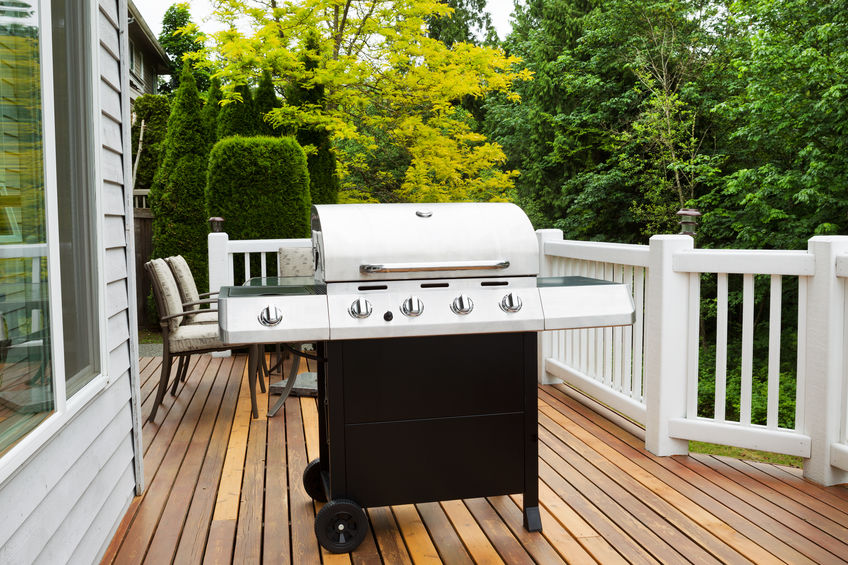
Quality grills built with premium materials can serve households for 10-15 years or more, while restaurant meals cost significantly more per serving than home-grilled food prepared on personal equipment.
Durability and Reliability
Professional-grade grills constructed with stainless steel components and cast iron grates typically last 10-15 years with proper maintenance.
Budget models often require replacement after 2-3 seasons due to rust and component failure.
Premium materials resist corrosion and wear.
Stainless steel burners maintain consistent heat output for years.
Cast iron retains heat effectively and develops natural non-stick properties over time.
High-end grills feature:
- Rust-resistant materials
- Replaceable parts availability
- Stronger construction joints
- Weather-resistant finishes
A $800 grill lasting 12 years costs $67 annually.
A $200 grill replaced every 3 years costs $67 annually but requires more frequent shopping and disposal.
Quality grills maintain temperature control accuracy longer.
Cheaper models lose heat retention as seals deteriorate and metal warps.
Saving on Restaurant Meals
Restaurant burgers cost $12-18 per serving compared to $3-5 for home-grilled equivalents.
A family of four saves $35-50 per meal when grilling at home instead of dining out.
Cost comparison per serving:
- Home-grilled steak: $8-12
- Restaurant steak: $25-40
- Home-grilled chicken: $2-4
- Restaurant chicken: $15-22
Families who grill twice weekly instead of restaurant visits save $3,500-5,200 annually.
Even accounting for propane costs ($50-80 yearly) and initial grill investment, savings exceed $3,000 per year.
Bulk meat purchases for grilling cost less per pound than individual restaurant portions.
Ground beef bought in 3-pound packages costs 20-30% less than single-serving restaurant patties.
Social and Family Benefits

A grill transforms cooking from a solitary kitchen task into a shared outdoor experience that brings people together.
The outdoor cooking environment creates natural opportunities for conversation and connection while meals are prepared.
Fostering Togetherness
Grilling naturally draws family members and friends into the cooking process.
Unlike indoor cooking where one person typically handles meal preparation alone, outdoor grilling invites participation from others.
Multiple people can contribute by preparing side dishes, setting up outdoor dining areas, or simply gathering around the grill to chat.
This shared involvement creates stronger bonds between participants.
The outdoor setting removes barriers that indoor spaces often create.
People feel more relaxed outside, leading to more open conversations and genuine connections.
Children often show greater interest in outdoor cooking activities.
They can safely help with simple tasks like carrying plates or watching the cooking process, creating valuable learning opportunities.
Grilling sessions extend meal times naturally.
The cooking process becomes part of the entertainment rather than just preparation for it.
Enhancing Gatherings
Outdoor grilling provides a natural focal point for social events.
The grill becomes a gathering spot where conversations flow while food cooks.
Grilled foods work well for various group sizes.
A single grill can accommodate intimate family dinners or larger neighborhood gatherings with equal effectiveness.
The cooking process itself becomes entertainment for guests.
People enjoy watching food cook over open flames and discussing cooking techniques or sharing tips.
Weather-dependent cooking creates seasonal traditions that people anticipate.
Summer barbecues and tailgating events become memorable occasions that strengthen relationships.
Grilling allows hosts to interact with guests throughout the cooking process.
Unlike indoor cooking that often isolates the cook in the kitchen, outdoor grilling keeps the host engaged with everyone present.
Aesthetics and Home Appeal
 A grill transforms outdoor spaces into sophisticated entertainment areas while adding measurable value to residential properties.
The visual impact extends beyond cooking functionality to create an attractive focal point for patios and backyards.
Outdoor Space Enhancement
Modern grills serve as statement pieces that elevate the entire outdoor environment.
High-quality units feature sleek stainless steel finishes, clean geometric lines, and integrated lighting systems.
These design elements create visual continuity with outdoor kitchens and patio furniture.
Built-in models offer seamless integration with stone countertops and cabinetry.
Premium materials like brushed stainless steel resist weathering while maintaining their polished appearance.
Many units include decorative elements such as:
- LED accent lighting
- Designer control panels
- Custom side shelving
- Matching storage compartments
The grill becomes an architectural element that defines the outdoor cooking zone.
Strategic placement creates natural gathering spots for entertaining guests and family meals.
Well-designed grills complement existing landscape features and hardscaping materials.
They provide structure to open patio areas while maintaining functionality for year-round use.
Boosting Property Value
Outdoor cooking installations increase home resale values by expanding usable living space.
Real estate professionals recognize grills as desirable amenities that attract potential buyers.
Built-in grill systems deliver the highest return on investment compared to portable alternatives.
They demonstrate permanent outdoor entertainment capabilities that buyers value.
Properties with complete outdoor kitchens typically see value increases of $3,000 to $15,000 depending on installation quality and regional market conditions.
The investment appeals particularly to buyers seeking turnkey entertainment spaces.
High-end grill installations signal home maintenance attention and quality upgrades throughout the property.
They differentiate listings in competitive real estate markets.
The visual appeal creates positive first impressions during property showings.
Buyers envision hosting gatherings and outdoor dining experiences immediately upon viewing the space.
Personal Enjoyment and Lifestyle Enhancement
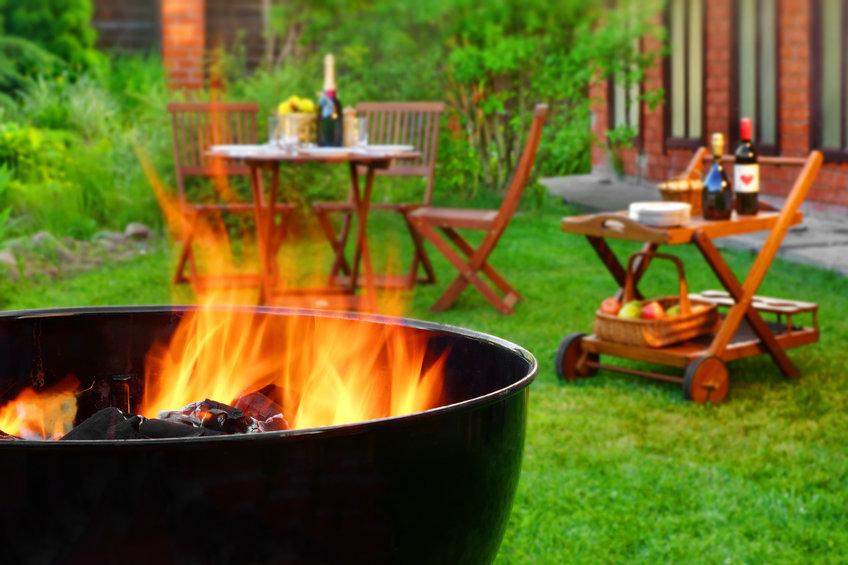
Grilling transforms ordinary cooking into an engaging outdoor activity that many people find deeply satisfying.
The process offers a hands-on approach to food preparation that differs significantly from indoor cooking methods.
Many grill owners discover that outdoor cooking becomes a form of stress relief and relaxation.
The act of tending to food over heat provides a meditative quality that helps people disconnect from daily pressures.
Key lifestyle benefits include:
• Enhanced outdoor living experience • Opportunity to develop new cooking skills • Creative outlet for experimenting with flavors • Physical activity away from screens and indoor spaces
Grilling allows individuals to expand their culinary horizons through techniques like smoking, searing, and cedar plank cooking.
These methods produce unique flavors and textures that indoor appliances cannot replicate.
The outdoor cooking environment creates a different relationship with food preparation.
People often find themselves more patient and attentive when grilling, leading to improved cooking results and greater satisfaction.
Seasonal enjoyment becomes possible as grilling extends the outdoor living season.
Many enthusiasts use their grills year-round, creating opportunities for fresh air and outdoor activity even in cooler months.
The ritual of preparing and maintaining a grill also provides a sense of ownership and accomplishment.
This hands-on aspect appeals to those who enjoy working with tools and equipment.
Regular grilling can become a personal hobby that develops over time, with individuals learning advanced techniques and exploring different fuel types and cooking methods.
Not Sure Where to Start? Try These Grills
 When you’re ready to take the plunge and buy a grill, choosing between gas and charcoal can feel like a big decision.
Both offer unique advantages, and the best choice really comes down to your lifestyle and cooking preferences.
To help you get started, here are two standout options—one gas, one charcoal—that strike a perfect balance between quality, performance, and value.
 For the ease and speed of gas grilling, the Weber Spirit EP-325 3-Burner is an excellent choice.
Built for performance and convenience, this grill offers powerful, even heat across a spacious cooking surface—ideal for everything from weeknight dinners to weekend cookouts.
The three burners provide precise temperature control, and the grill heats up quickly, saving you time without sacrificing flavor.
What sets the EP-325 apart is its thoughtful design. It features porcelain-enameled cast-iron cooking grates that retain heat beautifully and are easy to clean.
The sear zone adds an extra boost of heat when you want to lock in flavor with a perfect crust, while the warming rack gives you flexibility when juggling multiple foods at once.
With sleek black styling, durable construction, and user-friendly features like the built-in thermometer and tool hooks, the Spirit EP-325 makes gas grilling feel effortless.
If you’re looking for a reliable, well-made gas grill that delivers consistently great results, this model is a solid investment—especially for those who value convenience without compromising on performance.
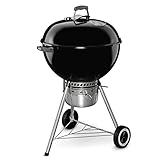 On the flip side, if you’re more drawn to the smoky, hands-on experience of charcoal grilling, the Weber Original Kettle Premium 22-Inch is a timeless classic.
This iconic round grill has been around for decades—and for good reason.
It’s affordable, durable, and delivers that unmistakable charcoal flavor that gas just can’t replicate.
With a built-in lid thermometer, adjustable dampers, and an easy-clean ash catcher, it brings thoughtful design to a traditional setup.
It’s perfect for slow-cooked ribs, flame-kissed steaks, or even just a few hot dogs with that nostalgic char.
Whether you’re drawn to the speed and control of gas or the flavor and ritual of charcoal, investing in a quality grill can transform how you cook and entertain outdoors.
These two models are a great starting point—offering trusted performance from a brand that knows grilling inside and out.