
Buying a grill in the winter can often lead to significant savings due to lower demand and seasonal discounts.
While grilling is a summer activity, retailers tend to clear out inventory during the colder months, offering better deals on models that may have been less popular or are being replaced by newer versions.
Grills are generally cheaper in the winter because stores want to move stock before the next grilling season, making it an ideal time for buyers looking to save money.
This off-season opportunity also allows for negotiation on floor models and additional discounts that are less common during peak grilling months.
However, the best time to buy can vary depending on location and specific sales events.
Shoppers should consider local climate and timing, but winter consistently remains one of the more affordable windows to purchase a grill.
Is It Cheaper to Buy Grills in the Winter?
Grill prices fluctuate throughout the year based on demand, seasonal inventory shifts, and retailer strategies.
Winter typically presents unique opportunities for savings, but these vary depending on the type of grill and location.
Typical Price Trends Throughout the Year
Grill prices usually peak in spring and early summer as demand rises with warmer weather and grilling season.
Retailers stock new models in spring, leading to competitive pricing but generally higher costs.
By late summer and fall, prices often start to drop.
Retailers clear out inventory to make space for other seasonal products, so discounts increase.
Winter sees the lowest demand, which leads to the steepest markdowns.
Some models, especially floor displays or older versions, may have an additional price cut.
However, selection can be limited in winter due to reduced stock and discontinued items from the previous grilling season.
Reasons for Seasonal Price Fluctuations
Demand drives price changes, with high interest in grilling during spring and summer pushing prices up.
Retailers anticipate this demand and price accordingly.
In winter, grills sit unsold, prompting retailers to offer aggressive discounts, sometimes up to 25% or more.
Seasonal clearance sales and less competition among buyers allow for negotiation.
Retailers also consider inventory turnover, making winter clearance essential to free warehouse space.
Supply chains cycle with seasonal buying patterns, impacting when discounts appear.
Comparison of Winter Discounts to Other Seasons
Winter often offers the best percentage discounts compared to spring or summer sales.
While spring may offer newer models and a fuller product range, prices are closer to full retail.
Fall provides moderate discounts as the grilling season winds down, but savings are generally smaller than in winter.
Labor Day and Memorial Day sales can provide decent deals but often not as deep.
In contrast to other seasons, winter discounts come with trade-offs: fewer choices, older models, or slightly worn floor units are more common.
Buyers must balance price with model availability and condition.
Best Times of Year to Buy Grills

Grills tend to be cheaper during specific times of the year when demand drops or retailers clear inventory.
Understanding these periods helps shoppers find the best deals while avoiding higher prices in peak grilling season.
Winter Sales and Promotions
Winter is a quieter time for grill sales since most people grill less frequently.
Retailers lower prices to boost slow sales, often offering significant discounts on leftover stock.
Promotions can include markdowns on popular brands and models, making it a smart season to find good deals.
While selection may be more limited than in spring or summer, serious buyers benefit from price reductions.
Stores might also bundle grills with accessories at lower prices during winter.
Overall, winter sales provide an opportunity to purchase quality grills at a discount when competition from other buyers is low.
End-of-Season Clearance Events
Late summer and early fall mark the end of grilling season when stores clear out inventory to make room for new products.
This period often delivers the deepest discounts across all grill types.
Clearance sales typically feature marked-down prices on last year’s models or overstocked items.
Shoppers can find savings of 20% to 40% or more.
Both physical retailers and online stores participate in these events.
The stock is usually at its peak variety before winter, giving buyers more choices alongside reduced prices.
These sales are ideal for those who want a grill immediately but want to avoid premium costs.
Holiday Discounts and Black Friday Deals
Black Friday and surrounding holiday sales are prime times for discounted grills.
Retailers compete by offering incentives like price slashes, free shipping, and gift card bonuses.
During this period, it is common to see grills priced significantly below their regular rates.
Shoppers should be ready to act quickly, as popular models sell out fast.
Other holidays such as Memorial Day and Labor Day also feature grill discounts but are generally less steep than Black Friday deals.
Still, these holidays are reliable opportunities to save if winter or end-of-season sales don’t fit the buyer’s timeframe.
Factors That Influence Grill Prices in Winter

Grill prices in winter are shaped by several interconnected elements.
Inventory cycles, promotional offers from manufacturers, and seasonal changes in buyer interest all play key roles in creating pricing trends.
Retail Inventory and Turnover Cycles
Retailers adjust grill prices in winter because their focus shifts from outdoor cooking products to cold-weather equipment.
To make room for new seasonal stock, they reduce prices on grills that remain unsold after summer.
Discounts often increase significantly as stores clear out summer inventory.
This process can lead to price drops as steep as 30% to 50%, depending on the model and demand.
The timing of markdowns is linked to turnover cycles.
As fall arrives, stores begin inventory clearance, with deepest discounts typically found in late fall or early winter.
Manufacturer Rebates and Offers
Manufacturers sometimes release rebates and special offers during the off-season to stimulate sales.
These promotions can include instant discounts, cash-back offers, or bundled accessories at reduced prices.
Rebates in winter are often part of strategic efforts to improve year-end sales figures.
Deals vary by brand and model but may be more generous compared to peak grilling season.
Consumers can maximize savings by combining manufacturer rebates with retailer discounts.
Monitoring promotions that coincide with holidays or end-of-year sales increases the chance of securing lower prices.
Demand Shifts and Consumer Behavior
Winter tends to see a drop in grill demand as outdoor cooking becomes less popular in colder climates.
This seasonal slowdown leads retailers to lower prices to encourage purchases despite reduced foot traffic.
Some buyers defer purchasing grills until after the peak season to take advantage of lower prices, while others may focus on accessories, which also go on sale in winter.
Consumer behavior during this time influences pricing strategies.
Retailers balance the need to clear stock with reduced demand, resulting in fluctuating discounts based on local climate and buyer preferences.
Types of Grills and Their Winter Pricing
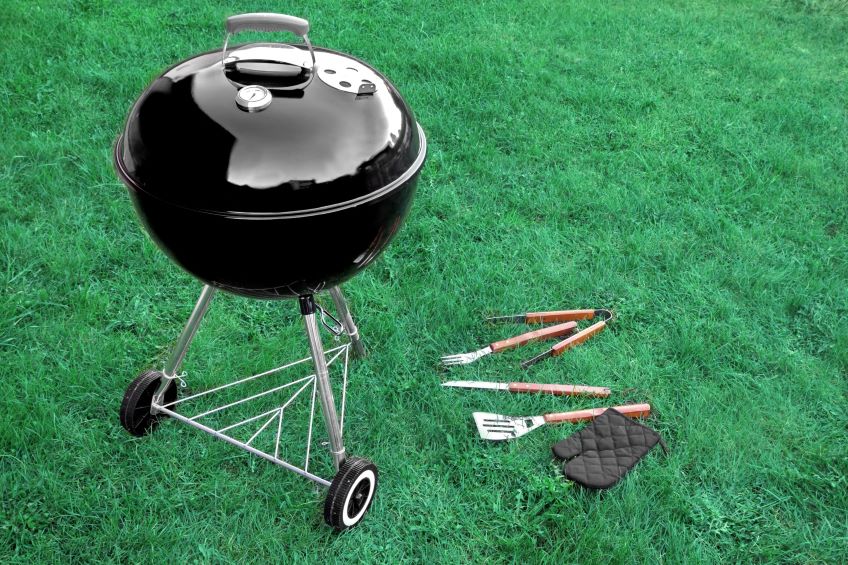
Different grill types show varying price trends in winter, influenced by demand, inventory, and retailer strategies.
Some models see significant discounts, while others maintain steadier pricing.
Understanding these patterns helps buyers decide when and what to purchase.
Gas Grills
Gas grills typically experience noticeable price drops during winter clearance sales.
Retailers often reduce prices to make room for new spring models.
Discounts can range from 15% to 30%, especially on mid-range and entry-level units.
High-end gas grills may see smaller markdowns since demand remains relatively stable year-round.
Buyers should watch for bundled deals that include accessories like covers or grilling tools, which add value during winter sales.
However, availability may be limited since popular models sell out quickly.
Charcoal Grills
Charcoal grills often have the steepest discounts in winter compared to other types.
They are less popular in colder months, prompting stores to lower prices aggressively.
Savings of 20-40% are common.
Because charcoal grilling appeals strongly in warmer seasons, winter deals offer a chance to buy premium brands at reduced costs.
Lightweight and portable charcoal grills also see markdowns as retailers clear out excess inventory.
Shoppers should act fast to secure quality units before stock runs low.
Pellet and Electric Grills
Pellet and electric grills tend to maintain more stable prices through winter.
These types often attract consistent demand due to their convenience and suitability for year-round use.
While some retailers offer occasional discounts, typical reductions hover around 10-15%.
Buyers looking for specific features or models might find better selection than deep discounts.
Investing in pellet or electric grills during winter can focus more on availability and feature preferences than on price alone.
Shopping Strategies for the Best Winter Deals
Smart shoppers use a combination of price research, timing, and shopping channels to maximize savings.
Focusing on these areas helps to uncover the deepest discounts while avoiding inventory shortages or price hikes.
Researching Prices and Tracking Deals
Comparing prices across multiple retailers is essential.
He or she should monitor both national chains and local stores for their advertised winter sales.
Using price tracking tools and apps can alert buyers to sudden discounts or clearance events.
Signing up for store newsletters often grants early access to deals.
Creating a simple spreadsheet or list of targeted grill models and their prices helps recognize genuine bargains versus slight markdowns.
Don’t overlook manufacturer websites, which occasionally offer exclusive deals or rebates in the winter.
Timing Your Purchase for Maximum Savings
The best discounts typically appear from late fall through early winter, especially November to February.
Retailers want to clear summer inventory and make space for spring stock.
Shopping immediately after major holidays like Black Friday or Christmas can provide further price cuts.
However, waiting too long risks missing the full selection as popular grills sell out.
Midweek purchases may yield better deals than weekend shopping due to lower customer volume and increased retailer willingness to negotiate.
Online Versus In-Store Bargain Hunting
Online shopping offers wider selection and easy price comparison, making it easier to spot the best winter promotions.
Many retailers run exclusive online sales or offer coupon codes.
However, in-store visits allow buyers to inspect grill quality firsthand and sometimes negotiate additional discounts or free accessories.
Clearance sections in physical stores can include hidden gems not listed online.
Combining both methods enables a balanced approach: research online for prices and then confirm availability or test products in person if possible.
Potential Drawbacks of Buying Grills in Winter
Buying grills in winter often means facing some limitations and extra challenges.
Customers may encounter fewer choices and specific concerns related to warranty and returns.
Additionally, winter conditions can affect how a grill is stored and transported, which requires careful planning.
Limited Model Selection
During winter, many retailers reduce their inventory or focus on popular models that are easier to store and move.
This can lead to fewer options for specialized or high-end grills.
Customers looking for unique features or specific brands might find the selection limited.
Seasonal demand shifts usually cause stores to stock fewer products to avoid excess winter storage costs.
Some models might be discontinued or sold out during the colder months.
Consumers should expect to have less flexibility in choosing size, fuel type, or design compared to spring or summer.
Challenges With Warranty and Returns
Warranty claims and return processes can be more complicated with grills purchased in winter.
Cold temperatures can affect the materials and performance soon after purchase, sometimes causing damage that is difficult to distinguish from manufacturing defects.
This can make warranty issues harder to resolve.
Some warranties r
equire use under normal conditions, which might exclude damage caused by improper winter storage.
Return policies may also be stricter during the off-season, and shipping or restocking fees could apply if the product must be returned during colder months.
Storage and Transportation Considerations
Transporting a grill bought in winter can be challenging because freezing weather increases the risk of damage.
Components like hoses, igniters, and paint can be sensitive to cold and moisture. Protecting the grill during transit is essential.
Once purchased, finding proper storage is crucial.
Leaving a new grill exposed to snow or ice before use can cause rust or corrosion.
Buyers should plan for covered or indoor storage, or invest in high-quality grill covers to maintain the grill’s condition until it can be used.
Tips for Storing and Assembling Grills Bought in Winter
Grills purchased in winter require specific care to ensure longevity and performance.
Proper storage prevents rust and damage. When assembling, attention to detail ensures safe, efficient operation.
Preparing the grill properly before spring saves time and avoids issues.
Proper Storage Methods
Before storing, grills must be thoroughly cleaned to remove grease, food residue, and ash.
These substances harden over time and make cleaning difficult later.
After cleaning, grill grates should be coated lightly with cooking oil to prevent rust.
The grill should be stored in a dry area. If indoors, a garage or shed is best.
Otherwise, use a high-quality, waterproof grill cover designed for the specific grill model.
Covers help block moisture but do not fully prevent condensation, so additional ventilation is important.
Disassemble parts that could trap moisture or become damaged.
Remove propane tanks or disconnect gas lines to avoid leaks or corrosion.
Store these components separately in a dry space.
Protecting Against Weather Damage
Winter weather exposes grills to rain, snow, and cold, which promote rust and wear.
Prevent exposure by placing the grill on a raised platform or mat to avoid contact with wet ground or snow.
Wind can cause debris buildup in and around the grill. If stored outside, secure the grill cover to avoid it being blown off.
Use bungee cords or straps designed for outdoor equipment.
Metal parts can contract and expand with temperature changes, increasing the risk of cracks or loose joints.
Regularly check fasteners and valves, tightening or replacing if necessary before storage.
Preparing the Grill for Use in Spring
In early spring, the grill must be assembled carefully, using manuals if available.
Check all connections, including gas lines and regulators, to ensure they are secure and leak-free.
Clean the grill thoroughly again before first use.
Reapply a light coating of cooking oil on the grates to protect against moisture during initial heating.
Test the ignition and burners to ensure proper function.
Performing a short burn-off helps remove any dust, dirt, or leftover oil before cooking.
Store propane tanks outdoors away from direct sunlight and heat sources.
Replace tanks if they show visible damage or corrosion.
The Best Strategy is to Compare Prices and Brands when You Need a Grill
If you need a new grill, then we suggest that you don’t wait for a specific time of year.
Determine your budget and your most desired features, and then start exploring the market.
Some of the top brands have fairly consistent pricing throughout the year, including top names like Weber and Napoleon.
You can find a model like the Weber Original Kettle throughout the year, often with a discount on the list price.
If you consider a gas grill with a few more features, like the Weber Spirit II E-310, its price remains stable throughout most of the year because it’s always in high demand.

If you can wait for the winter to look for a sale, then you could get a grill cheaper than at any other time.
But if you simply want great value today, browse what’s available and you’ll be able to find competitive prices no matter what month it is.
Conclusion
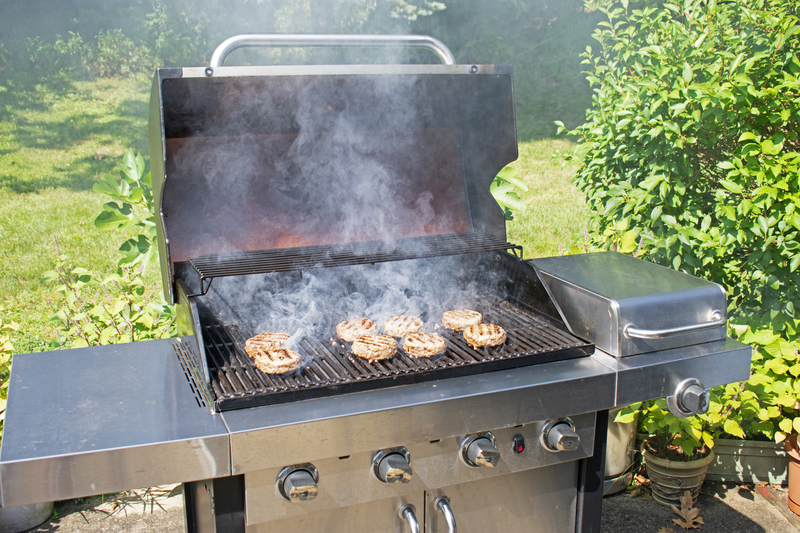
Grills can often be found at lower prices during the winter months due to decreased demand.
Retailers frequently offer seasonal discounts and clearance sales to clear out inventory.
Shopping in winter provides opportunities to negotiate better deals.
However, availability might be limited as fewer models are stocked compared to spring or summer.
Key times to consider buying a grill cheaply include:
- Late summer and fall clearance sales
- Winter holiday sales, such as Black Friday
- End of grilling season markdowns
Buying in winter can save money, but buyers should weigh the reduced selection against the potential discounts.
Used grills are another option for budget-conscious buyers.
They can find quality equipment at a fraction of new prices if the grill is inspected carefully.
Patience and timing play a crucial role in securing a good deal.
Knowing when to shop is as important as knowing what type of grill best fits the buyer’s needs.