
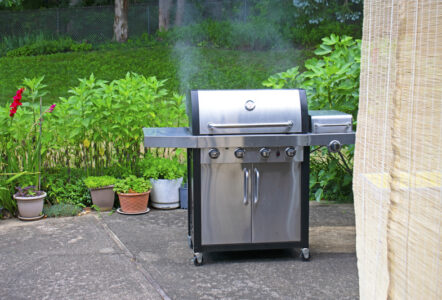
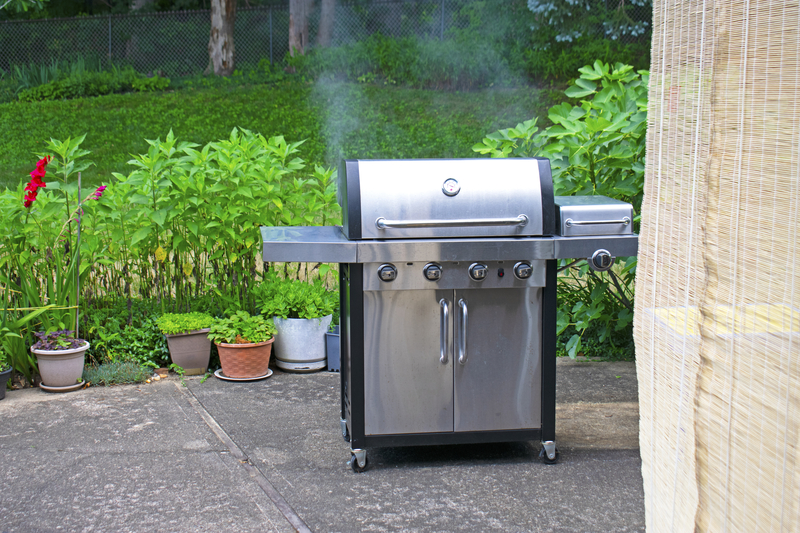
 Not all stainless steel grills are built the same. The steel grade affects how well a grill resists rust, handles heat, and holds up over time. Two grills can look alike in the store but age very differently in your backyard.
For most people, 304 stainless steel is the best grade for a gas grill because it typically contains 18 to 20 percent chromium and 8 to 10.5 percent nickel, which help it resist corrosion and withstand high heat.
Many lower-priced grills use 430 stainless steel for the body to keep costs down. It costs less, but it lacks the nickel that helps 304 resist corrosion. If you live near the ocean or a saltwater pool, 316 stainless steel may be a better choice for exposed parts.
Knowing the main stainless steel grades can help you get the best value for your money. Keep reading to learn how 304, 316, and 430 compare and how to distinguish them with a simple magnet test. You will also learn which grade suits your climate and budget.
The Best Choice for Your Grill’s Location
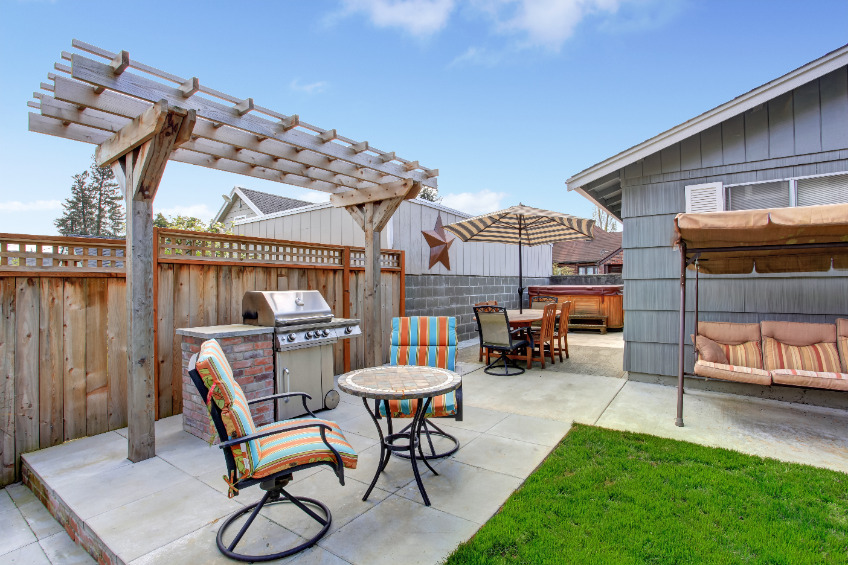 The right grade depends on how much moisture, salt, and chlorine your grill is exposed to. 304 suits most inland locations, 316 offers better protection in salty environments, and 430 can work for grills kept under cover in dry climates.
Choose 304 for Most Outdoor Grills
For most outdoor grills, 304 stainless steel is the standard choice. It typically contains 18-20% chromium and 8-10.5% nickel. These metals help it resist corrosion from rain, humidity, and grease.
304 is a good fit if you live inland and your grill sits on an open patio or deck. It handles high heat well and is suitable for food-contact surfaces.
To keep it looking good:
- Wipe it down after cooking.
- Use a grill cover when it’s not in use.
- Clean off bird droppings and pollen promptly.
Many people use a magnet to check the grade. Since 304 is generally non-magnetic, unlike 430, a weak pull or no pull may indicate 304. However, a magnet test is not definitive because processing can make some 304 stainless steel slightly magnetic.
Consider 316 Near the Coast or a Saltwater Pool
Salt in the air can accelerate corrosion. If you live near the ocean, 316 stainless steel may be worth the higher price.
316 has a composition similar to 304 but adds about 2-3% molybdenum. This improves resistance to chlorides, which are found in sea spray, road salt, and some pool environments. Chlorides can cause small rust spots called pitting.
The same consideration applies to your backyard pool. With saltwater systems or frequent exposure to pool chemicals, 316 can offer better protection for exposed parts. 304 may still work with lighter exposure if you clean it regularly.
| Location | Suggested Grade |
|---|---|
| Inland, open patio | 304 |
| Coastal (salt air) | 316 |
| Next to a saltwater pool | 316 |
| Near a chlorine pool, light exposure | 304 with regular cleaning |
When 430 Makes Sense for a Covered Grill
430 stainless steel has little to no nickel. That makes it less expensive, but it generally resists corrosion less effectively than 304 or 316.
Some brands use 430 for grill bodies to keep costs low. One maker uses it to sell a grill for under $600.
430 can be a sensible pick if your grill:
- Sits under a covered porch or roof
- Is in a dry, inland climate
- Is kept under a cover when not in use
Avoid 430 near the coast or a pool. In those locations, you may see surface rust within a season or two. With dry storage and regular cleaning, a 430 grill can still last for years.
How the Common Grades Compare
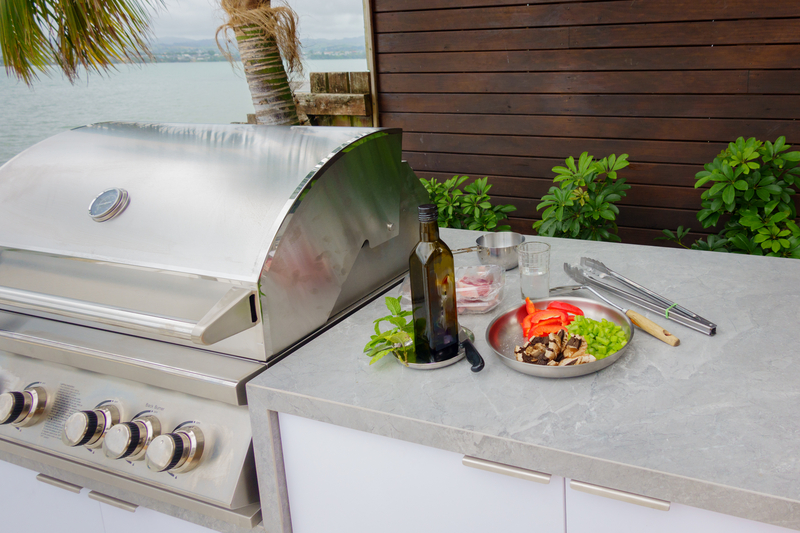 Many gas grills use 304, 316, 430, or 201 stainless steel. These grades differ in corrosion resistance, especially in salty environments. Their properties reflect their composition, including the amounts of nickel, molybdenum, and manganese.
| Grade | Key Elements | Magnetic? | Corrosion Resistance | Relative Cost |
|---|---|---|---|---|
| 304 (18/8) | 18-20% chromium, 8-10.5% nickel | Usually no | High | Medium-high |
| 316 | Chromium, nickel, about 2-3% molybdenum | Usually no | Very high, especially against chlorides | High |
| 430 | About 17% chromium, little to no nickel | Yes | Moderate | Low |
| 201 | Chromium, manganese, nitrogen, lower nickel content | Usually no | Lower | Lowest |
304 and 18/8: The All-Around Standard
304 stainless steel is a common high-quality grade used in gas grills. It is also called 18/8 stainless steel, a general designation referring to about 18% chromium and 8% nickel.
Chromium forms a thin passive layer on the surface that helps protect against corrosion. Nickel further improves corrosion resistance and helps make 304 non-magnetic, although processing can cause slight magnetism.
Many grill makers consider 304 the best grade for most gas grills because it balances cost, strength, and corrosion resistance.
You will often find it in:
- Grill hoods and bodies
- Control panels
- Carts and outdoor kitchen doors
In most inland areas, 304 holds up well if you clean it regularly. It can still stain or pit over time when exposed to salt air or pool chemicals.
316: Added Protection from Salt Exposure
316 stainless steel has a composition similar to 304. The key difference is that it contains about 2-3% molybdenum and typically a little more nickel.
Molybdenum helps the steel resist chlorides, which are found in salt and some pool environments. This is why 316 is often called marine-grade stainless steel. You can read more about how 304 and 316 differ for outdoor grills.
316 is most useful if you live:
- Near the ocean
- Near a saltwater pool
- In a location where your grill is fully exposed to weather
316 costs more than 304. It is not maintenance-free, so regular cleaning is still needed to prevent stains.
430 and 201: Lower-Cost Alternatives
430 stainless steel contains chromium but little to no nickel, making it magnetic and much cheaper than 304. One maker explains that it uses 430 for grill bodies to keep a stainless grill under $600.
430 works well in dry climates and on covered patios, but it rusts faster than 304 in humid, salty, or chlorine-heavy areas. A thick 430 part can still outlast a thin 304 part in a dry setting.
201 stainless steel replaces much of the nickel with manganese and nitrogen. This lowers the price but also reduces corrosion resistance. Outdoors, 201 often rusts faster than both 304 and 430.
Be careful with the magnet test. A magnet can help you tell 304 apart from 430, but 201 is often non-magnetic too. Check the spec sheet to confirm the grade.
What Makes Stainless Steel Resist Corrosion
 Stainless steel resists rust because chromium forms a thin, self-repairing film on its surface. Nickel and molybdenum can improve corrosion resistance, especially against moisture and salt, but no grade is fully immune to stains or pitting.
Chromium and the Protective Surface Layer
Chromium is the main reason stainless steel resists rust. Steel needs at least 10.5% chromium to be classified as stainless.
When chromium reacts with oxygen in the air, it forms a very thin layer of chromium oxide on the surface. This layer is too thin to see and acts as a barrier between the metal and its surroundings.
This layer can repair itself when exposed to oxygen. If you scratch the surface, the exposed chromium reacts with oxygen and rebuilds the film. This self-repairing property of stainless steel is what sets it apart from plain carbon steel.
Higher chromium content can improve corrosion resistance. That is why grill makers often list chromium content when they describe their steel.
How Nickel Content and Molybdenum Affect Performance
Nickel helps stabilize the steel’s structure and can improve its corrosion resistance. Grade 304 contains 18-20% chromium and 8-10.5% nickel, which is why it is common in quality gas grills.
Grades with little or no nickel content, such as 430, cost less. They also generally offer less corrosion resistance than 304, especially in harsh outdoor conditions.
Molybdenum improves chloride resistance, which matters if you live near the ocean or use salty marinades. Grade 316 has 2% to 3% molybdenum, which is why it is often called marine-grade.
| Grade | Chromium | Nickel | Molybdenum |
|---|---|---|---|
| 304 | 18-20% | 8-10.5% | None |
| 316 | 16-18% | 10-14% | 2-3% |
| 430 | 16-18% | Under 0.75% | None |
Why Stainless Steel Can Still Stain or Pit
Stainless does not mean stain-proof. The chromium film needs oxygen to remain protective. If dirt, grease, or moisture stays on the surface for a long time, the film can break down in that spot.
Common causes of damage include:
- Salt and chlorides from sea air, pool water, or de-icing salt
- Grease buildup that traps moisture against the metal
- Steel wool or carbon steel brushes that leave behind iron particles that can rust
- Harsh cleaners that contain bleach
Chlorides can create small holes called pits, which can grow deeper over time. Experts often compare grades using a number called PREN, which indicates how well each grade resists pitting.
Regular cleaning and a grill cover help protect the steel surface.
Where the Steel Grade Matters Most
 Parts exposed to the most heat, moisture, and grease benefit most from higher-grade steel, while trim and side panels can use a lower grade with less risk. Your grill’s location matters too, since a built-in grill remains outdoors year-round.
Burners, Fireboxes, and Other Hard-to-Replace Parts
Burners and the firebox face more heat cycles than many other grill parts. They also collect grease, food drippings, and moisture, a combination that can accelerate corrosion.
Some grill makers use 304 for burners and 430 for the body to keep a grill under $600. This can be a reasonable trade-off if the parts most exposed to wear use the better steel.
When a maker mixes grades, the priority order for 304 stainless usually looks like this:
- Burner tubes and burner box
- Hood interior
- Cooking grates
- Hood exterior
- Side panels and trim
Before you buy, check the product specs or ask the dealer which grade is used in the burners. Also check the burner warranty.
Cooking Grates, Cleaning, and Food Safety
Your cooking grates touch your food every time you grill. For food safety, choose grates that are easy to keep clean and are not rusted or flaking.
Grates made from 304 stainless steel resist rust well. They also have no coating to chip into your food. Porcelain-coated grates can crack over time, exposing the steel beneath to rust.
Thicker grates are another plus. Solid rods about 8 mm or thicker hold heat well and can leave strong sear marks. You should still clean stainless grates after each use.
A simple cleaning routine helps:
- Brush the grates while they are still warm.
- Use a brush that does not shed wire bristles.
- Avoid harsh cleaners with chlorine.
Bodies and Cabinets for Built-In Installations
For a portable grill, a 430 body can work if you keep the grill covered. Built-in grills are different: they stay outdoors year-round and can be expensive to replace.
The steel grade has a greater effect on long-term appearance in outdoor kitchens than on portable stainless steel grills. Rust spots and stains are harder to hide on a large cabinet.
| Location | Suggested Grade |
|---|---|
| Inland, covered patio | 304 |
| Open yard, rain and sun | 304 |
| Near the ocean or a pool | 316 |
If you live near salt water, consider 316. It contains molybdenum, which gives it better salt resistance than 304 or 430.
How to Evaluate a Grill Before Buying
 A good stainless steel grill depends on the grade of each part, the thickness of the metal, and the quality of its construction. A magnet test or a shiny surface will not tell you enough on its own.
Check Grades for Individual Components
Most grills use more than one type of steel. A brand may call a grill “stainless” even if only some parts are made of higher-grade stainless steel.
Many lower-priced grills use 430 stainless steel for the body to keep costs down. One maker explains that it uses 430 grade for grill bodies to save money, since 304 stainless steel costs much more.
Before you buy, ask the seller which parts are 304 and which are 430.
Focus on these parts:
| Component | Why It Matters | Better Grade |
|---|---|---|
| Burners | Face high heat and grease | 304 or 316 |
| Cooking grates | Touch food and need frequent cleaning | 304 |
| Hood interior | Holds heat and moisture | 304 |
| Body and cart | Face the weather | 304 (430 is cheaper) |
If the seller cannot provide details for each part, be cautious.
Do Not Rely on Appearance or a Magnet Alone
A new grill can look shiny in the store and still rust within a few seasons. Lower- and higher-grade stainless steel can look almost identical when new.
For years, buyers used a magnet to test stainless steel. The idea was simple: a magnet sticks to 430 but not to 304. However, this test is not reliable on its own.
Grade 443 is a steel used in some affordable grills. It is magnetic, but contains more chromium and titanium than 430, making it nearly as rust-resistant as 304.
- A magnet sticks: The steel could be 430 or 443.
- A magnet does not stick: The steel may be 304 or 316, but some 201 steel is also mostly non-magnetic.
Use a magnet as one clue, then check the manufacturer’s written specifications.
Assess Metal Thickness, Welds, Finish, and Warranty
Thicker metal resists bending and discoloration. Some entry-level grills use thin 20-gauge panels mixed with 201 and 430 steel. A lower gauge number means thicker metal.
You can check thickness without tools by pressing the middle of the hood. If it does not flex, the metal may be thicker. You can also compare the weight of grills that are the same size.
Look at these details too:
- Welds: Continuous welds seal joints better than spot welds, which can leave gaps where rust may start.
- Bolts: Fasteners should be stainless steel. Avoid pop rivets and plain steel bolts.
- Finish: The surface should feel smooth and even, with no pits or rough spots.
- Warranty: Read the coverage for each part. Long warranties on burners and the body may indicate the maker’s confidence in the materials.
Care Practices That Help Any Grade Last
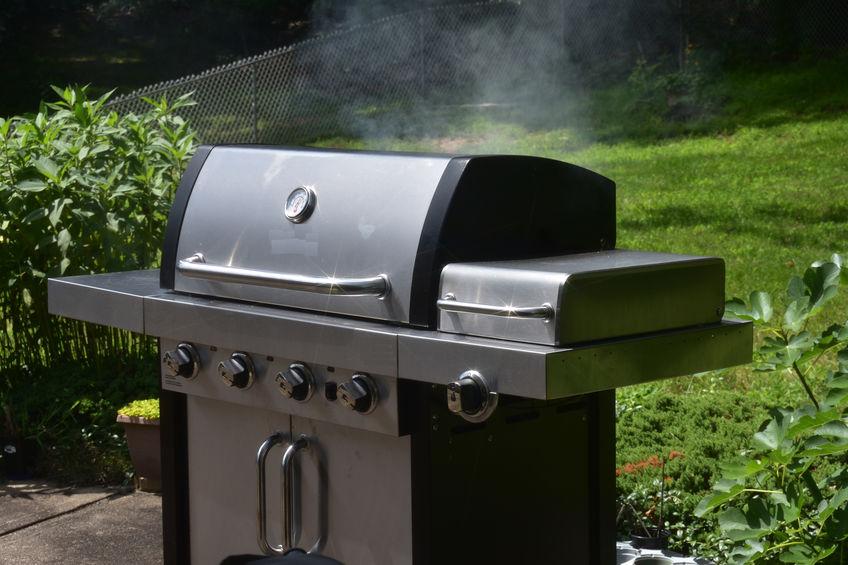 Grease, salt, and cleaning residue can wear down even higher-grade stainless steel over time. Regular cleaning and keeping surfaces dry and covered help both 304 and 430 stainless steel grills maintain their corrosion resistance.
Remove Grease, Salt, and Cleaning Residue
Stainless steel resists rust because of a thin chromium oxide layer on its surface. Grease, salt, and dirt can accumulate on that layer and cause staining or small rust spots. The steel grade matters, but it is not the only factor that determines how long a grill lasts.
Use these steps after cooking:
- Scrape the cooking grates while they are still warm to remove stuck-on food.
- Wash the outside with warm, soapy water and a soft cloth.
- Rinse well to remove all soap and cleaner.
- Wipe in the direction of the grain to avoid scratches.
Avoid steel wool and harsh chlorine-based cleaners. They can scratch the surface and damage the finish. If you live near the ocean or a pool, rinse the grill more often to remove salt or chlorine spray.
Dry and Protect Exposed Surfaces
Water left on the grill can cause spots and leave salt or minerals on the metal. After washing or after rain, dry all exterior panels with a clean towel.
| Task | How Often |
|---|---|
| Dry panels and lid | After each cleaning |
| Apply stainless steel polish | Every few weeks |
| Use a breathable cover | When the grill is not in use |
| Check for rust spots | Once a month |
Allow the grill to cool and dry completely before putting on a cover. Covering a damp grill can trap moisture against the metal, increasing the risk of corrosion over time.
Where you position your grill also makes a difference. Grills on coastal patios are exposed to salt carried in the air, while those near swimming pools may come into contact with chlorine-containing splashes and other pool chemicals.
These conditions can accelerate corrosion, particularly on lower-grade stainless steel. In such environments, drying the grill thoroughly, removing salt deposits, and using a well-fitting, breathable cover can help protect the metal and extend its service life.
Best Gas Grills Made With 304 Stainless Steel: Models Worth Considering
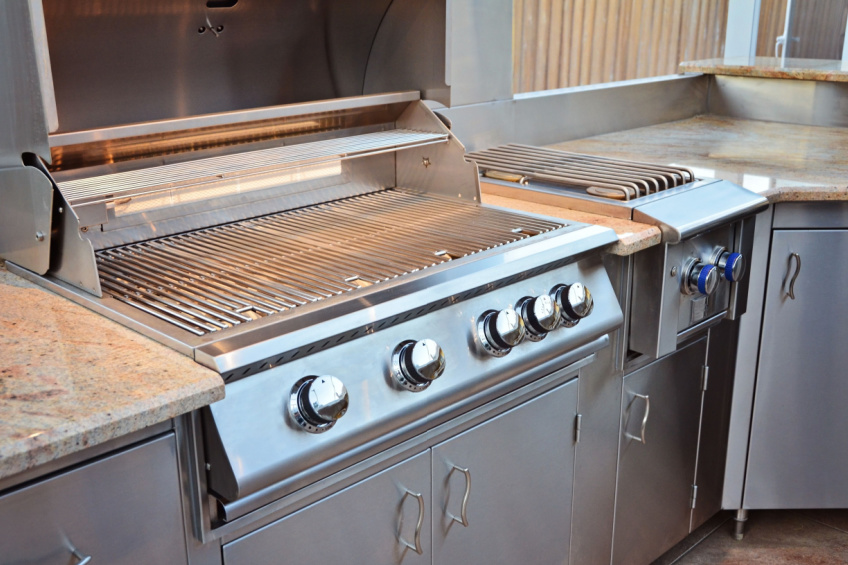 If you want a gas grill that resists rust, handles year-round weather, and keeps its finish longer, prioritize 304 stainless steel in the hood, body, burners, and cooking grates.
These models represent strong options from reputable grill manufacturers, with three freestanding gas grills and three built-in grill heads to suit different outdoor cooking setups, budgets, and stainless steel requirements.
Quick picks
| Grill | Type | Stainless steel | Best for |
|---|---|---|---|
| Weber Genesis S-315 | Freestanding | 304 stainless steel body | Dependable everyday backyard grilling |
| Napoleon Prestige 500RSIB | Freestanding | 304 stainless steel | Searing, rotisserie, and premium features |
| Coyote C-Series 30-Inch | Freestanding | Complete 304 stainless steel | Compact outdoor kitchens and patios |
| Blaze Prelude LBM 32-Inch | Built-in | Heavy-duty 304 stainless steel | Best value built-in grill head |
| Bull Outlaw 30-Inch | Built-in | 304 stainless steel construction | High-heat cooking on a budget |
| Fire Magic Aurora A540i 30-Inch | Built-in | Complete #304 stainless steel | Premium U.S.-made outdoor kitchens |
Weber Genesis S-315 — Best freestanding 304 stainless grill
The Weber Genesis S-315 is the easiest recommendation for most homeowners because it combines Weber’s reliable burner system with a full 304 stainless steel body. Features 63,000 BTU and all-304 stainless-steel construction, making it a smart long-term choice for a patio grill that will face rain, humidity, and temperature swings.
- Type: Freestanding propane or natural gas grill
- Stainless grade: 304 stainless steel body
- Why buy it: Excellent brand support, straightforward operation, and strong resale value
- Best for: Families, weeknight grilling, and buyers who want a low-maintenance premium grill
If you want a dependable freestanding grill without moving into luxury built-in pricing, the Weber Genesis S-315 is one of the best 304 stainless steel options.
Napoleon Prestige 500 RSIB — Best for searing and rotisserie
The Napoleon Prestige 500 RSIB is the upgrade pick for grillers who want more than basic burgers and chicken. It uses 304 stainless steel construction and adds an infrared side burner for high-heat searing plus a rear rotisserie burner, with Napoleon specifying 304-grade stainless throughout.
- Type: Freestanding grill
- Stainless grade: 304 stainless steel
- Cooking power: Four main burners, infrared side burner, and rear rotisserie burner
- Why buy it: Serious searing performance and premium features in a cart-style grill
- Best for: Steak lovers, rotisserie cooking, and larger backyard cookouts
For restaurant-style sear marks and weekend rotisserie chickens, the Napoleon Prestige 500 RSIB is the premium 304 stainless steel grill to shortlist.
Coyote C-Series 30-Inch Freestanding — Best compact stainless grill
The Coyote C-Series 30-inch freestanding grill is a good fit for smaller patios, townhomes, and outdoor kitchens where space matters. Coyote builds it with complete 304 stainless steel, three I-Burners, and up to 45,000 BTU of cooking power.
- Type: Freestanding grill
- Stainless grade: Complete 304 stainless steel
- Burners: Three I-Burners
- Why buy it: Compact footprint without sacrificing stainless-steel durability
- Best for: Smaller patios, apartment balconies where allowed, and simple outdoor kitchen setups
The Coyote C-Series 30-inch is proof that a smaller grill can still use full 304 stainless steel construction rather than cutting corners with 430 or 201-grade panels.
Blaze Prelude LBM 32-Inch Built-In — Best value built-in grill
For an outdoor kitchen island, the Blaze Prelude LBM 32-inch built-in grill is one of the strongest value picks. Its listing describes it as crafted entirely from heavy-duty 304 stainless steel, with 56,000 BTU, 748 square inches of cooking area, heat-zone separators, and flame-stabilizing grids.
- Type: Built-in grill head
- Stainless grade: Heavy-duty 304 stainless steel
- Cooking area: 748 square inches
- Why buy it: Large cooking surface, solid warranty coverage, and strong value for a built-in
- Best for: First-time outdoor-kitchen builders and value-focused upgrades
If you are building an outdoor kitchen on a realistic budget, the Blaze Prelude LBM gives you full 304 stainless steel construction without the premium price of luxury brands.
Bull Outlaw 30-Inch Built-In — Best budget-friendly power
The Bull Outlaw 30-inch built-in grill is a popular choice for DIY island builds because it delivers a lot of heat for the price. Amazon lists it with 60,000 BTU, four burners, 810 square inches of total cooking surface, and 304 stainless steel construction with a dual-lined hood and solid stainless grates.
- Type: Built-in grill head
- Stainless grade: 304 stainless steel construction
- Cooking power: 60,000 BTU across four burners
- Cooking area: 810 square inches including warming rack
- Why buy it: High BTU output and generous cooking space at a competitive price
- Best for: Budget outdoor kitchens, frequent grillers, and high-heat searing
The Bull Outlaw is one of the most affordable ways to get a 304 stainless steel built-in grill with enough power for serious searing.
Fire Magic Aurora A540i 30-Inch Built-In — Best premium built-in
The Fire Magic Aurora A540i is the premium choice here, especially for a high-end outdoor kitchen. Amazon describes it as complete #304 stainless steel, U.S.-made, with two stainless steel E-burners, electronic hot-surface ignition, interior halogen lights, and a 30-by-18-inch cooking surface.
- Type: Built-in grill head
- Stainless grade: Complete #304 stainless steel
- Burners: Two stainless steel E-burners
- Why buy it: Premium build quality, lighting, ignition system, and U.S. manufacturing
- Best for: Luxury outdoor kitchens and buyers who want a long-term centerpiece grill
For a high-end outdoor kitchen, the Fire Magic Aurora A540i is the 304 stainless steel built-in grill to choose when durability and finish quality matter most.
Why 304 stainless steel matters
304 stainless steel is the sweet spot for most gas grills: it offers strong corrosion resistance, good durability, and a polished appearance at a more reasonable price than 316. That is why premium brands commonly use it for hoods, bodies, burners, and grates.
By contrast, 430 stainless steel is often used on lower-cost grills or non-critical exterior panels because it costs less but offers less corrosion resistance. 201 stainless steel is even more budget-oriented and is generally less desirable for a grill exposed to rain, grease, salt air, and repeated heating cycles.
What to check before buying
- Confirm that the hood, firebox, burners, and grates use 304 stainless steel—not just the outer shell.
- Choose 304 for most climates; consider 316 only for coastal, high-salt, or extremely humid environments.
- Avoid grills that advertise “stainless steel” without specifying the grade, especially if the cart, shelves, or frame are painted steel.
- For built-in models, verify the manufacturer’s required cutout dimensions and ventilation requirements before building the island.
- Buy the fuel type you actually need: natural gas models require a plumbed gas line, while propane models use a tank.
If your goal is a grill that will still look and perform well after several seasons outdoors, choose one of these 304 stainless steel models rather than a cheaper grill built with 430 or 201 stainless steel.
FAQ:What Grade of Stainless Steel Is Best for a Gas Grill? 304 vs. 316
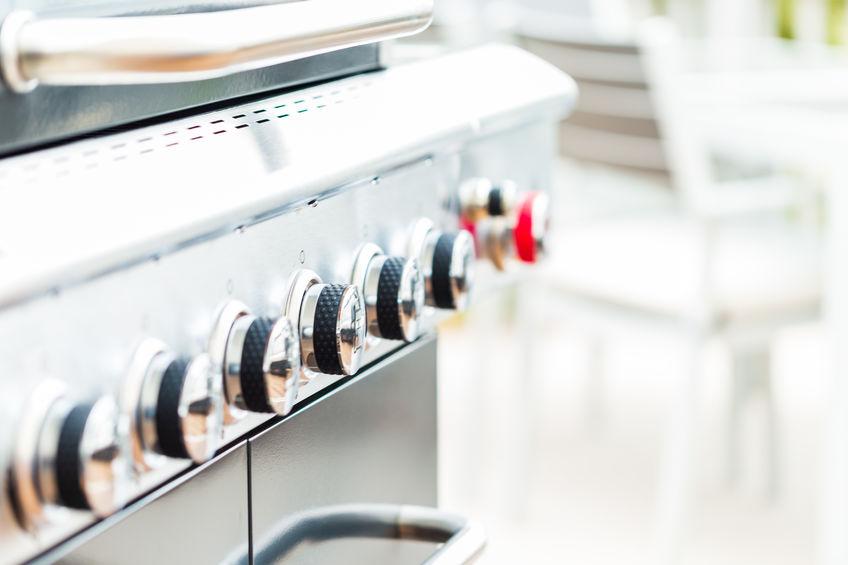 Grade 304 stainless steel is generally the best choice for gas grills because it offers an excellent balance of corrosion resistance, durability, and cost. Grade 316 provides even greater resistance to salt and chloride corrosion, making it particularly useful for grills exposed to coastal air or harsh outdoor conditions.
Is 304 Stainless Steel Good for a Gas Grill?
Yes. Grade 304 stainless steel contains chromium and nickel, which help it resist rust and corrosion. It is widely used for grill components such as cooking grates, burners, and exterior panels, although its performance depends on the component’s thickness, construction, and maintenance.
For most homeowners, a well-made 304 stainless steel grill offers long-lasting performance without the additional expense of grade 316.
Is 316 Stainless Steel Better Than 304 for Grilling?
Grade 316 contains molybdenum, which improves its resistance to chloride corrosion, including exposure to salt air. This makes it an excellent option for grills used near the sea or in other environments where salt exposure is a concern.
However, 316 stainless steel is generally more expensive, and its improved corrosion resistance does not automatically make an entire grill better. Burner design, metal thickness, weld quality, and overall construction also affect durability.
What Is the Difference Between 304 and 316 Stainless Steel?
The main difference is corrosion resistance. Both grades are austenitic stainless steels, but grade 316 contains molybdenum, which helps protect it against chloride-related corrosion.
| Feature | Grade 304 | Grade 316 |
|---|---|---|
| Rust resistance | Very good | Excellent, especially against chlorides |
| Salt-air resistance | Good with proper care | Better |
| Cost | Generally lower | Generally higher |
| Best use | Most outdoor grills | Coastal or high-salt environments |
Neither grade is completely rustproof. Both benefit from regular cleaning and protection from prolonged exposure to moisture and salt deposits.
Which Stainless Steel Grade Is Best for Grill Grates?
Grade 304 is an excellent choice for stainless steel cooking grates because it resists corrosion and withstands normal grilling conditions. Grade 316 may be worthwhile in coastal locations, particularly if the grates are frequently exposed to salty air.
Remember that thickness and construction matter as well as the steel grade. A thick, well-made grate can perform better than a thin grate made from a nominally higher-grade material.
Does 304 or 316 Stainless Steel Rust?
Both grades can rust or develop surface staining under certain conditions. Salt deposits, trapped moisture, grease, harsh cleaners, and contact with ordinary carbon steel can contribute to corrosion or discoloration.
Regularly clean your grill, remove salt and grease deposits, and allow components to dry. If you live near the coast, rinsing exposed stainless steel with fresh water and drying it can help preserve its finish.
Is 316 Stainless Steel Worth the Extra Cost?
For most grills used inland, grade 304 is usually sufficient. Grade 316 may justify the additional cost if your grill is regularly exposed to sea spray or salty coastal air.
Before buying, check which components actually use the stated grade. A grill advertised as having 304 stainless steel may use that material only for selected parts, while other components use different metals.
Key Takeaways
- Grade 304 is the best all-round choice for most gas grills.
- Grade 316 offers better resistance to salt-related corrosion and is particularly useful near the sea.
- Neither grade is completely rustproof; cleaning and maintenance still matter.
- Metal thickness, construction quality, and the specific components made from each grade also affect grill longevity.