
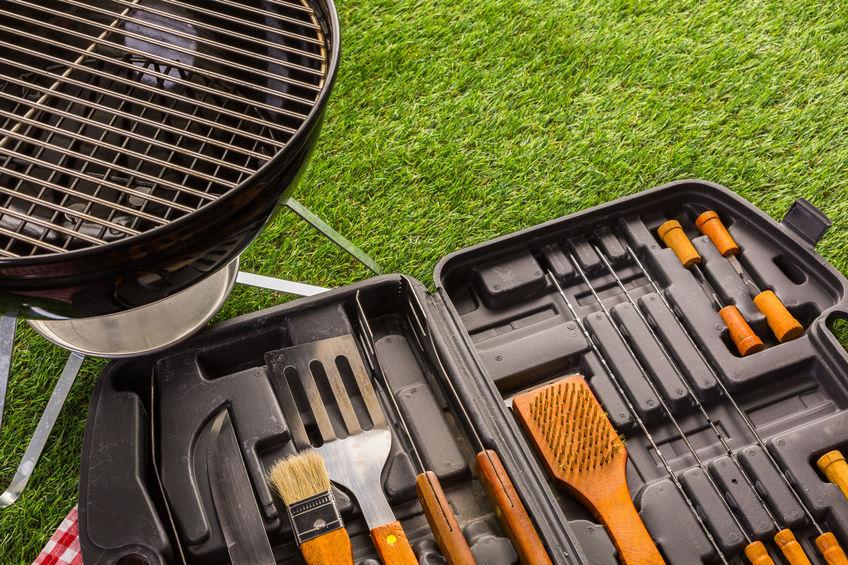
Beyond flipping, a quality grill spatula can also press, cut, or serve food straight from the grill.
Its beveled edge slides easily under food, while slotted designs let grease and juices drain away.
These features make it more than a simple utensil—it’s a versatile tool that supports consistent cooking results.
As grilling tools continue to evolve, understanding the different types, materials, and techniques behind the grill spatula helps anyone improve their outdoor cooking experience.
From mastering flipping methods to choosing the right design, every detail contributes to better performance at the grill.
Primary Uses of a Grill Spatula
A grill spatula allows cooks to handle food directly over high heat with control and precision.
Its design supports tasks such as turning, lifting, and pressing food while maintaining safety and preventing damage to delicate ingredients.
Flipping and Turning Food
The most common use of a grill spatula is flipping and turning food during cooking. Its broad, flat blade slides easily under items like burgers, fish fillets, or vegetables without tearing them apart.
A beveled edge helps loosen food that may stick to the grill grates.
Long handles keep hands away from heat, reducing the risk of burns.
Many grill spatulas feature slotted blades that allow grease or marinades to drain before flipping.
This helps prevent flare-ups and ensures even cooking.
Key benefits include:
- Maintaining food shape and texture
- Reducing sticking and tearing
- Improving control during turning
A sturdy stainless steel construction provides the strength needed for heavier foods such as steak or chicken.
The flexibility of the blade also allows for subtle adjustments when handling more delicate items.
Lifting and Removing Items from the Grill
A grill spatula also serves as a lifting tool for transferring food from the grill to a plate or tray.
Its wide surface supports larger portions, minimizing the chance of dropping or breaking food.
Some models include slightly curved edges to cradle items securely during movement.
When removing food, a thin, tapered edge helps separate it cleanly from the grate.
This is especially useful for foods like fish, which can stick easily.
Using a spatula instead of tongs reduces the risk of puncturing meat and losing juices.
Tips for effective lifting:
- Slide the spatula under the food slowly to avoid tearing.
- Support heavier items with a second utensil if needed.
- Keep the spatula level to maintain balance and prevent slipping.
This function makes the grill spatula essential for both delicate and heavy foods, ensuring a clean transfer every time.
Pressing and Flattening Foods
Some grillers use the spatula to press foods lightly against the grill surface.
This technique promotes even contact with the heat source, improving browning and searing.
For example, pressing a burger patty briefly can create a uniform crust and help it cook evenly.
However, pressing should be done carefully.
Excessive pressure can squeeze out juices, leading to dryness.
A firm but gentle press is ideal for foods like sandwiches, quesadillas, or thin cuts of meat.
Best practices include:
- Applying even pressure without crushing food
- Using short presses rather than constant force
- Avoiding pressing fatty meats to prevent flare-ups
A well-balanced grill spatula with a comfortable grip offers the control needed for this task, allowing precise handling without damaging the food’s texture.
Types of Grill Spatulas
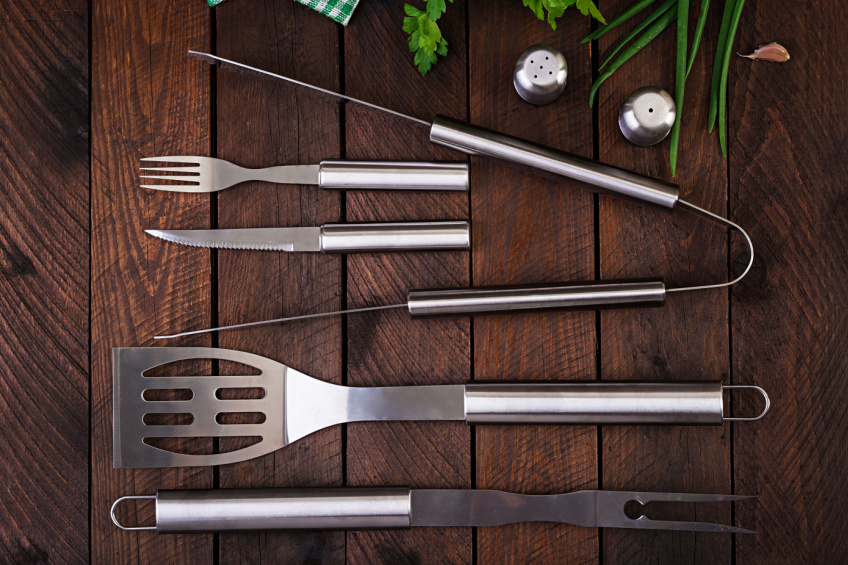
Grill spatulas vary in blade design, handle length, and added features that influence control, safety, and versatility.
Each type serves a specific purpose, from managing delicate foods to handling heavy cuts of meat over high heat.
Slotted vs. Solid Spatulas
A slotted grill spatula allows grease and liquids to drain through openings in the blade.
This design helps prevent soggy food and reduces flare-ups when cooking fatty meats.
The lighter blade also gives better control when turning fish, vegetables, or thin burger patties.
A solid spatula has a smooth, continuous surface ideal for lifting foods that need full support.
It works best for large items such as steaks or grilled sandwiches that might break apart with a slotted blade.
When choosing between them, users often consider the type of food they cook most.
For example, slotted blades suit precision tasks, while solid blades handle heavier, denser foods.
Some grillers keep both on hand for flexibility.
| Type | Best For | Key Advantage |
|---|---|---|
| Slotted | Fish, vegetables, burgers | Drains grease and liquids |
| Solid | Steaks, chicken, sandwiches | Provides full support and stability |
Long-Handled Spatulas
Long-handled spatulas protect the cook from heat and flames by keeping hands farther from the grill surface.
Handles typically range from 16 to 20 inches, offering a safe distance without sacrificing control.
These spatulas are usually made from stainless steel with a wooden or heat-resistant grip.
The extended reach is especially useful when grilling over large surfaces or open flames.
A longer handle can add weight, so balance and comfort matter.
The best designs feature a sturdy yet lightweight shaft and an ergonomic grip that prevents slipping when flipping heavier foods.
Key considerations:
- Handle length: 16–20 inches
- Material: Stainless steel with insulated grip
- Purpose: Safety and reach over high heat
Specialty Grill Spatulas
Specialty grill spatulas combine multiple tools or unique shapes for specific tasks.
Some include serrated edges for cutting, bottle openers, or built-in tongs for multitasking.
Others are designed for particular foods, such as wide blades for pizzas or perforated paddles for delicate fish.
 Combination tools like the FlipFork Boss integrate a knife edge, fork tip, and bottle opener, reducing the need for separate utensils.
These designs aim to improve efficiency during outdoor cooking.
While multifunctional spatulas add convenience, they can be heavier and harder to clean.
For frequent grillers, a dedicated specialty spatula matched to their cooking style often provides the best performance and control.
Key Features of a Grill Spatula
A well-designed grill spatula combines sturdy materials, ergonomic handling, and a blade suited for precise food movement.
Its construction determines durability and heat resistance, while the handle and blade shape affect control and efficiency during grilling.
Material Construction
The material of a grill spatula influences its strength, heat tolerance, and maintenance needs.
Stainless steel is the most common choice because it resists rust, supports heavy foods, and withstands high grill temperatures.
Some models use carbon steel for added rigidity, though it requires more care to avoid corrosion.
Lightweight aluminum spatulas appeal to users who prefer less wrist strain but may flex under heavy loads.
Silicone-tipped or nonstick-coated blades are useful when working with delicate foods or coated grill surfaces.
Many premium spatulas combine materials for improved performance.
For example, a stainless-steel blade paired with a wooden or silicone handle balances durability and comfort.
Buyers should also check for full-tang construction, meaning the metal extends through the handle for added stability and longevity.
| Material Type | Strength | Heat Resistance | Maintenance |
|---|---|---|---|
| Stainless Steel | High | Excellent | Low |
| Carbon Steel | Very High | Excellent | Moderate |
| Aluminum | Moderate | Good | Low |
| Silicone-Coated | Moderate | Good | Low |
Handle Design
A grill spatula’s handle affects comfort, grip, and safety.
The best handles stay cool to the touch and offer a non-slip surface even when greasy or wet.
Common materials include rubberized grips, hardwood, and heat-resistant plastics.
Length matters for safety.
Handles between 14 and 18 inches keep the user’s hands away from heat while maintaining control.
Shorter handles may work better for tabletop or indoor grills where space is limited.
Ergonomic shaping reduces fatigue during long cooking sessions.
A slight curve or textured grip improves leverage when lifting heavy meats.
Many spatulas also feature hanging loops or magnetic ends for convenient storage near the grill.
Blade Shape and Size
The blade determines how effectively a spatula slides under and flips food.
A beveled edge helps separate food from the grill without tearing it.
Wide blades, often 4–6 inches across, support larger items such as burgers, fish fillets, or steaks.
Thinner blades provide better precision for delicate foods like vegetables or seafood.
Some designs include perforations that allow grease and excess marinade to drain, reducing flare-ups and improving sear quality.
A slightly angled blade enhances leverage and reach across the grill surface.
For heavy-duty use, reinforced or extra-thick blades prevent bending under weight.
Selecting the right blade size and shape ensures efficient flipping, turning, and serving while maintaining food integrity.
Techniques for Using a Grill Spatula
Effective spatula use depends on grip control, surface management, and careful handling of food.
These techniques help ensure even cooking, prevent sticking, and maintain the texture and appearance of grilled items.
Proper Handling and Grip
A secure grip gives the user better control over movement and pressure.
A grill spatula should be held firmly near the handle’s base, allowing the wrist to guide the motion rather than the entire arm.
This reduces strain and improves precision when flipping or lifting food.
For heavier items like steaks or fish fillets, use both hands—one on the handle and one supporting the head of the spatula—to prevent tearing or dropping.
The angle of approach matters; sliding the edge under food at a shallow angle helps lift it cleanly without scraping the grill surface.
When working over high heat, a long-handled spatula (typically 16 inches or more) provides safe distance from flames.
Stainless steel models offer durability, while silicone-tipped versions protect delicate coatings or nonstick grates.
Avoiding Food Sticking
Food sticking to the grill is often caused by improper preheating or residue buildup.
The grill should be preheated for 10–15 minutes before placing food on it.
This helps sear the surface quickly, reducing adhesion.
A light coating of oil on both the food and spatula blade minimizes friction.
Avoid over-oiling, as excess drips can cause flare-ups.
Keeping the spatula’s edge clean between flips also prevents residue from transferring back onto the food.
| Step | Action | Purpose |
|---|---|---|
| 1 | Preheat grill | Creates nonstick surface |
| 2 | Lightly oil food | Prevents sticking |
| 3 | Clean spatula edge | Maintains smooth lift |
Using a beveled-edge spatula helps slide under food more easily, especially for items like fish or vegetables that break apart easily.
Maintaining Food Presentation
A grill spatula affects not just cooking but how food looks when served.
Smooth, steady movements preserve shape and texture.
Pressing down on items should be avoided, as it releases juices and flattens the surface.
When turning food, rotate it gently in one motion rather than flipping multiple times.
This keeps grill marks intact and prevents overhandling.
For delicate foods such as fish or vegetables, a wide spatula head provides better support and reduces breakage.
Placing cooked items on a clean plate or tray instead of the grill’s resting area prevents cross-contamination and keeps presentation neat.
Wiping the spatula between uses also ensures no burnt residue transfers to finished dishes.
Cleaning and Maintenance of Grill Spatulas
Keeping a grill spatula clean and well-maintained reduces the risk of food contamination and extends the tool’s lifespan.
Regular washing, proper drying, and correct storage prevent rust, handle wear, and bacterial buildup.
Safe Cleaning Methods
Cleaning methods depend on the spatula’s material.
Metal spatulas can usually handle hot water and mild dish soap.
Plastic or silicone spatulas require lower temperatures to avoid warping.
Avoid abrasive pads that can scratch stainless steel or remove protective coatings.
After cooking, rinse the spatula under warm water to remove grease and residue.
Wash it thoroughly with mild soap using a soft sponge.
For deeper sanitation, soak the spatula in a diluted bleach solution for about two minutes, then rinse and dry completely.
Drying is essential. Moisture left on the surface can lead to rust or handle deterioration.
Wipe the spatula with a clean towel or let it air-dry on a rack.
If the spatula has wooden handles, apply a light coat of food-safe mineral oil occasionally to prevent cracking.
| Material | Cleaning Recommendation | Notes |
|---|---|---|
| Stainless Steel | Hot water, mild soap, soft sponge | Dishwasher-safe but handwashing preserves finish |
| Plastic/Silicone | Warm water, mild soap | Avoid high heat or strong chemicals |
| Wood Handle | Handwash only | Oil periodically to prevent drying |
Storage Tips
Proper storage keeps the spatula clean and ready for use.
Store it in a dry, ventilated area to prevent moisture buildup.
Hanging the spatula on a utensil rack keeps it off surfaces and helps air circulation.
If stored in a drawer, use a utensil organizer to avoid contact with sharp tools that could damage the blade. For outdoor grilling setups, keep spatulas in a covered container or grill tool bag to protect them from dust and weather.
Inspect the handle and blade regularly for signs of wear, such as loose rivets or corrosion.
Replacing damaged parts promptly ensures safe and efficient use during grilling.
Choosing the Right Grill Spatula for Your Needs
Selecting a grill spatula depends on the type of food being cooked, the grill’s size, and the heat level it produces.
The right combination of material, shape, and handle length helps ensure both safety and precision during grilling.
Matching Spatula to Food Types
Different foods require different spatula designs.
Thin, flexible blades work best for delicate items such as fish fillets or vegetables, allowing the cook to slide under food without tearing it.
Thicker, sturdier blades handle heavier items like burgers, steaks, or chicken breasts more effectively.
A slotted spatula lets grease and juices drain away, reducing flare-ups and sogginess. For sticky or marinated foods, a solid stainless-steel spatula provides better support and easier cleanup.
Angled edges improve leverage when flipping dense foods, while rounded corners prevent scratching nonstick or porcelain grates.
| Food Type | Recommended Blade | Key Features |
|---|---|---|
| Fish, Vegetables | Thin, Flexible | Slotted, Rounded Corners |
| Burgers, Steaks | Thick, Rigid | Solid, Angled Edge |
| Sticky or Sauced Items | Solid Stainless Steel | Easy to Clean, Strong Support |
Handle design also affects control.
A rubberized or wooden grip resists heat and improves comfort, while a metal handle offers durability but may require heat-resistant gloves.
Considering Grill Size and Heat
The size and temperature of the grill influence spatula length and material choice.
Large grills benefit from longer handles—typically 16 to 18 inches—to keep hands safely away from high heat.
Compact grills or portable models work better with shorter handles for easier maneuvering.
Material matters for heat resistance.
Stainless steel remains the most durable and heat-tolerant option for high-temperature cooking.
Silicone-tipped spatulas suit moderate heat levels and protect coated surfaces.
Aluminum is lightweight but can warp under intense heat, so it’s best for lighter grilling tasks.
When grilling over open flames or charcoal, cooks should prioritize rust-resistant metals and secure handle attachments.
A well-balanced spatula reduces wrist strain and improves flipping accuracy, especially during longer grilling sessions.
Safety Tips When Using Grill Spatulas
Grilling involves high heat, so using a spatula safely protects both the cook and the food.
A few simple precautions reduce the risk of burns, contamination, and tool damage.
1. Choose the Right Material
Metal spatulas with long, heat-resistant handles work best for open grills.
Plastic or rubber spatulas can melt unless labeled as heat-safe.
Always confirm the tool’s temperature rating before use.
2. Keep Hands Protected
Heat-resistant gloves provide a secure grip and prevent burns.
Long-handled spatulas help maintain a safe distance from flames and hot surfaces.
3. Avoid Cross-Contamination
Never use the same spatula for raw and cooked food without washing it first.
This prevents bacteria such as Salmonella from spreading.
4. Maintain a Clean Cooking Area
Grease buildup can cause flare-ups.
Wipe spatula blades and handles regularly, and keep the grill surface free of debris.
5. Handle Hot Tools Safely
Place hot spatulas on a heatproof surface between uses.
Avoid leaving them resting on the grill grates where handles can overheat.
| Safety Focus | Best Practice |
|---|---|
| Heat Protection | Use gloves and long handles |
| Food Safety | Wash utensils between raw and cooked foods |
| Tool Care | Select heat-resistant materials and clean after each use |
Common Mistakes to Avoid with Grill Spatulas
Using a grill spatula effectively requires attention to both technique and maintenance.
Many grilling issues come from small oversights that reduce performance or shorten the tool’s lifespan.
1. Using the wrong material.
Plastic or rubber spatulas can melt or warp under high heat.
They should use stainless steel or heat‑resistant silicone instead, depending on the grill type and cooking temperature.
2. Applying too much pressure.
Pressing down on food with the spatula can force out juices and cause uneven cooking.
Light, controlled flips maintain texture and flavor.
3. Neglecting cleaning and care.
Food residue and grease buildup can affect hygiene and cause corrosion.
Cleaning immediately after use with warm water and mild detergent helps preserve the surface.
Avoid abrasive pads that scratch metal or silicone.
4. Ignoring handle safety.
A loose or heat‑conductive handle increases the risk of burns or accidents.
Checking that the handle is secure and made from an insulated material improves control and safety.
5. Using one spatula for all tasks.
Different foods may require different spatula sizes or edge shapes.
Using a broad, slotted spatula for burgers and a thin, flexible one for fish prevents tearing and improves results.
| Mistake | Better Practice |
|---|---|
| Using plastic on high heat | Choose stainless steel or silicone |
| Pressing food | Flip gently |
| Skipping cleaning | Wash promptly with mild soap |
| Loose handle | Inspect before grilling |
| One spatula for all | Match tool to food type |
Innovative Uses for Grill Spatulas
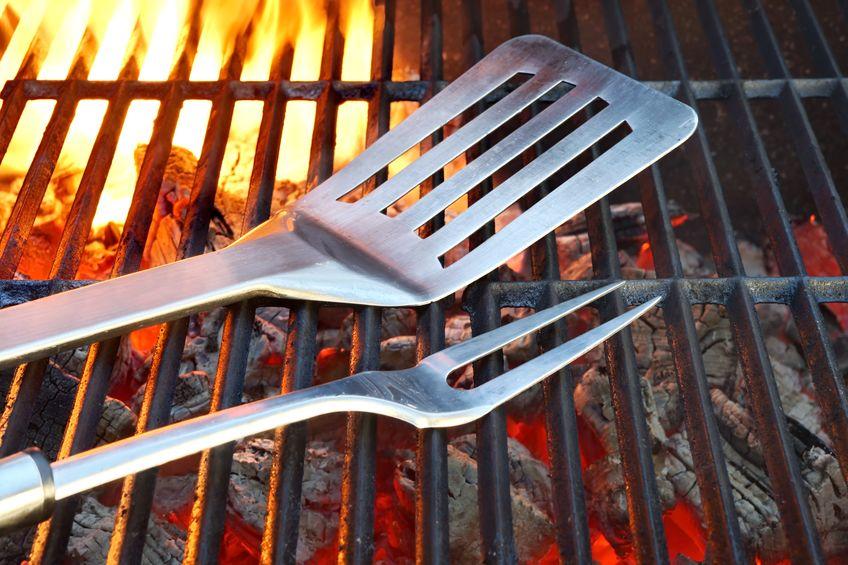
A grill spatula does more than flip burgers.
Its wide, flat blade and sturdy handle make it useful for several grilling and cooking tasks that require control and precision.
1. Pressing and Flattening:
Grillers often use the spatula to gently press foods like paninis or smash burgers, helping achieve even contact with the grill surface.
This promotes uniform browning and faster cooking.
2. Scraping and Cleaning:
The beveled edge of many grill spatulas works well for scraping off residue after cooking.
It can remove stuck-on bits from grill grates or flat-top surfaces between batches.
3. Transferring and Serving:
A long-handled spatula provides reach and leverage to lift large cuts of meat, grilled vegetables, or even pizza without tearing or breaking them.
| Task | Benefit | Recommended Spatula Type |
|---|---|---|
| Flipping delicate fish | Prevents breakage | Thin, flexible blade |
| Moving heavy steaks | Improves grip and balance | Wide, sturdy blade |
| Cleaning grill surface | Removes residue | Beveled edge design |
4. Multi-Tool Functions:
Some modern grill spatulas integrate bottle openers, cutting edges, or serrated sides.
These features allow users to slice, serve, or open beverages without switching tools.
5. Indoor Cooking Aid:
Beyond the grill, a spatula can handle stovetop duties such as turning pancakes or transferring baked goods, making it a versatile kitchen tool year-round.