
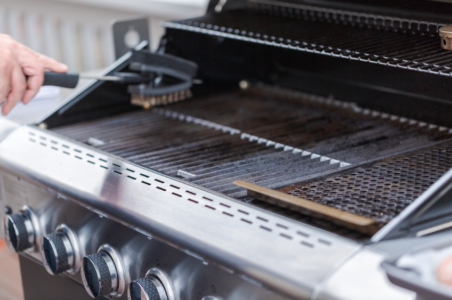
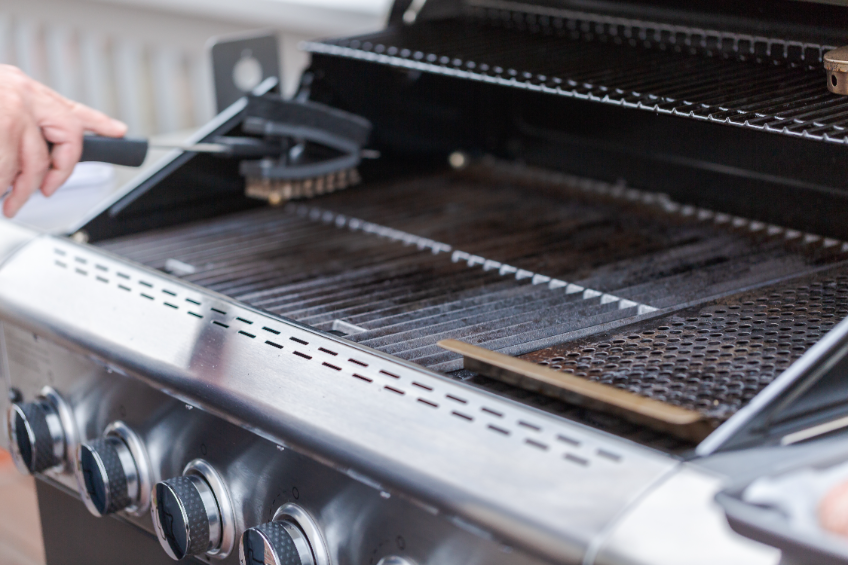
Grilling enthusiasts often overlook one of the most critical aspects of barbecue maintenance: proper grill cleaning timing.
Food residue, grease buildup, and charred debris don’t just affect flavor—they create fire hazards and reduce your grill’s lifespan.
The optimal time to brush your grill is immediately after each use while the grates are still hot, as the heat helps loosen stuck-on food particles and makes cleaning significantly easier.
This simple practice prevents stubborn buildup that requires intensive scrubbing later.
Understanding when and how to clean your grill involves more than just grabbing any brush after cooking.
Different grill types require specific approaches, and choosing the right tools can mean the difference between safe, effective cleaning and potential food contamination from loose bristles.
The timing of your cleaning routine, combined with proper technique and tool maintenance, ensures your grill delivers consistently excellent results while protecting your investment.
Why Brushing Your Grill Matters

Regular grill cleaning directly impacts food safety, cooking performance, and fire prevention.
These three factors determine whether grilling sessions produce delicious results or dangerous situations.
Hygiene and Food Safety
Bacteria multiply rapidly on dirty grill grates, especially when food residue remains between cooking sessions.
Salmonella, E. coli, and other harmful pathogens can survive on contaminated surfaces for days or weeks.
Leftover grease and food particles create breeding grounds for microorganisms.
These contaminants transfer directly to fresh food during cooking, potentially causing foodborne illness.
Cross-contamination occurs when previous cooking residues mix with new ingredients.
Raw meat juices from earlier sessions can contaminate vegetables or other foods cooked later.
Temperature alone does not eliminate all risks.
While high heat kills some bacteria, charred debris and rancid grease harbor toxins that heat cannot destroy.
Food safety experts recommend cleaning grill grates before each use to eliminate these hazards.
This practice prevents the accumulation of dangerous contaminants that threaten health.
Grill Performance and Flavor
Clean grates distribute heat evenly across cooking surfaces, ensuring consistent results.
Buildup of grease and debris creates hot spots and cool zones that cook food unevenly.
Proper heat transfer requires clean metal surfaces.
Accumulated residue acts as insulation, preventing direct contact between food and grates.
Rancid oils and burned food particles impart bitter, acrid flavors to fresh ingredients.
These off-tastes mask the natural flavors of meat, vegetables, and marinades.
Sticky surfaces cause food to tear when flipped or removed.
Clean your grill regularly to maintain the non-stick properties that create perfect grill marks.
Professional grill marks require smooth, clean surfaces.
Debris prevents proper searing and creates uneven browning patterns.
Preventing Flare-Ups and Fire Hazards
Accumulated grease ignites easily, creating dangerous flare-ups that can burn food and pose safety risks.
Grease fires spread rapidly and reach extremely high temperatures.
Fat drippings mix with old residue to form highly combustible deposits.
These materials act as fuel sources that sustain fires even after removing food from the grill.
Blocked ventilation holes trap heat and gases, increasing pressure inside the grill.
This buildup can cause dangerous malfunctions or explosive releases of superheated air.
Clean grills maintain proper airflow, allowing controlled combustion and preventing dangerous gas accumulation.
Regular brushing removes obstructions from air vents and grease management systems.
Fire prevention requires consistent maintenance.
Neglecting grill cleaning increases the likelihood of uncontrolled fires that can damage property or cause injury.
How Often Should You Brush Your Grill?

The frequency of grill cleaning depends on usage patterns and the type of maintenance needed.
Regular brushing after each session prevents buildup, while deeper cleaning addresses accumulated grease and debris.
Brushing After Every Use
Grilling enthusiasts should brush their grill grates immediately after each cooking session.
The grates remain warm enough to make food particle removal easier while being cool enough to handle safely.
A high-quality grill brush removes food debris before it hardens and becomes difficult to scrape off.
This immediate cleaning prevents bacteria growth and maintains food safety standards.
Essential steps for post-cooking cleaning:
- Wait for grates to cool but remain warm
- Brush thoroughly with stainless steel grill brush
- Scrape stubborn residue with built-in scraper
- Wipe with damp cloth to remove loosened particles
This routine takes only 5-10 minutes but dramatically extends grill life.
Users who skip this step face harder cleaning tasks later and potential food contamination risks.
Monthly and Seasonal Deep Cleans
Deep grill cleaning should occur monthly during active grilling season and twice yearly for occasional users.
These sessions address grease accumulation that regular brushing cannot remove.
Monthly deep cleans involve removing cooking grates completely.
Soak them in warm soapy water for 30 minutes before scrubbing with appropriate brushes or pads.
Deep cleaning checklist:
- Remove and clean all removable parts
- Empty grease traps and drip pans
- Clean interior surfaces with degreasing solution
- Check and clean ignition systems
- Inspect for rust or damage
Seasonal cleaning prepares grills for storage or heavy use periods.
This comprehensive maintenance prevents rust formation and ensures optimal performance when grilling season begins.
Adjusting Frequency for Grill Type and Usage
Different grill types require varying maintenance schedules based on their design and fuel source.
Gas grills need more frequent cleaning of burner tubes and heat shields compared to charcoal grills.
Heavy users who grill multiple times weekly should increase cleaning frequency accordingly.
Daily grillers benefit from thorough weekly cleanings rather than relying solely on post-cooking brushing.
Usage-based cleaning schedule:
| Grill Usage | Basic Cleaning | Deep Cleaning |
|---|---|---|
| Daily | After each use | Weekly |
| 2-3 times/week | After each use | Bi-weekly |
| Weekly | After each use | Monthly |
| Occasional | After each use | Seasonally |
Outdoor exposure also affects cleaning needs.
Grills in coastal areas require more frequent maintenance due to salt air corrosion potential.
Best Times to Brush Based on Grill Type

Different grill types require unique brushing schedules based on their fuel sources, cooking methods, and heat distribution systems.
Gas grills need attention to heat deflectors, charcoal grills require ash management, and pellet grills demand specialized cleaning approaches.
Gas Grill Maintenance Schedule
Gas grill owners should brush the grates immediately after each cooking session while they remain warm but safe to touch.
The residual heat helps loosen food particles and makes cleaning more effective.
Daily cleaning tasks include:
- Brushing grates with a stainless steel grill brush
- Wiping down cooking surfaces with a damp cloth
- Removing loose debris from the firebox
Heat deflectors require cleaning every three to four uses.
These V-shaped elements collect grease and food drippings that can affect flavor and create fire hazards.
Gas grill jets need inspection during deep cleaning sessions.
Food particles and grease can clog the small holes where flames emerge.
A thin wire or small nail clears blocked openings effectively.
The grease management system requires weekly attention for frequent users.
Empty drip pans and clean grease traps to prevent overflow and reduce fire risks.
Charcoal Grill Cleaning Times
Charcoal grill maintenance centers around ash removal and grate cleaning.
Brush grates while warm after each cooking session to prevent food buildup and maintain non-stick properties.
Post-cooking checklist:
- Brush grates when cooled but still warm
- Allow coals to burn out completely
- Remove ash once the grill reaches room temperature
Ash removal must happen after every use once the grill cools completely.
Leftover ash collects moisture and forms a cement-like substance that damages the grill bottom and becomes difficult to remove.
Empty spent coals and ash into a covered metal container.
Keep the container away from combustible materials and moisture sources.
Cast iron grates need oil application after cleaning to prevent rust formation.
Apply a thin layer of vegetable oil with a paper towel after each cleaning session.
Deep cleaning should occur monthly for regular users or at the beginning and end of grilling season.
Pellet Grill Brushing Recommendations
Pellet grills require brushing after every two to three cooking sessions due to their lower direct heat exposure.
The indirect cooking method creates less charring but still produces grease buildup.
Pellet grill cleaning schedule:
- Brush grates every 2-3 uses
- Clean heat deflector plates weekly
- Empty grease bucket after 5-6 cooking sessions
The pellet burn pot needs attention every five uses.
Remove ash buildup that can restrict airflow and affect temperature control.
Use a small brush or scraper designed for pellet grill maintenance.
Grease management requires more frequent attention than other grill types.
The lower cooking temperatures create more liquid grease that flows into collection systems.
Temperature probe cleaning should happen before each use.
Food residue on probes affects accuracy and can damage sensitive electronics.
Pellet hopper cleaning occurs monthly or when switching pellet flavors.
Remove leftover pellets and wipe down interior surfaces to prevent flavor contamination and pest issues.
Tools and Supplies for Effective Grill Brushing
 The right tools make grill cleaning safer and more effective.
Wire brush alternatives prevent health hazards, while scrapers and basic cleaning supplies ensure thorough maintenance.
Selecting the Right Grill Brush
Traditional wire brushes pose serious safety risks when bristles detach and contaminate food.
Metal bristles can break off during cleaning and remain on grill grates.
Safer alternatives include:
- Bristle-free brushes with metal coils
- Wooden grill scrapers
- Nylon bristle brushes for porcelain grates
- Pumice stone cleaners
 One good option is the Bristle Free Grill Brush and Scraper from GrillArt, which effectively removes even the toughest food particles.
Stainless steel grates work best with metal coil brushes or scrapers.
Cast iron grates require gentler nylon bristles to prevent damage to seasoning.
Porcelain-coated grates need soft bristles to avoid chipping the coating.
Replace any brush showing wear or damage immediately.
Using a Grill Scraper Safely
Grill scrapers remove stubborn residue without leaving dangerous debris.
They work particularly well on flat-top grills and heavily soiled grates.
Hold the scraper at a 45-degree angle to the grate surface.
Apply firm, consistent pressure while moving in long strokes across the grates.
Key safety practices:
- Let grates cool completely before scraping
- Work away from the body to prevent injury
- Clean scraper blade regularly during use
A great choice, the Grillart Bristle-Free Grill Brush and Scraper makes cleaning grease effortless, without the danger of stray metal bristles.
Its 18-inch stainless steel handle and versatile design work flawlessly on porcelain, Weber gas, and charcoal grills—making it a must-have for any grill wizard..
Wooden scrapers conform to grate patterns over time, making them more effective with repeated use.
Metal scrapers handle tougher buildup but require more caution.
Essential Cleaning Aids: Rag and Dish Soap
A clean rag and mild dish soap complete the grill cleaning process.
These basic supplies remove grease and sanitize surfaces effectively.
Dampen the rag with warm soapy water for initial cleaning.
Use a separate dry rag for final polishing and residue removal.
Cleaning sequence:
- Scrub with soapy rag
- Rinse with clean water
- Dry thoroughly with clean rag
Paper towels work as disposable alternatives but cloth rags provide better durability.
Choose lint-free materials to avoid leaving residue on grill surfaces.
Replace rags frequently during heavy cleaning sessions.
Grease-soaked rags become fire hazards near hot grills.
Step-by-Step Grill Brushing Techniques
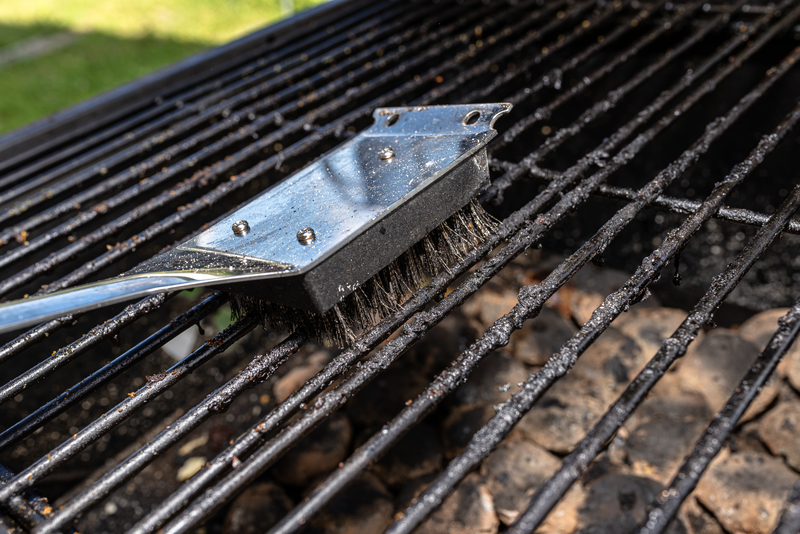
Effective grill brushing requires proper timing and technique to achieve optimal cleaning results.
The method varies depending on whether the grill is hot or cold, and stubborn buildup demands specific approaches.
How to Brush While the Grill Is Hot
Hot grill cleaning is the most effective method for removing fresh food residue and grease.
The heat softens stuck-on particles, making them easier to remove with minimal effort.
Heat the grill to medium-high temperature for 10-15 minutes before brushing.
This temperature range provides enough heat to loosen debris without creating safety hazards.
Use a long-handled grill brush with sturdy bristles or a bristle-free scraper.
Keep hands and face away from the hot grates to prevent burns from steam and heat.
Brushing technique:
- Hold the brush at a 45-degree angle to the grates
- Apply firm, consistent pressure while moving in long strokes
- Work parallel to the grill bars, not against them
- Complete 2-3 passes over each section
Turn off the gas or close air vents on charcoal grills before brushing.
Allow the grill to cool for 5-10 minutes after turning off heat sources for safer handling.
Brushing Before and After Grilling
Pre-grilling cleaning removes old residue and prepares a sanitary cooking surface.
Post-grilling cleaning prevents buildup from hardening between cooking sessions.
Before grilling process:
- Preheat grill for 10 minutes
- Brush grates thoroughly with a grill brush
- Wipe grates with a damp cloth if needed
- Apply light oil coating to prevent sticking
After grilling process:
- Remove food from grill immediately
- Brush grates while still warm
- Scrape away visible food particles
- Clean drip pans and grease traps
Post-cooking cleaning is more effective when done immediately after use.
Waiting allows grease and food particles to cool and harden, requiring more aggressive cleaning methods later.
Check the grill brush for loose bristles before each use.
Replace brushes showing signs of wear to prevent metal fragments from contaminating food.
Removing Stubborn Buildup
Heavy grease and carbonized food require specialized cleaning approaches beyond standard brushing techniques.
These deposits form when grills aren’t cleaned regularly after use.
Soaking method for removable grates:
- Remove grates from cooled grill
- Soak in warm soapy water for 30 minutes
- Scrub with grill brush or steel wool
- Rinse thoroughly and dry completely
On-grill deep cleaning:
- Heat grill to high temperature
- Turn off heat and let cool for 10 minutes
- Apply grill cleaning spray to problem areas
- Use a grill scraper for thick buildup
- Follow with thorough brushing
For extremely stubborn deposits, create a paste using baking soda and water.
Apply the paste to affected areas and let sit for 15 minutes before scrubbing with a grill brush.
Steam cleaning works effectively on tough buildup.
Place a pan of water on the grill, heat until steaming, then brush the softened residue away.
Replace grill brushes frequently when dealing with heavy buildup, as the cleaning process dulls bristles quickly.
Maintaining Your Grill Tools

Proper care of your grill cleaning equipment extends their lifespan and ensures safe, effective cleaning.
Regular maintenance prevents bacteria buildup and reduces the risk of loose bristles contaminating food.
Cleaning Your Grill Brush
Clean your grill brush after every use to prevent bacteria growth and maintain effectiveness.
Tap the brush against a hard surface to remove loose debris and food particles.
For wire bristle brushes, soak in hot soapy water for 10-15 minutes.
Scrub with a second brush or sponge to remove grease and grime, then rinse thoroughly with water.
Nylon bristle brushes require gentler care.
Ensure the brush has cooled completely before cleaning to prevent bristle melting.
Wipe with warm soapy water using a soft sponge.
Perform monthly deep cleaning using equal parts vinegar and water.
Soak wire brushes for one hour to break down tough grease buildup.
Always inspect for loose or broken bristles during cleaning.
Remove any damaged bristles immediately to prevent them from falling onto the grill surface.
Knowing When to Replace Brushes and Scrapers
Replace your grill brush when bristles become loose, bent, or missing.
Loose bristles pose serious safety risks if they stick to grill grates and transfer to food.
Check for rust or corrosion on metal components.
Rusty brushes can transfer harmful particles to your grill and contaminate food surfaces.
Grill scraper edges become dull with use and lose effectiveness.
Replace scrapers when they no longer remove stuck-on food efficiently.
| Usage Frequency | Replacement Timeline |
|---|---|
| Weekly grilling | Every 3-4 months |
| Monthly grilling | Every 6-12 months |
| Occasional use | Every 1-2 years |
Handle damage creates safety hazards during use.
Cracks or breaks in handles make brushes difficult to control and potentially dangerous.
Proper Storage of Cleaning Supplies
Store grill brushes in dry locations to prevent rust and bacteria growth.
Moisture promotes corrosion on metal bristles and creates breeding grounds for harmful microorganisms.
Hang brushes with bristles facing down to allow proper air circulation.
This position prevents water from pooling in bristles and accelerates drying.
Keep brushes away from extreme temperatures that can damage materials.
High heat warps plastic handles while freezing temperatures make bristles brittle.
Store cleaning supplies in covered areas to protect from weather exposure.
Rain and humidity accelerate deterioration of both metal and synthetic materials.
Separate grill cleaning tools from other cleaning supplies to prevent cross-contamination.
Dedicated storage containers or hooks maintain organization and cleanliness.