
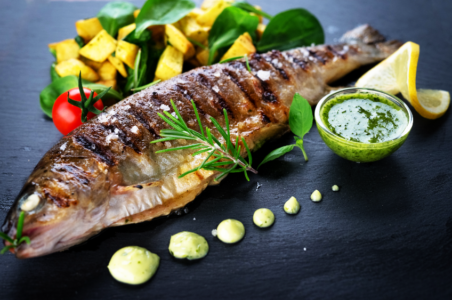
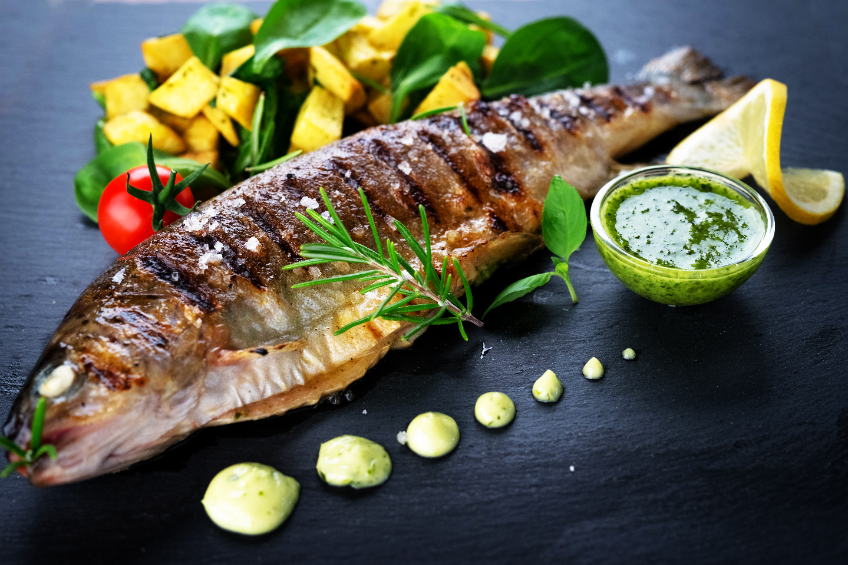
Grilling fish can feel intimidating because of its delicate texture, but it doesn’t have to be.
Many people wonder if fish can go directly on the grill without foil or a basket.
Yes, fish can be placed directly on clean, well-prepared grill grates when the right techniques are used.
This approach creates a simple, flavorful result with a lightly charred surface and tender interior.
Success depends on choosing the right type of fish, preparing it properly, and maintaining a clean, hot grill.
With a few careful steps, anyone can achieve consistent results that highlight the natural flavor of the fish.
The process involves more than just placing fillets on the grates.
Preparation, safety, and technique all play key roles in preventing sticking and breakage.
By understanding these details, grilling fish directly on the surface becomes a reliable and rewarding option.
Can I Put Fish Directly on the Grill Surface?
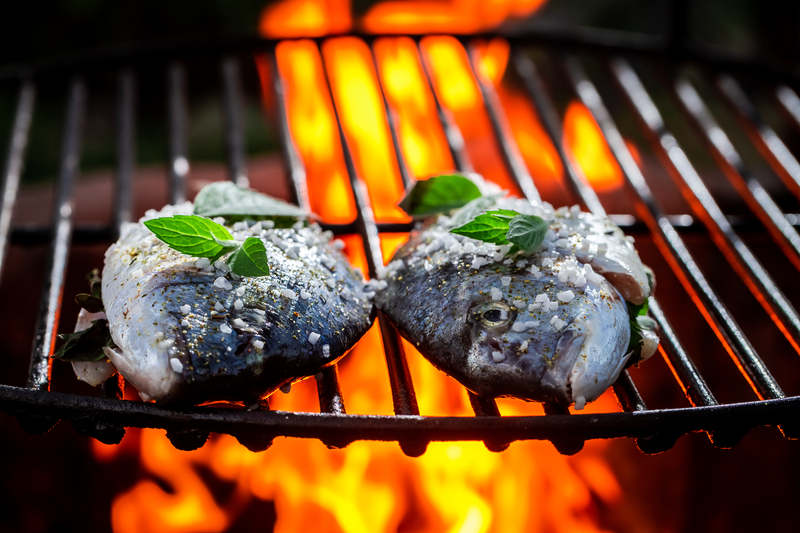
Cooking fish directly on grill grates is possible when the right techniques are used.
Success depends on preparation, fish selection, and careful handling during the grilling process.
Grilling Fish Without a Basket or Foil
Placing fish directly on the grill requires a clean and well-oiled surface.
Residue or debris on the grates increases the risk of sticking and tearing delicate fillets.
Brushing the grates with oil before cooking helps create a nonstick layer.
Fish should be patted dry and lightly coated with oil to prevent sticking.
Seasoning can be applied before grilling, but marinades with high sugar content should be avoided because they burn quickly.
![MIU Fish Spatula Stainless Steel, Flexible, Polished Metal, Corrosion Resistant, Kitchen Slotted Turner [Upgraded Version]](https://m.media-amazon.com/images/I/31Qq7okqLmL._SL160_.jpg "MIU Fish Spatula Stainless Steel, Flexible, Polished Metal, Corrosion Resistant, Kitchen Slotted Turner [Upgraded Version]") A firm spatula is essential for turning fish without breaking it apart.
A firm spatula is essential for turning fish without breaking it apart.
Thicker fillets or skin-on cuts are easier to flip than thin, delicate pieces.
Direct grilling works best with medium heat, which allows the fish to cook through without burning the outside.
Types of Fish Best Suited for Direct Grilling
Not all fish hold up well on open grates.
Firm, meaty varieties are the most reliable choices for direct grilling.
Examples include:
- Salmon (especially skin-on fillets)
- Tuna steaks
- Swordfish
- Halibut
- Mahi-mahi
These types resist flaking and maintain their shape during cooking.
Thin or delicate fish like sole or flounder are more likely to fall apart and are better suited for foil packets or grill baskets.
Skin-on cuts provide a natural barrier against sticking.
The skin crisps during cooking and helps keep the flesh intact.
Choosing uniform portions also ensures even cooking across the grill surface.
Benefits of Grilling Fish Directly
Direct grilling gives fish a distinct flavor and texture that other methods cannot replicate.
Contact with the hot grates creates light charring and grill marks that add depth to the taste.
Cooking without foil or a basket also reduces steaming.
This allows moisture to escape, producing a firmer texture and a smoky aroma from the grill.
Another advantage is simplicity.
Fewer accessories are needed, and cleanup is easier when fish is cooked directly on the grates.
For those who enjoy traditional grilling, this method provides a straightforward way to prepare fish with minimal equipment.
Preparing Fish for Direct Grilling
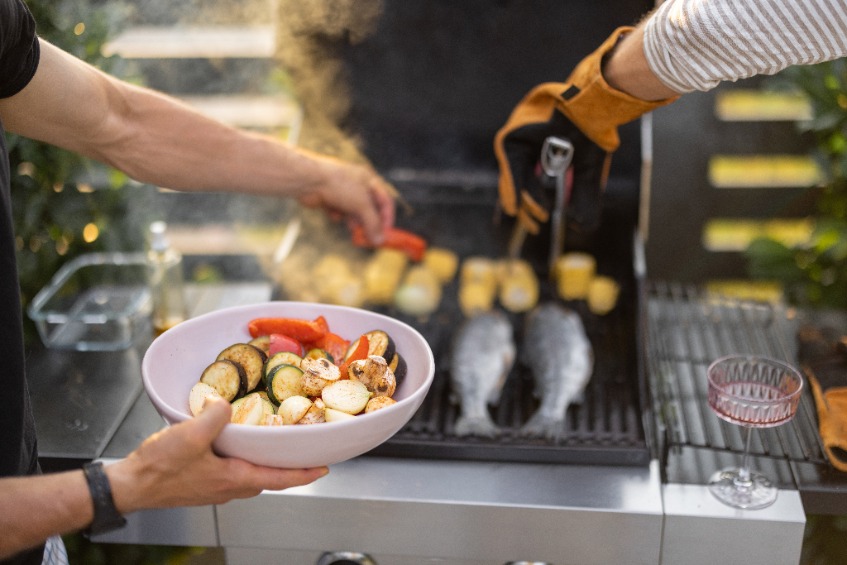
Direct grilling requires attention to the type of fish, how it is seasoned, and how it is prepared before hitting the grate.
Firm texture, balanced flavoring, and proper surface treatment all play a role in preventing sticking and ensuring even cooking.
Choosing the Right Fish Cuts
Not all fish hold up well over open grates.
Firm, meaty varieties such as salmon, tuna, swordfish, and halibut work best because they resist breaking apart.
Flaky fish like sole or tilapia are more delicate and often fall apart without support from foil or a basket.
Thicker fillets or steaks are easier to manage than thin cuts.
A piece at least one inch thick provides more stability and cooks more evenly.
Whole fish can also be grilled directly if properly cleaned and scaled.
When selecting fish, freshness matters.
Look for moist flesh, a clean scent, and skin that is intact if left on.
Skin-on cuts add extra protection against sticking and help hold the fish together during cooking.
Marinating and Seasoning Techniques
Marinades can add flavor and help retain moisture, but they should be balanced.
Acidic ingredients like lemon juice or vinegar tenderize but can break down flesh if left too long.
A short soak of 15–30 minutes is usually enough.
Dry rubs and spice blends are another option.
They create a flavorful crust without adding extra moisture that might encourage sticking.
Salt, pepper, paprika, and herbs are common choices that enhance natural taste without masking it.
When using marinades, pat the fish lightly before grilling to remove excess liquid.
This prevents flare-ups and allows the surface to sear properly.
If using oil-based marinades, avoid heavy coatings that may drip and cause uneven cooking.
Drying and Oiling the Fish
Moisture on the surface is one of the main reasons fish sticks to the grill.
Patting the fish dry with paper towels before cooking helps create a better sear.
This step is especially important for skinless cuts.
Lightly brushing the fish with oil adds a protective layer.
Neutral oils with high smoke points, such as canola or grapeseed, work well.
Olive oil is also suitable if applied sparingly.
Oiling both the fish and the grill grate reduces sticking even further.
A thin coat is enough—too much oil can burn and leave an unpleasant taste.
Consistent preparation ensures the fish releases cleanly when flipped.
Grill Preparation and Safety
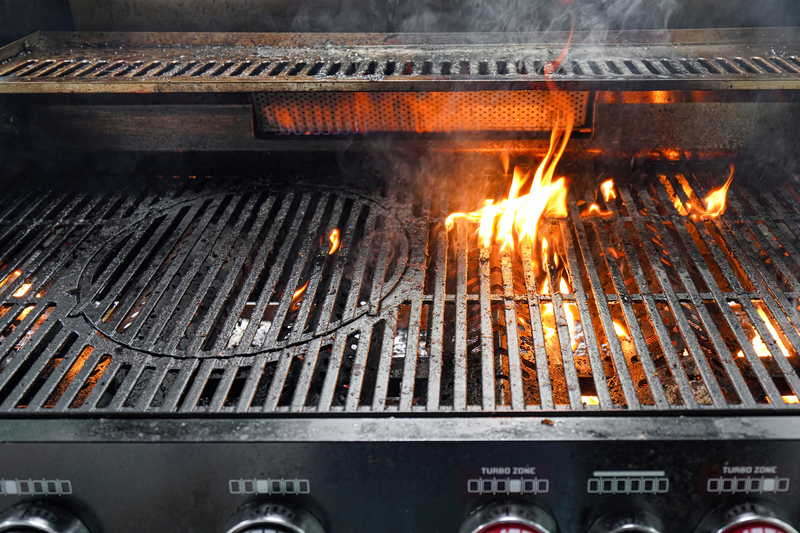
A clean, hot grill reduces the chance of sticking and helps fish cook evenly.
Proper oiling, temperature control, and safe handling practices also lower the risk of flare-ups and food contamination.
Cleaning and Preheating the Grill
Fish cooks best on grates that are free of old residue.
Leftover grease or burnt particles can cause sticking, off-flavors, and even flare-ups.
Scraping the grates with a grill brush before each use keeps the surface smooth and ready for cooking.
Preheating is equally important.
Heating the grill for 10–15 minutes burns off lingering debris and sterilizes the surface.
A hot grate also helps sear the fish quickly, creating a firmer surface that is less likely to tear.
For gas grills, check propane connections for leaks before lighting.
On charcoal grills, wait until coals ash over to provide steady, even heat.
Both steps improve safety and cooking consistency.
Preventing Fish from Sticking
Fish flesh is delicate and breaks apart easily on bare grates.
To reduce sticking, lightly oil the fish itself rather than just the grill.
A thin coating of high smoke point oil, such as canola or grapeseed, provides a protective barrier.
Brushing oil directly on the fish just before grilling is most effective.
If applied too early, the oil can oxidize or soften the surface.
Patting the fish dry with paper towels before seasoning also improves results by reducing surface moisture.
Another useful method is to place the fish at a slight angle across the grates.
This minimizes contact points and makes flipping easier.
Using a wide, thin spatula helps lift the fish without tearing.
Managing Grill Temperature
Cooking fish requires controlled heat.
Too high a temperature can burn the outside while leaving the inside undercooked, while too low a temperature can cause sticking and uneven cooking.
For most fillets, medium to medium-high heat (around 375–425°F / 190–220°C) works best.
Thicker cuts like salmon steaks can handle slightly higher heat, while thinner fillets benefit from gentler cooking.
Maintaining consistent heat is important.
On gas grills, adjust burners as needed to avoid flare-ups.
On charcoal grills, spread coals evenly and close the lid to stabilize temperature.
Monitoring with a grill thermometer ensures accuracy.
Direct Grilling Techniques for Fish
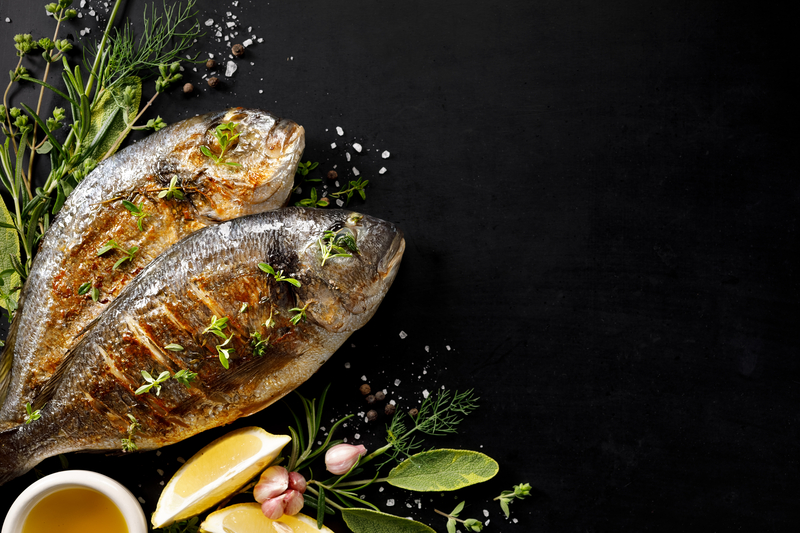
Cooking fish directly on the grill requires attention to heat, timing, and handling.
Success depends on keeping the fish intact, preventing sticking, and knowing the right moment to remove it from the grates.
Timing and Turning Fish on the Grill
Fish cooks quickly, so monitoring time is essential.
Most fillets and steaks take 3–5 minutes per side over medium-high heat, though thicker cuts may need a little longer.
Whole fish often requires indirect heat after searing to ensure the inside cooks without burning the exterior.
Turning should be limited to once.
Frequent flipping increases the chance of the fish breaking apart.
The best approach is to wait until the surface naturally releases from the grill before attempting to move it.
A simple guideline is to allow 8–10 minutes of cooking per inch of thickness.
This helps avoid undercooking thin fillets or overcooking denser cuts like swordfish.
Using Grill Tools Effectively
The right tools make handling fish easier and reduce the risk of tearing.
 A thin spatula designed for grilling works best for sliding under delicate fillets.
Tongs are less effective for softer fish but can help with firm steaks or whole fish.
Lightly oiling both the grill grates and the fish surface minimizes sticking.
A folded paper towel dipped in oil and held with tongs can be rubbed across hot grates before cooking.
Some cooks prefer a double-wire fish basket for added stability, but direct contact with the grates usually gives better searing and flavor.
The choice depends on the type of fish and the cook’s comfort level.
Identifying When Fish Is Done
Fish is done when it reaches an internal temperature of 145°F (63°C), but visual and textural cues are just as useful.
The flesh should turn opaque and separate easily into flakes with gentle pressure from a fork.
Another reliable sign is how the fish feels when pressed.
Properly cooked fish springs back slightly, while undercooked fish feels soft and overcooked fish feels firm and dry.
For whole fish, the eyes should turn white and the flesh near the backbone should be opaque.
Using both temperature and appearance helps ensure consistent results.
A Cast Iron Grill Upgrade to Directly Grill Fish

Cast iron will last for generations, so if you buy a grill/griddle surface made from this material, you’ll never have to replace it.
Lodge is one of the most trusted names in cast iron cookware.


It can be placed directly on the cooking grids.
This is a great option for cooking a variety of different fish with the skin on or off.
The lined griddle surface is great for preventing sticking and allowing excess oil to drip away from your ingredients.
Best of all, you can use this for other ingredients like any kind of meat, vegetables, or even eggs made on your grill.
Common Challenges and Solutions
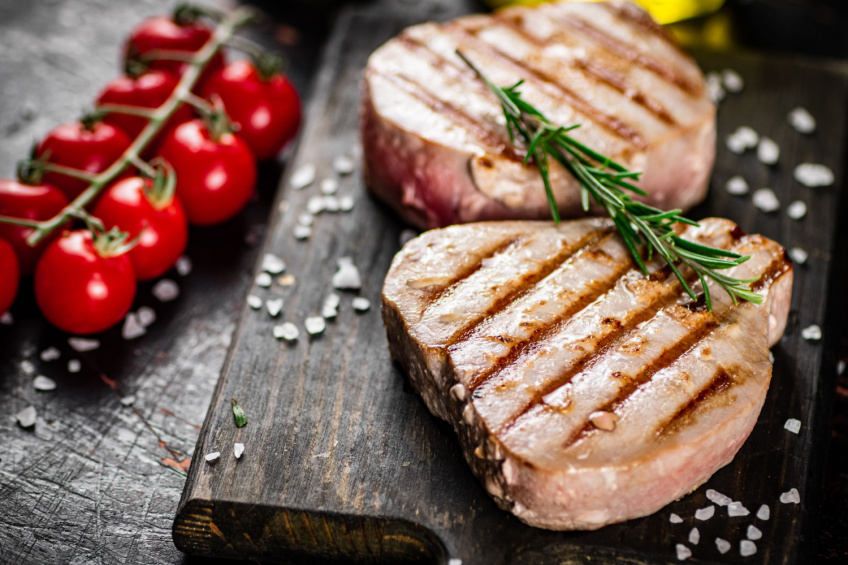
Cooking fish directly on grill grates often leads to sticking, uneven cooking, and fragile fillets breaking apart.
Heat control, preparation techniques, and fish selection play the most important roles in preventing these problems.
Avoiding Fish Breakage
Fish flesh is tender, and without proper handling, it can stick and tear when flipped.
To reduce this risk, cooks should start with a very clean grill grate and preheat it thoroughly.
High heat helps sear the surface quickly, creating a light crust that makes the fish easier to turn.
Applying a thin coat of oil directly on the fish instead of heavily oiling the grates works better.
This creates a barrier that reduces sticking and helps maintain moisture.
Using a wide, thin metal spatula also supports the fillet fully during flipping.
Firm fish like salmon, tuna, and swordfish hold together better than delicate varieties.
Choosing these types for direct grilling minimizes breakage while still delivering a good sear and smoky flavor.
Dealing with Flare-Ups
Oil, fish skin, and marinades dripping onto hot coals or burners can trigger flare-ups.
These sudden bursts of flame may scorch the outside of the fish while leaving the inside undercooked.
Keeping the grill lid open briefly when placing the fish can help monitor flames early.
To control flare-ups, cooks can trim excess skin or fat and avoid overly oily marinades.
A light brushing of oil is usually enough for nonstick protection without creating excess drips.
Setting up a two-zone fire—one side hot and the other cooler—gives a safe area to move the fish if flames rise.
This method provides flexibility and prevents burning while still allowing for proper searing.
Handling Thin or Delicate Fish
Thin fillets such as flounder, tilapia, or sole are more likely to fall apart.
These types benefit from using indirect heat or placing them on a preheated grill-safe surface like a cast iron griddle.
This approach still gives them the smoky flavor but reduces direct contact with the grates.
Another option is to use a hinged grill basket for delicate fish.
While this adds equipment, it makes flipping easier and prevents the fish from slipping through the grates.
If cooking directly, keeping the fillets skin-on provides natural support.
The skin crisps up, helps hold the flesh together, and makes removal from the grill much easier.
Alternative Grilling Methods
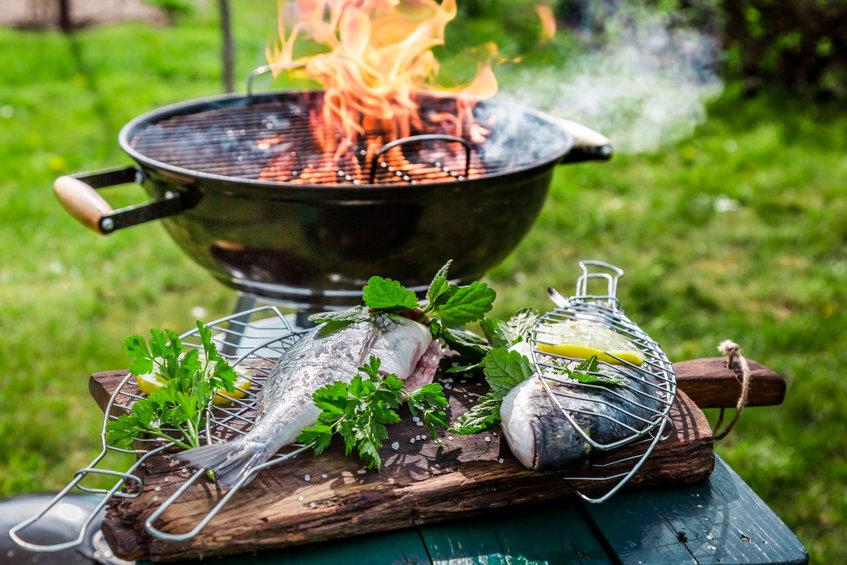
Different tools and techniques can make grilling fish easier and more consistent.
They help prevent sticking, reduce the risk of overcooking, and keep delicate fillets intact during cooking.
Using Grill Baskets or Mats
A grill basket holds fish securely, making it easier to flip without breaking apart.
This is especially useful for thinner fillets such as tilapia or sole.
The basket also allows heat and smoke to circulate, so the fish still develops a grilled flavor.
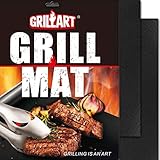 Non-stick grill mats offer another option.
These mats create a flat surface that prevents sticking and stops small pieces from falling through the grates.
They work well for marinated fish or recipes with added sauces that might otherwise drip and cause flare-ups.
Both baskets and mats simplify cleanup. Instead of scrubbing the grates directly, the cook only needs to wash the accessory.
They also allow grilling multiple pieces at once with less handling, which helps maintain even cooking.
Grilling Fish in Foil Packets
Foil packets trap steam and moisture, which helps keep fish tender.
This method works well for lean fish like cod or haddock that can dry out quickly on open grates.
Adding vegetables, herbs, or citrus slices inside the packet infuses extra flavor during cooking.
Foil also prevents sticking and eliminates the need to flip the fish.
The packet can be placed directly on the grill over medium heat, and the fish cooks evenly without direct contact with the grates.
Another advantage is portion control.
Each packet can hold a single serving, making it convenient for serving guests.
Cleanup is minimal since the foil contains juices and seasonings, leaving the grill surface clean.
Serving and Presentation Tips
Grilled fish benefits from careful handling after cooking and thoughtful presentation at the table.
Attention to resting time and plating choices ensures the fish keeps its texture, flavor, and visual appeal.
Resting Grilled Fish
Allowing grilled fish to rest briefly before serving helps retain moisture and prevents it from breaking apart.
A rest of 3–5 minutes gives the juices time to redistribute without cooling the fish too much.
Place the fish on a warm plate or tray covered loosely with foil.
This keeps the temperature stable while avoiding steam buildup, which can soften the crisp skin.
For whole fish, resting also makes it easier to separate the flesh from the bones cleanly.
Fillets benefit from the same pause, especially when grilled with the skin on, since the skin remains crisp while the flesh settles.
Resting also helps when serving multiple portions at once.
By finishing the fish slightly before the rest of the meal, the cook can plate dishes together without rushing or sacrificing quality.
Plating for Maximum Appeal
Presentation matters because fish is delicate and can lose its shape if handled carelessly.
Using a wide spatula or fish turner helps transfer the fish intact onto the plate.
Arrange grilled fish with simple accompaniments that highlight its texture.
For example:
- Whole fish: serve with lemon wedges and fresh herbs along the side.
- Fillets: place skin-side up to showcase crispness.
- Steaks (like tuna or swordfish): cut into neat portions before plating.
Contrast in color and texture improves the look of the dish.
Bright vegetables, grains, or a small salad balance the neutral tones of the fish.
A drizzle of olive oil or a light sauce added after plating keeps the skin crisp while enhancing flavor.
Cleaning Up After Grilling Fish
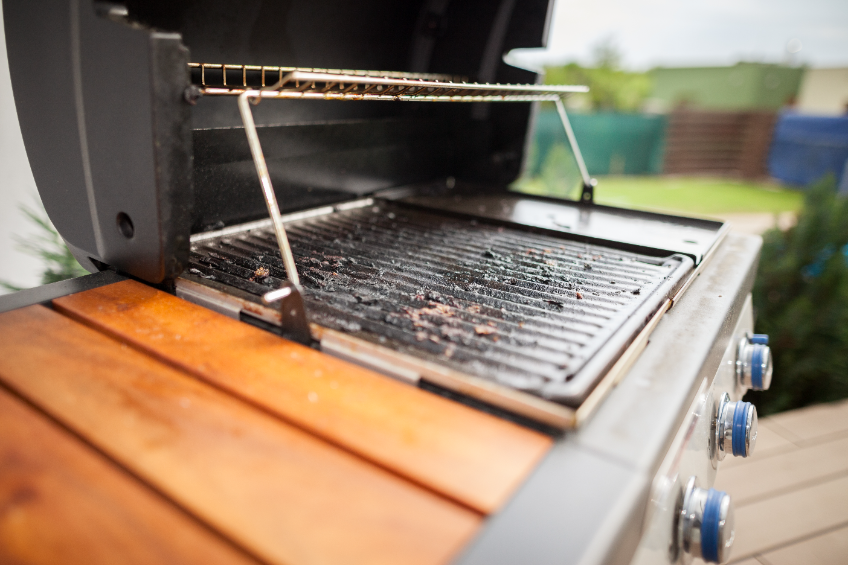
Cleaning the grill after cooking fish prevents lingering odors and keeps the grates in good condition.
Fish tends to leave behind oils and small flakes that can stick if not addressed promptly.
It helps to start cleaning while the grill is still warm.
Heat loosens residue, making it easier to remove with a grill brush.
A stainless steel or brass-bristle brush works well for most grates.
Applying a light coat of oil after brushing can help protect the surface and reduce sticking during the next use.
Vegetable or canola oil is often recommended because it tolerates high heat.
For stubborn residue, a damp cloth or paper towel dipped in warm, soapy water can be used once the grates have cooled slightly.
Rinsing and drying thoroughly prevents rust.
Quick cleanup checklist:
- Brush warm grates immediately after cooking
- Wipe with a damp cloth if needed
- Dry completely to avoid corrosion
- Lightly oil the grates before storing
A simple comparison of cleaning tools:
| Tool | Best Use | Notes |
|---|---|---|
| Grill brush | Removing stuck-on bits | Use while grates are hot |
| Cloth or sponge | Wiping down after brushing | Apply warm, soapy water if needed |
| Paper towel + oil | Protecting grates from sticking | Use a thin, even layer |
Regular maintenance keeps the grill ready for the next meal and extends its lifespan.
Make the Best Fish on Your Grill
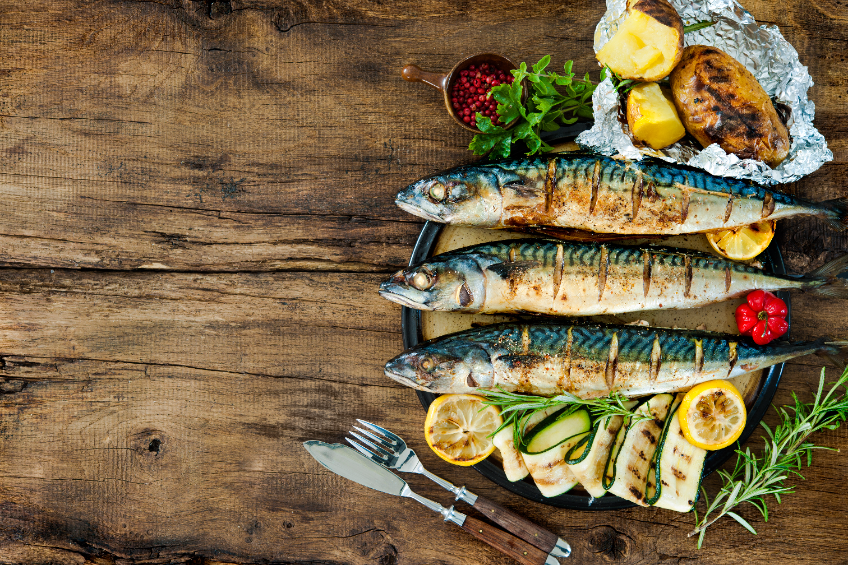 Can you put fish directly on the grill surface?
Absolutely!
With the right tools—like a well-oiled grate, a fish basket, or a grill mat—you can cook fish directly on the grill and achieve that perfect smoky flavor.
These accessories help prevent sticking, keep delicate fillets intact, and make cleanup a breeze.
With the right accessories, you’ll enjoy perfectly grilled fish with minimal mess and cleanup.