


Summer is over, and your grill grates are covered in grease and burnt food. You might be tempted to grab the oven cleaner sitting under your sink.
You should not use oven cleaner on a gas grill because its strong chemicals can damage metal parts, melt plastic or rubber components, and leave residue that is unsafe for cooking.
Oven cleaners contain sodium hydroxide and other harsh ingredients that work well on enclosed ovens but can corrode grill surfaces and harm your health when used on a gas grill.
If you have ever wondered whether oven cleaner is a safe shortcut for gas grill cleaning, this article explains the risks. When cleaning gas grill surfaces, choosing the right method is essential.
Safer household alternatives like vinegar and baking soda break down residue without hazardous side effects. This guide also shows you effective ways to maintain a clean grill.
The Short Answer: Why Oven Cleaner Is Not Recommended
 You should not use oven cleaner on a gas grill or barbecue grill. These products are formulated for a closed metal oven, not for surfaces that touch food or components exposed to outdoor weather.
How Caustic Oven Cleaner Formulas Work
Oven cleaner uses strong chemicals, usually lye, sodium hydroxide, or potassium hydroxide, to break down grease.
Both sodium hydroxide and potassium hydroxide are highly alkaline compounds designed to dissolve baked fat. When applied outside their intended setting, these chemical cleaners attack soft metals and grill coatings.
This works well inside an oven because the appliance is enclosed and can be heated empty after cleaning, which helps remove some leftover residue.
A grill does not work the same way. Using oven cleaner on gas grill grates or frames exposes delicate parts to harsh caustic chemicals that damage knobs and painted surfaces.
Cast iron grates can lose their seasoning and start to rust. Stainless steel can pit or discolor. Porcelain coatings can crack or chip.
You also risk leaving chemical residue on the grates. Even after rinsing, some cleaner can remain in tiny grooves, and that residue can mix with your food the next time you cook, as Fire&Metal notes about lasting damage from oven cleaner.
When Manufacturer Instructions Take Priority
Every gas grill comes with a manual from the manufacturer, and that manual should guide your cleaning choices. Many manufacturers warn against harsh chemical cleaners because they can damage the grill and may void its warranty.
If a part fails after you use oven cleaner on your gas grill, the company may refuse to cover repairs. You should also consider sensitive gas grill components like gaskets, hoses, and rubber seals near the burners.
Oven cleaner can soften or break down these materials over time, raising the risk of gas leaks or uneven flames. Following the cleaning steps listed in your manual, or using safe cleaning methods meant for gas grills, helps protect your warranty and your safety.
Risks to Grill Parts, Finishes, and Food Safety
 Oven cleaner can leave behind harsh chemicals that damage your grill and contaminate food. Before spraying it on any part of your grill, you should understand the possible damage.
Chemical Residue and Fumes on Cooking Surfaces
When you use oven cleaner on grill grates, you risk leaving behind residue that does not fully rinse away. These chemicals can remain in small grooves and pores in the metal.
The next time you heat the grill, leftover cleaner can release toxic fumes. Some residue may also transfer directly onto your food.
Inhaling toxic fumes generated by heated lye or potassium hydroxide poses serious health risks. Without proper ventilation, these vapors can cause respiratory irritation and linger on outdoor cooking surfaces.
This differs from cleaning an oven, which you typically heat empty afterward. Cooking grates touch food soon after cleaning, so any remaining chemicals can reach your next meal.
Even a light coating of residue can change the taste of your food. More importantly, it can expose you to substances that should not be ingested.
Damage to Stainless Steel, Aluminum, and Porcelain Coatings
Different grill materials react to oven cleaner in different ways.
Here is what you should expect based on your grill’s surface:
- Cast iron: Oven cleaner can strip away the seasoning layer, leaving the metal vulnerable to rust.
- Stainless steel: The chemicals strip protective finishes, leading to corrosion and small pits over time.
- Porcelain-coated grates: Harsh sprays can chip or weaken the coating, exposing bare metal underneath.
- Aluminum parts: These are prone to pitting and discoloration when exposed to strong caustic chemicals such as lye.
Once a coating chips or a metal surface pits, you cannot easily reverse the damage. You may need to replace the part instead of cleaning it.
Using oven cleaner on a grill can also increase long-term costs. A product meant to save time can shorten the life of your grill parts.
Why Burners, Igniters, and Heat Shields Need Special Care
Burners, igniters, and heat shields are not designed to handle oven cleaner. These parts often have small holes, vents, or electrical components that chemicals can damage.
If cleaner gets into a burner’s gas ports, it can clog them or cause uneven flames. This affects how evenly your grill cooks food.
Igniters have small electrical parts that can corrode if exposed to harsh chemicals. Once corroded, an igniter may stop working, forcing you to light the grill manually or replace the part.
Heat shields protect burners from grease and drippings, but their coating can wear away after exposure to strong chemicals. Once that coating fails, the shield can rust faster and lose its ability to protect the burner underneath. Use gentle scraping and mild soap for these parts.
What to Do If You Already Used Oven Cleaner
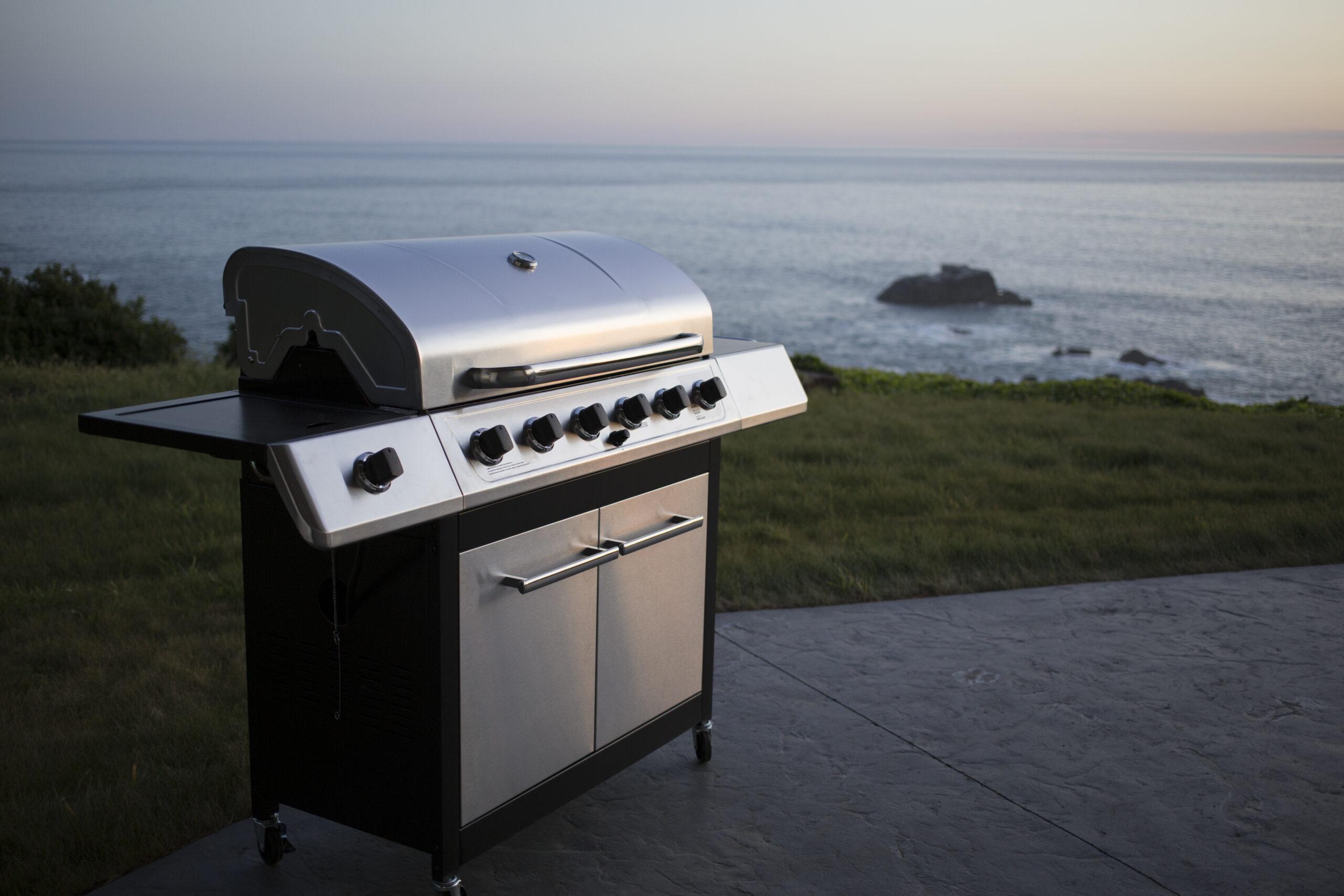 If you already sprayed oven cleaner on your gas grill, don’t panic. You can reduce the risk with a few careful steps to protect your health and your grill.
Stop Cooking and Ventilate the Area
Do not cook on the grill right away. Oven cleaner can remain on the surface and mix with your food. Move the grill to a well-ventilated area if you can. Proper ventilation allows fresh air to disperse harmful fumes safely.
Let it sit outside for a few hours with the lid open. Oven cleaner contains strong chemicals, including lye, that can irritate your eyes, skin, and lungs. If you feel dizzy or your throat feels scratchy after using it, step away and get fresh air immediately.
Always wear protective gear whenever you handle appliances sprayed with harsh chemical cleaners. Heavy-duty gloves and safety glasses shield your skin and eyes from caustic splashes.
Remove, Rinse, and Wash Affected Components
Put on protective gear like rubber gloves and eye protection before touching contaminated areas. Then remove any parts you sprayed, such as grates, burner covers, or drip trays, so you can wash them thoroughly.
Rinse each part with warm water first to wash away the loose chemical film. Next, wash every piece with dish soap and a scrub brush. Focus on areas where the cleaner may have pooled, such as corners or grooves.
Rinse again with clean water at least two or three times. Check for a soapy smell or slick feel, which indicates that residue may remain. Dry all parts completely before putting them back on the grill.
Inspect the Grill Before Using It Again
Before cooking, inspect the entire grill. Check for rust spots, faded coating, or a rough texture on the metal. Oven cleaner on a gas grill or barbecue grill can wear down protective finishes. This can lead to further damage if left untreated.
Run the grill on high heat for 10 to 15 minutes with the lid closed. This “burn-off” step can help remove some remaining residue, but it does not replace thorough rinsing.
After burn-off, wipe the grates with a clean cloth. If you notice a strange smell or see white residue, clean the area again before cooking food.
How to Clean a Gas Grill Safely
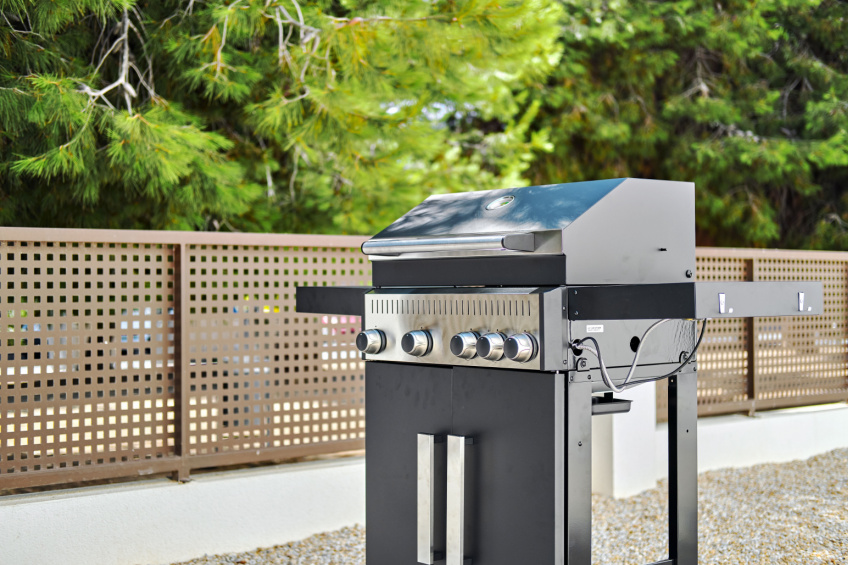 Skip the oven cleaner and use basic tools and mild solutions instead. When cleaning gas grill hardware, taking a systematic approach keeps your equipment safe and operational.
Routine grill maintenance is much safer than resorting to harsh chemicals. Safe gas grill cleaning involves working through each part step by step, from the grates to the outer shell.
Prepare the Grill and Disconnect the Fuel Supply
Before you touch anything, turn off the gas and disconnect the propane tank. This helps prevent leaks while you work.
Let the grill cool completely if you just finished cooking. Working on a hot grill can burn your hands and make it harder to control your cleaning tools.
Clear the area around your grill of leaves, branches, and anything else that could catch fire. Always set up your cleaning station outdoors in a well-ventilated area.
Once the grill is safe, remove the grates and other removable parts so you can clean each piece separately. Lay out your tools and protective gear ahead of time. Keeping gloves, safety glasses, a brush, and soap ready makes cleaning gas grill parts much smoother.
Clean Grates With Warm Soapy Water
Soap and water work better than harsh chemicals when you’re cleaning the grill’s cooking area or grates. Fill a sink or large bucket with warm water and dish soap, then let the cooking grates soak for about 30 minutes.
Dish soap contains mild surfactants that lift oil without eating into the metal. This makes it easier to remove stubborn grease buildup without damaging delicate coatings.
Soaking loosens stuck-on food and baked-on grease, making scrubbing easier. After soaking, scrub the grates with a grill brush or scouring pad to remove remaining residue.
For stubborn patches, a paste made from baking soda and vinegar can help lift charred bits before rinsing.
If you have cast iron grates, dry them immediately. Wet cast iron rusts quickly, so towel it off and apply a thin coat of vegetable oil once it is dry.
Rinse every grate thoroughly before putting it back in the grill. Soap left behind can affect the taste of your food the next time you cook.
Remove Grease From the Firebox and Drip Tray
Routine grease removal from the firebox and drip tray is essential. Heavy grease buildup in these areas creates a serious fire risk. Pull out the drip tray and dump any grease into the trash, never down a drain.
Wash the tray with hot, soapy water, then dry it fully before sliding it back in. Lining it with foil next time can make future cleanups quicker.
Inside the firebox, scrape off caked-on grease and food bits with a putty knife or grill scraper. A shop vacuum can help remove loose debris once you’ve loosened it.
Wipe the inside with a damp sponge and soapy water, focusing on corners where grease tends to collect. Dry it well to help prevent rust.
Clean Burners Without Clogging Port Holes
Burners need gentle care because damage can affect your grill’s heat. Remove the burner tubes and use a wire brush along the length of each tube, not across it, to avoid pushing debris into the holes.
If any port holes look blocked, clear them with a toothpick or pipe cleaner. Never use a metal object that’s too thick, since it can widen or damage the holes.
Check for spider webs inside the tubes too. Spiders sometimes build nests inside burner tubes, blocking gas flow and causing uneven flames.
Once you’re done, inspect the burners for rust spots or holes that weren’t there before. If the damage looks serious, it may be time to replace them.
Wipe Down the Lid and Exterior
The lid tends to develop a layer of carbonized grease on the inside over time. Scrub this with a brush, and use a paste of baking soda and water on spots that won’t budge.
For the outside of your grill, warm soapy water works well on painted surfaces. If you have a stainless steel grill, wipe in the direction of the grain with a cleaner made for that material to avoid streaks or scratches.
Skip abrasive products on the exterior, since they can scratch the finish and lead to rust later. A soft cloth or sponge is usually enough to get the surface clean again.
Once everything is dry, you’re ready to reassemble the grill and get back to cooking.
Safer Alternatives for Stubborn Grease and Carbon
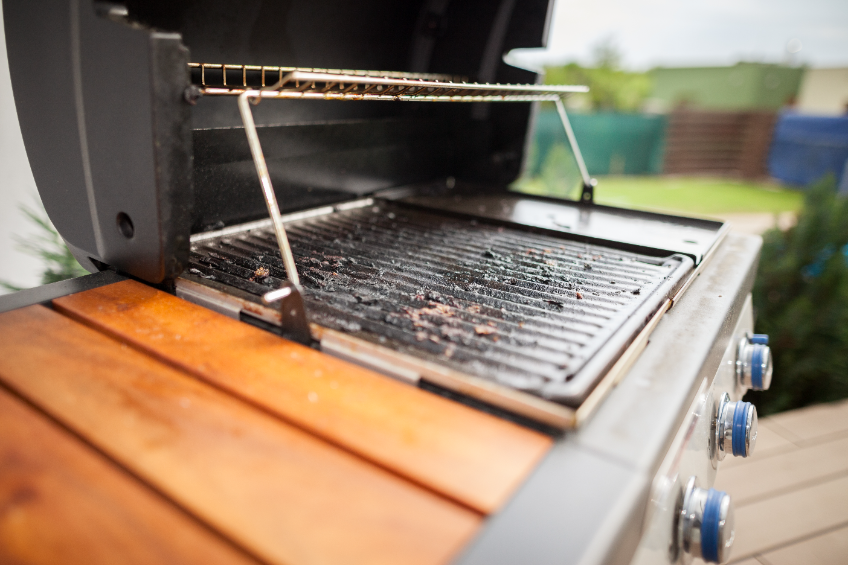 You have safer options that clean effectively without leaving chemical residue on your food. These methods work on cast iron, stainless steel, and porcelain-coated grates without stripping seasoning or damaging finishes.
Use a Grill-Specific Cleaner Compatible With Your Materials
Dedicated commercial grill cleaners are formulated specifically for removing baked-on grease, carbon, fats, and food residue, making them a better choice for heavy-duty cleaning than many general household cleaners.
Choosing the right formula for your cooking surface is important because not every cleaner is suitable for every type of grill.
For flat-top grills, griddles, and stainless-steel cooking surfaces, the Flat Top Grill Cleaner is a suitable option. It is formulated to tackle grease, rust, fats, carbon, and calcium buildup and is designed for stainless-steel flat-top cooking surfaces.
For commercial grills and griddles, the Dawn PRO Hi-Temp Grill & Griddle Cleaner provides a broader cleaning option for removing stubborn grease and carbon from cooking equipment. The 32-ounce bottles are also available in a six-pack, making it practical for frequent or heavy-duty cleaning.
Always check the product label before using either cleaner. Cast iron, porcelain-coated grates, stainless steel, and other specialized surfaces may have different cleaning requirements. Follow the manufacturer’s instructions for application, contact time, rinsing, and food-contact safety.
Using a cleaner specifically designed for your grill or griddle helps remove stubborn buildup while reducing the risk of damaging the cooking surface. Always match the cleaner to your grill material and follow the directions before returning the grill to use.
Try Baking Soda, Vinegar, or Mild Dish Soap
Household items can handle most grease and carbon buildup. A paste of baking soda and water lifts grime when you let it sit for a few minutes before scrubbing.
Combining vinegar and baking soda produces a bubbling action that softens stubborn burnt food. Using baking soda and vinegar together helps lift stubborn grime without scratching metal surfaces.
The acidity in vinegar and lemon juice cuts through grease to give you a clean grill without caustic residue. Lemon juice also leaves behind a fresh, clean scent after scrubbing.
You can also try steam cleaning to loosen baked-on grime naturally. Handheld steam cleaning tools break down tough deposits with hot vapor alone, leaving no chemical residue behind.
For lighter cleaning, warm soapy water does the trick. Soak removable grates for 15 to 20 minutes, then scrub gently with a soft brush.
These options are gentle on your grill’s surfaces. They also avoid the fumes and chemical exposure associated with using oven cleaner on BBQ surfaces or grill grates.
Choose Bristle-Free Scrapers and Non-Abrasive Scrubbers
Wire brushes can shed bristles that become stuck in your food. This is a safety risk that’s easy to avoid.
A wood grill scraper is a better choice. It shapes itself to match your grates over time and won’t scratch the surface.
Non-abrasive scrubbing pads also work well for grease and light carbon. A coarse kitchen sponge can also wipe away softened grease without scratching metal surfaces.
Skip anything labeled “heavy-duty steel wool” since it can quickly wear down coatings. Stick to tools built for grill maintenance. They clean effectively without putting your grates or your health at risk.
Ongoing Maintenance to Prevent Heavy Buildup
 Small, regular cleaning tasks keep grease and food residue from turning into hard, baked-on buildup. Consistent grill maintenance prevents heavy grease buildup from hardening over time.
If you stay on top of these steps, you will not need aggressive chemical cleaners to fix a severe buildup problem.
Clean Grates After Each Cook
Brush your grates while they are still warm, right after you finish cooking. Warm grease and food bits come off much more easily than cold, hardened residue.
Use a grill brush or scraper to remove stuck-on bits. A brush without wire bristles is a safer choice, since loose bristles can end up in your food.
This step takes only a few minutes, but it is the cornerstone of good grill maintenance. Skipping it allows stubborn grease buildup to accumulate layer by layer, making future cleaning gas grill sessions far more difficult.
Empty the Grease Tray Regularly
Your grease tray collects fat and drippings every time you cook. If you let it fill up, grease can overflow or catch fire.
Check the tray after every few cooks, or more often if you grill fatty meats such as burgers or sausage. Empty it into the trash, not down a drain.
Line the tray with foil to make cleanup faster. This way, you can toss the foil and grease instead of scrubbing the tray each time.
A full or dirty grease tray is a common cause of flare-ups and bad smells. Keeping it empty helps your grill work better and lowers your fire risk.
Schedule Seasonal Deep Cleaning and Inspections
A few times a year, give your entire grill a deep clean. Remove the grates, burners, and heat shields so you can clean each part separately.
Check for rust spots, clogged burner holes, and worn-out parts during cleaning. Identifying these problems early can help prevent costly repairs later.
Set a simple schedule, such as cleaning once at the start of grilling season and once before storing the grill for winter.
Always work in a well-ventilated area with proper ventilation when performing deep seasonal grill maintenance. Regular maintenance helps your grill perform reliably and last longer.
FAQ: Can You Clean a Gas Grill With Oven Cleaner?
 It is generally not recommended to use oven cleaner on a gas grill unless the grill manufacturer specifically says it is safe. Oven cleaners can contain strong chemicals that may damage certain grill surfaces, coatings, or components.
Can You Use Oven Cleaner on Grill Grates?
Only if the grate manufacturer specifically permits it. Some oven cleaners can damage stainless steel, aluminum, porcelain-coated, or other grill surfaces, so check the care instructions before applying any chemical cleaner.
What Is the Best Way to Clean a Gas Grill?
Start by removing loose food debris with a suitable grill brush or scraper. Wash removable components with warm soapy water when permitted by the manufacturer, and clean grease and residue from the interior regularly.
Can Oven Cleaner Damage a Gas Grill?
Yes, depending on the materials used in the grill. Strong alkaline oven-cleaning products may damage aluminum and certain finishes, so using a cleaner specifically intended for grills or following the manufacturer’s recommended cleaning method is safer.
Can You Use Oven Cleaner on a Stainless Steel Grill?
It is better to avoid it unless the manufacturer specifically approves the product. Stainless steel can be affected by harsh chemicals, and unsuitable cleaners may cause discoloration or surface damage.
How Often Should You Clean a Gas Grill?
Clean the cooking grates regularly and remove accumulated grease from the grill’s interior and grease-management system as needed. A deeper cleaning is useful periodically, particularly when grease and food residue have built up.