

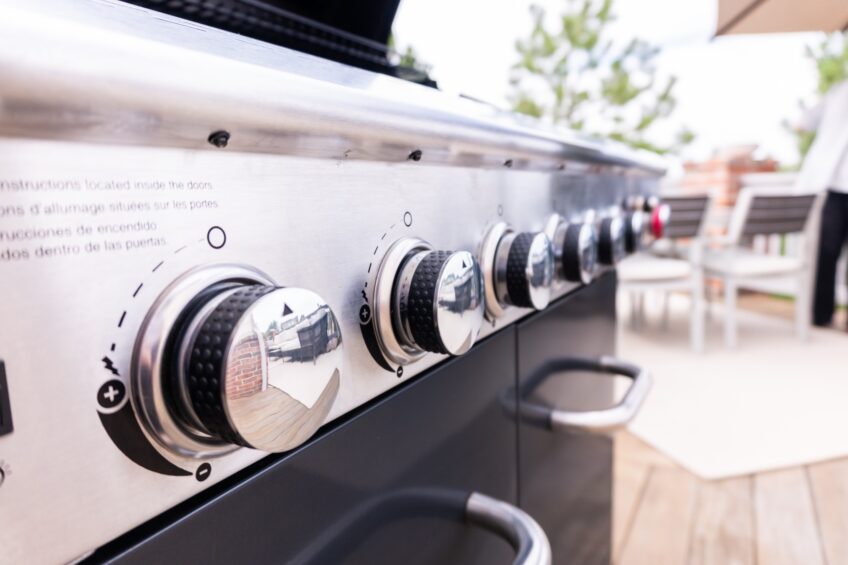
Choosing the right propane grill can transform your outdoor cooking experience from ordinary to exceptional.
 The Weber Genesis E-325S Gas Grill stands out as the top choice for 2025, offering 641 square inches of cooking space, reliable 39,000 BTU power output, and superior construction that accommodates 20+ burgers simultaneously.
Propane grills provide unmatched convenience with push-button ignition and precise temperature control, making them ideal for both weekend warriors and serious grill enthusiasts.
The propane grill market offers diverse options ranging from compact portable units weighing just 13.5 pounds to heavy-duty models with advanced features like LED control knobs and infrared searing zones.
Modern propane grills deliver restaurant-quality results while reducing cooking times by up to 30% compared to traditional charcoal alternatives.
Understanding the key differences between models helps consumers select the perfect grill for their specific cooking needs and outdoor space requirements.
Whether someone needs a portable grill for tailgating adventures or a full-sized unit for backyard entertaining, the right propane grill combines durability, performance, and user-friendly features.
The best models feature sturdy construction, even heat distribution, and thoughtful design elements that enhance the overall grilling experience while providing years of reliable service.
Key Features of the Best Propane Grills

Premium propane grills deliver consistent performance through powerful burner systems that generate adequate British thermal units.
They also feature durable cooking surfaces made from materials like porcelain-coated cast iron and provide even heat distribution with dedicated zones for direct and indirect cooking methods.
Burner Performance and Heat Output
British thermal units (BTUs) measure a grill’s heat output potential.
Quality propane grills typically produce 30,000-40,000 BTUs across multiple burners.
The number of burners affects cooking flexibility.
Three-burner systems allow users to create different heat zones simultaneously.
Four or more burners provide additional control for complex cooking tasks.
Burner construction impacts longevity and performance.
Stainless steel burner tubes resist corrosion better than aluminum alternatives.
Weber’s Genesis series features burner tubes with 10-year warranties.
Independent burner controls enable precise temperature management.
Each burner should ignite reliably through piezo or electronic ignition systems.
Push-button ignition eliminates the need for matches or lighters.
Side burners expand cooking capabilities beyond the main grill surface.
They accommodate sauce preparation, side dishes, or keeping food warm during outdoor cooking sessions.
Grill Grates and Cooking Surface Materials
Porcelain-coated cast iron grates provide superior heat retention and searing capabilities.
The porcelain coating prevents rust while maintaining easy cleanup after cooking sessions.
Cast iron retains heat longer than stainless steel alternatives.
This material creates distinctive grill marks and develops better flavor through consistent high-temperature cooking.
Grate spacing prevents smaller food items from falling through gaps.
Weber and Monument grills feature appropriately spaced grates that accommodate vegetables, seafood, and smaller cuts effectively.
Cooking surface area determines capacity.
Premium grills offer 500-650 square inches of primary cooking space.
This accommodates 15-20 burgers or multiple whole chickens simultaneously.
Warming racks above main grates provide additional space for keeping cooked food at serving temperature.
They also work for indirect cooking of delicate items requiring gentler heat.
Heat Distribution and Indirect Cooking Options
Even heat distribution eliminates hot and cold spots across the cooking surface.
Quality grills maintain consistent temperatures through proper burner placement and airflow design.
Sear zones create high-heat areas for achieving restaurant-quality browning.
Dedicated searing burners generate intense heat for perfect steaks and chops.
Indirect cooking transforms propane grills into outdoor ovens.
Users light burners on one side while placing food on the opposite side.
This method works for roasting, smoking, and slow cooking.
Flavorizer bars or heat plates distribute heat evenly while protecting burners from grease.
They also vaporize drippings to create additional flavor during cooking.
Temperature gauges built into lids help monitor internal heat without lifting covers.
Accurate gauges maintain consistent cooking temperatures throughout extended cooking sessions.
Top Propane Grill Models of 2025

 The Weber Genesis E-325 stands out as the premium choice with its searing burner and 641 square inches of cooking space.
Three-burner models offer the best balance of performance and price, while four-burner grills provide maximum cooking capacity for large gatherings.
Weber Genesis E-325 Overview
The Weber Genesis E-325 delivers exceptional performance with 39,000 BTUs across three burners plus a dedicated searing station.
This propane grill features 641 square inches of total cooking area, accommodating 20+ burgers simultaneously.
Key Features:
- Electric push-button ignition system
- Porcelain-enameled cast iron grates
- Four caster wheels with front locking
- 23-inch side tables for prep space
- Comprehensive temperature gauge
The searing burner creates restaurant-quality char marks on steaks and other proteins.
The expandable top grate adds extra cooking real estate when needed.
Weber backs this gas grill with impressive warranty coverage.
The firebox receives 12-year protection while burner tubes and grates carry 10-year warranties.
Best Three-Burner Grill Choices
Three-burner propane grills offer optimal versatility for most households.
 The Monument Grills Mesa 300 provides 570 square inches of cooking space with 36,000 BTUs at a competitive price point.
Top Three-Burner Models:
- Monument Mesa 300: LED control knobs, fold-down shelves
- Char-Broil Performance 375: Heavy-duty ceramic grates, budget-friendly
- Weber Spirit Series: Reliable construction, even heat distribution
The Monument model features a clear-view glass lid and spacious storage cabinet.
LED controls improve visibility during evening grilling sessions.
Char-Broil Performance offers solid construction with porcelain-coated cast iron grates that resist rust.
Most three-burner gas grills handle 10-15 burgers comfortably.
Recommended Four-Burner Grills
Four-burner propane grills maximize cooking capacity for entertaining large groups.
These models typically provide 600+ square inches of primary cooking space with 40,000+ BTUs total output.
Premium Four-Burner Options:
- Weber Genesis II E-410
- Napoleon Prestige series
- Broil King Regal models
Four-burner gas grills allow for advanced cooking techniques like indirect heating and smoking.
Users can dedicate specific burners to different temperature zones.
These propane grills often include rotisserie attachments and side burners for complete outdoor cooking stations.
Storage capacity increases significantly with larger cabinet designs underneath the cooking surface.
Comparing Propane Grills With Other Grill Types

Propane grills offer distinct advantages in convenience and temperature control compared to charcoal models, while sharing many similarities with other gas grill types.
The main differences lie in fuel sources, heating methods, and the resulting flavor profiles.
Propane Grills vs Gas Grills
Propane grills are actually a subset of gas grills, with the primary distinction being the fuel source.
Propane grills use portable liquid propane tanks, while other gas grills connect to natural gas lines.
Fuel Source Differences:
- Propane: Portable 20-pound tanks that require refilling or replacement
- Natural Gas: Direct connection to home gas lines for continuous supply
Propane grills provide greater portability since they don’t require permanent gas line installation.
This makes them ideal for camping, tailgating, or moving around outdoor spaces.
Natural gas grills offer unlimited fuel supply without tank changes.
However, they require professional installation and limit grill placement to areas near gas lines.
Cost considerations vary between the two options.
Propane tanks cost more per BTU than natural gas, but natural gas grills require higher upfront installation expenses.
Both types share identical cooking performance, temperature control, and convenience features.
The choice depends primarily on portability needs and available utility connections.
Propane Grills vs Charcoal Grills
The debate between propane and charcoal grills centers on convenience versus traditional grilling experience.
Each offers distinct advantages for different cooking preferences.
Convenience and Speed:
- Propane grills heat up in 10-15 minutes with push-button ignition
- Charcoal grills require 20-30 minutes for proper coal preparation
- Propane allows precise temperature control through adjustable burners
- Charcoal requires manual heat management through coal arrangement
Temperature Control: Propane grills excel at consistent temperature maintenance.
Multiple burners create different heat zones instantly.
Charcoal grills provide higher maximum temperatures, often exceeding 700°F for superior searing.
Maintenance Requirements: Propane grills need periodic burner cleaning and propane tank monitoring.
Charcoal grills require ash removal after each use and more extensive cleaning.
Fuel Costs: Propane costs approximately $1.20 per hour of cooking.
Charcoal averages $2-3 per cooking session, depending on usage duration.
Differences in Cooking Style and Results
The cooking methods between propane and charcoal grills produce notably different results in flavor, texture, and overall food quality.
Flavor Profiles: Charcoal grills impart distinctive smoky flavors through combustion byproducts and wood smoke.
Propane grills produce clean-burning flames that don’t add flavor to food.
Many propane grill owners use wood chips or smoker boxes to replicate charcoal flavors.
Heat Distribution: Propane grills provide even heat distribution across cooking surfaces.
Multiple burners create consistent temperature zones.
Charcoal grills naturally create hot and cool spots, requiring food rotation but offering versatility for different cooking techniques.
Cooking Techniques:
- Direct grilling: Both excel at standard grilling methods
- Indirect cooking: Propane grills easily achieve low-and-slow cooking through burner control
- Searing: Charcoal reaches higher temperatures for better crust formation
- Smoking: Charcoal provides natural smoke; propane requires additional equipment
Food Results: Charcoal grills excel at creating crispy exteriors and pronounced grill marks.
The intense, variable heat produces superior caramelization on proteins.
Propane grills deliver consistent results with less variation between cooking sessions.
Portability and Versatility

Modern propane grills extend far beyond backyard cooking with compact portable options designed for camping and tailgating, plus specialty flat-top models that transform outdoor cooking capabilities.
Portable Grills for Tailgating and Camping
 The Weber Q1200 stands out as the top portable gas grill choice for 2025.
It delivers 8,500 BTUs of cooking power across 189 square inches of cooking space.
The cast-iron grates provide excellent heat retention and searing capabilities.
This model weighs 30 pounds and features folding side tables for prep space.
The electronic ignition starts reliably in outdoor conditions.
The Q1200 runs on standard 1-pound propane canisters or connects to larger tanks with an adapter.
The Weber Traveler offers premium portability by folding to the size of a small suitcase.
It provides 13,000 BTUs and 320 square inches of cooking area.
The collapsible design includes a telescoping cart and folding legs.
Coleman RoadTrip 285 targets budget-conscious campers at $200-$250.
It produces 20,000 BTUs with interchangeable cooktops for grilling, griddling, or stovetop cooking.
The wheeled design and quick-fold legs make transport effortless.
Key portable features to consider:
- Weight under 35 pounds for easy transport
- Folding or collapsible design
- Reliable piezo ignition system
- Adequate BTU output for cooking needs
Flat-Top and Specialty Propane Grills
Flat-top grills revolutionize outdoor cooking versatility.
 The Blackstone 36″ Griddle Station costs $450-$550 and offers 720 square inches of cooking surface.
Four independently controlled burners provide precise temperature zones across the griddle.
This design excels at breakfast foods, stir-fries, and smash burgers.
The flat surface prevents food from falling through grates.
Clean-up involves scraping and seasoning the steel surface.
 The Royal Gourmet 3 Burner Tabletop Propane Gas Griddle combines traditional grilling with griddle cooking.
It features 305 square inches of griddle space with optional grill grate attachments.
Four burners deliver individual heat control for different cooking methods.
Flat-top advantages include:
- No food falls through cooking surface
- Even heat distribution across entire surface
- Versatility for breakfast, lunch, and dinner items
- Easy temperature control with multiple burners
These specialty grills suit families who want cooking variety.
They handle everything from pancakes to steaks on the same surface.
The learning curve involves proper seasoning and maintenance of the steel cooking surface.
Grill Accessories and Maintenance Tips
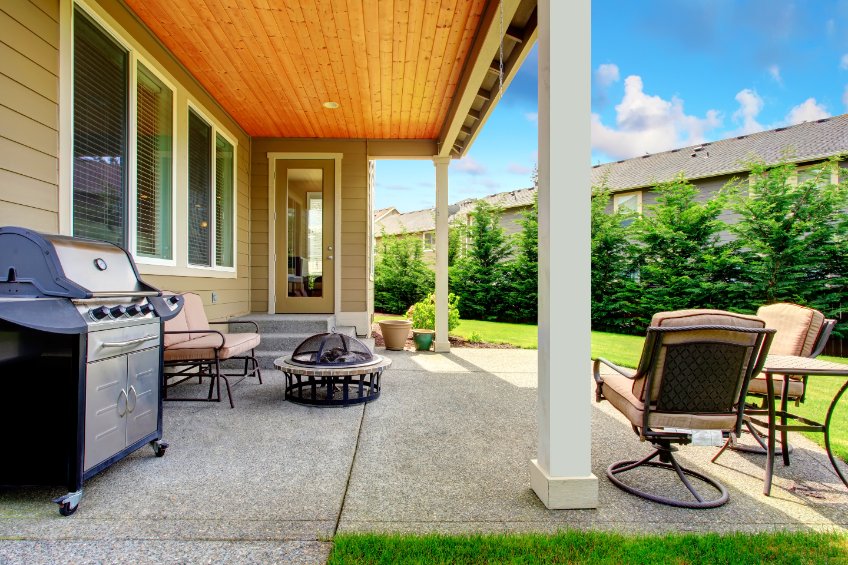
Proper accessories and regular maintenance extend your propane grill’s lifespan significantly while ensuring consistent performance.
Quality covers protect against weather damage, while clean grates and burners maintain optimal cooking conditions.
Choosing the Right Grill Cover
A high-quality grill cover serves as the first line of defense against weather elements.
Premium covers feature heavy-duty vinyl or polyester construction with water-resistant coatings.
The cover should fit snugly without being too tight.
Loose covers flap in wind and allow moisture entry, while overly tight covers can tear during installation.
Look for covers with reinforced seams and air vents.
Vents prevent condensation buildup that leads to rust formation on metal surfaces.
UV-resistant materials prevent cover degradation from sun exposure.
Covers without UV protection crack and fade within two seasons of regular use.
Adjustable straps or drawstrings secure the cover during windy conditions.
Elastic hems provide additional security while making installation easier.
Maintaining Grill Grates and Burners
Stainless steel grates require different care than porcelain-coated cast iron versions.
Steel grates handle aggressive scrubbing, while coated grates need gentle cleaning to prevent chipping.
Clean grates after each use while still warm.
A grill brush removes food residue more effectively on heated surfaces than cold ones.
Soak heavily soiled grates in warm soapy water for 15-30 minutes.
This softens stuck-on grease and food particles without excessive scrubbing.
Burner maintenance involves checking for clogs in gas ports quarterly.
Spider webs and grease buildup block gas flow, creating uneven heating patterns.
Use a thin wire or toothpick to clear blocked ports.
Never use wooden toothpicks that can break off inside the opening.
Remove burners annually for thorough cleaning with warm soapy water.
Dry completely before reinstalling to prevent corrosion.
Long-Term Care for Your Propane Grill
Deep cleaning twice per season maintains optimal performance and appearance.
Remove cooking grates, flavorizer bars, and drip pans for separate washing.
Clean the interior with warm soapy water and a plastic scraper.
Avoid harsh chemicals that can damage surfaces or leave harmful residues.
Check gas connections monthly using soapy water applied to joints.
Bubbling indicates leaks that require immediate attention from a qualified technician.
Replace worn gaskets and seals when they crack or lose flexibility.
Damaged seals allow heat escape and reduce cooking efficiency.
Store propane tanks upright in ventilated areas away from heat sources.
Disconnect tanks when the grill sits unused for extended periods.
Lubricate moving parts like hinges and wheels with high-temperature grease designed for outdoor equipment.
This prevents corrosion and ensures smooth operation.
How to Choose the Right Propane Grill for Your Needs
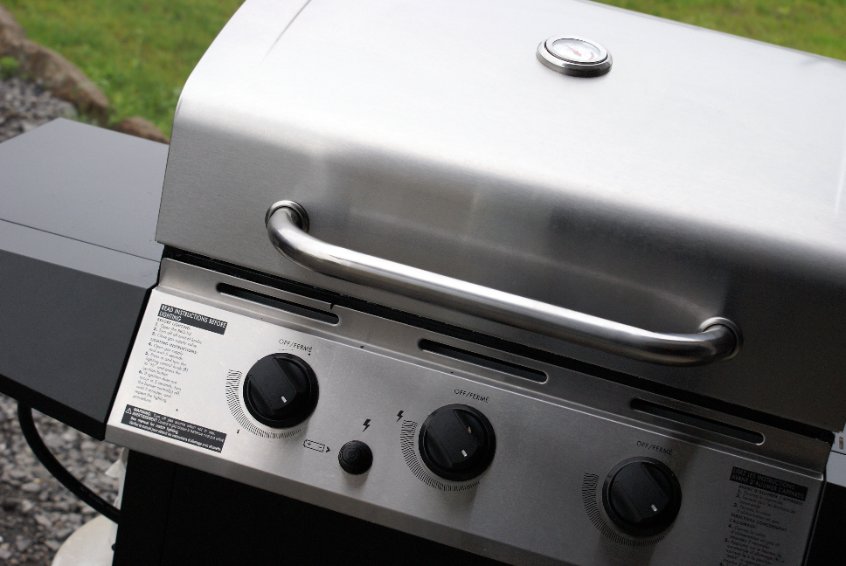
Selecting the ideal propane grill requires evaluating cooking capacity through BTU output and grill surface area.
It also involves examining construction materials like porcelain-coated cast iron grates and considering long-term maintenance requirements.
Assessing Cooking Space and BTU Requirements
The cooking surface area determines how much food can be prepared simultaneously.
Most propane grills range from 300 to 800 square inches of primary cooking space.
A family of four typically needs 400-500 square inches.
Larger gatherings require 600+ square inches for efficient cooking.
British thermal units measure heat output and cooking power.
Standard propane grills produce 8,000-15,000 BTUs per burner.
Calculate 80-100 BTUs per square inch of cooking space for optimal performance.
A 500-square-inch grill should generate 40,000-50,000 total BTUs.
Multiple burners provide better heat control and zone cooking.
Three-burner models offer good versatility for most users.
Consider warming racks as additional space for keeping food hot.
These extend total cooking capacity without requiring extra BTUs.
Material Quality and Durability Considerations
Stainless steel construction resists rust and weather damage better than painted steel.
Look for 304-grade stainless steel for superior corrosion resistance.
Porcelain-coated cast iron grates retain heat effectively and create excellent sear marks.
They require gentle cleaning to preserve the coating.
Stainless steel grates heat quickly and clean easily but may not retain heat as well as cast iron options.
The firebox material affects longevity and heat retention.
Cast aluminum fireboxes distribute heat evenly and resist warping.
Burner quality impacts performance and lifespan.
Stainless steel burners last longer than aluminum or cast iron alternatives in outdoor conditions.
Check warranty coverage for major components.
Quality manufacturers offer 5-10 year warranties on fireboxes and burners.
Ease of Cleaning and Maintenance
Removable drip pans simplify grease cleanup and reduce fire hazards.
Disposable aluminum pans eliminate scrubbing requirements.
Grease management systems channel fats away from burners.
External grease cups allow emptying without opening the grill.
Porcelain-coated surfaces wipe clean easily but scratch if scrubbed aggressively.
Use plastic scrapers instead of metal tools.
Access panels enable burner inspection and replacement.
Front-mounted controls stay cooler and last longer than side-mounted options.
Gas grills with fewer crevices and smooth surfaces require less maintenance time.
Avoid models with excessive decorative elements that trap grease.
Consider propane tank storage and connection accessibility.
Side-mounted tanks allow easier replacement than bottom-mounted options.