 Grilling is a fun way to cook food outdoors, but it can be risky if you don’t follow basic safety steps.
The three main rules for using a grill are to keep it away from anything that can catch fire, stay with it while it’s in use, and handle food and fuel safely. These steps can help prevent accidents and make grilling safer all year.
You don’t need to be an expert to practice safe grilling. Learn a few key facts about grill safety before you start cooking. This guide explains each rule to help protect your home, family, and food.
Rule 1: Prevent Fires and Stay With the Grill
 Fire risk increases when you skip basic checks or leave a grill unattended. Reduce that risk by choosing a safe location, checking your equipment, lighting the grill correctly, and staying nearby while it’s in use.
Set Up Outdoors Away From Structures and Foot Traffic
Place your grill outdoors, away from your house, deck railings, and roof overhangs. Keep it clear of low branches, too. A spark can ignite dry leaves or siding.
Leave at least 10 feet of open space around the grill. This helps keep kids, pets, and passersby away from direct heat and reduces the risk of someone bumping or tipping it.
Set the grill on a flat, stable surface. A wobbly grill can tip over, spill hot coals or grease, and start a fire.
Check Gas Connections and Light Burners Safely
Before lighting a gas grill, check its hose and connections for gas leaks. Mix a little dish soap with water and brush the solution onto the hose and connections. If bubbles form, gas is escaping. Do not use the grill until any gas leaks are resolved.
Always open the lid before lighting a gas grill. If gas builds up under a closed lid, a spark can cause a flash fire. Turn on the gas and light the burners promptly. Don’t let gas run for more than a few seconds before lighting it. Follow these safety steps every time you use the grill, not just at the start of the season.
Light Charcoal With a Chimney Starter
A chimney starter is a safer way to light a charcoal grill than using lighter fluid. Fill the top with charcoal, place newspaper or a fire starter underneath, and light it from the bottom.
This method heats the coals without lighter fluid, which can cause flare-ups and is harder to control once lit. When the coals are covered with gray ash and glowing red underneath, pour them into the grill. Never add lighter fluid to lit coals. It can cause flames to flare up and burn your hands or arms.
Watch for Flare-Ups and Keep Fire Equipment Ready
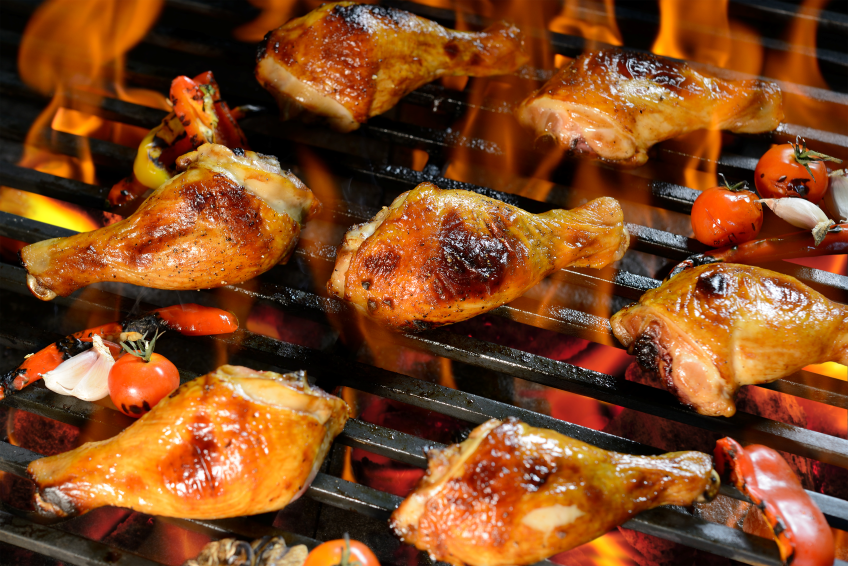
Grease and fat dripping onto hot coals or burners can cause flare-ups. These sudden flames can scorch food or spread if they grow too large.
Watch the grill throughout cooking. Never leave a grill unattended, even for a few minutes. A sudden flare-up can quickly become a dangerous fire.
Keep a fire extinguisher rated for grill fires nearby before you start cooking. Having a working fire extinguisher within reach lets you act quickly if flames flare up. For general grill safety tips, preparation matters as much as proper setup.
Rule 2: Control the Heat
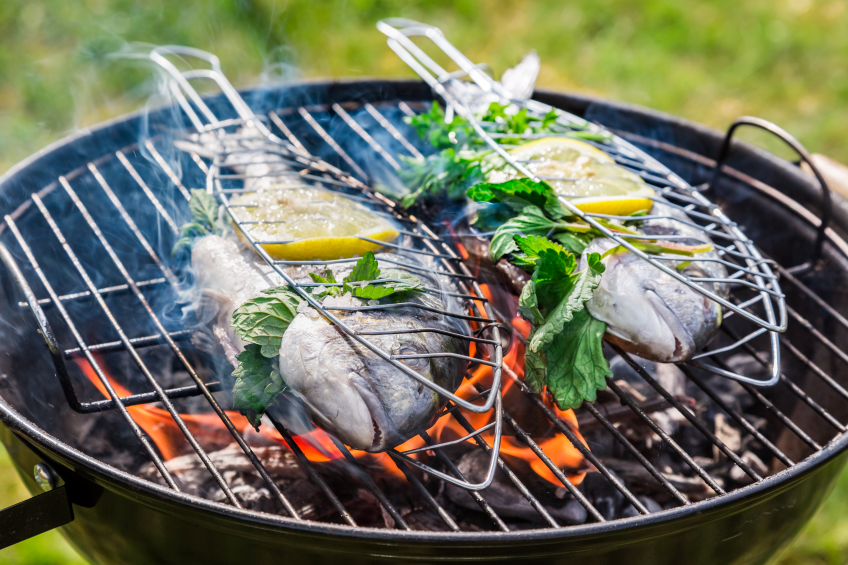 Mastering temperature control is an essential part of safe grilling. Good heat control helps food cook evenly and reduces the risk of burning it on the outside while it remains raw inside. It also helps prevent flare-ups that can scorch food or cause burns.
Preheat Before Adding Food
Always preheat your grill before adding food. This applies to both a gas grill and a charcoal grill.
For a gas grill, turn the burners to high and close the lid for about 10 to 15 minutes. For a charcoal grill, light the coals and wait until they are covered with gray ash, which usually takes 15 to 20 minutes.
Preheating helps burn off leftover grease and food bits and heats the grates for searing.
If you skip preheating, food may stick to the grates or cook unevenly because the grill may have cold spots.
Use Direct and Indirect Heat Zones
Set up direct and indirect heat zones instead of spreading heat evenly across the grill. This gives you more control over how different foods cook.
Direct heat means placing food over the flame or hot coals. Use this zone for foods that cook quickly, like burgers, hot dogs, or thin cuts of steak. It works well for searing food to create a browned, crisp exterior.
Indirect heat means placing food away from the direct flame so it cooks using the surrounding hot air. Use this zone for thicker cuts of meat, bone-in chicken, and other foods that need more time to cook through without burning.
On a gas grill, create heat zones by turning off one or more burners while leaving the others on. On a charcoal grill, pile the coals on one side and leave the other side empty.
Monitor Grill Temperature and Adjust Burners or Vents
Check the grill temperature throughout cooking, not just at the start. A built-in lid thermometer gives a general reading, while a separate grill thermometer can provide a more accurate reading of the cooking temperature. Use a meat thermometer to check the food’s internal temperature.
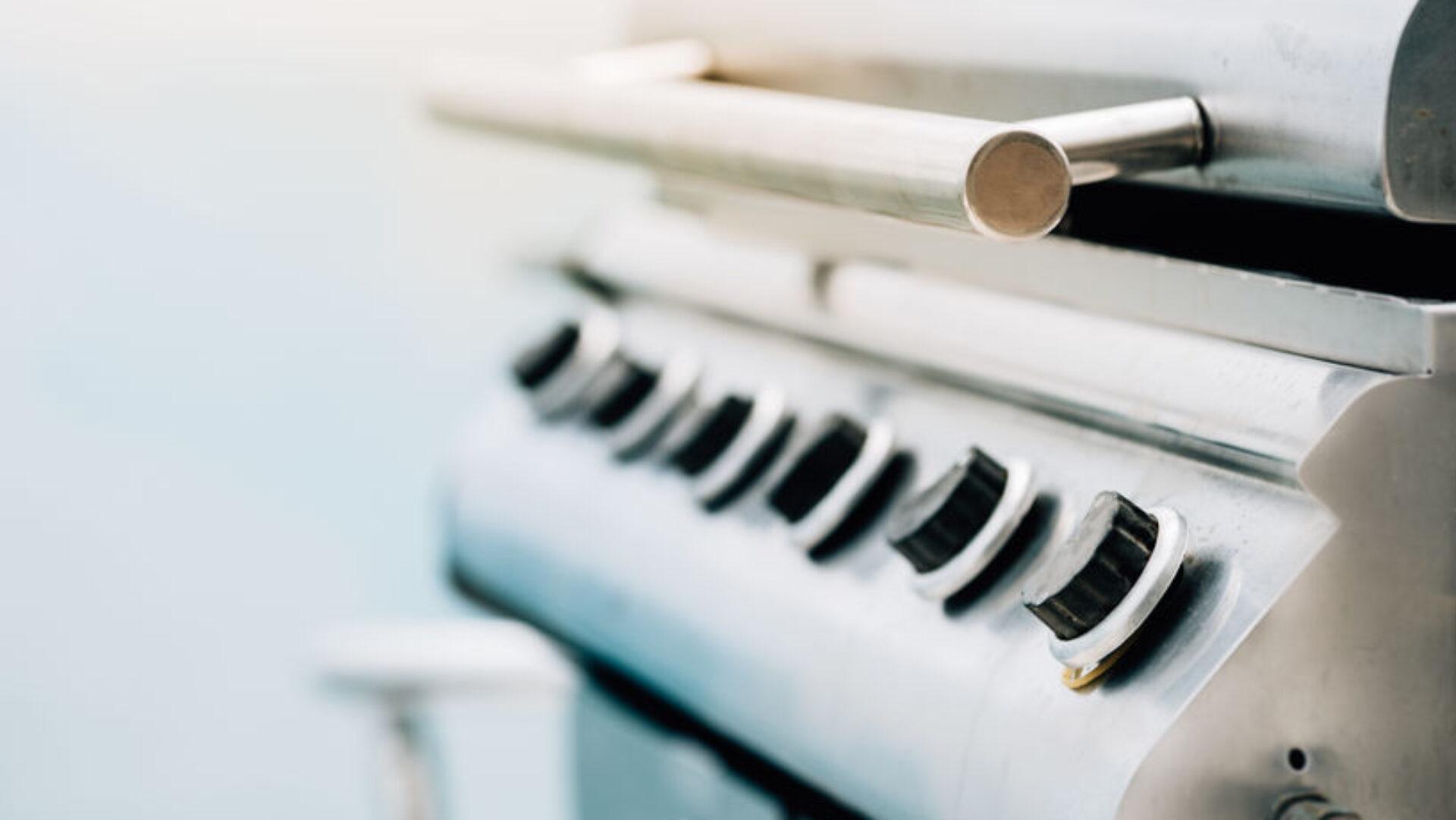
On a gas grill, adjust the burner knobs to raise or lower the heat. Make small changes because gas grills respond quickly.
On a charcoal grill, use the vents to control airflow. Opening the vents lets in more oxygen and makes the coals burn hotter. Partly closing them reduces airflow and lowers the temperature.
Near the end of cooking, check the food’s internal temperature with a meat thermometer. This helps you confirm it’s done without cutting into it and losing juices.
Rule 3: Handle Food Safely and Check Doneness
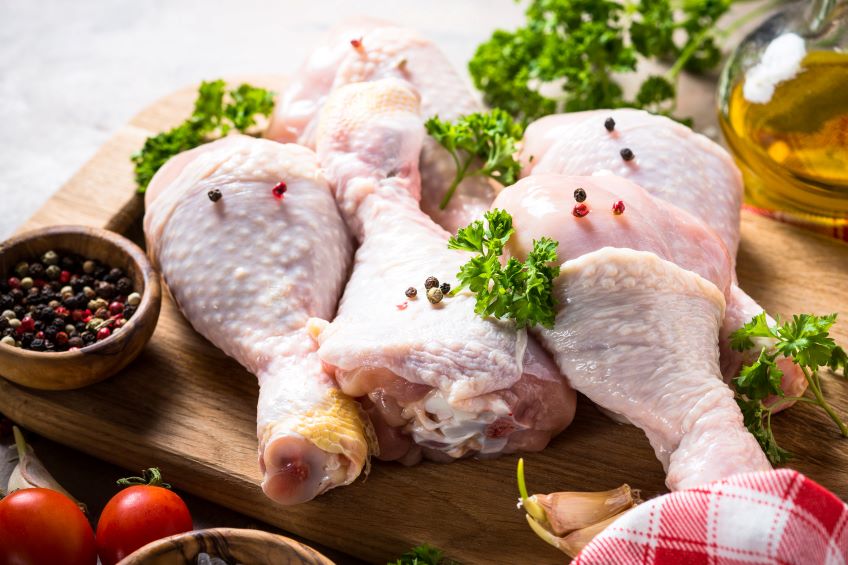 Practicing safe grilling also means following strict food hygiene. Food safety matters throughout outdoor cooking. Following basic food safety guidelines helps keep raw meat cold, prevents contamination, and ensures dishes cook to safe temperatures.
Keep Cold Food Cold Until It Is Ready to Grill
Bacteria can grow quickly when meat sits at room temperature. Keep meat, poultry, and seafood refrigerated or in a cooler with ice until you’re ready to grill.
If you’re grilling away from home, pack raw food in a cooler with ice packs. Keep the cooler in the shade and maintain a temperature of 40°F or below.
Take out only the food you plan to cook right away. Leaving meat out for more than two hours, or more than one hour when the temperature is above 90°F, gives bacteria time to multiply.
Separate Raw Food From Cooked Food
Cross-contamination occurs when raw meat juices touch cooked or ready-to-eat food. This can spread bacteria such as Salmonella or E. coli.
Use separate plates and utensils for raw and cooked food. Never put cooked meat on a plate that held raw meat unless you wash the plate first.
Here is a simple way to avoid mistakes:
- Use one set of tongs for raw meat and a different set for cooked food
- Wash cutting boards and knives with hot, soapy water after they touch raw meat
- Keep raw meat away from salads, buns, and other ready-to-eat food
Also wash work surfaces and utensils before and after cooking to reduce the risk of spreading germs. Clean the grill before cooking, too.
Use a Food Thermometer to Confirm Safe Internal Temperatures
Color and juices do not reliably indicate whether meat is safe to eat. Use a food thermometer to check its internal temperature.
Insert the thermometer into the thickest part of the meat, avoiding bone, fat, and gristle, which can affect the reading.
Follow these safe minimum internal temperatures:
| Food | Safe Internal Temperature |
|---|---|
| Ground beef, pork, veal, lamb | 160°F |
| Whole poultry and poultry breasts | 165°F |
| Ground poultry | 165°F |
| Beef, pork, veal, lamb (steaks, roasts, chops) | 145°F, then rest 3 minutes |
The USDA does not recommend tasting food to check if it’s done, because taste cannot confirm that harmful bacteria have been destroyed. A food thermometer is the reliable way to check.
Shut Down and Clean Up Safely
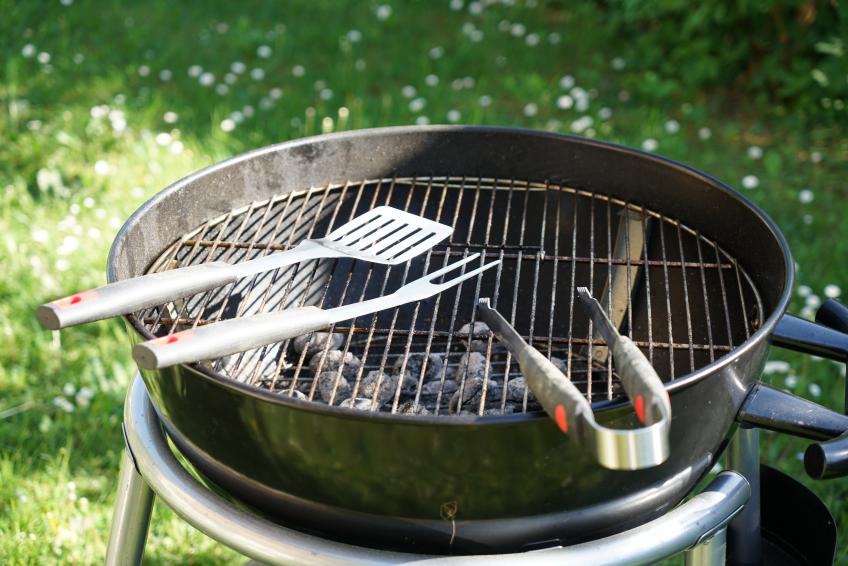 Grilling does not end when the food comes off the heat. Turn off the fuel source and clean the grill to help prevent fires and keep the equipment working well.
Turn Off Gas or Let Coals Cool Completely
If you have a gas grill, turn off the burner knobs first, then close the propane tank valve. This order clears leftover gas from the lines. Keep the lid open while you do this.
Charcoal grills need more time. Let the coals burn down and cool on their own rather than trying to speed up the process. Close the vents to reduce airflow and help the coals die out.
Do not leave a hot grill unattended during this cooling period if children or pets are playing nearby.
Never pour water on hot coals inside the grill. Water can warp the metal and create a sudden cloud of steam and ash. Wait until the coals are fully gray and cool before touching or moving them.
Remove Grease Buildup and Dispose of Ashes Safely
Grease on grates and in trays can catch fire the next time you grill. Clean the grates after each use, and empty the grease trap or drip pan after it cools, as recommended by NFPA’s grilling safety guide.
For charcoal grills, handle ashes carefully. Place cooled ashes in a metal container with a lid, not a plastic bag or cardboard box. Keep the container away from your house, deck, and other flammable materials.
Ashes can stay warm for 24 hours or longer, even if they look cold on top. Store the metal container outdoors on a nonflammable surface, such as concrete, until the ashes have cooled completely.
FAQ:What Are 3 Rules for Using the Grill?
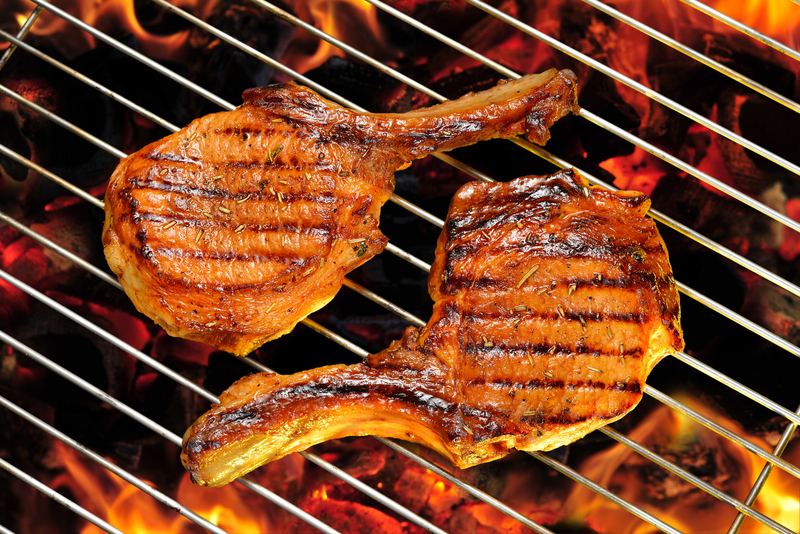 Using a grill safely involves more than controlling the heat. Proper preparation, regular cleaning, and safe food-handling practices help prevent accidents and make outdoor cooking easier. The following tips cover common grilling questions and explain how to get better results while keeping safety a priority.
1. Always Grill Outdoors in a Safe Location
Place your grill outdoors in a well-ventilated area, away from buildings, overhanging branches, and combustible materials. Never use a gas or charcoal grill inside a house, garage, or enclosed space because grills produce carbon monoxide, a dangerous, odorless gas.
2. Keep the Grill Clean and Prevent Flare-Ups
Clean the cooking grates regularly and remove excess grease from the grease tray or collection pan. Grease buildup can ignite and cause flare-ups, increasing the risk of burns and fire. Keep a suitable fire extinguisher nearby and never leave a lit grill unattended.
3. Cook Food to a Safe Internal Temperature
Use a food thermometer to check that meat and poultry reach a safe internal temperature rather than relying on color or cooking time alone. According to the USDA, whole cuts of beef, pork, lamb, and veal should reach 145°F (63°C) followed by a three-minute rest; ground meats should reach 160°F (71°C); and all poultry should reach 165°F (74°C).
Following these three rules helps reduce fire hazards, prevent carbon monoxide poisoning, and ensure food is cooked safely.