

 Weber makes both stainless steel and non-stainless steel grills, depending on the specific model and series.
Many people want to know which Weber grills use stainless steel because this material offers better durability and looks better over time.
Weber’s premium grill lines like the Summit and Genesis series feature stainless steel construction, while their basic models like the Spirit series typically use painted steel or porcelain-coated materials.
The amount of stainless steel varies by model, with some grills having full stainless steel bodies and others using it only for specific parts like burners or grates.
Understanding which Weber grills contain stainless steel helps buyers make smart choices based on their budget and needs.
This guide covers how to spot stainless steel components, compare different Weber models, and maintain these grills properly.
Are Weber Grills Made of Stainless Steel?
Weber uses stainless steel in many of their grill models, particularly in their premium lines.
The company uses different grades of stainless steel and applies it to various grill components depending on the series and price point.
Types of Stainless Steel Used by Weber
Weber primarily uses 304 stainless steel in their higher-end grill models.
This grade contains 18% chromium and 8% nickel, making it highly resistant to rust and corrosion.
Some Weber grills feature 430 stainless steel, which contains less nickel than 304.
This grade costs less to produce but offers reduced corrosion resistance compared to 304 stainless steel.
The cooking grates in many Weber models use porcelain-enameled cast iron rather than stainless steel.
However, their premium models often include stainless steel cooking grates for better heat retention and easier cleaning.
Weber applies stainless steel to different grill components including:
- Cooking grates
- Warming racks
- Heat deflectors
- Exterior panels
- Control knobs
- Handles
Weber Grills Series Featuring Stainless Steel
 The Weber Genesis series features extensive stainless steel construction.
Most Genesis models include stainless steel cooking grates, warming racks, and heat deflectors.
 The Weber Summit series represents Weber’s premium line with the most stainless steel components.
These grills feature 304 stainless steel construction throughout most exterior and interior parts.
 Weber’s Spirit series includes some stainless steel elements but uses more porcelain-enameled steel.
The Spirit models typically feature stainless steel warming racks and some interior components.
 The Weber Q series portable grills use cast aluminum bodies rather than stainless steel.
However, some Q models include stainless steel cooking grates and heat deflectors.
Comparing Stainless Steel Models to Other Materials
Stainless steel Weber grills resist rust better than porcelain-enameled models.
The stainless steel surface maintains its appearance longer without chipping or scratching like enamel coatings can.
Cast iron components retain heat better than stainless steel but require more maintenance.
Stainless steel heats up faster and cleans more easily than cast iron alternatives.
Price differences between materials:
- Stainless steel models: $500-$3000+
- Porcelain-enameled models: $200-$800
- Cast aluminum models: $150-$500
Stainless steel adds weight to grills compared to aluminum construction.
However, the added weight provides better stability and heat retention during cooking sessions.
Stainless Steel Components in Weber Grills

Weber grills feature stainless steel parts in different areas depending on the model and price range.
The most expensive models use more stainless steel components, while budget models mix stainless steel with other materials like porcelain-coated steel.
Cooking Grates and Burners
Weber uses 304 stainless steel for cooking grates on most of their premium gas grills.
This grade resists rust and handles high heat without warping.
The Genesis and Summit series feature stainless steel cooking grates as standard.
Spirit models often come with porcelain-coated cast iron grates instead.
Burner tubes on Weber gas grills use stainless steel construction.
These tubes distribute gas evenly across the cooking surface.
The stainless steel material prevents corrosion from moisture and grease.
Higher-end Weber models include stainless steel Flavorizer bars underneath the cooking grates.
These angled pieces vaporize drippings to create smoke and protect burners from grease.
Some Weber models offer stainless steel warming racks as secondary cooking surfaces.
These racks sit above the main cooking area and use thinner gauge steel than primary grates.
Lids, Flavorizer Bars, and Hardware
Weber premium models feature stainless steel lids that resist dents and maintain their appearance.
The Genesis and Summit series include these durable lids.
Standard Genesis models use porcelain-coated steel lids instead of stainless steel.
These cost less but require more careful handling to prevent chipping.
Flavorizer bars on high-end Weber grills use heavy-duty stainless steel.
These bars channel drippings away from burners while creating flavorful smoke.
Control knobs and handles often feature stainless steel construction on premium models.
The knobs resist fading and cracking from weather exposure.
Side tables on expensive Weber grills use stainless steel work surfaces.
These tables provide prep space and clean easily after cooking.
Frame and Body Construction
 Weber’s Summit series grills feature full stainless steel frames and body panels.
These grills cost the most but offer maximum durability against weather.
The Genesis line mixes materials in its construction.
The firebox uses stainless steel while the frame uses powder-coated steel for cost savings.
Cabinet doors on built-in Weber models use stainless steel with brushed finishes.
These doors match outdoor kitchen appliances and resist fingerprints.
Lower-priced Weber models like the Spirit series use mostly porcelain-coated steel construction.
Only specific components like burner tubes use stainless steel.
Mounting hardware including screws and brackets typically use stainless steel across all Weber models.
This prevents rust in critical connection points.
Benefits of Stainless Steel in Weber Grills
Stainless steel offers Weber grill owners three main advantages: it lasts for many years without breaking down, it won’t rust even in wet weather, and it cleans up easily after cooking.
Durability and Longevity
Stainless steel Weber grills can withstand high heat without warping or cracking.
The material keeps its shape even when temperatures reach 500-700 degrees Fahrenheit during cooking.
These grills resist dents and scratches better than other materials.
A stainless steel Weber grill can last 15-20 years with proper care.
The cooking grates made from stainless steel hold up to daily use.
They won’t bend or break when flipping heavy foods like whole chickens or large steaks.
Weber’s stainless steel construction handles weather changes well.
The material expands and contracts without developing cracks or weak spots.
The Weber Summit: Weber’s Flagship Stainless Steel Grill
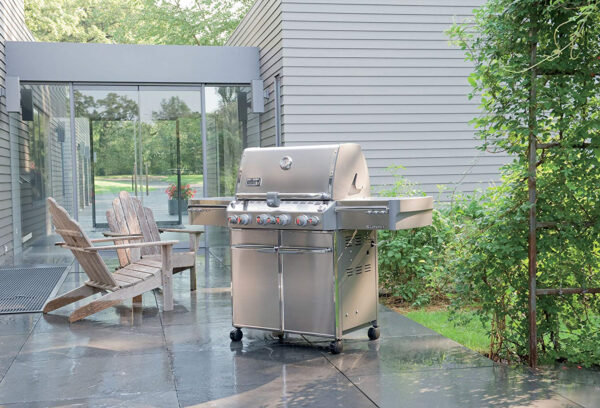
The Weber Summit Series is an excellent example of a Weber stainless steel grill.
It represents the top tier of Weber’s gas grill lineup and is designed for serious grillers who want high-end construction, advanced features, and long-lasting durability.
What makes the Summit stand out is its extensive use of 304-grade stainless steel throughout the grill.
This includes the cooking grates, burner tubes, flavorizer bars, lid, control panel, and side tables.
Unlike mid-range models that combine stainless steel with porcelain-coated or painted steel components, the Summit uses stainless steel as a core material in both structural and functional parts.
This makes it highly resistant to rust, warping, and corrosion—especially valuable in coastal climates or areas with frequent weather exposure.
 A great example within the series is the Weber Summit S-470.
This model includes four main stainless steel burners and additional features like a dedicated sear station, smoker box with its own burner, rear-mounted rotisserie burner, and lighted control knobs.
The cooking grates are thick, 9mm stainless steel rods, which retain heat well and are easier to clean than cast iron.
The Summit is also built for versatility.
Its double-walled stainless steel lid helps maintain consistent temperatures, which is useful for both high-heat searing and low-and-slow smoking.
It’s available in both freestanding and built-in formats, making it a favorite for outdoor kitchen installations.
In terms of warranty and lifespan, Weber backs the Summit’s stainless steel components with 10 to 12-year warranties, depending on the part.
With proper care, many users report that their Summit grills last 15–20 years.
It truly embodies Weber’s premium craftsmanship and attention to detail.
Resistance to Rust and Corrosion
Stainless steel contains chromium, which creates a protective layer on the surface.
This layer prevents rust from forming even when water sits on the grill.
Weber grills with stainless steel parts can stay outside year-round in most climates.
Rain, snow, and humidity won’t cause the metal to deteriorate.
Coastal areas with salt air pose no problem for stainless steel Weber grills.
The material resists corrosion from salt spray that would damage other metals quickly.
Food acids from marinades and sauces won’t eat through stainless steel surfaces.
The material stays intact even after years of exposure to acidic foods.
Ease of Cleaning and Maintenance
Stainless steel surfaces wipe clean with basic soap and water.
Grease and food particles don’t stick permanently to the smooth surface.
Common cleaning tools that work well:
- Soft cloth or paper towels
- Mild dish soap
- Stainless steel cleaner
- Non-abrasive sponges
Burnt-on food comes off stainless steel grates more easily than cast iron.
A simple scrub brush removes most residue without harsh chemicals.
The non-porous surface prevents bacteria from hiding in tiny cracks.
This makes stainless steel Weber grills safer for food preparation than porous materials.
How to Identify Stainless Steel in Weber Grills
Weber grills display specific markings, visual characteristics, and grade information that help identify stainless steel components.
These identification methods work for both new purchases and existing grills.
Markings and Labels
Weber prints model numbers and material specifications on product labels attached to the grill.
These labels appear on the back or side of the unit.
The model number tells buyers which parts use stainless steel.
Product packaging and instruction manuals list stainless steel components clearly.
Weber uses terms like “stainless steel cooking grates” or “stainless steel lid” in these materials.
The Weber website provides detailed specifications for each model.
Users can search by model number to find exact material information.
This method works best for verifying specific parts.
Common Weber stainless steel markings:
- Model names containing “SS” (stainless steel)
- Product tags listing “300 series stainless steel”
- Instruction manual material charts
- Weber website specification pages
Visual and Physical Indicators
Stainless steel parts have a bright, mirror-like finish that reflects light.
This surface stays smooth and shiny even after use.
Regular steel parts look duller and may show rust spots.
The metal feels heavier than regular steel parts of the same size.
Stainless steel also stays cooler to touch when not heated.
These parts resist fingerprints better than painted surfaces.
Visual signs of stainless steel:
- Bright, reflective surface
- No rust or corrosion
- Smooth, even texture
- Silver or gray color that doesn’t fade
Magnets stick weakly to most Weber stainless steel parts.
Some high-grade stainless steel shows no magnetic attraction at all.
Verifying Stainless Steel Grades
Weber uses 300-series stainless steel in most grills.
This grade contains chromium and nickel for better corrosion resistance.
Grade 304 appears in cooking grates and lids most often.
Some Weber models use 400-series stainless steel for certain parts.
This grade costs less but rusts more easily than 300-series.
It also attracts magnets more strongly.
The grade number sometimes appears stamped on larger parts like lids or fireboxes.
Small parts rarely show grade markings.
| Stainless Steel Grade | Magnetic Response | Common Weber Uses |
|---|---|---|
| 304 (300-series) | Weak or none | Cooking grates, lids |
| 430 (400-series) | Strong | Some internal parts |
Weber’s customer service can verify grades for specific model numbers.
They provide detailed part information when given the serial number.
Comparing Weber Stainless Steel Grills to Competitors
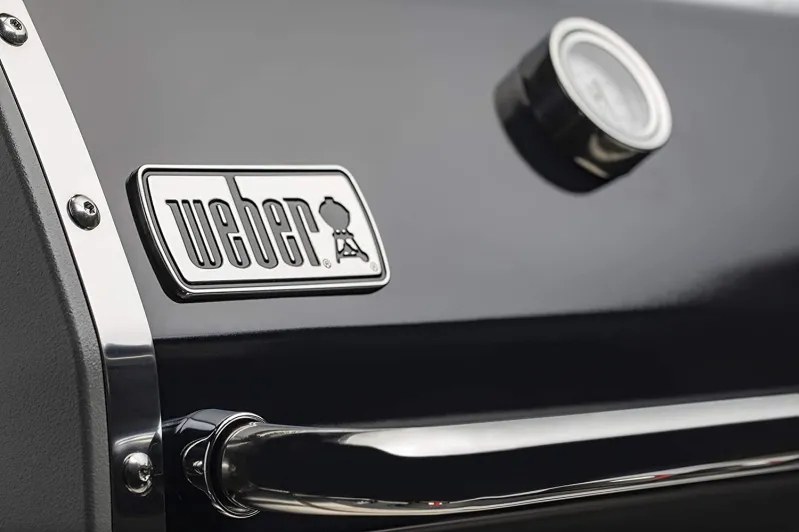
Weber stainless steel grills typically feature thicker gauge materials and better corrosion resistance than most budget brands.
They often match or exceed premium competitors in heat retention while offering distinctive design elements that set them apart.
Construction Quality Differences
Weber uses 304-grade stainless steel for most of their premium grill components.
This grade offers better rust resistance than the 430-grade steel found in many competitor models.
The cooking grates on Weber stainless steel grills measure 7mm thick.
Many competitors use 4-5mm grates that warp more easily under high heat.
Weber’s stainless steel firebox construction includes reinforced corners and welded seams.
Budget brands like Char-Broil often use thinner materials with visible gaps at connection points.
Premium competitors like Viking and DCS use similar gauge steel.
However, Weber’s powder-coated interior finish provides extra protection against grease and heat damage.
The lid construction on Weber grills features a double-wall design.
Single-wall lids from competitors lose heat faster and show more temperature variation across the cooking surface.
Performance and Heat Retention
Weber stainless steel grills maintain temperatures within 25 degrees across the cooking surface.
Many competitors show temperature variations of 50-75 degrees between hot and cool spots.
The Flavorizer bars on Weber grills distribute heat more evenly than the tent-style heat shields used by most other brands.
This design reduces flare-ups while adding smoky flavor.
Weber’s burner design produces 12,000 BTUs per burner on most models.
Competitors often advertise higher BTU ratings but deliver less consistent heat distribution.
Heat retention tests show Weber grills lose only 15-20 degrees when the lid opens for 30 seconds.
Thinner competitor models can lose 40-50 degrees in the same timeframe.
The ignition system on Weber stainless steel grills has a 98% success rate on the first try.
Many competitor models require multiple attempts or manual lighting.
Design and Aesthetic Features
Weber stainless steel grills feature a seamless control panel design with integrated handles.
Most competitors use separate components that create visual breaks in the steel surface.
The cooking grate design includes a hinged section for easy charcoal or wood chip access.
This feature appears on fewer than 30% of competitor models.
Weber’s side tables fold down on many models for compact storage.
Fixed side tables on competitor grills take up more space in smaller outdoor areas.
The grease management system routes drippings into a removable drip pan.
Competitor systems often require more frequent cleaning and maintenance.
Stainless steel finishes on Weber grills resist fingerprints better than brushed finishes on most other brands.
The proprietary coating reduces visible smudges and water spots.
Maintenance Tips for Weber Stainless Steel Grills
Proper care keeps Weber stainless steel grills looking new and working well for years.
Regular cleaning prevents buildup, while proper storage protects against weather damage.
Routine Cleaning Recommendations
Clean the grill grates after each use while they are still warm.
Use a grill brush with stiff bristles to scrape off food particles and grease.
For the stainless steel exterior, wipe it down with a damp cloth after every few uses.
This removes fingerprints and light dirt before they build up.
Weekly Deep Cleaning Steps:
- Remove cooking grates and flavorizer bars
- Wash grates with warm soapy water
- Clean the firebox with a plastic scraper
- Empty and clean the grease tray
Use stainless steel cleaner once a month for a deeper clean.
Spray the cleaner on cool surfaces and wipe with the grain of the steel.
Never use abrasive cleaners or steel wool on stainless steel.
These materials scratch the surface and make it harder to clean later.
Preventing Stains and Discoloration
Heat discoloration appears as blue or brown spots on stainless steel.
This happens when the grill gets very hot during cooking.
Clean these spots with stainless steel polish or a paste made from baking soda and water.
Apply the mixture and rub gently with a soft cloth.
Common Stain Prevention Tips:
- Wipe spills immediately while cooking
- Use lower heat settings when possible
- Apply stainless steel protectant monthly
- Keep the lid open when not actively cooking
Salt air near oceans causes more corrosion on stainless steel.
Owners in coastal areas should clean their grills more often.
Cover the grill when not in use to protect it from rain and snow.
Moisture left on stainless steel can cause water spots and rust stains.
Seasonal Storage Advice
Store Weber grills in a dry place during winter months.
Garages and covered patios work better than outdoor storage.
Clean the grill completely before storing it.
Remove all food particles and grease to prevent pest problems.
Winter Storage Checklist:
- Deep clean all surfaces
- Remove propane tank
- Cover with weatherproof grill cover
- Store in dry location if possible
If outdoor storage is necessary, use a high-quality grill cover.
Check on the grill monthly and wipe away any moisture that builds up inside.
Remove the cover on sunny days to let air circulate.
This prevents mold and mildew from growing under the cover.
For areas with harsh winters, consider removing the cooking grates and storing them indoors.
This extra step prevents freeze damage to the porcelain coating.
Warranty and Support for Weber Stainless Steel Grills
Weber backs their stainless steel grills with comprehensive warranty protection and maintains a strong customer service network.
The company offers different warranty terms based on grill components and provides multiple support channels for owners.
Warranty Coverage Details
Weber provides a 10-year warranty on stainless steel cooking grates and Flavorizer bars.
The firebox receives a 12-year warranty against rust and burn-through.
Other stainless steel components get varying coverage periods:
| Component | Warranty Period |
|---|---|
| Cooking grates | 10 years |
| Flavorizer bars | 10 years |
| Firebox | 12 years |
| Burner tubes | 10 years |
| Heat deflectors | 5 years |
The warranty covers manufacturing defects and material failures.
It does not cover normal wear, scratches, or damage from misuse.
Weber requires proof of purchase for all warranty claims.
Owners must register their grills within 30 days of purchase to activate coverage.
Customer Service Experience
Weber operates customer service centers in North America and Europe.
Phone support runs Monday through Friday from 8 AM to 8 PM EST.
The company also offers live chat on their website during business hours.
Response times average 2-3 minutes for chat inquiries.
Weber maintains an online support portal with troubleshooting guides and video tutorials.
Many common issues can be resolved through these self-help resources.
Customer satisfaction ratings for Weber support consistently rank above 85% in industry surveys.
Most warranty claims get processed within 5-7 business days.
Replacement Parts and Repairs
Weber stocks replacement parts for stainless steel grills going back 15 years.
Parts ship directly from Weber warehouses in most cases.
Common stainless steel replacement parts include:
- Cooking grates ($40-80)
- Flavorizer bars ($30-60)
- Heat deflectors ($25-45)
- Burner tubes ($35-70)
Most parts arrive within 3-5 business days for standard shipping.
Weber offers expedited shipping for urgent repairs.
The company provides detailed installation guides for each replacement part.
Many stainless steel components require no tools for installation.
Authorized Weber dealers can also order parts and perform repairs.
This option works well for complex repairs or customers who prefer professional installation.
Environmental Impact of Stainless Steel Grills
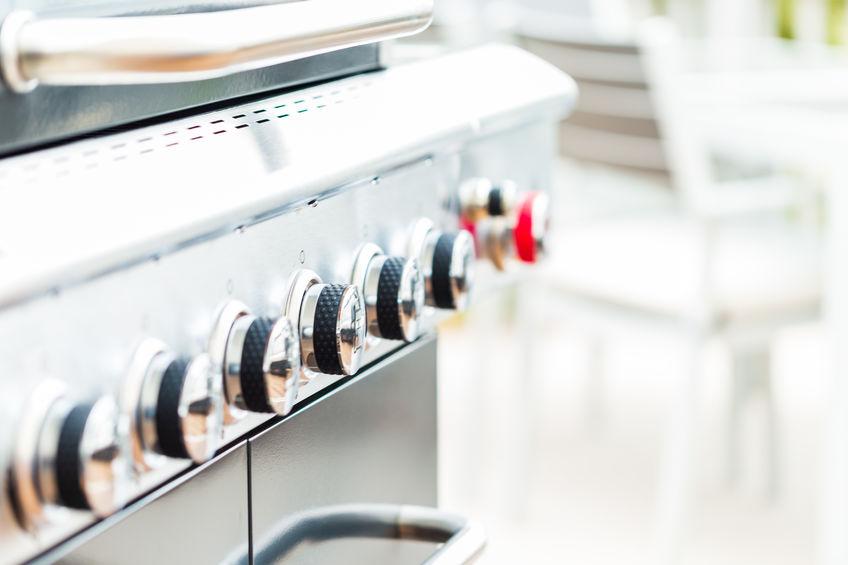
Stainless steel grills create environmental effects through their production process and raw material extraction.
These grills offer strong recycling potential that can reduce their overall environmental footprint.
Sustainability of Stainless Steel
Stainless steel production requires significant energy and generates carbon emissions.
The process uses chromium, nickel, and iron ore mining operations.
Mining these metals creates environmental disruption.
It affects local ecosystems and water sources.
The extraction process also produces waste materials.
Manufacturing stainless steel uses high temperatures in electric furnaces.
This creates substantial energy consumption.
Most facilities rely on fossil fuels for power generation.
Key Production Impacts:
- High energy consumption during manufacturing
- Mining operations for raw materials
- Carbon dioxide emissions from furnaces
- Water usage in processing facilities
Weber grills contain 304 or 316 grade stainless steel.
These grades require more chromium and nickel than basic steel types.
The higher alloy content increases the environmental cost of production.
Recyclability of Weber Grills
Stainless steel maintains its properties through multiple recycling cycles.
Weber grills can be completely recycled at the end of their lifespan.
The recycling process uses 70% less energy than new steel production.
This dramatically reduces the environmental impact compared to manufacturing fresh materials.
Most recycling facilities accept stainless steel components.
Weber grills separate into different metal grades during processing.
Each grade gets recycled into appropriate applications.
Recycling Benefits:
- Reduces landfill waste
- Saves energy compared to new production
- Preserves natural resources
- Creates secondary market materials
Weber grills typically last 10-20 years with proper maintenance.
Their long lifespan reduces replacement frequency.
This extends the time before recycling becomes necessary.
Choosing the Right Weber Grill Material for Your Needs
Weber offers grills in two main materials: stainless steel and porcelain-enameled steel.
Each material has different costs, care requirements, and performance features.
Stainless Steel vs. Porcelain-Enameled Options
Stainless steel Weber grills resist rust and corrosion naturally.
They handle harsh weather conditions well without special care.
The material maintains its appearance for years with basic cleaning.
Cleaning Requirements:
- Stainless steel needs regular wiping to prevent water spots
- Porcelain enamel wipes clean easily with soap and water
- Both materials resist grease buildup
Porcelain-enameled grills have steel bodies with a glass coating.
This coating protects the metal underneath from rust and damage.
The smooth surface makes cleaning simple.
Heat Performance:
- Stainless steel heats up quickly
- Porcelain enamel holds heat longer
- Both maintain steady cooking temperatures
Stainless steel shows fingerprints and water spots more easily.
Porcelain enamel can chip if hit hard or dropped.
Small chips may lead to rust over time.
Budget and Performance Considerations
Stainless steel Weber grills cost more upfront than porcelain-enameled models.
The price difference ranges from $50 to $200 depending on grill size.
Porcelain-enameled grills offer good value for casual grillers.
They perform well for weekend cooking and family gatherings.
The lower cost makes them popular with first-time buyers.
Long-term Costs:
- Stainless steel lasts 15-20 years with basic care
- Porcelain enamel lasts 10-15 years if coating stays intact
- Replacement parts cost similar amounts for both types
Frequent grillers benefit more from stainless steel durability.
Heavy use shows wear faster on porcelain coatings.
Professional cooks prefer stainless steel for consistent performance.
Climate affects material choice.
Coastal areas with salt air favor stainless steel.
Dry climates work well for both options.
Frequently Asked Questions
Weber grills use different materials across their product lines, with stainless steel being common in premium models.
Many users have questions about material durability, rust resistance, and performance differences between stainless steel and other materials.
-
What materials are used in the construction of Weber grills?
Weber uses several materials in their grill construction.
The most common materials include stainless steel, cast iron, porcelain-enameled steel, and aluminum.
Premium Weber models feature stainless steel for the cooking grates, flavorizer bars, and exterior surfaces.
Mid-range models often use porcelain-enameled steel for durability and heat retention.
The kettle grills use porcelain-enameled steel for the bowl and lid.
Cast iron is used in some grates and internal components for heat retention.
-
Which models of Weber grills feature stainless steel grates?
The Genesis II series comes with stainless steel cooking grates as standard equipment.
The Summit series also includes stainless steel grates across all models.
Spirit II models feature stainless steel grates in most configurations.
The Genesis EPX line uses stainless steel for both grates and flavorizer bars.
 Premium kettle models like the Premium charcoal grill offer stainless steel grates as upgrades.
Some Genesis models include both stainless steel cooking grates and warming racks.
-
Can stainless steel Weber grills be prone to rust and corrosion?
Stainless steel Weber grills resist rust better than regular steel but can still develop corrosion.
Salt air from coastal areas can cause pitting and discoloration on stainless steel surfaces.
Poor maintenance can lead to rust spots on stainless steel components.
Food residue and grease buildup can trap moisture against the metal surface.
Lower-grade stainless steel may show rust more quickly than higher grades.
Regular cleaning and proper storage help prevent most corrosion issues.
-
How does the Weber Genesis II grill compare in terms of material quality?
The Genesis II uses 304 stainless steel for cooking grates and flavorizer bars.
This grade of stainless steel offers good corrosion resistance and durability.
The firebox is made from porcelain-enameled steel rather than stainless steel.
The exterior features painted steel construction with stainless steel accents.
The Genesis II represents a middle-tier material quality in Weber’s lineup.
It offers better materials than Spirit models but less premium construction than Summit series grills.
-
Are stainless steel grates superior to cast iron for grilling performance?
Stainless steel grates heat up faster than cast iron grates. They also cool down more quickly after cooking sessions end.
Cast iron retains heat longer and creates better searing marks on food. Cast iron requires more maintenance to prevent rust and maintain seasoning.
Stainless steel grates are easier to clean and maintain. They resist rust without special care or seasoning requirements.
-
What are the benefits of a Weber Stainless Steel griddle compared to traditional grates?
Stainless steel griddles provide a flat cooking surface for eggs, vegetables, and small foods. They prevent small items from falling through grate openings.
The smooth surface distributes heat evenly across the cooking area. Stainless steel griddles clean easier than traditional cast iron griddle surfaces.
Weber’s stainless steel griddles fit directly over existing grates. They heat up quickly and maintain consistent temperatures during cooking.
Bottom Line – Are Weber Grills Stainless Steel?
Weber’s stainless steel grills—especially from the Genesis, Summit, and EPX lines—offer premium construction, better durability, and superior performance.
For buyers prioritizing longevity and rust resistance, 304 stainless steel models like the Summit S-470 or Genesis S-435 are excellent investments.
If you’re looking for a cost-effective option with some stainless steel benefits, Spirit II E-310 or Genesis E-325s strike a great balance.