
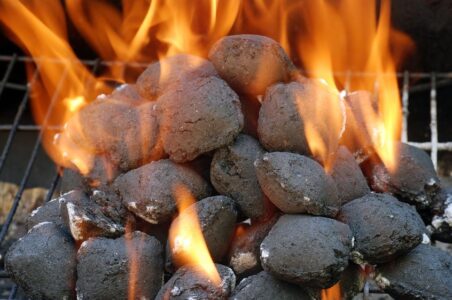
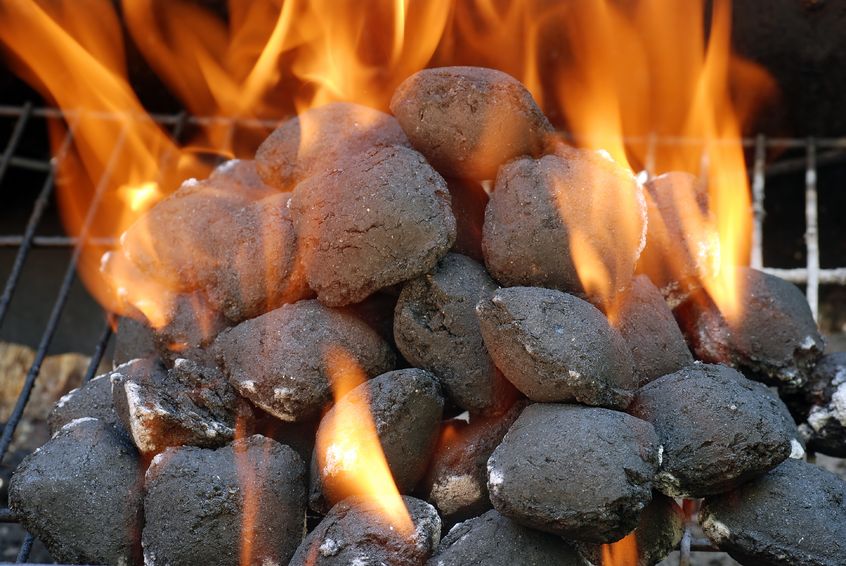
 Many gas grill owners wonder if they can add charcoal to their existing setup to achieve that coveted smoky flavor without purchasing a separate charcoal grill.
This question arises frequently among grilling enthusiasts who want the convenience of gas with the taste benefits of charcoal.
While some gas grills can accommodate charcoal with proper modifications and safety precautions, most standard gas grills are not designed for charcoal use and attempting to do so can damage the grill and create safety hazards.
The compatibility depends largely on the grill’s design and whether it includes designated areas for charcoal placement.
Understanding the risks, methods, and safer alternatives becomes essential for anyone considering this approach.
This guide examines the practical aspects of using charcoal in gas grills, explores the potential dangers involved, and provides safer methods to achieve smoky flavors while maintaining grill integrity and user safety.
Can a Gas Grill Be Used With Charcoal?
Gas grills can technically accommodate charcoal, but this practice carries significant risks and limitations.
Most manufacturers design gas grills specifically for propane or natural gas use, and adding charcoal can damage components or create safety hazards.
Key Differences Between Gas Grills and Charcoal Grills
Gas grills feature burner tubes, heat deflectors, and grease management systems designed for controlled gas combustion.
These components typically cannot withstand the intense heat that charcoal produces.
Charcoal burns at temperatures reaching 2000°F or higher, while gas grills are engineered for maximum temperatures around 500-600°F.
This temperature difference can warp metal components and damage the grill’s interior.
Ventilation systems differ significantly between the two grill types.
Gas grills have limited airflow controls compared to charcoal grills, which feature adjustable vents for oxygen regulation.
The firebox construction varies substantially.
Charcoal grills use thicker steel and different materials to handle direct coal contact and extreme heat.
Intended Uses of Gas Grills
Gas grills are designed for convenience and precise temperature control.
They offer quick startup, consistent heat distribution, and easy temperature adjustments through control knobs.
The heat distribution system relies on burner placement and heat tents or flavorizer bars.
These components direct heat evenly across the cooking surface without requiring direct fuel contact.
Grease management features include drip pans and grease channels that funnel fats away from heat sources.
Adding charcoal can interfere with these drainage systems.
Gas grills excel at indirect cooking methods and maintaining steady temperatures for extended periods without fuel adjustments.
Manufacturer Recommendations Regarding Charcoal Use
Most major grill manufacturers explicitly advise against using charcoal in gas grills.
This practice typically voids warranties and violates safety guidelines.
Weber, Char-Broil, and Napoleon specifically state in their user manuals that charcoal use can damage internal components and create fire hazards.
Some manufacturers offer hybrid models designed to accommodate both gas and charcoal safely.
These units feature separate compartments and reinforced construction.
Warranty claims related to charcoal damage in gas-only grills are typically denied.
Insurance coverage may also be affected if accidents occur from improper fuel use.
Potential Risks of Using Charcoal in Gas Grills
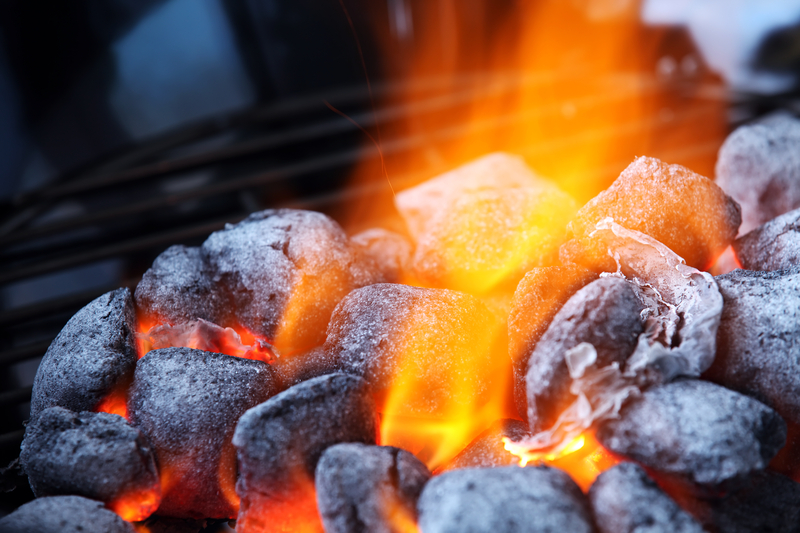
Using charcoal in gas grills creates serious safety hazards including carbon monoxide poisoning and fire risks, while potentially causing expensive damage to burners, heat shields, and other internal components that weren’t designed for charcoal’s intense heat.
Fire Hazards and Safety Concerns
Carbon monoxide poisoning represents the most dangerous risk when burning charcoal in gas grills.
Charcoal produces significant amounts of this odorless, colorless gas that can be lethal in enclosed or poorly ventilated areas.
Flare-ups and uncontrolled fires occur more frequently with charcoal due to its unpredictable burning patterns.
Gas grills lack the proper ventilation systems designed for charcoal combustion.
The intense heat from charcoal can cause grease fires when fat drips onto the coals.
Gas grills typically have grease management systems that don’t work effectively with charcoal placement.
Hot ash and debris can fall through grill grates onto decking, patios, or grass below.
This creates fire hazards that extend beyond the grill itself.
Damage to Internal Components
Burner tubes and ports suffer the most damage from charcoal use.
Ash and debris clog gas ports, preventing proper gas flow and creating uneven heating or complete burner failure.
Heat shields and flavorizer bars warp or crack under charcoal’s extreme temperatures.
These components cost between $30-150 to replace depending on the grill model.
The firebox interior experiences accelerated wear from charcoal’s higher heat output.
Paint burns off, metal warps, and rust develops more quickly than normal use patterns.
Temperature gauges and thermometers often fail when exposed to charcoal’s intense heat.
Replacement parts typically cost $25-75 per component.
Warranty and Liability Issues
Manufacturer warranties become void when charcoal is used in gas grills.
All major grill manufacturers explicitly prohibit charcoal use in their warranty terms.
Insurance claims may be denied if property damage results from improper grill use.
Homeowner’s insurance policies often exclude coverage for damage caused by equipment misuse.
Liability concerns arise if injuries occur from gas grill modifications or improper charcoal use.
Property owners may face legal responsibility for accidents involving modified equipment.
Repair costs for charcoal-damaged gas grills typically range from $200-800, often exceeding the grill’s replacement value.
Methods People Attempt to Use Charcoal in Gas Grills
Grill enthusiasts try several approaches to add charcoal to their gas grills, ranging from dangerous direct placement on burners to specialized equipment designed for this purpose.
The methods vary significantly in both safety and effectiveness.
Direct Placement of Charcoal on Burners
Some people place charcoal briquettes or lump charcoal directly on top of gas burners or flavorizer bars.
This method attempts to ignite the charcoal using the gas flame as an ignition source.
Safety Risks:
- Excessive heat buildup beyond the grill’s design limits
- Potential damage to burner components and gas lines
- Ash accumulation that clogs gas ports
- Uncontrolled flare-ups and dangerous smoke production
Gas grills lack proper ventilation systems for solid fuel combustion.
The intense heat from burning charcoal can warp burner covers and damage internal components.
This approach often results in uneven charcoal lighting.
Only the bottom portions of charcoal pieces ignite properly while upper sections remain unlit.
Fire Department Concerns: Direct placement can create emergency situations requiring professional intervention.
The method generates excessive smoke that triggers safety concerns in residential areas.
Special Trays and Charcoal Baskets
Charcoal baskets and specialized trays create a barrier between burning charcoal and gas grill components.
These accessories sit above the burners and contain the charcoal in a controlled space.
Available Products:
- Stainless steel charcoal baskets
- Perforated charcoal trays
- Cast iron charcoal holders
- Custom-fitted grill inserts
The tray method allows users to light charcoal using the gas burners as ignition sources.
Once the charcoal reaches proper temperature, operators turn off the gas supply.
Setup Process: Users place the tray or basket on the cooking grates.
They add charcoal to the container and ignite it using gas burners on high heat.
Temperature Control Challenges: Charcoal baskets make temperature regulation difficult compared to traditional charcoal grills.
Users cannot easily adjust heat levels once the charcoal is burning.
This method still generates significant ash that can damage gas grill components over time.
The approach requires thorough cleaning after each use to prevent mechanical problems.
Using Hybrid or Dual-Fuel Grills
Hybrid grills feature dedicated sections for both gas and charcoal cooking.
These units include separate fireboxes designed specifically for each fuel type.
Design Features:
- Separate charcoal chamber with proper ventilation
- Independent gas burner sections
- Ash management systems
- Heat-resistant materials throughout
Manufacturers like Weber and Char-Griller produce models with distinct charcoal and gas zones.
These grills allow users to cook with both fuel types simultaneously or separately.
Proper Ventilation: Hybrid models include ventilation systems designed for solid fuel combustion.
Air vents control oxygen flow to manage charcoal burning temperatures.
Safety Advantages: The separate chambers prevent dangerous interactions between gas and charcoal systems.
Each fuel type operates in its designated area with appropriate safety features.
Cost Considerations: Hybrid grills typically cost more than single-fuel models.
The investment provides legitimate dual-fuel capability without safety compromises.
Users can achieve authentic charcoal flavors while maintaining gas convenience for different cooking tasks.
Safer Alternatives for Charcoal Flavor with Gas Grills
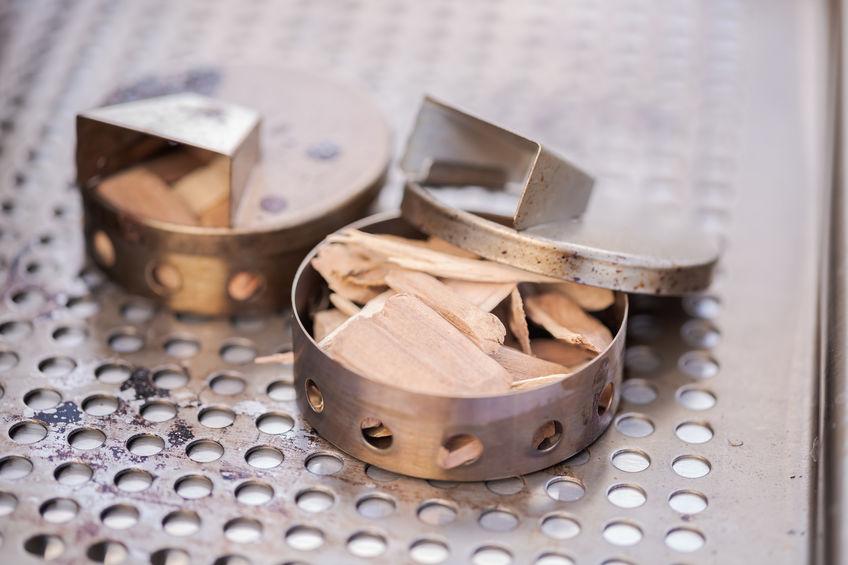
Gas grill owners can achieve authentic smoky flavors through smoker boxes, wood chips, charcoal-flavored additives, and dual-fuel grill systems.
These methods eliminate safety risks while delivering the rich, smoky taste associated with charcoal grilling.
Using Smoker Boxes or Wood Chips
Smoker boxes provide the most direct method for adding charcoal-like flavors to gas-grilled food.
These metal containers hold wood chips and sit directly on the grill grates or flavorizer bars.
Wood chip varieties produce different flavor profiles:
- Hickory – Strong, bacon-like flavor
- Apple – Mild, sweet smoke
- Cherry – Fruity, mild flavor with reddish color
- Oak – Medium intensity, well-balanced
Soaking wood chips for 30 minutes before use extends burn time and creates more consistent smoke production.
Users should place the smoker box over direct heat zones to ensure proper chip ignition.
Aluminum foil pouches serve as alternative containers when smoker boxes are unavailable.
Poke 6-8 holes in the top of sealed pouches filled with soaked chips.
The indirect cooking method maximizes smoke absorption.
Grillers should place food away from direct heat while the smoker box remains over high flames.
Adopting Charcoal-Flavored Additives
Liquid smoke provides immediate charcoal flavor without additional equipment.
This concentrated flavoring contains actual smoke particles dissolved in water or vinegar.
Application methods include:
- Brushing directly onto meat surfaces
- Adding to marinades and rubs
- Mixing into sauces and glazes
Charcoal-infused seasonings blend traditional spices with charcoal powder or activated carbon.
These products add both flavor and the distinctive dark appearance of charcoal-grilled foods.
Salt-based charcoal seasonings work particularly well on steaks and burgers.
Users should apply these products 15-20 minutes before cooking to allow proper flavor penetration.
Smoke tubes filled with wood pellets create continuous smoke throughout longer cooking sessions.
These perforated metal tubes burn for 2-4 hours and require minimal maintenance.
Investing in a Dual-Fuel Grill
Dual-fuel grills combine gas and charcoal capabilities in single units.
These systems feature separate chambers or convertible fireboxes that accommodate both fuel types.
Hybrid designs include side-by-side configurations with independent gas and charcoal zones.
This setup allows simultaneous cooking with different fuel sources.
Convertible models use removable gas components that transform the firebox for charcoal use.
Users can switch between fuel types but cannot operate both simultaneously.
Charcoal tray systems fit into existing gas grills and sit above the burner tubes.
These accessories require manufacturer approval to maintain warranty coverage.
Installation costs range from $800-$3000 for quality dual-fuel systems.
Professional installation ensures proper gas line connections and safety compliance.
Maintenance requirements increase with dual-fuel grills due to ash cleanup and dual fuel line management.
Regular cleaning prevents cross-contamination between fuel residues.
Proper Maintenance and Cleaning After Charcoal Use
Using charcoal in a gas grill requires thorough cleaning to prevent damage from ash buildup and ensure proper burner function.
Heat shields need special attention to remove charcoal residue that can block gas flow.
Cleaning Burners and Heat Shields
Gas burners collect ash particles that can clog the small holes where flames emerge.
Users should remove burner tubes and soak them in warm soapy water for 30 minutes.
A soft brush or pipe cleaner works effectively to clear blocked ports.
Compressed air can blow out stubborn debris from the holes.
Heat shields require different treatment depending on their material:
Stainless Steel Shields:
- Use degreasing soap and warm water
- Scrub with non-abrasive sponge
- Dry completely before reinstalling
Porcelain-Coated Shields:
- Clean gently to avoid chipping
- Use mild dish soap only
- Check for cracks that allow ash penetration
The area beneath heat shields traps significant ash amounts.
This space needs thorough cleaning with a shop vacuum or damp cloth.
Removing Ash and Residue
Charcoal ash creates more debris than gas grilling produces.
The firebox bottom accumulates the heaviest ash deposits that must be completely removed.
A shop vacuum with fine particle filter handles ash removal most effectively.
Users should ensure ash is completely cool before vacuuming to prevent fire hazards.
Cleaning Steps:
- Remove cooking grates and heat shields
- Vacuum loose ash from firebox
- Scrape stuck residue with plastic scraper
- Wipe surfaces with damp cloth
Grease management systems need extra attention after charcoal use.
Ash mixes with grease to create thick paste that clogs drains and collection systems.
The drip pan should be replaced or thoroughly degreased.
Steel wool removes stubborn ash-grease combinations from metal surfaces.
Inspecting for Damage
Charcoal burns at higher temperatures than gas flames, potentially causing thermal damage.
Heat shields may warp or develop stress cracks from intense heat exposure.
Burner tubes can suffer damage if ash blocks airflow and creates uneven heating.
Visual inspection reveals discoloration or warping that indicates heat stress.
Key Inspection Points:
- Heat shield warping or cracks
- Burner tube discoloration
- Firebox bottom corrosion
- Gas line connections for ash contamination
The ignition system requires careful checking since ash can interfere with electrode sparking.
Cleaning electrode tips with fine sandpaper restores proper function.
Control valves need inspection for ash infiltration that affects gas flow regulation.
Any grinding sensation when turning valves indicates internal contamination requiring professional service.
Conclusion
Gas grills can accommodate charcoal with proper preparation and safety measures.
Users must follow manufacturer guidelines and take necessary precautions to avoid damaging grill components.
Key Requirements:
- Thorough grill cleaning before use
- Appropriate charcoal tray or basket
- Protection of gas elements from direct charcoal contact
- Consultation of manufacturer instructions
The primary risk involves heat damage to gas grill components.
Charcoal burns hotter than gas burners and can clog systems with ash and debris.
Burners are particularly vulnerable to damage.
Alternative Methods offer safer options:
- Smoker boxes with wood chips
- Charcoal trays designed for gas grills
- Hybrid grill models
- Aluminum foil packets with wood chips
These alternatives provide smoky flavor without the risks associated with direct charcoal placement.
They maintain the convenience of gas grilling while adding desired taste elements.
Success depends on careful execution and proper equipment.
Users should prioritize safety over convenience when attempting this combination.
Regular maintenance becomes more critical when introducing charcoal elements.
The practice remains possible but requires commitment to proper techniques.
Those seeking occasional smoky flavor may find alternative methods more practical than full charcoal integration.