
 The outdoor cooking area has evolved from a simple standalone grill into a sophisticated culinary space that rivals traditional indoor kitchens.
Modern homeowners are discovering that outdoor kitchens transform how they approach barbecue cooking, entertainment, and outdoor living.
An outdoor kitchen elevates barbecue from a basic grilling experience to a comprehensive culinary and social hub that enhances both cooking capabilities and property value.
These dedicated outdoor cooking spaces offer far more than aesthetic appeal.
They provide expanded functionality through integrated appliances, ample preparation areas, and storage solutions that make barbecue cooking more efficient and enjoyable.
Gas barbecues heat up in approximately 10 minutes, while the surrounding kitchen infrastructure supports everything from food preparation to cleanup without constant trips indoors.
The benefits extend beyond cooking convenience to encompass entertainment value, health advantages, and practical considerations like energy savings during warmer months.
Whether designing an elaborate outdoor culinary center or a modest barbecue station, homeowners find that outdoor kitchens create new possibilities for gathering spaces and cooking techniques that simply cannot be replicated indoors.
Transforming Backyard Barbecues With Outdoor Kitchens
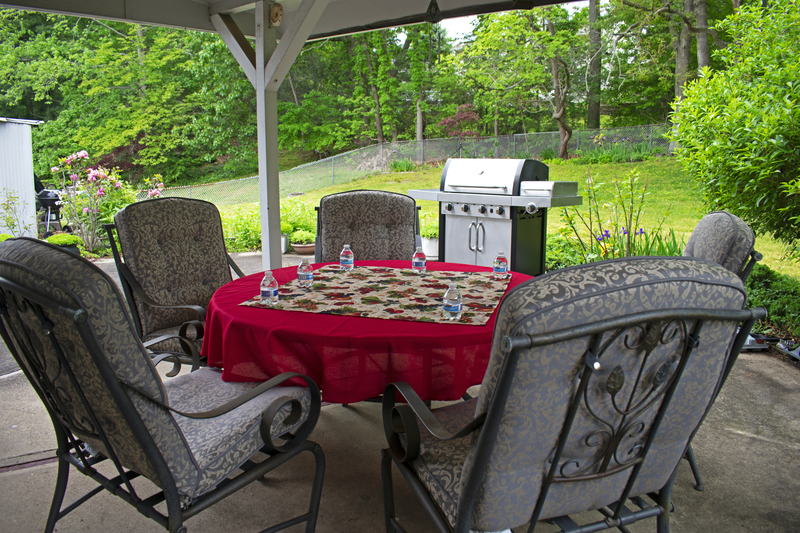
Outdoor kitchens revolutionize traditional backyard barbecues by creating dedicated cooking zones that enhance both functionality and entertainment value.
These spaces integrate professional-grade grills with supporting appliances while extending the usable living area beyond the home’s interior.
Elevating the Barbecue Experience
An outdoor kitchen transforms casual grilling into a comprehensive cooking experience.
Traditional barbecues often involve constant trips between the indoor kitchen and outdoor grill.
The outdoor kitchen eliminates this inconvenience by positioning all necessary tools and ingredients within arm’s reach.
Key enhancements include:
- Dedicated prep surfaces for food handling
- Built-in storage for utensils and seasonings
- Convenient access to running water through outdoor sinks
- Integrated lighting for evening barbecues
The centralized design allows the cook to remain engaged with guests throughout the entire process.
Weather protection from overhead structures or nearby walls shields both the cook and equipment from wind and rain.
Food safety improves significantly with proper refrigeration units keeping ingredients at optimal temperatures.
The outdoor kitchen setup also reduces indoor cooking odors and excess heat during summer months.
The Role of Grills and Cooking Appliances
The grill serves as the centerpiece of any outdoor kitchen design.
Built-in grills offer superior performance compared to portable units through consistent gas connections and integrated ventilation systems.
Modern outdoor kitchens incorporate multiple cooking methods:
| Appliance Type | Primary Function | Cooking Style |
|---|---|---|
| Gas Grill | High-heat searing | Direct grilling |
| Smoker | Low-temperature cooking | Smoking meats |
| Pizza Oven | Wood-fired baking | Artisanal breads |
| Side Burners | Sauce preparation | Stovetop cooking |
Professional-grade equipment withstands outdoor conditions through marine-grade stainless steel construction.
These materials resist corrosion from moisture and temperature fluctuations.
Built-in designs create seamless integration with countertops and cabinetry.
The permanent installation provides stable cooking platforms and eliminates wobbling issues common with portable grills.
Expanding Your Outdoor Living Space
Outdoor kitchens extend functional living areas onto patios and decks.
The kitchen island or peninsula creates natural gathering points that encourage social interaction during cooking activities.
Strategic placement connects the outdoor kitchen to existing patio furniture and dining areas.
This integration creates flowing entertainment zones that accommodate both intimate dinners and larger gatherings.
The outdoor kitchen becomes the focal point for backyard activities.
Guests naturally gravitate toward the cooking area, creating dynamic social environments.
Space expansion benefits:
- Additional counter space for food service
- Storage solutions for outdoor entertaining supplies
- Defined cooking zones separate from relaxation areas
- Increased usable square footage for daily activities
Property values increase substantially with well-designed outdoor kitchens.
These installations provide year-round functionality in moderate climates and seasonal use in areas with harsh winters.
Superior Entertaining and Social Spaces
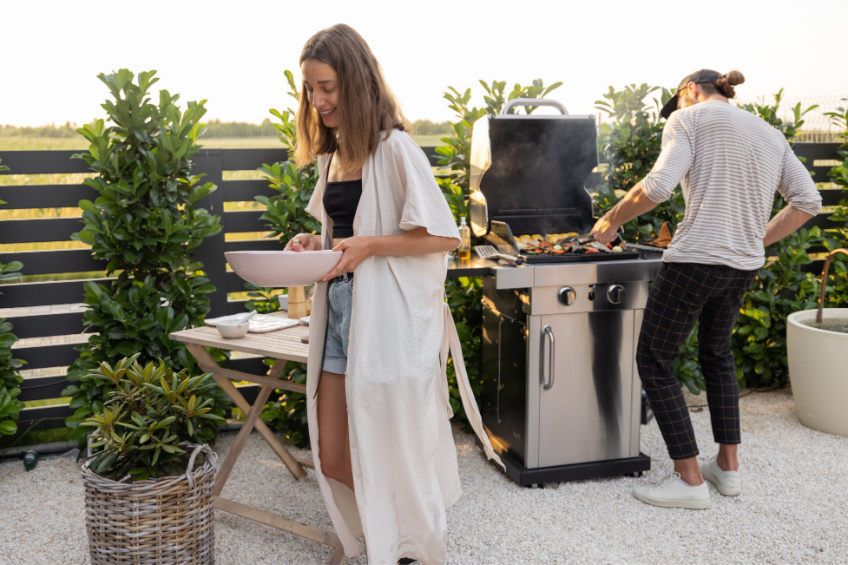
Outdoor kitchens transform backyards into dynamic social hubs where hosts can prepare meals while engaging with guests.
The combination of cooking areas, comfortable seating zones, and outdoor bars creates an environment that encourages natural interaction and memorable gatherings.
Hosting Outdoor Gatherings With Ease
Outdoor kitchens eliminate the isolation that comes with traditional indoor cooking during parties.
The cook remains part of the conversation while preparing meals, creating a more inclusive atmosphere for all guests.
The expanded space around grills and prep areas allows multiple people to gather without crowding.
This natural flow prevents the bottlenecks that occur in indoor kitchens when guests congregate around the host.
Key entertaining advantages include:
- No running back and forth between indoor kitchen and patio
- Guests can observe and participate in food preparation
- Larger capacity for simultaneous cooking of multiple dishes
- Weather-resistant appliances handle seasonal entertaining needs
The outdoor setting encourages longer, more relaxed gatherings.
Guests tend to linger when comfortable seating and ambient lighting create an inviting atmosphere that extends well into the evening hours.
Designing for Comfort and Flow
Effective outdoor kitchen layouts prioritize smooth movement between cooking, serving, and dining areas.
The work triangle concept applies outdoors, positioning the grill, prep space, and storage within easy reach of each other.
Counter height and depth matter for both functionality and social interaction.
Standard 36-inch heights work well for food prep, while raised bar-style counters at 42 inches create natural gathering spots for guests with drinks.
Essential design elements for social flow:
- Prep zones positioned to face seating areas
- Wide walkways of at least 4 feet between major appliances
- Multiple seating levels to accommodate different group sizes
- Strategic lighting for both task work and ambiance
Weather protection through pergolas or covered areas extends the usable season.
Ceiling fans and outdoor heaters make the space comfortable across different temperature ranges, ensuring consistent entertaining capabilities.
The Outdoor Bar Advantage
Dedicated outdoor bars serve as natural gathering points that keep guests engaged while meals are being prepared.
They provide a designated space for beverages and appetizers, reducing traffic around active cooking areas.
Built-in bars offer storage for glassware, ice, and bar tools while maintaining a clean appearance.
Under-counter refrigeration keeps drinks cold without requiring trips to the indoor kitchen.
Bar features that enhance entertaining:
- Ice makers for consistent cold beverage service
- Wine storage in temperature-controlled units
- Built-in bottle openers and cutting boards
- Electrical outlets for blenders and other small appliances
The bar area extends the outdoor living space beyond just cooking and dining.
It creates a casual atmosphere where guests can gather before meals, during food preparation, and long after dinner has ended.
Expanded Cooking Capabilities
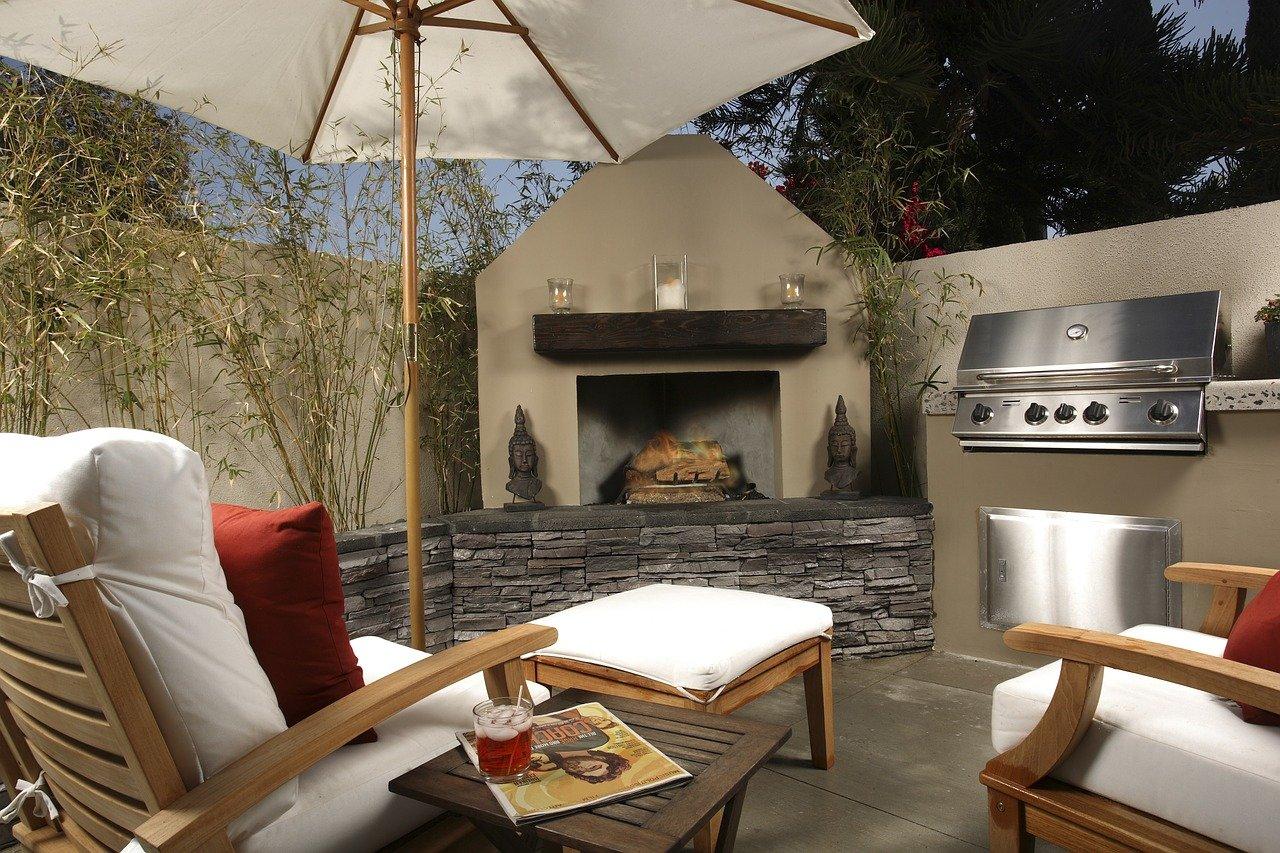 An outdoor kitchen transforms barbecue cooking from a single-method approach into a comprehensive culinary experience.
Modern outdoor cooking setups incorporate multiple appliances and specialized equipment that enable various cooking techniques beyond traditional grilling.
Multi-Function Cooking: Side Burners, Smokers, and Pizza Ovens
Side burners provide essential stovetop functionality for outdoor kitchens.
They allow cooks to prepare sauces, sauté vegetables, or boil water while grilling the main course.
Most side burners generate 12,000-15,000 BTUs of heat, matching indoor cooktop performance.
Smokers unlock low-and-slow cooking techniques that produce tender meats with complex flavors.
They maintain consistent temperatures between 225-275°F for hours, enabling preparation of brisket, pulled pork, and ribs.
Built-in smokers integrate seamlessly with outdoor kitchen designs.
Pizza ovens reach temperatures of 800-900°F, creating restaurant-quality pizzas in 2-3 minutes.
These high-heat appliances also excel at baking bread, roasting vegetables, and cooking flatbreads.
Wood-fired and gas-powered options suit different cooking preferences and maintenance requirements.
The combination of these appliances creates a complete cooking ecosystem.
Cooks can prepare entire meals outdoors without returning to the indoor kitchen.
Benefits of Built-in Grills
Built-in grills offer superior performance compared to portable units.
They typically feature larger cooking surfaces, ranging from 400-1,200 square inches.
This expanded space accommodates bigger gatherings and multiple food items simultaneously.
Heat distribution remains more consistent across built-in grill surfaces.
Multiple burner zones allow different temperature settings for various cooking methods.
High-end models include infrared burners that reach searing temperatures above 1,500°F.
Key Built-in Grill Advantages:
- Permanent gas line connections eliminate propane tank changes
- Integrated storage compartments keep tools and accessories organized
- Stainless steel construction withstands weather exposure
- Precise temperature controls enable consistent cooking results
Built-in grills integrate with countertops and storage systems.
This configuration creates efficient workflow patterns and maximizes prep space around the cooking area.
Versatility With Additional Features
Modern outdoor kitchens incorporate specialized features that expand cooking possibilities.
Rotisserie attachments enable even cooking of whole chickens, roasts, and other large cuts.
Motor-driven spits ensure consistent rotation and browning.
Griddle plates transform grill surfaces into flat-top cooking areas.
They excel at preparing breakfast items, stir-fries, and delicate foods that might fall through grill grates.
Some models feature interchangeable cooking surfaces.
Additional Versatile Features:
- Warming drawers keep cooked food at serving temperature
- Ice bins maintain ingredient freshness during long cooking sessions
- Refrigerated storage eliminates trips to indoor appliances
- Task lighting enables safe cooking after dark
These features transform outdoor spaces into fully functional cooking environments.
They support complex meal preparation that rivals indoor kitchen capabilities.
Customization, Flexibility, and Design Options
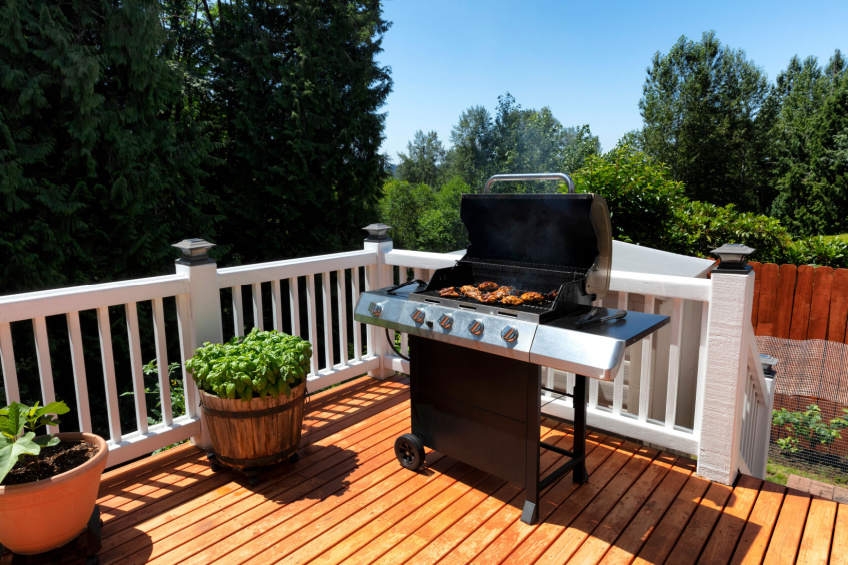
Outdoor kitchens offer extensive customization possibilities that allow homeowners to create cooking spaces tailored to their specific needs and preferences.
From selecting the perfect layout to choosing premium materials like stainless steel, these design choices directly impact both functionality and long-term durability.
Personalizing Your Outdoor Cooking Space
The beauty of outdoor kitchens lies in their ability to reflect individual cooking styles and entertainment preferences.
Homeowners can design spaces that accommodate everything from casual family barbecues to elaborate dinner parties.
Cooking Style Considerations:
- Grilling enthusiasts benefit from multiple grill zones and flat-top griddles
- Pizza lovers can incorporate wood-fired ovens
- Entertaining hosts require expanded counter space and seating areas
Storage customization plays a crucial role in personalizing the space.
Built-in cabinets can house specific grilling tools, while specialized drawers accommodate everything from spice collections to outdoor dinnerware.
Seating arrangements offer another layer of personalization.
Bar-style seating creates casual dining experiences, while separate dining areas support formal outdoor meals.
Counter heights can be adjusted to match the primary cook’s preferences.
Standard 36-inch heights work for most users, but custom heights accommodate different needs and cooking styles.
Layout and Appliance Choices
Three primary layout options dominate outdoor kitchen design, each offering distinct advantages for different spaces and cooking needs.
Popular Layout Configurations:
| Layout Type | Best For | Key Benefits |
|---|---|---|
| L-Shaped | Medium spaces | Efficient workflow, corner storage |
| U-Shaped | Large areas | Maximum counter space, central cooking hub |
| Straight-Line | Small patios | Space-efficient, budget-friendly |
L-shaped designs create natural work triangles between cooking, preparation, and storage areas.
This configuration works well for spaces measuring 10×12 feet or larger.
U-shaped layouts provide the most counter space and storage options.
They work best in areas exceeding 12×15 feet and accommodate multiple cooks simultaneously.
Straight-line designs maximize functionality in constrained spaces.
They integrate well with existing patios and require minimal structural modifications.
Essential Appliance Selection:
- Primary grill serves as the centerpiece
- Side burners handle sauces and side dishes
- Refrigeration units keep ingredients fresh
- Storage solutions organize tools and supplies
Selecting Durable and Stylish Materials
Material selection directly impacts both the longevity and aesthetic appeal of outdoor cooking spaces.
Weather resistance remains the primary concern, followed by maintenance requirements and visual compatibility.
Counter Surface Options:
- Granite offers natural beauty with excellent heat resistance
- Concrete provides customizable colors and textures
- Stainless steel delivers professional appearance with easy cleaning
Stainless steel dominates appliance construction due to its superior corrosion resistance and professional appearance.
Grade 304 stainless steel handles most climates, while Grade 316 suits coastal environments with salt air exposure.
Cabinet materials require careful consideration for outdoor use.
Marine-grade polymer withstands moisture better than traditional wood.
Powder-coated aluminum frames resist rust while supporting heavy countertops.
Flooring Material Performance:
- Natural stone provides slip resistance and weather durability
- Porcelain tiles offer design flexibility with low maintenance
- Concrete pavers deliver cost-effective longevity
Color coordination between materials creates cohesive designs.
Neutral tones like grays and earth tones complement most architectural styles while hiding everyday wear.
Finish selection affects both appearance and maintenance.
Brushed stainless steel surfaces hide fingerprints better than polished finishes.
Sealed natural stone prevents staining from food preparation.
Practical Advantages and Everyday Value
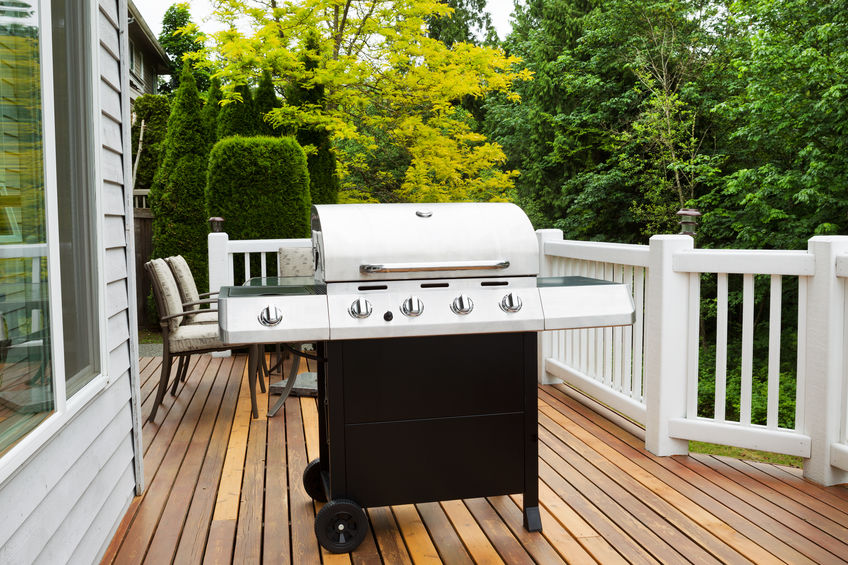
Outdoor kitchens deliver measurable benefits that extend beyond weekend entertainment, offering energy savings, improved home comfort, and streamlined cooking workflows that make daily meal preparation more efficient.
Convenience and Organization for Outdoor Cooking
A well-designed outdoor kitchen eliminates the constant back-and-forth trips between indoor and outdoor spaces.
Built-in storage cabinets keep grilling tools, utensils, and serving dishes within arm’s reach.
Essential storage solutions include:
- Weather-resistant cabinets for cookware and dishes
- Dedicated spaces for grilling accessories
- Covered areas for charcoal, wood chips, or propane tanks
Refrigeration units maintain ingredients at proper temperatures without indoor kitchen raids.
Many homeowners install compact refrigerators specifically for beverages, marinades, and perishable items.
Counter space provides dedicated areas for food preparation and plating.
This setup allows the cook to stay engaged with guests while managing multiple dishes simultaneously.
An outdoor sink simplifies cleanup and food prep tasks.
Running water eliminates the need to carry dirty dishes indoors or transport rinsed vegetables from the house.
Enhancing Energy Efficiency
Outdoor cooking reduces strain on indoor appliances during warm months.
Using the outdoor grill instead of the indoor oven prevents additional heat generation inside the home.
Air conditioning systems work less when heat-producing appliances stay outside.
This reduction translates to lower electricity bills during peak summer months when energy costs are highest.
Energy-saving appliances for outdoor kitchens:
- Gas grills that don’t require electricity
- Solar-powered lighting systems
- Energy-efficient outdoor refrigeration units
An outdoor dishwasher keeps heat and humidity from indoor spaces.
This appliance handles the cleanup while maintaining comfortable indoor temperatures.
Ice makers provide convenience without adding thermal load to indoor freezers.
These units operate independently and supply ice for beverages and food preservation.
Keeping Your Home Cooler
Indoor ovens can raise home temperatures by several degrees during cooking.
Outdoor kitchens eliminate this heat source, maintaining more comfortable indoor environments.
Reduced indoor cooking means less humidity from boiling, steaming, and other moisture-producing cooking methods.
Lower humidity levels contribute to overall comfort and reduce the workload on cooling systems.
The outdoor setup prevents cooking odours from penetrating indoor spaces.
Strong aromas from grilling fish, searing meats, or using bold spices dissipate naturally in open air.
Kitchen exhaust fans work less frequently when primary cooking happens outdoors.
This reduction saves energy and reduces wear on indoor ventilation systems.
Multiple trips through doors carrying hot dishes become unnecessary.
This eliminates the transfer of heated air from outdoor cooking areas into climate-controlled indoor spaces.
Long-Term Value and Lasting Benefits
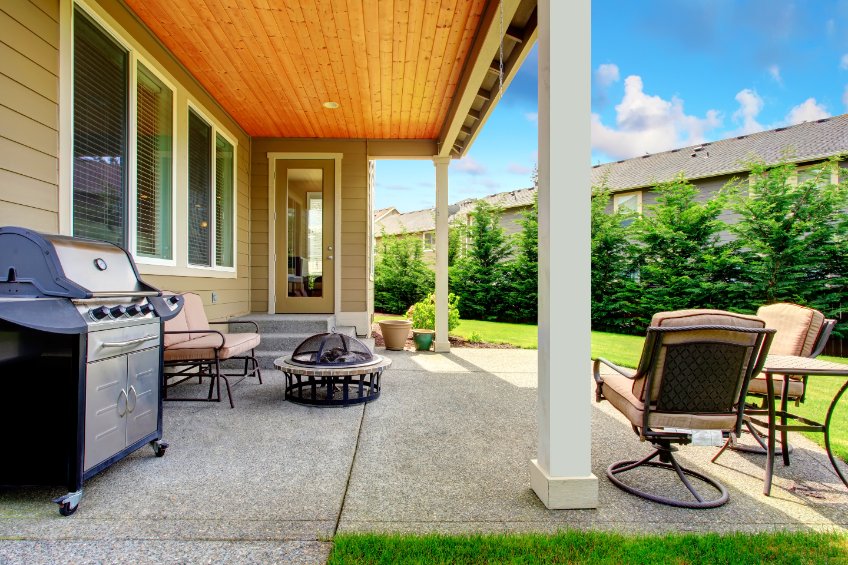
Outdoor kitchens deliver substantial returns through increased property values, durable construction that withstands weather conditions, and extended usability across all seasons.
These investments provide homeowners with both immediate lifestyle improvements and measurable financial benefits over time.
Boosting Property Value Through Outdoor Kitchens
Outdoor kitchens consistently rank among the most valuable home improvements for resale purposes.
Real estate professionals report that well-designed outdoor cooking spaces can increase property values by 10-15% in many markets.
The appeal extends beyond basic grilling setups.
Buyers actively seek homes with complete outdoor kitchen installations that include built-in appliances, counter space, and storage solutions.
Key value drivers include:
- Built-in grills and cooking surfaces
- Weather-resistant cabinetry and storage
- Integrated lighting and electrical systems
- Complementary features like outdoor bars or dining areas
Properties with outdoor kitchens typically spend less time on the market.
The additional living space appeals to buyers who prioritize entertaining and outdoor lifestyle options.
Investment returns vary by location and installation quality.
High-end installations in temperate climates generally provide the strongest returns, while basic setups still offer measurable value increases.
Weather Resistance and Longevity
Modern outdoor kitchen materials offer exceptional durability against harsh weather conditions.
Stainless steel appliances, stone countertops, and marine-grade cabinetry withstand decades of exposure to rain, snow, and temperature fluctuations.
Proper installation protects investments through strategic placement and weatherproofing.
Covered areas or pergolas extend equipment lifespan while maintaining year-round accessibility.
Durable material options:
| Material | Lifespan | Weather Resistance | Maintenance Level |
|---|---|---|---|
| Stainless Steel | 15-20 years | Excellent | Low |
| Natural Stone | 25+ years | Excellent | Medium |
| Marine-Grade Polymer | 20+ years | Superior | Very Low |
Deck integration requires careful planning to ensure structural integrity.
Reinforced decking supports heavy appliances and countertops without compromising safety or durability.
Quality installations require minimal maintenance beyond regular cleaning and seasonal inspections.
This longevity makes outdoor kitchens more cost-effective than frequent equipment replacements.
Year-Round Enjoyment
Outdoor kitchens extend usable seasons beyond traditional summer months.
Strategic design elements like windscreens, heating options, and covered areas enable cooking in various weather conditions.
Fall and spring cooking becomes practical with proper shelter and heating elements.
Many homeowners discover they use outdoor kitchens more frequently during cooler months when indoor heat from cooking becomes less desirable.
Winter usage depends on climate and equipment selection.
Gas appliances start reliably in cold temperatures, while electric options may require additional weatherproofing considerations.
Seasonal usage strategies:
- Install outdoor heaters or fire features
- Add windscreens or partial enclosures
- Choose appliances rated for temperature extremes
- Include covered prep and dining areas
The extended usage period maximizes return on investment.
Homeowners who cook outdoors 8-10 months annually see greater value than those limited to summer-only usage.