
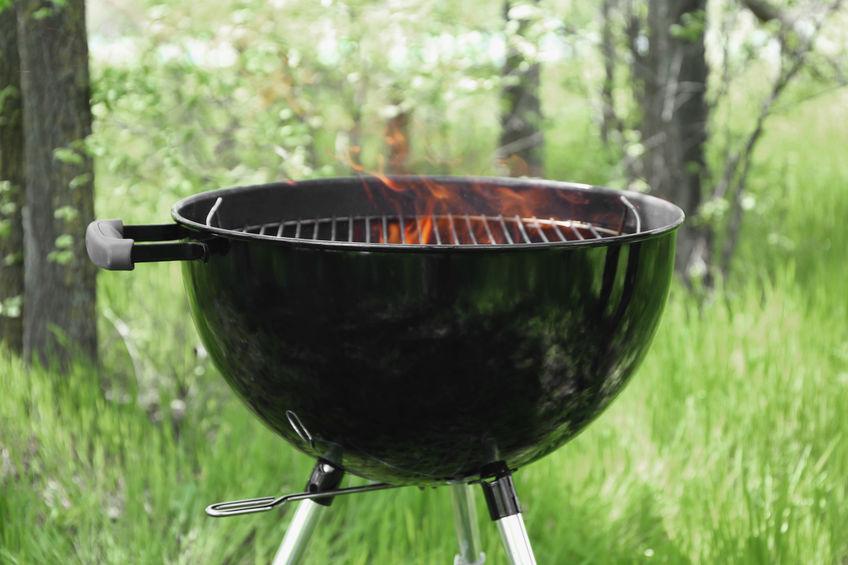
Charcoal grilling transforms ordinary meals into smoky, flavorful experiences that gas grills simply cannot replicate.
The distinctive taste comes from the radiant heat and wood smoke that charcoal produces, creating those coveted grill marks and deep flavors that define authentic barbecue.
 The Weber Original Kettle Premium 22″ stands out as the best overall charcoal grill for most people, offering reliable heat distribution, easy assembly, and proven durability at an affordable price point.
Testing reveals that the best charcoal grills excel at both high-heat searing and low-temperature smoking, while maintaining consistent temperatures and providing intuitive controls for grillers of all skill levels.
Choosing the right charcoal grill depends on factors like cooking space, portability needs, and budget constraints.
This guide examines the top-performing models across different categories, from compact portable units to large cart-style grills, helping readers understand the key features that separate exceptional charcoal grills from mediocre ones.
Why Owning the Best Charcoal Grill Matters
The best charcoal grill transforms ordinary meals into memorable dining experiences through superior heat control and authentic smoky flavor.
Quality charcoal grills deliver consistent performance that gas alternatives simply cannot match.
Enhancing Outdoor Cooking Experiences
The best charcoal grills excel at creating memorable outdoor cooking experiences through their versatility and performance capabilities.
These grills reach higher temperatures than most gas alternatives, making them ideal for achieving perfect sears on steaks and burgers.
Quality charcoal grills offer zone cooking capabilities that allow users to create different heat zones across the cooking surface.
This feature enables simultaneous cooking of various foods at different temperatures.
The ritual of lighting charcoal and managing the fire adds an engaging element to outdoor cooking.
Many grill enthusiasts find this hands-on approach more rewarding than simply turning a knob on gas grills.
Top features that enhance cooking experiences:
- Adjustable cooking grates for temperature control
- Hinged grates for easy fuel addition
- Multiple dampers for precise heat management
- Removable lids for versatility
Flavor Advantages of Charcoal Grilling
Charcoal grilling produces distinct smoky flavor that cannot be replicated by other cooking methods.
The combustion of charcoal creates compounds that penetrate food, delivering authentic barbecue taste.
Lump charcoal burns hotter and cleaner than briquettes, reaching temperatures up to 900°F for exceptional searing.
This high heat creates the Maillard reaction that produces complex flavors and appealing crusts on meats.
Charcoal grills accommodate wood chips and chunks easily, allowing cooks to add specific smoke flavors like hickory, apple, or cherry.
Gas grills struggle to maintain consistent smoke production.
The radiant heat from glowing coals provides even cooking while imparting subtle smoky notes throughout the cooking process.
This differs significantly from the direct flame heating of gas grills.
Charcoal Grills Versus Gas Grills
Charcoal grills outperform gas grills in several key areas that matter to serious outdoor cooks.
Temperature capability stands as the most significant advantage, with charcoal reaching 200-300°F higher than most gas units.
Key performance differences:
| Feature | Charcoal Grills | Gas Grills |
|---|---|---|
| Maximum temperature | 700-900°F | 500-600°F |
| Smoke flavor | Authentic | Limited |
| Fuel cost | Lower per use | Higher ongoing |
| Heat distribution | Radiant and convection | Direct flame only |
Gas grills offer convenience through instant ignition and precise temperature dials.
However, they lack the high-heat searing capability and authentic smoky flavor that define great barbecue.
The best charcoal grills require more attention and skill but reward users with superior flavor and cooking performance.
This makes them the preferred choice for those who prioritize taste over convenience.
Top Picks: The Best Charcoal Grills You Can Buy Today
The Weber Original Kettle Premium 22″ dominates the charcoal grill market with its proven design and reliable performance.
 Portable options, like compact kettle grills, offer convenience without sacrificing cooking quality.
For those seeking more versatility, offset smokers—such as the Royal Gourmet —allow you to both grill and smoke, giving you a wider range of cooking possibilities.
Weber Original and Other Leading Grill Models
The Weber Original Kettle Premium 22″ stands as the gold standard among charcoal grills.
This model features a porcelain-coated steel body with rustproof aluminum legs and nickel-plated steel grates designed for durability.
The grill’s integrated thermometer helps monitor cooking temperatures.
Its round design allows users to spin the grate to adjust heat exposure without moving food.
Two hinged sections on opposite sides provide easy access to the entire charcoal bed.
The simple assembly process requires only a Phillips screwdriver and takes minutes to complete.
 Napoleon 22″ Charcoal Kettle Grill offers a Weber alternative with a 34-inch height at the grates.
This makes cooking more comfortable compared to the Weber’s 27-inch height.
 The PK Grill & Smoker features rugged cast-aluminum construction and a rectangular design, making it exceptionally durable and completely rust-proof—a grill built to last for years.
Its detachable grill box adds some flexibility for maintenance, though the lack of an ash catcher can make cleanup a bit more hands-on.
Despite these minor usability concerns, it delivers excellent heat retention, consistent cooking performance, and versatile grilling options, making it a solid choice for anyone looking for a reliable, long-term grill investment.
Highly Rated Kettle Grills
Kettle grills remain the most popular charcoal grill design due to their versatility and effectiveness.
The classic dome shape promotes even heat circulation and efficient fuel use.
Most kettle grills feature porcelain-coated steel construction.
This material combination provides excellent heat retention while resisting rust and corrosion.
Vent controls on top and bottom allow precise temperature management.
Lower vents typically include long handles that stay cool during operation.
Key features to consider:
- Grate size (18″, 22″, or 26″ diameter)
- Hinged cooking grates for coal access
- Built-in thermometers
- Ash management systems
- Wheel assemblies for mobility
The 22-inch size offers the best balance of cooking space and fuel efficiency for most households.
Larger 26-inch models work better for frequent entertaining.
Best Portable Charcoal Grills
Portable charcoal grills prioritize lightweight construction and compact storage.
These models typically weigh between 15-25 pounds and feature folding or removable legs.
Tabletop models eliminate legs entirely for maximum portability.
They work well on picnic tables, tailgate surfaces, or camping setups.
Cart-style portable grills include small wheels and handles for easy transport.
Many feature side tables that fold down for storage.
Temperature control becomes more challenging in smaller grills due to limited space.
Users need to monitor food more closely and adjust coal placement frequently.
Essential portable features:
- Secure latching lids
- Heat-resistant handles
- Compact ash collection
- Stable leg design
- Adequate ventilation
Battery-powered fans in some models help maintain consistent temperatures.
However, these add weight and complexity to otherwise simple designs.
Royal Gourmet CC1830S and Offset Smokers
The Royal Gourmet combines grilling and smoking capabilities in one unit.
This offset smoker features a main cooking chamber with attached firebox for indirect heat cooking.
The design allows simultaneous grilling and smoking.
Users can grill directly over coals while smoking meats in the main chamber using wood chips or chunks.
Offset smoker advantages:
- Large cooking capacity
- Separate temperature zones
- Enhanced smoke flavor
- Versatile cooking methods
Temperature management requires more skill than standard grills.
The firebox needs regular fuel additions to maintain consistent heat.
Most offset smokers include multiple cooking grates and warming racks.
Side tables and storage shelves add functionality for food preparation and tool storage.
The Royal Gourmet typically features porcelain-coated cooking grates and chrome-plated warming racks.
Its wheels and side handles facilitate movement around outdoor spaces.
Key Features to Consider in the Best Charcoal Grill
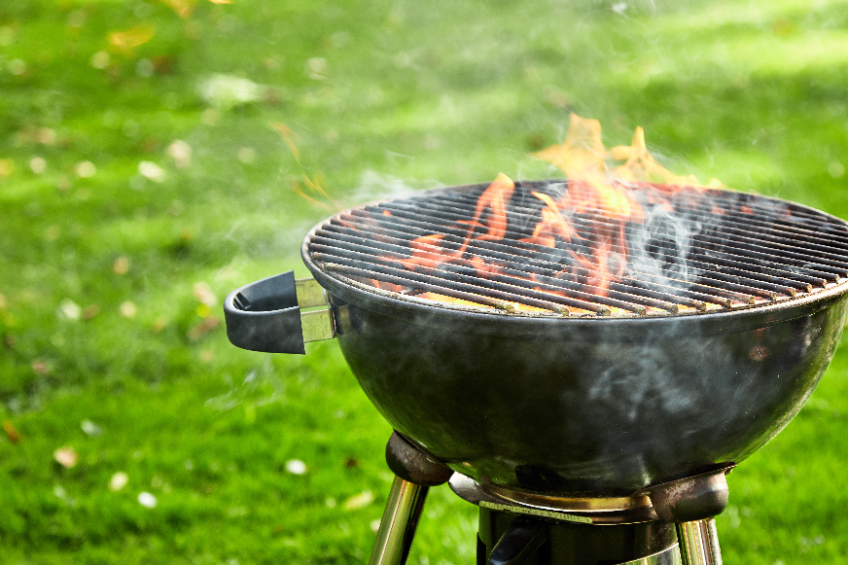
A charcoal grill’s performance depends on three critical factors: adequate cooking space for your needs, construction materials that retain and distribute heat effectively, and precise temperature control through well-designed ventilation systems.
Cooking Area and Grill Capacity
The cooking area determines how much food you can prepare at once. Small portable grills typically offer 150-200 square inches, suitable for 2-4 people.
Medium-sized grills provide 300-400 square inches, accommodating 8-15 burgers.
Large family grills feature 600-800+ square inches of cooking space.
The Char-Griller Classic offers 810 square inches across two levels, handling up to 40 burgers simultaneously.
Consider grill grate design for optimal cooking results.
Hinged grates allow easy charcoal access during cooking.
Cast iron grates retain heat better and create superior grill marks compared to standard wire grates.
Multi-level cooking surfaces expand versatility.
Two-tier systems let you cook different foods at varying distances from the coals, providing more temperature zones for diverse cooking needs.
Material Quality and Heat Retention
Cast aluminum and heavy steel construction provide superior heat retention.
The PK’s Grills cast aluminum body maintains consistent temperatures longer than thin steel alternatives.
Porcelain-enameled surfaces resist rust and distribute heat evenly.
Weber’s porcelain coating creates reliable temperature consistency across the cooking surface.
Thick walls and quality materials prevent heat loss.
Heavy-duty construction costs more initially but delivers better cooking performance and longer lifespan.
Charcoal pan design affects heat distribution.
Adjustable charcoal trays let you control the distance between coals and food, managing cooking intensity effectively.
Temperature Control and Adjustable Vents
Adjustable vents regulate airflow and temperature precisely.
Bottom intake dampers control oxygen flow to coals, while top exhaust vents manage heat retention.
Multiple damper systems provide better control.
The PK features four dampers plus a mini damper for ultimate temperature management, though this complexity suits experienced grillers better.
Built-in thermometers help monitor cooking temperatures, but probe thermometer ports offer more accuracy.
Some grills include dedicated ports for aftermarket temperature probes.
Rotating vents with clear open/closed indicators simplify operation.
Look for dampers marked with visual cues showing fully open, partially open, and closed positions for easier temperature adjustments.
Charcoal Grill Design Types and Styles
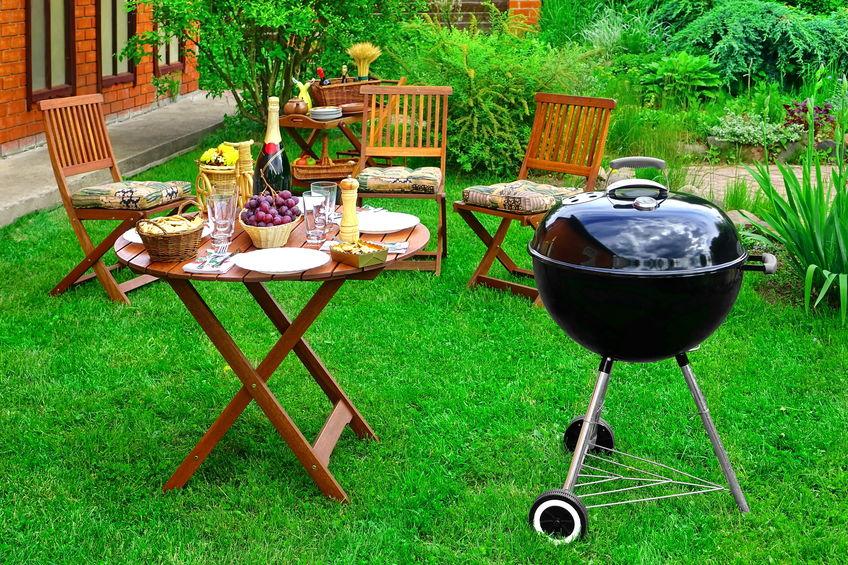
Charcoal grills come in three main design categories that each offer distinct cooking experiences and capabilities.
Kettle grills provide versatility in a compact round design, while barrel and cart-style models deliver larger cooking surfaces with enhanced features.
Kettle Grills
Kettle grills feature a round bowl design with a domed lid that creates excellent heat circulation and retention.
The Weber Original Kettle Premium represents the gold standard in this category with its 363 square inches of cooking space.
These grills excel at both direct and indirect cooking methods.
The circular shape allows heat to distribute evenly across the cooking surface.
Most kettle models include adjustable dampers on the bottom and top for precise temperature control.
Key advantages include:
- Compact footprint perfect for smaller spaces
- Easy charcoal adjustment through removable grates
- Superior heat retention with porcelain-enameled construction
- Built-in ash management systems
Setup takes less than 15 minutes for most kettle grills.
The design works well for beginners since the venting system is straightforward to master.
Temperature ranges typically span from 200°F for smoking to over 500°F for searing.
Barrel and Cart-Style Grills
Barrel and cart-style grills offer significantly more cooking space than kettle models, with some providing over 800 square inches of surface area.
The Char-Griller Classic exemplifies this category with its rectangular firebox and multiple cooking levels.
These grills feature front-access doors for easy charcoal adjustment without removing grates.
The larger size accommodates multiple cooking zones for different heat levels.
Most include convenient side shelves and storage compartments.
Design features typically include:
- Multiple grill grates at different heights
- Warming racks for keeping food hot
- Wheels for easy movement around the patio
- Built-in temperature gauges
The rectangular shape makes these grills ideal for smoking large cuts of meat.
Heat control requires more skill since the larger firebox creates multiple temperature zones.
The extended cooking surface handles family gatherings and entertaining with ease.
Kamado and Akorn Char-Griller Models
Kamado-style grills use thick-walled construction to create exceptional heat retention and fuel efficiency.
The Char-Griller AKORN features triple-walled steel construction that mimics traditional ceramic kamado performance at a lower price point.
These grills heat up quickly and maintain stable temperatures from 200°F to 700°F.
The egg-shaped design and tight-fitting lid create an oven-like environment perfect for baking and roasting.
Cast-iron grates develop natural non-stick properties over time.
Notable characteristics:
- Superior insulation reduces charcoal consumption
- Precise temperature control through adjustable vents
- Versatility for grilling, smoking, and baking
- Compact footprint despite large cooking capacity
The learning curve is steeper than other charcoal grill types.
Once the proper temperature is reached, these grills hold heat for hours with minimal fuel.
The design takes longer to cool down compared to kettle or barrel-style models.
Using and Maintaining Your Charcoal Grill
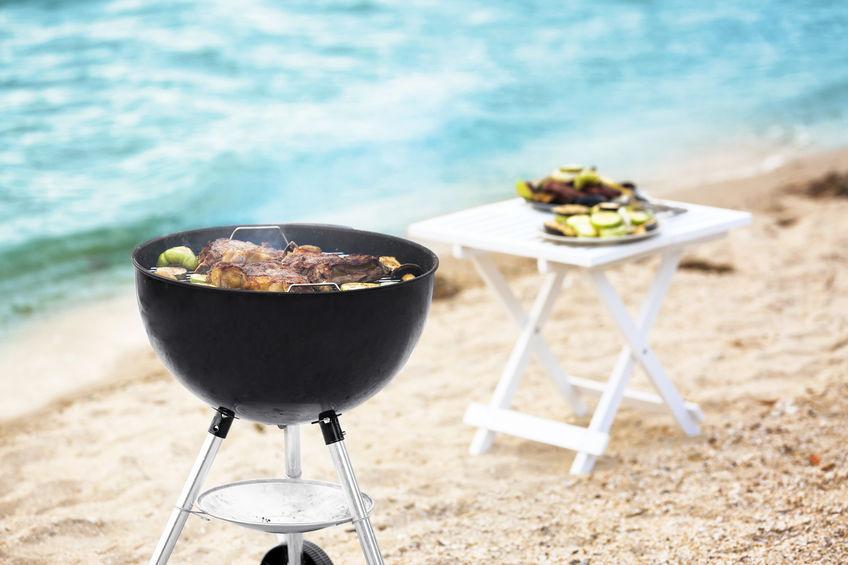
Proper fuel selection, lighting technique, and regular maintenance determine how well your charcoal grill performs and how long it lasts.
The right charcoal type affects flavor and heat output, while consistent cleaning prevents rust and maintains food safety.
Best Charcoal Types: Lump Charcoal vs. Briquettes
Lump charcoal burns hotter and faster than briquettes, reaching temperatures up to 1000°F.
It produces less ash and lights more quickly because it contains no binding agents or fillers.
Lump charcoal provides a cleaner flavor since it’s made from pure hardwood.
However, it burns unevenly due to irregular piece sizes and costs more than briquettes.
 Jumbo Lump Grilling Charcoal delivers on performance with hand-selected, extra-large hardwood pieces that burn hot and clean.
Its dust-free packaging means you get more usable charcoal and less mess with every bag.
Because the chunks are larger, they provide steady, long-lasting heat that’s perfect for both grilling and smoking.
Proudly made in the USA, this premium, restaurant-grade charcoal is a reliable choice for pitmasters and backyard cooks alike.
Briquettes offer consistent burn times and uniform heat distribution.
They maintain steady temperatures for 2-3 hours, making them ideal for long cooking sessions.
Standard briquettes contain binders and additives that can affect flavor.
Natural briquettes without chemicals provide better taste while retaining the consistent burning characteristics.
For high-heat searing, lump charcoal works best.
For low-and-slow cooking or beginners wanting predictable results, briquettes are the better choice.
 Sustainable grilling meets top-notch performance with Olivette Organic Charcoal Briquettes.
Made from recycled olive tree by-products, these USDA-certified briquettes are an eco-friendly alternative to traditional charcoal.
They’re designed to light quickly and burn consistently, with a 6.6 lb bag delivering the same output as 20 lbs of standard briquettes.
Clean, reusable, and chemical-free, they offer a natural way to elevate your barbecue.
For anyone who values flavor and sustainability, Olivette makes choosing greener grilling easy.
Starting Your Grill: Charcoal Chimney Starters
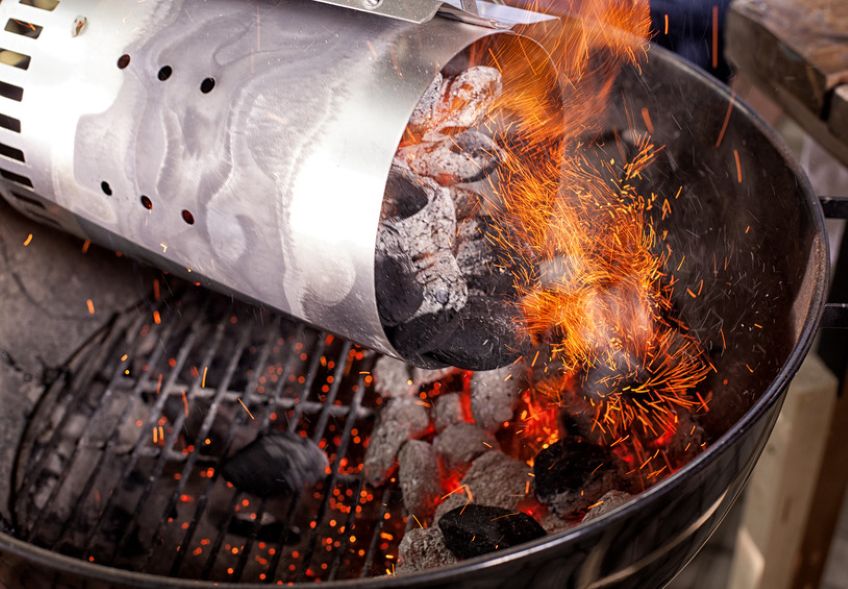
A charcoal chimney starter eliminates the need for lighter fluid and ensures even lighting.
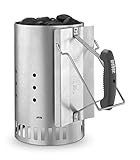 If you grill with charcoal regularly, the Weber Rapidfire Chimney Starter is a strong investment.
It speeds up prep, improves consistency, reduces chemical tastes, and is built to last.
For occasional users, it might feel a bit overkill, but even then the safety and better lighting are compelling.
Fill the chimney with charcoal and place crumpled newspaper underneath.
Light the newspaper from multiple spots and wait 15-20 minutes.
The charcoal is ready when the top pieces show white ash and flames emerge from the top.
Pour the lit coals into the grill and arrange them based on your cooking method.
For direct grilling, spread coals evenly across the bottom.
For indirect cooking, pile coals on one side of the grill.
This creates temperature zones for different cooking techniques.
Cleaning, Ash Management, and Maintenance
Regular cleaning extends grill life and prevents flavor contamination.
Clean grates after each use while they’re still warm using a grill brush.
Ash management is crucial for proper airflow and fire safety.
Remove ash after every 2-3 cooking sessions using the removable ash catcher or ash pan.
Weber kettles feature an ash collection tray that slides out for easy disposal.
Empty it completely to prevent ash buildup that blocks air vents.
Ease of cleaning varies by grill design.
Look for models with hinged grates and accessible ash removal systems.
Perform deep cleaning monthly by washing the interior with warm soapy water.
Keep the grill covered when not in use to prevent rust and weather damage.
Mastering Techniques: From Grilling to Achieving Smoky Perfection
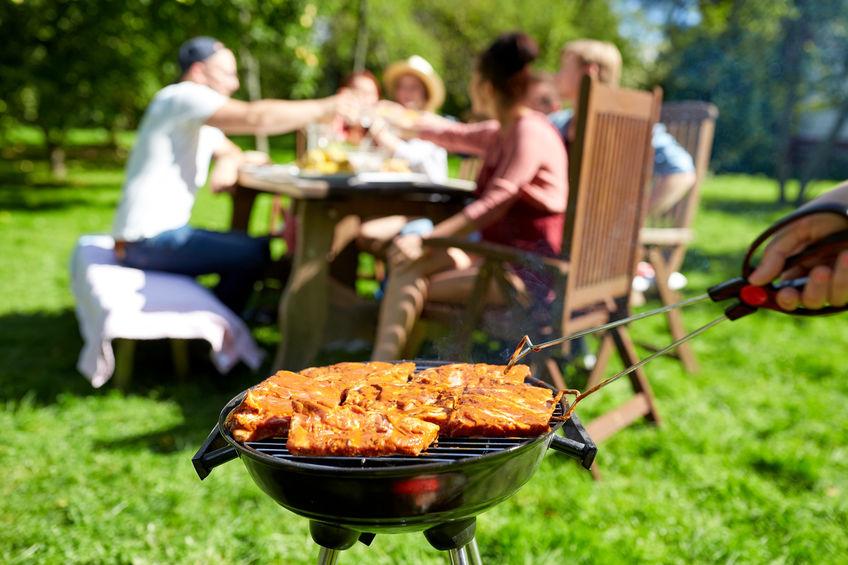
Charcoal grills excel at both high-heat direct cooking and low-temperature smoking methods.
The key lies in understanding heat zones, temperature control through vent manipulation, and fuel management for consistent results.
Direct Grilling and Achieving Grill Marks
Direct grilling places food directly over hot coals for quick, high-heat cooking.
This technique works best for steaks, burgers, chicken breasts, and vegetables that cook in 20 minutes or less.
Setting Up Direct Heat Position coals in a single layer beneath the cooking area.
The grill reaches optimal temperature when you can hold your hand 5 inches above the grates for only 2-3 seconds.
Creating Perfect Grill Marks Place meat at a 45-degree angle to the grates.
Cook for 2-3 minutes without moving, then rotate 90 degrees for crosshatch marks.
Flip once and repeat the process.
Temperature Control Control heat intensity by adjusting the bottom vents.
Open vents increase airflow and temperature, while closing them reduces heat.
Keep the lid off for most direct grilling to prevent overcooking.
The key to successful direct grilling is avoiding flare-ups by trimming excess fat and keeping a spray bottle nearby for emergencies.
Low and Slow Cooking for BBQ
Low and slow cooking transforms tougher cuts of meat into tender barbecue through extended cooking times at controlled temperatures.
This method requires patience but delivers exceptional results.
Setting Up Indirect Heat Bank coals to one side of the grill, creating hot and cool zones.
Place a drip pan filled with water on the cool side to catch drippings and add moisture.
Temperature Management Maintain temperatures between 225-275°F by adjusting top and bottom vents.
Add 5-10 fresh coals every hour to maintain consistent heat throughout the cooking process.
Essential Techniques
- Start coals 15 minutes before cooking
- Use a chimney starter for even lighting
- Position food over the cool zone, away from direct heat
- Keep the lid closed to maintain temperature stability
Timing Guidelines Plan 1-1.5 hours per pound for pork shoulder and brisket.
Ribs typically require 4-6 hours depending on thickness and desired tenderness.
Smoking Meat With a Charcoal Grill
Any charcoal grill can function as a smoker with proper setup and technique.
The process adds deep smoky flavor while cooking meat slowly and evenly.
Wood Selection Choose hardwood chunks over chips for longer smoke production.
Oak provides mild flavor, hickory offers strong taste, and apple delivers sweet, fruity notes.
Smoker Setup
| Component | Placement | Purpose |
|---|---|---|
| Coals | One side only | Indirect heat source |
| Wood chunks | Directly on coals | Smoke generation |
| Water pan | Cool side | Moisture and temperature stability |
| Meat | Cool side | Away from direct heat |
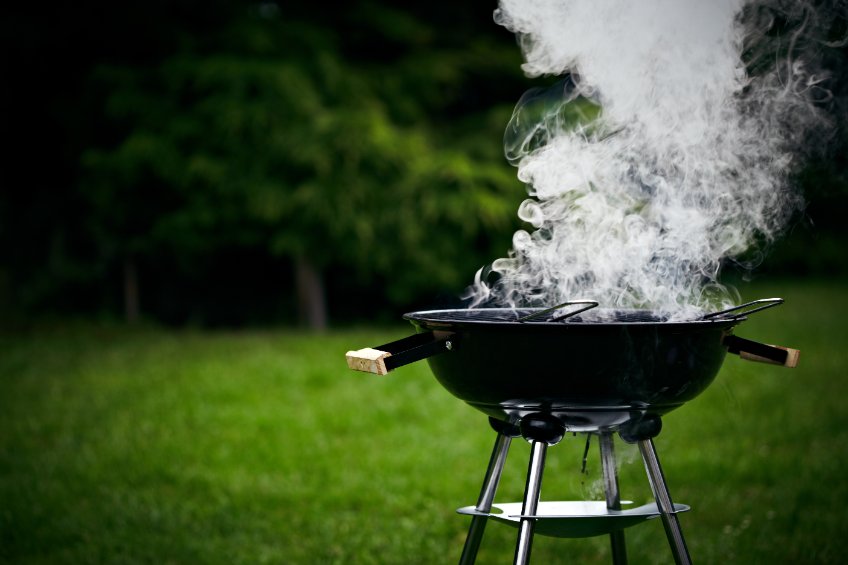
Managing Smoke Maintain thin, blue smoke rather than thick white smoke.
Heavy smoke creates bitter flavors and indicates incomplete combustion.
Temperature Monitoring Use both grill and meat thermometers for accuracy.
Internal meat temperatures vary by cut: pulled pork reaches 195-205°F, while brisket finishes at 200-210°F.
The smoker requires attention every 30-45 minutes to add fuel and monitor temperatures.
Consistent practice develops the skills needed for championship-level barbecue results.