
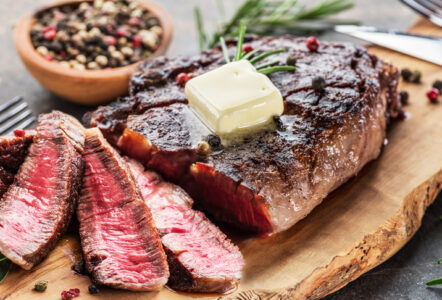
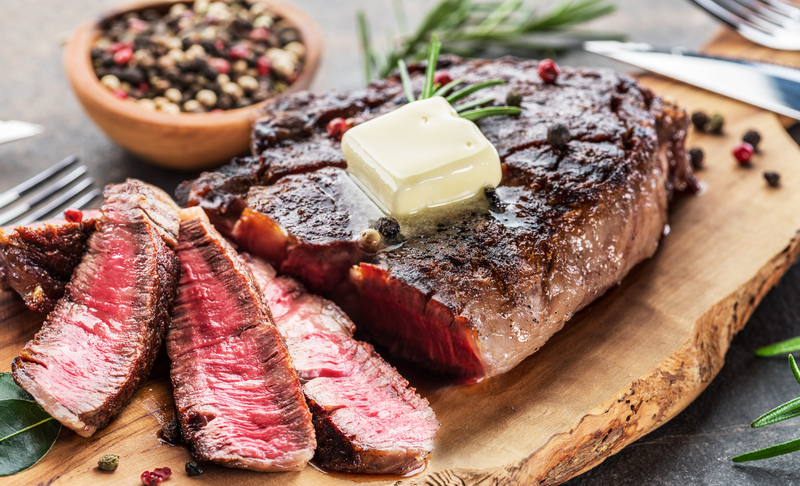
 A good steak starts with the right heat.
For most steaks, preheat your grill to 450°F to 500°F for searing. This high heat browns the outside while you cook the center to your preferred doneness. If the grill is too hot or the steak stays over direct heat too long, it can burn outside before the center cooks. If the grill is too cool, the steak may not develop a proper crust.
The best approach depends on your preferred doneness and the steak’s thickness. Thin steaks need high heat for a short time, while thick cuts often benefit from two-zone cooking: sear them first, then finish over indirect heat.
Various steak cuts react differently to direct flame. This guide covers grill temperatures for searing, a clear steak temperature chart, and tips for avoiding common mistakes.
Grill Heat Settings for a Good Sear
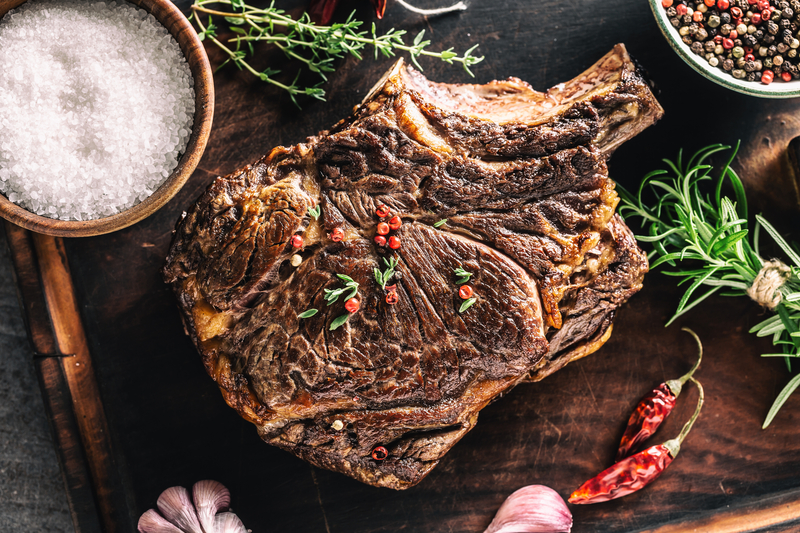 A good sear depends on how hot your grill gets and how you manage the heat once the steak is on. Use high heat to brown the surface, then move thicker steaks to a cooler zone to finish cooking without burning the crust.
Use 450–500°F for Searing
Preheat your grill to 450°F to 500°F before adding the steak. High heat encourages browning through the Maillard reaction, which helps create a flavorful crust.
Let the grill preheat for at least 10 to 15 minutes. Hot grates help brown the steak and reduce sticking.
Place the steak directly over the flame or hot coals. This is direct heat, which quickly browns the outside of the steak.
Sear each side for about 2 to 3 minutes, watching for browning before you flip it.
Set Up a Cooler Zone for Finishing
After searing, move a thick steak to a cooler part of the grill, around 300°F to 350°F. This is indirect heat. With indirect heat, the steak sits away from the flame or coals and cooks more gently inside the closed grill.
This step is most useful for steaks that are 1.5 inches thick or more. The extra time helps the center cook without scorching the crust.
Close the lid after moving the steak to the cooler zone. Check its internal temperature with a meat thermometer every few minutes. For medium-rare, aim for a final temperature of 130°F to 135°F; remove the steak a few degrees earlier to account for carryover cooking.
Create Two Heat Zones on a Gas Grill
On a gas grill, create two heat zones by turning some burners to high and leaving others on low or off.
This gives you one side for searing and another for finishing. Set up both zones before you start cooking so you do not need to adjust the burners mid-cook.
On a three- or four-burner gas grill, turn one or two burners to high and leave the others on low or off. Sear the steak over the high burners, then move it to the cooler side if needed.
You can use the same two-zone setup on charcoal grills by piling the coals on one side instead of adjusting burner knobs.
Internal Temperature Chart by Doneness
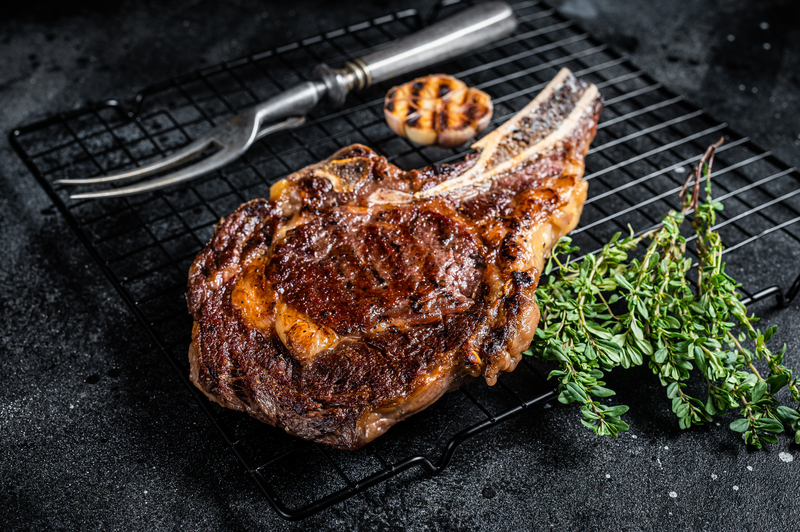 A steak’s final internal temperature is the most reliable way to gauge doneness. A clear steak temperature chart helps you pinpoint exact pull temperatures.
Use a digital meat thermometer to check the center of the steak, away from bone or fat. For accurate readings, follow the thermometer manufacturer’s guidance on safe cooking temperatures.
Rare and Medium-Rare Targets
Rare steak is generally 120°F to 130°F. The center stays red, while the outside is browned.
Medium-rare steak is generally 130°F to 135°F. Many steak lovers prefer this level because the center remains pink and tender.
These doneness levels are below the USDA’s recommended minimum temperature for whole cuts of beef. Consider food safety guidance when choosing a target temperature.
| Doneness | Internal Temp | Center Color |
|---|---|---|
| Rare | 120-130°F | Red |
| Medium-Rare | 130-135°F | Pink |
For a softer texture and a pinker center, aim for the lower end of these ranges.
Medium, Medium-Well, and Well-Done Targets
Medium steak is generally 135°F to 145°F. A medium steak features a warm pink center and feels slightly firmer than medium-rare.
Medium-well steak is generally 145°F to 155°F. For a medium-well steak, only a slight hint of pale pink remains in the middle as the meat firms up.
Well-done steak is generally 155°F to 165°F or higher. The center is mostly or fully brown, and the meat is less juicy. Cooking it further can make it drier and tougher, according to Traeger’s steak doneness guide.
| Doneness | Internal Temp | Center Color |
|---|---|---|
| Medium | 135-145°F | Some pink |
| Medium-Well | 145-155°F | Slight pink |
| Well-Done | 155-165°F+ | Brown |
Food Safety Guidance for Whole-Cut Beef
The USDA recommends cooking whole cuts of beef, including steak, to a minimum internal temperature of 145°F, followed by a three-minute rest. Ground beef should reach 160°F.
Bacteria can be present on the surface of whole-muscle cuts, so searing the outside helps reduce surface bacteria.
Follow the USDA’s safe minimum internal temperature chart when checking whether grilled meat has reached a safe temperature. For additional guidance on handling, cooking, and using a food thermometer while grilling, follow the USDA’s grilling and food safety recommendations.
Some people choose to eat steak cooked below 145°F, including medium-rare steak, but this is below the USDA’s recommended minimum for whole cuts of beef. Rest steak after grilling; its temperature may rise slightly as it rests.
Adjust the Method to Steak Thickness
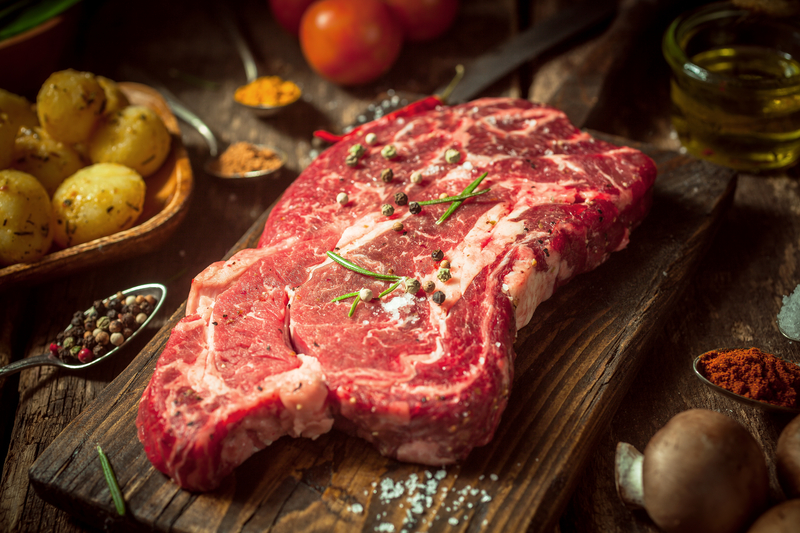 Thin steaks cook quickly over direct heat, while thick steaks benefit from a two-step approach. In either case, use a thermometer rather than relying on cooking time alone.
Quick-Sear Thin Steaks Over Direct Heat
For a steak under an inch thick, use direct heat by placing it over the flame or coals.
A hot grate, around 450°F to 550°F, sears the outside quickly while the inside cooks in a few minutes. A thin steak may need about 2 to 3 minutes per side, depending on its thickness and your grill.
The goal is to build a brown crust before the center overcooks. Thin steaks leave little room for error, so stay close to the grill and flip once or twice as needed. Check steak grill times by thickness to match your cut to a timing chart.
Finish Thick Steaks Over Indirect Heat
Steaks over 1.5 inches thick need a different approach. Start them over indirect heat, on the side of the grill without direct flame underneath.
This cooler zone lets the inside warm gradually without burning the surface. Cooking time varies with the cut, grill temperature, and target doneness.
When the steak is close to your target temperature, move it over direct heat for a quick sear on each side. This two-zone method, often called reverse searing, helps cook thick cuts evenly while building a crust.
Use Temperature Rather Than Time to Judge Doneness
Cooking times vary with grill heat, steak thickness, and starting temperature. An instant-read thermometer gives you a more reliable doneness check than the clock.
Using an instant-read meat thermometer ensures you measure the core temperature instantly without losing grill heat.
Insert the thermometer into the thickest part of the steak, away from bone or fat. For whole cuts of beef, remove the steak from the grill at 145°F and let it rest for at least three minutes to follow USDA guidance. For other doneness preferences, account for carryover cooking as the steak rests.
Common final internal temperature targets include:
- Rare: 125°F
- Medium rare: 135°F
- Medium: 145°F
- Well done: 160°F
A few degrees can affect steak texture, so a reliable meat thermometer is the most accurate way to check doneness, regardless of steak thickness.
Choose an Approach for Each Cut
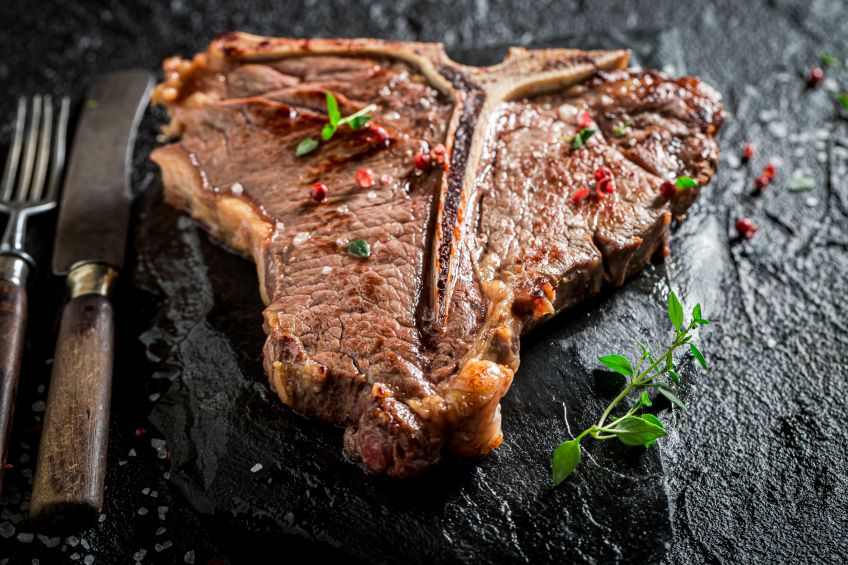 Popular steak cuts behave differently over open fire. Thicker, fattier cuts need lower indirect heat and more time, while thin cuts cook quickly over high direct heat.
Ribeye and Filet Mignon
Ribeye steak has plenty of marbling, the white fat that runs through the meat. This fat can cause flare-ups, so use a two-zone setup with direct and indirect heat.
Sear ribeye over high heat, around 450-550°F, for a few minutes per side. Then move it to the cooler side of the grill to finish cooking without burning.
Filet mignon is leaner and more tender than ribeye. It has less fat, so flare-ups are less likely.
Grill filet mignon over medium-high heat and watch it closely. It can dry out quickly because it has less fat to keep it moist.
Skirt, Flank, and Flat Iron Steaks
Skirt steak and flank steak are thin, long cuts that cook quickly, usually in just a few minutes per side over high heat.
Because skirt steak is thin and fibrous, high heat sears the surface while keeping the interior juicy. Keep your grill temperature between 450-550°F for these cuts.
Flat iron steak is a bit thicker than skirt or flank steak but still benefits from high heat. Sear it quickly on both sides.
Slice all three cuts against the grain after cooking. This makes them easier to chew by shortening the long muscle fibers.
Measure, Pull, and Rest the Steak
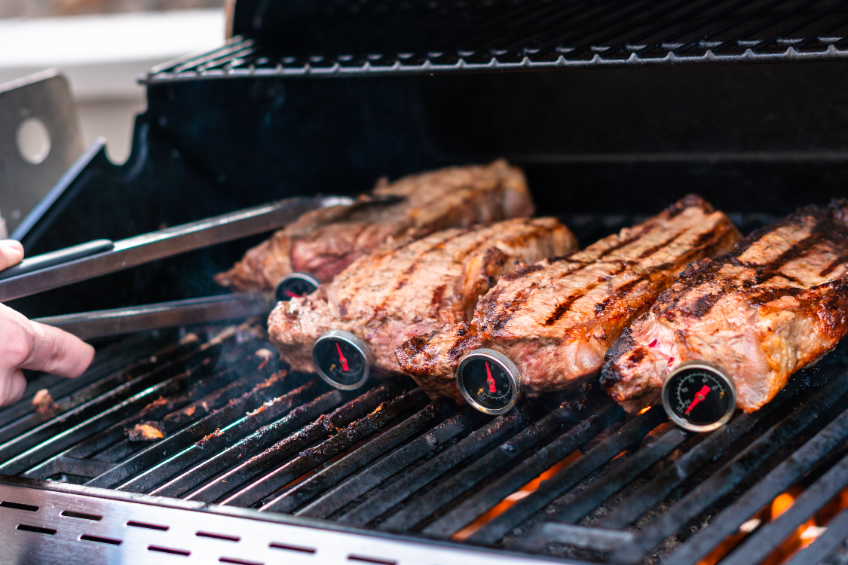 Grill temperature alone won’t ensure a perfectly cooked steak. Check its internal temperature, pull it at the right time, and let it rest so the final doneness matches your target.
Check the Center With an Instant-Read Thermometer
An instant-read meat thermometer is the most reliable way to check a steak’s internal temperature. Color can be misleading because lighting and the cut of meat can make the center look more or less done than it is.
Insert the probe from the side into the thickest part of the steak. Keep the tip away from bone, fat pockets, and the grill grate, which can give inaccurate readings.
Remove the probe after a few seconds, once the reading settles. Check more than one spot on thicker steaks to confirm the center is cooked evenly.
Use a Leave-In Probe for Thick Steaks
A leave-in probe thermometer works well for thick cuts because it tracks the steak’s temperature as it cooks. You don’t need to open the lid or repeatedly poke the steak to check its progress.
Place the probe in the thickest part of the steak and set the alarm a few degrees below your final target. This gives you time to pull the steak before it overshoots.
This method is especially useful for steaks over 1.5 inches thick, which take longer to cook through and can exceed your target temperature before you notice.
Allow for Carryover Cooking Before Slicing
Carryover cooking means the steak continues to cook after you take it off the grill. Heat from the outside moves toward the center for several minutes, raising the internal temperature.
Thick steaks can rise about 3 to 10°F during resting, while thin steaks rise less. Pull the steak a few degrees below your target temperature to account for this increase.
Rest the steak for 5 to 10 minutes before slicing. This allows the juices to redistribute and helps keep them from running out when you cut into the meat.
Prevent Burning and Uneven Cooking
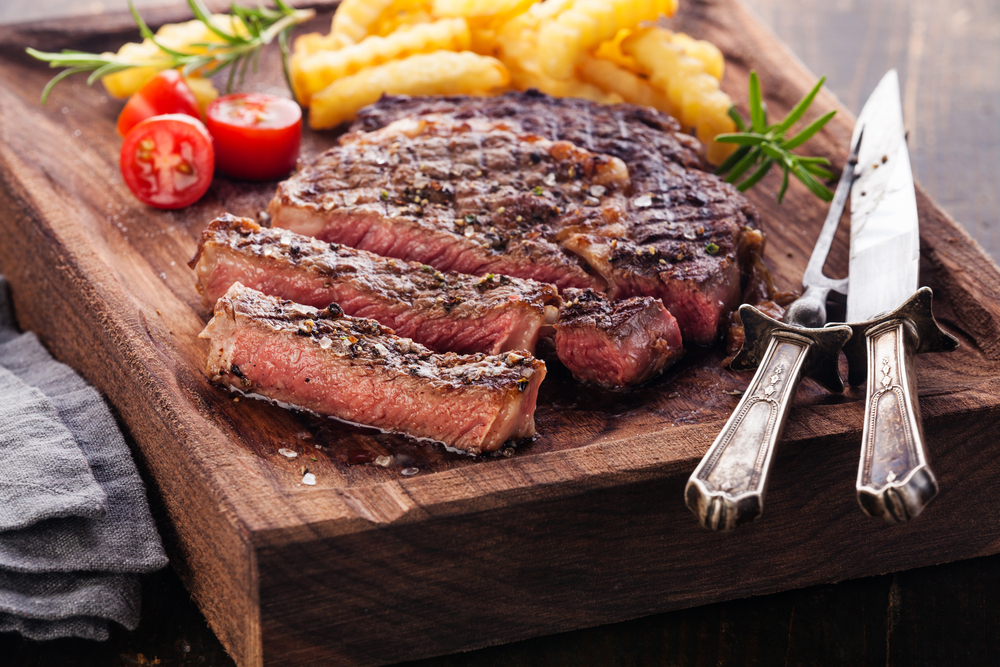 Fat drips, sugar in marinades, and leaving a steak in one spot too long can cause burning and uneven cooking. Watch the grill closely and move the steak when needed to prevent these problems.
Account for Marinades and Flare-Ups
A steak marinade with sugar, honey, or a lot of oil can cause flare-ups. Sugar burns quickly, while oil can drip onto the flames below.
Pat your steak dry before grilling to remove excess marinade that could drip and catch fire.
Keep a spray bottle of water nearby or have a cooler zone ready. If flames shoot up, move the steak away from direct flames, or close the lid to cut off oxygen.
Check your steak every minute or two during the first few minutes of grilling. Flare-ups happen quickly, so staying nearby helps you catch them before the outside burns.
Move the Steak When the Outside Browns Too Quickly
If the outside of your steak browns before the inside is cooked, the heat is too high or too direct. This is common with thick cuts.
Set up two heat zones on your grill: one side with direct heat for searing and one with indirect heat for finishing. Sear the steak over direct heat for a couple of minutes per side, then move it to the indirect-heat side to finish cooking.
Use a meat thermometer to check doneness instead of judging by color alone. Remove the steak when it reaches your target internal temperature, since color can be misleading.
FAQ: What Temperature Should the Grill Be for Steak?
 For most steaks, the grill should be hot, around 450–500°F (232–260°C) before cooking. This high heat helps develop a browned, flavorful crust while allowing you to control the interior doneness.
The best temperature can vary with steak thickness and cooking method. Thicker steaks often benefit from a combination of indirect and direct heat, while thinner steaks can usually be cooked entirely over direct high heat.
What Grill Temperature Is Best for Medium-Rare Steak?
A grill temperature of 450–500°F (232–260°C) works well for searing a steak to medium-rare. Cook the steak over direct heat and use an instant-read thermometer to check the internal temperature rather than relying only on cooking time.
For medium-rare, remove the steak from the grill at about 130–135°F (54–57°C), allowing for some additional temperature rise during resting.
Should You Grill Steak on High or Medium Heat?
Steak is generally best cooked over high heat, particularly when you want a well-browned exterior. High heat promotes browning on the surface, while thicker steaks may need a lower-temperature or indirect zone to finish cooking without burning the outside.
For a thick steak, using two heat zones gives you greater control: sear it over high direct heat, then move it to indirect heat to reach the desired internal temperature.
What Temperature Should the Grill Be for a 1-Inch Steak?
For a 1-inch steak, preheat the grill to approximately 450–500°F (232–260°C) and cook it over direct heat. The exact cooking time depends on the steak’s cut, starting temperature, and desired doneness.
Because thickness and grill performance vary, an instant-read thermometer is more reliable than a fixed cooking time.
What Temperature Should the Grill Be for a 2-Inch Steak?
A 2-inch steak benefits from a two-zone grilling setup. Start by searing the steak over high direct heat at around 450–500°F (232–260°C), then move it to the cooler side of the grill to finish cooking gradually.
This approach helps develop a crust without excessively charring the outside before the center reaches the desired temperature.
Should You Close the Grill When Cooking Steak?
Yes, closing the grill lid can help maintain a consistent cooking temperature, particularly when cooking thicker steaks. It also allows hot air to circulate around the meat rather than heating only the surface directly above the grates.
For thin steaks that cook quickly, keeping the lid open during the initial sear can make it easier to monitor browning.
What Internal Temperature Should Steak Reach?
The internal temperature depends on the desired level of doneness. For the most accurate result, check the thickest part of the steak with an instant-read thermometer and account for some carryover cooking while it rests.
As a general guide:
- Rare: 120–125°F (49–52°C)
- Medium-rare: 130–135°F (54–57°C)
- Medium: 140–145°F (60–63°C)
- Medium-well: 150–155°F (66–68°C)
- Well-done: 160°F+ (71°C+)
For food-safety purposes, use the USDA’s recommended safe minimum internal temperature for whole cuts of beef rather than treating the doneness temperatures above as safety targets.