
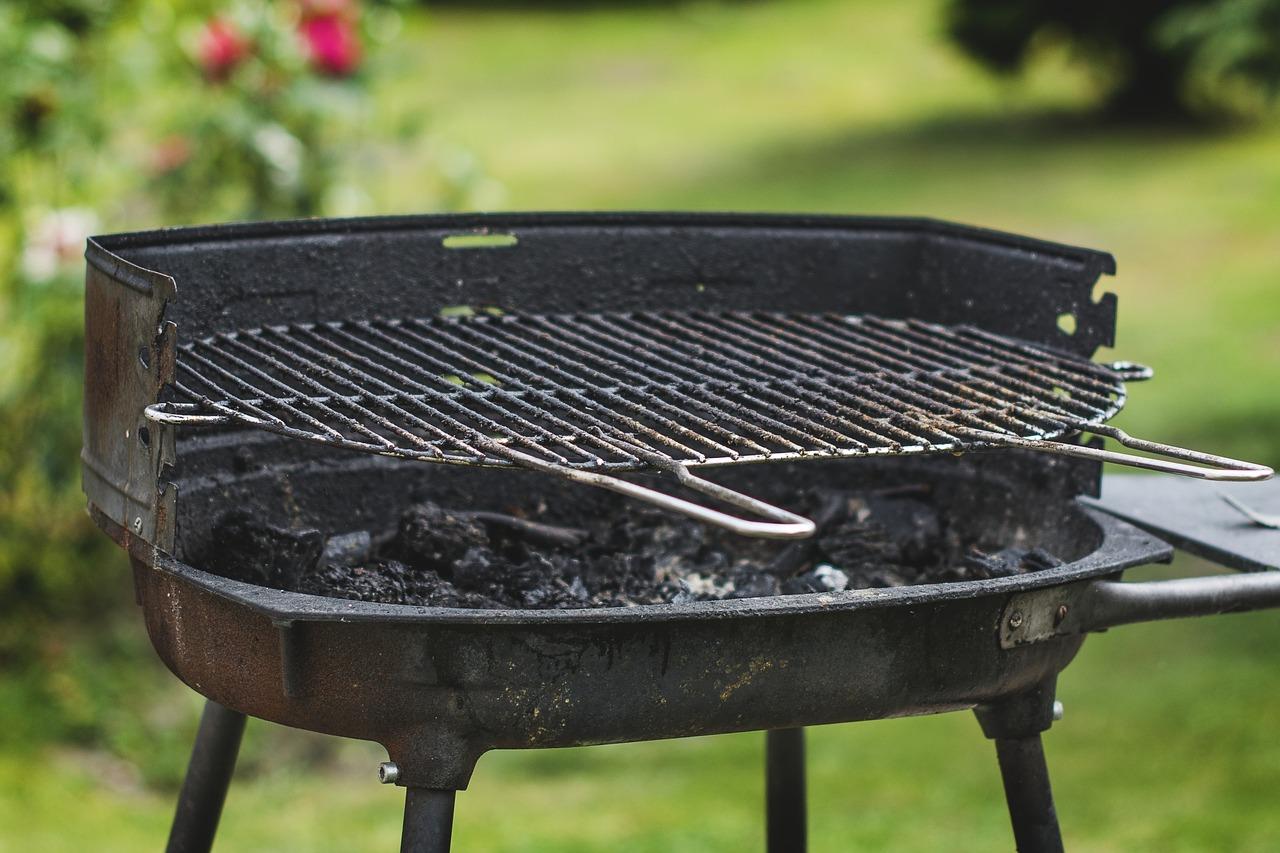
You pull the cover off your grill and see orange rust across the grates. Before you toss another steak on there, you probably want to know if it could hurt you.
In most cases, cooking on rusty grill grates is safe after you remove loose rust and clean the grates, but heavily rusted grates with weak or pitted metal should be replaced. Rust on grill grates is common, especially if you leave your grill outside or skip cleaning it after use. Light surface rust is not toxic, but clean it off before cooking to avoid loose rust particles and residue on your food.
This article explains when rusty grill grates are safe to use, the risks of grilling on rusty grates, and how to clean or replace them.
The Short Answer: Clean Light Rust Before Cooking
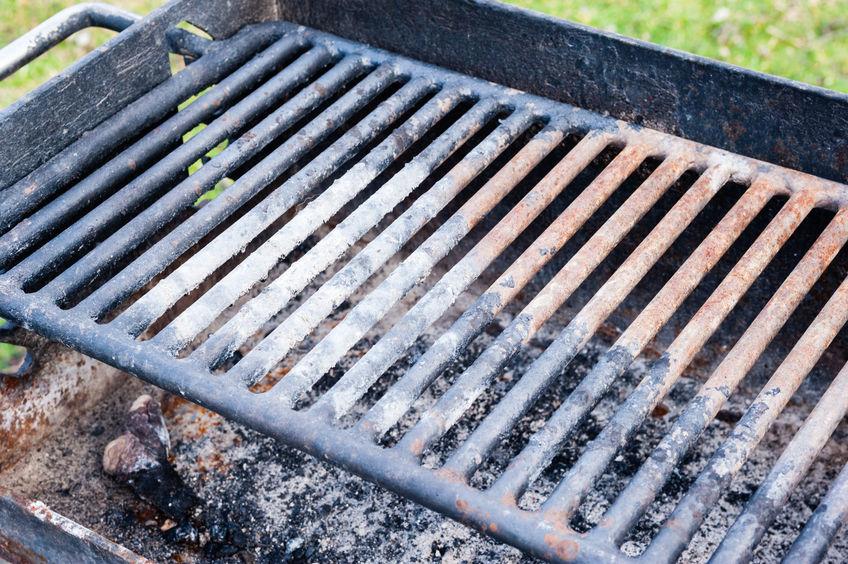 Is it safe to grill on rusty grates? Usually, yes, if the rust is light and limited to the surface. However, grilling on rusty grates before scrubbing away loose debris can spoil a meal.
Scrub off surface buildup first, then check that the metal underneath is solid before cooking.
Light Surface Rust Versus Loose, Flaking Rust
Light surface rust looks like a dusty orange film. You can wipe it with a dry paper towel or scratch it with your fingernail, and it comes off as powder.
This type of rust is common on grill grates that got wet or sat outside during a rainy week. The metal underneath should remain firm after you clean it.
Loose, flaking rust is different. It breaks off in chunks or crumbles when you touch it, and it can fall into your food while you cook.
Here’s how to tell them apart:
| Rust Type | Feel | What To Do |
|---|---|---|
| Surface rust | Powdery, dusty | Scrub, rinse, dry, and oil |
| Flaking rust | Chunky, crumbles off | Clean thoroughly and inspect, or replace if damaged |
When to Skip Cooking and Replace the Grates
Not every rusty grill grate can be saved with a scrub brush. If you press on the bars and find soft or thin spots, the metal may have weakened and could fail over the flame.
Deep pits or craters are another warning sign. Severely rusted grill grates often develop hollows that trap grease and debris, causing rust to return even after cleaning.
Check for peeling porcelain or chrome coating too. Once a coating starts to chip, small flakes may end up on your food, so replacing the grate is the safer option.
Cracks, warping, or bars that flex under light pressure mean the grate should be replaced.
What Rust Means for Food Safety
 When considering food safety, rust on grill grates raises two separate concerns: swallowing rust particles and possible contamination from old food residue trapped on the grates.
Rust Particles, Flavor, and Iron Poisoning Concerns
Swallowing a small amount of rust is unlikely to cause iron poisoning. Iron poisoning usually results from ingesting a large dose of iron, such as from supplements or medication. However, rust particles can irritate or injure the mouth or throat, so remove loose rust before cooking.
Rust can affect the taste of food. Grilling on rusty grates often leaves food tasting metallic or bitter, which can negatively affect flavor.
Large, jagged pieces pose a greater risk. Swallowing a sharp piece could scratch your throat or cause a minor injury, so brush the grates thoroughly before cooking.
Food Residue and Cross-Contamination Risks
Rust may form alongside old grease, burnt food bits, and moisture that has not fully dried. Trapped humidity accelerates rust formation, and this buildup can harbor bacteria between uses.
When you place raw meat on a rusty, dirty grate, the risk of cross-contamination comes from leftover residue rather than the rust itself. The USDA recommends washing and scraping grill surfaces and preheating the grill before cooking to reduce this risk.
Your safest approach:
- Scrub grates to remove rust and food residue, not just the visible orange color
- Preheat the grill for 10 to 15 minutes before your first cook
- Wipe grates down after each use so debris does not bake on and trap moisture
How to Check Whether Grates Are Worth Saving
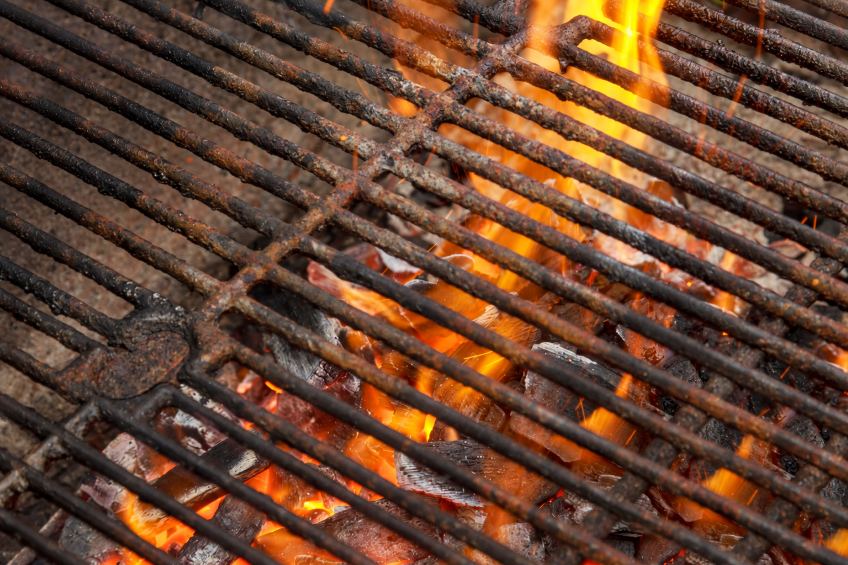 Rusted grill grates do not always need to be thrown away. A quick inspection can show whether you can scrub off surface rust or whether the grate is too damaged to use.
Look for Pitting, Cracks, and Weak Spots
After cleaning off loose rust, run your fingers over the grate. If the metal feels rough but solid, it may still be thick enough to hold up.
Pitting is a bigger concern. These small holes or dents form where rust has eaten into the metal over time. Compare a rusted bar with one that looks undamaged. If the rusted bar has lost about a third of its thickness, replace it.
Check for cracks too, especially near welds or joints. Gently test the grate with tongs. If it bends or a piece snaps off, its structure has failed and rust removal will not fix it.
Replace a grate that continues to shed flakes after a thorough cleaning, since particles could end up on your food.
Check for Damaged Porcelain Coating
Porcelain-coated grates differ from bare metal grates. The coating is a layer of glass fused to steel, and it helps prevent rust as long as it stays intact.
Look closely for chips or cracks in the coating. Once the porcelain breaks, the exposed steel underneath can rust, and the rust can spread under the coating where you cannot reach it.
A few small chips on a grate that still cooks evenly may not require immediate replacement, but monitor them for spreading rust or further damage.
If you see chips in several spots or a rust halo growing around a chip, the coating cannot be repaired. In that case, grates with widespread porcelain damage should be replaced rather than cleaned.
How to Clean Rust Off Grill Grates
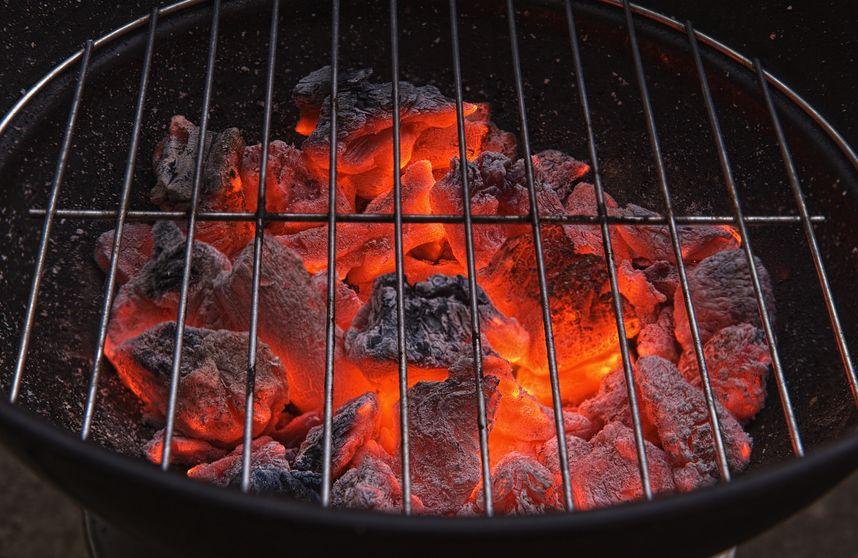 When it comes to cleaning rusty grates, light rust usually comes off with a good scrub. Heavily rusted grill grates may require chemical rust removal with household pantry staples.
Once the rust is gone, rinse, dry, and oil your grates to help protect them before your next cookout.
Scrub Light Rust Without Leaving Brush Bristles Behind
Start by heating your grill for 10 to 15 minutes. Heat can help loosen residue and make it easier to remove. Jeff Patten, Co-Founder of Flatiron Wines & Spirits, explains that rust binds more tightly to cold metal, so scrubbing dry, cold grates may be less effective.
Once the grates are warm, use a grill brush to scrub off the rust. A wire brush can clean grates effectively, but its bristles may break off and stick to the grate. Loose bristles could end up in your food later.
A bristle-free brush or coiled stainless steel brush is a safer choice. Wipe the grates with a folded piece of aluminum foil held with tongs to catch any debris the brush missed.
Treat Stubborn Spots With Baking Soda or White Vinegar
If scrubbing alone does not remove the rust, soak your grates in white vinegar. Vinegar can help loosen rust so it is easier to remove. Let the grates sit in vinegar for at least an hour, or overnight for heavy rust.
Baking soda also works well, especially when mixed with a small amount of water to make a paste. Spread the paste over rusty spots and let it sit for 15 to 20 minutes before scrubbing.
For stubborn rust, combining baking soda and vinegar creates a bubbling reaction that lifts persistent grit. You can also try a vinegar and salt mixture for extra scrubbing power. Steel wool can also help remove rust, but use it gently on cast iron to avoid scratching the surface too deeply.
Rinse, Dry, and Prepare the Grates for Cooking
After removing the rust, rinse the grates thoroughly with clean water. This washes away leftover vinegar, baking soda, and loose rust particles. Skipping this step can leave residue that affects the taste of your food.
Dry the grates completely with a towel, then let them air-dry for a few extra minutes. Leftover moisture can cause rust to form again. Once dry, coat the grates with a thin layer of oil, such as canola or olive oil.
Match the Cleaning Method to the Grate Material
 Choose cleaning tools based on your grate material. The wrong method can scratch the surface or wear away a protective coating, so identify the material before you start.
Restore and Reseason Bare Cast Iron
Bare cast iron can handle more vigorous scrubbing than other grate types. Use a wire grill brush or fine steel wool to remove loose rust and buildup.
Work in small circles until you reach bare metal. Cast iron is durable enough for this level of scrubbing.
After scrubbing, rinse the grate and dry it immediately with a towel. Leftover moisture triggers rapid rust formation on unprotected iron.
Once dry, coat the entire grate with a thin layer of vegetable oil. Heat it on the grill for 15 to 20 minutes to season the surface and help protect it from future rust.
Protect Stainless Steel and Porcelain-Coated Grates
Stainless steel and porcelain-coated grates need a lighter touch than cast iron. Steel wool and stiff wire brushes can scratch these surfaces or damage the porcelain coating.
Use a nylon brush or plastic scraper instead. These tools can remove grease and light rust without scratching the surface.
For tougher spots, soak the grate in warm water with dish soap for 20 to 30 minutes first. This loosens grime and reduces the need for scrubbing.
Check porcelain grates closely for chips or cracks in the coating. Once the coating is damaged, rusty porcelain-coated grill grates are harder to restore because rust can spread beneath the damaged area. In that case, replacement is often the better choice.
Keep Rust From Coming Back
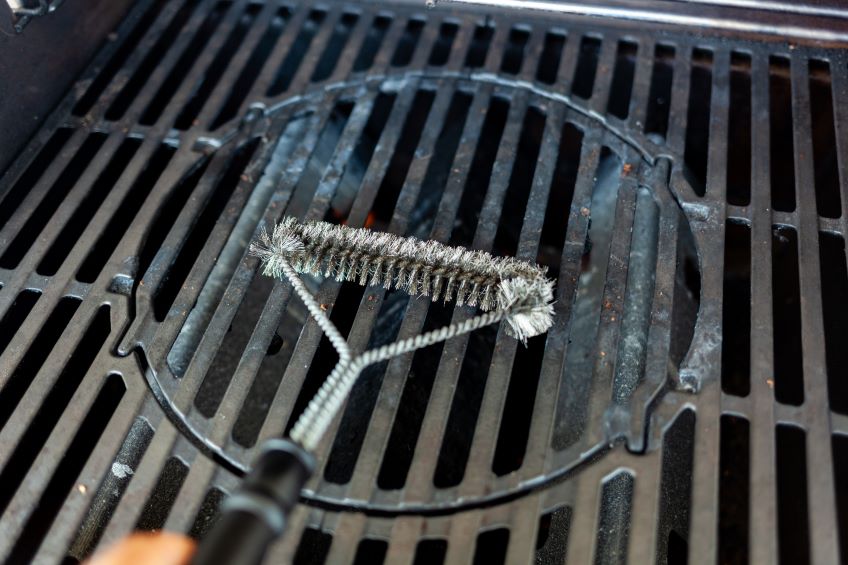 Ongoing rust formation happens when metal is exposed to moisture and oxygen, so prevent water from sitting on your grates. A few simple habits after each cook can help keep your grill grates in good condition.
Clean, Dry, and Oil Grates After Use
Scrub your grates with a grill brush while they are still warm. Warm metal releases food bits more easily than cold metal.
After scrubbing, dry the grates thoroughly with a paper towel or cloth. Removing leftover water helps prevent rust.
Once dry, rub a thin layer of oil over the grates. Vegetable oil works well, while safflower or refined avocado oil are also good choices because of their high smoke points.
Your after-use checklist:
- Brush off food residue while grates are warm
- Wipe grates dry with a towel
- Apply a thin coat of oil
- Let grates cool before closing the lid
This routine takes just a few minutes and helps with preventing rust on grill grates.
Limit Moisture With Proper Storage and a Grill Cover
Where you store your grill matters as much as how you clean it. Keep it in a dry spot, such as a garage or covered patio, rather than leaving it exposed to rain and snow.
A grill cover adds another layer of protection. Choose one made of thick, waterproof material that fits your grill properly to help prevent water from seeping in around loose edges.
Even with a cover, check your grill after heavy rain or humid weather. Moisture trapped under a cover accelerates rust formation, especially if the grates were damp before you covered the grill.
FAQ: Are Rusty Grill Grates Safe to Use?
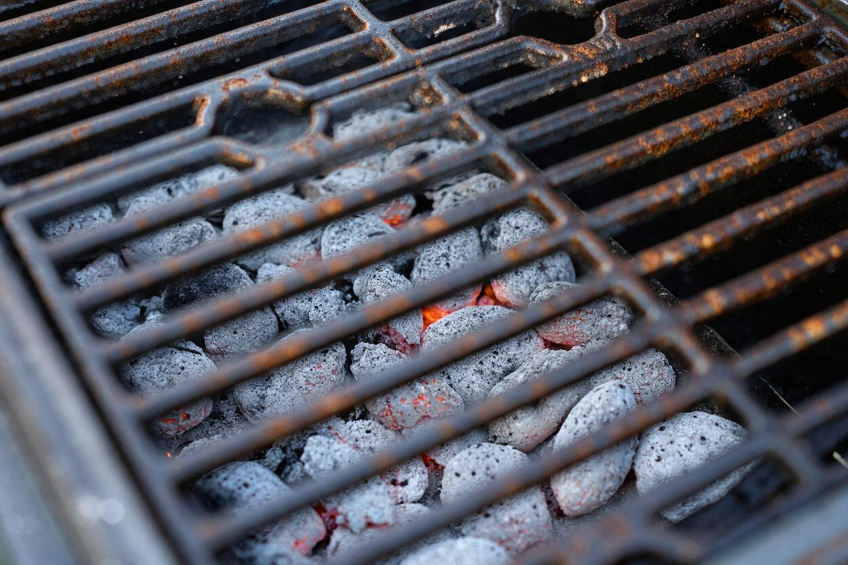 A small amount of surface rust on cast-iron or stainless-steel grill grates does not necessarily mean the grill is unsafe, but the rust should be removed before cooking. Heavy, flaking, or deeply corroded grates should be replaced because pieces of deteriorated metal can break away and the grate may no longer provide a sound cooking surface.
Can You Cook on Slightly Rusty Grill Grates?
It is better to remove loose surface rust before cooking. Clean the grates with an appropriate grill brush or scraper, wash them according to the manufacturer’s instructions, and dry them thoroughly.
Can Rust on Grill Grates Make You Sick?
Small amounts of iron oxide from surface rust are not generally considered a major poisoning concern, but rusty, deteriorating grates should not be treated as a normal cooking surface. The greater practical concern is loose rust, deteriorating metal, and contamination from a poorly maintained grate.
How Do You Remove Rust From Grill Grates?
For removable grates, scrub away surface rust with a suitable grill brush or abrasive pad, then clean and dry them thoroughly. Cast-iron grates should be seasoned afterward according to the manufacturer’s instructions to help protect them from further rusting.
When Should You Replace Rusty Grill Grates?
Replace the grates if they have deep rust, extensive corrosion, cracks, holes, or areas that are flaking or breaking apart. A severely corroded grate may be difficult to clean properly and may no longer be structurally sound.