
Olive oil is commonly found in kitchens and often considered for seasoning grills, but its suitability can vary depending on specific grill needs.
While it can create a non-stick surface and help protect against rust, it is not always the best option due to its relatively low smoke point compared to other oils.
Olive oil can be used to season a grill, but oils with higher smoke points, like canola or avocado oil, are generally more effective and safer for this purpose.
Using olive oil requires careful application to avoid flare-ups and burning.
Understanding the pros and cons of using olive oil will help in maintaining a grill’s surface and enhancing cooking performance.
This article explores the role olive oil can play in grill seasoning and compares it to other oils better suited for the task.
Understanding Grill Seasoning
Seasoning a grill creates a protective surface that improves cooking performance and extends the grill’s lifespan.
It involves treating the grill grates to prevent food from sticking and to reduce cleaning effort.
The process also helps protect the metal from rust and wear.
Purpose of Seasoning a Grill
The main purpose of seasoning a grill is to develop a non-stick surface on the grates.
This prevents food from sticking, which can cause tearing and uneven cooking.
Seasoning also makes cleaning easier by reducing residue buildup after grilling.
Additionally, seasoning protects the grill’s metal from rust and corrosion.
Applying oil and heating it helps seal the grates against moisture and other damaging elements.
This maintenance step can extend the functional life of the grill.
Seasoning can also improve flavor by burning off manufacturing residues and creating a slight coating that adds a subtle smoky taste to food.
How Seasoning a Grill Works
Seasoning works by applying a thin layer of oil to the grill grates and heating them to high temperatures.
The heat causes the oil to polymerize, turning it into a hard, slick coating bonded to the metal.
This polymerized surface resists sticking and acts as a barrier against rust.
The key is to use an oil with a stable smoke point to avoid burning unevenly or producing excess smoke.
Repeated oiling and heating cycles strengthen the seasoning layer, making it more durable.
Care should be taken to use only enough oil to cover the grates lightly, as excess oil can cause flare-ups or sticky buildup.
Can You Use Olive Oil to Season a Grill?

Olive oil can be used to season a grill, but its effectiveness varies due to its smoke point and properties.
Knowing how it compares to other oils and following best practices helps maximize its benefits while minimizing potential downsides.
Effectiveness of Olive Oil for Seasoning
Olive oil helps create a thin, protective layer on the grill grates, which reduces sticking and aids in cleaning.
Its antioxidants can contribute to protecting the grill surface from rust and corrosion.
However, the relatively low smoke point of olive oil, generally around 375°F to 410°F, makes it prone to burning and smoking during grilling.
Repeated light applications combined with controlled heating are necessary to build a durable seasoning.
Too much olive oil can easily cause flare-ups or leave sticky residues.
Therefore, olive oil provides moderate protection but may require extra care compared to oils with higher smoke points.
Comparing Olive Oil to Other Oils
Oils like canola, avocado, peanut, and flaxseed have higher smoke points, often above 400°F, making them more suitable for grill seasoning.
These oils tolerate higher heat without smoking or burning, which helps create a more stable, long-lasting seasoning layer.
| Oil Type | Approximate Smoke Point | Suitability for Grill Seasoning |
|---|---|---|
| Olive Oil | 375°F – 410°F | Moderate; careful temperature control needed |
| Canola Oil | 400°F – 450°F | High; preferred for heat tolerance |
| Avocado Oil | 480°F – 520°F | Very high; ideal for seasoning |
| Peanut Oil | 440°F – 450°F | High; good for grilling |
Olive oil can work in a pinch or for lighter seasoning, but oils with higher smoke points generally offer greater versatility and safety during grilling.
Best Practices for Using Olive Oil
When seasoning a grill with olive oil, applying a thin, even coat is critical to avoid excess oil that can ignite.
Using a pastry brush or paper towel works well for spreading the oil evenly across grates.
Heated gradually, the grill should reach a temperature just below the olive oil’s smoke point to polymerize the oil into a protective layer.
Wearing heat-resistant gloves protects skin during application and rubbing.
It may be necessary to repeat the oiling and heating process one or two times to build a stronger seasoning.
Staying vigilant for flare-ups and maintaining moderate heat levels ensures safer, more effective use of olive oil on the grill.
Preparation Before Seasoning
Proper preparation is essential to ensure the seasoning process is effective and the grill performs well.
This involves thoroughly cleaning the grill grates and choosing the right type of olive oil to use for seasoning.
Cleaning the Grill Grates
Before applying oil, the grill grates must be clean and free of residue.
This removes any leftover food particles, rust, or manufacturing oils that can interfere with the seasoning process.
Use a grill brush or scraper to scrub off debris.
For tougher buildup, warm soapy water can be used, followed by rinsing and drying completely.
Any moisture left on the grates can cause rust during heating.
Thorough cleaning helps the oil bond to the metal, creating a more durable, nonstick surface while protecting against rust.
Selecting the Type of Olive Oil
Not all olive oils are equally suitable for seasoning a grill.
Extra virgin olive oil has a lower smoke point, which means it burns more quickly and can create unwanted smoke or flavors.
Light or refined olive oils have higher smoke points and are better choices for grill seasoning.
Their neutral flavor reduces the chance of imparting off-tastes to the grill surface.
Using a high-quality olive oil that can withstand high heat without smoking excessively ensures proper seasoning and helps maintain grill integrity.
Step-by-Step Guide to Seasoning a Grill with Olive Oil

Seasoning a grill with olive oil involves careful application, controlled heating, and regular maintenance to protect the grill from rust and create a non-stick surface.
Each stage ensures the oil bonds properly with the grill grates, improving longevity and cooking performance.
Applying Olive Oil Safely
Start by cleaning the grill grates thoroughly to remove any food particles or rust.
Use a grill brush or scraper while the grates are cool.
Once clean, dry the surface completely to ensure the oil adheres properly.
Apply a thin layer of olive oil with a high smoke point, like extra virgin, using a heat-resistant brush or cloth.
Avoid pouring oil directly onto the grates to prevent flare-ups.
Applying too much oil can cause excessive smoke or fire hazards, so it’s critical to use just enough to coat the surface lightly.
Heating and Setting the Oil
After oil application, preheat the grill to a medium-high temperature, typically between 350°F and 400°F (175°C to 205°C).
This heat level allows the oil to polymerize and bind to the metal, creating a protective, non-stick layer.
Maintain the heat for about 15-20 minutes.
During this time, monitor the grill closely to prevent flames from burning the oil excessively.
Once the oil starts to smoke lightly, it indicates the seasoning is setting.
Turn off the grill and let it cool naturally before handling.
Post-Seasoning Maintenance
After seasoning, regular upkeep is necessary to maintain the protective coating.
Clean the grill grates after each use with a grill brush, avoiding harsh soap that can strip the oil layer.
Apply a light coat of olive oil after every cleaning while the grill is still warm to reinforce the seasoning.
Store the grill in a dry place to prevent rust.
Re-seasoning can be done periodically, especially if food starts sticking or the grill shows signs of deterioration.
Benefits and Drawbacks of Using Olive Oil
Olive oil can improve grill performance by creating a non-stick surface and preserving grill grates.
However, it requires careful use due to its smoke point and potential fire hazards.
Understanding these specifics helps users decide if olive oil suits their seasoning needs.
Advantages for Grill Performance
Olive oil helps create a slick, non-stick coating on grill grates.
This reduces food sticking and burning during cooking, making cleanup easier afterward.
It also protects metal grates from rust and corrosion.
Applying a thin layer of olive oil can extend the grill’s lifespan by preventing moisture damage.
Using extra virgin or light olive oil with a higher smoke point retains flavor and adds subtle seasoning without burning quickly.
Repeating the seasoning process 2-3 times ensures the oil bonds well to the metal.
Potential Risks and Limitations
Olive oil has a relatively low smoke point, around 375-410°F (190-210°C), depending on the type.
This means it can burn and produce smoke if the grill gets too hot, potentially causing flare-ups.
Excessive olive oil can drip and ignite, increasing fire risk.
Users should apply the oil sparingly and avoid saturating the grates.
While olive oil adds health benefits and flavor, canola or other high smoke point oils may be safer for high-heat grilling.
Vigilance is necessary when using olive oil to season to avoid burning or fire hazards.
Longevity and Upkeep After Seasoning
Proper care after seasoning directly affects the durability of the protective layer and the grill’s performance.
Regular maintenance prevents rust and preserves the non-stick surface.
Knowing when to reseason ensures the grill stays in optimal condition over time.
Maintaining the Seasoned Surface
After seasoning, it’s important to clean the grill carefully.
Avoid harsh scrubbing or abrasive tools that can strip the oil layer.
Use a soft brush or cloth to remove food residue while the grill is still warm.
Lightly oiling the grates after each use helps maintain the seasoning.
A thin coat of oil with a high smoke point, like canola or vegetable oil, reinforces the protective barrier.
Olive oil can be used sparingly but watch for buildup or burning.
Storing the grill in a dry place limits exposure to moisture, which causes rust.
Covering the grill protects the seasoning from weather and debris.
Regular checks for rust spots allow timely touch-ups with oil.
When to Reseason Your Grill
Reseasoning becomes necessary if the grill grates show signs of rust, flaking, or food sticking consistently.
These symptoms indicate the oil layer has worn off or degraded.
Seasoning should be repeated after deep cleaning with soaps or abrasives that remove the oil coating.
It’s best to reseason every few months if the grill is used frequently, or after extended storage periods.
Watch for dullness in the coating or if smoke appears excessively during cooking.
These signs suggest the oil layer is no longer effective and needs refreshing to maintain a durable, non-stick surface.
Common Mistakes to Avoid
One common mistake is using olive oil with a low smoke point.
Olive oil can burn quickly under high heat, causing smoke and potentially harmful compounds.
It is better to use oils with higher smoke points for seasoning, such as canola or grapeseed oil.
Over-applying oil is another frequent error.
Adding too much oil can lead to flare-ups and sticky residue on the grill grates.
A thin, even layer is sufficient to protect and season the metal effectively.
Failing to clean the grill thoroughly before seasoning can also cause problems.
Leftover food and grease interfere with the oil’s ability to bond with the surface.
Cleaning ensures the oil creates a smooth, protective coating.
Using the wrong method to apply oil reduces effectiveness.
It is best to use a clean cloth or paper towel to evenly coat the grates.
Applying oil directly from the bottle risks excess and uneven coverage.
Lastly, some avoid finishing the process properly.
Seasoning typically requires multiple thin coats, applied 2-3 times, to build up an even and durable protective layer.
Skipping repetitions reduces the benefits.
Alternatives to Olive Oil for Grill Seasoning
When seasoning a grill, choosing an oil with a high smoke point is important to avoid burning and harmful residues.
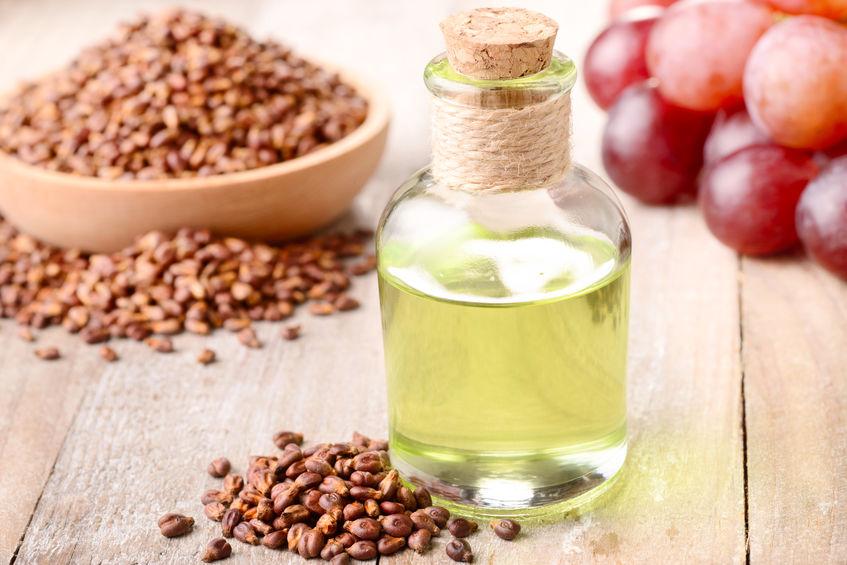
Oils like canola, grapeseed, and avocado are popular alternatives due to their stability under high heat.
Canola oil offers a neutral flavor and a smoke point around 400°F (204°C), making it suitable for regular seasoning.
Grapeseed oil has a slightly higher smoke point, about 420°F (216°C), and is also a good choice for grill maintenance.
Avocado oil stands out with a very high smoke point near 520°F (271°C).
This makes it ideal for harsh grilling conditions and offers a mild flavor that doesn’t overpower food.
Other options include peanut oil and flaxseed oil.
Peanut oil has a smoke point of approximately 450°F (232°C) and is commonly used for its heat tolerance.
Flaxseed oil is sometimes used for seasoning cast iron but should be applied carefully to grills.
Using a clean cloth or paper towel to apply any oil evenly helps build a consistent non-stick surface.
Specialty grill seasoning sprays are also available, designed to withstand high temperatures while protecting the grill from rust and corrosion.
Cleaning Your Grill After Seasoning
After seasoning the grill, it is important to clean it properly to maintain the non-stick surface and prevent buildup.
Cleaning should be done when the grill is still warm but not hot.
This ensures easier removal of food residue without damaging the seasoning layer.
They should start by using a grill brush to scrape off any leftover particles from cooking.
A wire or nylon brush works well depending on the grill type.
Avoid aggressive scrubbing that might remove the oil layer applied during seasoning.
Next, a damp cloth or paper towel can be used to wipe down the grates gently.
Using too much water or soap is not recommended as it can strip away the oiling effect.
Instead, wiping with minimal moisture keeps the protective coating intact.
A simple cleaning checklist after seasoning:
- Scrape off food residue with a brush
- Wipe grates lightly with a damp cloth
- Avoid harsh detergents or soaking
- Maintain regular cleaning to prolong seasoning
Regular light cleaning after cooking extends the life of the seasoned surface.
It makes future cooking easier by reducing food sticking and rust formation.
Proper cleaning habits are key to preserving the benefits gained from olive oil or other seasoning oils.
Storing Your Grill for Extended Durations
Proper storage is essential to maintain a grill’s performance and lifespan when it will not be used for a long time.
Before storing, it is important to clean the grill thoroughly.
This includes removing grease, food residue, and ash from charcoal grills.
Covering the grill with a durable, weather-resistant cover helps protect it from dust, moisture, and pests.
Storing the grill in a dry, sheltered location such as a garage or shed further reduces exposure to harsh elements.
Checking and maintaining grill parts before storage can prevent damage.
For example, applying a light coating of oil—including olive oil or alternative grill oils—on the grates can help prevent rust.
However, olive oil may not be the best long-term protective option due to its lower stability compared to more heat-resistant oils.
Here is a simple checklist for storing a grill:
- Clean all grill components thoroughly
- Remove ash and grease buildup
- Lightly oil the grill grates
- Cover the grill with a weatherproof cover
- Store in a dry, ventilated area
- Disconnect and safely store propane tanks if applicable
Following these steps helps ensure that the grill will remain functional and safe to use after an extended period of inactivity.
Bottom Line – Keep Your Grill Seasoned with a High-Quality Oil
 Avoid olive oil when seasoning your top gas grill.
You’ll get much better results from a high-heat oil like grapeseed.
Remember all you need to season your grill properly is cooking oil, a spray bottle, a paper towel, and a good grill brush like this Grillart Grill Brush and Scraper.
After seasoning your grill, leave it to cool for roughly fifteen minutes, then apply another layer.
Using the right oil will protect your cooking surface and limit the number of times you will need to season your grill throughout the year.