
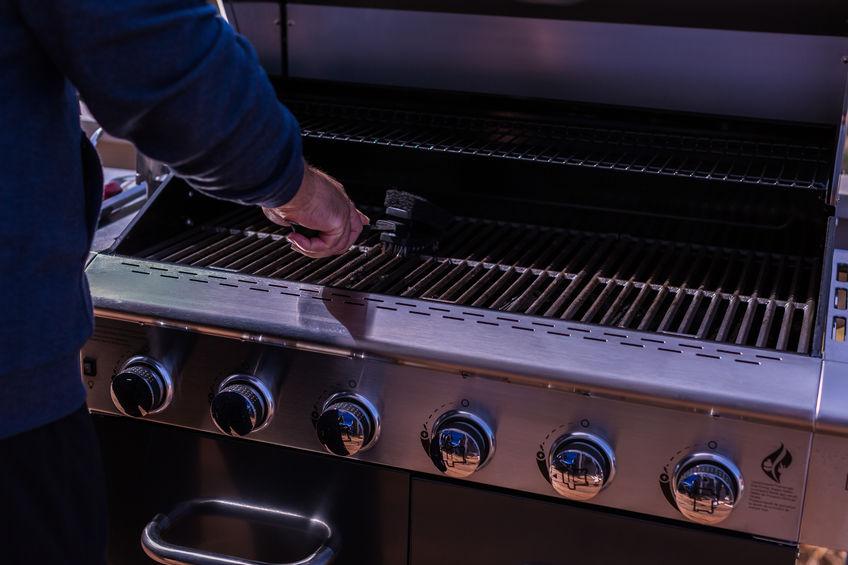
Wire grill brushes can leave tiny metal bristles on your grates. These bristles can stick to food and end up in your mouth, potentially causing serious injury. That risk has led many grillers to look for safer ways to clean their grates.
Safe alternatives include wooden scrapers, bristle-free brushes, aluminum foil, pumice stones, and nylon pads. Each tool works differently, and some are better suited to certain grate materials than others. Choose one that fits your grill and cleaning routine.
This guide explains how to choose and use each tool safely and effectively, so your grill stays clean without the risk of loose wire bristles. Learning how to clean a grill without wires gives you peace of mind all barbecue season.
The Best Bristle-Free Tools for Grill Grates
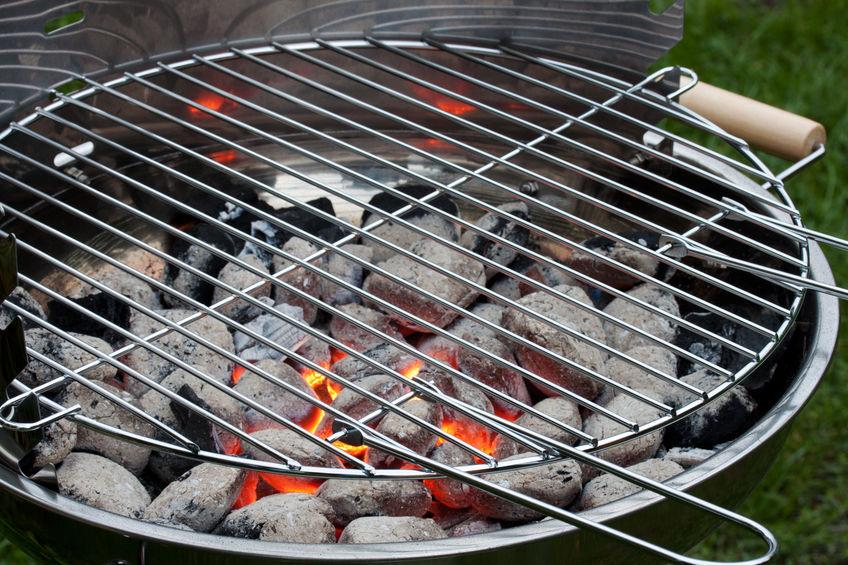 You have several safe options for cleaning grill grates without risking loose wire bristles in your food. Each tool works differently, so choose one that suits your grill type and cleaning habits.
Wooden Scrapers and Bristle-Free Cleaning Tools
A wooden scraper is one of the simplest tools for cleaning grates. Press its flat edge against the grate to scrape off grease and burnt food.
Wooden scrapers do not shed metal bristles. When the edge wears down, carve it with a knife to create a fresh scraping edge.
Some brands make bristle-free brushes shaped like traditional grill brushes but without wire bristles. These tools use tightly packed fibers or scraping edges, like the Grill Brush and Scraper Bristle Free from Grillart. They provide a scrubbing motion similar to a wire brush without the risk of loose metal bristles.
Aluminum Foil Held With Tongs
You can clean grates with a ball of crumpled aluminum foil held in tongs. This low-cost method uses items you likely already have at home.
Press the foil ball against warm grates and scrub back and forth. The foil helps remove food residue and grease, though it may scratch some grate finishes.
This method works best when the grates are warm. Heat loosens stuck-on food, making it easier for the foil to remove. Keep in mind that foil wears out quickly. You may need to replace the foil ball during cleaning, especially if the grates have heavy buildup.
Pumice Grill Stones
A pumice grill stone is a block made from volcanic rock. Rub it directly over the grates to remove grease and carbon buildup.
Pumice is abrasive enough to remove stuck-on debris, but it can scratch some grate materials. The stone gradually wears down as you use it, much like a bar of soap.
Many brands sell grill stones with handles, which keep your hand away from the heat. You can also find plain blocks designed to be held with a separate gripping tool.
Pumice stones can be used on some gas and charcoal grill grates, but check your grill manual and grate manufacturer’s recommendations first. Avoid them on porcelain-coated grates.
Nylon Pads and Sponges for Cool Grates
Nylon pads and scrubbing sponges work best on cool grates. They are gentler than metal tools or pumice, making them suitable for routine wipe-downs rather than heavy scraping.
Pair a nylon pad with warm water and dish soap for a deeper clean. This combination cuts through grease without introducing loose metal bristles, a concern also addressed in guides to safe grill cleaning without wire bristles.
Nylon pads work well for routine maintenance between deep cleanings. They may not remove heavy carbon buildup as quickly as a scraper or grill stone, but regular use helps keep grates clean.
How to Clean Grill Grates Without a Wire Brush
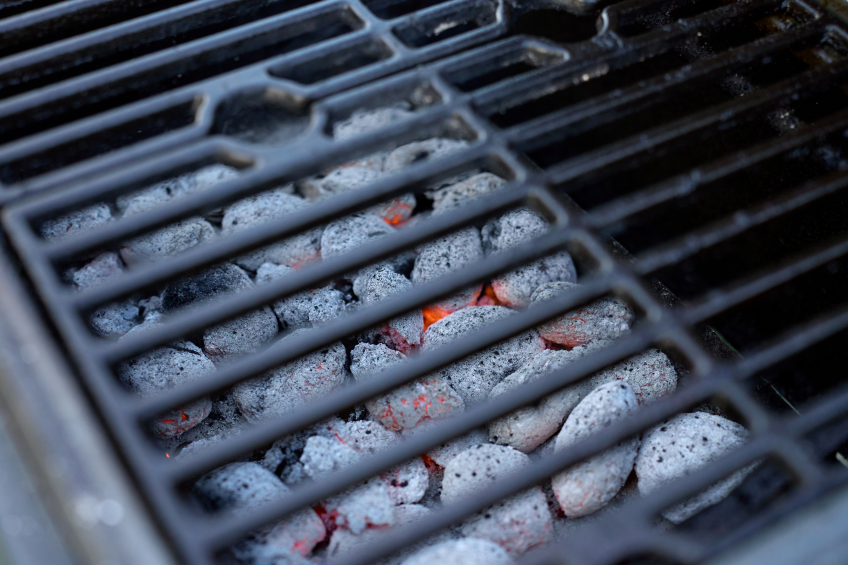 Cleaning a grill without a wire brush is straightforward when you follow the right steps. Heat, suitable household tools, and a quick wipe-down can remove most grease and food buildup without loose wire bristles.
Understanding how to clean a grill using alternative methods ensures your cookouts remain safe and tasty.
Loosen Residue With Heat, Then Scrape Safely
Heat can help with cleaning a grill. Turn the burners to high, close the lid, and heat the grates for 10 to 15 minutes. This helps loosen grease and stuck-on food.
Turn off the heat before scraping. Use a wooden scraper or a scraper recommended for your grate material to push off the loosened debris. A ball of aluminum foil held with tongs can also work on compatible grates, as described in this method using aluminum foil.
Scrape along the grates in one direction. This helps gather debris and makes the next cleaning step easier.
Wipe Away Debris and Check the Grates Before Cooking
After scraping, wipe the grates with a damp cloth or paper towel to remove ash and loose food particles. Use tongs or another safe tool to keep your hands away from warm grates.
Check the grates before cooking for any remaining grease or burnt residue. If you find any, use a nylon scouring pad that is safe for your grate material.
For tougher spots, steam can help loosen grime that a cloth alone cannot remove. Once the grates are clean and dry, apply a thin layer of oil if recommended for your grate material. This can help protect the surface and make future cleanup easier.
Use an Onion for Light, Fresh Residue
An onion can help with light cleaning right after you cook. Cut a yellow or white onion in half and spear it with a long grilling fork.
While the grill is warm, carefully rub the cut side of the onion across compatible grates. The onion’s moisture may help loosen fresh grease and small bits of food. This method is best for light residue, not heavy buildup.
The onion may leave a mild flavor on the grates. Use it soon after cooking, while the grates are warm but not so hot that cleaning becomes unsafe.
Choose a Method That Suits Your Grate Material
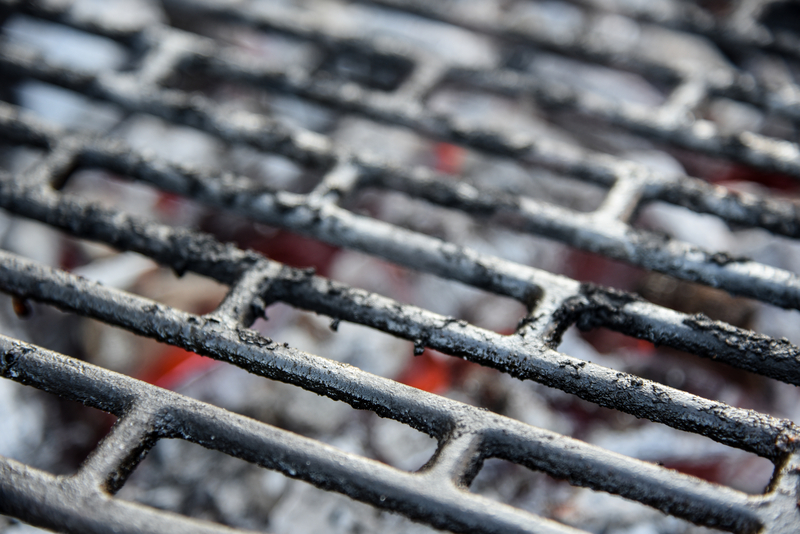 Not every cleaning method is suitable for every grill. Choose a tool based on your grate material, since each material reacts differently to heat, abrasion, and moisture.
Adapting how to clean a grill to its specific grate construction protects the finish and extends its lifespan.
Stainless Steel Grates
Stainless steel is durable, but abrasive tools can scratch it. Use a nylon brush, coiled stainless-steel mesh, or a grill stone recommended by your grate manufacturer to remove grease and food debris.
A grill stone uses abrasion to remove residue, but it can still scratch stainless steel. Follow the product instructions and use light, smooth strokes on warm, not hot, grates.
Avoid steel wool and other overly abrasive tools. They can leave fine scratches that trap grease and make future cleanups harder.
For routine care, wipe the grates after each use while they are warm, not hot. This helps prevent residue from hardening and reduces the need for deep cleaning.
Porcelain-Coated Grates
Porcelain coating can crack or chip, so avoid metal and sharp tools. A soft nylon brush, a non-abrasive scrub pad, or a folded piece of foil can be gentler options, but check the grill manual for approved cleaning tools.
After the grates cool, wipe them with a cloth or paper towel dampened with warm water and a little dish soap. For tougher grime, apply a paste of baking soda and water, let it sit for a few minutes, then wipe it off gently.
Do not use a grill stone or wire brush on porcelain-coated grates. Both can scratch or chip the surface, exposing the metal underneath to rust.
Seasoned Cast-Iron Grates
Cast iron needs careful cleaning to protect its seasoning, the layer of polymerized oil that helps prevent rust. Avoid soaking the grates or using harsh cleaners, and use a stiff nylon brush or a paper towel held with tongs to remove residue.
After each use, briefly heat the grates to loosen debris, then turn off the grill and wipe them clean with a paper towel held in tongs.
If rust spots appear, gently scrub them with a suitable nylon pad, then apply a thin coat of cooking oil. Heat the grates again according to the grill manufacturer’s instructions to help maintain the seasoning and protect the metal.
Remove Stubborn Grease and Carbon Buildup
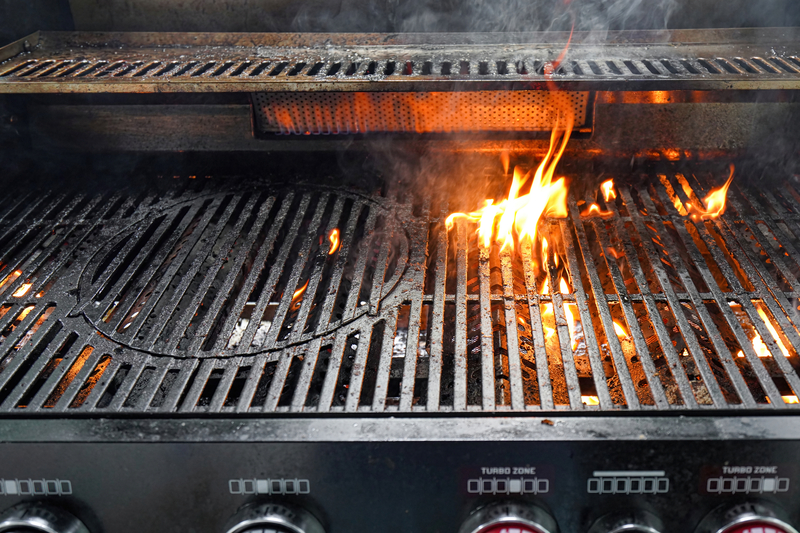 Stubborn grease and carbon buildup can often be loosened without a wire brush. Dish soap, water, baking soda, and steam are options, but choose a method that is safe for your grate material.
Soak Removable Grates With Dish Soap and Warm Water
Remove the grates and place them in a sink or large tub if the manufacturer’s instructions allow it. Fill the container with warm water and a few squirts of dish soap.
Let the grates soak for at least 20 minutes if their material allows soaking. This gives the soap time to break down grease and loosen stuck-on food.
After soaking, wipe the grates with a sponge or cloth. Most residue should come off with light pressure.
Rinse well and dry the grates thoroughly before putting them back. Soaking may be suitable for some porcelain-coated grates, but check your owner’s manual first. Avoid soaking cast iron, since prolonged moisture can cause rust.
Try Baking Soda Paste or Controlled Steam
Mix baking soda with a small amount of water to form a thick paste. Apply it to greasy spots and let it sit for 10 to 15 minutes.
The paste can help loosen baked-on grease. Wipe it off gently with a damp cloth, taking care not to scratch the grate surface.
Steam is another option for tough buildup. Place a heat-safe pan of water on the grill, close the lid, and heat it for about 10 minutes, following the grill manufacturer’s instructions. This method is also described in guides to cleaning a grill at home without harsh chemicals.
Turn off the grill and allow it to cool enough to clean safely. Steam can soften grease so you can wipe it away with a cloth or suitable scraper.
Avoid Bristle Hazards and Surface Damage
 Wire grill brushes can shed bristles that stick to food, while other cleaning tools can damage your grill if used incorrectly. Knowing the risks can help you clean your grates safely.
Why Loose Wire Bristles Are a Concern
Wire grill brushes can shed bristles as they wear down. These small wires can be hard to spot on a dark grill grate.
Absolutely — here is the version with both USDA and FDA links embedded naturally:
If a bristle breaks off and sticks to your food, you could swallow it without noticing. The USDA warns that wire grill-brush bristles can be accidentally ingested and recommends checking the grill surface for loose bristles before cooking.
The FDA also advises consumers to check grilled food for detached bristles. A 2016 study estimated that about 1,700 people visited U.S. emergency departments between 2002 and 2014 after accidentally ingesting wire bristles from grill brushes.
Before each use, check your brush for loose or bent wires. Shake it firmly over a light-colored surface to see if any bristles fall out. If you notice damage or missing bristles, discard the brush and replace it.
Brushes stored outside over winter can wear out faster because rain and snow cause the metal to corrode. If you grill often, you may need to replace your brush more than once a year.
When Abrasives, Foil, and Steam Need Extra Caution
Bristle-free tools avoid the risk of swallowing wire bristles, but some can still scratch or damage your grill if used incorrectly.
Stainless steel scrubbers work well on tough, stuck-on food, but check your grates afterward for loose pieces of steel mesh, which can also break off.
Pumice grill stones are suitable for cast-iron and stainless steel grates, but avoid using them on enameled cast-iron grates because the stone can scratch or strip the enamel coating. Grill stones can also leave dust and debris, so wipe your grates with a wet rag afterward to remove any residue.
Aluminum foil balls can scrub grates in a pinch, but never line your grill with foil or drape it over the grates to catch grease. Foil can block grease from draining properly, increasing the risk of a grease fire or flare-up.
Steam-cleaning pads should only be used after you scrape off stuck-on food with another tool. Using a steam pad on heavy, caked-on grime first can tear the fabric and shorten the pad’s life.
Keep the Rest of the Grill Clean
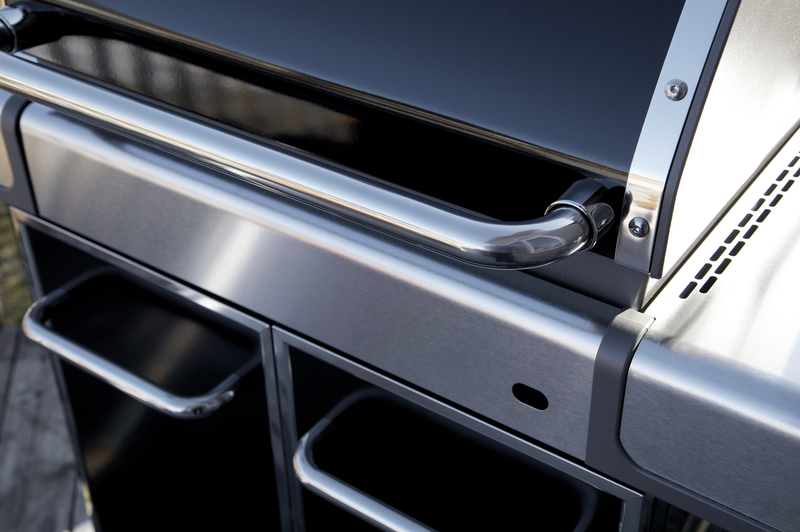 Cleaning a grill involves more than the grates. Drip trays, ash, and grease buildup can affect flavor and create fire hazards if left unchecked.
Learning how to clean a grill completely, including the firebox and vents, prevents flare-ups and improves airflow.
Empty Drip Trays and Remove Loose Ash
Check your drip tray every few uses. Grease and food bits collect there, and a full tray can cause flare-ups or attract pests.
Remove the tray and scrape solid debris into the trash. Wash it with warm, soapy water, then dry it before putting it back.
For charcoal grills, clear loose ash from the bottom vents and ash catcher. Built-up ash blocks airflow, making it harder to control your grill’s temperature.
Use a small shovel or scoop to remove ash only after it has cooled completely. Never put hot ash in a regular trash can, as it can smolder for hours and start a fire.
Clean Grates After Use and Dry Them Thoroughly
The best time to clean grill grates is right after cooking, while they’re still warm. Food residue is easier to remove before it hardens.
You can use half an onion speared on a fork to scrub the grates while they’re hot. The cut surface helps loosen grease without scratching the metal.
A wooden grill scraper also works well for removing stuck-on food without leaving bristles behind.
After scrubbing, rinse the grates with water and dry them completely. Moisture left on cast-iron grates can cause rust over time. A thin coat of cooking oil on dry grates adds a layer of protection before your next use.
FAQ: What Can I Use Instead of a Wire Grill Brush?
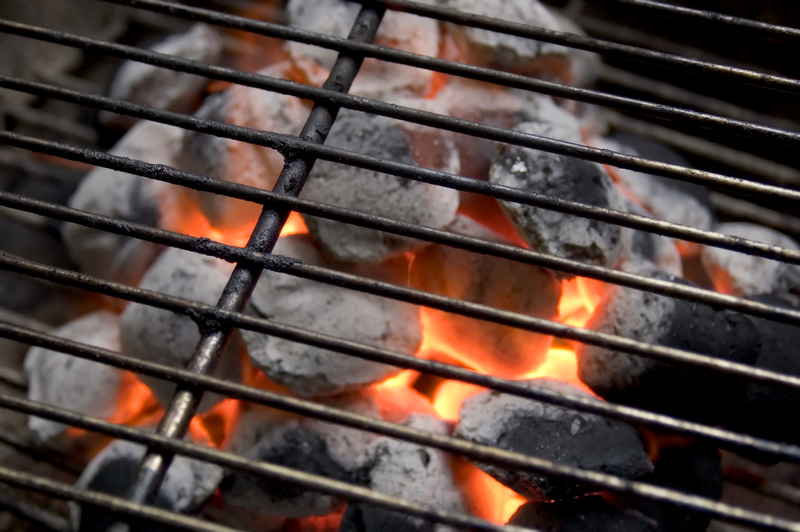 You can clean grill grates without a traditional wire brush by using a nylon grill brush, bristle-free coil brush, grill scraper, or suitable grill-cleaning stone. The safest choice depends on the grate material, because some abrasive tools can damage coated or delicate surfaces.
Are Nylon Grill Brushes Safe for Grill Grates?
A nylon grill brush can be a useful alternative when the grates are relatively cool or when the brush is specifically rated for the grill’s cleaning temperature. Standard nylon can melt at high temperatures, so always follow the brush manufacturer’s instructions.
What Is a Bristle-Free Grill Brush?
A bristle-free grill brush uses stainless-steel coils or another solid cleaning surface instead of individual wire bristles. It can be suitable for many uncoated metal grates, but check the grill manufacturer’s cleaning recommendations before use.
Can You Use a Grill Scraper Instead of a Wire Brush?
Yes, but the scraper must be compatible with the grate material. Stainless-steel scrapers can generally be used on uncoated stainless-steel or cast-iron grates, while porcelain-enamelled, ceramic, and other coated grates may require a non-abrasive scraper designed specifically for that surface.
Can You Use a Pumice Stone to Clean Grill Grates?
A grill-cleaning pumice stone can remove stubborn buildup from suitable uncoated metal grates, but it should not automatically be used on porcelain-coated, enamelled, ceramic, or other delicate surfaces. Check the grate manufacturer’s instructions before using an abrasive cleaning product.
Can You Clean Grill Grates Without a Brush?
Yes. A suitable scraper can remove stuck-on residue, followed by wiping the grates with a cloth or paper towel once they have cooled sufficiently. For coated grates, use only cleaning tools recommended by the grill manufacturer to avoid scratching or removing the protective surface.