Grilling tools can end up in all sorts of places. You might find your tongs in a kitchen drawer, your grill brush in the garage, and your meat thermometer somewhere you cannot remember.
The best place to store your grill tools is close to the grill, whether on a hook or rack, in a nearby storage box, or in a heavy-duty fabric bag. Keeping your grilling tools organized and within reach saves time and means you won’t have to search through drawers or cabinets before cooking. Proper storage also helps protect your utensils from moisture, dirt, and rust, extending their useful life.
Good grill tool storage does more than keep things neat. It protects your gear, keeps grilling accessories organized, and simplifies outdoor cooking. This guide covers practical ways to store your tools so you always know where to find them.
The Best Spots for Everyday Storage
 The right storage spot for your grilling tools depends on how often you cook and how much room you have. A dry drawer, outdoor cabinet, or garage shelf can work well, depending on your setup.
A Dry Drawer or Cabinet Near the Grill
Keep your grilling utensils in a drawer or cabinet close to the grill. This keeps them within reach while you cook. Choose a spot that stays dry. Moisture can cause metal tools, including stainless steel ones, to rust over time.
A cabinet under an outdoor kitchen counter works well. So does a drawer built into a grill cart. Line the drawer with a rubber mat to keep tools from sliding around and reduce noise.
Keep the drawer or cabinet small and focused.
Store only the tools you use every time you grill:
- Tongs
- Spatula
- Basting brush
- Meat thermometer
A Grill Tool Storage Bag for Larger Tool Collections
If you have a large collection of grilling utensils or several long-handled tools, a dedicated storage bag can keep everything together and make it easier to transport your tools between the garage, shed, and grill area.
The Grill Utensil Storage Bag measures 24 x 8 x 8 inches and can accommodate utensils up to about 23 inches long. Its heavy-duty 1680D Oxford fabric is designed to resist tearing and abrasion, while the reinforced base supports up to 33 pounds.
The wide carry handle and dual-opening zipper also make the bag useful for transporting grilling tools to backyard cookouts or camping trips. It is particularly suited to longer spatulas, tongs, brushes, and griddle accessories that may be awkward to store in a standard kitchen drawer.
An Outdoor Cabinet for Frequent Use
If you grill several times a week, an outdoor cabinet can be a practical choice. Weather-resistant cabinets are generally better suited to outdoor storage than standard indoor drawers.
Look for cabinets made from stainless steel or properly treated wood. These materials can withstand outdoor conditions, but protection from prolonged exposure to rain and sun helps extend their life.
A cabinet gives you more room than a drawer. You can store larger items, such as grill covers and cleaning brushes, alongside your everyday tools. Store fuel separately and follow its safety instructions.
Place the cabinet on a covered patio if possible. Even weather-resistant materials last longer when protected from direct sun and rain.
Choose a cabinet with shelves or bins inside. This keeps your outdoor cooking tools organized instead of piled together, so you can find what you need quickly.
A Garage or Shed When Patio Space Is Limited
If your patio is small, a garage or shed may be your best option. This works well if you don’t grill every day and don’t mind walking a short distance to get your tools.
Store tools in a closed bin or toolbox rather than on an open shelf. This helps keep dust and pests away.
Hang long-handled tools like tongs and spatulas on a hook or pegboard. This saves space and keeps them easy to spot. Keep a small caddy or bag near the door. Fill it with your most-used tools before heading out to grill, so you’re not searching for items each time.
Keep Tools Handy While You Cook
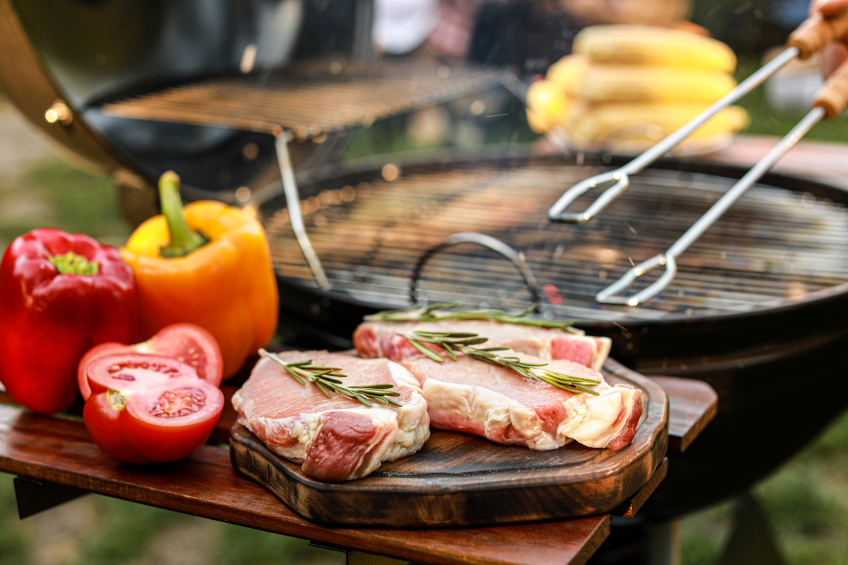 Good tool placement saves time and helps keep your outdoor cooking area safe. Keep the tools you use most within arm’s reach, and set aside a separate space for anything that has touched raw meat.
Use Grill Hooks for Clean, Frequently Used Utensils
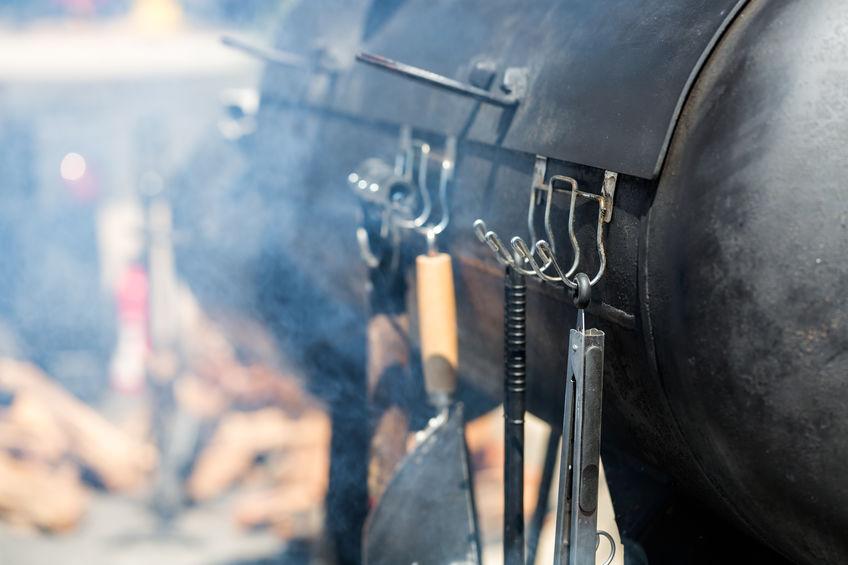
Many grills have hooks built into the side or handle area. These hooks are useful for tools you reach for often, like tongs and spatulas. Hang clean tools here while you grill, so you don’t have to walk back inside to flip a burger or check on your food. Basting brushes can also hang here between uses during a cooking session.
Use grill hooks for short-term access during cooking, not long-term storage. Tools left outside for weeks can rust or crack from exposure to sun and weather. Wash your tools and bring them indoors once you’re done cooking for the day.
Set Aside a Tray for Tools That Have Touched Raw Food
Keep tools that have touched raw meat separate from clean utensils. This helps you separate raw and ready-to-eat foods, reducing the risk of illness from cross-contamination.
Set a small tray or plate next to the grill for used tools. Place tongs used to put raw chicken on the grill on this tray, rather than putting them on a clean surface or handling them unnecessarily.
The same rule applies to any brush or spatula used on food before it is fully cooked. Once the food is done, use a clean tool or platter for serving.
Choose a Storage Setup That Fits Your Space
 The right setup depends on how much room you have and how often you grill. Small patios call for compact options, while larger backyards can accommodate cabinets or rolling carts.
Wall Hooks, Pegboards, and Magnetic Strips
If you have wall space, hooks are an affordable way to organize your tools. Mount them near the grill to hang spatulas, tongs, and brushes.
A pegboard tool organizer lets you move the hooks as your collection grows. Pegboards also keep tools visible, so you don’t have to search through a drawer.
Magnetic tool strips are another option for compatible metal utensils. Mount one on a wall or the side of a metal cabinet to keep tools within reach while cooking and clear your prep area.
Shelves, Drawers, and Built-In Cabinets
Shelving units provide space for bulky items like sauce bottles, extra fuel, and covered dishes. Open shelves work best for items you grab often, since they’re easy to reach.
Drawers are better for smaller tools you want to keep dust-free. You can also separate items by type, such as keeping thermometers in one drawer and cleaning brushes in another.
If you grill often and have the budget, built-in BBQ storage is worth considering. These setups are designed for permanent outdoor kitchens and are covered in detail in this outdoor grill storage guide. They combine drawers, cabinets, and counter space in one weather-resistant unit.
Portable Caddies, Cases, and Rolling Carts
If you move your grill or cook in different locations, portable storage may be more practical than fixed shelves. A caddy or case lets you carry your tools, seasonings, and gloves together.
Rolling carts are useful if you need extra counter space as well as storage. Wheel one next to your grill while cooking, then move it out of the way when you’re done. Some carts include hooks or small bins for extra organization.
These options work well for renters or anyone without a permanent outdoor kitchen. They also make cleanup faster since everything can be stored in one place.
Simple DIY Organizers for Small Spaces
You don’t need a lot of room or money to keep your tools organized. A small basket, mounted rail, or repurposed toolbox can all work as DIY BBQ storage.
For balconies or tight patios, look for narrow storage options designed for small spaces. A slim rolling cart or wall-mounted rack can fit against a railing without taking up much floor space.
You can also repurpose items you already own, like a mason jar for utensils or a shoe organizer for small tools. These low-cost options keep your grilling area tidy without a big investment.
Give Each Type of Gear Its Own Place
 Your grill setup works best when each tool has a clear purpose and a designated spot. Sorting gear by use helps keep your hands clean, your food safe, and your grill organized.
Group Cooking Utensils Within Easy Reach
Keep your grilling utensils together near the grill so you can grab them quickly.
Keep tongs, spatulas, and basting brushes within arm’s reach while you cook. A silicone tool rest with prongs can hold your tongs between uses.
Choose tools with long handles to keep your hands away from the heat.
Store this group in one spot, like a small bin or tray. A rimmed baking sheet works well for carrying tools to and from the kitchen.
Separate Cleaning Tools From Food-Handling Tools
Your grill brush and other cleaning tools should be stored separately from tools that touch food. Keep your grill brush or brushes in their own space, away from tongs and spatulas. This helps prevent bristles, ash, or cleaner from contaminating food.
Keep tools used for raw meat separate from those used for cooked food. Bring a clean platter to the grill for finished food. A simple rule helps: use one zone for raw-food tools, one for cleaning tools, and one for serving tools. This keeps tools organized by cooking stage and helps prevent cross-contamination.
Protect Thermometers and Organize Larger Accessories
Your meat thermometer needs a safe, dry storage spot. Heat and weather can damage it quickly. Store your meat thermometers in a drawer or small case, rather than near the grill. This helps protect them and keeps them easy to find.
Larger grilling accessories, such as grill mats and extra grill grates, need more space. A shelf, cabinet, or storage space under your grill works well for these items. Group bulky grilling accessories together, away from small hand tools. This keeps your grill area clear and easy to navigate.
Protect Tools From Weather and Seasonal Damage
 Rain, sun, and cold can damage grill tools over time. A few simple habits can help protect your gear through every season.
Choose Storage That Stays Dry and Ventilated
Choose a storage spot that keeps water out while allowing air to circulate. Sealed containers without ventilation can trap moisture, increasing the risk of rust, just like leaving tools out in the rain.
Look for weather-resistant storage made from plastic, powder-coated metal, or treated wood. These materials generally withstand rain and sun better than untreated wood or bare metal.
A well-fitting lid helps keep rain out, while vents or small openings allow trapped humidity to escape. Keep storage away from direct sunlight, too. UV rays can fade handles and dry out wood over time.
Move Moisture-Sensitive Gear Indoors
Some tools are best stored indoors, even if you have a good outdoor storage box. Meat thermometers are one example: digital components and glass can be damaged by temperature swings and damp conditions. Bring these items inside after each grilling session rather than leaving them in outdoor storage. A kitchen drawer or cabinet works well.
Wooden-handled tools also benefit from indoor storage during long stretches of wet weather. Moisture can soak into the wood grain and cause cracking or rot over time. If you must store thermometers or wooden-handled tools outside, wrap them in a cloth or place them in a sealed bag to help protect them from humidity.
Pack Tools Away for the Off-Season
When grilling season ends, clean every tool before storing it. Food residue on metal surfaces can trap moisture and speed up rust. Dry each tool thoroughly with a towel, then apply a thin coat of cooking oil to metal parts. This helps protect them from air and moisture while your gear is unused.
Store tools in a dedicated grill tool storage container or cabinet. If you don’t have outdoor storage suited to winter, a garage shelf or closet works well. Check your tools once a month during the off-season. Spotting rust or handle damage early makes cleanup easier when grilling season starts again.
Clean and Check Tools Before Putting Them Away
 Grilling tools pick up grease, food particles, and smoke residue during use. Cleaning and checking them before storage helps keep them in good condition and prevents rust or damage from building up.
Wash Off Grease and Food Residue
Wash your grilling tools soon after cooking. Grease and food particles can harden as they cool, making them harder to scrub off. Use warm water and dish soap to clean tongs, spatulas, and forks. A scrub brush or sponge works well for stuck-on residue.
For grill grates, brush off large debris first. Then wipe them down with soapy water or a cleaner made for outdoor grill grates. Clean tools even if they look spotless. Grease can be hard to see, and it can attract dust and pests during storage.
Dry Tools Completely Before Storage
Drying your tools is just as important as washing them. Water left on metal tools can cause rust, even on stainless steel. Use a clean towel to dry each tool after washing. Wipe the handles, heads, and joints where water might collect.
After towel-drying, let your tools air-dry for a few extra minutes. This step helps extend the life of your grilling equipment and reduce the risk of rust.
Pay close attention to grill brushes. Bristles can hold water longer than flat tools, so give them extra drying time before storage.
Inspect Brushes and Replace Damaged Gear
Check each tool for damage before storing it. Look for cracks in handles, loose joints, and bent or broken parts on tool heads. Inspect grill brushes closely for loose or missing bristles, which can fall onto grill grates and end up in your food.
If a brush has worn or frayed bristles, replace it. A damaged brush may not clean grates effectively and can be unsafe to use. Check tongs and spatulas for rust or weak spots in the metal. Discard any tool that’s cracked, rusted through, or too weak to use safely while cooking.
FAQ: Where Do You Put Grill Tools?
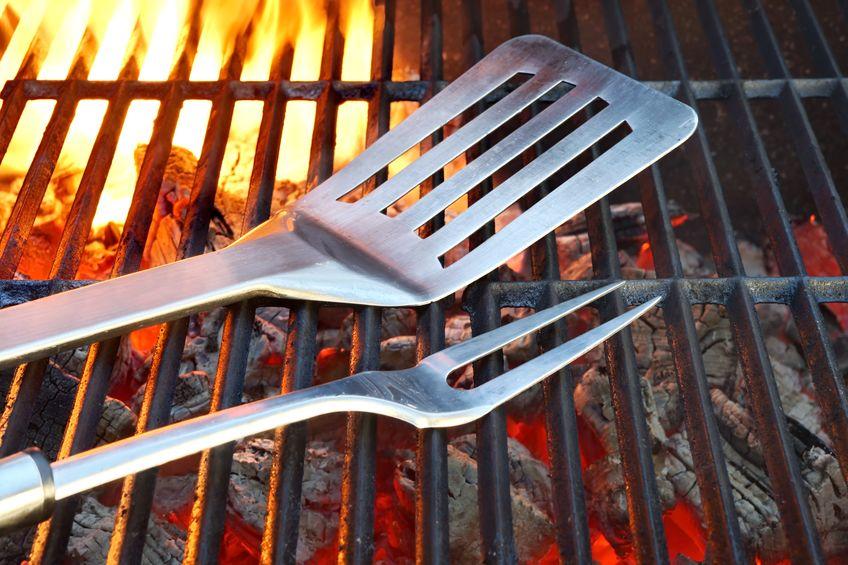 Grill tools should be kept close enough to the grill for easy access but far enough away from direct heat and flames. A grill’s side shelf, built-in tool hooks, or a nearby heat-resistant storage area can all work well.
Can You Hang Grill Tools on the Grill?
Yes, if the grill has dedicated tool hooks. Hanging tongs, spatulas, and other utensils from these hooks keeps them accessible while keeping them off the cooking surface.
Should Grill Tools Be Stored Outside?
They can be stored outdoors if they are kept clean, dry, and protected from rain and excessive moisture. Long-term exposure to the elements can cause metal tools to rust and wooden or plastic handles to deteriorate.
Can You Leave Grill Tools on the Side Shelf?
Yes, temporarily. However, avoid placing plastic-handled tools, cloths, or other heat-sensitive items too close to hot surfaces or burners.
Where Should Grill Tools Be Stored After Cooking?
After cooking, clean and dry the tools before storing them in a dry drawer, cabinet, grill-tool organizer, or covered storage container. Keeping them protected helps prevent rust, contamination, and damage.