

 There is something about firing up the grill that makes food taste better and feel like an event. But BBQ is not just about taste. Grilling can support healthy eating by helping reduce added fat, making vegetables more appealing, and bringing people together.
If you love backyard barbecuing, you probably already know how good it feels to share a meal outside. Grilling can also support your health goals when you choose nutritious ingredients and cook them safely. Many potential health benefits of grilling come down to how you manage fat, heat, and flavor.
Whether you are a weekend griller or barbecue every chance you get, it helps to know how your cooking choices affect a meal. Understanding the health benefits of BBQ helps you make smart choices at the grates.
Exploring the 7 reasons why cooking & eating BBQ is good for you shows how simple cookouts fit into balanced eating. BBQ can make lean proteins and vegetables more appealing while giving you full control over ingredients.
Protein and Fat: Two Nutritional Advantages
 BBQ gives you a chance to choose lean cuts of meat and fish that provide protein. Grilling can also reduce the need for added oil, and some fat can drip away from food as it cooks.
1. Lean Proteins Support a Satisfying Meal
When you plan a BBQ, you choose the protein. Chicken breast, lean beef, salmon, and tuna are all good options for the grill.
These foods provide protein and essential B vitamins, though their fat content varies by cut and preparation. Protein helps you feel full after a meal, which may help you manage how much you eat.
You can build your meal around lean proteins rather than fattier cuts. A grilled chicken breast or piece of salmon can provide protein with less fat than a heavily marbled steak.
Selecting lean cuts of meat allows you to enjoy rich barbecue flavors with less saturated fat. This makes it easier to put together a meal that fits your goals, whether you want to support muscle health or enjoy a filling dinner.
2. Grilling Can Reduce Added Oil and Let Some Fat Drain Away
Grilling often requires little or no added oil. You can place food on the grates and let the heat cook it.
Unlike some pan-frying methods, grilling allows fat from meat to drip through the grates rather than remain in the pan. The amount of fat in the finished meal depends on the food and how it is prepared.
This can matter with grilled meats that contain natural fat, such as beef or pork. As any grilled meat cooks, some fat renders and drips away.
This process results in a reduced fat content compared to pan-frying in butter or oil. Enjoying dishes with reduced fat supports everyday nutritional goals without sacrificing flavor.
Grilling can let some fat drain away, but it does not remove all the fat or guarantee a lower-fat meal. Choosing lean cuts and trimming visible fat can also help you manage the fat on your plate.
Vegetables and Nutrients: Two More Reasons to Grill
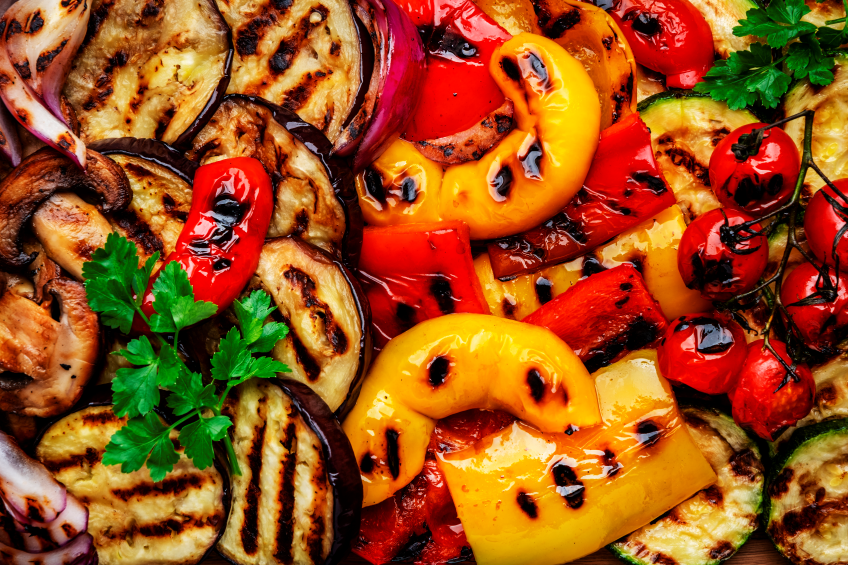 Grilling vegetables adds fiber and plant compounds to your plate. Because grilling uses little water and can be quick, it may also help preserve some nutrients compared with longer cooking methods. These qualities make the grill a useful option for preparing a balanced meal.
3. Grilled Vegetables Add Fiber and Variety
Grilling vegetables is an easy way to add fiber and variety to a meal. Peppers, zucchini, onions, mushrooms, and corn all work well on the grates and provide fiber.
Fiber supports digestion and can help you feel full. Vegetables also contain plant compounds, including antioxidants, that help protect cells from damage.
Colorful options like bell peppers are rich in vitamin C, supporting immune health. You can mix and match vegetables each time you grill to keep meals varied.
Try these common choices:
- Bell peppers
- Zucchini
- Asparagus
- Mushrooms
- Red onions
- Corn on the cob
Each vegetable provides a different mix of nutrients, so grilled vegetables can add variety to your diet without much extra effort.
4. Short Cooking Times May Help Preserve Some Nutrients
Grilling uses dry heat and little to no water, so fewer water-soluble nutrients may leach into cooking water than when vegetables are boiled. Vitamin C and some B vitamins, including thiamine and riboflavin, can be affected by prolonged heat and cooking in water.
Keeping cook times short and heat steady may help preserve some nutrients. Cooking vegetables for too long or charring them can reduce this benefit.
Minerals such as iron and calcium are generally more stable during cooking than some vitamins. For the best results, aim for nutrient preservation by taking vegetables off the grill when they are tender and lightly browned, rather than blackened.
Flavor Without Relying on Heavy Sauces
Grilling develops flavor in food, so you may not need to add thick sauces to make a meal taste good. Heat, smoke, and simple seasonings can do much of the work.
5. Browning and Smoke Make Simple Ingredients Appealing
When you cook meat over high heat, its surface can brown through the Maillard reaction, which creates savory flavors. This browning gives food a different taste and texture from boiling or steaming.
Thoughtful BBQ cooking can also add a wonderful smoky flavor. On charcoal grills, smoke from the coals and cooking food flavors the meal. Many outdoor cooks love charcoal grills because the embers impart a distinct, rich profile.
Gas grills generally produce less smoke, but you can add smoky flavor by using wood chips.
You can add more flavor with a dry rub or marinade. In fact, marinating meat before it hits the grates infuses tender texture and savory moisture.
Try these simple options:
- Dry rub: salt, pepper, garlic powder, paprika
- Marinade: olive oil, lemon juice, herbs
- Wood chips: hickory, mesquite, or applewood for extra smoke
These methods can add flavor without relying on bottled sauces, which may contain added sugar and sodium.
More Control Over a Balanced Meal
 Cooking BBQ at home gives you control over what goes on your plate. You choose the protein, marinade, sides, and portion sizes.
6. Homemade BBQ Makes Ingredients and Portions Easier to Choose
When you grill at home, you choose the ingredients in your meal. You can opt for lean cuts of chicken or fish and decide what goes into your marinades and rubs.
This lets you limit sodium, sugar, and added fats that may be present in store-bought sauces. Many BBQ recipes use fresh herbs and spices for flavor instead.
Homemade BBQ can also make portion control easier. You can grill the amount of meat you plan to eat rather than serving yourself from a large restaurant plate.
Adding grilled vegetables rounds out the meal with fiber and nutrients. This approach encourages balanced eating by pairing wholesome produce with lean mains.
Peppers, zucchini, and asparagus cook quickly and pair well with many proteins.
Tools like electric grills can help you manage heat more precisely, which may reduce the risk of burning food. Combined with thoughtful ingredient choices, this can make balanced outdoor cooking easier.
The Social Side of Outdoor Cooking

Cooking outside is not just about the food. It gives you a reason to spend time with others and build connections that can make meals more enjoyable.
7. Preparing and Sharing Food Can Be Enjoyable
When you cook at the grill, people may gather to talk, watch, and wait for the food. This setup lets you cook and socialize at the same time, which can be harder to do while cooking indoors.
Cooking can also be a relaxing activity for some people. Tasks like flipping burgers or basting meat give you something to focus on and may help lower stress.
For many grillers, this routine acts as a welcome form of cooking therapy. Preparing food outdoors offers an enjoyable way to unwind after a long week.
Barbecuing also invites teamwork. Friends or family might help chop vegetables, season meat, or set the table, building a sense of working together toward a shared goal.
Becoming a grill master takes practice, but the time spent with others can be just as rewarding. Outdoor cooking can turn a regular meal into an event people look forward to, especially when barbecues bring neighbors and communities together.
How to Enjoy BBQ While Limiting Risks
 BBQ can fit into a healthy diet, but high heat and smoke can create compounds associated with cancer risk. A few simple grilling changes can reduce your exposure while preserving the flavor you love.
Reduce Charring, Flare-Ups, and Smoke Exposure
When meat cooks at high temperatures or over an open flame, it can form two types of compounds associated with cancer risk: heterocyclic amines (HCAs) and polycyclic aromatic hydrocarbons (PAHs). These compounds are considered carcinogens that develop during intense heat exposure.
Heterocyclic amines form when amino acids react to direct heat. Polycyclic aromatic hydrocarbons form when fat drips onto flames and rises in smoke.
Taking steps to minimize these carcinogens lets you fully appreciate the health benefits of BBQ without compromise.
You can reduce the formation of these compounds with a few changes:
- Marinating meat before grilling, even for 30 minutes, may reduce HCA formation. Marinades with acidic ingredients such as lemon juice or vinegar may help.
- Trim excess fat to reduce flare-ups.
- Cook with indirect heat instead of placing food directly over flames.
- Flip food often and avoid letting it sit in one spot too long.
- Cut off any charred or blackened bits before eating.
These simple healthy grilling habits can help reduce exposure to potentially harmful compounds without changing what you cook.
Cook Meat to a Safe Internal Temperature
Undercooked meat can carry harmful bacteria, so checking its internal temperature is as important as watching for charring. Use a meat thermometer instead of guessing based on color or cooking time.
Here are general minimum safe internal temperatures:
| Food | Minimum Internal Temperature |
|---|---|
| Ground meat (beef, pork) | 160°F |
| Poultry | 165°F |
| Whole cuts of beef, pork, lamb | 145°F |
| Fish | 145°F |
Letting meat rest for a few minutes after grilling helps it finish cooking evenly. Pair safe cooking temperatures with lower, steadier heat to reduce charring and help ensure food is safe to eat.
FAQ:7 Reasons Why Cooking & Eating BBQ Is Good for You
 Cooking and eating barbecue can be an enjoyable way to prepare meals, spend time outdoors, and share food with family and friends. When you choose nutritious ingredients and use sensible cooking methods, BBQ meals can provide protein, vegetables, and other valuable nutrients. However, the health benefits depend on what you eat, how you cook it, and how often you consume grilled or smoked foods.
Grilling Can Help You Prepare Leaner Meals
Grilling is a useful cooking method for lean cuts of meat, poultry, and fish. Fat can drip away from food during cooking, although the amount varies depending on the cut and preparation method.
Choosing lean proteins, trimming visible fat, and avoiding excessive butter or oil can help keep meals balanced. Remember that grilling does not automatically make every food low in calories; sauces, marinades, and fatty cuts can substantially increase the energy content.
BBQ Makes It Easy to Eat More Vegetables
A barbecue is not just for meat. Vegetables such as peppers, courgettes, aubergines, mushrooms, onions, and asparagus can develop a delicious roasted flavor when grilled.
Vegetables provide fiber, vitamins, minerals, and other beneficial plant compounds. Serving grilled vegetables alongside protein-rich foods is a practical way to create more varied and balanced meals.
Grilled Fish Provides Valuable Nutrients
Fish is an excellent option for a BBQ, providing protein and, depending on the species, omega-3 fatty acids. Oily fish such as salmon, sardines, and mackerel are particularly good sources of these fats, which support normal heart and brain function.
Grill fish in a basket or on a suitable tray to help prevent it from sticking or breaking apart. Avoid charring it excessively, and cook it thoroughly.
Outdoor Cooking Can Encourage More Home-Cooked Meals
Using a BBQ can make home cooking more appealing, particularly during warmer weather. Preparing meals yourself gives you greater control over ingredients, portion sizes, salt levels, and added sugars than relying on many takeaway or restaurant meals.
For a balanced barbecue, combine vegetables, whole grains or other fiber-rich sides, and an appropriate portion of protein. Choose marinades and sauces with moderate amounts of salt and added sugar.
Sharing BBQ Meals Can Support Social Well-Being
Barbecues often bring friends and family together around a shared meal. Eating with others can create opportunities for conversation, connection, and enjoyment, which are important aspects of overall well-being.
Outdoor gatherings can also encourage people to spend time together away from screens and everyday routines. These benefits come from the social experience rather than from the grilling method itself.
Grilling Can Add Flavor Without Heavy Sauces
High heat creates browning that gives grilled food its distinctive roasted flavor. Herbs, spices, citrus juice, garlic, and modest amounts of oil can add further flavor without relying on large quantities of creamy sauces or sugary glazes.
Try seasoning vegetables, fish, and lean meats before grilling, and serve sauces on the side so everyone can choose how much to use.
BBQ Can Be Part of a Balanced Diet
A barbecue can accommodate a wide range of nutritious foods, including lean meat, fish, beans, vegetables, and whole-grain side dishes. This flexibility makes it possible to prepare meals that suit different dietary preferences.
For a healthier approach, vary your protein sources, include plenty of vegetables, and avoid making processed meats such as sausages and bacon the main feature of every BBQ. Keep portions balanced and pair meals with water or other low-sugar drinks.
Is Barbecue Always Healthy?
Not necessarily. Cooking meat at very high temperatures or over open flames can produce compounds such as heterocyclic amines (HCAs) and polycyclic aromatic hydrocarbons (PAHs). These compounds can form when meat is exposed to intense heat, smoke, or flames, particularly when it becomes heavily charred.
To reduce exposure, avoid excessive charring, prevent fat from dripping directly onto flames where possible, remove burnt portions, and use moderate heat or indirect cooking when appropriate. Always cook food to a safe internal temperature, and never sacrifice food safety to avoid browning.